
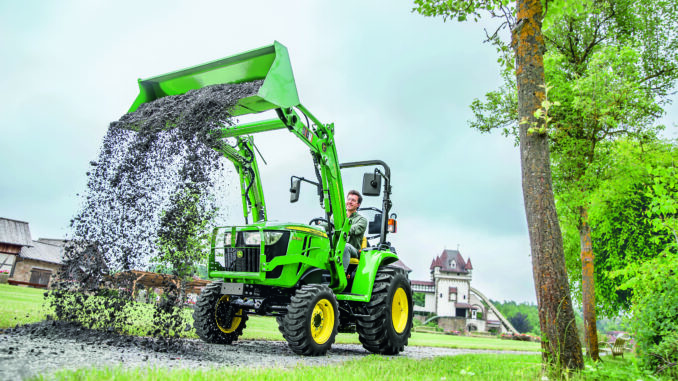
Introduction: John Deere 1070 Compact Utility Tractor
The John Deere 1070 is a compact utility tractor designed for small acreage, homesteads, and property maintenance where you need more capability than a lawn tractor but less bulk than a full‑size farm machine. It is typically used for mowing with a mid‑ or rear‑mounted mower, loader work, grading driveways, light field work, and running PTO‑driven attachments such as rotary cutters, tillers, and snow blowers.
This John Deere 1070 Service and Repair Guide is written for homeowner and DIY users in the USA and Canada who are comfortable with basic maintenance and willing to tackle intermediate repairs when clearly explained. The guide focuses on symptom‑first troubleshooting, realistic DIY boundaries, parts information, and how to find diagrams and manuals without getting lost in technical jargon.
And See:
General Overview of the John Deere 1070
The John Deere 1070 sits in Deere’s compact utility tractor lineup and shares many systems with other 70‑series machines such as the 670, 770, 870, and 970. It uses a diesel engine, mechanical transmission, hydraulic power steering and three‑point hitch, and an independent or live PTO depending on configuration. Owners commonly pair the tractor with a loader, rear mower, box blade, and similar light‑to‑medium duty implements.
Key systems you’ll deal with on a John Deere 1070 include:
-
Engine and fuel system (diesel engine, glow plugs, fuel filters, injection pump, lines).
-
Cooling system (radiator, fan, coolant hoses, water pump).
-
Mower and PTO system (mid or rear mower deck, PTO shaft and clutch).
-
Drive system (gear transmission, clutch, differential, 4WD front axle if equipped).
-
Hydraulic system (three‑point hitch, loader valve, steering).
-
Electrical system (battery, starter, alternator, lights, safety switches, glow plug circuit).
Common service parts owners buy for the John Deere 1070 include engine oil and fuel filters, air filter elements, hydraulic filters, spin‑on transmission filters, fan belts, mower deck belts, spark/glow plugs, radiator caps, PTO and drive belts, and common electrical switches such as seat and PTO interlock switches.
Troubleshooting Approach for John Deere 1070
Effective diagnosis on a John Deere 1070 starts with the symptom you see or hear, not with guessing which part is bad. Always note what the tractor is doing (or not doing), when it happens (cold, hot, under load), and anything that changed recently (fuel type, service work, storage conditions).
For the John Deere 1070, your main symptom categories will usually be:
-
Starting issues (no crank, slow crank, cranks but won’t fire).
-
Running issues (rough running, low power, stalling, smoke).
-
PTO and implement issues (mower won’t engage, PTO stops under load).
-
Vibration and noise (engine vibration, driveline noise, deck rattles).
-
Overheating and leaks (engine temperature high, coolant or oil leaks).
-
Transmission and drive problems (hard shifting, clutch slipping, 4WD not pulling).
-
Electrical and safety switch problems (no start unless jiggling levers, warning lights, dead battery).
Work through one category at a time, starting with simple checks you can do in minutes, then moving to items that require tools, test equipment, or a dealer visit.
Emergency and Immediate Repair Needs on a John Deere 1070
Some problems on a John Deere 1070 can wait for a convenient repair slot; others must be addressed immediately because they are safety‑critical or can quickly damage more expensive components. The sections below highlight the urgent issues and the basic checks you can do before calling a dealer.
Starting Issues on John Deere 1070
Starting problems usually show up as no crank at the key, slow cranking, or the engine cranking normally but refusing to fire, especially in cold weather. This matters because repeated cranking can drain the battery, overheat the starter, and leave you stranded.
Common causes:
-
Weak or failing battery.
-
Loose or corroded battery terminals and ground connections.
-
Faulty safety switches (clutch, PTO, seat).
-
Glow plug circuit faults (failed plugs, relay, or wiring).
-
Air in the fuel system or clogged fuel filter.
Basic checks and steps:
-
Verify the transmission, PTO, and clutch are in the correct start positions, and the parking brake is set.
-
Inspect battery terminals for corrosion; clean and tighten them, and check the ground strap to the frame.
-
Test battery voltage with a multimeter; recharge or replace if low or failing load tests.
-
Confirm glow plug indicator and operation; if not working, inspect fuses, relay, and wiring.
-
Check the fuel shutoff, fuel filter condition, and bleed the fuel system if you recently ran out of fuel or changed filters.
Cut‑Quality and PTO Problems on John Deere 1070
When used with a mower, the John Deere 1070 can show cut issues such as uneven height, scalping, uncut strips, or the mower stopping under load. This matters because poor cut quality can indicate blade or deck issues that also stress belts and PTO components.
Common causes:
-
Dull, bent, or mismatched mower blades.
-
Incorrect deck level or damaged deck wheels.
-
Loose or worn mower deck belt.
-
PTO not fully engaging or slipping under load.
-
Obstructions under the deck (buildup of grass, debris).
Basic checks and steps:
-
Park safely, lower the deck, and inspect blades for damage, wear, and correct orientation.
-
Check deck level side‑to‑side and front‑to‑back according to the operator’s manual; adjust as needed.
-
Inspect mower belt tension and condition; replace if cracked, glazed, or frayed.
-
Confirm PTO engagement lever or switch is fully in the “on” position and the clutch linkage is adjusted correctly.
-
Clean the underside of the deck and discharge area to remove grass buildup and debris.
Vibration and Noise on John Deere 1070
Abnormal vibration or noise can show up at the engine, transmission, PTO, or mower deck, often as rattling, clunking, whining, or grinding. This matters because vibration can indicate loose components or progressing mechanical failure.
Common causes:
-
Loose engine or transmission mounting bolts.
-
Worn universal joints or driveline components.
-
Bent mower blades or unbalanced rotating parts.
-
Loose pulleys or belt idlers.
-
Worn bearings in the deck spindles or PTO shaft.
Basic checks and steps:
-
Identify when the vibration occurs (engine only, driving, mowing, using loader) to narrow the source.
-
Inspect visible fasteners and mounting points on the engine, transmission, and loader brackets.
-
Spin mower blades by hand (tractor off) and feel for roughness or play in spindle bearings.
-
Check pulley alignment and belt routing on deck and PTO drives.
-
If vibration is severe or accompanied by metallic noises, stop use and schedule inspection before further operation.
Overheating and Fluid Leaks on John Deere 1070
Overheating usually appears as temp gauge readings climbing toward red, steam, or coolant smell, while leaks may show puddles or drips of oil, coolant, or hydraulic fluid under the tractor. These are urgent because overheating can cause engine damage and leaks can lead to component failure or fire risk.
Common causes:
-
Low coolant level or dirty radiator fins.
-
Stuck thermostat or failing water pump.
-
Overfilled or underfilled engine oil.
-
Hydraulic hose damage or loose fittings.
-
Leaking seals on hydraulic cylinders or PTO shafts.
Basic checks and steps:
-
Stop the tractor if the temperature gauge climbs; let it cool before opening the radiator cap.
-
Inspect the radiator and screens for dirt and debris; clean gently without bending fins.
-
Check coolant level in the radiator and overflow tank; top up with appropriate coolant mix.
-
Look for fresh leaks under the engine, transmission, and hydraulic components; note the fluid type and location.
-
If overheating repeats after cleaning, or leaks involve high‑pressure hydraulics, arrange dealer diagnosis.
Transmission and Drive Problems on John Deere 1070
Drive issues can show up as hard shifting, grinding gears, loss of drive in one or more ranges, clutch slipping, or 4WD not pulling correctly. This matters because running with slipping or misadjusted components can damage gears and clutches.
Common causes:
-
Improper clutch pedal free play or worn clutch disc.
-
Low or incorrect transmission/hydraulic oil.
-
Linkage wear or misadjustment on range and gear selectors.
-
Front axle issues on 4WD models (damaged joints, low oil).
Basic checks and steps:
-
Verify correct gear and range selection, and avoid forcing the shifter; shift only at low speed and clutch fully depressed.
-
Inspect clutch pedal free play and compare to manual specs; adjust linkage if too tight or too loose.
-
Check transmission/hydraulic oil level and condition; top up with the recommended fluid if low.
-
Listen for noises from the front axle in 4WD; inspect for leaks and check oil level.
-
If gears grind or the tractor refuses to move despite correct oil and adjustments, consult a dealer for internal transmission work.
Electrical and Safety Switch Problems on John Deere 1070
Electrical issues often present as no‑start, intermittent starting, dead battery, warning lights, or lights not working. Safety switch faults can prevent the tractor from starting unless levers are held in just the right spot. These matter because they can leave you stranded and sometimes tempt owners to bypass safety systems, which is unsafe.
Common causes:
-
Failing battery or alternator/charging system.
-
Corroded grounds and connectors.
-
Worn seat, PTO, and clutch safety switches.
-
Loose wiring or chafed harness points.
Basic checks and steps:
-
Inspect battery voltage, terminals, and ground strap; clean and replace as needed.
-
Check fuses and visible wiring for damage or loose connectors.
-
Test safety switch function by moving the related control and feeling for click or resistance; replace if badly worn.
-
Verify charging voltage at the battery with the engine running to confirm alternator operation.
-
Avoid bypassing safety switches; instead, replace faulty components to maintain designed protection.
John Deere 1070 DIY or Dealer? Repair Decision Guide
On a John Deere 1070, the typical DIY boundary sits around routine maintenance and bolt‑on component replacement, with internal engine, transmission, and hydraulic repairs best left to a dealer or experienced technician. If a job involves splitting the tractor, internal gear or clutch work, or hydraulic pump disassembly, consider dealer service; if it’s filters, belts, adjustments, and accessible electrical parts, most owners can handle it with basic tools.
Good DIY jobs on a John Deere 1070:
-
Engine oil and filter changes.
-
Fuel and air filter replacement.
-
Greasing front axle, steering, and loader pivot points.
-
Mower deck belt and blade replacement.
-
Battery, glow plug, and simple switch replacement.
Advanced DIY or dealer jobs:
-
Clutch replacement or adjustment beyond external linkage.
-
Internal transmission or differential repair.
-
Hydraulic pump or valve rebuild.
-
Injector pump servicing and injector replacement.
-
Steering box internal repairs.
Skill level guide:
-
Beginner: Engine oil changes, greasing, air filter replacement, battery changes.
-
Intermediate: Fuel system bleeding, mower belt and blade servicing, basic electrical diagnosis, glow plug replacement.
-
Advanced: Clutch, transmission, hydraulic internal repairs, injector work, front axle rebuilds.
John Deere 1070 Parts Needed, OEM vs Aftermarket
Before ordering parts for your John Deere 1070, gather the exact tractor model designation, the Product Identification Number (PIN), and any relevant attachment model numbers. This reduces the risk of ordering the wrong filter, belt, or electrical component, as Deere frequently changes specifications within a model run. If possible, capture the engine model and serial from the engine tag as well, because some engines use different filters or glow plugs depending on build date.
Use the table below as a starting point for common John Deere 1070 service parts (verify numbers against your operator’s manual or Deere parts catalog before ordering):
OEM vs aftermarket guidance for John Deere 1070:
-
Favor OEM for belts, safety‑critical parts, filters on common sump systems, and components with tight fit requirements such as safety switches and glow plugs.
-
Aftermarket parts are acceptable for some filters, batteries, and even blades or deck belts if they cross‑reference properly and are sold by reputable equipment suppliers with clear John Deere 1070 compatibility listings.
Where to Find John Deere 1070 Parts Diagrams and Manuals
You can access detailed John Deere 1070 parts diagrams and manuals online, which greatly simplifies locating correct service parts and understanding how systems fit together. These resources show exploded views of assemblies and list every part number used in your tractor.
Useful online sources include:
-
Official John Deere Manuals and Training page – operator’s manual and technical manuals for the 1070 and related models (search for “John Deere 1070 manual” on the John Deere site).
-
John Deere Parts (JDParts/online catalog) – interactive parts diagrams for the 1070, including engine, power train, hydraulics, steering, and attachments.
-
A reputable Deere‑focused parts supplier with a John Deere 1070 page – these usually mirror OEM diagrams and offer compatible replacement parts.
-
Some third‑party manual libraries and equipment maintenance platforms also host John Deere 1070 manuals, procedures, and parts lists that can supplement official resources.
Use the operator’s manual for routine maintenance schedules and basic adjustments, and refer to the technical/service manual for detailed repair procedures and specifications.
How to Locate John Deere 1070 Model, Serial, and Engine Numbers
Model, serial, and engine numbers matter because they determine which parts fit your specific build of the John Deere 1070. Deere may change components mid‑production, so the PIN and engine serial ensure you get the right filters, belts, and internal parts.
To locate these numbers:
-
Find the tractor PIN plate on the frame or main chassis, often near the front or side of the tractor in a visible location.
-
Clean the plate gently to read the model designation and full Product Identification Number.
-
Look for the engine identification plate or sticker on the engine block or valve cover area; note the engine model and serial.
-
If you have a mower deck or other attachment, locate the attachment’s model tag on the deck housing or frame and record that number.
-
Keep a photo or written record of all these numbers so you can reference them easily when ordering parts or searching diagrams.
Buying John Deere 1070 Parts Online and In Stores
A smart parts strategy for your John Deere 1070 combines online ordering, dealer support, and occasional retail purchases for consumables. Start online for research and price comparison, then decide whether a local dealer or shipped parts best fit your timeline and complexity level.
Buying options:
-
Online: Use OEM numbers from your manual or parts catalog and verify John Deere 1070 compatibility on parts websites; be careful with PIN‑sensitive items like filters and hydraulic components.
-
Dealer counter: Ideal for complex parts, serial‑specific fittings, and when you need advice on compatibility or updated part numbers. Bring your PIN and engine details.
-
Retail stores: Acceptable for basic consumables like engine oil, grease, and some filters or batteries, as long as packaging clearly lists John Deere 1070 or cross‑reference numbers that match your manual.
Helpful URLs to bookmark include the official John Deere parts catalog, the John Deere manuals page, and at least one reputable aftermarket vendor that explicitly supports John Deere compact tractors and provides clear compatibility information.
Step‑by‑Step Fitting Guide for Common John Deere 1070 Jobs
Below are practical DIY jobs many John Deere 1070 owners can handle with hand tools and basic safety habits. Always park on level ground, set the parking brake, stop the engine, and remove the key before starting work.
Engine Oil and Filter Change on John Deere 1070
Changing the engine oil and filter helps maintain starting reliability, power, and long‑term engine life.
-
Warm the engine briefly to thin the oil, then park safely and shut down.
-
Place a drain pan under the engine drain plug, remove the plug, and allow oil to drain completely.
-
Remove the spin‑on oil filter, clean the mounting surface, and install a new filter with a light film of clean oil on the gasket.
-
Reinstall the drain plug with a new washer if needed, then refill with the recommended grade and quantity of engine oil.
-
Start the engine, check for leaks, and confirm the oil level on the dipstick after a few minutes.
Fuel Filter Replacement and Bleeding on John Deere 1070
Replacing the fuel filter and properly bleeding air from the system supports easier starts and smoother running, especially on diesel engines.
-
Close any fuel shutoff valve if fitted, and position a container under the filter to catch fuel.
-
Remove the old fuel filter element, clean the housing, and install the new filter, ensuring correct seals.
-
Open the fuel shutoff, then use the manual priming pump or bleed screws as described in the manual to purge air.
-
Crank the engine until it starts and idles steadily; if it sputters, repeat bleeding steps until smooth.
-
Check for leaks around the filter and fittings before returning to regular use.
Mower Deck Blade Change on John Deere 1070
Sharp blades on the mower used with your John Deere 1070 improve cut quality and reduce strain on the deck and PTO.
-
Lower the deck fully, block it securely for access, and remove the key from the ignition.
-
Use the correct size socket to remove blade retaining bolts, noting blade orientation.
-
Install new or sharpened blades with correct orientation and torque the bolts to specification.
-
Spin each blade by hand to ensure it clears the deck and turns freely.
-
Remove blocks, raise the deck, and test the mower at low speed to confirm smooth operation.
Fan/Alternator Belt Replacement on John Deere 1070
Replacing a worn fan/alternator belt prevents charging issues and overheating from a non‑driven fan.
-
Disconnect the battery and remove any guards or covers to access the belt path.
-
Loosen the alternator mounting bolts to relieve belt tension.
-
Slip off the old belt and route the new belt according to the diagram in the manual.
-
Pull the alternator out to tension the belt, then tighten mounting bolts; check deflection against spec.
-
Reinstall guards, reconnect the battery, and start the tractor to confirm proper belt tracking and charging voltage.
Maintenance to Prevent John Deere 1070 Problems
Consistent, small maintenance tasks on the John Deere 1070 prevent many of the starting, running, and hydraulic issues that show up in owner forums. Think of maintenance as eliminating the conditions that lead to failures rather than just reacting after something breaks.
Key focus areas:
-
Starting reliability: Maintain battery, clean terminals, and keep glow plugs and fuel filters in good condition.
-
Running quality and power: Replace filters on schedule, use clean diesel, and keep air intake and radiator free of dust and debris.
-
Overheating and fire prevention: Clean radiator screens, watch for oil and fuel leaks, and avoid allowing debris to accumulate around hot engine components.
-
Drive performance: Monitor fluid levels in transmission and axles, grease driveline points, and keep clutch free play correct.
-
Electrical reliability: Protect wiring from chafing, replace failing switches, and avoid unauthorized modifications to safety circuits.
John Deere 1070 Maintenance Schedule and Checklist
Base your John Deere 1070 maintenance schedule on the official chart in the operator’s manual, adjusting tasks for your actual hours of use and working conditions. Dusty, hot environments may require more frequent checks.
Daily / Before Each Use
-
Walk‑around inspection for leaks, loose parts, and obvious damage.
-
Check engine oil level and coolant level in the overflow tank.
-
Verify tire pressures and check for cuts or damage.
-
Confirm operation of lights and safety systems.
After Initial Break‑In Hours (e.g. 8–10 hours on new or rebuilt components)
-
Recheck fluid levels in engine, transmission, and hydraulics.
-
Inspect wheel and loader mounting bolts for tightness.
-
Confirm belt tension on fan/alternator and mower drive belts.
Every 25 Hours
-
Grease all specified fittings (steering, front axle, loader pivots, three‑point hitch points).
-
Clean radiator screen and air intake areas.
-
Check battery terminals and clean if necessary.
Every 50 Hours or Yearly
-
Change engine oil and filter.
-
Inspect and, if needed, replace fuel filter element.
-
Check air filter; clean pre‑cleaner and replace main element if dirty.
-
Inspect brake and clutch pedal free play; adjust per manual.
Every 200 Hours (or as specified)
-
Change transmission/hydraulic fluid and filters.
-
Check front axle oil level and change if recommended.
-
Inspect and service PTO and loader hydraulic connections.
Seasonal Checklist for John Deere 1070
Spring (pre‑season):
-
Complete engine oil, filter, and fuel filter services if due.
-
Check and adjust mower deck level, blades, and belts before mowing season.
-
Inspect hydraulic hoses and connections for winter damage.
Mid‑season:
-
Recheck belt condition, blade sharpness, and fluid levels.
-
Clean radiator, screens, and air filter more frequently in dusty conditions.
Fall / end‑of‑season:
-
Perform overdue services so the tractor is ready for storage.
-
Treat diesel fuel with appropriate additive if storing in cold climates.
-
Grease fittings and inspect for corrosion or wear before winter.
John Deere 1070: Repair, Upgrade, or Replace?
Deciding whether to repair, upgrade, or replace your John Deere 1070 depends on the tractor’s overall condition, hours, and the cost of required repairs compared to the value of the machine. Many 1070s are worth fixing because of their robust build and strong used market demand, especially if you have maintained them well.
Repair if:
-
The tractor is structurally sound with good engine compression and minimal rust.
-
Needed work is limited to routine items (clutch adjustment, filters, belts, hydraulic hoses, minor leaks).
-
Parts availability is good and repair costs fit your budget.
Upgrade if:
-
You want better functionality through adding a loader, improved seat, lighting, or a more capable mower or implement.
-
The tractor runs well but lacks particular features you need for new tasks.
Replace if:
-
The engine, transmission, or hydraulics require major overhaul and the cost approaches or exceeds the tractor’s market value.
-
Frame damage or extensive rust compromises safety.
-
You want more horsepower, cab comfort, or modern features that are not feasible to retrofit to the 1070.
Expanded John Deere 1070 Troubleshooting FAQ
1. Why will my John Deere 1070 not start?
If your John Deere 1070 will not start, begin by checking whether it cranks at all when you turn the key. No crank usually points to battery, starter, wiring, or safety switches, while cranking without firing is often fuel or glow plug related on diesel models. Confirm that the transmission, PTO, and clutch are in the correct positions, and check battery voltage and connections. If everything looks good, inspect the fuel system for air or clogged filters and verify glow plug operation.
2. Why does my John Deere 1070 crank but not fire?
Cranking without firing on a John Deere 1070 typically means fuel or ignition‑assist problems. Make sure you have clean diesel fuel in the tank and verify the fuel filter is not plugged. Bleed the fuel system if you recently changed the filter or ran the tractor dry. In cold weather, check the glow plug indicator and system; weak or failed glow plugs can prevent the engine from starting even with fuel present.
3. Why does my John Deere 1070 only start with starting fluid?
If your John Deere 1070 only starts with starting fluid, suspect weak compression or malfunctioning glow plugs, and avoid using excessive fluid on a diesel. Test the glow plug circuit, replace failed plugs, and ensure proper cranking speed through a healthy battery and starter. If the engine still needs starting fluid, consider compressions tests and, if necessary, professional diagnosis before damage occurs.
4. Why does my John Deere 1070 battery keep going flat?
A John Deere 1070 battery that repeatedly goes flat might be failing due to age, not charging properly, or supporting a parasitic drain when the tractor is off. Check charging voltage at the battery with the engine running to confirm alternator output. Inspect wiring for any aftermarket accessories connected directly to the battery. Replace the battery if it fails load testing, and keep terminals clean and tight.
5. Why does my John Deere 1070 click but not crank?
A clicking sound at the key on a John Deere 1070 often indicates the starter solenoid is trying to engage but lacks enough power to turn the engine. Test battery voltage, inspect terminals, and make sure the ground connection to the frame is solid. If voltage and connections are good, the starter or solenoid may be failing and need replacement.
6. Why does my John Deere 1070 engine crank slowly?
Slow cranking on a John Deere 1070 can result from a weak battery, high electrical resistance at terminals, or thick oil in cold conditions. Check battery charge status and age, clean connections, and confirm you are using the correct oil viscosity for your climate. A failing starter motor can also cause slow cranking even with a healthy battery.
7. Why does my John Deere 1070 stall after starting?
If your John Deere 1070 stalls shortly after starting, first look at fuel delivery. A partly blocked fuel filter or air in the lines can cause stalling as the engine demands more fuel. Check for leaks, inspect filters, and make sure the fuel shutoff is fully open. Also inspect idle settings and any mechanical linkage to the throttle if it seems inconsistent.
8. Why does my John Deere 1070 smoke heavily?
Heavy smoke from a John Deere 1070 engine can signal problems depending on color. Black smoke indicates excess fuel or restricted air intake, blue smoke suggests oil burning, and white smoke can mean unburned fuel due to poor combustion. Check the air filter, fuel settings, and glow plug function, and monitor oil consumption. Persistent smoke warrants engine inspection by a professional.
9. Why is my John Deere 1070 down on power?
Loss of power on a John Deere 1070 may come from clogged fuel or air filters, dirty injectors, low compression, or slipping clutches in the drivetrain. Start with simple checks: inspect and change filters, verify clean radiator and intake, and look for signs of clutch slip under load. If basic maintenance doesn’t restore power, consult a dealer for tests on injectors and compression.
10. Why does my John Deere 1070 overheat during mowing?
Overheating during mowing on a John Deere 1070 often stems from a dirty radiator or restricted airflow. Grass seeds and dust can clog radiator fins and screens, reducing cooling. Clean the radiator carefully, ensure the fan belt is tight, and check coolant level. If overheating continues after cleaning, thermostat or water pump issues may need attention.
11. Why is coolant leaking from my John Deere 1070?
Coolant leaks on a John Deere 1070 can come from hoses, radiator seams, the water pump, or the overflow system. Look for wet areas after parking and trace the leak path. Inspect the radiator cap for proper sealing, and replace any cracked hoses or damaged clamps. If the water pump weep hole shows coolant, the pump seal may be failing and need replacement.
12. Why is hydraulic oil leaking on my John Deere 1070?
Hydraulic oil leaks on a John Deere 1070 usually appear around hoses, couplers, or cylinder seals on the loader and three‑point hitch. Identify whether the leak happens under pressure or at rest. Tighten fittings gently, replace damaged hoses, and have cylinder seals rebuilt if they leak significantly. Do not ignore hydraulic leaks because they can lead to loss of function and safety issues.
13. Why won’t the PTO engage on my John Deere 1070?
A PTO that won’t engage on a John Deere 1070 might be due to mechanical linkage issues, safety switch faults, or clutch problems. Check that the PTO lever or switch moves fully into position and that any required safety interlocks (seat, clutch, PTO guard) are satisfied. Inspect linkage for wear or misadjustment and confirm fluid levels. If the PTO clutch is internal and slipping or not engaging, dealer service may be required.
14. Why does the PTO on my John Deere 1070 stop under load?
If the PTO stops when you start mowing or running an attachment, suspect a slipping PTO clutch, overloaded implement, or incorrect deck setup. Reduce ground speed and cutting height to see if the problem improves. Inspect belt tension, blades, and deck condition. Internal clutch problems, especially on older tractors, often need professional repair.
15. Why does my John Deere 1070 mower leave uncut strips?
Uncut strips from a mower attached to a John Deere 1070 usually indicate blade issues or deck misalignment. Check blades for damage, correct installation, and overlap. Ensure deck level side‑to‑side and front‑to‑back matches the manual. A worn or loose deck belt can also cause blades to slow, leaving missed areas.
16. Why is my John Deere 1070 mower scalping the lawn?
Scalping occurs when the mower deck rides too low or unevenly, causing the blades to gouge high spots. Verify deck height settings and consider raising the deck a notch. Check deck wheels and support points for wear or damage. Adjusting deck pitch and using appropriate tire inflation can help minimize scalping on uneven turf.
17. Why does my John Deere 1070 vibrate when mowing?
Mowing vibration on a John Deere 1070 often comes from bent blades, worn deck spindle bearings, or loose pulleys. Inspect blades for straightness and balance, spinning each spindle by hand to feel for roughness. Tighten deck mounting hardware and ensure the belt runs smoothly in the correct grooves. Replace worn bearings and blades as needed.
18. Why is there a rattling noise from my John Deere 1070 deck?
Rattling noises from a John Deere 1070 mower deck can be caused by loose shields, worn idler arms, or slack belts clapping against guards. Check all shields and covers for tight fasteners. Inspect belt tension and idler movement, and replace worn components. Make sure deck wheels are secure and not wobbling.
19. Why does my John Deere 1070 transmission grind when shifting?
Grinding gears on a John Deere 1070 suggest clutch or shifting technique issues. Always depress the clutch fully and stop or slow the tractor before shifting between ranges or gears as recommended. Verify clutch pedal free play and adjust if necessary. If grinding persists despite proper technique, internal transmission or clutch problems may require dealer inspection.
20. Why won’t my John Deere 1070 move in gear?
If the John Deere 1070 will not move even though a gear is selected, check for obvious issues like the parking brake being set or the clutch not engaging fully. Confirm transmission/hydraulic oil level is correct. A slipping or failed clutch, internal transmission damage, or broken drive components may be responsible; these typically demand professional repair.
21. Why is my John Deere 1070 hard to steer?
Hard steering on a John Deere 1070 may result from low power steering hydraulic pressure, front axle lubrication issues, or tire problems. Check hydraulic oil level and look for leaks around steering lines and cylinders. Grease front axle and steering linkage points and verify tire pressures. If steering remains heavy, a hydraulic steering component or pump may be failing.
22. Why does my John Deere 1070 4WD not pull correctly?
On 4WD John Deere 1070 models, poor pulling performance can indicate front axle problems, worn joints, or mismatched tire sizes. Inspect front axle for leaks, check oil level, and ensure drive shaft joints are intact. Confirm that front and rear tires are the correct sizes and not heavily worn in a way that causes binding or reduced traction.
23. Why does my John Deere 1070 three‑point hitch move slowly?
A slow or weak three‑point hitch on a John Deere 1070 usually points to hydraulic supply issues, dirty filters, or valve problems. Check hydraulic fluid level and condition, and replace filters if due or clogged. Adjust the flow control (if equipped) to ensure it is not set too low. Persistent slow movement may require testing pump output and valve function at a dealer.
24. Why do the lights on my John Deere 1070 keep failing?
Frequent light failures on a John Deere 1070 can be due to vibration, moisture, or poor electrical connections at the lamp housings. Inspect sockets for corrosion and clean or replace as needed. Ensure bulbs are seated properly and use suitable vibration‑resistant replacements if available. Check wiring for chafing in areas where it passes through metal brackets.
25. Why does my John Deere 1070 only start when I move levers around?
If your John Deere 1070 only starts when you jiggle levers, seat position, or PTO controls, safety switches are likely worn or misadjusted. These switches must be in specific positions to allow cranking. Identify which lever affects starting and inspect the associated switch for damage. Replace faulty switches rather than bypassing them to maintain safety.
26. How often should I change oil on my John Deere 1070?
Most John Deere 1070 owners should change engine oil and filter at least every 50 hours of operation or once per year, whichever comes first, assuming typical use. In dusty or heavy‑load conditions, shorter intervals may be advisable. Always cross‑check the exact interval in your operator’s manual for your engine version.
27. How often should I replace fuel and air filters on my John Deere 1070?
Fuel and air filter replacement frequency on a John Deere 1070 depends on operating conditions. A typical guideline is to inspect the air filter regularly and replace it when significantly dirty, and to replace the fuel filter every 200 hours or annually. Dusty or dirty environments justify more frequent changes.
28. What hydraulic fluid should I use in my John Deere 1070?
Use the hydraulic/transmission fluid grade specified in your John Deere 1070 operator’s manual, which typically calls for a multi‑purpose tractor hydraulic fluid that meets Deere’s specifications. Avoid mixing different fluid types and always check compatibility before topping up. When in doubt, consult your dealer and follow OEM recommendations.
29. What tire pressures are recommended for my John Deere 1070?
Recommended tire pressures for the John Deere 1070 vary by tire size and whether you use turf, industrial, or agricultural tread. Refer to the tire pressure chart in your operator’s manual or on the tire sidewall. Adjust pressures to balance traction, ride quality, and ground impact, especially when mowing versus doing loader work.
30. How can I improve ride comfort on my John Deere 1070?
To improve ride comfort on a John Deere 1070, consider adjusting tire pressures, selecting a seat with better suspension or cushions, and operating at appropriate speeds for terrain. Keeping the tractor well‑greased and play out of steering and axle components also helps reduce vibration. Some owners add weight or ballast to smooth ride while balancing stability.
31. What are the signs that my John Deere 1070 clutch is failing?
Signs of clutch issues on a John Deere 1070 include difficulty engaging gears without grinding, the tractor creeping with the pedal fully depressed, or the tractor failing to move under load even at higher engine speeds. If adjusting clutch pedal free play does not resolve these symptoms, the clutch disc or related components may be worn and require replacement.
32. How do I know if my John Deere 1070 starter or alternator is bad?
For the starter, watch for no crank or repeated clicking despite a good battery; bench testing at a repair shop can confirm failure. For the alternator, check charging voltage at the battery while running; low or fluctuating readings indicate charging problems. Unusual noises or overheating from these units also point toward replacement.
33. What should I do before storing my John Deere 1070 for winter?
Before winter storage, clean the John Deere 1070, perform overdue maintenance, and top off fluids. Add appropriate fuel stabilizer or winter additive to diesel and run the engine long enough to distribute treated fuel. Grease pivot points, disconnect the battery or use a maintainer, and store the tractor under cover to protect from moisture.
34. How often should I grease my John Deere 1070?
Greasing intervals for a John Deere 1070 are typically every 25 operating hours, but check your manual for exact recommendations. Focus on steering, front axle, loader pins, and three‑point hitch points, especially when using the tractor heavily or in wet, dirty conditions.
35. When should I consider replacing my John Deere 1070 instead of repairing it?
Consider replacing your John Deere 1070 when major components such as the engine, transmission, or hydraulic system require expensive overhaul and the tractor’s overall condition or hours suggest limited remaining life. If you also need more horsepower, features, or comfort than the 1070 can reasonably provide, upgrading to a newer model may be more cost‑effective than ongoing large repairs.