
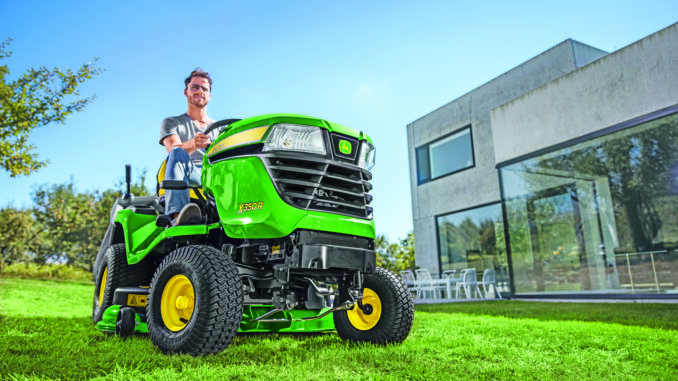
The John Deere S170 is a 100 Series lawn tractor built for homeowners cutting medium to larger residential lawns, especially where a 48-inch deck helps reduce mowing time without stepping into a heavier-duty garden tractor class. It combines a 24-hp V-twin engine, hydrostatic transmission with side-by-side pedals, and an electric PTO clutch, which makes it more capable than smaller single-cylinder models but still very much an owner-serviceable machine for routine upkeep and many common repairs.
This guide covers John Deere S170 repair, troubleshooting, maintenance, parts lookup, diagrams, manuals, and realistic DIY boundaries for owners in the USA and Canada. The goal is to start with the symptom you actually see—hard starting, weak cutting, vibration, belt trouble, no-drive complaints, or electrical faults—then narrow down the most likely causes before you order parts or tear anything apart.
And See:
John Deere S170 overview
The S170 sits near the upper end of John Deere’s 100 Series lineup and is positioned as a premium residential lawn tractor with a larger deck and stronger V-twin engine than lower S100/S110/S120 models. Deere lists it with a 48-inch Edge mower deck, 24-hp Extended Life Series V-twin engine, electric PTO, and hydrostatic transmission.
For repair and maintenance purposes, the main systems owners deal with are:
-
Engine and fuel system: air filter, fuel filter, spark plugs, engine oil system, cooling fins, and fuel freshness issues.
-
Mower system: blades, deck belt, spindle area, deck leveling, deck cleanliness, and PTO engagement.
-
Drive system: hydrostatic ground drive, traction belt, bypass arrangement, brake linkage, and pedal operation.
-
Electrical and safety system: battery, terminals, fuse protection, brake switch logic, PTO switch logic, reverse operation logic, and seat/safety interlocks.
Several common service parts owners routinely buy for the John Deere S170 include the 48-inch mower blade set GY20852, mower deck belt GX21833, Easy Change oil filter system AUC12916, fuel filter GY20709, and air filter GY21057. Those are the first parts to check when the tractor has cut-quality problems, routine service needs, or seasonal starting issues.
John Deere S170 troubleshooting approach
The best way to diagnose an S170 is to begin with the visible symptom instead of guessing a bad part too early. A mower that will not start, a deck that cuts unevenly, or a tractor that vibrates under load each points toward different systems, and starting with the symptom saves time and avoids unnecessary parts purchases.
For this model, the main symptom groups are:
-
Starting issues.
-
Running or power-loss issues.
-
Cut-quality problems.
-
Vibration and unusual noise.
-
Overheating or oil/fuel leak concerns.
-
Transmission and drive complaints.
-
Electrical and safety-switch problems.
John Deere S170 immediate repair needs
Some faults on the John Deere S170 should be addressed right away because they affect safe operation or can quickly damage larger assemblies. Examples include severe vibration, a slipping belt that is burning, fuel leaks, recurring no-crank electrical issues caused by overheated wiring, or spindle/brake problems on the mower deck.
1. John Deere S170 starting issues
If the S170 will not crank or cranks but will not fire, treat it as both a usability and safety problem because many no-starts come from safety interlock conditions or fuel issues that can leave the machine stuck in an unsafe place.
Common causes:
-
Brake pedal not depressed.
-
PTO left engaged.
-
Battery discharged or failing.
-
Corroded battery terminals.
-
Blown fuse.
-
Old or contaminated fuel.
-
Dirty air filter or restricted fuel flow.
Basic owner checks:
-
Confirm the brake pedal is fully depressed and the PTO is switched off.
-
Check battery cable tightness and look for white or green corrosion at the terminals.
-
Inspect the fuel condition and replace old gas with fresh stabilized fuel if needed.
-
Check the air filter and fuel filter if the engine cranks but does not start cleanly.
-
If the machine still will not crank, inspect the fuse and safety-switch operation before assuming the starter is bad.
2. John Deere S170 cut-quality problems
Poor cut quality usually shows up as stragglers, scalping, uneven height, clumping, or a narrow strip of uncut grass. These issues matter because they often point to dull blades, belt slip, deck contamination, low engine speed, or an out-of-level deck, and those faults can worsen quickly if ignored.
Common causes:
-
Dull or bent blades.
-
Deck not level.
-
Grass too wet or too tall.
-
Travel speed too fast.
-
Engine not at mowing rpm.
-
Worn or slipping deck belt.
-
Debris packed under the deck.
Basic owner checks:
-
Mow at full operating rpm rather than partial throttle.
-
Clean the underside of the deck and remove packed grass.
-
Inspect blades for dull edges, bends, or imbalance.
-
Check deck level and tire pressure side to side.
-
Inspect the mower drive belt for glazing, cracks, or poor tension.
3. John Deere S170 vibration and noise
Sudden vibration on an S170 is a stop-and-check issue because it can mean bent blades, blade imbalance, debris around spindles, or belt/sheave trouble. Continuing to mow can damage spindle bearings, belts, pulleys, and deck hardware.
Common causes:
-
Blade bent by impact.
-
Blades out of balance.
-
Debris wrapped around spindle shafts.
-
Damaged deck belt.
-
Misaligned or damaged sheaves.
-
Loose deck hardware.
Basic owner checks:
-
Shut off the engine, remove the key, and wait for all moving parts to stop.
-
Inspect blades and spindle areas from below only after safe shutdown.
-
Remove wrapped grass, wire, or string from spindle shafts and pulleys.
-
Check for belt damage and pulley wobble.
-
Replace damaged blades as a matched set on a multi-blade deck when needed.
4. John Deere S170 overheating and leaks
Heat buildup usually comes from dirty cooling fins, restricted airflow, heavy debris, or neglected engine service, while leaks can involve fuel lines, filters, seals, or engine oil components. These issues need quick attention because overheating shortens engine life and fuel leaks create fire risk.
Common causes:
-
Clogged engine cooling fins.
-
Dirty air filter.
-
Old oil or low oil level.
-
Fuel filter or fuel-line seepage.
-
Debris buildup around engine and deck.
Basic owner checks:
-
Clean debris from engine screens, shrouds, and cooling areas.
-
Check engine oil level and service status.
-
Inspect the fuel filter and line connections for dampness or cracking.
-
Replace dirty air filter elements.
-
Do not keep mowing if you smell raw fuel or see active leaking.
5. John Deere S170 transmission and drive problems
Drive complaints usually show up as weak ground speed, poor hill performance, belt slip, or a tractor that will not move as expected. On a lawn tractor like the S170, owners should first rule out simple external causes before suspecting an internal hydrostatic failure.
Common causes:
-
Traction drive belt worn or damaged.
-
Dirt on drive sheaves.
-
Parking brake still partly applied.
-
Bypass rod pulled out.
-
Linkage issue.
Basic owner checks:
-
Confirm the parking brake is fully released.
-
Make sure any freewheel or bypass control is in the normal drive position.
-
Inspect the drive belt and visible sheaves for wear or contamination.
-
Check pedal movement and linkage return.
-
If the belt and controls are correct but drive remains weak, dealer diagnosis is more realistic.
6. John Deere S170 electrical problems
Electrical faults on the John Deere S170 often look worse than they are because Deere’s interlock logic can mimic a hard failure when a switch condition is not met. That means a no-start may be a brake, PTO, battery, fuse, or safety-circuit issue rather than a starter-motor problem.
Common causes:
-
Corroded battery terminals.
-
Weak battery.
-
Blown fuse.
-
PTO left engaged.
-
Brake switch condition not satisfied.
-
Light plug disconnected or bulb failure.
Basic owner checks:
-
Clean and tighten battery terminals.
-
Charge-test the battery if cranking is slow.
-
Verify PTO-off and brake-applied conditions.
-
Check the fuse before replacing electrical components.
-
If intermittent faults continue, inspect switches and wiring connectors before buying a starter or ignition switch.
DIY or dealer? John Deere S170 repair decision guide
The John Deere S170 is owner-friendly for routine maintenance, blades, filters, spark plugs, deck belt work, battery service, and many basic no-start or poor-cut diagnoses. The line usually gets crossed when repairs involve hydrostatic internals, valve-clearance work, deeper electrical tracing, major engine teardown, or anything requiring Deere test procedures and special setup.
Good DIY jobs
-
Engine oil and filter service.
-
Air filter replacement.
-
Fuel filter replacement.
-
Spark plug replacement.
-
Blade removal and replacement.
-
Deck cleaning and leveling checks.
-
Deck belt inspection and replacement.
-
Battery cleaning or replacement.
Advanced DIY or dealer jobs
-
Electric PTO clutch diagnosis.
-
Hydrostatic drive diagnosis beyond belt/linkage checks.
-
Repeated fuse blowing or harness faults.
-
Valve-clearance adjustment.
-
Spindle replacement if mounting or pulley damage is severe.
-
Engine internal repairs.
Skill level guide
-
Beginner: battery service, air filter, fuel filter, deck cleaning, blade inspection.
-
Intermediate: spark plugs, blade replacement, deck belt replacement, deck leveling checks.
-
Advanced: electrical troubleshooting with a meter, spindle or PTO-clutch work, drive-system diagnosis.
John Deere S170 parts needed, OEM vs aftermarket
Before ordering parts for a John Deere S170, gather the full model name, tractor Product Identification Number (PIN), engine model/serial information, and deck size. That matters because some wear parts cross easily, but belts, electrical items, and certain running changes can be serial-number sensitive.
OEM parts are the safer choice for belts, fit-sensitive deck parts, and safety-related electrical components because exact dimensions and engagement behavior matter on residential Deere tractors. Aftermarket parts can be acceptable for some blades, filters, batteries, and tune-up items if the cross-reference is exact and the supplier is reputable.
John Deere S170 parts diagrams and manuals
The best sources for S170 diagrams and manuals are Deere’s owner-information page, the operator’s manual, Deere parts systems, and a Deere-focused aftermarket supplier with illustrated lookup support.
Use these sources:
-
John Deere S170 owner information for the operator’s manual, service information, reference guides, and support entry points.
-
S170 operator’s manual PDF for operating instructions, controls, safety, and basic maintenance guidance.
-
S170 parts and maintenance PDF for fast service intervals and key common part numbers.
-
Green Farm Parts lookup page for illustrated parts lookup workflow tied to Deere catalog references.
The operator’s manual is best for safe procedures, control logic, and owner maintenance basics, while the parts/maintenance sheet is faster when you just need common service numbers and interval reminders. For deeper exploded diagrams, Deere’s parts catalog system or a Deere-specialist parts supplier is usually the better starting point.
How to locate John Deere S170 serial and engine numbers
These numbers matter because Deere and engine parts can change across production runs, and using only “S170” is sometimes not enough for exact match ordering.
Use this process:
-
Find the tractor Product Identification Number tag on the machine frame according to the operator’s manual identification guidance.
-
Record the full model designation exactly as shown, including any regional or emissions variation if present.
-
Open the hood and locate the engine model and serial information on the engine itself.
-
Confirm the mower deck size before ordering deck belts, blades, or spindle-related parts; the S170 is listed with a 48-inch deck.
-
Keep a photo of each tag on your phone so you can verify parts at the dealer counter or online checkout.
Buying John Deere S170 parts online and in stores
The best buying strategy is to identify the OEM part number first, then compare price and availability rather than shopping by description alone. That reduces ordering mistakes, especially for belts, deck parts, and serial-sensitive items.
-
Online: use Deere owner-info pages, Deere parts references, and Deere-focused sellers; verify the OEM number before buying.
-
Dealer counter: best for electrical parts, model/PIN-specific parts, and cases where Deere superseded an older number.
-
Retail stores: fine for oil, batteries, spark plugs, and some filters if the package clearly cross-references the S170 or exact OEM number.
Useful links:
John Deere S170 fitting guide for common parts
These are the highest-impact DIY jobs for most S170 owners because they fix many real-world starting, running, and cut-quality complaints.
Replace the John Deere S170 air filter
A dirty air filter can cause hard starting, rich running, weak performance, and excessive engine contamination over time.
-
Park safely, shut the engine off, and remove the key.
-
Open the hood and access the air cleaner housing.
-
Remove the old precleaner and main element, noting how they fit.
-
Wipe dust from the housing without pushing debris into the intake.
-
Install the new element and precleaner, then secure the cover correctly.
Replace the John Deere S170 fuel filter
A restricted fuel filter can cause surging, stalling, or a crank-no-start complaint after storage.
-
Shut the machine down and work in a ventilated area away from ignition sources.
-
Clamp the fuel line if needed to reduce spillage.
-
Remove the old filter and note the flow direction.
-
Install the new filter in the same orientation and secure the clamps.
-
Check carefully for leaks before mowing.
Change John Deere S170 blades
Sharp, balanced blades are central to clean cut quality and low vibration.
-
Park on level ground, remove the key, and disable accidental starting per safe service practice.
-
Raise the deck only as needed for safe access and support the work properly.
-
Remove each blade and inspect for bends, cracks, and heavy edge wear.
-
Install the replacement blades in the correct orientation.
-
Tighten to the manual’s specification and replace as a matched set if damage or imbalance is present.
Replace the John Deere S170 mower deck belt
A worn deck belt is a common cause of weak blade drive, poor cut quality, squealing, and intermittent blade speed loss.
-
Park safely and lower the deck to a workable position with the engine off.
-
Note the existing belt routing before removal.
-
Release belt tension and remove the old belt from pulleys and guides.
-
Install the new GX21833 belt exactly on the correct pulley path.
-
Rotate pulleys by hand to confirm the belt is seated before restarting.
John Deere S170 maintenance to prevent repeat failures
Most recurring S170 problems are preventable with steady service rather than major repair. Dirty cooling areas, overdue filters, dull blades, neglected belts, and corroded terminals create many of the same complaints owners later describe as “sudden” failures.
Focus areas:
-
Starting reliability: keep fresh fuel in the system, replace the fuel filter on schedule, and maintain a healthy battery connection.
-
Cut quality: keep blades sharp, deck underside clean, and the mower belt in good condition.
-
Fire and overheating prevention: clean engine cooling fins and remove dry debris from engine and deck areas.
-
Drive performance: inspect belts and linkages before weak-drive symptoms become major complaints.
-
Electrical reliability: clean battery terminals yearly and verify PTO/brake conditions when no-start issues appear.
John Deere S170 maintenance schedule
The official S170 parts and maintenance sheet lists service points after 8 hours, every 25 hours, yearly or every 50 hours, and every 200 hours. Those intervals are the best base for a homeowner maintenance checklist because they are model-specific and concise.
Daily / before each use
-
Check engine oil level using the operator’s manual procedure.
-
Look for loose hardware, leaking fuel, or obvious belt/deck issues before mowing.
-
Clear heavy debris from deck and engine intake areas.
After 8 hours
-
Lubricate mower spindles and pivot points.
-
Check mower deck spindle brakes on manual PTO applications as listed in the Deere sheet.
-
Lubricate front axle pivot and axle spindles.
-
Lubricate front axle wheel bushings.
Every 25 hours
-
Lubricate mower spindles and pivot points.
-
Lubricate front axle pivot and axle spindles.
-
Lubricate front axle wheel bushings.
Every 50 hours or yearly
-
Change engine oil and replace filter; service more often in dusty conditions.
-
Clean or replace the air filter precleaner and element.
-
Replace the fuel filter.
-
Sharpen or replace mower blades.
-
Check or replace the mower drive belt.
Every 200 hours
-
Check and adjust valve clearance; Deere directs owners to the dealer for this service.
-
Continue axle and wheel bushing lubrication as listed.
Seasonal checklist
-
Spring: change oil if due, install sharp blades, inspect the deck belt, and check the air and fuel filters.
-
Mid-season: clean cooling areas, inspect belt condition, and touch up blade condition if cut quality falls off.
-
Fall or end of season: replace overdue filters, clean the machine thoroughly, and store with fuel properly managed according to the manual.
Repair, upgrade, or replace the John Deere S170?
For most homeowners, the S170 is worth repairing when the problem is in normal wear items like blades, belts, filters, battery, or routine deck parts because the machine is designed around owner maintenance and common consumable replacement. Upgrade decisions make more sense when the tractor is repeatedly pushed beyond residential mowing duty, while replacement becomes more realistic if major engine or hydrostatic work stacks on top of poor overall condition.
Repair if…
-
The issue is a belt, blade, filter, battery, switch, or tune-up problem.
-
The deck and frame are solid.
-
The engine and transmission still perform normally once maintenance items are corrected.
Upgrade if…
-
You mow large acreage regularly and want heavier construction or stronger attachments.
-
You need more durability than the 100 Series is designed to provide.
-
Repeated residential-lawn limitations are the real issue, not one failed part.
Replace if…
-
The engine and transmission both need major repair.
-
The deck shell, spindles, and wiring all need significant work at the same time.
-
Repair cost approaches the value of a sound used or new replacement machine.
John Deere S170 FAQ
1. Why will my John Deere S170 not start?
The first things to check are the brake pedal position, PTO switch position, battery charge, and terminal condition because Deere’s safety logic prevents cranking if the machine is not in the right state. Old fuel, a dirty air filter, or a restricted fuel filter can also cause a crank-no-start condition even when the starter turns the engine normally.
2. Why does my John Deere S170 crank but not fire?
A crank-no-start usually points to fuel delivery, stale gas, intake restriction, or safety-condition confusion rather than a failed starter. Start with fresh fuel, air filter inspection, fuel filter inspection, and confirmation that the PTO is off and the brake is correctly applied.
3. Why does the John Deere S170 battery keep going dead?
Repeated battery discharge is often caused by corroded terminals, a weak battery, poor charging conditions, or long storage without maintenance charging. Cleaning the terminals and testing the battery under load are better first steps than replacing switches at random.
4. Why is my John Deere S170 hard to start when cold?
Cold starting trouble usually comes from stale fuel, weak battery performance, overdue air or fuel filter service, or general tune-up neglect. A fresh seasonal service often solves this before any major repair is needed.
5. Why does my John Deere S170 stall while mowing?
Stalling under load often points to fuel restriction, dirty air filtration, overheated cooling areas, or mowing conditions that overload the deck. Check the filter condition, clean the deck underside, and avoid cutting overly wet or overgrown grass at high travel speed.
6. Why is my John Deere S170 losing power?
Power loss can come from restricted airflow, fuel starvation, a dull or overloaded deck, or mowing at the wrong engine speed. Deere-type lawn tractors generally cut best at full mowing rpm with travel speed adjusted to grass conditions.
7. Why does my John Deere S170 surge at idle or mid-throttle?
Surging usually suggests fuel quality problems, partial restriction, or inconsistent airflow. Fresh fuel and routine filter service are the most common homeowner fixes before deeper carburetion or engine work is considered.
8. Why is the John Deere S170 blowing black smoke?
Black smoke usually means the engine is running rich, often because of a restricted air filter or intake issue. Check the air cleaner first because it is a normal wear item and one of the simplest fixes on the tractor.
9. Why does my John Deere S170 cut unevenly?
Uneven cutting usually comes from dull blades, uneven tire pressure, deck-level issues, belt slip, or mowing too fast. Owners should also confirm the deck underside is clean because packed grass changes airflow and blade performance.
10. Why does the John Deere S170 leave strips of uncut grass?
Striping or missed grass can happen when blades are dull, blade speed is low, the deck is dirty, or ground speed is too high for conditions. A worn mower deck belt can also reduce blade speed enough to create this symptom.
11. Why is my John Deere S170 clumping grass?
Clumping usually happens when the grass is wet, too tall, or being cut too aggressively in one pass. Cleaning the deck and reducing ground speed usually helps, but blade sharpness still matters.
12. Why does my John Deere S170 scalp the lawn?
Scalping is commonly linked to deck height set too low, uneven terrain, incorrect gauge-wheel setting, or deck-level issues. Tire pressure differences side to side can make the problem worse.
13. Why is my John Deere S170 mower deck not engaging?
If the deck will not engage, inspect the PTO control condition, belt condition, and visible deck-drive components first. A worn or damaged deck belt is a common cause, and electrical PTO or switch issues are the next tier of diagnosis.
14. Why does the John Deere S170 belt keep slipping?
A slipping belt usually means wear, glazing, contamination, incorrect routing, pulley issues, or tension problems. Replacing the belt with the correct GX21833 part is the safest move when visible wear is present.
15. What is the mower deck belt part number for a John Deere S170?
The Deere parts and maintenance sheet lists the 48-inch mower deck belt as GX21833. Verify with the tractor PIN if you are ordering through a dealer or parts catalog system.
16. What blades fit the John Deere S170?
The S170 parts sheet lists the 48-inch mower blade set, three-pack, as GY20852. That is the best starting point for OEM replacement because it matches Deere’s own S170 maintenance guide.
17. Why does my John Deere S170 vibrate badly?
Severe vibration usually points to bent blades, out-of-balance blades, spindle-area debris, or belt and pulley damage. Stop mowing immediately because continuing to run the deck can damage spindles and related hardware.
18. Why does the John Deere S170 make a squealing noise?
Squealing often comes from a worn deck belt, contaminated pulley surfaces, or tension issues in the deck drive. It may also happen briefly during engagement, but persistent noise usually means inspection is overdue.
19. Why do the John Deere S170 blades stop in tall grass?
This usually means the deck is overloaded, the belt is slipping, the blades are dull, or travel speed is too fast. Tall, wet grass increases the load dramatically, so operators should slow down and reduce the amount removed in one pass.
20. Why does my John Deere S170 smell hot while mowing?
A hot smell often means packed debris, belt slip, or restricted engine cooling airflow. Shut the machine down and inspect immediately because belts and dry debris can escalate into more serious damage or fire risk.
21. Why is my John Deere S170 leaking fuel?
Fuel leakage can come from the filter, hose connections, cracked lines, or tank-area faults. Because of fire risk, do not continue using the machine until the source is identified and repaired.
22. Why is my John Deere S170 leaking oil?
Oil leaks may come from service-related sealing issues, overfill, or engine sealing points, and they should be confirmed before more operation. Check oil level first and inspect the area around the oil-service system for obvious seepage.
23. Why won’t my John Deere S170 move forward or reverse?
A no-move complaint is often caused by a worn traction belt, dirt on drive sheaves, parking-brake issues, or the bypass rod being out. Those external checks should come before assuming the hydrostatic unit has failed.
24. Why does my John Deere S170 feel weak on hills?
Weak hill performance may reflect normal residential-tractor limits, but it can also indicate belt wear, linkage issues, or general drive inefficiency. Rule out brake drag and belt condition first.
25. Why does my John Deere S170 reverse but not mow properly?
Deere’s reverse operating logic must be used correctly, and PTO or reverse-use conditions can confuse owners into thinking the deck has failed. Check the manual’s reverse-operation procedure and verify the PTO state before diagnosing a deck problem.
26. Why are the headlights on my John Deere S170 not working?
Headlight issues usually come from disconnected plugs, weak electrical supply, or bulb faults rather than major system failure. Check the bulb and connector condition first before replacing switches.
27. How often should I change oil on a John Deere S170?
The S170 parts and maintenance sheet says to change engine oil and replace the filter yearly or every 50 hours, whichever comes first, with more frequent service in dusty conditions. Always confirm your exact service setup against the operator’s manual.
28. How often should I replace the air filter on a John Deere S170?
Deere lists cleaning or replacing the air filter precleaner and element yearly or every 50 hours, with more frequent service in dusty conditions. If you mow dry, dusty ground often, waiting for a fixed interval is usually not enough.
29. How often should I replace the fuel filter on a John Deere S170?
The official S170 maintenance sheet lists fuel filter replacement yearly or every 50 hours. It is also a smart first replacement when troubleshooting surging or fuel-starvation complaints.
30. When should I sharpen or replace John Deere S170 blades?
Deere lists sharpening or replacing mower blades yearly or every 50 hours, but many homeowners need touch-up sooner depending on acreage and ground conditions. Replace blades sooner if they are bent, cracked, or too worn to balance safely.
31. When should I replace the John Deere S170 deck belt?
The Deere S170 maintenance sheet says to check or replace the mower drive belt yearly or every 50 hours. Replace it sooner if you see cracks, glazing, frayed edges, heat damage, or recurring slip.
32. Does the John Deere S170 use the Easy Change oil system?
Yes, Deere’s S170 parts sheet lists the Easy Change 30-Second Oil Change component as AUC12916. Owners should still follow the correct service interval and use the operator’s manual for procedure details.
33. Where can I find a John Deere S170 operator’s manual?
Deere’s owner-information page for the S170 links owners to operator and service information, and public manual copies are also available through retail-hosted PDF listings. The operator’s manual is the best first source for safe procedures, controls, and identification guidance.
34. Where can I find John Deere S170 parts diagrams?
The Deere owner-information page is the best official starting point, and Deere parts lookup systems or Deere-specialist suppliers can help with illustrated diagrams and number confirmation. Always confirm parts against the tractor PIN when possible.
35. Is the John Deere S170 a good DIY mower to own?
Yes, for a homeowner with basic tools, the S170 is a realistic DIY machine for routine service, blade work, filters, belt inspection, and common troubleshooting. The main limit is that deeper hydrostatic, engine-internal, and advanced electrical repairs are better left to a dealer or experienced technician.
Sources for manuals, diagrams, and parts
-
John Deere S170 Owner Information: deere.ca/en/parts-and-service/lawn-tractors/100-series-owner-info/s170
-
John Deere S170 Operator’s Manual PDF: pdf.lowes.com/productdocuments/d86bb92f-3476-489e-a70f-88887119b2c9/42705454.pdf
-
John Deere S170 Parts and Maintenance Information PDF: pdf.lowes.com/productdocuments/fdb87750-2b09-44a9-b9f9-48a9372401b5/42704392.pdf
-
Green Farm Parts Deere lookup help: greenfarmparts.com/john-deere-parts-diagram