
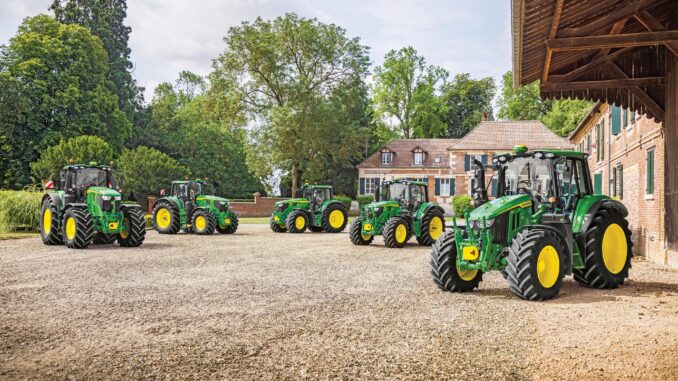
Introduction – John Deere 335 Skid Steer overview
The John Deere 335 Skid Steer is a compact, wheeled loader designed for homeowners, small contractors and acreage owners who need a versatile machine for digging, lifting, grading and material handling in tight spaces. It typically features a diesel engine, hydrostatic drive system, hydraulic loader arms and quick‑attach front implements, making it useful for landscaping, light construction, farmyard cleanup and snow removal.
This John Deere 335 Skid Steer Service and Repair Guide is written for DIY owners in the USA and Canada who are comfortable with basic maintenance and some intermediate repairs. It focuses on symptom‑first troubleshooting, practical repair advice, common parts, basic diagrams and clear boundaries between realistic home servicing and jobs that should go to a dealer.
General overview of the John Deere 335 Skid Steer
The John Deere 335 sits in the compact skid steer loader lineup, below larger construction‑grade machines but above homeowner lawn tractors in terms of capability and hydraulic power. It uses a diesel engine driving a hydrostatic transmission and planetary or chain‑case drive to the wheels, with hydraulic circuits powering the loader arms and auxiliary attachments.
Key systems on the John Deere 335 Skid Steer that matter for service and repair include:
-
Engine and fuel system – diesel engine, air intake, fuel filters, injectors and exhaust.
-
Hydraulic system – hydraulic pump, control valves, loader arm cylinders and auxiliary couplers.
-
Drive system – hydrostatic pumps and motors, chain/planetary drive, wheel hubs and brakes.
-
Electrical system – battery, alternator, starter, control relays, gauges and safety interlock switches.
-
Cooling system – radiator, hoses, coolant, fan and shrouds.
-
Cab and controls – seat, seat belt, safety bar, joysticks or levers, and instrument panel.
Typical service parts John Deere 335 owners actually buy include:
-
Engine oil filter.
-
Primary and secondary fuel filters.
-
Engine air filter elements.
-
Hydraulic oil filter cartridges.
-
Hydrostatic/drive case filters (where fitted).
-
Accessory drive belt (fan/alternator belt).
-
Batteries and glow plugs (for cold starting).
-
Safety switches (seat, park brake, boom lock).
Troubleshooting approach for the John Deere 335 Skid Steer
Effective troubleshooting of the John Deere 335 Skid Steer always starts with what you see and feel, not with guessing the failed part. Begin with the symptom: not starting, weak power, hydraulic jerks, drive issues, warning lights, leaks or unusual noises. Then move into a structured checklist.
Work through the main symptom categories for this model:
-
Starting issues – engine will not crank or will not fire.
-
Running issues – loss of power, stalling, smoking or rough running.
-
Hydraulic performance – slow or weak loader arms, attachments not working.
-
Vibration and noise – rattles, grinding, squeals and banging.
-
Overheating and leaks – coolant, hydraulic oil or fuel leaks, high temperature.
-
Drive and traction – machine will not move, mistracking or poor braking.
-
Electrical and safety interlocks – dead instruments, warning lights, safety lock‑outs.
Treat each symptom category as a separate problem and resist changing parts until you have done basic checks like fluid levels, filters, visual inspections and safety switch verification.
Emergency and immediate repair needs on John Deere 335 Skid Steer
Some problems on the John Deere 335 Skid Steer must be addressed immediately because they stop safe operation or can damage major components very quickly. In this section, we focus on what you should not ignore and what basic checks you can safely do before calling a dealer.
Starting issues – John Deere 335 Skid Steer won’t start
Owners will usually see the engine cranking slowly, not cranking at all, or cranking normally but refusing to fire. This matters because repeated hard starting can drain the battery, overheat the starter and leave you stranded mid‑job.
Common causes:
-
Weak or dead battery.
-
Loose or corroded battery cables and grounds.
-
Faulty seat or park brake safety switch preventing start.
-
Clogged fuel filters or air in fuel system.
-
Glow plugs or cold‑start aid not functioning in cold weather.
Basic checks you can do:
-
Verify battery voltage and inspect terminals for corrosion; clean and tighten.
-
Confirm the park brake is engaged, operator restraint bar is down and seat switch is working.
-
Check that you can hear the fuel pump prime when the key is turned on.
-
Inspect air and fuel filters; replace if they are overdue or visibly dirty.
-
On cold days, allow glow plugs to heat and use proper cold‑weather starting procedure before cranking.
Hydraulic and lift emergencies on John Deere 335 Skid Steer
Hydraulic problems show up as loader arms that will not raise or lower, very slow movement, or attachments that barely work. This matters because hydraulic failure can drop loads unexpectedly or overheat the oil, damaging pumps and valves.
Common causes:
-
Low hydraulic oil level or wrong oil type.
-
Clogged hydraulic filters or strainers.
-
Stuck auxiliary coupler or air in system after hose changes.
-
Hydraulic safety lock‑out not disengaged (seat bar, park brake, lock switch).
-
Worn pump or internal leakage in cylinders (more advanced).
Basic checks you can do:
-
Park safely, lower the boom and check hydraulic oil level against the sight glass or dipstick.
-
Inspect for obvious leaks along hoses, fittings and cylinders.
-
Confirm all safety systems are set correctly and the hydraulic enable switch is on.
-
Clean or replace hydraulic filters according to schedule if overdue.
-
Disconnect and reconnect auxiliary couplers to relieve trapped pressure and re‑seat fittings.
Vibration and noise on the John Deere 335 Skid Steer
Owners may hear grinding from the drive system, squealing belts, rattling attachments or banging noises under the machine. These should never be ignored because they can indicate failing bearings, loose chain drives or structural cracks.
Common causes:
-
Loose wheel hardware or worn wheel bearings.
-
Chain/planetary drive issues, low chain case oil.
-
Worn accessory belt or seized pulley.
-
Loose loader pins, bushings or quick‑attach lock pins.
-
Rocks or debris caught in the undercarriage or between tires.
Basic checks you can do:
-
Perform a walk‑around visual inspection and remove any debris caught in moving parts.
-
Check wheel nuts, loader pins and quick‑attach lock pins for looseness.
-
Inspect the accessory drive belt for cracks or glazing; adjust tension or replace as needed.
-
Check chain case or planetary drive oil level according to the operator’s manual.
-
If noise persists from the drive or hubs, stop use and consult a dealer before major damage occurs.
Overheating and fluid leaks on John Deere 335 Skid Steer
Overheating usually shows as temperature warnings, loss of power, or coolant smell. Visible puddles of oil or fuel underneath the machine are another emergency sign. Overheating and leaks can quickly damage the engine, hydraulic system or environment.
Common causes:
-
Low coolant level or blocked radiator fins.
-
Broken or loose cooling fan belt.
-
Low hydraulic oil level or severe leaks.
-
Fuel line leaks or loose connections at filters.
-
Cracked hoses or old clamps on coolant lines.
Basic checks you can do:
-
With the engine cool, check coolant level and inspect the radiator for packed dirt; clean gently.
-
Inspect the fan belt for proper tension and wear; adjust or replace as needed.
-
Look under the machine for fresh oil or fuel and trace leaks to hoses or fittings.
-
Confirm hydraulic oil level is in the correct range before restarting.
-
If coolant or oil leaks are large or recurring, stop use and book a dealer repair.
Drive and traction problems on John Deere 335 Skid Steer
Drive issues appear as the skid steer refusing to move, moving only on one side, or mistracking during straight travel. This matters because uncontrolled movement or uneven drive can be dangerous, especially near slopes and obstacles.
Common causes:
-
Low hydrostatic or chain case oil.
-
Faulty drive controls or linkages.
-
Damaged drive motors or pump (advanced).
-
Safety interlocks preventing travel.
-
Tires severely under‑inflated or unevenly worn.
Basic checks you can do:
-
Verify hydrostatic and chain case oil levels and top up with the correct fluid if low.
-
Check drive control levers or joysticks for full range of motion and obvious damage.
-
Ensure safety bar and seat switches are working and not intermittently cutting travel.
-
Inspect tire condition and pressure; correct any under‑inflation or obvious damage.
-
If one side refuses to drive even after basic checks, treat this as a dealer‑level issue.
DIY or dealer? John Deere 335 Skid Steer repair decision guide
For the John Deere 335 Skid Steer, the typical boundary between DIY and dealer work is set by three things: safety risk, need for special tools/test equipment, and the cost of getting it wrong. Routine service, filter changes and belt replacements are usually fine for a careful owner, but deep hydraulic, drive or electronic faults are best left to a qualified technician.
Good DIY jobs on a John Deere 335 Skid Steer:
-
Engine oil and filter changes.
-
Fuel and air filter replacement.
-
Accessory belt inspection and replacement.
-
Battery replacement and terminal cleaning.
-
Greasing loader arms, linkages and couplers.
-
Checking and topping up hydraulic and coolant levels.
Advanced DIY or dealer jobs:
-
Adjusting valve lash or internal engine repairs.
-
Hydrostatic pump and drive motor diagnosis or replacement.
-
Internal chain case or planetary drive service.
-
Complex hydraulic valve body work or cylinder resealing.
-
Electrical diagnostics involving ECU, sensors and CAN wiring.
Skill level guide:
-
Beginner: Fluids, filters, battery, greasing, safety inspections.
-
Intermediate: Belt replacement, minor hose changes, basic electrical checks with a multimeter.
-
Advanced: Internal hydraulic or drive repairs, engine timing, deep electronic troubleshooting.
Parts needed for John Deere 335 Skid Steer – OEM vs aftermarket
Before ordering parts for the John Deere 335 Skid Steer, gather all of the machine’s identification details. You will need the full model name (John Deere 335 Skid Steer), the Product Identification Number (PIN), and often the engine model and serial for engine‑specific filters and components. Attachments such as buckets, snow blowers or augers may also have their own model identification.
Information to gather before ordering parts
-
Full model: “John Deere 335 Skid Steer Loader” as shown on the machine.
-
PIN / serial number: stamped on the frame plate and repeated on paperwork.
-
Engine model and serial: noted on the engine tag.
-
Any major attachment model numbers (e.g. quick‑attach bucket, snowblower, auger).
Key service and repair parts for John Deere 335 Skid Steer
For the John Deere 335 Skid Steer, OEM parts are strongly recommended for belts, hydraulic and hydrostatic filters, safety‑critical items and any components that depend on precise fit or material quality. Aftermarket parts can be acceptable for common items like batteries, some fuel or engine oil filters and air filters, provided they cross‑reference to the correct OEM numbers and meet or exceed the manufacturer’s specifications.
John Deere 335 Skid Steer parts diagrams and service manuals
Clear diagrams and official manuals are essential when servicing a John Deere 335 Skid Steer, especially for routing hoses, locating filters and understanding hydraulic circuits. Your primary references should be Deere’s official publications and a good parts site that organizes content by model and serial number.
Useful online resources include:
-
John Deere Operator’s Manual for the 335 Skid Steer – covers safety, operation, basic maintenance and service intervals.
-
John Deere Technical Publications / Technical Service Manual – provides diagnostic procedures, hydraulic schematics and torque values.
-
John Deere online parts catalog (often branded as JDParts) – exploded parts diagrams and OEM part numbers.
-
A reputable Deere‑focused aftermarket parts site with a dedicated John Deere 335 Skid Steer page – offers cross‑referenced filters, belts and consumables.
Use the operator’s manual for everyday maintenance tasks, fluid types and capacities. Use the technical manual if you step into intermediate or advanced troubleshooting. The online parts catalog and aftermarket site are ideal for visualizing assemblies and confirming part numbers before ordering.
How to locate model, serial and engine numbers on a John Deere 335 Skid Steer
Machine identification numbers matter because John Deere frequently updates components and specifications over different production years and serial ranges. Installing parts intended for a different serial range can cause fitment issues, poor performance or safety hazards.
Follow these steps to locate key identification numbers on your John Deere 335 Skid Steer:
-
Find the main model and PIN plate on the loader frame, usually near the rear or side of the machine at eye level.
-
Wipe the plate clean and record the full model designation and Product Identification Number.
-
Open the engine compartment and locate the engine data tag on the block or rocker cover; note the engine model and serial.
-
Check attached implements for their own tags (e.g. quick‑attach buckets or snow blowers) if you are buying attachment‑specific parts.
-
Keep these details in your records and use them whenever ordering parts or discussing repairs with a dealer.
Buying John Deere 335 Skid Steer parts online and in stores
A good parts‑buying strategy for the John Deere 335 Skid Steer combines the convenience of online ordering with the assurance of dealer support for complex issues. Always confirm OEM numbers, model and PIN details before purchasing.
Online parts strategy:
-
Use the John Deere online parts catalog to look up exact OEM numbers from diagrams.
-
Order filters, belts and common consumables from reputable sites that clearly list the John Deere 335 Skid Steer compatibility and OEM cross‑references.
-
Check product descriptions carefully for serial‑specific notes before placing an order.
Dealer counter strategy:
-
Visit a John Deere dealer for hydraulic, drive or engine components where serial‑specific parts and updates matter.
-
Bring your PIN and engine serial with you to avoid mis‑orders.
-
Ask for printed diagrams or part lists for recurring repair jobs.
Retail store strategy:
-
Use farm and equipment retailers for generic consumables such as engine oil, grease, batteries and some filters, provided the packaging clearly lists John Deere 335 compatibility or correct cross‑reference numbers.
-
Avoid guessing; if your model is not listed, stick to OEM or dealer‑supplied parts.
Good URLs to keep in your bookmarks include the official John Deere site for manuals and parts, the Deere online parts catalog, and one high‑quality aftermarket supplier with strong coverage for the 335 series.
Step‑by‑step fitting guide – common John Deere 335 Skid Steer DIY jobs
In this section, we walk through a few high‑impact DIY jobs for the John Deere 335 Skid Steer that most owners can handle with basic tools and safety awareness. Each job helps prevent common failures and improves day‑to‑day reliability.
Changing engine oil and filter on John Deere 335 Skid Steer
Regular oil and filter changes protect the engine from wear and contamination.
-
Park the machine on level ground, lower the loader arms and shut off the engine; let it cool.
-
Place a suitable drain pan under the engine drain plug, remove the plug and allow the oil to drain completely.
-
Remove the old engine oil filter; wipe the mounting surface clean.
-
Lightly oil the gasket of the new filter, install it hand‑tight and then snug per instructions.
-
Reinstall the drain plug, refill with the recommended oil type and quantity, and check for leaks after starting and running briefly.
Replacing fuel filters on John Deere 335 Skid Steer
Clean fuel filters reduce starting issues and protect injectors from damage.
-
Turn the key off and allow the machine to sit so fuel pressure bleeds down.
-
Locate the primary fuel filter and water separator; place a catch pan underneath.
-
Remove the filter or bowl, empty and dispose of old fuel safely; install the new filter element or bowl with fresh seals.
-
Replace the final fuel filter element, ensuring correct orientation and tightness.
-
Prime the fuel system per the operator’s manual, then start the engine and check for leaks and smooth running.
Replacing the engine air filter on John Deere 335 Skid Steer
A clean air filter protects the engine from dust and maintains power.
-
Open the air cleaner housing and release the latches.
-
Carefully remove the primary air filter element without dumping dust into the intake.
-
Inspect and clean the housing; replace the primary element with a correct new one.
-
Check the secondary element and replace at the recommended interval or if damaged.
-
Reassemble the housing, ensuring all clamps and latches are secure, then check that the restriction indicator resets.
Checking and replacing the accessory drive belt on John Deere 335 Skid Steer
A healthy belt keeps the alternator and cooling fan working correctly.
-
With the engine off, open the engine compartment and locate the accessory belt.
-
Inspect the belt for cracks, fraying or glazing, and check tension according to the manual.
-
If replacement is needed, loosen the belt tensioner or mounting hardware and remove the old belt.
-
Route the new belt following the diagram on the machine or in the manual, then adjust tension.
-
Spin pulleys by hand to ensure proper seating, close the compartment and test run while listening for abnormal noises.
Maintenance to prevent John Deere 335 Skid Steer problems reoccurring
Preventive maintenance on the John Deere 335 Skid Steer is the most effective way to avoid repeat failures and costly downtime. By managing fluids, filters, cleanliness and inspections, you reduce stress on the engine, hydraulics and drive system.
Focus areas:
-
Starting reliability – keep the battery charged, terminals clean, fuel filters fresh and glow plug systems functional.
-
Hydraulic performance – maintain correct hydraulic oil level and cleanliness, and grease loader pivots regularly.
-
Overheating prevention – clean radiator fins, maintain coolant levels and keep the fan belt in good condition.
-
Drive performance – monitor chain case or planetary oil levels, tire pressures and drive response; address vibrations early.
-
Electrical reliability – inspect wiring and connectors, protect harnesses from abrasion, and replace failing safety switches promptly.
John Deere 335 Skid Steer maintenance schedule and year‑round checklist
Base your maintenance routine on the official chart for the John Deere 335 Skid Steer, adjusted to your hours of use and environment. The intervals below mirror typical compact loader schedules; always cross‑check with your operator’s manual for specifics.
Daily / before each use
-
Check engine oil level.
-
Check coolant level and look for leaks.
-
Check hydraulic oil level.
-
Perform a visual walk‑around for loose hardware, leaks and damage.
-
Grease critical pivots if operating in heavy or wet conditions.
After approximately 10 hours or daily in heavy use
-
Lubricate loader arm and quick‑attach linkage points where specified.
-
Inspect the accessory drive belt for wear.
-
Clean the cooling package (radiator and oil cooler) of dust and debris.
Every 50 hours
-
Check and clean the dust unloader valve on the air intake system if equipped.
-
Inspect track or tire condition and adjust if needed.
-
Take an engine oil sample if you are running fluid analysis.
Every 250–500 hours
-
Change engine oil and replace the engine oil filter element.
-
Replace primary fuel filter and water separator.
-
Replace final fuel filter.
-
Drain and refill hydrostatic or planetary gear case oil if required.
-
Take hydraulic oil and coolant samples for analysis where recommended.
Every 1000 hours
-
Check coolant condition and service as required.
-
Drain and refill hydraulic oil; replace hydraulic filter elements.
-
Replace fuel tank and hydraulic reservoir breathers.
Every 1500–2000 hours
-
Check and adjust engine valve lash per the technical manual.
-
Service DEF‑related filters and tank (for emissions‑equipped machines).
Seasonal checklist (pre‑season / in‑season / end‑of‑season)
Pre‑season:
-
Perform full fluid and filter service if due.
-
Inspect hydraulic hoses and fittings; replace any cracked components.
-
Check battery health and cold‑start aids for winter use.
In‑season:
-
Maintain regular greasing and daily checks.
-
Monitor for changes in hydraulic performance, noise or leaks.
-
Keep the cooling package clean, especially in dusty work.
End‑of‑season:
-
Clean the machine thoroughly, removing mud and debris from undercarriage and frame.
-
Top off fuel and add stabilizer if storing; check and correct fluid levels.
-
Store indoors where possible, and disconnect the battery or attach a maintainer.
John Deere 335 Skid Steer – repair, upgrade, or replace?
Deciding whether to repair, upgrade or replace a John Deere 335 Skid Steer depends on the age of the machine, overall condition, repair history and the cost of upcoming work compared to the machine’s value. A well‑maintained 335 can run many thousands of hours, but severely neglected units or those needing major hydraulic and drive overhauls may be better replaced.
Repair if:
-
Problems are limited to filters, belts, hoses, minor leaks or individual components.
-
The machine has a solid frame and structure with no major cracks or rust.
-
Hours are moderate and you have a clear maintenance history.
Upgrade if:
-
You need more hydraulic flow or lift capacity for new attachments.
-
Existing controls or cab features are limiting productivity or comfort.
-
The machine is sound but technology or emissions requirements drive you toward newer options.
Replace if:
-
The John Deere 335 Skid Steer requires extensive hydraulic, drive and engine work that rivals its market value.
-
Structural damage or severe rust compromises safety.
-
Parts availability or emissions compliance for your region become problematic.
Expanded troubleshooting FAQ – John Deere 335 Skid Steer (30+ questions)
1. Why will my John Deere 335 Skid Steer not start?
Common causes include a weak battery, corroded terminals, faulty safety interlock switches or clogged fuel filters. Begin by checking battery voltage, cleaning connections and confirming the seat, park brake and restraint bar are in the proper positions. If the engine cranks but does not fire, inspect and replace fuel filters and look for air in the fuel lines. In cold weather, ensure glow plugs or other cold‑start aids are working and allow proper preheat before cranking.
2. Why does my John Deere 335 Skid Steer crank but not fire?
When the engine cranks normally but refuses to start, the problem is usually fuel delivery or engine compression. Check the fuel level and ensure the fuel shutoff is open; then inspect the primary and final fuel filters for blockage. Prime the fuel system after any filter change to remove air. If the machine has recently run out of fuel, extra priming or dealer‑level bleeding may be needed. Persistent no‑start issues can point to injector, pump or compression problems that require professional diagnosis.
3. Why does my John Deere 335 Skid Steer lose power while working?
Loss of power under load often indicates clogged fuel filters, restricted air intake or overheating. Start by checking the air filter and cleaning or replacing it if dirty. Then replace the fuel filters if they are near or past their service interval. Monitor coolant temperature and ensure the radiator is clean and fan belt tension is correct. If power loss continues, deeper issues like turbocharger problems (if equipped) or internal engine wear may need dealer attention.
4. Why is my John Deere 335 Skid Steer smoking excessively?
Excessive exhaust smoke can be black, blue or white, each pointing to different causes. Black smoke usually indicates too much fuel or not enough air, so check the air filter and intake system. Blue smoke suggests oil burning due to worn rings or valve guides. White smoke can mean unburned fuel or coolant entering the cylinders. If basic air and fuel checks do not reduce smoke, schedule a professional evaluation, especially if smoke is accompanied by power loss or overheating.
5. Why do the loader arms on my John Deere 335 Skid Steer move slowly?
Slow loader movement is typically caused by low hydraulic oil, dirty filters or internal hydraulic issues. Check the hydraulic reservoir level and top up with the specified oil. Inspect and replace hydraulic filters if they are restricted. Confirm that the engine is running at correct RPM during hydraulic operation. If the arms continue to move slowly or jerk, a worn pump or valve body could be at fault, which is usually a dealer‑grade repair.
6. Why won’t my John Deere 335 Skid Steer attachments operate?
If attachments such as buckets, augers or snowblowers do not work, verify that the auxiliary hydraulic circuit is enabled and that quick couplers are fully seated. Inspect coupler faces for dirt and damage and clean them before reconnecting. Check hydraulic oil level and look for kinks or pinched hoses to the attachment. If hydraulic flow is still absent, the issue may be within the auxiliary valve or control electronics, which should be handled by a technician.
7. Why does my John Deere 335 Skid Steer make grinding noises when driving?
Grinding noises in travel usually come from wheel hubs, chain or planetary drive components. Perform a careful walk‑around and listen to each side as the machine moves slowly. Check that chain case or drive oil levels are correct and inspect wheels for looseness. If grinding persists, avoid heavy use until a dealer inspects the drive system, as continued operation can cause extensive damage.
8. Why is my John Deere 335 Skid Steer squealing at idle or under load?
A loud squeal often indicates a slipping accessory drive belt or seized pulley. With the engine off, inspect the belt for wear and glazing and check tension according to the manual. Spin pulleys by hand to feel for roughness or binding. Replace worn belts and faulty pulleys promptly to prevent overheating, charging system failures or sudden belt breakage.
9. Why do I see oil leaking under my John Deere 335 Skid Steer?
Oil leaks may be engine oil, hydraulic fluid or chain case oil. Identify the fluid type by color and smell, then trace the leak upwards to its source. Check common areas such as hose fittings, filter seals, drain plugs and gasket surfaces. Tighten loose fittings and replace damaged hoses or seals. Large or pressurized leaks, especially near hydraulic pumps, should be handled by a dealer for safety reasons.
10. Why is my John Deere 335 Skid Steer overheating?
Overheating can result from low coolant, blocked radiator fins, failed fan belt or heavy load in hot weather. Allow the machine to cool, then check coolant level and inspect the radiator for dirt and debris; clean carefully with air or low‑pressure water. Verify the fan belt is intact and properly tensioned. If overheating continues, inspect the water pump, thermostat and coolant condition, or have a dealer perform a cooling system test.
11. Why won’t my John Deere 335 Skid Steer move when in gear?
If the engine runs but the machine refuses to move, check that safety interlocks allow travel and that travel controls are centered and functioning. Verify hydrostatic or chain case oil levels and look for drive warning lights on the dash. Low oil or major leaks can trigger protective measures. If there is no response from one or both sides, the issue may be hydrostatic pump or motor failure, which requires professional service.
12. Why does my John Deere 335 Skid Steer drift or mistrack?
Mistracking, where one side travels faster than the other, can be caused by tire pressure differences, wear in drive components or hydraulic imbalance. Check tire pressures and correct any differences between right and left sides. Inspect for uneven tire wear or damage. If mistracking persists, chain case or drive motor wear may be the culprit and should be evaluated with dealer support, especially for frequent or severe drift.
13. Why are the controls on my John Deere 335 Skid Steer jerky?
Jerky control response is often due to air in the hydraulic system, sticky valves or contaminated fluid. Ensure hydraulic oil levels are correct and filters are fresh. Avoid rapid, full‑stroke movements until the system warms up, as cold oil can be sluggish. If controls remain jerky after proper warm‑up and service, a dealer should inspect valve spools and control linkages for wear or sticking.
14. Why do the warning lights on my John Deere 335 Skid Steer flash?
Flashing warning lights indicate a fault or condition that the machine’s monitoring system has detected. Refer to the operator’s manual for the meaning of each symbol. Common alerts include low hydraulic oil, high engine temperature, low fuel or electrical faults. Address simple issues like fluid levels immediately. For complex or repeating warnings, have a dealer read diagnostic codes and perform testing.
15. Why does my John Deere 335 Skid Steer battery keep going flat?
Frequent battery drain can be caused by a failing battery, parasitic electrical loads or poor charging system performance. Test the battery with a load tester and replace it if it cannot hold charge. Inspect and clean cable connections and grounds. With the engine running, check charging voltage at the battery; low readings suggest alternator or regulator issues. If the machine sits unused for long periods, consider using a quality battery maintainer.
16. Why does my John Deere 335 Skid Steer stall when I lift or drive?
Stalling under hydraulic or drive load points to fuel restriction, weak fuel delivery or engine power problems. First, change fuel filters and ensure the air filter is clean. Check for visible leaks in the fuel system and correct them. Monitor engine RPM when lifting or driving; if it drops sharply and stalls, deeper diagnosis of injectors, pump or turbo (if equipped) may be required.
17. Why is my John Deere 335 Skid Steer hard to start in cold weather?
Cold‑weather starting issues often relate to battery health, glow plugs and engine oil viscosity. Use oil of the correct grade for your climate, and ensure the battery is strong and fully charged. Confirm glow plugs or intake heaters are working by following the proper preheat procedure before cranking. If cold starting remains difficult, consider a block heater and have a technician test glow plug circuits.
18. Why is the hydraulic oil on my John Deere 335 Skid Steer foamy or milky?
Foamy or milky hydraulic oil suggests air entrainment or water contamination. Check the reservoir breather for proper function and ensure the system was bled correctly after any hose or component replacement. Milky fluid often means water ingress, possibly from condensation or damaged seals. In such cases, a full drain, flush and filter change is recommended, and you should investigate how moisture is entering the system.
19. Why does my John Deere 335 Skid Steer lose hydraulic power when hot?
Hydraulic power loss when hot may be caused by thin oil, worn pumps or internal leakage. Confirm that the correct hydraulic oil type is being used and that oil and filter service is up‑to‑date. Monitor performance from cold to hot; if it steadily drops, wear in pump or valves is likely. This level of diagnosis generally requires pressure testing and should be carried out by a dealer.
20. Why is the cab on my John Deere 335 Skid Steer dusty or uncomfortable?
Dusty cab conditions can result from clogged or missing cab air filters and open seals. Check for cab fresh air and recirculation filters if equipped and clean or replace them as necessary. Inspect door and window seals for gaps and damage. Keeping filters and seals maintained improves operator comfort and protects instruments from contamination.
21. Why do my John Deere 335 Skid Steer safety switches seem intermittent?
Intermittent safety switch operation may show as the machine randomly refusing to start or move. Inspect seat, park brake and restraint bar switches for secure mounting and wiring integrity. Look for broken or frayed cables and repair them. If a switch frequently cuts out, replacing it is often more reliable than attempting repeated adjustments, especially where operator safety is concerned.
22. Why is my John Deere 335 Skid Steer engine oil level rising?
A rising engine oil level can indicate fuel or coolant leaking into the crankcase. If you notice a diesel smell or milky appearance in the oil, stop using the machine and investigate immediately. Potential causes include faulty injectors, fuel pump seals or head gasket issues. This is a serious condition and should be addressed by a dealer to avoid major engine damage.
23. What engine oil should I use in my John Deere 335 Skid Steer?
Use a high‑quality engine oil that meets or exceeds the specifications listed in your operator’s manual for the John Deere 335 Skid Steer, typically a diesel‑rated oil of the correct viscosity for your temperature range. Many owners prefer premium oils designed for off‑highway equipment. Always pair the oil with genuine or properly cross‑referenced filters, and follow advised change intervals based on hours and operating conditions.
24. What hydraulic oil does the John Deere 335 Skid Steer require?
The correct hydraulic oil for the John Deere 335 Skid Steer is specified by John Deere in the operator’s manual and may be branded with Deere‑specific names. Using the recommended oil ensures proper viscosity, lubrication and compatibility with seals. Avoid mixing different oil types, and whenever changing hydraulic oil completely, flush and replace filters to minimize contamination.
25. How often should I change engine oil on my John Deere 335 Skid Steer?
Typical intervals for compact loaders are in the 250–500 hour range, but you should follow the exact schedule in the operator’s manual. Heavy use in dusty or harsh conditions may justify more frequent changes. Always keep a log of service hours and dates so you can stay ahead of wear, and consider oil analysis if you want to optimize or extend intervals safely.
26. How often should I replace fuel filters on my John Deere 335 Skid Steer?
Fuel filter intervals are generally listed in the maintenance chart and often align with engine oil changes or specific hour milestones. In dusty or contaminated fuel environments, you may need to change filters more frequently. Symptoms like hard starting, power loss or surging under load may signal that fuel filters are overdue, so do not wait once these signs appear.
27. How often should I replace the engine air filter on my John Deere 335 Skid Steer?
Engine air filter replacement depends on operating conditions; very dusty work will clog filters faster. Check the filter and any restriction indicator regularly and clean or replace the primary element when dirt is obvious or restriction is indicated. The secondary element usually lasts longer but should be replaced at specified intervals or if it becomes contaminated or damaged.
28. How do I know when to service the hydraulic filters on my John Deere 335 Skid Steer?
Hydraulic filter service intervals are set by hours in the maintenance schedule. Some machines also have indicators or service alerts when filters become restricted. Follow the official schedule and pay attention to changes in hydraulic performance; any slow or noisy operation may warrant early filter replacement. Always depressurize the system and follow proper procedures when changing hydraulic filters.
29. What tire pressure should I run on my John Deere 335 Skid Steer?
Correct tire pressure is specified by the manufacturer and usually varies between front and rear or based on load. Consult the operator’s manual or tire sidewall for recommended ranges. Maintaining proper pressure improves traction, reduces wear and helps prevent mistracking or uneven drive behavior. Avoid running significantly under‑inflated tires, as they can damage rims and sidewalls.
30. How should I store my John Deere 335 Skid Steer for winter?
For winter storage, clean the machine thoroughly, remove mud and debris from the undercarriage and frame, and check all fluid levels. Top off the fuel tank and add a suitable stabilizer. Disconnect the battery or use a maintainer to keep it healthy. If possible, store indoors or under cover to protect from snow and ice, and perform a short inspection before bringing it back into service.
31. How should I store my John Deere 335 Skid Steer for summer if it is primarily used in winter?
If your John Deere 335 Skid Steer is mainly a winter snow machine, summer storage should include full cleaning, checking for rust and corrosion and keeping hydraulic connections capped or clean. Inspect and lubricate control linkages and loader pins before storage. Maintain battery care and monitor tire condition. When autumn arrives, run the machine, check all functions and do any overdue services before the snow season begins.
32. Can I do my own electrical repairs on a John Deere 335 Skid Steer?
Basic electrical work such as replacing batteries, cleaning terminals and swapping simple fuses or relays is fine for most DIY owners. However, complex diagnostics involving the machine’s ECU, sensors and communication wiring require specialized knowledge and tools. If you suspect an electronic control problem, it is usually safer and more efficient to involve a dealer with proper diagnostic equipment.
33. What are the most important daily checks on a John Deere 335 Skid Steer?
The most important daily checks include engine oil, coolant and hydraulic oil levels, visible leak inspection, tire condition and proper function of safety devices. A quick check of the cooling package for debris and a test of lights and gauges also helps prevent unexpected issues. Doing these checks consistently greatly reduces the likelihood of breakdowns during work.
34. How can I extend the life of my John Deere 335 Skid Steer?
To extend the life of your John Deere 335 Skid Steer, stick closely to the maintenance schedule, use quality fluids and filters, and keep the machine clean. Address small leaks, noises and performance changes promptly instead of waiting for them to become major failures. Operate within rated limits, avoid shock loads and train all operators to respect safety and care procedures.