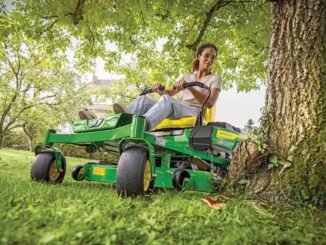
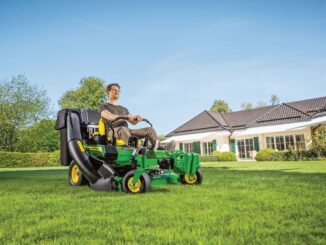
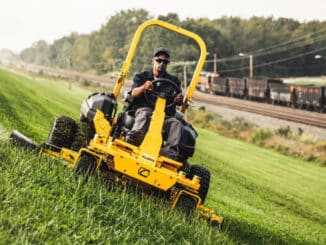
Lawn tractors and garden tractors both simplify mowing large yards, but they differ significantly in design, capabilities, and ideal use cases. Choosing between them depends on your property size, terrain, tasks beyond mowing, and budget.
Key Differences
Lawn tractors prioritize efficient grass cutting on smaller to medium lawns, featuring compact builds with under-seat cutting decks for maneuverability around obstacles. Garden tractors, by contrast, are heavier-duty machines with mid-mounted decks, larger frames, and robust components for versatile tasks like tilling or snow removal.
These distinctions affect everything from turning radius to attachment compatibility, making garden tractors better workhorses while lawn tractors excel in precision mowing.
Assess Your Property
Start by measuring your lawn area—lawn tractors suit 0.5 to 2 acres, while garden tractors handle 2+ acres effectively. Evaluate terrain: flat, open spaces favor garden tractors for their stability and power on slopes up to 17-32% gradients. For bumpy, obstacle-filled yards with trees or beds, lawn tractors’ tighter turning radius (often 16 inches or less) reduces turf damage during turns.
Consider storage too—lawn tractors’ smaller footprint (often under 6 feet long) fits garages easily, unlike bulkier garden models. Obstacles like low benches favor neither perfectly; garden tractors can’t mow underneath, but some ride-ons can.
Mowing Capabilities
Cutting deck position is pivotal: lawn tractors have decks under the operator for close trimming around edges and low objects, with widths of 38-54 inches for efficient passes. Garden tractors’ central decks (often 42-60+ inches) excel on open expanses but require wider turns.
Cutting options vary—both support mulching (like Husqvarna BioClip®), side discharge, or collection, but garden models often include larger rear collectors.
Height adjustments matter: look for 12+ positions (1-4 inches) on both for versatile cuts on uneven grass. For thick or wet grass, garden tractors’ higher torque powers through without bogging.
Engine and Transmission
Engines range from 17-22 HP on lawn tractors to 24+ HP on garden models, with gas V-twins common for reliability. Hydrostatic transmissions dominate both, offering gearless speed control via pedals—smooth for beginners but premium on garden tractors with hydraulic PTO for attachments. Manual gear drives appear on basic lawn models for cost savings but feel less intuitive.
Fuel capacity scales up on garden tractors (5+ gallons) for all-day runs without refills. Electric options emerge in 2026 but lag in power for heavy use.
Attachments and Versatility
Lawn tractors handle basics: baggers, mulchers, carts, snow blowers, and dozer blades—but not soil-engaging tools like tillers. Garden tractors shine here, supporting plows, harrows, cultivators, aerators, sprayers, and trailers via rear PTO and hitches. Features like locking differentials aid traction for towing on slopes.
Cost Comparison
Expect £1,200-£1,800 for entry lawn tractors (e.g., Cub Cadet XT1, John Deere S120), rising to £2,500+ for premium hydrostatic models. Garden tractors start at £2,000-£5,000+ (e.g., Stiga Estate, Husqvarna), reflecting heavier builds and PTO systems. Factor maintenance: both average £100-200/year, but garden models’ complexity adds costs.
Popular Models 2026
Top lawn tractors include John Deere S120 (42-inch deck, 22 HP, great for 2 acres) and Cub Cadet XT1 (46-inch, tight turns). Garden standouts: Husqvarna with U-Cut steering for agility, Stiga Estate 9102 (102 cm deck, twin-cylinder), and Simplicity for heavy-duty attachments. User reviews praise garden tractors for longevity on homesteads but note lawn models’ ease for suburbs.
Maintenance Essentials
Daily: Check oil, clean deck, sharpen blades (dull ones strain engines). Weekly: Inspect belts, air filters, tires. Seasonal: Oil change every 50 hours, spark plugs biannually. Garden tractors need PTO checks; store both with stabilized fuel indoors. Hydrostatic units require fluid top-ups yearly.
-
Pre-mow: Fuel fresh, blades balanced.
-
Post-mow: Hose deck, lubricate fittings.
-
Annual service: Professional tune-up £150+.
User Experiences
Reddit homesteaders favor garden tractors for multi-use (mowing 50% bagged, plus tilling), citing rear-end failures on cheap lawn models. Pros love zero-turn variants of both for commercial efficiency, but warn lawn tractors suit tight UK gardens better. Common pitfalls: Underpowering for slopes leads to buyer’s remorse.
Making Your Decision
Match needs: mowing-only on <2 acres? Lawn tractor. Multi-tasking on larger/rough land? Garden tractor. Test drive locally—check hydrostatic feel, deck lift. Prioritize warranties (3-5 years). For London users, compact lawn models navigate urban plots well.[user-information implied]
Budget £2,000+ for value; resale holds on John Deere/Husqvarna. What’s your lawn size and main tasks?
Top recommended lawn tractor models for 2026
Best overall lawn tractor (gas)
John Deere S130 (42″)
-
22 hp twin‑cylinder gas engine, ideal for roughly 0.5–2 acres and light slopes.
-
Comfortable seat, good visibility and a tight 25″ turning radius for working around trees and beds.
-
Notable features include Deere’s easy 30‑second oil‑change system and strong dealer support.
If you want a “buy once, cry once” machine for typical residential lawns, this is about as safe as it gets in 2026.
Best value lawn tractor
Cub Cadet XT1 LT50 (50″)
-
24 hp Kohler engine with a wide 50″ deck that covers 1.5 acres and up efficiently.
-
Very tight 16″ turning radius and a SmartJet deck‑wash port for easy cleaning.
-
Frequently highlighted as the best price‑to‑performance lawn tractor, balancing cut quality, comfort and cost.
If you want maximum deck width and features for the money rather than a prestige badge, this XT1 variant is a top choice.
Best entry‑level / budget tractor
-
Entry model in Deere’s 100‑series, commonly recommended as the best “starter” lawn tractor in big-box ranges.
-
Suits owners moving up from a walk‑behind, with simpler spec and lower price than the S130 but similar ergonomics.
Craftsman T2200/T2400K series
-
42–46″ deck, 20 hp twin‑cylinder engines and hydrostatic drive in most configurations.
-
Praised by mechanics and reviewers as solid no‑frills tractors under roughly the $2.5–3k bracket.
These are good picks if you want a “real” tractor feel without stretching to premium pricing.
Best compact lawn tractor for tight gardens
Cub Cadet CC30H (rear‑engine rider)
-
Very compact footprint and single‑blade deck that fits narrow gates and small sheds.
-
Rear‑engine design and hydrostatic drive make it easy to store and highly maneuverable on small suburban plots.
If access and storage are your main constraints but you still want to sit and ride, this type of compact rider is worth a look.
Notable UK/Europe lawn tractor options
For the UK market, these models (plus their close siblings) feature heavily in current “best ride‑on” lists.
These give you a good spread from budget Mountfield up to more robust Stiga/Atco machines suitable for bigger UK plots.
Quick selection tips
-
Under 1 acre, fairly flat, lots of obstacles: John Deere S100 or S130, or Mountfield MTF 98H‑SD in the UK.
-
1–2.5 acres, want speed and value: Cub Cadet XT1 LT50 or Craftsman T2200/T2400K.
-
Tight access, small shed: Cub Cadet CC30H or similar compact rider.
-
Larger or rougher UK properties: Atco GTX 38H or Stiga Estate 9102 W.
What cutting width and approximate lawn size are you aiming for?
Maintenance tips for lawn vs garden tractors
Daily / per‑use checks
These apply to both types:
-
Fuel and oil check
-
Use fresh fuel (with stabilizer if stored), and check oil level before every use; top up if low.
-
Avoid old or ethanol‑heavy fuel, which can clog carburetors and damage seals.
-
-
Debris and safety
-
Clear the deck underside and around wheels after each mow to prevent buildup and overheating.
-
Visually inspect belts, tires, and frame for loose bolts, cuts, or leaks.
-
-
Blades
-
Keep blades sharp and balanced; dull blades shred grass and strain the engine.
-
For a typical homeowner, sharpen blades every 25 hours or 2–3 times per season.
-
Seasonal maintenance (lawn tractors)
Lawn tractors are mainly mowers, so tasks are simpler and focused on engine and deck.
-
Oil and filter
-
Change engine oil and filter every 50–100 hours or once per season, whichever comes first.
-
New machines often require an earlier “break‑in” oil change (first 5–10 hours, then 25, then every 50).
-
-
Air filter
-
Clean or replace the air filter regularly; clogged filters reduce power and fuel economy.
-
-
Spark plugs
-
Replace spark plugs annually or per your manual (often every 100 hours).
-
-
Deck and hardware
-
Clean and inspect the deck, pulleys, and belts; replace worn or cracked belts.
-
Lubricate grease fittings on wheel bearings and steering joints.
-
-
Battery and storage
-
If your lawn tractor has a battery, keep it clean and charged, and store it off the floor in winter.
-
Top‑up fuel with stabilizer and run the engine briefly to distribute it through the carburetor.
-
Extra maintenance for garden tractors
Garden tractors face heavier loads, more attachments, and often hydrostatic/hydraulic systems, so they need a bit more.
-
Transmission and hydraulic system
-
Check hydrostatic transmission fluid levels and condition; some brands recommend changing fluid every 100–250 hours or per the manual.
-
Inspect hydraulic lines, hoses, and couplings for leaks or swelling; replace if softened or cracked.
-
-
Tires and traction components
-
Maintain correct tire pressure and check for wear, especially on rear tires that pull heavy loads.
-
If your tractor has a locking differential, check its operation and lubrication as per the manual.
-
-
Attachment and hitch care
-
Clean and lubricate hitch pins, PTO shaft spline, and mower deck lift mechanisms to prevent rust and seizing.
-
Inspect PTO belts and shields each season; worn belts or damaged guards can be dangerous under load.
-
-
Cooling and undercarriage
-
Keep cooling fins and radiator/air intake areas clean, especially on larger‑displacement engines that run hotter when pulling plows or aerators.
-
Clear mud and grass buildup from the chassis; this protects welds and sheet metal and makes inspections easier.
-
When lawn vs garden tractors differ in practice
Quick checklist summary
Every use (both):
-
Check fuel and oil.
-
Clear deck and inspect belt, tires, bolts.
Every 25 hours (both):
-
Inspect blades and sharpen if needed.
Each season (both + extras for garden):
-
Change engine oil and filter.
-
Replace air filter and spark plugs.
-
Clean deck and frame, lubricate grease points.
-
Garden tractors only: check hydrostatic fluid, hydraulic lines, PTO belts, and hitch points.