
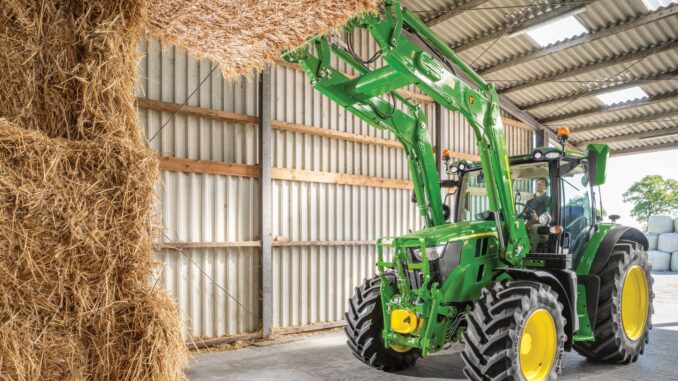
The John Deere 3038E is a 3 Series compact utility tractor built for acreage owners who need a diesel tractor that can mow, move material, handle light ground-engaging work, and run rear PTO implements without stepping up to a larger utility platform. This guide is written for DIY owners in the USA and Canada and covers troubleshooting, common repair decisions, maintenance intervals, service parts, manuals, diagrams, and realistic boundaries between home repairs and dealer-level work.
John Deere 3038 model overview
The John Deere 3038E sits in Deere’s 3 Series compact tractor range, and the North American operator’s manual groups it with the 3025E and 3032E models. For owners, that means the main systems to understand are the diesel engine and fuel system, hydrostatic transmission, MFWD front axle, rear PTO, hydraulics, cooling system, and the electrical and safety interlock systems.
And See:
Most owner complaints start in a few predictable areas: hard starting, fuel delivery issues, regeneration or exhaust filter concerns, weak drive response, hydraulic leaks, battery and switch faults, and cooling-system debris buildup. Common service and repair parts owners regularly buy for the 3038E include engine oil filter M806419, primary air filter M131802, secondary air filter M131803, transmission/hydraulic filter LVA16054, hydraulic oil filter LVA14703, fan belt M801821, battery TY26498, PTO switch LVA11437, and fuel-related filters that vary by serial number.
Troubleshooting a John Deere 3038E by symptom
The fastest way to diagnose a John Deere 3038E is to start with the symptom the owner actually sees rather than guessing at parts. Deere’s own manual breaks troubleshooting into engine, electrical system, machine, brakes, and steering sections, which fits well with a symptom-first repair approach.
Main symptom groups on this tractor include:
-
Starting issues, such as slow crank, no crank, or crank-no-start.
-
Running issues, such as rough idle, lack of power, excessive smoke, or regeneration-related complaints on 3038E models.
-
Drive and transmission problems, including weak hydro response, poor traction, or MFWD concerns.
-
Overheating, coolant loss, and debris-packed screens or fins.
-
Electrical and safety-switch problems, including PTO, neutral-start, seat, and lighting faults.
-
Hydraulic or attachment-operation issues involving the 3-point hitch, loader hydraulics, or SCV functions.
Immediate John Deere 3038 repair needs
Some faults on a John Deere 3038E need immediate attention because they create safety risks or can turn a small repair into a major one. Stop using the tractor if you have brake problems, steering issues, hydraulic hose leaks under pressure, fuel leaks, abnormal driveline noise, or repeated overheating.
John Deere 3038 starting issues
A no-start or hard-start condition matters because repeated cranking can flatten the battery, overheat cables, and hide a fuel or safety-interlock problem. On a diesel compact tractor, basic starting checks should always come before deeper fuel-system assumptions.
Common causes:
-
Weak battery or corroded terminals.
-
Faulty neutral-start, seat, or PTO safety switch.
-
Restricted fuel supply or contaminated diesel.
-
Glow or cold-start aid issues in cold weather.
Basic owner checks:
-
Confirm the battery is charged and terminals are clean and tight.
-
Make sure PTO is off, range selector is in the correct position, and all start conditions are met.
-
Check fuel level, shutoff position, and visible sediment or water issues.
-
Inspect fuses, obvious wiring faults, and ground connections.
John Deere 3038E running and power-loss problems
If the tractor starts but runs rough, lacks power, or will not rev cleanly under load, the problem often sits in air, fuel, exhaust-filter, or routine-service items. The 3038E manual specifically includes exhaust filter system operation and service for this model, so owners should not ignore regeneration-related warnings.
Common causes:
-
Dirty primary or secondary air filters.
-
Fuel filter restriction or contaminated fuel.
-
Cooling-pack debris causing high operating temperatures.
-
Exhaust filter service issues that need proper procedure.
Basic owner checks:
-
Inspect the air filters and dust-unloading valve.
-
Check service history for engine oil and fuel-filter intervals.
-
Clean grille screens and radiator, fuel, and transmission cooling fins.
-
Follow the operator’s manual for exhaust-filter cleaning status before forcing action.
John Deere 3038 transmission and drive problems
Poor hydrostatic response, weak hill-climbing, or strange front-axle behavior should be addressed early because low oil, filter restriction, or driveline damage can get expensive fast. Owners often blame the transmission first, but basic checks still matter.
Common causes:
-
Low transmission/hydraulic oil level.
-
Restricted transmission/hydraulic filter.
-
MFWD engagement or front-axle oil problems.
-
Brake drag, incorrect tire pressures, or traction mismatch.
Basic owner checks:
-
Check transmission oil level on level ground.
-
Review whether the 50-hour initial hydraulic/transmission service was completed.
-
Inspect for leaks around filters, axle housings, and hydraulic lines.
-
Verify tire pressures and MFWD use for the terrain and task.
John Deere 3038 electrical problems
Electrical faults often show up as no-crank conditions, dead dash displays, inoperative lights, or intermittent PTO engagement. Many are simple switch, fuse, battery, or connection issues rather than major harness failures.
Common causes:
-
Dirty battery terminals or a weak battery.
-
Blown fuse or faulty relay.
-
Failed PTO switch, neutral-start switch, or seat switch.
-
Corrosion at connectors exposed to moisture.
Basic owner checks:
-
Test battery condition and clean both cable ends.
-
Inspect fuses and relays before replacing bigger components.
-
Check operation of PTO and seat-related safety inputs.
-
Look for rubbed wires near battery, frame, and operator platform.
John Deere 3038 overheating and leaks
Overheating, coolant loss, and fuel or hydraulic leaks should never be treated as minor annoyances because compact tractors work in dusty conditions and can clog cooling packs quickly. A leak under pressure can also become a safety hazard.
Common causes:
-
Blocked radiator or side screens.
-
Loose hose clamps or aging radiator hoses.
-
Low coolant or old coolant beyond service interval.
-
Hydraulic seepage at hoses or fittings.
Basic owner checks:
-
Clean screens and fins with the engine cool.
-
Check coolant level and hose condition.
-
Inspect the ground and chassis for fresh leaks after shutdown.
-
Stop operation if coolant temperature rises or fluid loss continues.
DIY or dealer for a John Deere 3038E?
The John Deere 3038E is friendly to owners for routine maintenance and basic bolt-on repairs, but dealer support becomes more sensible when the job involves hydrostatic internals, injector work, emission-system diagnosis, major hydraulic faults, or electronic diagnostics tied to active codes. In practical terms, most homeowners can safely handle filters, fluids, battery work, bulbs, screens, and visual inspections, while deeper fuel-system and drivetrain faults usually need better tools, pressure testing, and Deere procedures.
Good DIY jobs
-
Engine oil and oil filter service.
-
Air-filter inspection and replacement.
-
Battery removal, cleaning, and replacement.
-
Replacing bulbs, fuses, and some switches.
-
Cleaning radiator screens, cooling fins, and engine compartment debris.
Advanced DIY or dealer jobs
-
Transmission/hydraulic oil and filter service if you are not set up for fluid handling.
-
Front axle oil service and axle thrust-bolt adjustment.
-
Fuel-system troubleshooting beyond filter changes.
-
Exhaust filter/DPF-related faults, regeneration problems, or warning-code diagnosis.
-
Hydrostatic drive or steering/brake diagnosis.
Skill level guide
-
Beginner: Air filters, battery terminals, visual leak checks, screen cleaning, light bulbs.
-
Intermediate: Engine oil service, fuel-filter service, battery replacement, switch replacement, coolant and hose inspection.
-
Advanced: Hydraulic/transmission service, electrical diagnosis with a meter, front-axle service, exhaust-filter issues, and troubleshooting with codes.
John Deere 3038 parts you need before ordering
Before ordering parts for a John Deere 3038E, gather the full model name, the tractor Product Identification Number, and the engine information because Deere uses serial-number breaks and configuration differences that affect filters and fuel-system parts. That matters especially on this model because the maintenance guide lists different fuel and filter parts before and after serial number 610001.
For OEM versus aftermarket, OEM is the safer pick for filters with serial breaks, belts, electrical switches, cooling hoses, and any fit-sensitive or safety-related part. Aftermarket can make sense for batteries and some routine consumables, but only when the cross-reference is exact and the seller clearly lists the 3038E and the correct serial range.
John Deere 3038 manuals and diagrams
Owners looking for diagrams and service information should start with Deere’s official manual and parts channels, then use a Deere-focused parts retailer for cross-checking numbers and exploded views. That combination gives you maintenance intervals, procedures, and visual parts breakdowns without guessing.
Recommended sources:
-
John Deere operator’s manual portal for operating instructions, maintenance intervals, troubleshooting sections, and identification-number guidance.
-
John Deere Manuals and Training for official operator, technical, and parts publications.
-
John Deere compact tractor parts page for Genuine John Deere maintenance parts and service support.
-
Green Farm Parts 3038E maintenance page for service kits, common replacement parts, and model-specific consumables.
How to find John Deere 3038E serial numbers
These numbers matter because the correct filters, fuel components, and some emissions-related service parts depend on the machine identity, serial break, and engine details. Deere’s operator manual includes a Product Identification Information section specifically for recording those numbers.
-
Park the tractor safely on level ground and shut it down.
-
Locate the tractor Product Identification Number tag using the identification guidance in the operator’s manual.
-
Record the full model and PIN exactly as shown, including all digits.
-
Find and record the engine identification information before ordering engine-side parts.
-
Match those numbers against the serial-range notes on the parts listing before checkout.
Buying John Deere 3038 parts
The best buying strategy is to confirm the exact OEM number first, then compare price and availability across Deere and Deere-specialist sellers. That reduces ordering mistakes on a model where some maintenance parts change by serial number.
-
Online: verify the OEM part number, the 3038E model listing, and any PIN or serial-range notes before ordering.
-
Dealer counter: best for emissions parts, hydraulic items, serial-sensitive filters, and troubleshooting help tied to the PIN.
-
Retail stores: acceptable for batteries, common fluids, and basic consumables only when the packaging clearly cross-references the correct Deere part or model.
Useful links:
Fitting common John Deere 3038E service parts
These are high-impact jobs that solve a large share of routine owner complaints on the John Deere 3038E. Always park safely, remove the key, allow hot components to cool, and follow the operator’s manual for exact safety steps.
Changing the John Deere 3038E engine oil and filter
Fresh oil and a clean filter protect the diesel engine and are required every 200 hours or annually.
-
Warm the engine briefly, then park safely and shut it off.
-
Position a drain pan under the oil drain, remove the plug, and let the oil drain fully.
-
Remove the old oil filter, wipe the mounting surface, and oil the gasket on the new M806419 filter.
-
Install the new filter until the gasket contacts, then tighten according to the service instruction.
-
Refit the drain plug, refill with the correct oil, and recheck the level after running the engine.
Replacing the John Deere 3038E air filters
Air-filter service helps with power loss, smoke, and dusty-condition running complaints.
-
Open the hood and access the air-cleaner housing.
-
Remove the outer primary element M131802 and inspect for heavy dust loading.
-
Inspect the secondary element M131803 and replace it if dirty, damaged, or due by service schedule.
-
Clean out loose debris from the housing without forcing dirt into the intake path.
-
Reassemble carefully so the seals seat correctly.
Servicing the John Deere 3038E fuel filter and sediment bowl
This job often fixes hard starting, weak running, and fuel contamination complaints.
-
Park safely, allow the engine to cool, and close the fuel shutoff valve if equipped as required by the procedure.
-
Place a container under the sediment bowl area.
-
Remove the sediment bowl carefully, discard the old filter, and clean the bowl.
-
Install the correct serial-range fuel filter and separator parts, then reassemble.
-
Restore fuel flow, check for leaks, and confirm the engine starts and runs cleanly.
Replacing the John Deere 3038E battery
Battery replacement is a common cure for slow cranking, intermittent no-starts, and electrical instability.
-
Park safely and switch the key off.
-
Disconnect the negative cable first, then the positive cable.
-
Remove the old battery TY26498 and clean the tray and cable ends.
-
Install the new battery, connecting positive first and negative last.
-
Test cranking speed and inspect charging performance after startup.
John Deere 3038 maintenance to prevent repeat problems
Regular maintenance on the John Deere 3038E prevents many of the same faults owners later call “repairs,” especially in fuel, cooling, electrical, and hydraulic systems. On compact tractors, dirt, stale fuel, deferred filter changes, and weak batteries create a large share of avoidable downtime.
Focus areas:
-
Starting reliability: keep the battery charged, terminals clean, fuel fresh, and safety switches working correctly.
-
Engine performance: replace air and fuel filters on schedule and keep the cooling package clean.
-
Fire and overheating prevention: clean engine compartments, radiator screens, and debris around hot components.
-
Drive performance: maintain transmission/hydraulic oil and filter intervals, and inspect for leaks early.
-
Electrical reliability: check bulbs, fuses, terminals, and harness condition before faults become intermittent.
John Deere 3038E maintenance schedule
The official operator’s manual includes maintenance charts from daily checks through 6000-hour service, and the 3038E service records section specifically tracks 10-hour, 50-hour, 200-hour, 400-hour, 600-hour, yearly, 1000-hour, 2000-hour, and 6000-hour intervals. The checklist below follows that structure and keeps only tasks supported by the Deere maintenance sections and service-part references.
Daily / before each use
-
Check engine oil level.
-
Check coolant level and look for visible leaks.
-
Inspect tires, wheel hardware, and overall machine condition.
-
Test the safety interlock system before startup.
-
Clean obvious debris from screens and the engine area as needed.
After first 50 hours
-
Replace the transmission/hydraulic filter after the initial break-in interval.
-
Review transmission/hydraulic oil condition and check for leaks.
-
Recheck wheel bolts and hardware if needed after early service use.
Every 200 hours or yearly
-
Change engine oil and engine oil filter.
-
Check battery condition and clean terminals.
-
Inspect the alternator belt and cooling system components.
-
Clean grille screens and engine compartment thoroughly.
Every 400 hours
-
Replace hydraulic and transmission/hydraulic filters.
-
Replace fuel filter and fuel/water separator using the correct serial-range parts.
-
Inspect radiator hoses, clamps, and cooling fins.
-
Check transmission oil level and related service items.
Every 600 hours
-
Check or replace the primary and secondary air filters as required.
-
Review front axle service needs and lubrication items.
-
Inspect steering, brake, and hitch wear points.
Every 2000 hours or two years
-
Drain, flush, and refill the cooling system according to Deere procedure.
-
Inspect coolant hoses and clamps during the service.
Every 6000 hours or six years
-
Perform the major cooling-system flush interval listed in Deere’s service records section.
Seasonal checklist
-
Spring or preseason: test battery charge, inspect fluids and filters, clean screens and fins, and check lights and safety systems.
-
Mid-season: watch for dust-related air and cooling restriction, grease fittings as needed, and inspect for developing leaks.
-
Fall or storage prep: prepare fuel and engine for storage, clean the machine, and follow Deere storage instructions.
Repair, upgrade, or replace a John Deere 3038E?
For most homeowners, a John Deere 3038E is worth repairing when the chassis, hydrostatic drive, and main hydraulic functions are still sound and the problems are limited to service parts, switches, hoses, filters, or moderate wear items. Upgrade makes more sense when your work has outgrown the tractor’s lift, hydraulic, PTO, or attachment capacity, while full replacement is more logical if repeated major drivetrain, emissions, or hydraulic repairs start stacking up.
-
Repair if the issue is routine maintenance, a battery, switch, belt, filter, hose, or a straightforward leak.
-
Upgrade if you regularly need more loader capacity, attachment capability, or features than the 3038E configuration provides.
-
Replace if the machine has chronic hydro, engine, or emission-system problems that exceed its value for your use case.
John Deere 3038E troubleshooting FAQ
1. Why will my John Deere 3038E not start?
Most no-start complaints come down to battery condition, cable corrosion, fuel-supply issues, or a safety interlock that is not satisfied. Start with the battery, fuse panel, PTO position, range selector, and seat-related conditions before assuming a major failure. On this model, simple electrical and safety-switch faults are common enough that they should be checked first.
2. Why does my John Deere 3038E crank but not fire?
If it cranks normally but will not fire, check fuel delivery, contaminated diesel, water in the sediment bowl, and overdue fuel-filter service. Diesel tractors also need clean air supply and correct cold-start procedure, so a blocked filter or poor cold-weather preparation can contribute. Use the serial-correct fuel parts when servicing this system.
3. Why is my John Deere 3038E slow to crank?
A weak battery, dirty terminals, failing cables, or charging issues are the usual causes of slow cranking. Cold weather also reduces cranking performance on diesel equipment, which is why battery condition matters even more in winter. Inspect the alternator belt as well if the battery keeps going flat.
4. Why does my John Deere 3038E lose power under load?
Power loss usually points to restricted air flow, restricted fuel flow, overheating from debris-packed fins, or an exhaust-filter issue. Clean the screens and cooling pack, inspect the air filters, and check whether fuel service is overdue. If warnings related to the exhaust filter are active, follow the Deere procedure instead of guessing.
5. Why is my John Deere 3038E smoking?
Smoke on a diesel compact tractor can indicate poor combustion from restricted air, fuel contamination, overloading, or other engine-side faults. Start with air-filter condition, fuel quality, and cooling cleanliness because those are realistic DIY checks. Persistent smoke after routine service is a good point to involve a dealer.
6. What does the exhaust filter warning mean on a John Deere 3038E?
The 3038E uses an exhaust filter system, and Deere includes AUTO, disabled, and parked cleaning procedures in the operator’s manual. That means the warning should be handled by the correct regeneration or service process rather than by random shutdowns or continued heavy use. If the machine will not complete the procedure or keeps returning the warning, dealer diagnosis is sensible.
7. Why is my John Deere 3038E overheating?
The most common causes are clogged radiator or grille screens, dirty cooling fins, low coolant, or a hose and clamp problem. Compact tractors collect chaff and dust quickly, especially during mowing and loader work in dry conditions. Clean the cooling package first before chasing more expensive possibilities.
8. Why is coolant leaking from my John Deere 3038E?
Coolant leaks often come from hose connections, aging radiator hoses, clamps, or service-related sealing problems. Check the upper and lower radiator hoses carefully and inspect for residue around fittings. Stop using the tractor if the coolant level keeps dropping or the machine runs hot.
9. Why does my John Deere 3038E battery keep going dead?
Repeated battery discharge usually means the battery is weak, the connections are dirty, or the charging system is not keeping up. Short run times and long storage periods also contribute, especially on owner-operated compact tractors. Start with cable cleaning and a battery load test before replacing switches or starters.
10. Why are the lights not working on my John Deere 3038E?
Lighting faults typically come from bulbs, fuses, switches, or corroded connectors. Deere lists common replacement electrical items for this model, including headlight-related components and switches. Check the simple items first because they are much more common than a full harness problem.
11. Why will the PTO not engage on my John Deere 3038E?
A PTO engagement problem can involve the PTO switch, related safety logic, wiring, or a larger PTO system issue. Start with the operator inputs and the PTO switch because that is a common service part on this model. If the switch and inputs are correct but the PTO still will not function, deeper diagnosis is needed.
12. Why does my John Deere 3038E hydrostatic transmission feel weak?
Weak hydro response can be caused by low transmission/hydraulic oil, a restricted filter, improper range selection, brake drag, or drivetrain issues. Make sure the initial 50-hour service and later filter intervals were actually done. Persistent weakness after fluid and filter checks should be treated as an advanced diagnosis job.
13. Why won’t my John Deere 3038E climb hills like it used to?
Loss of hill-climbing ability can come from hydro performance loss, tire-condition issues, ballast mismatch, brake drag, or front-drive use not matching conditions. Deere includes ballast, tire, and MFWD guidance because traction and load setup matter on compact tractors. Check setup before assuming internal transmission wear.
14. Why is the front axle noisy on my John Deere 3038E?
Front-axle noise can come from oil level problems, wear, or related axle setup issues. Deere specifically includes front axle oil service and thrust-bolt torque adjustment in the maintenance material, which shows this area needs correct service procedure. If noise continues after oil-level checks, stop pushing the tractor hard until it is diagnosed.
15. Why is my John Deere 3038E leaking hydraulic oil?
Hydraulic leaks usually show up at hoses, fittings, filters, or connection points under the tractor or near loader plumbing. Even a small leak matters because hydraulic systems operate under pressure and fluid loss can damage components or create a safety risk. Clean the area, identify the source, and avoid placing hands near pressurized pinhole leaks.
16. Why is my 3-point hitch slow or weak on the John Deere 3038E?
Weak hitch response can be linked to hydraulic oil level, filter condition, control settings, or a deeper hydraulic fault. Start with basic fluid and filter checks because those are realistic owner tasks. If the hitch still drifts or will not lift rated implements, dealer diagnosis is usually more efficient.
17. Why is steering hard on my John Deere 3038E?
Steering problems should be treated seriously because they affect safe operation immediately. Low hydraulic oil, front-axle issues, or steering-side hydraulic faults can all contribute. Deere includes steering troubleshooting and maintenance sections, which is a sign not to keep operating through the symptom.
18. Why are the brakes weak on my John Deere 3038E?
Brake problems may come from wear, adjustment issues, contamination, or linked drivetrain symptoms. Since braking is a safety-critical system, any meaningful loss of stopping ability should move quickly from inspection to repair. This is one of the clearer cases where dealer help is justified if the cause is not obvious.
19. Why does my John Deere 3038E have excessive vibration?
Vibration can come from loose hardware, driveline issues, engine running faults, wheel problems, or attachment imbalance. Start with a walk-around for loose fasteners, wheel hardware, and obvious damage. Stop using the tractor if vibration is sudden or severe because secondary damage can follow.
20. Why is my John Deere 3038E making a squealing belt noise?
A squeal often points to the fan belt, especially if charging or cooling performance is also changing. Deere lists the fan belt as a common replacement item for this model. Inspect the belt for wear, glazing, or looseness before it fails completely.
21. Which oil filter fits a John Deere 3038E?
A commonly listed engine oil filter for the 3038E is M806419. It is shown in the 3038E maintenance parts list as the engine oil filter replaced every 200 hours or annually. Confirm the part against your PIN before ordering, especially if your machine history is unclear.
22. Which air filters fit a John Deere 3038E?
The commonly listed air-filter pair is M131802 for the primary element and M131803 for the secondary element. These are identified as the regular engine air-service parts in the 3038E maintenance guide. Always inspect the housing and seals when replacing them so dirt does not bypass the filter.
23. Which fuel filter does my John Deere 3038E need?
That depends on the tractor serial range. Green Farm Parts lists M811032 and MIU800645 for serial numbers up to 610000, and MIU802421 plus MIU803127 for serial numbers 610001 and up. This is exactly why recording the PIN before ordering matters.
24. Does the John Deere 3038E have a DPF or exhaust filter?
Yes, the operator’s manual has an exhaust filter system overview and cleaning procedures specifically for the 3032E and 3038E models. That confirms this model uses an exhaust-filter service process owners need to understand. Serious exhaust-system faults are often better handled with dealer support.
25. Ho000w often should I change the oil on a John Deere 3038E?
The listed interval for the engine oil filter and engine oil service is every 200 hours or annually, whichever comes first. For many homeowner users, that means at least once per year even if hours stay modest. Dirty conditions may justify closer inspection between scheduled services.
26. How often should I change the hydraulic filter on a John Deere 3038E?
The maintenance listing shows an initial transmission or hydraulic filter replacement at 50 hours, then normal hydraulic-related filter replacement every 400 hours. That early break-in interval is easy to miss on used machines, so it is worth confirming in the records. Missing that service can affect long-term drivetrain and hydraulic health.
27. How often should I replace the air filters on a John Deere 3038E?
The listed guidance is to check or replace the primary and secondary air filters every 600 hours or as required. In dusty mowing, loader, or acreage conditions, “as required” can come much sooner than the maximum interval. Frequent inspection matters more than waiting blindly for the hour mark.
28. Can I service my John Deere 3038E myself?
Yes, many routine jobs are realistic DIY work, including engine oil service, air filters, battery maintenance, screen cleaning, and basic inspection work. The line is crossed when the repair needs advanced diagnostics, hydrostatic testing, injector work, or exhaust-system troubleshooting. A practical owner can do a lot on this tractor without needing to do everything.
29. Where can I get a John Deere 3038E operator’s manual?
Deere provides access through its manuals portal and manuals-and-training pages. The North American operator’s manual for the 3025E, 3032E, and 3038E is available online through Deere’s manual viewer. That is the best first source for maintenance charts and operating procedures.
30. Where can I find John Deere 3038E parts diagrams?
Start with Deere’s official parts and publications channels, then use a Deere-focused retailer page to cross-check numbers and model-specific maintenance parts. The official route is best for serial-accurate information, while the retailer page is helpful for common service kits and consumables.
31. Is aftermarket okay for John Deere 3038E parts?
Aftermarket can be acceptable for some consumables, but OEM is the safer choice for serial-specific filters, electrical switches, belts, and other fit-sensitive parts. The risk with aftermarket is not always quality alone; it is often incorrect cross-referencing. Always match the exact OEM number first.
32. What battery fits a John Deere 3038E?
One commonly listed replacement battery for the 3038E is TY26498. As with other service parts, confirm fit against the machine identification before buying. Battery performance also depends on cable condition and charging health, not just the battery itself.
33. Why does my John Deere 3038E keep blowing fuses?
Repeated fuse failure usually means there is a short, rubbed wire, moisture intrusion, or a failed component downstream of the fuse. Replacing fuses without finding the cause only hides the real problem. Check wiring around moving panels, battery areas, and switch circuits first.
34. Why does my John Deere 3038E smell hot after mowing or loader work?
A hot smell often comes from debris buildup on the cooling package, engine compartment contamination, slipping belts, or overheated components. Deere specifically calls for cleaning grille screens, the engine compartment, and cooling fins because debris accumulation is expected in normal use. If the smell comes with rising temperature or smoke, stop immediately.
35. Is it worth repairing an older John Deere 3038E?
Usually yes, if the tractor still has a sound engine, hydrostatic drive, and hydraulic system and the needed work is mostly maintenance or moderate repair. Parts support, manuals, and service information remain available through Deere and Deere-focused sellers. Once major hydro, emissions, or repeated high-cost faults start stacking up, the economics change.