
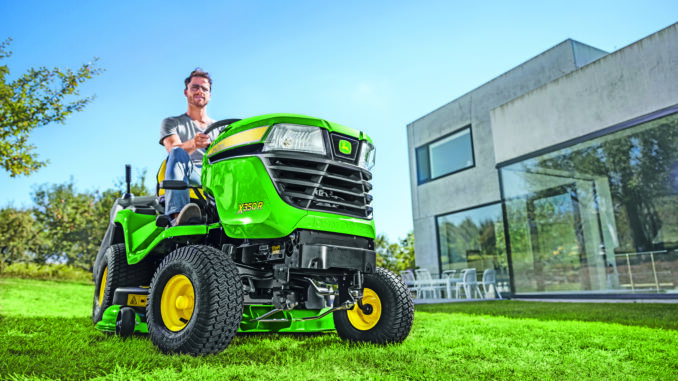
The John Deere LX277 is a lawn tractor in Deere’s LX series, and the official operator’s manual shown in Deere’s Technical Information Store covers the LX266, LX277, LX277AWS, LX279, and LX288 group for PIN 090001 and newer machines. It includes operator information, maintenance intervals, troubleshooting sections, mower service procedures, and product identification guidance, which makes it a strong base for a full owner-focused repair guide for USA and Canada readers.
John Deere LX277 model overview
The John Deere LX277 is a homeowner lawn tractor designed for routine mowing and yard work rather than heavy ground-engaging tasks, and Deere’s official manual groups it with other LX tractors and multiple mower deck options including Freedom42, 42C, 48C, and 54C decks. That matters because repair parts, belts, blades, and deck procedures can vary by deck version even when the tractor model stays the same.
On this machine, owners mainly deal with four systems: the engine and fuel system, the mower deck system, the transmission/drive system, and the electrical/safety interlock system. Deere’s manual specifically includes sections for engine service, transmission service, mower service, electrical service, and troubleshooting charts for engine, machine, electrical, and mower faults.
Common John Deere LX277 service parts regularly bought by owners include the oil filter AM107423, fuel filter AM116304, paper air filter M137556, spark plug TY6081, traction drive belt M146667, and several mower belts and blade options depending on deck configuration. Green Farm Parts also lists common replacement items such as ignition switch AM132500, battery TY25881, standard blade M115495, and primary belt numbers including M110312, M117608, M119696, M140502, and M143019 for different deck setups.
John Deere LX277 troubleshooting approach
The best way to troubleshoot a John Deere LX277 is to start with the symptom the owner actually sees: no start, weak mowing, strange vibration, loss of drive, or electrical failure. Deere’s manual supports that approach by separating troubleshooting into engine, machine, electrical, and mower categories instead of assuming one failed part from the start.
Main symptom groups for this model include:
-
Starting issues.
-
Running issues such as stalling, surging, or poor throttle response.
-
Cut-quality problems such as uneven grass, streaking, or scalping.
-
Vibration and noise.
-
Overheating, fuel smell, or oil leakage.
-
Transmission or drive complaints.
-
Electrical and safety switch faults.
In practice, symptom-first diagnosis helps owners avoid replacing good parts. A John Deere LX277 that cranks slowly may have a battery, cable, switch, or fuel issue depending on what the tractor does before and after cranking, while a poor cut may come from deck level, blade condition, spindle issues, or the wrong belt rather than engine power alone.
John Deere LX277 immediate repairs
John Deere LX277 starting issues
A John Deere LX277 that will not start, clicks once, or starts and dies should be checked quickly because repeated cranking can drain the battery, flood the engine, and hide the real cause. Safety-switch faults also matter because bypassing or ignoring them creates a real operating hazard.
Common causes:
-
Weak or failed battery.
-
Corroded battery terminals.
-
Bad ignition switch.
-
Dirty or restricted fuel filter.
-
Fouled spark plug.
-
PTO, seat, or park brake switch not working properly.
Basic owner checks:
-
Confirm the PTO is off and the park brake is fully set.
-
Check battery cable tightness and visible corrosion.
-
Confirm fuel is fresh and the fuel filter is not empty or heavily discolored.
-
Remove and inspect the spark plug for fouling or damage.
-
Use the operator’s manual safety-system tests before assuming a major electrical fault.
John Deere LX277 cut-quality problems
Uneven cutting, uncut strips, clumping, or scalping should be corrected early because poor deck setup increases belt load and can damage blades, spindle parts, and belt guides over time. Deere’s manual includes deck leveling, mower wheel adjustment, blade inspection, and bent blade checks for this reason.
Common causes:
-
Dull or bent blades.
-
Deck out of level side-to-side or front-to-rear.
-
Wrong tire pressure.
-
Worn mower belt.
-
Buildup under the deck.
-
Damaged gauge wheels or spindle issues.
Basic owner checks:
-
Clean the underside of the deck safely with the engine off and key removed.
-
Check tire pressures before adjusting deck level.
-
Inspect blades for wear, bends, or balance problems.
-
Verify the deck is level side-to-side and slightly pitched correctly front-to-rear as described in the manual.
-
Replace visibly cracked or glazed belts.
John Deere LX277 vibration and noise
New vibration, rattling, or a knocking deck sound needs attention immediately because a loose blade, bent blade, failing spindle, or damaged belt can quickly lead to larger failures. Deere includes bent-blade checks, blade service, sharpening, and balancing procedures in the mower service section for exactly this kind of complaint.
Common causes:
-
Bent blade.
-
Blade out of balance.
-
Loose blade hardware.
-
Worn spindle bearings.
-
Debris wrapped around shafts or pulleys.
-
Damaged deck belt.
Basic owner checks:
-
Stop mowing and inspect the deck before running it again.
-
Check for packed grass, wire, or string around pulleys and spindles.
-
Inspect blades for bends and edge damage.
-
Confirm blade mounting hardware is secure.
-
Replace damaged blades in matched sets when required by the deck design.
John Deere LX277 overheating and leaks
An overheated or oily John Deere LX277 should not be kept in service because heat and oil loss can damage the engine fast. Deere specifically calls for cleaning the air intake screen and engine fins and includes engine oil and fuel-system service items in the maintenance schedule.
Common causes:
-
Blocked cooling fins or intake screen.
-
Low engine oil.
-
Old or restricted air filter.
-
Fuel leak from hose or filter connection.
-
Oil filter looseness or seepage.
Basic owner checks:
-
Check oil level before restarting.
-
Clean grass and debris from the engine cooling area.
-
Inspect around the oil filter and drain area for wetness.
-
Check fuel lines and the fuel filter for seepage or cracks.
-
Stop using the tractor if fresh leaks continue after cleaning and retightening accessible parts.
John Deere LX277 transmission and drive problems
If the John Deere LX277 moves weakly, hesitates uphill, or will not drive normally, deal with it early because a slipping drive belt or linkage issue can become a no-drive breakdown. Deere’s manual includes transmission oil checks, free-wheeling lever operation, and cruise-control adjustment, which are useful first checks before assuming internal transmission failure.
Common causes:
-
Worn traction drive belt.
-
Free-wheel lever not fully engaged.
-
Linkage adjustment issue.
-
Low transmission oil or hydro problem.
-
Brake drag.
Basic owner checks:
-
Make sure the free-wheeling lever is fully returned to the drive position.
-
Inspect the traction belt for glazing, cracking, or slack.
-
Check for brake drag or binding linkage.
-
Confirm the transmission oil level if your configuration allows the check per the manual.
-
Move dealer-side once internal hydro wear or persistent slipping is suspected.
John Deere LX277 electrical problems
Electrical faults on a John Deere LX277 often show up as no crank, intermittent lights, blown fuses, or PTO engagement issues. Deere’s manual includes testing for park brake, PTO, seat, and Reverse Implement Option functions, plus fuse, battery, and bulb service.
Common causes:
-
Weak battery.
-
Dirty grounds or battery terminals.
-
Failed safety switch.
-
Blown fuse.
-
Bad ignition switch.
-
PTO switch fault.
Basic owner checks:
-
Inspect and clean battery terminals.
-
Check the fuse before replacing larger components.
-
Test each interlock function in the sequence described in the operator’s manual.
-
Inspect harness areas around the seat, battery, and frame for rub-through.
-
Replace switches only after confirming the symptom pattern.
DIY or dealer
For the John Deere LX277, the normal line is simple: routine service and visible bolt-on repairs are realistic DIY jobs, while hydro transmission internals, deep electrical diagnosis, internal engine work, and certain deck timing or spindle rebuilds are better left to an experienced technician. Deere’s official manual supports owners with maintenance, testing, deck adjustments, and common service procedures, but it does not turn every repair into a beginner task.
Good DIY jobs:
-
Engine oil and oil filter service.
-
Air filter and spark plug replacement.
-
Fuel filter replacement.
-
Blade removal, sharpening, and balancing.
-
Deck leveling.
-
Battery cleaning and replacement.
-
Primary deck belt replacement where access is straightforward.
Advanced DIY or dealer jobs:
-
Hydrostatic transmission diagnosis or internal repair.
-
Persistent no-start electrical tracing.
-
PTO clutch diagnosis beyond basic checks.
-
Spindle replacement with seized hardware.
-
Freedom42 timing belt work and blade timing checks.
-
Engine internal work or carburetor correction beyond basic adjustment.
Skill level guide:
-
Beginner: oil, air filter, spark plug, battery, blade inspection.
-
Intermediate: fuel filter, belts, deck leveling, switch testing, blade service.
-
Advanced: deck timing work, driveline diagnosis, live electrical testing, spindle or clutch replacement.
John Deere LX277 parts, OEM numbers, and ordering details
Before ordering John Deere LX277 parts, gather the full model name, tractor Product Identification Number, engine model and serial number, and your exact deck size or deck version. Deere’s own literature says dealers need the machine serial number and engine serial number when ordering parts, and it also notes that part numbers may change.
For this tractor family, deck configuration matters a lot because one LX277 may use a different primary belt, secondary belt, or blade than another. That is why owners should verify whether they have the Freedom42, 42C, 48C, or 54C deck before buying mower parts.
OEM parts are usually the safest choice for belts, safety switches, ignition parts, and fit-sensitive deck components because routing, length, and engagement tolerance matter. Aftermarket parts can be fine for common consumables such as some filters, batteries, and blades, but only when the cross-reference is exact and the deck version has been confirmed first.
John Deere LX277 diagrams and manuals
The best sources for John Deere LX277 diagrams and manuals are Deere’s own manuals portal, the operator’s manual in Deere’s Technical Information Store, Deere parts/manual ordering pages, and a Deere-focused parts seller with model-specific maintenance listings. These sources together cover routine maintenance, deck service, troubleshooting, identification, and common replacement parts.
Useful links:
-
John Deere operator’s manual / Technical Information Store — best for service intervals, operating checks, deck adjustment, troubleshooting categories, and identification steps.
-
John Deere Manuals and Training — Deere’s main hub for downloading or purchasing operator, technical, and parts publications.
-
Green Farm Parts LX277 maintenance guide — useful for quick service part lookups and common repair parts.
-
John Deere lawn mower parts portal — useful for model/serial lookup guidance and Deere parts support.
How to locate John Deere LX277 model, PIN, and engine numbers
These numbers matter because the John Deere LX277 used multiple deck options and Deere states that dealers need both the machine serial number and engine serial number when ordering parts. Even when two tractors look identical, the deck build or engine information can change what actually fits.
Use this simple process:
-
Find the tractor identification tag and record the full model and PIN from the machine.
-
Confirm the mower deck model and serial from the deck tag rather than assuming deck size by appearance.
-
Record the engine model and serial directly from the engine itself.
-
Compare those numbers against the manual, parts diagram, or dealer system before ordering.
-
Keep the numbers in your phone or maintenance log for future service.
Deere’s lawn mower parts page says the model number is shown under the model heading on the identification tag, the serial number appears on the same tag, and the engine number is found directly on the engine itself. The operator’s manual also includes a Product Identification section and record-identification pages for the machine family.
Buying John Deere LX277 parts
For John Deere LX277 owners, the safest buying strategy is to start with the correct OEM number, then verify that the part matches the tractor PIN and exact deck version before comparing prices. That reduces returns and avoids the common mistake of ordering the right part family but the wrong belt or blade length.
Buying options:
-
Online: best for planned service parts, but match the OEM number and deck configuration carefully. Good starting points are Deere Manuals and Training, John Deere Parts, and Green Farm Parts LX277 page.
-
Dealer counter: best for serial-sensitive items, electrical parts, and uncertain belt or deck parts because Deere specifically notes the dealer uses your machine and engine serial numbers.
-
Retail stores: acceptable for common consumables such as spark plugs, batteries, and some filters if the packaging clearly cross-references the exact John Deere or engine number.
John Deere LX277 fitting guide
Replace the John Deere LX277 engine oil and filter
This job helps with hard starting, engine wear control, and long-term reliability because Deere includes oil and filter service as a regular maintenance item. The official manual also includes separate sections for checking oil level and changing engine oil and filter.
-
Park the tractor safely on level ground, switch the engine off, and let it cool.
-
Check the manual for the correct service interval and oil type before draining.
-
Drain the old oil, remove the old filter, and clean the sealing surface.
-
Install the new AM107423 oil filter with a lightly oiled gasket.
-
Refill with the correct oil, check the dipstick, and inspect for leaks after startup.
Replace the John Deere LX277 air filter
A dirty air filter can cause rich running, power loss, and harder starting, so this is one of the most useful DIY service jobs on the LX277. Deere’s operator manual includes an air cleaner service section specifically for the LX266, LX277, LX277AWS, and LX288 group.
-
Shut the tractor off and open the hood.
-
Remove the air cleaner cover carefully so dirt does not fall into the intake.
-
Remove the paper element and foam pre-cleaner, then inspect both.
-
Replace dirty or damaged elements with the correct M137556 paper filter and matching foam element if required.
-
Reassemble the housing carefully and make sure the cover seals correctly.
Replace the John Deere LX277 spark plug
A new spark plug often fixes misfiring, weak cold starts, and rough running when fuel delivery is otherwise normal. Spark plug inspection is part of Deere’s service engine section, and Green Farm Parts lists TY6081 as a common LX277 replacement plug.
-
Let the engine cool fully before working around the plug.
-
Remove the plug wire and clean around the plug base first.
-
Remove the old plug and inspect its condition for clues such as oil fouling or heavy carbon.
-
Install the correct replacement plug and set the gap to engine specification if required by the plug packaging or engine data.
-
Refit the plug wire securely and test-start the engine.
Replace John Deere LX277 blades or deck belt
Blade and belt service directly affects cut quality, vibration, and deck performance, so it is one of the highest-value repair jobs for owners. Deere’s manual covers blade service, balancing, bent-blade checks, and primary or secondary mower belt replacement depending on deck type.
-
Park safely, remove the key, and disable accidental starting.
-
Lower or remove the deck as needed for safe access.
-
Inspect the blades for bends, cracking, or severe wear, and inspect the belt for glazing, cracking, or stretching.
-
Replace blades as a matched set when needed, and route the new belt exactly as shown for your deck version.
-
Recheck deck level and run the PTO briefly to confirm smooth engagement.
John Deere LX277 maintenance schedule
Regular maintenance prevents most repeat John Deere LX277 problems because the official manual lays out service intervals from initial break-in through 500-hour tasks, along with lubrication, engine, transmission, mower, and electrical service sections. The exact deck tasks vary by deck model, but the schedule structure is clear in Deere’s manual.
John Deere LX277 daily or before each use
These checks help catch the failures that stop mowing day-to-day. Deere includes a daily operating checklist and routine operating checks in the manual.
-
Check engine oil level.
-
Check fuel level and inspect for obvious leaks.
-
Inspect the mower area for buildup or visible damage.
-
Confirm safety systems operate correctly.
-
Check tire condition and general machine condition.
John Deere LX277 every 25 hours
The LX277 manual includes a specific every-25-hours service interval. This is one of the key recurring maintenance checkpoints for homeowner machines that mow regularly.
-
Perform the tasks listed in Deere’s 25-hour interval for your machine version.
-
Lubricate applicable grease points such as front wheel spindles and blade spindles where specified.
-
Inspect mower components for wear and belt condition.
-
Change engine oil if your service schedule and usage conditions require it, as service sellers list oil and filter replacement frequently in the LX277 maintenance cycle.
John Deere LX277 every 50 hours
The manual includes a 50-hour service interval that owners should use as a main recurring checkpoint through the mowing season. This is a good time to combine engine, deck, and electrical inspection work.
-
Change engine oil and filter if due under your usage pattern.
-
Clean the air intake screen and engine fins.
-
Inspect the air cleaner and spark plug condition.
-
Check deck level, blade condition, and belt wear.
John Deere LX277 every 100 hours or yearly
Deere lists a 100-hours-or-annually interval in the manual, which is important for lower-hour homeowners because yearly service may arrive before hour-based service does. This is the right point to review the whole machine, not just the engine.
-
Complete the official 100-hour or annual tasks in the operator’s manual.
-
Inspect the fuel system and replace aging consumables as needed.
-
Clean the battery and terminals and inspect the charging system basics.
-
Review mower blades, spindle condition, and deck hardware.
John Deere LX277 every 200 hours or two years
The operator’s manual includes a 200-hours-or-two-years interval, and Green Farm Parts specifically lists the fuel filter as an every-200-hours item. This makes fuel service one of the easier scheduled replacements to plan ahead.
-
Replace the fuel filter.
-
Complete Deere’s 200-hour or two-year checks for the machine.
-
Inspect transmission-related operation and linkage function.
-
Review battery condition if age-related starting problems are appearing.
John Deere LX277 every 500 hours
Deere also lists 500-hour intervals, including one tied to two years and another straight 500-hour service category in the manual. Most homeowner tractors will hit calendar-based service triggers sooner, but long-life ownership still makes these sections important.
-
Complete all 500-hour tasks from the official manual.
-
Inspect the machine for age-related wear in drive, deck, and electrical systems.
-
Replace worn belts, blades, and switches based on condition rather than waiting for failure.
Seasonal John Deere LX277 checklist
A seasonal plan helps prevent the usual spring no-start and midsummer cut-quality complaints. Deere’s manual includes storage preparation and removal-from-storage procedures that fit naturally into a year-round owner checklist.
Spring:
-
Check battery charge and cable condition.
-
Inspect fuel quality and replace the fuel filter if overdue.
-
Check deck level, blade sharpness, and tire pressure.
Mid-season:
-
Clean cooling fins and deck underside more often in dusty or heavy-growth conditions.
-
Watch belt condition and spindle noise.
-
Recheck blade balance if vibration develops.
Fall or storage season:
-
Prepare the machine for storage using Deere’s storage section.
-
Stabilize or manage fuel as directed in the manual.
-
Clean the tractor thoroughly and address worn parts before the next season.
Repair, upgrade, or replace the John Deere LX277?
For most owners, a John Deere LX277 is worth repairing when the tractor is structurally sound and the problems are limited to service parts, belts, blades, battery, switches, or normal deck wear. Replacement becomes more logical when the machine has combined engine, transmission, and deck issues at the same time, especially if parts and labor approach the value of a cleaner replacement tractor.
Repair if:
-
The issue is a belt, blade, battery, filter, switch, or routine deck problem.
-
The engine runs well and the transmission still drives normally.
-
The frame, steering, and deck shell are still solid.
Upgrade if:
-
You need a wider or different deck setup for your property and can confirm compatible Deere parts.
-
You want better blade options such as mulching or bagging blades already listed for LX277 setups.
-
You are keeping the tractor long-term and want to refresh wear items before they fail.
Replace if:
-
The tractor has major hydro drive problems plus a worn engine or damaged deck.
-
Parts identification is messy due to mismatched deck or missing tags.
-
Safety, electrical, and structural issues are stacking up into a full rebuild.
John Deere LX277 troubleshooting FAQ
1. Why will my John Deere LX277 not start?
The most common reasons are a weak battery, dirty terminals, a bad safety switch sequence, stale fuel, or a fouled spark plug. Start with the easy checks: PTO off, brake set, battery connections clean, fuel present, and plug condition checked before moving toward switch or ignition testing.
2. Why does my John Deere LX277 click but not crank?
A click usually points to low battery power, poor cable connection, or starter circuit resistance rather than a fuel problem. Clean and tighten both battery cables, test the battery under load, and inspect the ground connection before blaming the starter itself.
3. Why does my John Deere LX277 crank but not fire?
If it cranks normally but will not fire, think fuel delivery, spark, or safety-related shutdown. Check the spark plug, confirm fuel is reaching the carburetor through a clean filter, and make sure interlock conditions are correct.
4. Why does my John Deere LX277 start and then die?
That pattern often points to restricted fuel flow, stale fuel, partial choke dependence, or a dirty air/fuel system. A clogged fuel filter or carburetor issue is more likely than a dead battery when the engine briefly starts first.
5. Why is my John Deere LX277 running rough?
Rough running is commonly caused by an overdue air filter, fouled spark plug, old fuel, or restricted fuel flow. The LX277 service sections for air cleaner, spark plugs, and fuel filter should be your first inspection points.
6. Why is my John Deere LX277 losing power while mowing?
Power loss under load often comes from a dirty air filter, dull blades, deck buildup, or an engine cooling problem. If the tractor runs fine off-load but struggles in grass, clean the deck underside and engine cooling area before assuming major engine trouble.
7. Why does my John Deere LX277 surge at idle or part throttle?
Surging usually means unstable fuel delivery or air/fuel imbalance. Fresh fuel, a clean filter, and proper basic service should come before any deeper carburetor work.
8. Why does my John Deere LX277 backfire?
Backfiring can happen from stale fuel, ignition issues, or shutdown technique problems, but it can also follow poor tune-up condition. Start with the spark plug and fuel condition, then inspect for intake or fuel-system service needs.
9. Why does my John Deere LX277 blow smoke?
Smoke can come from overfilled oil, oil entering the intake on slopes, or internal engine wear. Check the oil level first because that is quick, safe, and directly covered by the manual’s oil service procedures.
10. Why is my John Deere LX277 leaking fuel?
Fuel leaks often come from cracked lines, loose clamps, or an aging in-line filter connection. Stop using the machine until the leak is fixed because Deere’s safety sections specifically emphasize safe fuel handling and fire prevention.
11. Why is my John Deere LX277 leaking oil?
Oil leaks commonly show up around the filter area, drain point, or from age-related gasket seepage. Clean the engine first so you can identify the fresh leak path, then recheck after a short run.
12. Why is my John Deere LX277 overheating?
Overheating on this type of lawn tractor is often caused by blocked air intake screens and dirty cooling fins rather than coolant-related issues, since the LX277 manual includes air-cooled engine cleaning steps. Grass buildup around the engine can trap enough heat to create power loss and shutdown.
13. Why does my John Deere LX277 cut unevenly?
Uneven cutting usually traces to tire pressure, deck level, blade wear, or bent blades. Deere includes mower level adjustments side-to-side and front-to-rear, so deck setup should be checked before replacing parts.
14. Why does my John Deere LX277 leave strips of grass?
Streaking or strips often happen when blades are dull, blade speed is reduced by belt slip, or the mowing speed is too high for conditions. Inspect blade edges and belt condition first because both are common wear items on this platform.
15. Why is my John Deere LX277 scalping the lawn?
Scalping usually means deck height is too low, gauge wheels are misadjusted, or the deck is not leveled correctly for the terrain. It can also show up when tire pressures are uneven side-to-side.
16. Why does wet grass make my John Deere LX277 cut poorly?
Wet clippings stick to the deck shell, reduce discharge flow, and increase drag on the belt and blades. Cleaning the deck and slowing ground speed are often more effective than changing parts immediately.
17. Why does my John Deere LX277 vibrate when the blades engage?
Vibration after PTO engagement usually points to bent blades, unbalanced blades, spindle wear, or debris packed around rotating parts. Deere’s blade inspection and balancing procedures are the right first reference.
18. Why is there a rattling sound from my John Deere LX277 deck?
A rattling deck can mean loose blade hardware, worn idlers, a damaged belt, or a failing spindle. Stop mowing and inspect it quickly because a loose rotating part can damage the deck housing.
19. Why does my John Deere LX277 squeal when mowing?
A squeal usually means a slipping belt, seized pulley bearing, or contamination on the belt path. Check the belt for glazing and inspect pulleys for roughness before replacing multiple parts.
20. Why does my John Deere LX277 throw a belt?
Thrown belts are often caused by incorrect routing, worn guides, pulley misalignment, or using the wrong deck-specific belt. Because the LX277 used several deck options, verify the exact belt number before reinstalling or replacing anything.
21. How do I know which John Deere LX277 belt I need?
You need the tractor model, PIN, and exact deck version because Green Farm Parts lists several primary and secondary belt numbers for the LX277 family. Do not order by model alone if the deck has ever been swapped.
22. Why do John Deere LX277 blades wear quickly?
Blade life depends heavily on mowing conditions, impact with roots or stones, and whether the deck is kept clean and level. Repeatedly mowing dusty or sandy ground can shorten blade life even when nothing else is wrong.
23. Can I use aftermarket blades on a John Deere LX277?
Yes, but only if they exactly cross-reference to the correct Deere blade number and match your deck version. For the safest fit and cut performance, OEM is usually better when blade style, lift, and length are uncertain.
24. Why won’t my John Deere LX277 move properly?
Weak movement often points to the traction drive belt, linkage, free-wheel setting, or hydro wear. Start by checking whether the free-wheeling lever is fully back in drive mode before assuming the transmission has failed.
25. Why does my John Deere LX277 lose speed on hills?
Loss of speed under load can indicate a worn drive belt, hydro weakness, or general traction limits. If the belt is aged or glazed, replacing it is a much more realistic first step than chasing internal transmission failure.
26. Why does my John Deere LX277 not reverse correctly?
Reverse complaints can come from linkage adjustment, operator-control issues, or hydro response problems. Check for binding controls and confirm the machine is operating normally in forward before narrowing it further.
27. Why are the lights on my John Deere LX277 not working?
Headlight failure is often a bulb, fuse, connection, or battery condition issue. Deere’s electrical service section includes fuse and bulb replacement, which makes lighting faults a reasonable DIY check.
28. Why does my John Deere LX277 keep blowing a fuse?
Repeated fuse failure usually means a short, rubbed wire, or failing electrical component rather than a bad fuse itself. Inspect harness areas near moving parts, seat pivots, and battery routing before replacing more fuses.
29. Why does my John Deere LX277 shut off when I leave the seat?
That may be normal safety-system behavior if the PTO is engaged or the brake/interlock conditions are not met. Deere includes seat-switch and PTO-switch testing procedures, so verify the system against the manual before replacing the switch.
30. How often should I service my John Deere LX277?
Deere’s manual uses a schedule built around daily checks plus 25-hour, 50-hour, 100-hour or annual, 200-hour or two-year, and 500-hour intervals. The right answer depends on use, but homeowners should at least follow the annual service points even if hours stay low.
31. How often should I change the oil on a John Deere LX277?
The official manual includes oil service in the scheduled maintenance program, and Green Farm Parts lists the oil filter and oil as recurring maintenance items at multiple service points. In real homeowner use, many owners treat oil and filter service as a season-start or season-end core job, adjusted for hours and conditions.
32. How often should I replace the fuel filter on a John Deere LX277?
Green Farm Parts lists the LX277 fuel filter as an every-200-hours service item. Even before that point, replace it sooner if fuel flow is poor, the filter is visibly contaminated, or the machine sat with old fuel.
33. How often should I sharpen John Deere LX277 blades?
There is no single universal hour number in the fetched sources, so blade service should be based on cut quality, edge condition, and vibration. Deere does include sharpening and balancing procedures, which means condition-based maintenance is expected.
34. Is the John Deere LX277 worth fixing?
Usually yes, if the tractor mainly needs service parts and the core engine, frame, steering, and transmission are still sound. The decision gets harder when hydro problems, engine wear, and deck damage all show up together.
35. Where can I find a John Deere LX277 manual and parts diagram?
The best starting points are Deere’s Technical Information Store operator manual, Deere’s Manuals and Training page, and Deere’s parts pages, with Green Farm Parts as a useful model-specific supplement. Those sources together cover identification, maintenance intervals, parts support, and common service items.