
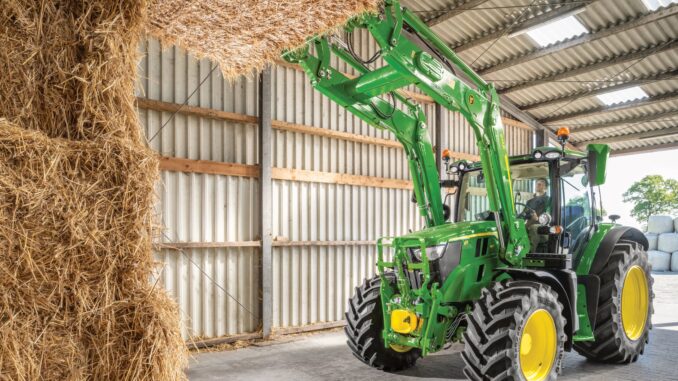
Introduction – John Deere 520 overview
The John Deere 520 is a 2‑cylinder row‑crop tractor from Deere’s classic 20‑series, often used today for small acreage, hobby farms, light tillage, mowing, and pulling implements. It’s a simple, mechanical machine with a gasoline engine, manual steering on many units, gear transmission, and straightforward electrical and hydraulic systems that lend themselves well to owner maintenance.
This guide focuses on practical repair, troubleshooting, and maintenance for the John Deere 520, using a symptom‑first approach so you can start from what you see and feel rather than needing to know every part number upfront. You’ll find common failure patterns, a DIY vs dealer decision guide, parts and diagrams resources, basic fitting procedures, and an expanded FAQ tailored to typical John Deere 520 issues.
General overview of the John Deere 520
The John Deere 520 sits in the two‑cylinder row‑crop lineup between the smaller 420 and the larger 620, giving owners a balance of power for light tillage, hay work, and mowing without the bulk of higher‑horsepower tractors. Most machines are now decades old but still in service as chore tractors, parade units, and restoration projects.
Key systems you’ll interact with on the John Deere 520 include:
-
Engine and fuel system – 2‑cylinder gasoline engine, carburetor, mechanical fuel pump, gravity feed tank.
-
Ignition system – points and condenser, distributor, spark plugs, plug wires, coil.
-
Drive system – dry clutch, unsynchronized gear transmission, final drives, and rear axle.
-
Hydraulics – live hydraulic pump (on equipped units), rockshaft, and external hydraulic connections.
-
PTO and belt pulley – rear power take‑off and optional belt pulley drive.
-
Electrical system – generator (or alternator conversion), voltage regulator, battery, starter, and lighting.
Common service parts John Deere 520 owners actually buy include: spark plugs, ignition points and condenser, distributor cap and rotor, oil filter, air cleaner elements, fuel filter or sediment bowl screen, fan belt, hydraulic filter/screen seals, PTO and transmission seals, and various hoses and gaskets. Routine replacement of ignition components and filters is key to keeping these older tractors starting and running reliably.
Troubleshooting approach for John Deere 520
With the John Deere 520, the most efficient troubleshooting starts from the symptom you see rather than guessing at parts. Begin with what the tractor is doing (or not doing), then work backwards through fuel, spark, air, mechanical drive, hydraulics, and electrical systems.
For the John Deere 520, the main symptom categories you’ll encounter are:
-
Starting issues – cranks but won’t fire, slow cranking, no crank.
-
Running issues – misfire, loss of power, surging, stalling under load.
-
PTO and hydraulics – weak lift, slow or no hydraulic response, PTO slipping or not engaging.
-
Vibration and noise – driveline clunks, gearbox whine, engine knock or valve train noise.
-
Overheating and leaks – coolant pushing out, oil leaks, fuel leaks.
-
Electrical problems – charging issues, dead battery, lighting failures, poor starting due to low voltage.
Work each category using a simple checklist: verify the basics (fluids, fuel quality, connections), then move into targeted checks like spark strength, compression, and hydraulic pressure only if the simple items are confirmed.
Emergency and immediate repair needs on John Deere 520
Some issues on the John Deere 520 must be addressed immediately because they affect safety or can rapidly damage expensive components. If you notice any of the symptoms below, stop using the tractor and work through the quick checks before continuing operation.
Starting issues on John Deere 520
Starting problems show up as slow cranking, repeated “almost start” behavior, or a total lack of response when you hit the starter. It matters because repeated cranking with poor spark or low voltage can damage the starter, and using starting fluid to get around the root cause can harm the engine.
Common causes:
-
Weak or discharged battery.
-
Dirty or corroded battery terminals and ground connections.
-
Faulty starter switch, solenoid, or starter motor.
-
No spark due to bad points, condenser, coil, or wiring.
Basic checks an owner can do:
-
Confirm battery voltage and age; recharge or replace if weak.
-
Clean battery terminals, ground straps, and main starter connections.
-
Inspect and tighten all battery and starter wiring; look for frayed insulation.
-
Remove a plug, ground it, and check for strong blue spark while cranking.
-
If there is no spark, inspect points gap, condenser, and coil connections.
Running and power problems on John Deere 520
Running issues include rough idle, misfire under load, loss of power, or the tractor stalling when you engage an implement. These matter because prolonged misfiring and lean running can lead to valve and piston damage.
Common causes:
-
Old or contaminated fuel, clogged fuel screen or filter.
-
Carburetor jets or passages partially blocked.
-
Incorrect ignition timing, worn points, or weak spark.
-
Low compression from valve problems or worn rings (on very tired engines).
Basic checks:
-
Check fuel age and quality; drain stale fuel and refill if needed.
-
Clean or replace sediment bowl screen and any inline fuel filter.
-
Inspect and set points gap and check ignition timing per manual.
-
Adjust idle and main mixture screws using factory baseline settings.
-
If issues persist, perform a compression test to rule out mechanical wear.
Vibration and noise on John Deere 520
Excess vibration or new noises show up as driveline clunks, gear whine, grinding, or engine knocking. This matters because continuing to run with driveline or gear damage can escalate from a simple bearing to major gearbox or rear‑axle failure.
Common causes:
-
Worn universal joints or loose couplings.
-
Loose or damaged engine or transmission mounts.
-
Worn bearings in transmission or final drives.
-
Misadjusted clutch or worn clutch components.
Basic checks:
-
Listen carefully and localize noise to engine, clutch housing, transmission, or rear axle.
-
Inspect visible shafts, couplings, and U‑joints for play or damaged seals.
-
Check clutch free play and adjust to spec if too tight or too loose.
-
Inspect oil levels in transmission and rear axle; low oil can cause gear noise.
-
If you find metal in oil or significant play, plan for dealer or specialist inspection.
Overheating and leaks on John Deere 520
Overheating shows as rising temperature gauge, coolant pushing out of the radiator, or visible steam under the hood. Leaks may be fuel drips, oil puddles, or hydraulic fluid loss. Both matter because overheating can warp the head or damage pistons, and leaks bring fire risk or hydraulic failure.
Common causes:
-
Low coolant level or blocked radiator fins.
-
Faulty thermostat or water pump.
-
Oil leaks from aged seals and gaskets.
-
Fuel leaks at sediment bowl, carburetor, or fuel line fittings.
Basic checks:
-
Verify coolant level when the tractor is cold and top off if low.
-
Clean radiator fins with low‑pressure air/water; remove debris.
-
Inspect hoses, clamps, and water pump weep hole for leakage.
-
Trace any fuel smell; tighten fittings and replace brittle hoses.
-
Monitor the temperature gauge during light use to confirm improvement.
Transmission and drive problems on John Deere 520
Drive issues show as grinding when shifting, popping out of gear, difficulty engaging gears, or the tractor failing to move despite high engine RPM. These matter because forcing gears can damage shift forks and internal gears.
Common causes:
-
Misadjusted or worn clutch not fully disengaging.
-
Low or contaminated transmission oil.
-
Worn shift linkage or internal gear/shaft wear.
Basic checks:
-
Check clutch pedal free play; adjust per manual specs.
-
Confirm transmission oil level and condition; change if dirty or milky.
-
Shift gently and test different gears to see if problem is isolated to one range.
-
Listen for grinding and avoid forcing gears; plan professional inspection if gears jump out.
Electrical problems on John Deere 520
Electrical problems include dead battery after use, dim lights, or failure to charge. Since many 520s still use generators and regulators, charge‑system issues are common.
Common causes:
-
Worn generator brushes or faulty alternator (on converted units).
-
Failed voltage regulator.
-
Bad grounds or corroded connections.
Basic checks:
-
Inspect charging wiring for loose or corroded connections.
-
Check belt tension on generator/alternator.
-
Measure battery voltage before and after running to verify charge increase.
-
If charging voltage stays low, consider regulator or generator/alternator testing.
DIY or dealer? Repair decision guide for John Deere 520
On the John Deere 520, the practical “line” between DIY and dealer work usually falls between bolt‑on components and anything that requires internal engine, transmission, or hydraulic teardown. Owners comfortable with basic tools can safely handle filters, ignition parts, carburetor cleaning, and belts, while complex internal repairs and precision machine work are better left to shops familiar with two‑cylinder Deere tractors.
Good DIY jobs:
-
Regular oil and filter changes.
-
Air cleaner and fuel screen cleaning.
-
Spark plug, points, and condenser replacement.
-
Fan belt inspection and replacement.
-
Basic carburetor cleaning and external adjustments.
Advanced DIY or dealer jobs:
-
Internal engine work (valve adjustments, head removal, piston and ring replacement).
-
Clutch pack replacement or major clutch adjustments.
-
Transmission or final drive repairs.
-
Hydraulic pump or rockshaft internal repairs.
-
PTO shaft and seal replacement requiring pressing or specialized tools.
Skill level guide:
-
Beginner: Oil changes, filter cleaning/replacement, battery care, simple belt inspections.
-
Intermediate: Ignition work (points, timing), carburetor adjustments, minor hydraulic hose replacement.
-
Advanced: Engine compression diagnosis, internal seal replacement, clutch/transmission teardown, full hydraulic rebuild.
John Deere 520 parts needed and ordering information
Before ordering parts for a John Deere 520, gather the tractor’s full model designation and Product Identification Number (PIN), plus any engine tag details and accessory information. This is particularly important if your tractor has been updated with an alternator, aftermarket ignition, or non‑OEM hydraulics, as the correct parts may differ from factory listings.
Information you should collect
-
Full model name: “John Deere 520” (row‑crop tractor).
-
Tractor PIN: stamped plate or cast‑in number on the main case.
-
Engine model and serial tag.
-
PTO or hydraulic options fitted (some parts vary by configuration).
-
Electrical system type: original generator/regulator or alternator conversion.
Common John Deere 520 service parts
Treat these as starting points and always cross‑check the exact part numbers against your tractor’s serial range; the 520’s long production span means some parts vary slightly. OEM parts are strongly recommended for belts, clutch components, hydraulic seals, and any safety‑critical fittings, where correct fit and material quality are essential. Aftermarket parts are often acceptable for filters, spark plugs, some ignition parts, and batteries, as long as they’re listed as compatible with the John Deere 520 and cross‑reference properly.
Where to find John Deere 520 parts diagrams and manuals
For accurate diagrams and service procedures on the John Deere 520, you should combine official Deere publications with reputable aftermarket sources. Together they provide exploded views, torque specs, and maintenance intervals that go beyond a general overview.
Recommended sources:
-
John Deere operator’s manual – the official owner’s manual for the 520, covering basic operation, safety, maintenance intervals, and simple adjustments.
-
John Deere technical/repair manual – the factory service manual for in‑depth diagnostics, internal engine and transmission procedures, and detailed specifications.
-
John Deere online parts catalog – model‑specific parts diagrams with current part numbers and supersessions, searchable by “John Deere 520”.
-
One reputable aftermarket parts site – many have 520‑specific pages with compatible parts listings, filters, ignition components, and seals laid out by category.
Use the operator’s manual for routine maintenance and day‑to‑day settings, and the technical manual when you’re tackling complex repairs. The online parts catalog is ideal for visually confirming which components your tractor uses, especially when dealing with serial breaks or optional equipment.
How to locate John Deere 520 model and serial numbers
Model and serial numbers matter because Deere used running changes and options over the production life of the John Deere 520, and the correct parts or procedures can depend on those identifiers. Before ordering parts or following a procedure, confirm exactly what you have.
Steps to find key numbers:
-
Locate the tractor’s PIN plate on the main frame or transmission housing; clean it carefully to read the stamped number.
-
Note the full model designation “John Deere 520” from the hood or decal; verify it hasn’t been repainted with a different model’s decals.
-
Find the engine serial tag, typically affixed to the engine block or governor area; record both model and serial.
-
Inspect hydraulic and PTO components for casting or tag numbers if you suspect non‑standard equipment.
-
Store these details in a dedicated notebook or digital file for quick reference when ordering parts or seeking advice.
Buying John Deere 520 parts online and in stores
A smart parts‑buying strategy for the John Deere 520 is to use online sources for research and ordering, then rely on a local John Deere dealer for complex or serial‑specific items. Retail farm and hardware stores are useful for basic consumables, as long as packaging clearly lists compatibility with the 520 or the necessary specifications.
General approach:
-
Online: Use OEM part numbers or verified cross‑references when searching; look for sites that show diagrams or serial‑range notes.
-
Dealer counter: Ideal for PTO seals, internal engine parts, and anything complicated; staff can check your PIN and confirm the right components.
-
Retail stores: Good for oils, generic filters, batteries, and basic hardware when the label shows correct specs or fit for older Deere tractors.
Useful URLs to bookmark include the official John Deere manuals and parts pages, plus one or two established vintage‑tractor parts suppliers that list John Deere 520‑compatible items by category.
John Deere 520 DIY fitting guide – common jobs
The John Deere 520 responds well to a few high‑impact DIY jobs that greatly improve starting, running, and reliability. Below are simple step‑by‑step outlines you can follow with basic tools.
Replacing spark plugs on John Deere 520
Replacing the spark plugs helps cure hard starting, misfiring, and loss of power under load.
-
Park the tractor safely, shut it off, and allow the engine to cool.
-
Remove the plug wires, noting their positions to avoid mixing them up.
-
Use the correct spark plug socket to remove each old plug.
-
Check and set the gap on the new plugs to the specification in your manual.
-
Thread new plugs in by hand, then tighten with a wrench without over‑torquing.
-
Reinstall plug wires firmly and start the tractor to confirm smooth running.
Servicing the fuel sediment bowl on John Deere 520
Cleaning the sediment bowl prevents debris from reaching the carburetor and causing surging or stalling.
-
Turn off the fuel at the tank or close the shutoff valve.
-
Place a container under the sediment bowl to catch fuel drips.
-
Loosen and remove the bowl; carefully lower it with the gasket.
-
Clean the bowl and screen thoroughly using fresh fuel or cleaner.
-
Inspect the gasket and replace if hardened or damaged.
-
Reassemble, turn the fuel back on, and check for leaks.
Adjusting the clutch free play on John Deere 520
Correct clutch free play prevents slipping and gear grinding, protecting transmission components.
-
Park on level ground, engine off, and block the wheels.
-
Measure clutch pedal free play at the pedal pad.
-
Loosen the locknut on the clutch linkage adjuster under the platform.
-
Turn the adjuster to increase or decrease free play to the spec in your manual.
-
Tighten the locknut and recheck the pedal movement.
-
Start the tractor and test gear engagement; adjust slightly if needed.
Inspecting and replacing the fan belt on John Deere 520
A healthy fan belt ensures proper cooling and charging, especially on generator‑equipped tractors.
-
With the engine off, inspect the belt for cracking, glazing, or fraying.
-
Check belt tension; it should deflect only slightly under moderate finger pressure.
-
If replacement is needed, loosen the generator/alternator mounting bolts.
-
Move the unit inward to slacken the belt and remove the old belt.
-
Fit the new belt around the pulleys, then move the unit outward to tension correctly.
-
Tighten bolts and recheck tension after a short period of running.
Maintenance to prevent recurring John Deere 520 problems
Regular maintenance on the John Deere 520 dramatically reduces starting problems, running issues, and leaks that many owners accept as “normal for an old tractor.” Focusing on a few key areas keeps the machine comfortable to operate and extends the life of expensive components.
Maintenance focus areas:
-
Starting reliability – maintain a strong battery, clean terminals, good grounds, and fresh ignition components.
-
Running quality – keep fuel clean, carburetor passages clear, and adjust mixture and timing periodically.
-
Overheating prevention – maintain coolant level, clean radiator fins, and inspect belts and hoses.
-
Drive and PTO performance – adjust clutch free play, monitor transmission oil condition, and check PTO engagement regularly.
-
Electrical reliability – verify charging system performance, protect wiring from abrasion, and inspect lights and switches.
John Deere 520 maintenance schedule and year‑round checklist
Base your John Deere 520 maintenance on official charts, adapted to realistic owner use today. Older tractors may not see daily work, but they still need time‑based maintenance even with low hour counts.
Daily / before each use
-
Check engine oil level and look for fresh leaks.
-
Confirm coolant level and visually inspect radiator area for debris.
-
Walk around the tractor to check tires, steering linkage, and visible hardware.
-
Make sure PTO and hydraulic controls are in the correct positions before starting.
After roughly 8 hours of work
-
Clean radiator fins and grille to maintain airflow.
-
Wipe down the engine and areas around gaskets to spot new leaks quickly.
-
Listen carefully for new noises from transmission, rear axle, or hydraulics.
Every 25 hours
-
Change engine oil if working under dusty or heavy‑load conditions.
-
Clean the air cleaner elements and inspect for contamination or damage.
-
Drain water and sediment from the fuel bowl and check the screen.
-
Grease key lubrication points listed in your operator’s manual.
Every 50 hours or yearly
-
Replace engine oil and filter according to your manual.
-
Inspect spark plugs, points, and condenser; replace if worn or aged.
-
Check clutch free play and adjust if needed.
-
Inspect hydraulic hoses and fittings for weeping or cracks.
Every 200 hours (or every few years on light‑use tractors)
-
Check valve clearances and adjust per technical manual if you have the skill.
-
Drain and replace transmission and rear axle oil, inspecting for metal particles.
-
Inspect PTO seals and yokes for wear and leakage.
-
Review electrical system condition, including charging output and cable integrity.
Seasonal checklist – spring, mid‑season, fall
Spring:
-
Perform a full fluid and filter check before putting the tractor back to work.
-
Grease all fittings and check tires and steering components.
-
Verify lights and safety features for dusk or night use.
Mid‑season:
-
Recheck engine oil and coolant conditions; correct any consumption or contamination.
-
Inspect belts and hoses; tighten or replace as necessary.
-
Confirm clutch and PTO operation under load.
Fall or end‑of‑season:
-
Clean the tractor thoroughly and remove compacted dirt from key areas.
-
Change oil and filter if due, even with low hours, to avoid storing dirty oil.
-
Top off fuel and treat with stabilizer to reduce condensation and fuel breakdown.
-
Store the tractor in a dry, covered area and disconnect or maintain the battery.
John Deere 520 – repair, upgrade, or replace?
Deciding whether to repair, upgrade, or replace a John Deere 520 depends on your usage, the tractor’s condition, and your attachment to the machine. Many 520s are worth repairing because of their simple construction and strong collector value, but severe engine or transmission damage can approach the cost of buying another used tractor.
Repair if:
-
The tractor has solid sheet metal and a generally sound engine and driveline.
-
Problems are limited to ignition, carburetor, seals, or minor hydraulics.
-
You value the tractor’s history and prefer to keep the original machine.
Upgrade if:
-
You want better electrical reliability (alternator conversion, improved wiring).
-
You need more usable hydraulic capacity or modern couplers.
-
You’re adding work lights, better seat, or other comfort and usability improvements.
Replace if:
-
Core structural components are cracked or badly worn.
-
Engine or transmission require full rebuilds, and you lack access to specialist support.
-
Your workload now demands more power, features, or safety equipment than the 520 can provide.
Expanded troubleshooting FAQ – John Deere 520
1. Why will my John Deere 520 not start?
If your John Deere 520 cranks but does not start, the most common causes are lack of spark, fuel delivery problems, or low compression on a very worn engine. Begin by confirming battery strength and checking for a strong blue spark at the plugs. If spark is weak or absent, set the points gap, inspect the condenser, and check coil and wiring connections. If spark is good, move to fuel: verify that fresh fuel reaches the carburetor and that the sediment bowl and jets are not blocked.
2. Why does my John Deere 520 crank slowly?
Slow cranking usually points to a weak battery, corroded connections, or a tired starter motor. Check battery age and charge level first; older batteries may not hold enough current for a cold start. Clean terminals and ground straps thoroughly, as poor connections can mimic a bad battery. If voltage and connections are fine, have the starter tested or rebuilt, and ensure the engine oil is not excessively thick for the ambient temperature.
3. John Deere 520 starts but stalls under load – what’s wrong?
Stalling under load indicates that the engine cannot maintain power when the PTO or drawbar load increases. Common causes include restricted fuel flow, dirty carburetor jets, or ignition timing that is too far retarded. Check fuel filters and sediment bowl screens, then inspect the carburetor for dirt and varnish. Confirm timing and points condition according to the technical manual. If the tractor still stalls, consider checking compression and valve clearances.
4. Why does my John Deere 520 misfire at idle?
A misfire at idle often relates to incorrect mixture adjustment, worn points, or a plug fouled by fuel or oil. Start by setting the idle mixture and speed according to the operator’s manual baseline. Inspect and clean or replace spark plugs, ensuring the correct gap. Check points for pitting and proper gap, and ensure plug wires are in good condition. Persistent misfire may require carburetor cleaning or diagnosing an individual cylinder’s compression and valve condition.
5. John Deere 520 runs but has low power – where do I start?
Low power can come from several sources: aged fuel, clogged air cleaner, carburetor restriction, weak spark, or reduced compression. Replace stale fuel with fresh, check and clean the air cleaner elements, and verify that the carburetor’s main jet and passages are clean. Inspect ignition components and timing, and if power is still low, perform a compression test to see whether engine wear is limiting output.
6. Why does my John Deere 520 backfire?
Backfiring through the exhaust or carburetor is often caused by incorrect ignition timing, lean mixture, or sticking valves. Confirm that the distributor timing is set accurately and that points and condenser are in good condition. Check fuel delivery to ensure the engine is not running too lean, and consider adding a valve inspection or adjustment if the issue persists. Severe or frequent backfiring should be addressed promptly to avoid damage.
7. John Deere 520 clutch is slipping – is it adjustable?
The clutch on the 520 usually has an adjustable linkage that sets pedal free play, and minor slipping can sometimes be corrected with an adjustment. Measure free play and set it to the specification in your manual using the linkage under the platform. If the clutch continues to slip under load, the discs and pressure plate may be worn or contaminated with oil, requiring more advanced repair. In that case, plan for a dealer or experienced two‑cylinder specialist.
8. Why is it hard to shift gears on my John Deere 520?
Hard shifting or grinding often means the clutch is not fully disengaging, or the operator is shifting too quickly into unsynchronized gears. Check clutch free play and adjust if necessary, and make sure you pause briefly in neutral before selecting a gear to allow shafts to slow. If adjustments and proper technique do not help, internal wear or damage in the transmission may be present, and professional inspection is recommended.
9. John Deere 520 pops out of gear – what does that mean?
When a 520 pops out of gear, it typically indicates worn shift forks, worn gears, or excessive end play on shafts. This is not a minor issue, and continuing to operate the tractor like that can worsen the damage. Check for external linkage wear, but if the problem persists in specific gears, plan for a transmission teardown by someone experienced with vintage Deere tractors.
10. Why won’t the PTO engage on my John Deere 520?
If the PTO lever moves but the shaft does not turn or only turns weakly, the problem may be a worn PTO clutch, linkage misadjustment, or internal component failure. Verify that the linkage operates fully and check for external obstructions. If the PTO will not engage with the correct handle movement or slips under load, the tractor will likely need internal PTO or clutch service by a specialist.
11. John Deere 520 PTO leaks oil – is it serious?
Oil leaking from the PTO shaft seal is common on older 520s and usually indicates a hardened or worn seal. While minor seepage is not an emergency, consistent leakage can lower rear‑axle oil level and contaminate attachments. Plan to replace the PTO seal and verify oil level in the rear housing. This job often requires pulling the PTO shaft, so many owners choose to have a dealer or specialist do it.
12. Why are my hydraulics slow on the John Deere 520?
Slow hydraulics can come from low or dirty hydraulic oil, worn pump, or restrictions in valves or lines. Start by checking hydraulic oil level and condition, changing it if it’s dirty or milky. Inspect hoses and couplers for kinks or internal restrictions. If performance remains poor, have a shop check hydraulic pressure and flow to determine whether the pump or internal components need repair.
13. John Deere 520 won’t lift implements – what should I check?
When the rockshaft or hydraulic cylinder refuses to lift, verify that hydraulic controls are correctly positioned and that the hydraulic system has oil at the correct level. Confirm that quick‑couplers are fully seated if you’re using external cylinders. If the pump is turning but there is no lift, internal control valves, relief valves, or the pump itself may need professional diagnosis as outlined in the technical manual.
14. Why is my John Deere 520 overheating?
Overheating typically results from low coolant level, blocked radiator fins, faulty thermostat, or weak water pump. Check coolant level only when the engine is cool, then clean debris from the radiator and grille. Inspect hoses and the water pump area for leaks and belt condition. If the tractor still overheats, test the thermostat and consider having the radiator checked or rebuilt. Running hot for long periods can cause serious engine damage.
15. John Deere 520 has coolant leaks – is it safe to run?
Small coolant leaks from hoses or clamps can sometimes be managed temporarily, but you should not run the tractor if the leak rapidly lowers coolant level or comes from the radiator core or head gasket area. Tighten clamps, replace brittle hoses, and watch for white smoke or coolant in the oil, which indicate internal leaks. For suspected head gasket issues, stop using the tractor and consult a mechanic familiar with the 520.
16. Why is oil leaking from my John Deere 520 engine?
Oil leaks often originate from aged gaskets, seals, or loose fasteners on the oil pan, valve cover, or front/rear crank seals. Identify the leak location carefully and clean the area, then monitor for fresh oil. Some minor seepage on older tractors is normal, but active leaks should be addressed. Gasket replacement is generally owner‑doable, while main crank seals may require more advanced work.
17. John Deere 520 fuel leak – what should I do?
Fuel leaks are a fire hazard and should be fixed immediately. Common locations include the sediment bowl gasket, fuel line fittings, and carburetor joints. Turn off fuel at the tank, drain residual fuel safely, and replace gaskets or lines as needed. Ensure all fittings are snug but not overtightened. Do not continue operating the tractor until the leak is completely resolved.
18. Why is my John Deere 520 battery always dead?
A battery that repeatedly goes flat can be caused by a failing charging system, parasitic draw, or an aged battery. Test battery voltage before and after running to confirm charging; if voltage does not rise, suspect the generator/alternator or regulator. Inspect wiring for any accessories wired unsafely and drawing power when the tractor is off. Replace old batteries and correct any wiring issues to keep the tractor starting reliably.
19. John Deere 520 lights are dim – how do I improve them?
Dim lights can come from low charging voltage, small gauge wiring, corroded grounds, or aging bulbs. Check charging system performance and battery state first, then clean all light grounds and connections. Replace corroded wiring and consider upgrading to modern bulbs or LED units designed for 6‑ or 12‑volt systems, depending on your tractor’s configuration. Always preserve correct fusing and polarity.
20. Why does my John Deere 520 vibrate more at certain RPMs?
RPM‑specific vibration usually indicates an imbalance or resonance, such as worn engine mounts, loose brackets, or driveline issues. Note the RPM range where vibration is worst and inspect components for play or damage. Tighten mounting bolts and check shafts and couplings. If vibration persists, consult the technical manual or a specialist to evaluate internal components.
21. John Deere 520 steering feels loose – is it dangerous?
Loose steering can be dangerous, especially when working around obstacles or on slopes. Causes include worn steering linkages, tie rods, and internal steering gear wear. Inspect linkage joints and tighten or replace worn parts. Set toe‑in and verify wheel bearings. If steering gear has excessive play, plan for professional repair, as internal components require specialized knowledge.
22. Why are my John Deere 520 brakes weak?
Weak brakes may come from worn brake shoes, contaminated linings, misadjustment, or hydraulic issues on tractors equipped with power‑assisted braking. Inspect brake linkage and adjust according to the operator’s manual. Check for oil contamination around brake housings, which indicates seal failure. Worn or contaminated shoes should be replaced, and any hydraulic brake components serviced by a competent shop.
23. John Deere 520 tire wear is uneven – what should I check?
Uneven tire wear suggests alignment issues, incorrect inflation, or worn steering and suspension components. Confirm that front tire pressures match the manual’s recommendations and inspect tie rods and bushings. Set toe‑in correctly and make sure wheel bearings are adjusted properly. Address any underlying faults before fitting new tires to avoid repeat wear.
24. Why does my John Deere 520 smoke excessively?
Excessive exhaust smoke can be blue (oil), black (rich fuel), or white (coolant or unburned fuel). Blue smoke indicates oil burning due to worn rings or valve guides; black smoke suggests too much fuel from a rich carburetor setting or restricted air; white smoke can point to coolant leaks or cold‑start fuel issues. Diagnose based on smoke color and proceed accordingly with carburetor adjustment, air cleaner inspection, or mechanical engine evaluation.
25. John Deere 520 carburetor floods – how do I fix it?
Carburetor flooding usually results from a stuck float, worn needle and seat, or debris in the valve. Shut off fuel immediately to prevent fuel from entering the engine oil. Remove and clean the carburetor, inspect float movement, and replace worn parts. Verify fuel pressure if a pump is fitted, and ensure the sediment bowl and filters are keeping debris out of the carburetor.
26. Why is my John Deere 520 hard to start when hot?
Hot‑start problems often involve vapor lock, weak ignition components, or marginal compression that only shows up when the engine is warm. Check routing of fuel lines to keep them away from excessive heat, maintain ignition components in top condition, and confirm timing settings. If the tractor starts well cold but poorly warm, a compression test and valve clearance check may be needed.
27. John Deere 520 generator not charging – can I test it?
Yes, you can perform basic testing with a multimeter. Measure battery voltage at rest and with the engine running at moderate RPM. If voltage does not increase, inspect belt tension and wiring to the generator and regulator. Many owners choose to have the generator and regulator tested or rebuilt by a specialist, and some convert to alternators with appropriate brackets and wiring for improved reliability.
28. Why does my John Deere 520 seat feel uncomfortable or unsafe?
Original seats may be worn or lacking modern cushioning. Inspect the seat mounting brackets and hardware for cracks or looseness, and replace damaged parts. Consider upgrading to a modern replacement seat designed for vintage tractors, ensuring it bolts on securely and does not interfere with controls or safety. A good seat reduces fatigue and improves control.
29. John Deere 520 paint and rust issues – do they affect function?
Surface rust and fading paint usually don’t affect immediate function but can reduce resale value and contribute to long‑term corrosion of sheet metal and fasteners. Address rust by cleaning, priming, and repainting affected areas as time allows, focusing first on critical components like fuel tank, battery tray, and fender mounting points.
30. Why are my John Deere 520 hydraulic couplers leaking?
Leaking hydraulic couplers may be caused by worn O‑rings, damaged seats, or contamination. Depressurize the system, clean couplers thoroughly, and replace O‑rings with compatible parts. If couplers are physically damaged or corroded, consider replacing them entirely. Always maintain clean quick‑connects to prevent dirt entering the hydraulic system.
31. John Deere 520 horn or warning devices not working – where to look?
If your tractor has a horn or other warning devices and they stop working, start with simple checks: fuses, wiring, and the horn or buzzer itself. Confirm good ground, clean any corroded terminals, and test the device with direct power. Replace faulty components with compatible units that fit the tractor’s voltage and mounting points.
32. Why does my John Deere 520 rockshaft leak down?
Rockshaft leak‑down (implements slowly lowering) usually indicates internal leakage past control valves or piston seals. Verify hydraulic oil level and check for external leaks first. If the lift still settles quickly, internal components may need resealing or replacement. This is typically an intermediate to advanced job and may be best handled with guidance from the technical manual or a professional.
33. John Deere 520 wiring looks patched – should I rewire it?
Patchwork wiring with mixed colors, twisted joins, and tape‑covered splices is common but unreliable. If you see such signs, consider installing a new wiring harness or carefully rebuilding circuits using correct‑gauge wire, proper terminals, and protective loom. Accurate wiring reduces electrical faults and improves safety, especially around the starter and charging circuits.
34. Why is my John Deere 520 hard to find parts for?
Parts availability depends on whether you’re looking for cosmetic, internal, or common service parts. Many service items such as filters, ignition components, and seals remain available through Deere and aftermarket suppliers. More obscure castings or specific sheet‑metal pieces can be harder to source and may require searching vintage‑tractor clubs, salvage yards, and specialist suppliers. Having your PIN and part numbers ready makes the search easier.
35. Can I safely store my John Deere 520 outside?
Storing the John Deere 520 outside is possible but not ideal. Long‑term outdoor storage promotes rust, weather damage to wiring and seat, and water ingress into fuels and oils. If you must store it outside, keep it under a robust cover, maintain fluids, and use regular checks to catch corrosion and leaks early. Whenever possible, choose a shed, barn, or carport to protect your investment.