
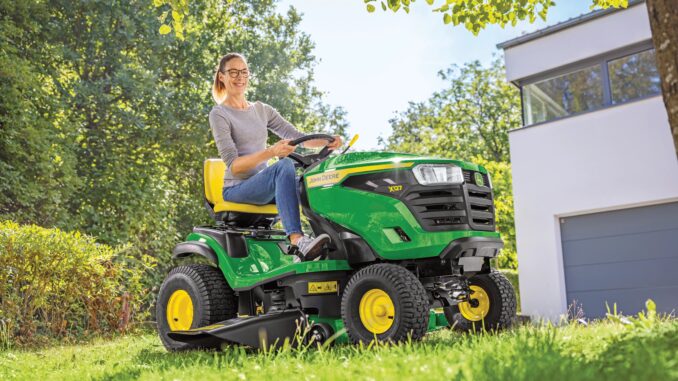
Introduction: Old John Deere lawn mowers overview
Old John Deere lawn mowers in the 100‑series and similar consumer ranges are residential riding lawn tractors built for mowing home and acreage lawns with decks typically between 42″ and 54″. These machines usually run single‑ or twin‑cylinder gasoline engines, with either gear‑drive or hydrostatic transmissions and a mid‑mounted mower deck.
As these mowers age, owners see more starting problems, uneven cutting and belt issues, but most common faults are still very manageable with DIY service. This guide walks through repair, troubleshooting, parts, diagrams and maintenance for older John Deere riding mowers – think aged D/E/S‑series and similar machines – with a focus on what a homeowner can realistically do at home and when it is time to involve a dealer.
General overview of old John Deere lawn mowers
Older John Deere lawn tractors sit in the entry‑level and mid‑range residential lineup, including legacy models like D‑series, E‑series and early S‑series 100‑series lawn tractors that many owners still use today. They share a broadly similar architecture: an air‑cooled gasoline engine, gravity or pump‑fed fuel system, belt‑driven mower deck, mechanical or hydrostatic drive to the rear axle, and a straightforward 12‑volt electrical system with multiple safety switches.
Key systems you will work with on old John Deere lawn mowers include engine and fuel (spark, fuel delivery, filters, carburetor), mower deck (blades, spindles, idlers, deck belt and engagement mechanism), drive system (transmission, drive belt, tires and linkages) and electrical (battery, starter, solenoid, ignition switch and seat/park/ PTO safety interlocks).
Owners of old John Deere lawn mowers buy a consistent set of service parts year after year:
-
Engine oil and oil filter
-
Air filter and pre‑cleaner
-
Fuel filter
-
Spark plug(s)
-
Primary mower deck belt
-
Transmission/drive belt (if belt‑drive)
-
Mower blades (standard and mulching)
-
Battery (garden tractor size, usually 12 V)
-
Safety switches (seat, brake, PTO)
Exact part numbers vary by model and engine, but John Deere’s quick reference guides and parts pages list the correct belt, filter and plug numbers once you enter your model and serial details.
Troubleshooting approach for old John Deere lawn mowers
Diagnosing issues on old John Deere lawn mowers should always start from the symptom the owner sees, not a guess at the failed part. Think in terms of: “What is it doing wrong?” followed by “Which system is likely?” rather than jumping straight to replacing components.
For older John Deere tractors, your main symptom categories are:
-
Starting issues (no crank, slow crank, cranks but won’t fire)
-
Running issues (stalling, surging, smoking, low power)
-
Cut quality problems (scalping, uneven height, straggler grass, poor discharge)
-
Vibration and noise (deck shaking, rattles, squealing belts)
-
Overheating and leaks (oil leaks, fuel leaks, burning smells, engine running hot)
-
Transmission/drive problems (won’t move, weak drive, jerky movement)
-
Electrical and safety switch problems (dead key, intermittent shut‑off, PTO won’t engage)
Work symptom by symptom. Confirm simple things first (fuel level, parking brake set, PTO off, blades clean), then progress to more technical checks. Using official parts diagrams for your particular lawn tractor makes it easier to trace belts, linkages and wiring when you troubleshoot.
Emergency and immediate repair needs on old John Deere lawn mowers
Certain problems on old John Deere lawn mowers must be dealt with immediately because they either make the mower unsafe or can quickly damage expensive components. This section breaks these down by symptom type so you can decide whether to stop mowing and fix the issue before continuing.
Starting issues on old John Deere lawn mowers
A no‑start situation itself is not usually dangerous, but repeated cranking on an old John Deere mower can overheat the starter, flatten the battery and even flood the engine with fuel. It matters because you can turn a minor fuel or ignition issue into a starter or battery replacement if you keep forcing it.
Common causes:
-
Battery discharged or failing
-
Loose or corroded battery terminals
-
Faulty safety switch (seat, brake, PTO) preventing cranking
-
Dirty carburetor or bad fuel causing “cranks but won’t start”
-
Failed starter solenoid or starter motor
Basic owner checklist:
-
Check battery voltage with a meter or charger; recharge if low and clean terminals.
-
Ensure PTO is disengaged and brake is fully set; sit firmly on the seat while cranking.
-
Inspect fuses and the ignition switch for signs of burning or looseness.
-
If the engine cranks but will not fire, replace the fuel filter and confirm fresh fuel.
-
If there is no crank at all with good battery, suspect solenoid, starter or a safety switch and consider dealer testing.
Cut‑quality problems on old John Deere lawn mowers
Cut‑quality problems – uneven grass, missed strips, scalping or poor discharge – can damage your lawn and indicate deck or blade issues that may worsen if ignored. Old John Deere lawn mowers often still mow “OK” with dull blades or incorrect deck level, but you will overwork the engine, wear belts prematurely and risk spindle damage.
Common causes:
-
Dull, chipped or bent blades
-
Deck not level side‑to‑side or front‑to‑back
-
Incorrect tire pressures changing deck height
-
Packed grass under the deck
-
Wrong deck belt tension causing inconsistent blade speed
Basic owner checklist:
-
Set tire pressures to the spec in the operator’s manual.
-
Clean the underside of the deck thoroughly.
-
Inspect blades for damage; sharpen or replace if bent or heavily worn.
-
Check deck level with a tape measure from blade tip to ground on both sides.
-
Confirm the correct deck belt is fitted and tensioned; replace if glazed or cracked.
Vibration and noise on old John Deere lawn mowers
Excessive vibration and unusual noises are high‑priority issues on old John Deere lawn mowers because they often signal loose or failing rotating parts. Continuing to mow with severe deck vibration can break spindles, destroy bearings, throw belts and even cause blade contact with the deck.
Common causes:
-
Bent mower blade or unbalanced pair of blades
-
Worn deck spindle bearings
-
Loose idler pulleys or tensioner brackets
-
Foreign objects lodged in the deck
-
Loose engine mounting bolts or cracked engine pulley
Basic owner checklist:
-
Stop mowing immediately if vibration is severe and shut off the engine.
-
Remove the key and inspect blades for bends or missing chunks.
-
Spin each spindle by hand with the belt off; feel for roughness or play.
-
Check all pulleys for wobble and secure mounting hardware.
-
If vibration persists after blade replacement, have a dealer check spindle assemblies.
Overheating and leaks on old John Deere lawn mowers
Old John Deere lawn mowers can develop oil or fuel leaks and overheating issues as seals age and debris builds up. Overheating risks engine damage, and fuel leaks create a fire hazard, particularly when mowing dry grass. These problems must be dealt with before further use.
Common causes:
-
Oil filter or drain plug not tightened correctly after service
-
Cracked fuel line or perished fuel filter connections
-
Blocked engine cooling fins and shroud packed with grass
-
Overfilled crankcase or incorrect oil type
-
Leaks from hydrostatic transmission or axle seals
Basic owner checklist:
-
Park on a clean surface, run briefly and then inspect under the mower for fresh drips.
-
Re‑check oil filter and drain plugs for tightness and correct sealing.
-
Inspect the full length of the fuel line and the filter for cracks or damp spots.
-
Remove engine shrouds and clean cooling fins if the engine runs hot.
-
If fuel leaks or major hydrostatic leaks are found, stop using the machine and involve a dealer.
Transmission and drive problems on old John Deere lawn mowers
Drive issues on old John Deere lawn mowers can range from “won’t move” to “weak on hills.” Ignoring drive slippage or grinding noises can damage a hydrostatic transmission or break a gear‑drive transaxle, both of which are expensive parts.
Common causes:
-
Worn or slipping transmission drive belt
-
Low or contaminated hydrostatic fluid (where serviceable)
-
Linkages out of adjustment or damaged
-
Parking brake partially engaged
-
Internally failing hydrostatic pump or gears
Basic owner checklist:
-
Confirm the parking brake is fully off and travel levers/pedals return properly.
-
Inspect the transmission drive belt for wear, glazing or contamination.
-
Clean debris from around the transmission fan and cooling area.
-
For serviceable hydro units, check fluid level and condition per manual.
-
If the mower will not move despite a good belt, or makes grinding noises, consult a dealer before further use.
Electrical problems on old John Deere lawn mowers
Older John Deere lawn tractors use multiple safety switches and basic wiring, and electrical faults can present as dead‑key, intermittent shut‑off or PTO not engaging. Intermittent electrical issues can be frustrating, but they can also disable safety features if bypassed incorrectly, so treat them carefully.
Common causes:
-
Weak or failing battery
-
Corroded ground connections or battery terminals
-
Faulty ignition switch or starter solenoid
-
Failed seat, brake or PTO safety switches
-
Damaged wiring harness from rodents or chafing
Basic owner checklist:
-
Test the battery under load and replace if it no longer holds charge.
-
Clean and tighten battery terminals and main ground connection.
-
Wiggle the seat and PTO levers while attempting to start; note any intermittent behavior.
-
Inspect wiring under the seat, along the frame and around the engine for damage.
-
Avoid bypassing safety switches; have suspect switches or wiring properly tested and replaced.
DIY or dealer? Repair decision guide for old John Deere lawn mowers
For old John Deere lawn mowers, the normal “line” between DIY and dealer work falls where specialized tools, press work or safety‑critical adjustments are required. Most routine maintenance and bolt‑on parts are realistic for a homeowner with basic tools, but internal engine, transmission and complex electrical diagnostics are better left to a dealer or experienced independent shop.
Good DIY jobs on old John Deere lawn mowers:
-
Oil and filter changes
-
Air and fuel filter replacement
-
Spark plug replacement
-
Blade removal, sharpening and replacement
-
Deck belt replacement and basic deck leveling
-
Battery replacement and basic terminal cleaning
Advanced DIY or dealer jobs on old John Deere lawn mowers:
-
Carburetor replacement and fine tuning
-
Spindle assembly replacement and bearing press‑work
-
Internal hydrostatic transmission repairs
-
Major wiring harness replacement and safety‑switch diagnosis
-
Steering sector and front axle rebuilds
Skill level guide:
-
Beginner: Oil changes, air/fuel filter swaps, battery replacement, cleaning and inspections.
-
Intermediate: Deck removal, blade changes, belt replacement, minor wiring repairs and safety‑switch replacement.
-
Advanced: Engine top‑end repairs, hydrostatic rebuilds, complete steering or transaxle work and complex electrical fault‑finding.
Parts needed for old John Deere lawn mowers and what to record
Before ordering parts for older John Deere lawn mowers, gather the identification details so you can match the exact belts, filters and blades. Old tractors within the same series can have different deck widths or engines, so part numbers are not always interchangeable.
You should record:
-
Full model name as printed on the hood or data plate
-
Product Identification Number (PIN) from the frame tag
-
Engine manufacturer, model and code/serial (Briggs & Stratton, Kawasaki, etc.)
-
Deck size (e.g. 42″, 46″, 48″, 54″) and whether it is a standard or Edge/X‑series deck
Key service parts for old John Deere lawn mowers
Below is a typical set of parts you will deal with on many older John Deere lawn tractors. Always cross‑check with your specific model and serial before ordering.
Use OEM parts for belts, safety‑critical components and parts where fit is precise, such as deck belts, safety switches and steering parts. Aftermarket parts can work well for filters, blades and batteries if you choose reputable brands and cross‑reference against the OEM number and your mower model.
Where to find parts diagrams and service manuals for old John Deere lawn mowers
Owners of old John Deere lawn mowers benefit from using official parts diagrams and manuals, which show every belt, pulley, linkage and fastener. These resources also help you identify correct part numbers for your exact serial range.
Key online sources:
-
John Deere “Lawn Mower Parts” page: this is the central parts portal where you can search by model number, view parts lists and see diagrams for residential mowers.
-
John Deere “Manuals and Training” section: provides downloadable operator’s manuals and technical publications so you can access maintenance charts and safety information.
-
Quick Reference Guides for residential equipment: these one‑page guides list common maintenance parts, capacities and service intervals.
-
A reputable John Deere‑focused dealership or parts website that offers model‑specific pages with belt and blade kits tailored to older tractors.
Use the operator’s manual for routine maintenance and adjustment procedures, the parts catalog for exploded diagrams and exact part numbers, and the quick reference guide as a handy summary of part numbers and service intervals.
How to locate model, serial and engine numbers on old John Deere lawn mowers
Model, serial and engine numbers matter because they determine which parts and diagrams apply to your specific old John Deere mower. Two tractors that look similar can have different decks or engines, so accurate identification prevents ordering the wrong belt or filter.
Follow these steps:
-
Look for the main product identification plate on the mower frame, often near the rear wheel, under the seat, or on the right‑hand frame rail. This plate shows the full model designation and PIN.
-
Check the hood or side panel decals for the consumer model name (e.g. D130, E140, S120); this helps you select the right section of the parts catalog.
-
Find the engine ID plate or stamp directly on the engine block or blower housing. Briggs & Stratton and Kawasaki engines use their own model and code systems.
-
Identify the deck size by measuring the cutting width or reading any deck label; many old John Deere decks have a badge indicating 42″, 46″, 48″ or 54″.
-
Keep these details written down or photographed; use them whenever you search parts or service information online.
Buying parts online and in physical stores for old John Deere lawn mowers
A sensible strategy for old John Deere lawn mowers is to buy routine consumables online and use dealer counters for complex or serial‑specific items. Online ordering is convenient, but you must double‑check model numbers and OEM part numbers to avoid compatibility issues on older machines.
Online:
-
Use OEM part numbers from manuals and diagrams when searching.
-
Confirm that belts and blades are listed as compatible with your mower model and deck size.
-
Keep an eye on serial‑number breaks; some parts change mid‑production.
Dealer counter:
-
Ideal for complicated parts such as hydrostatic transmission components, steering parts, or updated service kits.
-
Staff can look up parts using your PIN and advise on superseded numbers.
Retail stores:
-
Suitable for generic consumables such as oil, filters and batteries when packaging clearly lists John Deere compatibility or cross‑reference part numbers.
-
Check that deck blades and belts match the exact dimensions and profiles of your originals.
Useful starting points include John Deere’s official parts portal, the manuals and training site, and a strong regional dealer website that supports online ordering with model lookup.
Step‑by‑step fitting guide for common jobs on old John Deere lawn mowers
On old John Deere lawn mowers, certain DIY jobs provide a big reliability boost for relatively little effort. Below are simple fitting guides for four high‑impact tasks that many owners can perform with hand tools.
Changing the engine oil and filter on old John Deere lawn mowers
Changing oil and the oil filter keeps the aging engine of an old John Deere mower lubricated and extends its life, especially if it has seen years of seasonal use.
-
Park the tractor on level ground, set the brake, stop the engine and remove the key.
-
Place a drain pan under the engine drain point or quick‑drain hose and open the drain to empty the old oil.
-
Remove the old oil filter using an appropriate filter wrench, wiping the mounting surface clean.
-
Lightly oil the gasket of the new OEM‑spec filter and spin it on by hand until the gasket touches, then tighten per manufacturer instructions.
-
Close the drain, refill with the correct grade and capacity of oil listed in the manual, then start the engine and check for leaks before confirming the level.
Replacing the air filter on old John Deere lawn mowers
On old John Deere lawn mowers, the air filter often loads up with dust, causing poor performance and increased fuel consumption. Replacing it improves starting, power and engine longevity.
-
Lift the hood or remove the engine shroud to access the air cleaner housing.
-
Release the clips or screws holding the air filter cover in place and remove the cover.
-
Take out the old main element and any foam pre‑cleaner; inspect for dirt and damage.
-
Clean the inside of the housing with a dry cloth and ensure no debris falls into the intake.
-
Install the new filter and pre‑cleaner in the correct orientation, refit the cover and fasten it securely.
Changing blades on old John Deere lawn mowers
Blade replacement on old John Deere lawn mowers restores cut quality and reduces vibration caused by bent or heavily worn blades. It is a straightforward job if done safely.
-
Disconnect the spark plug wire(s), set the brake and block the rear wheels.
-
Raise the front of the mower with a jack and support it securely, or remove the deck if preferred.
-
Use a suitable socket and breaker bar to loosen the blade bolts while holding the blade with a block of wood.
-
Remove the old blades, noting their orientation, and inspect the spindles for damage.
-
Fit new blades in the correct direction (cutting edge leading) and torque the bolts to the specification in the manual before lowering the mower.
Replacing the deck belt on old John Deere lawn mowers
Deck belts on old John Deere lawn mowers harden and crack with age, leading to slipping, poor cut quality and eventual failure. Replacing the belt restores reliable blade drive.
-
Lower the deck fully and remove the belt guards as outlined in the operator’s manual.
-
Release belt tension by moving the idler arm or removing the spring where applicable.
-
Note the belt routing around pulleys and spindles, then remove the old belt from the engine pulley and deck pulleys.
-
Install the new OEM‑spec belt following the routing diagram, ensuring it sits correctly in all pulley grooves.
-
Re‑engage the tensioner, refit belt guards, check for clearances and test engagement with the engine off before mowing.
Maintenance to prevent recurring problems on old John Deere lawn mowers
Regular maintenance is the single best way to prevent recurring failures on old John Deere lawn mowers. Because the machines are older, they benefit disproportionately from clean filters, correct belt tension and periodic inspections.
Focus areas:
-
Starting reliability: Keep the battery charged, terminals clean, and fuel fresh; replace fuel and air filters on schedule.
-
Cut quality: Inspect blades each season, sharpen or replace as needed, and keep the deck clean and level.
-
Fire and overheating prevention: Clean engine cooling fins, remove debris from under and around the engine, and fix oil or fuel leaks promptly.
-
Drive performance: Inspect drive belts and linkages, ensure tire pressures are correct and keep the transmission area free of packed grass.
-
Electrical reliability: Check safety switches, wiring harnesses and fuses, especially in high‑vibration areas under the seat and around the engine.
Maintenance schedule and year‑round checklist for old John Deere lawn mowers
The following schedule is based on typical residential John Deere lawn tractor maintenance charts, adapted for older machines. Always adjust to your specific model’s recommendations, but these intervals give a solid starting point.
Daily / before each use
-
Check engine oil level and look for obvious leaks.
-
Inspect tires for damage and confirm approximate pressure.
-
Clear grass and debris from the deck, engine shroud and discharge chute.
-
Verify all safety systems (brake, PTO, seat switch) behave as expected.
After about 8 hours of mowing
-
Clean the underside of the deck to prevent buildup.
-
Inspect the deck belt for wear or glazing.
-
Grease deck spindles and pivot points where applicable.
Every 25 hours
-
Inspect and clean or replace the air filter pre‑cleaner.
-
Check battery connections and clean any corrosion.
-
Inspect blades for nicks and minor damage; touch up edges if needed.
Every 50 hours or yearly
-
Change engine oil and replace the oil filter.
-
Replace fuel filter to maintain clean fuel flow.
-
Grease all listed lubrication points (steering, axles, deck linkages).
-
Check deck level and adjust if cut quality has drifted.
Every 200 hours (where applicable)
-
Replace the primary air filter element.
-
Inspect and replace the transmission drive belt if worn.
-
For serviceable hydrostatic units, change hydraulic fluid and filter per manual.
Seasonal checklist for old John Deere lawn mowers
Spring (pre‑season):
-
Perform full service (oil, filters, blades, belt inspection).
-
Charge and test battery; clean terminals.
-
Check tire pressures and steering linkages.
Mid‑season:
-
Clean deck thoroughly and inspect blades and belts.
-
Re‑check all safety switches and electrical connectors.
-
Address any emerging leaks or performance changes early.
Fall / end of season:
-
Clean mower thoroughly, including engine cooling fins and deck.
-
Change oil if approaching interval; top up fuel with stabilizer.
-
Store under cover, disconnect battery or use a maintainer.
Repair, upgrade, or replace? Decisions for old John Deere lawn mowers
Old John Deere lawn mowers can often be kept running for many years with modest investment, but there is a point where repeated repair costs or safety concerns justify an upgrade or replacement. In general, repair is sensible for specific component failures, upgrade can modernize performance, and replacement is best when core systems are worn out or unsafe.
Repair if…
-
Problems are limited to belts, blades, filters, batteries or individual safety switches.
-
The deck shell, frame and steering are still structurally sound.
-
The engine has good compression and oil consumption is normal.
Upgrade if…
-
You want better cut quality via improved blades or a mulching kit.
-
Lighting, seating or tires are inadequate for your current usage.
-
You seek reliability upgrades like improved battery, fuel shut‑off valve or suspension seat.
Replace if…
-
The frame or deck has significant structural rust or cracks.
-
The hydrostatic transmission or engine requires major rebuild and parts costs rival a newer mower.
-
Safety systems are compromised by extensive wiring damage or missing guards and are uneconomical to restore.
Expanded troubleshooting FAQ – Old John Deere lawn mowers (30+ questions)
1. Why will my old John Deere lawn mower not start?
An old John Deere lawn mower that will not start typically suffers from low battery voltage, safety switch issues or fuel problems. Start by charging or testing the battery and cleaning the terminals. Ensure PTO is off, brake is set and you are firmly on the seat, as safety interlocks can block cranking. If the engine cranks but does not fire, replace the fuel filter, check for fresh fuel and consider cleaning the carburetor.
2. Why does my old John Deere lawn mower crank but not fire?
Cranking without firing usually points to fuel or ignition troubles on older John Deere mowers. Old fuel, a clogged fuel filter or blocked carburetor jets can prevent proper mixture reaching the engine. Check that the spark plug is clean, properly gapped and producing strong spark. Replacing the fuel filter and running fresh fuel often restores starting, but a dirty carburetor may need cleaning or replacement.
3. Why does my old John Deere lawn mower start then stall?
Starting and then stalling suggests fuel starvation, blocked venting or a failing safety switch. Check the fuel cap vent to ensure air can enter the tank; a blocked vent can cause vacuum and stalling. Replace the fuel filter and inspect fuel lines for collapse or cracks. Also verify that seat and PTO safety switches are not cutting spark or shutting down the engine when you move or engage the deck.
4. Why does my old John Deere lawn mower battery keep going flat?
On old John Deere lawn mowers, batteries go flat either because of age, chronic under‑charging or parasitic drain. Test the battery with a load tester; many garden tractor batteries need replacement every few years. Confirm that the charging system is working by checking voltage at the battery while running; it should rise above resting voltage. Store the mower with a battery maintainer between uses to avoid deep discharge.
5. Why does my old John Deere lawn mower click but not crank?
A clicking sound but no crank usually indicates a weak battery, corroded terminals or a failing starter solenoid on old John Deere mowers. Clean the battery posts and cable ends and test battery voltage under load. If the battery is good, check the solenoid connections and ground wires. A defective solenoid can click without transferring full current, so replacement may be necessary.
6. Why is my old John Deere lawn mower smoking?
Smoke from an old John Deere lawn mower can be caused by overfilled oil, worn piston rings or oil burning off the exhaust and deck. Blue smoke often means oil is entering the combustion chamber from worn engine internals. White smoke during startup may be residual condensation. Confirm that oil level is correct and that breather hoses are not blocked. Severe or persistent blue smoke is a sign that the engine may need professional attention.
7. Why does my old John Deere lawn mower surge at idle?
Engine surging at idle on older John Deere mowers is commonly due to lean mixture, dirty carburetor passages or blocked jets. Old fuel and varnish buildup interfere with the governor’s ability to hold steady speed. Run fresh fuel treated with appropriate cleaner, replace the fuel filter and ensure the air filter is not restricted. In many cases, a carburetor cleaning or replacement is the long‑term solution.
8. Why is my old John Deere lawn mower losing power on hills?
Loss of power on hills can be engine‑related or drive‑related. For engine, check filters, spark plug condition and fuel quality. For the drive, inspect transmission drive belt condition and tension, as slipping belts reduce torque. Hydrostatic units may feel weak if fluid is old or low, or if the pump is worn. Keep tire pressures correct, as low pressures can also affect traction and perceived power.
9. Why is my old John Deere lawn mower cutting unevenly?
Uneven cutting on old John Deere lawn mowers is usually caused by blade issues, deck level or tire pressures. Inspect blades for bends and significant wear; replace in matched sets. Set tire pressures to the recommended values to avoid one corner sitting lower. Level the deck side‑to‑side and front‑to‑back per the manual, measuring from the blade tips to the ground. A damaged deck shell or worn suspension hardware can also contribute.
10. Why does my old John Deere lawn mower leave uncut strips of grass?
Uncut strips often indicate a missing blade, severely bent blade or incorrect deck belt routing. Confirm that all blades are present and correctly installed. Check the deck belt routing diagram and ensure the belt is fitted properly and not slipping. On multi‑blade decks, if one spindle is not spinning at full speed, it will leave a stripe; check spindle pulleys and bearings.
11. Why is the discharge from my old John Deere lawn mower weak or clogging?
Weak discharge or clogging occurs when the deck is packed with grass, blades are dull, or ground speed is too fast for conditions. Clean the deck thoroughly, including the discharge chute. Sharpen or replace blades and mow at a slower speed, especially in damp or long grass. Ensure the deck belt is tight enough to maintain blade tip speed. Using the correct high‑lift blades helps throw grass more effectively.
12. Why is my old John Deere lawn mower scalping the lawn?
Scalping – cutting too low and gouging the turf – happens when deck height is set too low, the deck is not level, or the lawn has significant high spots. Raise the deck one or two positions and re‑check level. Set tire pressures correctly and consider mowing at a diagonal or alternate pattern to reduce repeated scalping in the same areas. Worn or missing deck wheels can also contribute to scalping on uneven ground.
13. Why does my old John Deere lawn mower vibrate badly when mowing?
Severe vibration is usually due to bent blades, unbalanced blade sets or failing spindle bearings. Replace any blade that is bent or missing material; do not attempt to “straighten” blades. Inspect spindle assemblies for play and roughness, replacing worn bearings or housings. Check deck pulleys and idlers for wobble. Operating with heavy vibration can cause additional damage, so address it promptly.
14. Why is there a squealing noise from the deck of my old John Deere lawn mower?
Squealing noises often indicate a slipping belt or seized pulley bearing. Remove belt guards and observe belt movement with the engine off; look for burnt glaze or cracking. Spin idler pulleys and spindles by hand; a noisy or stiff pulley should be replaced. Correct belt tension is important; a belt that is too loose slips and squeals, while one that is mis‑routed can rub guides.
15. Why does my old John Deere lawn mower deck rattle when disengaged?
Deck rattling when disengaged may be caused by loose brackets, worn bushings or slack in the engagement mechanism. Inspect hangers, pivot points and bushings for wear and missing hardware. Tighten any loose bolts and replace worn bushings or pins. Ensure the deck engagement lever or PTO clutch fully disengages and that the belt is not dragging on pulleys.
16. Why is my old John Deere lawn mower leaking oil?
Oil leaks on older John Deere mowers can come from the engine, transmission or simple service points. Check the oil filter seal and drain plug first, as these are common after oil changes. Inspect the crankshaft seals, valve cover and oil pan for seepage. Transmission leaks may appear around axle seals or hydrostatic housings. Clean the area, run the mower briefly and then inspect to pinpoint the source.
17. Why is there a fuel smell around my old John Deere lawn mower?
A persistent fuel smell usually indicates minor leaks or venting issues. Examine fuel lines, filter connections and the tank area for dampness or staining. Ensure clamps are secure and lines are not cracked or swollen. Check that the fuel cap sealing ring is intact and that the cap vents correctly. Any visible fuel leak should be repaired before further use due to fire risk.
18. Why does my old John Deere lawn mower engine run hot?
On air‑cooled engines, running hot is typically due to blocked cooling fins, dirty shrouds or overly lean mixture. Remove the engine shroud and clean fins and surfaces thoroughly. Ensure the air filter and intake are not restricted. Verify that oil level is correct and that the engine is not over‑revving. Persistent overheating can point to internal issues, so if cleaning and basic checks do not help, consider professional diagnosis.
19. Why will my old John Deere lawn mower not move?
If your old John Deere lawn mower will not move, first confirm that the parking brake is fully released and that the freewheel or tow valve on hydrostatic models is in the operating position. Inspect the transmission drive belt for breakage or severe wear; a broken belt means no drive. If the belt is intact and linkages seem correct, a failed hydrostatic unit or transaxle may be the cause and requires dealer attention.
20. Why is my old John Deere lawn mower slow or weak on drive?
Slow or weak drive often results from a slipping belt, worn hydrostatic components or incorrect linkage adjustment. Check that the drive belt is not glazed and that pulleys and tensioners are working properly. For serviceable hydro units, change fluid and filter per manual, as old fluid can affect performance. Worn internal components may cause gradual loss of power, at which point repair or replacement of the transmission becomes a decision.
21. Why does my old John Deere lawn mower jerk or lurch when driving?
Jerky movement can be due to sticking linkages, contaminated hydrostatic fluid or uneven tire pressures. Lubricate pedal and linkage pivot points and make sure they move freely. Inspect tires and correct pressures to avoid “bouncing” behavior. In hydrostatic systems, air in the fluid can cause jerky response; follow the manual’s purge procedure after fluid changes or if the unit has been stored long‑term.
22. Why will the blades on my old John Deere lawn mower not engage?
Blade engagement problems usually trace to PTO controls, belt routing or safety interlocks. Confirm that the engagement lever or switch operates correctly and that all safety switches (seat, brake) allow PTO operation. Inspect the deck belt routing and tension. On models with electric PTO clutch, check wiring and fuses to the clutch and listen for the clutch engaging when activated. A faulty clutch or switch may need replacement.
23. Why do belts keep breaking on my old John Deere lawn mower?
Repeated belt failures suggest incorrect routing, wrong belt type or misaligned pulleys. Always use the OEM belt listed for your model and deck size. Compare routing against the diagram in the manual, paying attention to guides and idler locations. Inspect pulleys for sharp edges, damage or misalignment. If deck or engine pulleys are bent or worn, they can damage belts prematurely.
24. Which belts are most critical on old John Deere lawn mowers?
The deck belt and transmission drive belt are the most critical belts on old John Deere lawn mowers. The deck belt controls blade speed and cut quality, while the drive belt delivers power to the transmission. Keeping both belts in good condition and correctly tensioned prevents cut issues and drive problems. Inspect them regularly and replace at the first signs of cracking, glazing or frayed edges.
25. How often should I sharpen blades on my old John Deere lawn mower?
For typical residential use, sharpening blades once or twice per season works for many old John Deere mowers. If you mow sandy or rough ground, blades dull faster and may need more frequent attention. Inspect blades each month during heavy use; if edges are rounded or chipped, sharpen or replace. Always balance blades after sharpening to minimize vibration.
26. How often should I change oil on my old John Deere lawn mower?
For older John Deere lawn tractors, changing oil every 50 operating hours or once per mowing season is a common recommendation. If your mower sees light use, a yearly change is still wise due to condensation and contaminants. Heavy or dusty use may justify shorter intervals. Always follow your engine manufacturer’s specific schedule if available.
27. When should I replace the fuel filter on my old John Deere lawn mower?
Replacing the fuel filter every 50–100 hours or yearly helps prevent fuel starvation and surging issues on older mowers. If you experience intermittent loss of power, surging or starting problems, and the filter looks dirty or discolored, replace it sooner. Fuel filters are inexpensive and play a major role in keeping carburetor passages clean.
28. When should I replace the air filter on my old John Deere lawn mower?
Air filters on old John Deere lawn mowers should be checked regularly and replaced at least annually or every 200 hours in dusty environments. Many systems use a foam pre‑cleaner and a main paper element; clean or replace the pre‑cleaner more frequently. A dirty filter restricts air, causing rich running and reduced performance.
29. Which maintenance tasks can I safely skip on my old John Deere lawn mower?
While it is tempting to skip tasks, certain jobs should never be ignored: oil changes, air and fuel filter replacement, blade inspections and cleaning debris from the engine and deck. Owners sometimes skip greasing steering and deck components, but doing so shortens component life. Tasks like cosmetic washing or waxing are optional, but core maintenance is not.
30. How can I improve cut quality on my old John Deere lawn mower without buying a new machine?
Improving cut quality on old John Deere lawn mowers is often a matter of maintenance rather than replacement. Start with sharp, balanced blades matched to your deck, set tire pressures correctly and level the deck. Clean the underside of the deck and choose an appropriate mowing height for your grass. Mow at a steady, moderate speed and avoid cutting more than one‑third of grass height at once.
31. Can I use aftermarket blades and filters on my old John Deere lawn mower?
You can use aftermarket blades and filters on old John Deere lawn mowers if they are high‑quality and properly cross‑referenced to OEM part numbers. Aftermarket blades may offer different profiles or mulching capabilities, while filters from reputable brands can match OEM performance. Always confirm compatibility by model and engine, and avoid cheap parts that lack clear cross‑references.
32. How do I know when to replace the battery on my old John Deere lawn mower?
If the battery on your old John Deere mower struggles to crank the engine, requires frequent charging or fails load testing, it is time to replace. Age is also a factor; many garden tractor batteries last three to five years. Swollen cases, leaking electrolyte or corroded terminals are signs of wear. A fresh, correctly‑sized battery improves starting reliability.
33. Is it safe to bypass safety switches on my old John Deere lawn mower?
Bypassing safety switches on old John Deere lawn mowers is not recommended. Safety circuits protect against unintended movement, blade engagement and operator absence. Bypassing them can lead to serious injury or damage. If a safety switch is faulty, replace it with the correct part, or have a qualified technician repair the system.
34. How can I store my old John Deere lawn mower over winter?
To store an old John Deere lawn mower, clean the machine thoroughly, change oil if near interval and add fuel stabilizer to a full tank or drain fuel entirely. Remove grass from the deck and engine area to prevent rust and rodent nests. Disconnect the battery or use a maintainer. Store in a dry, covered area and avoid parking on bare soil to reduce moisture exposure.
35. Are old John Deere lawn mowers still worth repairing?
Many old John Deere lawn mowers remain worth repairing if their frames, decks and core mechanical systems are sound. These tractors often have robust construction and readily available parts. If your machine only needs belts, blades, filters, battery and occasional minor repairs, continued maintenance can be cost‑effective. However, if major engine or transmission failures combine with significant structural rust, evaluating replacement options becomes sensible.