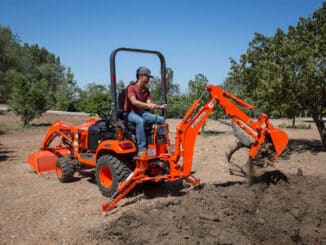
Kubota‑endorsed property damage insurance (often referred to as KTAC in the US market) is a specialist policy designed specifically to protect Kubota tractors, mowers and construction equipment against accidental physical damage and loss.
It focuses on real‑world risks like theft, fire, rollover, collision and flood, using a fixed deductible and replacement‑cost style settlement to make claims simpler and more predictable for the owner.
Below is a long‑form article you can use as a near‑ready blog post. You can trim or expand sections as needed to hit your exact word count.
KTAC – What Kubota‑endorsed property damage insurance is
Kubota‑endorsed property damage insurance is a dedicated physical‑damage policy for Kubota equipment. Rather than trying to adapt a generic home or farm policy, this cover is built from the ground up around tractors, compact equipment, mowers and utility vehicles.
The core purpose is to protect the machine itself when something bad happens – a rollover, a barn fire, a theft during the night, or a flood that hits your equipment shed.
Because the policy is “endorsed” by Kubota and tied closely to Kubota’s financing arm, it is designed to fit naturally into a Kubota ownership package. When you finance a tractor, the dealer can often roll the insurance premium into your monthly payment.
When you suffer a covered loss, the claims handlers are used to seeing Kubota equipment and understand typical repair costs, parts, and downtime issues. That makes life much easier than trying to explain a compact tractor to a generalist homeowners adjuster.
KTAC -Why specialist property damage cover matters
Many new tractor buyers assume that their standard homeowners or farm policy automatically protects their Kubota in all situations. In practice, that is rarely the case. Most generic policies have limits and exclusions for mobile equipment, especially once it leaves your property, is carried on a trailer, or is used for business or contract work.
Kubota‑endorsed property damage cover fills those gaps. It is generally written as broad “all‑risk” style cover (with specific exclusions) and follows the machine wherever it goes: on your land, at a neighbour’s, on a job site, on a trailer headed to the dealer, or sitting in storage for the winter.
That portability is one of the main reasons owners opt for it, particularly when the tractor is vital for income or time‑sensitive work like haymaking and snow clearance.
KTAC – Core perils covered: theft, fire, rollover, collision, flood
Although the exact wording will differ by policy and region, the core idea is very consistent: protect against the real‑world physical risks that can damage or destroy your Kubota. Typical covered causes of loss include:
-
Theft or attempted theft of the machine
-
Fire, whether starting in the tractor or in the building where it is stored
-
Collision with objects, vehicles or structures
-
Rollover/upset on slopes, banks or uneven ground
-
Damage during transport, such as a trailer accident
-
Weather events like hail, windstorm, tornado, hurricane and flood
-
Vandalism and malicious damage by third parties
From an owner’s point of view, those perils map directly onto everyday fears: someone stealing your compact tractor, tipping a machine on a steep bank, a tree coming down on the cab, or a flash flood running through your yard.
Because the policy groups these under one umbrella with a fixed deductible, you are not constantly trying to guess whether a specific scenario is covered or juggling multiple separate policies.
KTAC Fixed deductible: predictable out‑of‑pocket cost
A key selling point of Kubota‑endorsed property damage insurance is the fixed, relatively low deductible. Instead of sharing a large deductible with your whole homeowners policy, you have a simple tractor‑specific deductible – often somewhere around the level that feels affordable for a serious incident but still discourages tiny nuisance claims.
This fixed amount gives you predictable out‑of‑pocket exposure. If the machine suffers a covered loss, you know roughly what you will need to contribute before the insurer pays the rest.
That can be easier to budget for than a large, variable property deductible that might apply to an entire dwelling and contents claim. It also means you are more likely to actually use the policy if significant damage occurs, rather than quietly paying out of pocket and hoping to avoid a homeowners rate increase.
Replacement‑cost style settlement: not just depreciated value
Another major advantage of this type of cover is the emphasis on replacement‑cost style settlement rather than pure “actual cash value” based on heavy depreciation. In plain language, that means the policy is designed to get you back into a comparable Kubota, not simply hand you a depreciated cheque that falls well short of the cost of a new machine.
In many cases, the insured value is tied to the original sales price and may include taxes and certain fees. Total loss provisions in the early years of the finance term often allow for replacement with new Kubota equipment of like kind and quality up to that original price.
For owners, that reduces the risk of being left with a shortfall after a serious theft or catastrophic accident, especially during the period when the machine is still relatively new and finance is outstanding.
KTAC -How Kubota‑endorsed property damage compares to homeowners and farm policies
For content, it helps to make the differences concrete. Here are the main contrasts:
-
Scope of cover: Home policies may only cover the tractor while it is “on premises”, and even then often under restrictive definitions and sub‑limits. A specialist Kubota policy is built to cover off‑property use and transport as standard.
-
Covered perils: Generic property insurance often excludes collision, rollover and many accidental damage scenarios. Kubota‑endorsed cover tends to list those as key features, since they are among the most common serious claims for tractors.
-
Valuation: Household contents and farm equipment on general policies can be settled on a depreciated basis. Kubota‑endorsed damage cover leans toward replacement‑cost style terms, especially early in the machine’s life.
-
Deductible structure: Rather than sharing a large global deductible, the tractor has its own manageable deductible that applies only to that policy.
This is why many Kubota dealers strongly recommend taking the specialist cover even for owners who believe their existing insurer “probably covers it”. When you tally up the gaps in perils, portability and settlement basis, the Kubota‑specific option often looks much safer.
What KTAC Kubota‑endorsed property damage does not cover
It is equally important to be clear about what this type of policy is not. Owners sometimes confuse insurance with warranty or maintenance plans, which leads to disappointment when mechanical issues arise. In broad terms, Kubota‑endorsed property damage insurance does not cover:
-
Normal wear and tear, ageing or deterioration
-
Mechanical or electrical breakdown that is not caused by a covered external event
-
Routine maintenance items (filters, fluids, adjustments)
-
Cosmetic damage that does not impair function, if below a certain threshold
-
Tyres, tracks, blades and other wear items on a pure wear basis
The rule of thumb is simple: insurance responds when an outside event causes the damage – rollover, crash, flood, fire, vandalism, impact. If a component simply wears out, fails internally, or suffers a manufacturing defect, that is a matter for routine service or warranty/extended warranty, not property damage insurance.
How KTAC (Kubota insurance) works alongside warranties
Kubota machines come with a standard limited warranty covering defects in materials and workmanship for a set number of years and/or hours. Many owners also purchase an extended warranty package that stretches those limits for longer. None of that changes the fact that damage from a rollover, collision or fire is outside the warranty’s remit.
The ideal setup for a new machine is often:
-
Standard manufacturer warranty (included in purchase)
-
Optional extended warranty for defects and internal failures after the first years
-
Kubota‑endorsed property damage policy for accidents, theft and environmental perils
By combining these, you address both categories of risk: things that fail because they were made wrong, and things that go wrong because the world is messy, unpredictable and occasionally brutal to machinery.
KTAC – Buying Kubota‑endorsed property damage insurance: when and how
The most common time to arrange Kubota‑endorsed property damage cover is at point of sale. When you sit down in the dealer’s office to finalise the machine, finance and attachments, they will often present an option sheet that includes:
-
Finance term and monthly payment
-
Extended warranty options and costs
-
Physical damage insurance options and estimated premiums
If you finance the machine through the manufacturer’s own finance arm, physical damage insurance is usually a condition of the loan. The Kubota‑endorsed policy is the easiest way to meet that requirement.
The dealer can roll the premium into your payment, and the finance arm has confidence that the collateral is properly protected.
For cash buyers, the policy can still be issued as an annual contract. You pay once a year, and the cover stays in place as long as you renew.
In that case, it is worth comparing the Kubota‑endorsed cover with any equivalent agricultural or contractor’s plant policy your usual insurer can offer.
Practical tips to get the most from KTAC cover
You can increase the real‑world value of Kubota‑endorsed property damage insurance by taking a few practical steps:
-
List all major attachments – Make sure high‑value implements and accessories are properly described and scheduled where necessary, especially cab kits, loaders, backhoes and specialist implements.
-
Document the machine at purchase – Keep a copy of the sales invoice, serial number records, photos and finance agreement somewhere safe so they are easy to access in the event of a claim.
-
Store safely but realistically – The policy is designed for practical working machines. Good storage and basic security measures are still important, but you do not need “museum conditions” to remain covered.
-
Report losses promptly – If something happens, report it quickly, photograph the damage and, where safe, avoid using the machine further until the insurer or dealer advises you.
Dealers often assist in the claims process, providing repair estimates, parts lists and labour hours. That collaborative approach is one of the practical benefits of using a brand‑aligned insurance product.
FAQ: KTAC Kubota‑endorsed property damage
-
What exactly is Kubota‑endorsed property damage insurance?
It is a specialist insurance policy focused on physical damage and loss of Kubota equipment, such as tractors, mowers and construction machines. The cover is typically branded or endorsed by Kubota’s finance arm and tailored to common tractor risks like theft, rollover, collision and major weather events. -
Is Kubota‑endorsed property damage the same thing as KTAC?
In the US market, Kubota‑endorsed property damage is commonly arranged through Kubota Tractor Acceptance Corporation (KTAC), which acts as the insurance agency for this kind of cover. Exact branding and legal entities vary by region, but the idea is the same: Kubota‑linked insurance that follows the machine. -
Does this insurance replace my homeowners or farm policy?
No. It complements your existing policies. Homeowners or farm insurance still protects your buildings, contents and wider liability, while Kubota‑endorsed property damage focuses on the machine itself. Many owners keep both, using the specialist tractor policy to plug gaps in off‑property use, transport and accidental damage. -
What are the main perils covered?
Typical covered causes of loss include theft, attempted theft, fire, lightning, explosion, collision, overturn/rollover, falling objects, storm damage, flood, hail, vandalism and damage while the machine is being transported. Always check the specific wording in your own policy for the definitive list. -
Is rollover on a slope actually covered?
Yes, rollover or upset is one of the key perils the product is designed to cover. If your tractor tips on a bank, in a ditch or on uneven ground and suffers damage, that is precisely the kind of situation where a specialist property damage policy is intended to pay for repairs or a total‑loss settlement (subject to terms and the deductible). -
How does the fixed deductible work?
The policy sets a fixed amount you must pay toward each covered claim – for example, a few hundred in local currency. Once that amount is met, the insurer pays the remaining approved repair or replacement costs. This fixed deductible applies only to the equipment policy, rather than sharing a large deductible across your home or farm insurance. -
What does replacement‑cost style cover mean in practice?
Instead of valuing the tractor purely on a heavily depreciated “second‑hand” basis, the policy aims to restore you to a similar position to the one you were in before the loss. In the early years of ownership, this can mean replacing the machine with new Kubota equipment of like kind and quality, up to the original sales price including taxes and certain fees. -
Is my Kubota covered away from my property and on the road?
Yes. A key benefit of Kubota‑endorsed property damage insurance is that it generally follows the machine anywhere it is legally allowed to be – at a neighbour’s, on a work site, on the road (where licensing allows), or on a trailer heading to the dealer. That portability is a big improvement over many basic homeowners policies that only cover items “on premises”. -
Does the policy cover mechanical breakdowns and wear?
No. Insurance responds to external events, not to normal mechanical or electrical failures. If a pump fails, a seal starts leaking or a controller stops working with no accident or external cause, that falls under warranty, extended warranty or routine maintenance. The property damage policy is not a substitute for proper servicing. -
How does this insurance interact with Kubota’s extended warranty?
Extended warranty handles defects and internal failures after the standard warranty ends, while property damage insurance handles accidents and perils like theft, flood and collision. They work side by side. A common setup is to combine extended warranty for long‑term reliability with Kubota‑endorsed property damage cover for bigger incidents that would otherwise be financially devastating. -
Can I add Kubota‑endorsed property damage after buying the machine?
In most cases, yes – especially within a certain window after purchase or while finance is active. If you paid cash and walked away without insurance at first, you can usually contact a dealer or the insurer to arrange cover, subject to underwriting checks and proof that the machine is in good condition when cover starts. -
What happens if my Kubota is stolen and never recovered?
If theft is a covered peril (it almost always is on this type of policy) and basic conditions are met, the insurer treats the machine as a total loss. They will calculate the settlement based on your insured value and the policy’s replacement‑cost or total‑loss provisions. If you have finance outstanding, the insurer usually settles with the finance company first, then any surplus is paid to you. -
Are attached implements and loaders covered too?
Often yes, provided they are identified on the sales invoice or listed in the insured schedule. Front loaders, backhoes, mid‑mount mowers and other fitted attachments can be included, although it is wise to make sure they are clearly documented when you arrange cover. Wear‑and‑tear on blades and similar consumables is still excluded. -
Does commercial or contract use change things?
Commercial use is usually allowed, but it needs to be disclosed when the policy is set up. A tractor used solely for your own smallholding is a different risk from one working full‑time in a contracting business. Premiums and terms may vary accordingly. If you fail to disclose commercial use, you risk problems at claim time. -
Is there liability cover for injuries or damage I cause to others?
Kubota‑endorsed property damage insurance mainly focuses on the machine itself. Liability for injuries to other people or damage to their property is usually addressed by separate public liability, farm liability or commercial policies. You should discuss this with your broker to make sure you are covered for both equipment damage and third‑party claims. -
Can I cancel the policy if I pay off my finance early or sell the machine?
Yes. If you sell the tractor or repay the loan ahead of schedule, you can normally cancel the equipment policy. Refunds for any unused premium depend on the exact terms and whether it was a term‑based or annual contract. Always arrange new cover immediately if you still own the machine and rely on it. -
Will making a claim affect my ability to renew or the premium I pay?
Any claim history can influence future insurance terms, but Kubota‑aligned policies are generally built with the understanding that tractors are working machines and occasional claims are expected. It is better to use the cover when you genuinely need it than to avoid claiming for fear of hypothetical future increases. -
Are unusual or catastrophic events covered (for example, earthquakes or very severe storms)?
Severe but realistic natural events such as heavy storms, hail and flood are commonly named perils. More extraordinary risks, such as war or nuclear incidents, are standard exclusions in almost all property insurance. Earthquake may or may not be included, depending on your region. Always read the schedule and policy wording carefully. -
What documentation do I need when I make a claim?
You will normally be asked for the machine’s serial number, proof of ownership (invoice), photos of the damage, a description of the incident and, if relevant, a police crime reference number for theft or vandalism. The dealer can provide repair estimates and parts lists, which help the insurer decide whether to repair or write the machine off. -
How long does it usually take to settle a claim?
Timeframes depend on the complexity of the loss and parts availability. Straightforward repairs with clear photos and a detailed dealer estimate can be authorised quickly. Total loss cases take longer, as the insurer must confirm the circumstances, verify valuations and liaise with any finance company before issuing a settlement. -
Is Kubota‑endorsed property damage insurance worth it for older machines?
For new or nearly new tractors, the value is obvious because replacement cost is high and finance is often outstanding. For older machines, it becomes a question of balancing premium against the cost of replacing the tractor if it were stolen or written off. Many owners of older units still find it worthwhile, especially if the machine is central to their livelihood or difficult to replace on the used market.