
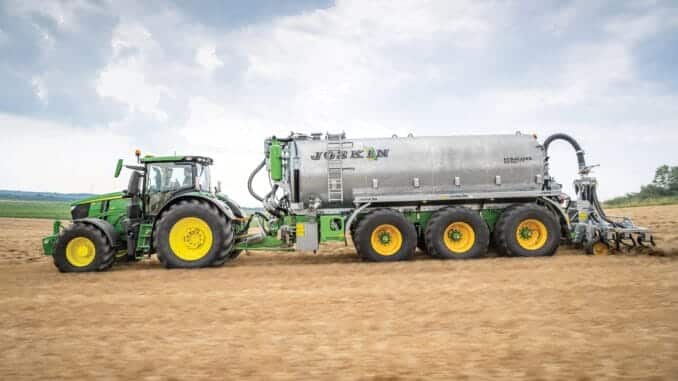
John Deere 8010 Series Compact Tractor Models and Maintenance Guide
The John Deere 8010 is a discontinued lineup of large row-crop and track tractors built for broad-acre farming, heavy draft work, high-capacity PTO equipment, and large loader or hydraulic implements. The primary North American wheeled models were the 8110, 8210, 8310, and 8410, with track equivalents also marketed as the 8110T, 8210T, 8310T, and 8410T. Deere’s own quick-reference material identifies both row-crop and track versions under the 8010 Series name.deere
This page serves as an across-time series hub for model-specific maintenance information, repair procedures, troubleshooting articles, parts research, and buyer-oriented guides. For smaller acreage machines, readers should also see the General John Deere Compact Tractor Guide; for this series, however, the relevant context is high-horsepower agricultural tractor ownership and maintenance.
About the John Deere 8010 Series Tractor Range
The John Deere 8010 Series was a short-lived but important North American large-tractor family from the late 1990s into the early 2000s. The wheeled row-crop range consisted of the 8110, 8210, 8310, and 8410. Public model data commonly places their production period around 1999–2001, following the earlier 8000 Series and preceding later John Deere 8020 and 8 Series developments.
These tractors used 8.1-litre John Deere six-cylinder turbocharged and intercooled diesel engines. Published rated-output figures span approximately 195 hp for the 8110 through 270 hp for the 8410, although power-rating conventions can vary between engine, ISO, ECE, PTO, and maximum-power figures. Deere operator-manual specifications list outputs of 195 hp, 215 hp, 235 hp, and 270 hp across the 8110–8410 wheeled lineup.manuals.deere
The 8010 Series belongs firmly in the large row-crop / high-horsepower agricultural tractor category rather than the compact, utility, or mid-size tractor category. Typical MFWD operating weights were roughly 9,285 kg to 9,465 kg, or approximately 20,500–20,900 lb, depending on model and configuration. These machines were designed for substantial acreage, commercial farming, contractor work, and heavy implements rather than routine lawn mowing, small-acreage landscaping, or light estate work.koneviesti
Key characteristics include:
-
2WD and MFWD wheeled configurations, depending on market and specification.
-
Track-tractor counterparts identified by the “T” suffix, including 8110T through 8410T.
-
Cab-based operation with a TechCenter cab, designed for long field days and high-output farming.
-
16 forward and 5 reverse full powershift transmission arrangements on the principal wheeled models.agridane
-
High-capacity hydraulic systems, with published flow figures of approximately 127 L/min, or about 33.5 gpm.koneviesti
-
Rear PTO arrangements commonly associated with 1,000-rpm heavy-implement work.
-
Advanced-for-the-period electronic management, including available AutoTrac guidance capability on the family.tractorbook
-
Heavy Category III/III-N style implement work, depending on hitch configuration and market specification.
Typical 8010 Series jobs include deep tillage, field cultivation, high-capacity drilling and planting, grain-cart work, baling, manure equipment, heavy mowing, large hay tools, and transport. On suitable configurations, the tractors could also work with loaders, but their size, mass, wheelbase, hydraulic capability, and operating environment make them fundamentally different from a John Deere 1 Series, 2 Series, 3 Series, or 4 Series compact tractor.
For site structure, it is sensible to classify the 8010 Series alongside large John Deere row-crop tractors, rather than with compact tractors. That distinction helps readers find the correct maintenance capacities, transmission information, hydraulic diagnostics, tire guidance, and implement recommendations.
John Deere 8010 Series Tractor Models
The following is an across-time index of known North American John Deere 8010 Series models. Deere’s current quick-reference-guide listing identifies the four principal wheeled row-crop models and their four track equivalents as the 8010 Series lineup.deere
The track variants need their own maintenance approach. While the engine, transmission, hydraulic, cab, and electronic systems overlap with wheeled equivalents, the undercarriage, track belts, idlers, bogie wheels, drive lugs, alignment, and track-tension checks are separate ownership concerns. A useful site structure would therefore include dedicated 8110T, 8210T, 8310T, and 8410T guides rather than treating them as ordinary tire-equipped variants.
8010 Series Maintenance Guides
Routine Service and Checks
Routine service on an 8010 Series tractor should begin with the operator’s manual and the correct serial-number-specific maintenance literature. These tractors have substantial engine, cooling, fuel, hydraulic, and transmission capacities, so using the proper fluid specification and filter reference is especially important. Deere publishes an 8010 Series quick-reference guide covering filter information, service intervals, and capacities for the 8110, 8210, 8310, and 8410.deere
A practical routine-service program should include:
-
Check engine-oil level before daily operation, especially during long tillage, PTO, or transport days.
-
Inspect the air-intake restriction indicator and service the air-cleaner system only as required; avoid unnecessary removal of inner safety elements.
-
Drain water and contamination from the fuel system according to the scheduled service interval and whenever poor fuel quality is suspected.
-
Inspect coolant level, radiator screen, grille area, charge-air-cooler area, fan drive, hoses, and belts.
-
Check transmission/hydraulic fluid level with the tractor parked as specified in the manual and with equipment lowered safely.
-
Inspect axle and hub lubrication points, driveline components, steering-linkage wear, and front-axle oil condition on MFWD models.
-
Verify brake operation, lighting, warning systems, mirrors, cab controls, and safety equipment before road travel.
-
Keep accurate service records, including hours, oil type, filter part numbers, coolant work, hydraulic repairs, and fault symptoms.
Useful internal hub pages include 8010 Series tractor service interval checklist, DIY maintenance for John Deere 8010 Series tractors, John Deere 8010 Series filter and fluid-capacity guide, and Pre-season inspection checklist for 8110, 8210, 8310, and 8410 tractors.
The cooling-system capacity differs by model. Deere’s published quick-reference information lists approximate coolant capacities of 5.7 gallons for the 8110, 6.2 gallons for the 8210, 6.6 gallons for the 8310, and 7.1 gallons for the 8410. That variation is a useful reminder that owners should not assume fluid capacities are identical simply because the models share a family designation.deere
Hydraulics, Loader, and 3-Point Hitch
The hydraulic system is central to 8010 Series ownership. These tractors were designed for high-demand field equipment, and published figures indicate hydraulic flow of approximately 127 L/min across the principal wheeled range. Hydraulic problems can therefore cause major productivity losses, whether the machine is running a planter, drill, baler, grain-cart system, remote-cylinder implement, or front loader.koneviesti
Routine hydraulic care includes checking fluid condition, maintaining the correct oil level, changing filters at scheduled intervals, inspecting remote couplers, and examining hoses for abrasion, cracks, blistering, leaks, loose fittings, or damaged protective sleeves. Before connecting equipment, clean couplers thoroughly; contamination introduced through remote couplers can damage expensive hydraulic components.
For tractors equipped with a loader, inspect pivot pins, bushings, grease points, loader-mounting hardware, cylinders, hoses, quick-attach components, and hydraulic couplers. A loader that becomes slow, weak, jerky, or uneven may have a low-fluid issue, suction-side air leak, restricted filter, coupler problem, cylinder bypass condition, relief-valve issue, or implement-related hydraulic demand problem.
The rear hitch should be inspected for worn balls, link ends, lift links, stabilizers, draft-sensing components, damaged lock hardware, and bent or cracked attachment points. Heavy draft work magnifies wear and makes correct implement setup essential.
Relevant internal targets include Hydraulic maintenance and leak diagnosis on John Deere 8010 Series tractors, Loader and 3-point hitch maintenance for the 8010 Series, and Remote hydraulic coupler troubleshooting on 8110 through 8410 tractors.
Transmission and Drivetrain
The 8010 Series uses a full powershift transmission design on the principal wheeled models, with 16 forward and 5 reverse speeds reported for the 8110, 8210, 8310, and 8410. Because these tractors are often used under high draft loads and for heavy road transport, clean transmission/hydraulic oil, correct pressure, clutch-pack condition, calibration, and careful operator use all matter.agridane
Owners should monitor for delayed direction changes, harsh shifts, slipping under load, unusual transmission noise, warning indicators, excessive heat, poor pull on hills, or a mismatch between engine speed and ground speed. Do not continue working a tractor that is clearly slipping or losing drive; further operation can turn a manageable repair into major internal transmission damage.
MFWD tractors also require attention to front-axle oil, driveshaft joints, U-joints, axle seals, steering-cylinder mounts, wheel bearings, tire size matching, and differential-lock operation. Incorrect front-to-rear tire pairing can create driveline wind-up and accelerated wear. On track models, include regular inspection of belt condition, drive lugs, bogie wheels, idlers, alignment, debris accumulation, track tension, and undercarriage oil leaks.
A useful guide title is Transmission and driveline maintenance across John Deere 8010 Series tractors. Track owners would also benefit from 8010T undercarriage inspection and track maintenance guide.
8010 Series Troubleshooting Guides
Starting, Engine, and Fuel Problems
Starting and running problems on older high-horsepower diesel tractors often stem from basic electrical, fuel, air, or sensor issues before they become major engine failures. Begin with the simplest checks: battery condition, cable cleanliness, grounds, starter operation, fuel level, fuel shutoff position, water contamination, clogged filters, air in the fuel system, and visible leaks.
Common symptoms worth separating into individual diagnostic articles include:
-
Engine cranks but will not start.
-
Starter clicks or turns slowly.
-
Tractor starts and then dies.
-
Engine loses power under heavy draft or PTO load.
-
Excessive smoke, rough running, surging, or poor throttle response.
-
High coolant temperature during sustained work.
-
Low oil-pressure warning or abnormal engine noise.
-
Electronic warning lights or intermittent instrument-panel faults.
Cold-weather starting deserves separate treatment because battery performance, fuel quality, water contamination, glow or intake-air-assist systems, engine-oil viscosity, and block-heater use can all affect a large diesel tractor. Do not use starting fluid unless the operator’s manual specifically permits it and the intake-heating system is handled correctly.
Suggested internal articles include John Deere 8010 Series tractor starting problems – diagnostics and fixes, Engine and fuel system issues across 8010 Series models, and 8110–8410 loss of power under load troubleshooting guide.
Hydraulic and Loader Performance Issues
Weak loader lift, slow remote-cylinder action, poor three-point-hitch response, chattering hydraulics, or jerky implement movement should be approached systematically. Start with hydraulic fluid level and condition, filter history, coupling engagement, implement hose routing, and whether another hydraulic function is using oil flow at the same time.
Symptoms that merit separate troubleshooting pages include:
-
Loader will not lift or lifts only at high engine speed.
-
Loader or rear hitch moves slowly.
-
Hydraulic functions are jerky or noisy.
-
A remote valve fails to operate an implement correctly.
-
The three-point hitch will not raise, will not hold position, or drops with an implement attached.
-
Hydraulic oil becomes unusually hot.
-
A cylinder drifts, leaks externally, or lacks holding power.
A large tractor’s hydraulic system can be dangerous. Never search for hydraulic leaks with your hands, and never work beneath a raised loader, implement, or hitch-supported machine without secure mechanical support. High-pressure fluid injection injuries require urgent medical attention.
Useful content titles are Hydraulic performance problems on John Deere 8010 Series tractors, Loader won’t lift or is slow on 8010 Series models, and Three-point hitch will not raise or hold on John Deere 8110–8410 tractors.
Transmission, Drive, and PTO Problems
Drive and PTO faults can leave a large tractor immobile or disable a critical implement during time-sensitive field work. A diagnostic hub should distinguish between an engine-power problem and a transmission, MFWD, differential-lock, brake, PTO, hydraulic, or electronic-control problem.
Typical complaints include:
-
Tractor will not move in forward or reverse.
-
The tractor moves but slips or loses pulling power under load.
-
Direction changes are delayed or harsh.
-
Powershift changes are erratic.
-
MFWD will not engage, disengage, or appears to bind.
-
Differential lock does not engage correctly.
-
PTO will not start, stops unexpectedly, or lacks power.
-
PTO speed is unstable under load.
-
Transmission or hydraulic warning lights appear with reduced functionality.
Because the 8010 Series has enough power to damage equipment quickly, stop work if the PTO, transmission, or drivetrain behaves abnormally. Verify oil level, filter condition, electrical connections, fuses, operator-control settings, and fault indications before assuming an internal mechanical failure. When electronic diagnostics or pressure testing are needed, a qualified John Deere technician or experienced agricultural-equipment specialist may be the safest route.
Useful internal pages include Drive and transmission problems on John Deere 8010 Series tractors, PTO won’t engage or drops out across 8010 Series models, MFWD and differential-lock troubleshooting for 8110–8410 tractors, and 8010T traction-drive and undercarriage troubleshooting guide.
Attachments and Implements for the 8010 Series
The John Deere 8010 Series was intended for large agricultural implements rather than compact-tractor attachments. Correctly matching an implement requires attention to horsepower, drawbar load, hitch category, hydraulic-flow demand, remote-valve count, PTO specification, transport width, axle loading, tire or track setup, ballast, and braking capability.
Typical 8010 Series equipment combinations include:
-
High-capacity field cultivators and chisel plows.
-
Large discs, vertical-tillage tools, and other primary or secondary tillage equipment.
-
Air drills, planters, seeders, and large planting-support equipment.
-
Large round balers, square balers, mower-conditioners, rakes, mergers, and hay tools.
-
Grain carts and other heavy drawbar implements.
-
Manure tanks, spreaders, slurry-related equipment, and high-hydraulic-demand implements.
-
Rotary cutters and heavy mowing equipment where tractor output is appropriate.
-
Heavy rear blades, land planes, and grading equipment for farm-road or field-maintenance work.
-
Front-loader systems on suitable tractor configurations, although these are not the core role of the range.
-
Snow-removal implements in applicable regions, particularly large rear blades, snow pushers, and PTO-driven or hydraulically driven equipment compatible with the tractor’s setup.
Unlike compact tractors, an 8010 Series machine is unlikely to be selected for a mid-mount mower or typical small-property landscaping attachments. The size and power of the tractor must match the implement conservatively. Too-small equipment may be unsafe or fail rapidly; too-large equipment can overload the drivetrain, hitch, tires or tracks, hydraulic system, braking system, or engine cooling capacity.