
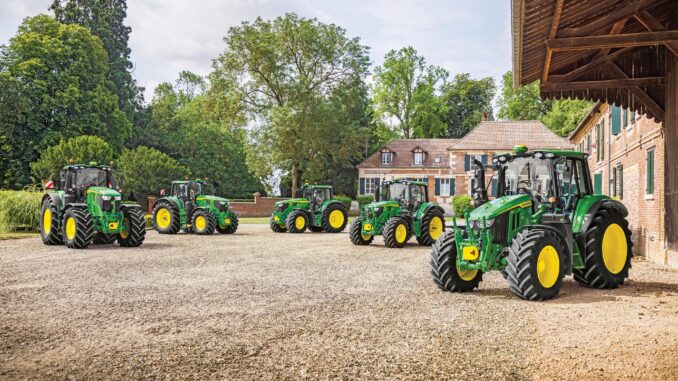
John Deere skid steer loaders and ZTrak zero turn mowers both use closed hydrostatic drive systems that depend on clean, correctly‑rated hydraulic or “hydrostatic” oil to transmit power reliably to the wheels or tracks. For commercial and serious homeowner users in the USA and Canada, getting the hydraulic oil specification right directly affects service life, steering feel, and cold‑weather performance.
This guide focuses on John Deere‑approved hydraulic and hydrostatic oils (like Hydrau and Hy‑Gard), how they’re used in typical skid steer and zero turn models, basic troubleshooting when hydraulic systems misbehave, and realistic DIY service tasks versus dealer jobs. You’ll also find parts tables, links to official manuals, and an expanded FAQ to match your usual D130/S220 style content needs, but applied to hydraulic oil and drive systems rather than a single tractor model.
General overview of John Deere hydraulic oil specifications (skid steer & zero turn)
In John Deere branding, hydraulic and hydrostatic systems typically use either Hydrau‑branded hydraulic oil in construction‑type skid steers, or Hy‑Gard‑type transmission/hydraulic oil in many turf and utility applications. Skid steers such as the 330G and 333G list “John Deere Hydrau Hydraulic and Hydrostatic Oil” for the main hydraulic/hydrostatic reservoir, while their chain cases are filled with Hy‑Gard, showing how Deere splits duties between dedicated hydraulic oil and multi‑purpose transmission/hydraulic fluid.
Zero turn mowers use integrated hydrostatic transaxles or separate wheel motors and pumps, often filled with a specified hydraulic or hydrostatic fluid and sometimes a separate engine oil sump for small gear pumps depending on the manufacturer of the drive units. Deere’s own lubricant program calls out that its hydraulic, transmission and gear oils are formulated to protect against corrosion, foaming and water damage while reducing wear, so matching the spec (rather than just “any hydraulic oil”) is important.
Troubleshooting approach for John Deere hydraulic oil and drive problems
When a skid steer or zero turn starts to lose drive, steer poorly, whine, or run hot, owners often jump to “bad pump” when the real issue is oil level, contamination, age or the wrong grade. The most efficient approach is to start from the symptom you see or feel, then step through simple checks like oil level, leaks, filter status and visible hose damage before assuming internal component failure.
For this topic, the main symptom categories around hydraulic oil are:
-
Starting / engagement issues (machine moves slowly or not at all once started)
-
Drive and steering performance (weak, jerky or uneven response)
-
Vibration and noise (whining, cavitation, chattering)
-
Overheating and leaks (hot oil, burnt smell, visible drips)
-
Maintenance‑interval questions (how often to change, what oil to use)
This guide will keep those symptom groups in mind as we move through emergency issues, DIY tasks and the FAQ.
Emergency and immediate repair needs with John Deere hydraulic oil specifications skid steer zero turn systems
Starting / engagement issues in hydraulic drive
What it looks like: Your skid steer or zero turn starts normally but barely moves, or one side is slow or unresponsive when you push the drive levers. This matters because low or aerated oil can quickly damage hydro pumps and wheel motors through cavitation and lack of lubrication.
Common causes:
-
Low hydraulic/hydrostatic oil level from leaks or poor servicing
-
Wrong fluid type or viscosity, especially in cold weather
-
Clogged or overdue hydraulic/hydrostatic filters restricting flow
-
Air in the system after a recent fluid change that wasn’t bled correctly
Basic checks:
-
Park safely on level ground, set the brake and chock as needed.
-
Check hydraulic/hydrostatic oil level with the machine cold or as specified in the manual.
-
Top up only with the recommended fluid if level is low, then re‑check.
-
Inspect under the machine and around hoses for fresh oil leaks.
-
If level was severely low or drive is still weak, avoid further use and book a dealer inspection.
Vibration and noise from John Deere hydraulic oil systems
What it looks like: Whining, chattering or surging from the hydraulic pumps, especially when cold or when you first move the levers. This matters because it often indicates cavitation (air bubbles in oil) or restriction, which shortens pump and motor life.
Common causes:
-
Incorrect hydraulic oil grade causing thick, hard‑to‑pump oil when cold
-
Low oil level allowing air to be sucked into the system
-
Dirty filters or suction strainers restricting flow
-
Contaminated oil with water or debris
Basic checks:
-
Confirm the exact hydraulic/hydrostatic oil type last used (check receipts or labels).
-
Inspect and, if feasible, change filters that are overdue according to hours.
-
Check the reservoir for milky oil (water contamination) or metallic sheen.
-
After any fluid change, follow the bleed/purge procedure recommended for your model.
Overheating and leaks around hydraulic oil
What it looks like: Hydraulic reservoir too hot to touch, oil smell, warning lights or derate, or visible drips from hoses, motors or pumps. Overheating breaks down oil quickly and can damage seals, while leaks can suddenly drop level enough to starve the system.
Common causes:
-
Running with clogged coolers or dirty cooling packages
-
Overdue hydraulic oil and filters, leading to increased friction
-
Hoses or fittings beginning to fail under pressure
-
Using a non‑approved oil that can’t handle the heat load
Basic checks:
-
Stop the machine, let it idle to cool, then shut down.
-
Blow out the cooling package (radiator, oil cooler) as per the manual.
-
Check oil level and condition once safe to touch.
-
Inspect hoses and fittings for fresh oil and replace any clearly failed components before restarting.
Drive and steering problems on John Deere hydraulic oil specifications skid steer zero turn drives
What it looks like: One side drives stronger than the other, the unit pulls to one side, or it jerks when you move the levers. This matters because owners often assume “bad pump,” but issues can stem from simple maintenance items.
Common causes:
-
Unequal tire pressure or track tension on skid steers causing drift
-
Old or contaminated oil changing unit response
-
Internal issues within a single wheel motor or drive pump (dealer‑level)
Basic checks:
-
Confirm all tires or tracks are at the specified pressure/tension.
-
Check oil level and age; if beyond interval, plan a fluid and filter change.
-
Verify no codes or warning lights are active.
-
If a single side remains weak after basic checks, schedule a dealer for pressure and leakage tests.
DIY or dealer? Repair decision guide for John Deere hydraulic oil work
On both skid steers and zero turns, the dividing line is usually between routine fluid and filter changes (good DIY) and internal pump/motor or valve block repairs (dealer level). Hydraulic oil specs, drain intervals and bleeding procedures are well documented in Deere’s maintenance charts, but diagnosis of internal leakage or pressure issues requires gauges and service tools.
Good DIY jobs:
-
Checking hydraulic/hydrostatic oil level and topping up with the correct fluid
-
Following manual procedures for periodic hydraulic oil and filter changes
-
Cleaning coolers and checking hoses for leaks
-
Purging/bleeding small zero turn hydro units after an oil change using published procedures
Advanced DIY or dealer jobs:
-
Replacing or resealing hydraulic pumps, wheel motors or valve blocks
-
Flushing systems after major internal failures with heavy contamination
-
Calibrating electronic control valves or sensors on newer machines
Skill level guide:
-
Beginner: Checking levels, topping off, cleaning coolers.
-
Intermediate: Performing full hydraulic oil and filter services on a zero turn or following a skid steer service chart.
-
Advanced: Any repair requiring opening hydraulic circuits, splitting pumps, or using pressure gauges and laptop diagnostics.
Parts needed, OEM vs aftermarket, and key information before ordering
Before buying hydraulic oil and related parts you should confirm:
-
Full machine model (e.g. 330G skid steer, 333G compact track loader, Z900E series zero turn)
-
Product Identification Number (PIN) or serial range, as Deere often ties maintenance parts to PIN breaks
-
Engine model (for overall service kits) and whether your machine uses any special hydraulic filters or breathers
Below is a representative service parts table based on Deere skid steer and compact track loader hydraulic specifications; equivalent principles apply for hydraulic components on zero turns.
For hydraulic fluids and filters, Deere generally recommends OEM fluids and filters to maintain correct viscosity, anti‑wear additives and filtration performance. Aftermarket hydraulic oils and filters may be acceptable if they explicitly meet Deere’s published performance specifications (for example, equivalent viscosity grade and zinc/phosphorus requirements), but always check cross‑reference data and warranty implications.
Where to find parts diagrams and hydraulic oil manuals
Deere publishes quick reference guides and full operator’s/technical manuals that spell out hydraulic oil types, capacities and intervals for each model. For skid steers and track loaders, these often take the form of PDF service interval charts listing hydraulic oil, filters and breathers with hours and capacities.
Useful sources:
-
John Deere lubricants and maintenance pages – overview of Hydrau, Hy‑Gard and Plus‑50 II oils, including approved applications and benefits.
-
Model‑specific PDF quick‑reference guides for machines like the 330G or 333G, which list hydraulic oil capacities, intervals and part numbers.
-
Deere operator’s manuals and technical publications accessed through the official Technical Publications portal, which provide full hydraulic schematics and service procedures.
-
Reputable aftermarket or Deere‑focused parts sites that cross‑reference Deere hydraulic filters and fluids by model; always verify OEM numbers before ordering.
These resources are where you’ll confirm exact hydraulic oil specifications and the correct service intervals for your particular skid steer or zero turn.
How to locate model, serial and engine numbers
Model, serial (PIN) and engine IDs are critical when you search for hydraulic oil filters, breathers or capacity charts, because Deere often revises systems during a model run. Without the correct PIN, you may see multiple filter or fluid options.
Typical locations:
-
Machine PIN: On skid steers and track loaders, a metal ID plate near the rear frame, loader arm or cab entry; on zero turns, on the frame under/near the seat or on the mower frame.
-
Model designation: Decals on the side of the loader arms, engine hood or fenders (e.g. “330G”, “Z920M”).
-
Engine serial: Stamped plate or sticker on the side of the engine block or valve cover, visible after opening the rear or side engine compartment.
-
Hydraulic components: Some filters and breathers will have their own part numbers printed directly on the casing, which you can cross‑reference.
Write these numbers down or photograph the plates before ordering any hydraulic parts.
Buying hydraulic oil and filters online and in physical stores
A simple strategy is to use OEM part numbers as your “anchor” and then decide whether you’ll buy Deere‑branded or an equivalent fluid or filter. Start by confirming the correct oil and filter numbers from Deere’s quick‑reference guide or operator’s manual, then search those numbers through your preferred channels.
Typical options:
-
Online: John Deere’s own parts and lubricants pages and major online retailers where you can order Hydrau or Hy‑Gard and genuine filters; check that listings quote the correct OEM number and viscosity grade.
-
Dealer counter: Local Deere construction or turf dealer – best for confirming PIN‑specific filters and for heavy hydraulic oil purchases in bulk pails.
-
Retail stores: Some farm and equipment stores stock Hy‑Gard‑equivalent fluids and cross‑referenced filters; only buy if the packaging clearly lists your Deere model or OEM part numbers.
You can start from Deere’s official lubricants page and maintenance lubricants and testing data page, then branch out to other sources once you know the right spec.
Step‑by‑step fitting guide: common John Deere hydraulic oil DIY jobs
1. Checking and topping up hydraulic/hydrostatic oil (general)
This simple job prevents low‑oil damage and should be done daily or before each use according to many Deere service schedules.
-
Park the machine on level ground, lower implements and engage the parking brake.
-
Allow the machine to cool until the reservoir is at the recommended temperature for checking (consult your manual).
-
Wipe around the cap/dipstick to prevent dirt entering, then remove and check level.
-
If low, add only the specified Hydrau, Hy‑Gard or equivalent fluid slowly using a clean funnel, rechecking until it reaches the correct mark.
-
Refit the cap securely and visually check for leaks around hoses and fittings.
2. Changing hydraulic oil filters on John Deere hydraulic oil specifications skid steer zero turn machines
Changing hydraulic filters at the specified hour intervals ensures clean oil and protects pumps, valves and motors.
-
With the machine cooled and parked safely, locate the hydraulic oil filter(s) per your quick‑reference guide (for example AT314164 on many 330G/333G machines).
-
Position a drain pan beneath the filter to catch any oil spill.
-
Use a suitable filter wrench to loosen and remove the old filter, keeping it upright.
-
Lightly oil the seal of the new OEM‑spec filter with fresh hydraulic oil, then spin it on until the gasket contacts the base and tighten by hand according to instructions.
-
Top off the reservoir if needed, start the machine, check for leaks and recheck level after cycling the controls.
3. Performing a hydraulic reservoir oil change on a skid steer
Full hydraulic oil changes at 1000‑hour intervals (or as specified) refresh additives and remove contamination from the system.
-
Warm the machine briefly to thin the oil, then park safely and shut down.
-
Place a large drain pan under the hydraulic reservoir drain point and open the drain plug carefully.
-
Allow the oil to fully drain; at this point many Deere charts also call for replacing the hydraulic oil filter and reservoir breather.
-
Close the drain, install new filter and breather, and refill the reservoir with the specified quantity of John Deere Hydrau hydraulic and hydrostatic oil (for example 33.1 L / 8.7 gal on certain G‑series loaders).
-
Follow the manual’s bleed procedure, which typically involves running at low idle and slowly operating hydraulic functions while monitoring level and leaks.
4. Purging zero turn hydrostatic drives after an oil change
Purging removes air that entered when you replaced fluid in integrated hydrostatic transaxles or wheel motors.
-
After refilling with the correct hydraulic/hydrostatic fluid and reassembling, raise the rear of the zero turn safely so drive wheels are off the ground.
-
With the bypass levers open (if applicable), start the engine and move the drive levers forward and backward to circulate oil while wheels spin freely.
-
Close bypass levers, then repeat forward and reverse movements at low throttle to purge air from the closed system according to your manual’s sequence.
-
Shut down, recheck reservoir level and top up if needed, then lower the mower and test drive slowly, listening for abnormal noises.
Maintenance to prevent John Deere hydraulic oil problems from recurring
Regular hydraulic oil and filter maintenance prevents many of the “mystery” drive and steering issues that owners see in skid steers and zero turns. Clean oil with the correct viscosity maintains pump efficiency, reduces heat and prevents premature seal and component wear.
Key focus areas:
-
Starting reliability and engagement: Correct fluid level and clean filters prevent cavitation and sluggish movement.
-
Drive performance: Fresh, spec‑grade hydraulic oil maintains consistent hydrostatic response across temperature changes.
-
Overheating prevention: Keeping coolers clean and following oil interval schedules controls operating temperatures and slows oil breakdown.
-
Leak prevention: Routine inspections catch small hose or seal issues before they cause major fluid loss and contamination.
-
Longevity of pumps and motors: Following Deere’s hour‑based hydraulic service intervals extends component life significantly.
Maintenance schedule and year‑round checklist (based on typical Deere charts)
The exact intervals vary by model, but Deere skid steer and track loader documents show a clear pattern of daily checks and hour‑based hydraulic service tasks. Always adapt this outline to the chart for your specific skid steer or zero turn.
Daily / before each use
-
Check hydraulic/hydrostatic oil level at the reservoir.
-
Inspect for leaks around hoses, pumps and motors.
-
Check cooling package and clean debris that could restrict oil cooler airflow.
After about 50 hours
-
On some models, perform an initial hydrostatic or gear case fluid check or change as specified (e.g. initial 50‑hour hydrostatic planetary service on certain track loaders).
-
Reinspect all hydraulic connections for seepage.
Every 250–500 hours
-
Take hydraulic oil samples for analysis at 250 or 500 hours where listed.
-
Replace hydraulic oil filters and reservoir breathers at 500 hours on many skid steers.
-
Inspect and clean hydraulic reservoir breathers if service interval is “as required”.
Every 1000 hours (typical for hydraulic oil changes)
-
Drain and refill hydraulic reservoir oil and replace filter elements per the model chart.
-
Replace hydraulic oil filter elements and related breathers called out at 1000 hours.
Seasonal checklist (for zero turns and seasonal use)
-
Pre‑season: Verify hydraulic oil level and age; schedule a change if you’re near the interval, especially before heavy mowing seasons.
-
In‑season: Check for overheating, listen for whine, and monitor for any drive changes.
-
End‑of‑season: Clean coolers, check for leaks and record hours to plan next hydraulic service before storage or next season.
Repair, upgrade, or replace? Making decisions around hydraulic systems
With hydraulic oil and hydrostatic systems, the decision to repair or replace often depends on machine age, usage hours and whether the issue is maintenance‑related or deep inside the pumps and motors. On newer skid steers and zero turns with documented maintenance, repairing specific components usually makes sense, whereas older units with neglected fluids may justify major overhauls or replacement.
Repair if…
-
Hydraulic issues began soon after missed service intervals or clearly contaminated fluid.
-
Only one component (e.g. a filter head, hose, or single wheel motor) has failed while the rest of the system is healthy.
-
The machine has otherwise reasonable hours for its type and usage.
Upgrade if…
-
You’re changing to better‑specified hydraulic oil within Deere’s recommendations (e.g. moving to Hydrau or Hy‑Gard where appropriate).
-
You’re adding better cooling or guards to protect hoses in harsh environments.
-
You’re updating to newer OEM filter designs that replace older part numbers.
Replace (major system or entire machine) if…
-
Multiple major hydraulic components fail within a short time due to historic neglect.
-
The machine’s hours and age are high enough that pump, motor and valve replacement costs exceed its value.
-
Your work demands throughput or reliability that an older unit can no longer provide even after repair.
Expanded troubleshooting FAQ – 30 questions for John Deere hydraulic oil specifications skid steer zero turn issues
1. Why is my John Deere skid steer hydraulic oil level dropping?
A falling hydraulic oil level usually indicates a leak in hoses, cylinders, fittings or internal components that returns oil to other cavities such as chain cases. Check under the machine and around all hydraulic lines for fresh oil, then inspect cylinder rod seals and pump housings. If you can’t see an external leak, internal leakage may be moving oil where you can’t see it. In that case, document the loss and bring the machine to a Deere dealer for further diagnosis.
2. What hydraulic oil does my John Deere skid steer use?
Many current Deere skid steers specify John Deere Hydrau hydraulic and hydrostatic oil for the main hydraulic reservoir, as shown in quick‑reference guides for models like the 330G and 333G. Some also use Hy‑Gard oil in chain cases or auxiliary housings. Always confirm the exact recommendation in your operator’s manual or Deere lubricant charts because requirements vary by model year and region. Using the wrong oil type or viscosity can affect performance and longevity.
3. How much hydraulic oil does a John Deere skid steer hold?
Capacity varies by model, but a typical mid‑size G‑series Deere loader lists around 33.1 L (8.7 gal) of John Deere Hydrau for the hydraulic and hydrostatic system. Chain case capacities are separate and can be around 20.8 L (5.5 gal) per side on certain models. Your operator’s manual or model‑specific PDF will show the exact capacity. Always fill to the specified level using the dipstick or sight glass rather than relying purely on volume.
4. How often should I change hydraulic oil in my John Deere skid steer?
Deere maintenance charts for machines such as the 330G and 333G call for hydraulic reservoir oil changes every 1000 hours under normal conditions. However, the same charts also suggest periodic oil sampling (for example every 500 hours) so you can adjust intervals if you work in severe environments. If you regularly see high temperatures or contamination, shorter intervals may be wise.
5. Do John Deere zero turn mowers have hydraulic oil I need to change?
Yes; most zero turns use hydrostatic drive units that either share a hydraulic reservoir or have individual oil reservoirs and filters in the drive transaxles or wheel motors. The service interval can be several hundred hours or more depending on the drive manufacturer and Deere’s recommendations. Your operator’s manual will list the fluid type, capacity and change schedule. Neglecting this service can lead to loss of drive and expensive repairs.
6. What hydraulic fluid should I use in a John Deere zero turn?
Some Deere zero turns call for specific hydrostatic or hydraulic fluids, while others use designated transmission fluids depending on the transaxle manufacturer. You must check the manual for your model and for the exact hydro unit (Hydro‑Gear, Kanzaki etc.) to know the correct fluid. When in doubt, ask a Deere dealer to look up the spec by model and serial number rather than guessing with “universal” fluid.
7. Why is my John Deere zero turn making a whining noise when I drive?
A whining or chattering hydrostatic drive usually indicates air in the system, low fluid level, or thick, cold oil that is hard to pump. Check the fluid level in the reservoir or transaxle and top up with the correct oil if low. If the noise appeared after a fluid change, follow the purge procedure in your manual to remove trapped air. Persistent noise after correct purging may signal pump or motor wear that needs dealer attention.
8. Why does my skid steer drive feel weak on one side?
Uneven drive is often a combination of hydraulic and mechanical factors such as unequal tire pressures or track tension and internal hydrostatic leakage. Begin with simple checks: tire pressure, track tension, and hydraulic oil level and age. If one side remains weak, a Deere dealer can perform pressure tests and assess whether the pump, motor or control valves on that side need repair.
9. Can I mix different hydraulic oils in my John Deere machine?
Mixing hydraulic oils with different additive packages, viscosities or base stocks can cause foaming, seal issues or reduced anti‑wear performance. If you need to top up and don’t have the exact fluid, use a fluid that Deere or the manual explicitly lists as acceptable or equivalent. For significant changes in fluid type, a full drain and refill is safer than mixing.
10. Why is my John Deere skid steer hydraulic system overheating?
Overheating often results from restricted cooling (dirty coolers), running oil well past its service life, or heavy continuous loading. Check and clean the cooling package as recommended in the maintenance chart. If oil and filters are overdue based on hours, schedule a change. If overheating continues, a dealer can check for internal restrictions or pressure relief issues.
11. What happens if I use engine oil instead of hydraulic oil in my Deere skid steer?
Using engine oil where a specific hydraulic or hydrostatic oil is called for can change viscosity and additive characteristics enough to cause poor performance or long‑term wear. Deere’s Hydrau and Hy‑Gard oils are formulated for hydraulic systems, not just for lubrication but also for anti‑foam and compatibility with seals. Always match the fluid type and viscosity specified in your manual, not just any oil.
12. How do I know if my hydraulic oil is contaminated?
Signs of contaminated hydraulic oil include a milky appearance (water), sludge or particles, a burnt smell, or visible metal in drained oil or filters. Some Deere maintenance schedules also recommend oil sampling kits to test for contamination and breakdown. If contamination is significant, plan a full drain, filter changes and possibly system flushing.
13. Why does my hydraulic oil look milky in my John Deere zero turn?
Milky oil indicates water contamination, often from condensation or a compromised seal or breather. Water reduces lubrication, causes corrosion and can lead to cavitation damage. The safest fix is to change the oil and filter and address the source of water ingress, such as a damaged reservoir cap or breather.
14. How do I change hydraulic oil on a John Deere zero turn mower?
The exact steps depend on the hydrostatic unit design, but generally you lift the mower safely, drain the hydro units via plugs or lines, replace filters, and refill with specified fluid before purging the system. Many Deere training videos for ZTrak mowers show this process and emphasize proper purging afterwards. Always follow your model’s instructions for drain points, capacities and purge sequences.
15. What is John Deere Hy‑Gard and when is it used?
Hy‑Gard is Deere’s multi‑purpose transmission and hydraulic oil designed to protect against corrosion, foaming and water damage while reducing wear in transmissions and hydraulic systems. It is often used in chain cases and transaxles on certain Deere equipment and may be specified for some hydraulic or hydrostatic systems as well. Your model documentation will state whether Hy‑Gard is appropriate or whether Hydrau or another fluid is required.
16. What is John Deere Hydrau hydraulic and hydrostatic oil?
Hydrau is a Deere hydraulic and hydrostatic oil designed for demanding applications in equipment like skid steers and track loaders. It appears in G‑series skid steer quick‑reference charts as the specified fluid for hydraulic and hydrostatic reservoirs, with capacities shown in liters and gallons. Using this oil meets Deere’s performance expectations for wear protection and system efficiency.
17. How often should I change hydraulic oil filters on my skid steer?
In Deere charts for skid steers such as the 330G and 333G, hydraulic oil filters and reservoir breathers are typically replaced every 1000 hours, with some breathers serviced at 500 hours. These intervals can vary by model, so always check your specific quick‑reference guide. If your working environment is dusty or heavily contaminated, consider oil analysis and shorter intervals.
18. Can I extend hydraulic oil change intervals using analysis?
Yes; Deere documentation notes that fluid analysis test kits can be used to adjust oil change intervals based on real condition rather than fixed hours. By sampling hydraulic oil at recommended intervals (often 500 hours), you can determine if the oil is still within acceptable limits. This can reduce unnecessary oil changes in light use or highlight the need for earlier changes in severe service.
19. Why won’t my John Deere zero turn move after changing hydraulic fluid?
If the mower will not move or moves poorly after a fluid change, the system may be full of air or the bypass valves may still be open. Go back through the purge procedure in your manual, which usually involves lifting the rear wheels, cycling forward and reverse, and then rechecking fluid level. If drive does not return after proper purging and level checks, seek dealer assistance.
20. Is it safe to run my Deere skid steer briefly if hydraulic oil is low?
Running with low hydraulic oil is risky even for short periods because pumps can cavitate and overheat quickly. If a sight glass or dipstick shows oil below minimum, top up with the correct fluid before restarting. If the level suddenly dropped significantly, find and fix the leak first to avoid repeating the problem.
21. How do I bleed air from a John Deere skid steer hydraulic system?
Most Deere skid steer procedures call for refilling the reservoir, then starting the machine and operating hydraulic functions at low idle to allow air to work its way back to the reservoir. You monitor oil level and top up as bubbles dissipate, while checking for leaks. Always follow the sequence specified in your manual, as some systems may have additional steps or safety requirements.
22. Why is my John Deere skid steer slow to respond when it’s cold?
Cold temperatures thicken hydraulic oil, especially if the viscosity is not matched to your climate, leading to sluggish response until the oil warms. Deere’s lubricant specifications include viscosity charts so you can select the correct grade for your temperature range. Using the wrong grade or old, degraded oil can worsen cold‑start performance.
23. Can I use universal tractor hydraulic fluid instead of Deere Hydrau?
Some universal tractor hydraulic fluids claim broad compatibility, but they may not match Deere’s Hydrau specification for certain skid steers. Check the product data sheet to see if it explicitly meets Deere’s performance standards or is approved for your model. When equipment is under warranty or used heavily, Deere‑branded or clearly equivalent fluids are the safer choice.
24. How do I check hydraulic oil level correctly on my skid steer?
Consult the operator’s manual to see whether level should be checked with the machine cold or warm and with implements raised or lowered. Many Deere charts specify checking the hydraulic reservoir level daily, with the machine parked on level ground. Use the dipstick or sight glass, wipe contamination away first, and do not overfill.
25. Why is my zero turn leaving streaks or uncut grass if hydraulic oil is fine?
Streaks or uncut grass usually come from deck or blade issues, not hydraulic oil problems. Check blade sharpness, deck level and ground speed rather than focusing on the hydrostatic system. As long as the machine drives smoothly, hydraulic oil is unlikely to be the cause of cut quality problems.
26. Can low hydraulic oil cause my Deere skid steer to stall?
While the engine itself may not stall directly from low hydraulic oil, severe cavitation or pump load can cause the engine to labor or protective systems to derate or shut down. If you notice engine bogging when operating hydraulics, check oil level and filters first. Persistent issues after correcting oil problems may indicate valve or pump issues that need dealer diagnosis.
27. Should I change hydraulic oil before or after winter storage?
If your hydraulic oil is near its change interval, changing before storage removes contamination and moisture that could cause corrosion during downtime. If it’s relatively fresh and hours are low, you can leave it and instead focus on checking level and protecting hoses and fittings. Always note current hours and fluid age so you don’t forget at the next season start.
28. How do I know which hydraulic filter part number my Deere machine needs?
Use the PIN and model to look up the hydraulic filter in the Deere quick‑reference guide or operator’s manual for your specific machine. For example, the 330G lists hydraulic oil filter AT314164 and reservoir breather AT101565 at specific intervals. Don’t assume filters are generic; PIN breaks and model updates can change part numbers.
29. Is hydraulic oil service different on tracked vs wheeled John Deere loaders?
The main hydraulic reservoir and filters are similar, but tracked machines often have additional hydrostatic planetary or track drive services and checks. For instance, some 331G/333G track loaders call for hydrostatic planetary gear case oil service at specific intervals in addition to main hydraulic fluid changes. Always follow the chart for your exact series and configuration.
30. What should I ask my Deere dealer if I’m unsure about hydraulic oil specs?
Provide your full model and PIN, describe your typical operating temperatures and hours, and ask for the recommended hydraulic/hydrostatic oil type, grade and service intervals. You can also ask whether your machine is better on Hydrau, Hy‑Gard or another fluid, and whether any updates or service bulletins affect your hydraulic system. Keeping those answers in your maintenance log simplifies future servicing.