
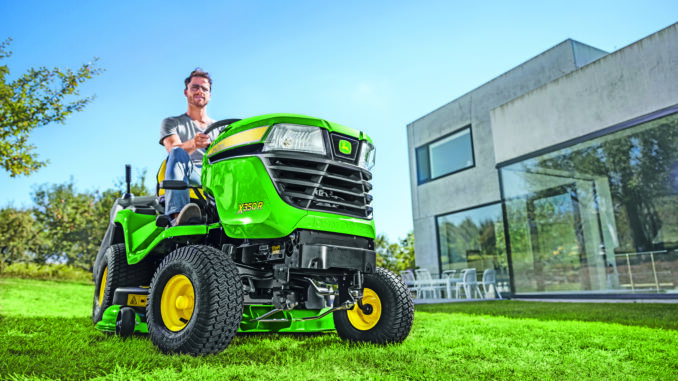
The John Deere LT160 is a lawn tractor aimed at homeowners who want a compact riding mower for regular grass cutting, light towing, and routine yard work. Deere’s operator literature lists the LT160 with a Kohler CV460S single-cylinder 16 hp engine, while the common 42C deck setup uses a 42-inch convertible mower deck and an automatic transmission layout for typical residential mowing duties.
This guide is written for USA and Canada owners who handle basic servicing themselves and may attempt some intermediate repairs. It covers common faults, practical symptom-based troubleshooting, routine maintenance, parts identification, and a large FAQ section focused on what owners usually see in the real world before they know what part has failed.
John Deere LT160 model overview
The john deere LT160 sits in Deere’s earlier LT lawn tractor family, positioned as a homeowner machine rather than a heavy garden tractor. It is designed mainly for mowing residential lawns, moving small lawn carts, and handling normal seasonal yard work instead of commercial mowing or ground-engaging work.
For most owners, the important systems are the air-cooled gasoline engine and fuel system, the mower deck and blade drive, the automatic drive system, and the electrical/safety interlock system. Deere’s manual also highlights routine adjustment and service points such as mower leveling, PTO engagement, battery service, transmission checks, and safety-switch testing, which tells you where most owner-level problems usually develop first.
John Deere LT160 common service parts
Owners commonly buy a small group of repeat service parts for the john deere LT160. Verified maintenance-sheet parts for the LT160 with 42C deck include the oil filter AM125424, fuel filter AM107314, air filter kit GY20661, spark plug M78543, traction drive belt M144044, mower belt M126536, battery TY25878, ignition switch AM132807 or AM133597 depending on serial range, and blade kits AM141032, AM141033, or AM141034 depending on cutting setup .
John Deere LT160 troubleshooting approach
The best way to diagnose a john deere LT160 is to start with the symptom the owner can see or hear, not with a random parts swap. Deere’s operator manual breaks troubleshooting into engine, transmission, electrical, tractor, and mower categories, which is a useful framework because many problems overlap across those systems.
Main symptom groups for the john deere LT160 are:
-
Starting issues, such as no crank, weak crank, or cranks but will not fire.
-
Running issues, such as rough idle, bogging, smoke, surging, or loss of power.
-
Cut-quality issues, such as uneven cutting, streaking, scalping, or poor discharge.
-
Vibration and noise, often linked to blades, pulleys, belt damage, or loose hardware.
-
Overheating and leaks, usually involving cooling fins, the air intake screen, fuel system, or oil service neglect.
-
Transmission and drive complaints, such as weak uphill pull, poor response, or free-wheeling issues.
-
Electrical and safety-switch faults, including battery, ignition switch, PTO switch, seat switch, and brake/park-brake interlock issues.
John Deere LT160 emergency and immediate repair needs
Some john deere LT160 faults need attention right away because they create a safety risk or can turn a cheap repair into a much bigger one. Problems involving blade security, fuel leaks, hot engine operation, failed safety switches, or severe drivetrain slip should not be ignored or “mowed through” for one more weekend.
John Deere LT160 starting issues
When the john deere LT160 will not crank, cranks slowly, or starts only intermittently, the problem may be as simple as battery condition or as involved as an interlock or ignition-switch fault. It matters because repeated low-voltage cranking stresses the starter circuit and can leave you stranded halfway through a job.
Common causes:
-
Weak or failed battery TY25878 .
-
Dirty or loose battery terminals.
-
Faulty ignition switch, with Deere listing different switch numbers by serial range .
-
Seat, brake, or PTO safety-switch problems.
-
Dirty spark plug or restricted air/fuel supply.
Basic checks:
-
Confirm the PTO is disengaged and the brake/park brake is set, then retest the start circuit.
-
Inspect the battery posts and cable connections for corrosion or looseness.
-
Check that the fuel valve/fuel supply is normal and the inline fuel filter is not obviously blocked.
-
Inspect the spark plug and air filter if the engine cranks but will not fire.
John Deere LT160 cut-quality problems
If the john deere LT160 leaves strips, scalps the lawn, or cuts unevenly side to side, owners usually see the result before they hear anything unusual. These issues matter because poor deck setup, worn blades, or belt slip can also overwork spindle and belt components over time.
Common causes:
-
Dull, bent, or mismatched blades.
-
Incorrect mower deck level front-to-rear or side-to-side.
-
Worn deck belt M126536 .
-
Damaged gauge wheels AM133602 or incorrect wheel setting.
-
Grass buildup under the deck.
Basic checks:
-
Check blade condition and confirm the correct blade type is installed for side-discharge, mulching, or bagging use .
-
Clean the underside of the mower deck safely with the engine off and key removed.
-
Measure deck level side-to-side and front-to-rear using Deere’s adjustment procedure.
-
Inspect the deck belt and pulleys for glazing, cracking, or looseness.
John Deere LT160 vibration and noise
Sharp new noise or heavy vibration on a john deere LT160 usually means something is loose, bent, or failing fast. This matters because continuing to mow can damage spindle bearings, deck housings, pulleys, or even the crankshaft if a blade has hit something hard.
Common causes:
-
Bent or unbalanced blades.
-
Blade hardware loose after service.
-
Worn spindle or idler bearings.
-
Damaged deck belt or pulley.
-
Debris wrapped around pulleys or spindles.
Basic checks:
-
Shut the tractor down immediately and inspect the blades for impact damage.
-
Check that blade fasteners are secure and blades are installed correctly.
-
Spin pulleys by hand with the belt released to feel for roughness or play.
-
Replace damaged blades and rebalance sharpened blades before reuse.
John Deere LT160 overheating and leaks
If a john deere LT160 runs hot, smells oily, or shows fresh fuel or oil around the machine, stop and inspect it before the next cut. Air-cooled engines depend heavily on clear intake screens and clean cooling fins, so neglect here can shorten engine life quickly.
Common causes:
-
Blocked air intake screen or dirty engine fins.
-
Low or old engine oil.
-
Fuel seepage at the inline filter or hose connections.
-
Oil filter or drain-area seepage after service.
-
Grass and debris packed around hot engine surfaces.
Basic checks:
-
Clean the intake screen and cooling-fin area with the engine off and cool.
-
Check the oil level and inspect the oil filter sealing area.
-
Look over the fuel filter and fuel hose routing for dampness or cracking.
-
Remove packed grass from the engine and deck area to reduce heat buildup and fire risk.
John Deere LT160 transmission and drive problems
When the john deere LT160 slows badly on hills, hesitates, or will not move correctly, the owner often describes it as “losing drive” rather than a transmission fault. It matters because belt issues, free-wheel lever position, or transmission wear can all feel similar at first.
Common causes:
-
Worn traction drive belt M144044 .
-
Free-wheeling lever not fully returned to drive position.
-
Linkage adjustment issues.
-
Transmission wear or internal hydro/mechanical problems noted under Deere’s transmission troubleshooting section.
-
Improper tire pressure affecting traction and response.
Basic checks:
-
Confirm the free-wheel release is fully engaged in normal drive mode.
-
Inspect the traction belt for glazing, cracks, or slack .
-
Check tire inflation side to side before assuming a transmission failure.
-
If drive remains weak after belt and linkage checks, dealer-level diagnosis is usually the next step.
John Deere LT160 electrical problems
Electrical faults on a john deere LT160 can show up as no start, intermittent shutdown, dead lights, or a PTO that refuses to engage normally. These faults matter because the machine relies on several interlock functions that are designed to stop unsafe operation.
Common causes:
-
Weak battery or corroded battery cables.
-
Faulty ignition switch .
-
Bad seat, brake, or PTO switch.
-
Blown headlight bulb AD2062R .
-
Damaged key or worn key switch contacts .
Basic checks:
-
Charge-test the battery and clean the terminals first.
-
Test the safety systems in the order Deere lists in the operator manual.
-
Inspect the ignition switch part number against the tractor serial range before ordering .
-
Replace simple items like bulbs and damaged keys before chasing larger wiring faults.
John Deere LT160 DIY or dealer repair decision guide
For the john deere LT160, the line between realistic DIY and dealer work is fairly clear: routine service, deck setup, filters, belts, blades, battery work, and basic switch checks are usually sensible home-garage jobs, while transmission internal repairs, major engine work, and complex electrical tracing are better left to an experienced technician. The operator manual itself is owner-focused for maintenance and adjustment, but Deere separates technical service literature from the normal operator information, which is a good sign that not every repair is meant to be a casual DIY project.
John Deere LT160 good DIY jobs
-
Oil and oil filter changes using the specified service interval.
-
Air filter, fuel filter, and spark plug replacement.
-
Mower blade removal, sharpening, balancing, and replacement.
-
Deck cleaning, leveling, and gauge wheel checks.
-
Battery cleaning, charging, and replacement.
-
Deck belt replacement if you are comfortable removing shields and routing belts correctly.
John Deere LT160 advanced DIY or dealer jobs
-
Diagnosing repeated no-start faults after battery and switch checks.
-
Traction-drive faults beyond the external belt and linkage.
-
Carburetor adjustment or fuel-system troubleshooting that continues after basic service.
-
Engine internal work, governor problems, compression issues, or oil-burning diagnosis.
-
Major electrical troubleshooting involving harness faults or intermittent safety interlock failures.
John Deere LT160 skill level guide
-
Beginner: air filter, spark plug, battery service, deck cleaning, blade inspection.
-
Intermediate: oil and filter service, deck leveling, fuel filter replacement, deck belt replacement, blade balancing.
-
Advanced: recurring ignition faults, carburetion issues, transmission diagnosis, engine teardown, electrical tracing with a meter and wiring diagrams.
John Deere LT160 parts needed, OEM vs aftermarket, and what information you need
Before ordering john deere LT160 parts, gather the full model name, the tractor Product Identification Number, the engine model and serial information, and the deck version installed on the machine. Deere specifically provides product-identification and record-identification sections in the manual, and the LT160 maintenance sheet is tied to the 42C deck, so owners should not assume every belt or blade fits every LT160 configuration without checking.
OEM parts are the safer choice for john deere LT160 belts, ignition components, and fit-sensitive deck items because small fit differences can change belt tracking, PTO operation, and cut quality. Aftermarket parts can be reasonable for filters, batteries, and some blade options if the supplier clearly cross-references the Deere number and the exact deck/version you have.
John Deere LT160 manuals and parts diagrams
For john deere LT160 owners, the most useful sources are Deere’s operator manual, Deere parts support pages, Deere’s LT160 maintenance sheet for the 42C deck, and a reputable model-specific parts retailer. Each source does a different job, so it helps to use them together instead of relying on only one listing.
-
John Deere operator manual for maintenance intervals, adjustment procedures, safety-system tests, storage, and troubleshooting categories.
-
John Deere LT160 with 42C deck maintenance sheet for common service parts and part numbers .
-
JDParts for model-sensitive parts lookup and exploded diagrams, especially when serial ranges matter .
-
Green Farm Parts LT160 maintenance guide for a Deere-focused aftermarket-friendly maintenance reference page.
John Deere LT160 model, serial, and engine numbers
These numbers matter because john deere LT160 ignition-switch fit, deck parts, and engine service parts can change by serial break or by deck/engine variant. Deere includes product-identification and record-identification sections in the operator literature, while Kohler states that engine identification numbers are shown on a decal attached to the engine shrouding.
-
Find the tractor PIN plate by using the machine’s product-identification guidance in the Deere manual and record it before ordering parts.
-
Confirm the full tractor model reads john deere LT160 and note any deck identification if the machine still has its original mower deck.
-
Locate the engine model and serial decal on the engine shrouding, as described by Kohler, and record the exact CV460S information.
-
Check the deck width and style, with the Deere maintenance sheet here tied to the 42C deck configuration .
-
Compare all numbers against the parts diagram before placing the order, especially for electrical switches and belts.
John Deere LT160 buying parts online and in stores
The best john deere LT160 parts-buying strategy is to identify the OEM number first, then shop by part number rather than by a broad model keyword alone. That reduces mistakes on serial-sensitive switches, deck-specific belts, and blade kits where similar Deere tractors can look almost identical in a listing.
-
Online: verify the OEM number, then confirm serial-range notes and deck notes before ordering from JDParts, Green Farm Parts, or PartsTree when cross-checking diagrams.
-
Dealer counter: best choice for tricky electrical items, deck-configuration questions, and parts where Deere lists a serial number split .
-
Retail stores: acceptable for oil, grease, spark plugs, and some aftermarket filters only when the package clearly matches the john deere LT160 application and OEM cross-reference.
John Deere LT160 fitting guide for common parts
These john deere LT160 jobs are common because they directly affect starting reliability, cut quality, and day-to-day usability. Always remove the key, let hot parts cool, and follow the operator manual’s safety precautions before starting work.
John Deere LT160 air filter replacement
A clean air filter helps the john deere LT160 start easier and maintain power under load. Deere lists air filter kit GY20661 for the LT160 maintenance setup .
-
Park safely, switch the engine off, and remove the key.
-
Open the air-cleaner housing and remove the old filter elements.
-
Clean loose debris from the housing without pushing dirt into the intake.
-
Install the new GY20661 kit correctly with the sealing surfaces seated evenly .
-
Refit the cover and confirm the housing is latched fully before mowing.
John Deere LT160 spark plug replacement
Replacing the spark plug can cure hard starting, misfire, and rough running on the john deere LT160. Deere lists plug M78543 and specifies a 1 mm (0.040 in.) gap for the LT160 engine specification page.
-
Let the engine cool and pull off the spark plug lead.
-
Remove the old plug and inspect it for heavy carbon, oil, or damage.
-
Check the new M78543 plug gap against Deere’s published specification.
-
Install the plug carefully by hand first to avoid thread damage.
-
Tighten to the specified torque shown in the specification information, then reconnect the lead.
John Deere LT160 mower blade service
Blade service restores cut quality on the john deere LT160 and also helps reduce vibration. Deere’s manual includes blade inspection, sharpening, and balancing procedures for the 42C deck family.
-
Park safely, remove the key, and secure the mower so the blades cannot rotate unexpectedly.
-
Remove the blades and inspect for bends, cracks, deep nicks, or badly worn sail sections.
-
Sharpen evenly and balance each blade before reinstalling, or replace the set with the correct OEM blade kit for your mowing setup.
-
Reinstall the blades in the correct orientation and tighten hardware properly.
-
Test-mow a small area and recheck for vibration or uneven cutting.
John Deere LT160 mower deck belt replacement
A fresh deck belt helps the john deere LT160 maintain blade speed and cut evenly in thicker grass. Deere lists belt replacement as a mower-service task and the 42C maintenance sheet identifies mower belt M126536.
-
Lower the deck, park safely, and remove any shields needed to access the belt path.
-
Note the old belt routing carefully or compare it with the correct diagram before removal.
-
Release belt tension and remove the worn belt from pulleys and guides.
-
Install the new M126536 belt exactly in the correct routing and confirm the guides are positioned properly.
-
Rotate pulleys by hand, reinstall shields, and test PTO engagement at low risk before mowing normally.
John Deere LT160 maintenance to prevent repeat problems
Regular maintenance prevents most repeat john deere LT160 complaints because the common failure points are basic service items rather than exotic components. Deere’s maintenance schedule emphasizes lubrication, filter service, blade care, cooling-system cleaning, battery attention, and periodic inspection of belts and safety systems.
Focus areas:
-
Starting reliability: keep the battery charged, terminals clean, and the spark plug, fuel filter, and air filter in serviceable condition.
-
Cut quality: keep blades sharp, the deck level, and the deck underside clean.
-
Fire and overheating prevention: clean the air intake screen, engine fins, and packed grass around hot areas.
-
Drive performance: inspect the traction belt and keep tire pressures even.
-
Electrical reliability: test the safety systems and protect battery and switch connections from corrosion.
John Deere LT160 maintenance schedule and year-round checklist
The john deere LT160 should be maintained to the official Deere interval chart rather than only “when it starts acting up.” Deere’s operator manual includes break-in service, every-10-hour, every-25-hour, 50-hours-or-annually, 100-hour, and yearly-as-required tasks, while the LT160 maintenance sheet gives repeating hour marks for key consumables such as oil, filters, and grease.
daily or before each use
-
Check engine oil level.
-
Perform the daily operating checklist and general walk-around inspection.
-
Clear debris from the intake screen, deck area, and hot engine surfaces.
-
Check mower condition and visible hardware before engaging the PTO.
after first 5 hours
-
Complete the break-in service item shown in Deere’s service-interval section.
-
Replace engine oil and filter as the LT160 maintenance sheet begins oil and filter service at 5 hours.
every 10 hours
-
Perform Deere’s listed every-10-hour service checks.
-
Lubricate grease points as needed, including mower spindles on the 42C deck and front wheel/lift-pedal points where applicable.
every 25 hours
-
Perform the Deere every-25-hour service items.
-
Inspect blade condition, deck cleanliness, and belt wear as part of routine mower service.
every 50 hours or yearly
-
Change engine oil and oil filter on the repeating schedule shown on the LT160 maintenance sheet .
-
Review the Deere 50-hours-or-annually service section and battery condition.
-
Clean or service the air-intake and cooling areas thoroughly before heavy summer mowing.
every 100 hours
-
Replace the fuel filter and air filter according to the Deere maintenance sheet interval .
-
Perform the Deere 100-hour service section items.
-
Inspect the spark plug and replace it if condition is poor or service history is unknown.
John Deere LT160 seasonal checklist
-
Spring: install a charged battery, check oil, inspect blades and belts, and level the deck before first mowing.
-
Mid-season: clean cooling fins and intake screen, inspect the traction and deck belts, and touch up blade sharpness.
-
Fall or storage prep: follow Deere’s storage procedure, prepare the fuel and engine for storage, and remove the machine from storage correctly next season.
John Deere LT160 repair, upgrade, or replace
For the john deere LT160, repair usually makes sense when the frame, deck shell, engine basic health, and transmission function are still solid, because many common problems are filters, belts, blades, switches, and tune-up parts rather than catastrophic failures. Upgrade or replace becomes more sensible when repairs start stacking across multiple major systems, especially if the machine also has a worn deck shell, weak transmission, and poor engine condition at the same time.
repair if
-
The problem is limited to belts, blades, filters, battery, switchgear, or deck adjustment.
-
The engine has normal compression, no severe smoke, and no major knock.
-
The deck shell and frame are still structurally sound.
upgrade if
-
You want better mulching or bagging performance using the correct blade or mulch-kit setup .
-
Lighting, tires, or comfort items need improvement but the tractor is mechanically healthy.
-
You mow conditions that justify fresher blades, better deck setup, or a more tailored cutting configuration .
replace if
-
The machine has major engine and transmission issues at the same time.
-
The deck shell, spindle area, and drive system all need expensive repair together.
-
Parts and labor costs are approaching the value of a better-condition replacement mower in your market.
John Deere LT160 Troubleshooting FAQ
Why will my john deere LT160 not start?
A john deere LT160 that will not start often has a basic interlock or power problem before it has a major engine failure. Check that the PTO is off, the brake is set, and the battery terminals are clean and tight, then inspect the battery itself because Deere lists battery and safety-system testing prominently in the operator procedures. If it cranks but will not fire, move next to fuel, air filter, and spark plug checks rather than guessing at the carburetor first.
Why does my LT160 crank but not fire?
When the engine turns over but does not fire, the most likely owner-level causes are stale fuel, a blocked inline fuel filter, a fouled spark plug, or an air restriction. Deere lists separate service procedures for the fuel filter, air cleaner, and spark plug, which is a clue that these are standard first checks on this model. If those items are in good shape and spark is still absent, the fault may be in the ignition or safety circuit.
Why does my john deere LT160 click once and not crank?
A single click usually points to low battery power, poor cable connection, or starter-circuit resistance rather than a mower-deck issue. Start with battery charge state and terminal condition because corrosion and weak voltage are common on seasonal-use tractors, and Deere includes battery cleaning and booster-battery procedures in the service section. If voltage is good and connections are clean, then the starter circuit or ignition-switch path becomes more likely.
Why does my LT160 start hard when cold?
Hard cold starting usually means the john deere LT160 is not getting the right fuel-air-spark combination on the first few revolutions. Dirty air filter elements, old fuel, a tired spark plug, or borderline battery output are all common suspects because Deere schedules all of those as normal service items. It is also worth cleaning the cooling and intake area because neglected engines often suffer from overall poor running, not just hard starts.
Why does my john deere LT160 stall after it starts?
If the tractor starts and dies soon after, think fuel delivery, choke behavior, and safety interlock issues before assuming internal engine damage. A partly restricted fuel filter, contaminated fuel, or a seat/PTO/brake switch problem can all cause a start-then-stop complaint on lawn tractors with multiple safety circuits. If it only dies when you release the brake or engage the PTO, that is a strong clue to test the interlock system next.
Why is my LT160 running rough?
Rough running on a john deere LT160 is commonly caused by dirty air filtration, plug condition, stale fuel, or a carburetion issue that shows up after basic maintenance has been skipped. Deere includes air cleaner checks, spark plug inspection, and carburetor adjustment in the service material, which suggests those are key paths when the engine hunts or misfires. Start with the simple service items before moving into tuning work.
Why does my john deere LT160 lose power in tall grass?
Loss of power under load often means the engine is already down on tune-up condition or the deck is making the engine work harder than it should. Dull blades, grass buildup under the deck, a slipping deck belt, and restricted air filtration can all make the tractor feel weak even if the engine itself is still basically healthy. Cleaning the deck and restoring blade sharpness are often as important as engine tune-up work.
Why does my LT160 backfire?
Backfiring can happen from fuel mixture issues, ignition irregularity, or shutdown behavior on a poorly tuned engine. On this model, it makes sense to inspect spark plug condition, fresh fuel quality, and air filtration first because those are easy and Deere specifically covers them in normal service. If the problem continues after routine service, carburetor adjustment or deeper ignition diagnosis may be needed.
Why is my john deere LT160 smoking?
Smoke color matters with a john deere LT160. Dark smoke suggests an over-rich condition or air restriction, while blue-ish oil smoke points more toward oil burning, overfilling, or engine wear, and Deere’s service sections on oil level, air cleaner, and spark plug checks help you narrow that down. If smoke is heavy and persistent, treat it as more than a tune-up issue and assess engine condition before spending heavily on other repairs.
Why does my LT160 cut unevenly?
Uneven cutting is usually a deck setup or blade issue, not a mystery failure. Deere gives owners procedures for adjusting deck height, side-to-side level, and front-to-rear level, and those should be checked alongside blade condition whenever one side of the lawn looks lower or rougher than the other. Gauge wheel condition and tire pressure also matter because they affect deck attitude across the lawn.
Why does my john deere LT160 leave strips of uncut grass?
Strips often mean reduced blade tip performance rather than total deck failure. Worn blades, low blade speed from a slipping mower belt, and grass buildup interfering with discharge flow are common reasons, especially when the machine is mowing damp or overgrown grass. Make sure the blade kit matches your mowing setup too, because side-discharge, mulching, and bagging blades are listed separately by Deere .
Why does my LT160 scalp the lawn?
Scalping usually happens because the deck is too low, poorly leveled, or being run too fast over uneven ground. Deere includes deck-wheel and deck-level adjustments in the operator manual, which are exactly the settings to revisit when the machine starts gouging high spots. Gauge wheel condition and mowing pattern also make a difference on bumpy lawns.
Why does my john deere LT160 discharge poorly?
Poor discharge from the deck usually means airflow through the mower housing is being disrupted. Heavy grass buildup, dull blades, wrong blade type, or a slow-spinning deck belt can all reduce how well clippings exit the chute on the 42C deck. Clean the deck and confirm the correct blade kit is fitted before assuming the deck shell itself is the problem .
Why does my LT160 vibrate when mowing?
Vibration while mowing usually points to a rotating component problem. Deere specifically includes checks for bent mower blades and blade balancing, and those are the first items to inspect because they are common after striking roots, stones, or hidden debris. If blades are sound, move on to spindle and pulley condition.
Why is my john deere LT160 making a rattling noise from the deck?
A rattling deck can come from loose blade hardware, worn pulleys, belt slap, or debris caught where it should not be. Since Deere lists spindle-brake adjustment, belt replacement, and blade service in the mower section, those are logical inspection points when the noise is deck-related. Shut the tractor down quickly because continued operation can enlarge minor damage.
Why does my john deere LT160 keep throwing or shredding belts?
Repeated belt failure usually means the belt is not the only problem. Wrong belt size, misrouted installation, bent belt guides, seized pulleys, or poor alignment can all destroy a new john deere LT160 belt quickly, which is why OEM belt fit is often worth the extra cost. Check pulley condition and guide placement before fitting another belt.
Why is my john deere LT160 deck belt slipping?
A slipping deck belt reduces blade speed and makes the mower seem underpowered in normal grass. Common causes are glazing, wear, contamination, incorrect routing, or weak tensioning geometry, and Deere includes the deck-belt replacement procedure because this is a normal wear item on the LT160. If the new belt still slips, inspect pulley bearings and guides.
Why does my john deere LT160 drive belt slip?
If the traction side slips, the machine may hesitate or lose speed under load even though the engine still sounds normal. Deere’s maintenance sheet identifies traction drive belt M144044, so that is the belt to inspect first for wear, glazing, or cracking when motion complaints begin . Also verify the free-wheel release is fully returned to the drive position before blaming the transmission.
Why will my LT160 not move forward or reverse?
No movement in either direction can be caused by an external issue even when owners fear the transmission is gone. Check the free-wheeling lever, traction belt condition, linkage response, and obvious drive damage first because Deere covers free-wheeling and transmission service as owner-visible systems. If those checks are normal, internal transmission diagnosis is usually beyond casual DIY.
Why is my john deere LT160 weak on hills?
Weak hill performance can come from a worn traction belt, low traction from tire condition, or underlying transmission wear. Because Deere includes tire and transmission checks in the service literature, it is worth confirming simple items like pressure and belt condition before treating it as a transmission failure. Repeated loss of pull when warm is a stronger sign that deeper drive diagnosis may be needed.
Why does my john deere LT160 roll when parked?
If the tractor rolls after you think it is secured, inspect the parking-brake function right away because Deere specifically includes testing the park brake and brake switch in the operating section. This is a safety issue, not just an inconvenience, especially on slopes or when loading the machine on a trailer. Do not keep using the tractor until the parking system holds reliably.
Why do the safety switches on my LT160 seem faulty?
The LT160 uses several safety interlocks, and Deere provides tests for the PTO switch, seat switch, park-brake switch, brake-pedal switch, and RIO function. If the mower starts inconsistently, dies when you shift posture, or behaves differently with the PTO engaged, follow those tests in order rather than bypassing anything. Bypassing interlocks creates a real injury risk and can make later diagnosis harder.
Why do the lights on my john deere LT160 not work?
Headlight failure may be as simple as a burned-out bulb or as annoying as a switch or wiring issue. Deere lists headlight bulb AD2062R for this machine, so bulb replacement is an easy first step before going deeper into wiring or ignition-feed checks. If both lamps fail together, power supply or switch problems become more likely.
Why does my john deere LT160 battery keep going flat?
A repeatedly dead battery is often the result of storage habits, dirty terminals, poor charging, or an aging battery rather than one single dramatic fault. Deere includes battery removal, cleaning, electrolyte checks, and booster-battery procedures because battery care is a routine service area on this tractor. If a known-good charged battery still dies quickly, the charging or electrical system should be tested more thoroughly.
Why does my LT160 overheat?
The john deere LT160 engine is air-cooled, so overheating often comes from blocked cooling airflow rather than a coolant-related issue. Deere specifically tells owners to clean the air intake screen and engine fins, and neglect there is one of the fastest ways to cause heat-related running trouble. Also verify the oil level and clear away packed grass around the engine and muffler area.
Why is there oil around my john deere LT160 engine?
Oil around the engine may come from overfilling, a loose filter area after service, seepage at seals, or general blow-by on an older engine. Start by checking the oil level and the oil filter seating because Deere lists those as standard owner service tasks, making them the most realistic DIY inspection points. If oil is also being burned or smoke is present, engine wear becomes a bigger concern.
Why does my john deere LT160 smell like fuel?
A fuel smell should never be ignored on a hot mower. Inspect the inline fuel filter, hose connections, fuel cap area, and any visible fuel-line cracking because Deere lists both the fuel filter and fuel cap among common LT160 service parts . Stop using the tractor until the leak source is identified because fuel and hot engine parts are a bad combination.
How often should I change oil on my john deere LT160?
Deere’s LT160 maintenance sheet shows engine oil and oil filter service at 5 hours initially and then recurring at 50-hour intervals through later service points. The engine specification page also lists engine oil capacity, and the operator manual includes the oil-change procedure for the LT150 and LT160 models. In real homeowner use, yearly oil service is still sensible if the tractor does not reach many hours.
How often should I replace the air filter on my john deere LT160?
The Deere LT160 maintenance sheet lists the air filter kit on a 100-hour and 200-hour replacement pattern for the standard schedule. In dusty mowing, dry summer conditions, or neglected storage conditions, inspection and cleaning matter sooner because airflow loss shows up first as hard starting and weak running rather than as an obvious warning light.
How often should I replace the fuel filter on my john deere LT160?
The Deere maintenance sheet lists the inline fuel filter at 100-hour and 200-hour service points. That is the official baseline, but many owners replace it sooner if fuel quality is questionable or if the tractor shows lean-running, surging, or start-and-die behavior after sitting. Because the part is inexpensive, it is one of the easier rule-out steps in fuel-related diagnosis .
How often should I sharpen or replace john deere LT160 blades?
Deere does not treat blade condition as a once-a-year guess; it includes blade inspection, sharpening, balancing, and bent-blade checks as routine mower service work. For most homeowners, that means checking blades regularly through the season and servicing them whenever cut quality drops, vibration increases, or the blades have struck debris. Replace them instead of sharpening when they are bent, cracked, or too worn to hold the proper edge safely.
Is it worth repairing my john deere LT160?
It is usually worth repairing a john deere LT160 when the issue is in the normal wear category such as blades, belts, filters, battery, switchgear, or deck setup, because Deere still provides documented service support and common parts references for those jobs. It becomes less attractive when engine condition is poor and the drive system also needs expensive work, especially if the deck shell or major structural parts are already tired.
When should I take my john deere LT160 to a dealer?
Take the john deere LT160 to a dealer when basic maintenance and straightforward checks have been done but the machine still has recurring no-start issues, weak drive after belt inspection, persistent overheating, severe smoke, or electrical problems that require deeper testing. Dealer help also makes sense whenever a repair depends on serial-number-sensitive parts, technical service literature, or work that crosses the normal homeowner line into advanced engine, transmission, or wiring diagnosis.
most common LT160 starting problems
The most common LT160 starting problems are weak/no crank from battery and electrical issues, and “cranks but won’t fire” caused by fuel delivery, stale fuel, or basic tune‑up items like the plug and air filter.
Typical john deere LT160 “no crank” issues
For many owners, the first LT160 starting complaint is that the key does nothing or the starter just clicks.
Most common causes:
-
Weak or sulfated battery after storage or many seasons of use.
-
Corroded/loose battery terminals and poor ground connection to the engine block or frame.
-
Safety interlock not satisfied (PTO left on, brake not fully set, seat switch not made).
-
Faulty ignition switch or starter solenoid, especially after repeated jump‑starting or voltage spikes.
What to check first:
-
Measure battery voltage at rest; anything well under about 12.4 V suggests charging or replacement.
-
Clean and tighten battery posts and ground connection.
-
Confirm PTO is off and brake/park‑brake is firmly applied.
-
Listen for a single click (solenoid) vs. nothing at all to help separate switch vs. battery issues.
john deere LT160 “cranks but won’t start” problems
Another very common pattern is “engine turns over fine but will not fire.”
Most common causes:
-
Stale or degraded fuel from sitting more than a month without stabilizer.
-
Clogged or weak fuel pump or plugged fuel filter on the Kohler engine.
-
Dirty or fouled spark plug, or plug gap way off spec.
-
Dirty/plugged air filter, choking the engine.
-
Carburetor jets gummed up from old fuel; very common on mowers that sit between seasons.
Basic owner checks:
-
Confirm there is fresh fuel in the tank; if it is old, drain and refill with new fuel plus stabilizer.
-
Pull the fuel line at the carb and crank briefly to see if the pump is actually delivering fuel.
-
Remove and inspect the spark plug; clean or replace if fouled, and set the gap correctly.
-
Check the air filter and replace if it is obviously dirty or oil‑soaked.
Hard‑starting after sitting on a john deere LT160
An LT160 that is “always hard to start after it sits” usually has a combination of fuel and pump/carb issues.
Common patterns:
-
Fuel draining back or evaporating so the small mechanical pump has to pull a long, dry column each time.
-
Weak or failing fuel pump that struggles to prime after storage.
-
Carburetor needle/seat seepage leading to leaks or flooded intake after sitting.
Owner‑level mitigations:
-
Use fresh fuel with stabilizer for off‑season storage and run the machine briefly to pull treated fuel into the carb.
-
Consider inspecting/replacing the fuel pump if it consistently takes long cranking to get fuel flow.
-
If there are fuel leaks or strong fuel smell, plan on carburetor cleaning or rebuild rather than repeated cranking.
When LT160 starting problems are beyond DIY
Some starting issues are realistic at home; some are better for a dealer or small‑engine shop.
Reasonable DIY:
-
Battery testing/replacement and cable cleaning.
-
Plug, air filter, and fuel filter replacement.
-
Basic fuel‑line and pump swap if access is good.
Dealer‑level:
-
Internal carburetor work if you are not comfortable with small parts and cleaning solvents.
-
Ignition‑module or wiring‑harness diagnosis, especially intermittent “no spark” cases.
-
Compression or valve issues (burned valve, major wear) that show up as hard starting and poor power even with good fuel and spark.