
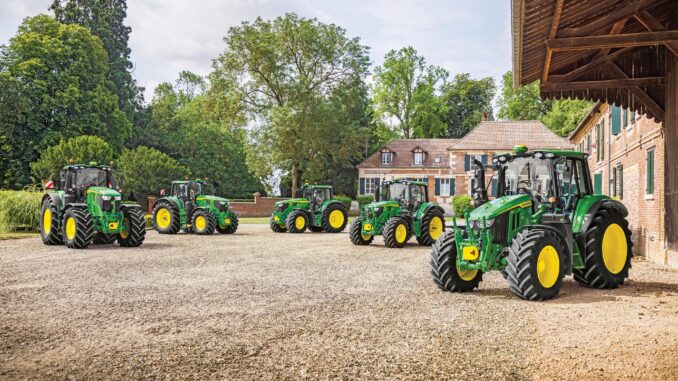
If you are looking for John Deere James River repair help, the safest starting point is to use James River Equipment’s parts support, MyDealer Portal access, and John Deere’s official manuals and parts resources before ordering parts or beginning repairs.
James River Equipment states that customers can order parts online, by phone, or through its 40-plus locations, and it specifically recommends having the machine model and serial number ready so the correct parts can be identified. John Deere also provides online parts and manuals support through its official parts and service pages, which makes those sources the best foundation for a DIY-friendly but accuracy-first repair guide.
John Deere James River model overview
John Deere James River is not a single tractor or mower model; it refers to James River Equipment, an authorized John Deere dealer network that supports John Deere equipment owners with parts ordering, manuals access, and repair tools. For that reason, the real repair process always begins by confirming the exact machine model, serial number, and, where applicable, the engine model before diagnosing faults or buying parts.
For homeowner and DIY users in the USA and Canada, that usually means identifying whether the machine is a lawn tractor, zero-turn mower, compact utility tractor, attachment, or another residential or light-duty Deere product before following any repair steps. This guide focuses on the practical path owners should follow: identify the machine correctly, diagnose by symptom, use official diagrams and manuals, then decide whether the job is suitable for DIY repair or better handled by a dealer.
General overview of the John Deere James River repair process
James River Equipment highlights three main support resources for self-repair customers: online parts ordering through MyDealer Portal, access to operator, diagnostic, and technical manuals, and Customer Service Advisor for diagnostics. That means the John Deere James River repair workflow is built around documentation first, parts second, and disassembly only after the correct fault path has been confirmed.
On most John Deere homeowner machines, the systems owners most often need to investigate are:
-
Engine and fuel system, especially for no-start, rough-running, or power-loss complaints.
-
Mower or attachment drive system, especially belts, blades, pulleys, or drive engagement components.
-
Electrical and safety system, including switches, battery-related faults, and interlock issues.
-
Chassis and motion system, which can include steering, traction drive, or transmission-related symptoms depending on the exact machine.
Because James River is a dealer rather than a single model, there is no single official service-parts list for “John Deere James River.” In practice, owners commonly end up buying service items such as engine oil filters, air filters, spark plugs, mower blades, deck belts, drive belts, batteries, fuel filters, shear bolts, skid shoes, or scraper edges depending on the machine category.
John Deere James River troubleshooting approach
The best repair method is symptom-first diagnosis, because the same visible problem can come from several different causes and the wrong assumption often leads to wasted parts orders. James River itself emphasizes model-and-serial-number accuracy when looking up parts, which supports a careful diagnostic approach rather than guessing by appearance alone.
For most homeowner John Deere equipment supported through James River Equipment, the main symptom groups are:
-
Starting issues, such as no crank, slow crank, or crank-no-start complaints.
-
Running issues, including surging, poor throttle response, smoke, or loss of power.
-
Cut or work-quality problems, such as poor mowing results, uneven cutting, or weak attachment performance.
-
Vibration and noise, often linked to rotating parts, worn hardware, or debris damage.
-
Overheating, leaks, or burning smells, which can quickly become more serious if ignored.
-
Transmission, drive, or traction complaints on ride-on equipment.
-
Electrical and safety-switch issues that prevent normal starting or operation.
Emergency John Deere James River repair needs
Some faults should be treated as immediate stop-use issues because they affect safe operation or can quickly damage more expensive components. If a machine has severe vibration, fuel leakage, burnt wiring smell, blade or driveline looseness, or a safety system that no longer works properly, it should be shut down before further use.
Starting issues
A no-start condition matters most when owners continue repeated cranking without checking fuel, battery condition, or safety inputs, because this can flatten the battery and obscure the real fault. On many Deere machines, the starting problem is not a major internal failure but a basic issue in the battery, terminals, switch circuit, or fuel delivery path.
Common causes:
-
Weak or discharged battery.
-
Dirty or loose battery terminals.
-
Faulty seat, brake, or PTO safety interlock.
-
Fuel delivery problem or stale fuel.
-
Ignition fault or starter-circuit issue.
Basic checks:
-
Confirm the machine is in the proper starting position, with PTO off and brake or clutch fully applied.
-
Inspect battery terminals for corrosion and verify cable connections are tight.
-
Confirm fresh fuel is present and any shutoff valves are in the correct position.
-
Check the operator’s manual and wiring/parts diagram before replacing electrical parts.
Cut-quality problems
Poor cut quality often shows up as ragged grass tips, streaks, scalping, or uneven height, and it usually gets worse if the machine keeps running with dull blades, belt slip, or deck buildup. This is one of the most common owner-facing complaints on Deere mowing equipment and is often realistic DIY territory if the deck is otherwise sound.
Common causes:
-
Dull, bent, or incorrectly installed blades.
-
Grass buildup under the deck.
-
Worn or slipping deck belt.
-
Deck level out of adjustment.
-
Spindle or pulley wear.
Basic checks:
-
Clean the underside of the deck safely with the machine shut down and secured.
-
Inspect blades for sharpness, bends, and correct orientation.
-
Check belt condition for glazing, cracking, or frayed edges.
-
Use the operator’s manual procedure to verify deck leveling before buying hard parts.
Vibration and noise
Sudden vibration should always be taken seriously because it can indicate a damaged blade, loose pulley hardware, failing bearing, or foreign-object impact. Continuing to run the machine can turn a simple repair into spindle, crankshaft, or deck-shell damage.
Common causes:
-
Bent or unbalanced blade.
-
Damaged spindle or bearing.
-
Loose mounting hardware.
-
Debris wrapped around rotating parts.
-
Worn belt or pulley issue.
Basic checks:
-
Stop using the machine immediately if vibration is severe.
-
Inspect blades, pulleys, and visible hardware before restarting.
-
Check for debris wrapped around shafts or trapped inside guards.
-
Move to dealer service if vibration remains after obvious external issues are corrected.
Overheating and leaks
Heat, smoke, oil seepage, or fuel odor should be treated quickly because they raise both fire risk and the chance of secondary engine damage. James River highlights repair information and service support for customers, which is especially important when a problem moves beyond simple inspection into live diagnostics.
Common causes:
-
Cooling-air blockage or debris buildup.
-
Low engine oil or fluid leakage.
-
Fuel line or tank seepage.
-
Belt drag, bearing drag, or overloading.
Basic checks:
-
Shut the machine off and allow it to cool fully before touching engine-area components.
-
Inspect for obvious oil, fuel, or melted insulation traces.
-
Clean debris from cooling areas and guards where the operator’s manual permits.
-
Use dealer support for persistent leaks, smoke, or overheating that returns after cleaning and fluid checks.
Transmission or drive problems
Drive complaints often appear as weak movement, loss of traction, failure to engage, or inconsistent response under load. Because adjustment procedures and component layouts vary by Deere machine type, owners should confirm the exact model and serial before replacing belts, linkage parts, or drive components.
Common causes:
-
Worn drive belt.
-
Linkage adjustment issue.
-
Transmission or hydrostatic unit fault.
-
Brake drag or wheel/hub issue.
Basic checks:
-
Verify tire condition and visible belt condition first.
-
Check that controls move freely and return correctly.
-
Review the operator’s or technical manual for any model-specific adjustment points.
-
Escalate to dealer service for internal transmission concerns.
Electrical problems
Electrical faults can appear as intermittent starting, dead accessories, blown fuses, or safety-switch lockout conditions. These can be simple, but replacing switches or harness parts without a wiring path often becomes expensive guesswork.
Common causes:
-
Corroded connectors.
-
Weak battery or charging issue.
-
Failed safety switch.
-
Harness damage or fuse failure.
Basic checks:
-
Inspect battery voltage condition and cable tightness first.
-
Check visible connectors, fuses, and switch plugs for corrosion or looseness.
-
Use official diagrams and technical information before condemning harnesses or modules.
-
Leave advanced electrical diagnosis to a dealer if the fault is intermittent or PIN-specific.
DIY or dealer for John Deere James River jobs
The usual dividing line is simple: routine service and visibly worn external parts are often reasonable DIY work, while serial-number-sensitive parts, internal transmission work, advanced electrical diagnosis, and any job requiring manufacturer diagnostic tools are better dealer jobs. James River explicitly notes that customers can access repair information and diagnostics support, but that does not mean every repair is practical without experience, tools, or safe lifting equipment.
Good DIY jobs
-
Engine oil and filter service on supported homeowner equipment.
-
Air filter and spark plug replacement where applicable.
-
Blade changes, deck cleaning, and simple belt inspection.
-
Battery replacement and terminal cleaning.
-
Shear bolts, skid shoes, and similar wear items on attachments.
Advanced DIY or dealer jobs
-
Electrical fault tracing beyond simple switch and fuse checks.
-
Internal transmission or hydrostatic repair.
-
Engine internal repair.
-
PIN-specific parts substitution where several versions exist.
-
Diagnostic-tool-dependent work using Customer Service Advisor or equivalent systems.
Skill level guide
-
Beginner: Filters, spark plugs, blades, battery service, deck cleaning.
-
Intermediate: Belt replacement, deck leveling, simple switch replacement, visible linkage adjustment.
-
Advanced: Electrical diagnosis, driveline teardown, transmission work, diagnostic-tool procedures.
Parts needed for John Deere James River repairs
Before ordering anything through James River Equipment, MyDealer Portal, or the Deere parts system, gather the full model name, the Product Identification Number or serial number, and, for engine-driven equipment, the engine model and serial details if the engine supplier uses its own parts breakdown. James River specifically advises customers to have the machine model and serial number ready when finding parts, because correct fitment can vary within what owners think is the same machine family.
OEM parts are the safer choice for belts, safety-switch components, fit-sensitive deck parts, and any part where the exact geometry matters. Aftermarket parts can be acceptable for some filters, blades, batteries, and routine consumables, but only when the cross-reference is tied to the exact John Deere model and serial range rather than a generic marketplace listing.
John Deere James River parts diagrams and manuals
The most useful sources for John Deere James River owners are the official Deere parts-and-manuals portal, James River Equipment’s MyDealer Portal access point, James River’s repair tools page, and a Deere-focused parts-lookup retailer that mirrors OEM diagram usage.
-
John Deere Parts & Services — official starting point for manuals, parts lookup, and owner support.
-
James River Equipment Parts — explains parts ordering, MyDealer Portal access, and the need to use model and serial information.
-
James River Equipment Repair Tools — outlines available repair information, diagnostics access, manuals, and Customer Service Advisor support.
-
Green Farm Parts lookup — useful as a Deere-focused aftermarket lookup aid once the correct OEM number is known.
The key point is to use diagrams and manuals to confirm the part number before shopping by price. That reduces the risk of ordering the wrong belt, blade, switch, or hardware kit for a serial-specific machine.
How to find John Deere James River model and serial numbers
These numbers matter because James River and John Deere both rely on the exact machine identity when linking you to the correct parts catalog, manual, and compatible repair components. Without them, even common service parts can be misidentified.
-
Clean the frame or machine identification area before searching, because tags are often dirty or partly hidden after regular use.
-
Locate the tractor or machine Product Identification Number tag on the frame or manufacturer identification area described in the operator’s manual.
-
For attachments, locate the attachment model and serial decal on the main frame, housing, or hitch area as shown in the official documentation.
-
For engine-driven machines, record the engine model, type, and serial information from the engine label as well as the Deere machine PIN.
-
Keep a photo of all identification tags before ordering parts online or visiting the dealer counter.
Buying John Deere James River parts online and in stores
The best buying strategy is to confirm the OEM number first, then compare buying channels based on speed, shipping, and how confident you are that the part is not serial-sensitive. James River’s own parts page emphasizes online ordering through MyDealer Portal, phone ordering, and in-store dealer support across its locations.
-
Online: Best for known part numbers, repeat service items, and routine wear parts once the exact model and serial have been confirmed.
-
Dealer counter: Best for confusing assemblies, serial-break parts, and jobs where a diagram needs to be checked with staff.
-
Retail stores: Fine for oils, generic batteries, spark plugs, and other consumables only when the packaging clearly cross-references the exact machine or engine.
Useful starting points:
Fitting John Deere James River service parts
Because “John Deere James River” covers many machines, the steps below are universal owner-level fitting guides rather than model-specific torque or routing procedures. Always confirm the exact procedure against the official operator’s or technical manual for the machine you own.
Replacing an air filter
A fresh air filter helps restore normal airflow and can improve starting, throttle response, and engine cleanliness on serviceable Deere machines.
-
Park the machine safely, shut it down, and allow the engine to cool.
-
Open the air-cleaner housing and remove the old element carefully so dirt does not fall into the intake.
-
Wipe the housing clean and inspect the seal surfaces.
-
Install the new element in the correct orientation and refit the cover securely.
-
Recheck the correct part number if the old and new filters do not match exactly.
Replacing a spark plug
A new spark plug can help with hard starting, rough idle, or weak combustion on gasoline-powered Deere equipment that uses serviceable plugs.
-
Let the engine cool fully and disconnect the plug lead.
-
Remove the old plug with the correct socket and inspect its condition for clues such as oiling or heavy carbon.
-
Verify the replacement plug matches the engine specification before installation.
-
Install and tighten to the engine maker’s specification from the manual.
-
Reconnect the plug lead firmly and test start the machine.
Replacing mower blades
New or sharpened blades improve cut quality and reduce grass tearing when the deck and spindle system are otherwise in good order.
-
Disable starting, secure the machine, and access the deck safely as described in the operator’s manual.
-
Remove each blade and inspect for bends, cracks, or abnormal wear.
-
Confirm the replacement blades match the deck size and center-hole pattern exactly.
-
Install blades in the correct orientation and tighten using the official procedure.
-
Test cut only after checking for free rotation and secure hardware.
Replacing a deck belt
A worn deck belt can cause poor blade speed, uneven cutting, or complete loss of mower drive.
-
Confirm the belt number from the model-specific parts diagram before removing the old belt.
-
Note or photograph the belt routing before disassembly.
-
Release tension safely and remove the old belt from pulleys and guides.
-
Install the new belt exactly as shown in the routing diagram.
-
Rotate the system by hand where safe to confirm the belt is seated correctly before operation.
Maintenance to prevent John Deere James River problems
Regular maintenance reduces misdiagnosis because it removes the common wear and neglect factors that often cause starting complaints, weak performance, and unnecessary parts replacement. James River’s support model is built around manuals, parts access, and repair information, which works best when owners follow scheduled service rather than waiting for breakdowns.
Focus areas for homeowner machines include:
-
Starting reliability, with attention to battery condition, clean terminals, fresh fuel, and basic ignition service.
-
Cut or work quality, with routine blade inspection, belt checks, and cleaning of packed debris.
-
Fire and overheating prevention, especially around engine cooling areas and leak checks.
-
Drive performance, including belt condition, visible linkage movement, and tire condition where relevant.
-
Electrical reliability, with periodic checks of switches, connectors, and charging-related symptoms.
John Deere James River maintenance schedule
The exact intervals vary by machine, so owners should use the official operator’s manual and maintenance chart for their serial-specific machine rather than applying a generic schedule blindly. Even so, the official Deere maintenance framework usually breaks service into before-use checks plus recurring hourly or seasonal inspections, which is the right way to plan owner maintenance.
Daily or before each use
-
Check engine oil level if the machine uses a dipstick service routine.
-
Inspect for loose hardware, fuel leaks, or oil leaks.
-
Clear visible debris from guards, intake areas, and work components.
-
Check tire condition or attachment condition as applicable.
Every 8 to 10 hours
-
Inspect belts, blades, or wear surfaces for obvious damage on heavily used homeowner equipment.
-
Clean grass, dust, or packed debris from the machine after use.
-
Recheck visible safety-related hardware and shields.
Every 25 hours
-
Inspect air filtration components and clean or replace if the manual allows.
-
Check battery terminals and visible electrical connections.
-
Inspect blade condition and deck cleanliness on mowing equipment.
Every 50 hours or yearly
-
Perform engine oil and filter service where specified by the official chart.
-
Replace routine ignition or filtration items as listed for the exact engine and machine.
-
Inspect belts, pulleys, and control linkages more closely for wear.
Every 200 hours or similar
-
Follow the model-specific manual for larger interval service points and dealer-level inspections.
-
Review whether hydrostatic, transmission, or advanced diagnostics checks are due on the exact machine.
Seasonal checklist
-
Spring or preseason: Install fresh service items, inspect belts and blades, confirm battery condition, and clean the machine thoroughly.
-
Mid-season or in-season: Recheck cut quality, debris buildup, and any new noises or vibration before they become larger repairs.
-
Fall or end-of-season: Clean the machine fully, address worn parts before storage, and use the operator’s manual for storage preparation steps.
Repair, upgrade, or replace on John Deere James River-supported equipment
In most cases, repair makes sense when the machine is structurally sound, the fault is isolated, and the correct OEM part can be identified confidently through Deere or James River resources. Upgrade becomes more sensible when the machine still works but no longer matches the workload, while replacement is often justified when recurring major repairs stack up across engine, drive, and electrical systems at the same time.
Repair if
-
The problem is limited to service items, belts, blades, switches, or other external wear parts.
-
The machine’s model and serial data are clear and the correct repair path is documented.
-
The cost is low relative to the condition of the rest of the machine.
Upgrade if
-
The machine is reliable but undersized for the property or attachment demands.
-
You are repeatedly pushing a homeowner machine into work better suited to a heavier-duty Deere platform.
Replace if
-
Multiple major systems need work at once, especially engine, transmission, and electrical faults together.
-
Correct parts are difficult to justify economically compared with the value of the machine.
-
Safety-related wear or structural deterioration makes continued use questionable.
John Deere James River troubleshooting FAQ
1. Why will my John Deere James River machine not start?
Most no-start complaints trace back to battery condition, cable corrosion, safety interlocks, fuel issues, or ignition-circuit faults rather than a catastrophic internal failure. Start with the machine’s correct start procedure, then check battery connections, fresh fuel, and visible switch issues before ordering parts.
2. Why does it crank but not fire?
A crank-no-start condition usually points more toward fuel delivery, ignition, stale fuel, or an engine-specific issue than a starter problem. Confirm the engine and machine details first so you can match the correct filters, plugs, and manual-based checks.
3. Why is the battery always going flat?
Repeated battery discharge can come from age, poor terminal contact, charging faults, or repeated short-run usage. Clean and tighten the terminals first, then move to charging-system checks if the problem returns.
4. Could a safety switch stop it from starting?
Yes, Deere machines commonly use safety interlocks such as seat, brake, or PTO-related switches that can prevent cranking or operation when they fail or fall out of adjustment. These are worth checking early, but do not bypass them permanently because they are safety-critical components.
5. Why does it start and then stall?
That pattern often suggests fuel delivery restriction, stale fuel, or an ignition-related problem that appears once the engine transitions from initial start to steady running. Basic service items and clean fuel are the first checks before deeper diagnosis.
6. Why is my engine surging?
Surging often points to inconsistent fuel flow, intake restriction, or mixture-related running instability on the exact engine fitted to the machine. Confirm the correct air and fuel service parts through the Deere parts system before replacing components at random.
7. Why is there black smoke?
Black smoke usually means the engine is running overly rich or airflow is restricted. A blocked air filter or fuel-related issue is more common than major internal engine damage on homeowner equipment.
8. Why is there white or blue smoke?
White or blue smoke can indicate oil burning, overfilling, or a more serious engine issue depending on when it appears and how long it lasts. If smoke persists after simple fluid-level checks, the machine usually moves beyond routine DIY service.
9. Why is it low on power?
Low power often comes from neglected service items, belt slip, debris buildup, or overloading rather than one single failed part. Work through air, fuel, spark, and driven-component checks in that order.
10. Why does it cut grass unevenly?
Uneven cutting is commonly linked to blade wear, deck buildup, deck-level issues, or belt speed loss. This is usually a high-value DIY check because the root cause is often visible once the deck is cleaned and inspected.
11. Why are the grass tips torn instead of cleanly cut?
Torn tips usually mean dull blades or poor blade speed. Sharpening or replacing blades and confirming the correct belt condition are the first practical fixes.
12. Why does the deck leave streaks?
Streaking often happens when one blade is damaged, the deck is packed with clippings, or blade overlap is not happening correctly because of belt or spindle issues. Inspect the cutting system as a whole rather than replacing only one visible part.
13. Why does the mower deck vibrate so much?
Deck vibration usually points to bent blades, damaged spindle components, loose hardware, or impact damage from debris. Severe vibration is a stop-use issue because it can quickly damage bearings and mounting points.
14. Why is there a loud rattling noise?
A rattle can come from loose guards, loose hardware, worn pulleys, or foreign material striking rotating parts. A quick visual inspection with the machine shut down often narrows this down before deeper disassembly is needed.
15. Why does the belt keep coming off?
A belt that repeatedly walks off is often a routing, pulley-alignment, tension, or worn-guide issue rather than just a “bad belt.” Always confirm the exact belt number and routing diagram from the correct parts source first.
16. Why does the belt burn or glaze?
Burning or glazing points to slippage, dragging components, incorrect belt specification, or a seized pulley or spindle. Replacing the belt alone rarely solves the problem if the driven system is binding.
17. Why are the blades not engaging properly?
Blade engagement trouble can come from belt wear, PTO issues, switch faults, or mechanical problems in the drive path. Check the visible drive system first, then move to electrical diagnosis if the PTO control path is suspect.
18. Why does it shake after hitting something?
Impact often bends a blade or damages a spindle or pulley even if the deck shell looks normal from above. Shut the machine down and inspect thoroughly before using it again.
19. Why is it overheating?
Overheating usually starts with blocked cooling areas, fluid issues, or overload-related heat buildup. Cleaning and inspection are the first steps, but ongoing overheating should not be ignored.
20. Why do I smell fuel?
Fuel smell suggests leakage, seepage, or a fuel-system connection problem that should be treated as an immediate safety concern. Do not keep operating the machine until the source is identified and corrected.
21. Why do I smell burning rubber?
A burning-rubber smell often points to belt slip or a dragging driven component. Inspect belts, pulleys, and any component that may be locked or overloaded before restarting.
22. Why will it not move properly?
Poor movement can be caused by drive belt wear, linkage issues, traction problems, or a deeper transmission fault. Because the layout varies by machine family, confirm the exact model before ordering drive components.
23. Why is the hydrostatic drive weak?
Weak hydro response can reflect wear, adjustment issues, or internal transmission problems that are not realistic for many homeowners to diagnose fully without model-specific information. Once basic external checks are done, this often becomes advanced DIY or dealer territory.
24. Why does it lose drive when hot?
Loss of drive after warming up can suggest a transmission-related issue, belt problem, or other heat-sensitive fault. Because that can become expensive guesswork, use the exact technical information for the machine before replacing major parts.
25. Why do the lights or accessories stop working?
That usually points to battery condition, fuse issues, connector corrosion, or wiring faults. Start with the simplest visible electrical checks before assuming a bad switch or harness.
26. Why does it blow fuses?
Blown fuses normally indicate a short, overload, or failed component in the circuit rather than a weak fuse itself. Replacing fuses repeatedly without tracing the cause can damage wiring.
27. Why should I use the model and serial number every time?
James River specifically advises having the model and serial number ready when finding parts, because correct part selection depends on exact machine identity. That is especially important for belts, switches, assemblies, and any part that changed within a production run.
28. Are OEM parts worth it?
OEM parts are usually worth it for belts, safety-related items, and fit-sensitive components because those areas are less forgiving of near-match substitutes. Aftermarket options can work for some consumables if the cross-reference is exact.
29. Where can I get official manuals?
John Deere’s official parts and service pages are the best starting point for manuals, and James River also states that operator, diagnostic, and technical manuals are available to customers through its support channels. That makes official Deere and authorized dealer resources the safest first stop.
30. Where can I see parts diagrams?
Use John Deere’s official parts resources first, then James River’s MyDealer Portal access path, because those are designed around exact model and serial identification. Deere-focused aftermarket lookup sites can help, but they work best after the OEM number has been confirmed.
31. When should I stop and use a dealer?
Move to dealer service when the repair involves internal transmission work, persistent electrical diagnosis, advanced diagnostics software, or any safety-critical problem you cannot confirm confidently. That decision usually saves money compared with swapping parts blindly.
32. Is James River Equipment a good place to buy John Deere parts?
James River Equipment is an authorized John Deere dealer that offers genuine parts, online ordering options, and support from parts specialists, which makes it a strong option for owners who want OEM-backed fitment support. It is especially useful when the part is model- or serial-sensitive.
33. Can I buy parts online instead of going to the dealer?
Yes, James River says customers can order parts online, over the phone, or at its locations, and Deere also provides online parts support. Online ordering works best once the exact OEM number has already been confirmed.
34. What is Customer Service Advisor used for?
James River explains that Customer Service Advisor is a diagnostic tool that allows end users to perform diagnostics and get repair guidance on their machines. It is most useful when a fault goes beyond basic owner checks and requires a more structured diagnostic path.
35. What is the smartest way to avoid repeat repairs?
Follow the official maintenance chart, keep the machine clean, record model and serial information, and use diagrams before ordering parts. Most repeat repairs come from deferred maintenance, incorrect part identification, or continuing to run a machine after early warning symptoms appear.