
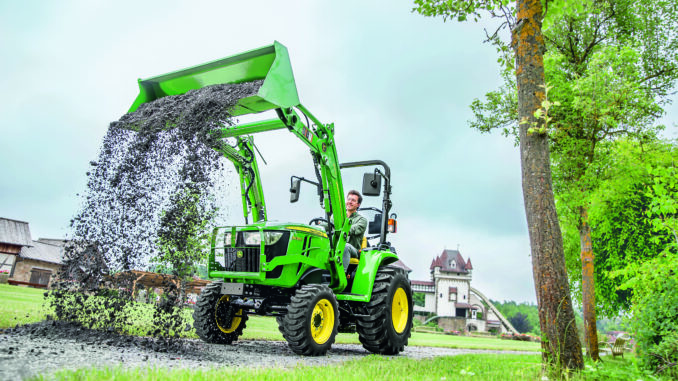
The John Deere 1020 is a compact utility tractor from Deere’s older 20 Series, sold in several configurations including utility and row-crop variants, with gasoline and diesel versions depending on specification. For owners in the USA and Canada, it remains a practical machine for mowing, loader work, blade work, light field jobs, and general acreage maintenance, but age now makes careful diagnosis, correct parts identification, and routine servicing more important than ever.
This guide is built for homeowners, acreage owners, and DIY users who are comfortable doing basic service and some intermediate repairs at home. It covers John Deere 1020 repair priorities, troubleshooting steps, maintenance planning, parts lookup strategy, and a detailed FAQ so owners can decide what is realistic to fix themselves and what is better handled by a dealer or experienced tractor shop.
General overview of the John Deere 1020
The John Deere 1020 sits in Deere’s small utility tractor range and was offered in several chassis formats, including LU, RU, and HU versions listed in the operator’s manual and parts catalog. Shipping weight in the operator’s manual is roughly in the 3,790 to 4,750 lb range depending on version and engine, which helps explain why the tractor feels much heavier-duty than a typical lawn and garden machine.
The key systems on a John Deere 1020 that matter most for owners are:
-
Engine and fuel system, including gasoline ignition parts or diesel fuel delivery and bleeding points.
-
Cooling system, including radiator, thermostat, fan belt, and water pump.
-
Transmission and hydraulic system, including sump screen, transmission oil filter, hydraulic pump, selective control valves, and rockshaft components.
-
Electrical system, including battery, starter, alternator/regulator, ignition switch, lights, and circuit breaker.
-
PTO, clutch, brakes, steering, and 3-point hitch systems, all of which show up repeatedly in the operator and parts documentation.
Common service parts owners often look for on a John Deere 1020 include the engine oil filter, transmission oil filter, fuel filter element, air cleaner element, spark plugs on gasoline tractors, fan belt, battery, coolant hoses, and light electrical parts such as the ignition switch or starter solenoid. Exact OEM numbers can vary by serial number and by gasoline versus diesel configuration, so Deere’s own catalog structure makes the Product Identification Number critical before ordering.
John Deere 1020 troubleshooting approach
The best way to troubleshoot a John Deere 1020 is to start with the symptom, not with a random part swap. The operator’s manual includes a dedicated troubleshooting section, and that matches real-world practice: identify what the tractor is doing, narrow the system involved, then confirm the failure with simple checks before ordering parts.
The main symptom groups for a John Deere 1020 are:
-
Starting issues.
-
Running or power-loss issues.
-
Hydraulic and 3-point hitch problems.
-
Transmission or drive complaints.
-
Overheating and leaks.
-
Electrical faults.
-
Brake, steering, or PTO problems.
Because these tractors are older, many problems are caused by neglected maintenance, dirty fuel, poor electrical connections, worn hoses, aged wiring, and serial-number-specific parts being replaced with the wrong components. Owners usually save time by checking fuel flow, battery condition, fluid levels, linkage adjustment, and filter condition before assuming a major internal failure.
Emergency and immediate repair needs on a John Deere 1020
Some faults on a John Deere 1020 should stop use immediately because they can damage expensive components or create a safety risk. If the tractor loses oil pressure, overheats badly, has failing brakes, major hydraulic leaks, fuel leaks near hot engine parts, or severe driveline noise, shut it down and inspect before using it again.
John Deere 1020 starting issues
A no-start on a John Deere 1020 matters because repeated cranking can flatten the battery, overheat the starter, and hide the real cause. On diesel tractors, air in the fuel system is a common issue after running low on fuel or after filter service, and the operator’s manual specifically covers bleeding the diesel fuel system.
Common causes:
-
Weak or discharged battery.
-
Dirty or loose battery cables.
-
Bad ground connection.
-
Faulty ignition switch or starter circuit.
-
Fuel contamination or restricted fuel filter.
-
Air in diesel fuel lines.
-
Ignition faults on gasoline versions.
-
Engine safety or clutch-related starting procedure issues.
Basic owner checklist:
-
Check battery voltage and clean both cable ends.
-
Confirm the tractor is in the proper starting condition and controls are set correctly.
-
Check for fuel at the tank and filter.
-
On diesel models, bleed the fuel system if it has been opened or run dry.
-
On gasoline models, inspect spark plugs, ignition lead condition, and basic spark presence.
John Deere 1020 hydraulic and hitch problems
Hydraulic and 3-point problems matter because poor lift performance often gets worse fast if the system is low on oil, full of contamination, or starving the pump. A slow or weak hitch, noisy hydraulics, or erratic remote function usually points to fluid, filter, screen, linkage, pump, or internal leakage problems rather than a single obvious part.
Common causes:
-
Low transmission-hydraulic oil.
-
Restricted transmission oil filter.
-
Dirty transmission sump screen.
-
Air leaks or worn hydraulic pump.
-
Internal leakage in rockshaft or selective control valve circuits.
-
Linkage misadjustment.
-
Cold, contaminated, or incorrect oil.
Basic owner checklist:
-
Verify oil level with the correct procedure.
-
Inspect oil condition for milkiness, debris, or burnt smell.
-
Replace the transmission oil filter if service history is unknown.
-
Check for external leaks at hoses, couplers, and housings.
-
Test whether the issue affects only one function or all hydraulic functions.
Vibration and noise on a John Deere 1020
Unusual vibration on a John Deere 1020 should not be ignored because it can come from rotating parts that can fail more dramatically if use continues. Engine vibration, fan belt noise, PTO noise, brake noise, or driveline knocks all need to be isolated by system before parts are replaced.
Common causes:
-
Loose wheel hardware.
-
Damaged or unbalanced PTO implement.
-
Worn fan belt or pulley issue.
-
Clutch or release bearing wear.
-
Brake component wear.
-
Engine misfire.
-
Steering or front axle wear.
Basic owner checklist:
-
Determine whether the noise changes with engine speed, ground speed, or PTO engagement.
-
Inspect wheel fasteners and front axle play.
-
Check belt condition and pulley alignment.
-
Run the tractor briefly without the implement attached if safe.
-
Stop immediately if there is grinding, knocking, or a hot bearing smell.
John Deere 1020 overheating and leaks
Overheating and leaks on an older John Deere 1020 can turn a manageable repair into an engine rebuild if ignored. The operator’s manual covers cooling system service, and age-related issues such as clogged screens, weak belts, old hoses, and neglected coolant are common contributors.
Common causes:
-
Low coolant.
-
Dirty radiator or grille screen.
-
Loose or worn fan belt.
-
Failing thermostat.
-
Water pump problems.
-
Engine oil leak.
-
Fuel leak from lines or fittings.
-
Hydraulic leak under pressure.
Basic owner checklist:
-
Clean the radiator area and grille screens.
-
Check coolant level only when the engine is cool.
-
Inspect belt tension and hose condition.
-
Look underneath for oil, fuel, or hydraulic drips.
-
Do not keep running the tractor hot to “finish the job.”
John Deere 1020 transmission and drive problems
Transmission and drive complaints often feel like a major failure, but external causes still need to be ruled out first. On a John Deere 1020, clutch adjustment, linkage wear, oil condition, brake drag, or internal transmission-hydraulic issues can all affect how the tractor shifts and moves.
Common causes:
-
Clutch wear or poor adjustment.
-
Low or contaminated transmission-hydraulic oil.
-
Restricted filter or sump screen.
-
Internal wear in transmission components.
-
Brake drag.
-
Final drive or axle issues.
Basic owner checklist:
-
Confirm the clutch pedal free play and operation feel.
-
Check whether the tractor slips only under load or all the time.
-
Verify oil level and service history.
-
Listen for gear noise in specific ranges.
-
Stop use if the tractor will not disengage cleanly or makes heavy internal noise.
Electrical problems on a John Deere 1020
Electrical faults on a John Deere 1020 are often simple but frustrating because corrosion and old wiring create intermittent faults. The operator’s manual includes service coverage for the battery, starter, alternator, regulator, and circuit breaker, which are still the core places to begin.
Common causes:
-
Weak battery.
-
Corroded grounds.
-
Bad cable ends.
-
Faulty ignition switch.
-
Starter or solenoid failure.
-
Charging system problem.
-
Damaged wiring or poor previous repairs.
Basic owner checklist:
-
Load-test the battery if possible.
-
Clean grounds before replacing electrical parts.
-
Inspect the main battery cables for internal corrosion.
-
Check whether the alternator is charging after start-up.
-
Inspect the harness for brittle insulation or amateur splices.
DIY or dealer for John Deere 1020 repair?
The John Deere 1020 is very owner-serviceable for routine maintenance and many straightforward repairs, but the line usually gets crossed when internal hydraulic, clutch, transmission, injection, or engine work is involved. Age also means many repairs become harder because rusted fasteners, worn castings, and previous-owner modifications complicate what looked simple on paper.
Good DIY jobs
-
Engine oil and filter changes.
-
Air cleaner service.
-
Fuel filter replacement and diesel fuel bleeding.
-
Spark plug service on gasoline models.
-
Battery, cables, and light electrical work.
-
Fan belt replacement.
-
Cooling system hose replacement.
-
Greasing and basic inspections.
Advanced DIY or dealer jobs
-
Hydraulic pump diagnosis or replacement.
-
Rockshaft/internal hydraulic repairs.
-
Clutch splitting work.
-
Transmission internal repair.
-
Brake internal repair.
-
Injection pump or injector work.
-
Cylinder head or engine overhaul work.
Skill level guide
-
Beginner: filters, fluids, greasing, battery service, radiator cleaning.
-
Intermediate: fan belt, hose replacement, tune-up work, diesel bleeding, minor wiring repairs.
-
Advanced: hydraulic diagnosis, clutch work, brake teardown, pump work, engine internal repair.
Parts needed for a John Deere 1020: OEM vs aftermarket
Before ordering parts for a John Deere 1020, gather the full model, the tractor serial number or PIN information, the engine type, and whether it is a gasoline or diesel machine. Deere’s own parts catalog explains that serial-number breaks matter, and a part shown in one range may not apply to all tractors.
You should also note:
-
Full model name: John Deere 1020.
-
Configuration: LU, RU, HU, or other version if known.
-
Engine type: gasoline or diesel.
-
Serial number/PIN from the tractor identification plate.
-
Any major option differences such as PTO, hydraulics, steering, or front axle setup.
OEM parts are usually the safer choice for belts, gaskets, hydraulic parts, ignition switches, and fit-sensitive or safety-related components. Aftermarket parts can be perfectly acceptable for common filters, spark plugs, hoses, batteries, and some tune-up items, but only when the cross-reference is based on the exact tractor configuration and serial range.
Where to find John Deere 1020 manuals and diagrams
Owners looking after a John Deere 1020 should keep both an operator’s manual and a parts reference close by, because maintenance intervals, procedures, and serial-number differences all matter. These are the most useful starting points:
-
John Deere 1020/2020 operator’s manual reprint PDF via Jensales — useful for operation, lubrication, periodic service, storage, and troubleshooting.
-
John Deere 1020 parts manual reprint PDF via Jensales — useful for exploded diagrams, part categories, and serial-number-sensitive parts lookup.
-
John Deere Parts Catalog — Deere’s official catalog entry point for current diagrams and dealer-facing parts identification.
-
Yesterday’s Tractors John Deere 1020 parts page — useful as an aftermarket/reference source once you already know the OEM number or application.
How to locate John Deere 1020 model, serial, and engine numbers
These numbers matter because the John Deere 1020 used serial-number breaks in the parts catalog, and engine-related parts may differ between gasoline and diesel versions. Getting this wrong is one of the easiest ways to order the wrong filter, gasket, or driveline part.
Use this simple process:
-
Find the tractor identification plate and record the full model and serial number.
-
Confirm whether the tractor is gasoline or diesel from the engine layout and existing service parts.
-
Check the engine block or engine tag for engine-specific identification where present.
-
Note front axle style, PTO setup, and any visible aftermarket modifications.
-
Take clear photos of the plate, engine side, and old part before ordering replacements.
Buying John Deere 1020 parts online and in stores
The best buying strategy for a John Deere 1020 is to identify the OEM number first, then compare prices and availability. That matters more on older Deere tractors than on newer consumer equipment because serial breaks and running changes are common.
-
Online: best for cross-checking diagrams and buying common service parts once the part number is confirmed.
-
Dealer counter: best for serial-number-specific hydraulic, transmission, steering, and engine components.
-
Retail farm/auto stores: acceptable for consumables like fluids, battery, hoses, and some filters if the packaging clearly matches the correct application.
Useful sources include John Deere Parts Catalog, Jensales manuals, and Yesterday’s Tractors 1020 parts.
Step-by-step fitting guide for common John Deere 1020 parts
These are among the most realistic DIY service jobs for a John Deere 1020 owner with basic tools. Always work on level ground, shut the engine off, and let hot systems cool before starting.
John Deere 1020 engine oil and filter change
This service helps protect an older engine from wear and contamination buildup.
-
Warm the engine briefly, then shut it down and park safely.
-
Drain the oil into a large catch pan and remove the oil filter.
-
Clean the sealing surface and install the new filter with a lightly oiled gasket.
-
Refit the drain plug with the correct washer if needed.
-
Refill with the correct oil type and quantity for your engine version, then recheck after running briefly.
John Deere 1020 fuel filter replacement and diesel bleeding
This job often fixes hard starting, poor running, and fuel starvation on diesel tractors.
-
Shut off fuel if the tractor has a shutoff valve.
-
Remove the old filter element and seals carefully.
-
Install the new element and any supplied O-rings in the correct order.
-
Open the bleed point and use the lift/priming method until clear fuel appears.
-
Continue bleeding as required by the manual until the engine starts and runs cleanly.
John Deere 1020 air cleaner service
A restricted air cleaner can reduce power and increase smoke or poor combustion.
-
Open the cleaner housing and inspect the element.
-
Empty any pre-cleaner or dust collection area if fitted.
-
Replace the element if dirty, damaged, or oil-soaked.
-
Wipe the housing clean and inspect intake connections for leaks.
-
Reassemble carefully so unfiltered air cannot bypass the element.
John Deere 1020 fan belt inspection or replacement
This job helps prevent overheating and charging problems.
-
Inspect the belt for cracks, glazing, or frayed edges.
-
Loosen the alternator or adjusting point as required.
-
Remove the old belt and compare the new one to the original.
-
Install the new belt and set proper tension.
-
Recheck alignment and tension after a short run period.
Maintenance to prevent John Deere 1020 problems coming back
Regular maintenance prevents many of the most common John Deere 1020 failures because this tractor depends heavily on clean fluids, good cooling airflow, sound electrical connections, and timely lubrication. Most repeat breakdowns on older tractors come from missed basic service rather than dramatic one-time failures.
Focus areas:
-
Starting reliability: keep the battery charged, cables clean, and fuel system free of air or restriction.
-
Engine life: change engine oil and filter on schedule and watch for overheating.
-
Hydraulic performance: keep the transmission-hydraulic oil, filter, and screen in serviceable condition.
-
Cooling protection: keep radiator and screens clean and maintain the fan belt and coolant system.
-
Electrical reliability: clean grounds and repair poor wiring before it strands the tractor.
John Deere 1020 maintenance schedule and year-round checklist
The operator’s manual lays out periodic service intervals that include as-required, daily or 10-hour, 50-hour, 250-hour, 500-hour, 1000-hour, seasonal, and annual service categories. For practical homeowner use, the checklist below translates that into a simpler service rhythm while staying aligned with the official maintenance structure.
Daily / before each use
-
Check engine oil level.
-
Check coolant level and look for leaks.
-
Inspect fuel supply and obvious fuel leaks.
-
Walk around the tractor for loose hardware, tire issues, and fluid drips.
-
Check radiator/grille area for debris.
Every 10 hours or daily work use
-
Grease routine lubrication points shown in the manual’s periodic service section.
-
Inspect the air cleaner and pre-cleaner condition.
-
Check fan belt condition and general engine compartment cleanliness.
Every 50 hours
-
Perform the 50-hour lubrication and service items listed in the operator’s manual.
-
Inspect battery condition and cable connections.
-
Check transmission-hydraulic system condition for leaks or contamination.
Every 250 hours
-
Complete the 250-hour lubrication and periodic service items in the manual.
-
Service filters as required by your engine and hydraulic setup.
-
Inspect steering, brake, and hitch components for wear.
Every 500 hours
-
Carry out the manual’s 500-hour service items.
-
Check cooling system components more closely, including hoses and thermostat-related symptoms.
-
Inspect charging and starting systems for aging electrical issues.
Every 1000 hours or major annual review
-
Follow the manual’s 1000-hour service items.
-
Consider a deeper inspection of clutch, hydraulics, brakes, and steering if the tractor sees regular work.
-
Replace neglected fluids and filters if service history is unknown.
Seasonal checklist for a John Deere 1020
-
Spring: change overdue fluids, clean the cooling system area, inspect battery and lights, and test hydraulics before heavy use.
-
Mid-season: recheck belt tension, air cleaner condition, and any seepage around hoses or seals.
-
Fall or storage season: clean the tractor, address leaks, stabilize storage conditions, and follow the manual’s tractor storage guidance.
Repair, upgrade, or replace a John Deere 1020?
A John Deere 1020 is often worth repairing when the tractor is structurally sound and the problem is limited to maintenance, external hydraulics, fuel delivery, charging, cooling, or moderate wear items. Replacement becomes easier to justify when the machine has stacked problems across engine, clutch, hydraulics, and transmission at the same time.
Repair if…
-
The engine is fundamentally sound.
-
Hydraulics work but need service.
-
The issue is electrical, cooling, fuel, belt, filter, or hose related.
-
The tractor is otherwise a good fit for your property.
Upgrade if…
-
You need more live hydraulic performance or easier parts support.
-
You need more safety features, better operator comfort, or easier implement compatibility.
-
Your current 1020 is usable but no longer ideal for the workload.
Replace if…
-
The tractor needs engine, clutch, and hydraulic/transmission work at the same time.
-
Parts sourcing has become too slow or uncertain for your needs.
-
Downtime now costs more than moving to a newer machine.
John Deere 1020 troubleshooting FAQ
1. Why will my John Deere 1020 not start?
On a John Deere 1020, start with battery condition, cable ends, grounds, and the basic starting circuit before assuming a fuel or engine problem. If it is a diesel model, air in the fuel system after running low or changing filters is a common cause, and the operator’s manual specifically includes diesel fuel bleeding procedures. If it is a gasoline tractor, check for spark, plug condition, and obvious ignition faults before chasing deeper causes.
2. Why does my John Deere 1020 crank but not fire?
That usually means the starter circuit is working but fuel, spark, or timing is not reaching the engine the way it should. On diesel tractors, suspect fuel restriction or air first; on gasoline tractors, inspect spark plugs, wires, and ignition components. Also confirm the tractor has fresh fuel and that shutoff or choke settings are correct.
3. Why is my John Deere 1020 hard to start when cold?
Cold starts get harder when compression is lower, battery power is weak, oil is heavy, or the fuel system is marginal. Diesel models are especially sensitive to air leaks, weak cranking speed, and filter restriction. A clean fuel system, healthy battery, and correct seasonal fluids usually improve cold-weather starting noticeably.
4. Why does my John Deere 1020 diesel need bleeding so often?
Repeated bleeding usually means air is getting into the fuel system somewhere rather than the tractor simply “needing primed.” Common causes are loose fittings, aging seals around filter housings, fuel line issues, or a tank-side restriction that was disturbed after running low. Fix the leak path first, or the hard-start problem keeps returning.
5. Why does my John Deere 1020 gasoline engine misfire?
Misfire on a gasoline 1020 often comes from worn spark plugs, weak ignition components, poor fuel delivery, or an air-fuel issue in the carburetor system. Check plugs, wires, coil-related components, and fuel condition before assuming internal engine trouble. A tractor that sits for long periods is especially vulnerable to stale fuel issues.
6. Why does my John Deere 1020 lose power under load?
Loss of power under load usually points to fuel starvation, restricted air intake, ignition weakness on gas models, or deeper engine wear if the basics check out. On a working tractor, a dirty air cleaner or restricted fuel filter is a much more common cause than a catastrophic failure. Start with filters and fuel flow before tearing deeper into the engine.
7. Why is my John Deere 1020 blowing black smoke?
Black smoke usually means the engine is getting more fuel than clean air, or combustion quality has dropped. On diesel tractors, check the air cleaner, intake path, and injector/fuel delivery condition first. A loaded tractor may haze briefly, but heavy continuous smoke deserves attention.
8. Why is my John Deere 1020 overheating?
The most common reasons are low coolant, dirty radiator fins or screens, a loose or worn fan belt, thermostat trouble, or water pump issues. Because this is an older tractor, external dirt buildup and neglected coolant service are very common factors. Stop and correct the cause rather than continuing to run it hot.
9. Why is my John Deere 1020 leaking coolant?
Coolant leaks often come from hoses, clamps, radiator seams, the water pump area, or gasket-related engine faults. Small leaks can become overheating problems quickly once the tractor is working hard. Clean the system area first so you can identify the exact source instead of guessing.
10. Why is there oil under my John Deere 1020?
Oil under the tractor may come from the engine, transmission-hydraulic system, steering, or a simple drip from a filter or drain point. On older tractors, seepage is common, but active drips still need tracing because they can turn into low-fluid damage. Confirm whether the oil is engine oil or hydraulic/transmission oil before ordering parts.
11. Why is my John Deere 1020 hydraulic system slow?
Slow hydraulics usually mean low oil, dirty oil, a restricted transmission oil filter, a dirty sump screen, internal leakage, or pump wear. If every hydraulic function is weak, suspect supply-side issues first; if only one function is weak, think more locally about that circuit. Cold weather can also make hydraulics feel sluggish until the oil warms.
12. Why will my John Deere 1020 3-point hitch not lift?
A no-lift hitch can be caused by low hydraulic oil, filter restriction, pump issues, linkage problems, or internal leakage in the rockshaft system. Start with oil level and service history because neglected filters and contaminated oil are common on older tractors. If remotes also do not work correctly, the problem is likely more central than the hitch itself.
13. Why does my John Deere 1020 hitch drop after lifting?
That usually points to internal leakage, valve wear, or rockshaft sealing issues rather than a simple external adjustment problem. A slow drop may be manageable for light use, but fast leak-down often means internal repair is coming. Distinguish between drift with the engine off and poor holding under load with the engine running.
14. Why are my John Deere 1020 remotes weak?
Weak selective control valve performance can result from system-wide hydraulic weakness, coupler issues, valve wear, or contamination. Check whether the hitch is strong; if both remotes and hitch are weak, look at oil supply, filter, screen, and pump condition first. Also inspect couplers and hoses for obvious restriction or leakage.
15. Why does my John Deere 1020 make hydraulic noise?
Hydraulic whining or growling often means aeration, low oil, cold thick oil, filter restriction, or pump wear. Noise that appears with weak performance is more serious than harmless background sound. If the oil is milky or foamy, contamination or air entry needs attention quickly.
16. Why is my John Deere 1020 transmission hard to shift?
Hard shifting can come from clutch adjustment issues, dragging clutch parts, linkage wear, or internal transmission wear. Confirm the clutch is fully releasing before blaming the gearbox. If the tractor creeps with the pedal down, that is an important clue.
17. Why does my John Deere 1020 clutch slip?
A slipping clutch usually shows up under load even if the tractor moves normally at light throttle. Wear, contamination, or adjustment problems are common causes, but internal clutch work usually moves this into advanced DIY or shop territory. Continuing to work it while slipping can damage related parts further.
18. Why does my John Deere 1020 not move properly?
If the engine runs but ground travel is weak or inconsistent, check clutch behavior, brakes dragging, fluid condition, and whether the issue affects all gears equally. A transmission-hydraulic service issue can sometimes mimic more serious drivetrain failure. Heavy internal noise, however, is a sign to stop and investigate before further use.
19. Why are the brakes weak on my John Deere 1020?
Weak brakes may come from wear, hydraulic brake issues, contamination, or adjustment-related faults. Because brake performance is a safety issue, it should not be put off on a utility tractor. If braking is uneven side to side, inspect sooner rather than later.
20. Why does my John Deere 1020 steer hard?
Hard steering can be caused by front axle wear, tire issues, low or faulty hydraulic assist on equipped tractors, or steering component wear. Check tire inflation and front-end loading first, then look at steering linkage and hydraulic support components where fitted. Steering complaints often get worse gradually, so owners adapt to them longer than they should.
21. Why is my John Deere 1020 battery always dead?
A recurring dead battery usually points to poor charging, a worn battery, dirty cables, or parasitic loss from bad wiring or switch issues. The operator’s manual includes battery and alternator service topics, and those remain the first places to check. Clean connections solve more old-tractor electrical problems than many owners expect.
22. Why is my John Deere 1020 not charging?
If the battery light behavior is wrong or voltage stays low after start-up, inspect the alternator, regulator, belt condition, and wiring connections. A loose or glazed fan/alternator belt can affect charging and cooling at the same time. On older machines, poor grounds and brittle wiring are common contributors.
23. Why does my John Deere 1020 starter click but not crank?
That usually means the solenoid is trying to engage but the battery, cables, ground path, or starter itself cannot carry enough current. Load-test the battery and clean every high-current connection before replacing the starter. Internal corrosion in old battery cables is very common on vintage tractors.
24. Why are the lights weak on my John Deere 1020?
Weak lights often come from low charging voltage, bad grounds, corroded lamp connections, or aged wiring. Since the electrical system is simple, voltage-drop testing usually finds the issue faster than random parts replacement. Start with battery and charging condition, then work outward to switches and lamps.
25. Why does my John Deere 1020 PTO act up?
PTO problems can relate to clutch adjustment, linkage issues, worn PTO components, or operator-control setup. The operator’s manual discusses PTO operation and clutch pedal positioning for continuous-running PTO use, so incorrect setup is worth ruling out before deeper teardown. If the PTO grinds, slips, or keeps turning when it should stop, more detailed diagnosis is needed.
26. Why is my John Deere 1020 fan belt squealing?
A squealing belt is usually loose, glazed, contaminated, or misaligned. Because the same belt system supports cooling and charging, this is not a noise to ignore. Replace a cracked or hardened belt rather than just over-tightening it.
27. How often should I service a John Deere 1020?
The operator’s manual lays service out by several intervals, including daily or 10-hour, 50-hour, 250-hour, 500-hour, and 1000-hour checks, plus seasonal and annual items. For a homeowner tractor, the key is consistency: fluids, filters, lubrication, cooling checks, and battery care done on time prevent most avoidable issues. A tractor with unknown service history should usually get a full baseline service first.
28. What oil filter does a John Deere 1020 use?
The safest answer is to verify by exact engine version and serial/application rather than by model name alone, because the parts catalog is serial-number sensitive and the tractor was built in both gasoline and diesel forms. After you identify the correct OEM part number, you can cross-reference it to quality aftermarket options if needed. Avoid buying a filter based only on a generic marketplace listing.
29. What fuel filter does a John Deere 1020 use?
That depends on whether the tractor is gasoline or diesel and, on diesel models, whether it has a single or dual filter arrangement as shown in the parts catalog. This is another part that should be matched to the actual tractor rather than guessed from forum memory. Confirm the housing setup before ordering.
30. What spark plugs fit a John Deere 1020?
Spark plugs apply only to gasoline versions, and the parts catalog confirms spark plug coverage as a model service category. The exact plug should be matched to the engine setup and then cross-referenced from the correct OEM application. Do not use gasoline ignition parts information on a diesel tractor.
31. Is the John Deere 1020 easy to work on?
Compared with many modern compact tractors, the John Deere 1020 is relatively straightforward for basic service because systems are simpler and access is usually better. The challenge is not complexity so much as age, seized hardware, worn wiring, and unknown previous repairs. For owners with patience and manuals, it is generally a very workable tractor.
32. Is a John Deere 1020 worth repairing?
In many cases, yes, especially when the tractor’s core engine, transmission, and hydraulics are fundamentally sound and the needed work is external or maintenance-related. It becomes harder to justify when multiple major systems need rebuilding at once. The tractor’s actual condition matters far more than its age alone.
33. Where can I get John Deere 1020 parts diagrams?
The best sources are Deere’s parts catalog entry point and a 1020 parts manual reference, which shows the exploded assemblies and serial-number usage notes. For buyers who already know the part number, aftermarket suppliers such as Yesterday’s Tractors can help with availability checks. Start with the diagram, not the shopping site search bar.
34. What is the biggest mistake owners make with a John Deere 1020?
The biggest mistake is ordering parts or chasing repairs before confirming the exact symptom, engine type, and serial-number-specific application. Close behind that is skipping baseline service on a tractor with unknown history. Clean fluids, correct filters, good electrical connections, and proper diagnosis solve a surprising number of “major” complaints on these machines.
Common engine issues on a John Deere 1020
Because the John Deere 1020 was sold in both gasoline and diesel forms, common engine issues vary slightly by version, but the owner-visible symptoms are usually the same: hard starting, rough running, smoke, overheating, low power, and oil leaks. The best approach is still symptom-first diagnosis, starting with fuel, air, spark on gas models, cooling condition, oil level, and visible leaks before assuming internal engine damage.
Hard starting or no-start engine problems
A John Deere 1020 that cranks but does not start often has a basic fuel, ignition, or cranking-speed problem rather than a catastrophic engine failure. Diesel versions are especially sensitive to air in the fuel system, restricted fuel filters, and poor bleeding after service, while gasoline versions more often point to spark plugs, ignition wiring, coil-related faults, or carburetion issues.
Common causes:
-
Weak battery or slow cranking speed.
-
Air in the diesel fuel system.
-
Restricted or dirty fuel filter.
-
Stale fuel or fuel contamination.
-
Worn spark plugs or weak spark on gasoline models.
-
Dirty carburetor or poor choke operation on gasoline models.
Basic checks:
-
Confirm the engine is cranking at normal speed.
-
Check for clean fuel supply and filter condition.
-
Bleed the diesel fuel system if filters were changed or the tractor ran low on fuel.
-
On gasoline tractors, inspect spark plugs, plug wires, and spark quality.
-
If cranking is slow, test the battery, ground cable, and starter circuit before replacing fuel-system parts.
John Deere 1020 low power and rough running
Low power on a John Deere 1020 often shows up as bogging under load, uneven running, slow throttle response, or an engine that sounds fine at idle but struggles in work. In many cases, the root cause is restricted air intake, fuel delivery problems, overheating, or poor tune condition on gasoline models rather than a worn-out engine.
Common causes:
-
Dirty air cleaner.
-
Restricted fuel line or clogged filter.
-
Incorrect fuel or contaminated fuel.
-
Ignition tune issues on gasoline models.
-
Injector or injection-timing-related faults on diesel models.
-
Engine overheating reducing power.
Basic checks:
-
Inspect and service the air cleaner first.
-
Replace suspect fuel filters and verify steady fuel flow.
-
Check whether the problem appears only under load or also at idle.
-
On gas models, inspect plugs and ignition components.
-
If basic service does not help, move toward compression, injector, or timing diagnosis.
Smoke from the John Deere 1020 engine
Smoke color is one of the most useful engine clues on a John Deere 1020. Black smoke usually points to too much fuel or not enough air, white smoke suggests poor combustion or fuel-delivery issues, and blue smoke points more toward oil burning.
Common causes:
-
Black smoke: dirty air cleaner, overload, injector/fuel issues.
-
White smoke: poor combustion, injector problems, timing issues, or cold operation.
-
Blue smoke: oil consumption, worn engine parts, or incorrect oil issues.
Basic checks:
-
Note the smoke color and when it appears, cold start, idle, or load.
-
Service the air cleaner before chasing fuel settings.
-
Check oil level and oil condition if blue smoke is present.
-
Reduce load and retest to see whether smoke changes.
-
Persistent smoke after basic service usually means deeper engine or fuel-system diagnosis is needed.
John Deere 1020 overheating problems
Overheating is one of the engine issues that should never be ignored because it can quickly lead to head-gasket damage, warped components, and major engine wear. On the John Deere 1020, common causes include low coolant, dirty radiator core or grille screens, faulty thermostat, low oil level, or a loose or defective fan belt.
Common causes:
-
Low coolant level.
-
Dirty radiator core or grille screens.
-
Faulty thermostat.
-
Loose or worn fan belt.
-
Water pump or circulation issues.
-
Low engine oil level.
Basic checks:
-
Clean debris from the grille and radiator area.
-
Check coolant only when the engine is cool.
-
Inspect fan belt condition and tension.
-
Confirm engine oil level is correct.
-
Stop using the tractor if it continues to run hot after these checks.
Engine oil leaks and oil consumption
Older John Deere 1020 tractors commonly develop oil seepage, but active leaks and rising oil consumption deserve prompt attention. Small gasket leaks may be manageable, but a tractor that is burning oil, pushing oil out under load, or leaving regular puddles needs a closer look before it becomes a larger repair.
Common causes:
-
Aging gaskets and seals.
-
Loose drain plug or filter sealing problems.
-
Incorrect oil viscosity.
-
General engine wear causing oil consumption.
Basic checks:
-
Clean the engine exterior so the fresh leak path is visible.
-
Check around the oil filter, drain plug, and gasket edges first.
-
Monitor oil usage over several work cycles.
-
Use the correct oil grade for climate and condition.
-
If oil use is heavy or smoke is blue, the engine may need more than an external seal repair.
DIY or dealer for John Deere 1020 engine issues
Most John Deere 1020 owners can realistically handle filters, tune-up parts, fuel bleeding, air cleaner service, cooling-system cleaning, belt replacement, and basic leak tracing at home. Compression testing, injector work, carburetor rebuilding, cylinder head repair, internal engine work, and injection timing problems are better treated as advanced DIY or dealer-level jobs unless the owner already has tractor-engine experience.
For the main article, I’d suggest placing this section right after “John Deere 1020 troubleshooting approach” so the engine symptoms are covered before the wider emergency repair categories. Would you like me to now merge this into the full post and return the complete revised article in one clean block?