
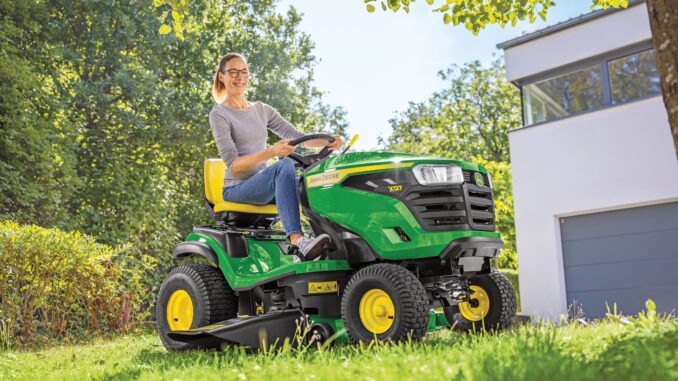
Introduction / John Deere LX 188 model overview
The John Deere LX 188 is a mid‑1990s lawn and garden tractor designed for residential users who want a higher‑spec machine than basic lawn tractors but do not need a full compact utility tractor. It typically runs a liquid‑cooled Kawasaki twin‑cylinder gasoline engine, with a mid‑mount mower deck and hydrostatic drive for smooth, pedal‑controlled speed changes.
Most LX 188 tractors are paired with a 38‑inch, 42‑inch, or 48‑inch mower deck, making them well suited to 0.5–2 acre lawns, light towing, and seasonal yard work. This guide walks you through repair, troubleshooting, and maintenance for the John Deere LX 188, focusing on what you actually see (symptoms) and what you can realistically fix yourself at home.
General overview of the John Deere LX 188
The John Deere LX 188 sits in the older LX lawn and garden tractor family, positioned above typical entry‑level lawn tractors but below modern X300/X500 series machines in size and capability. It combines a liquid‑cooled Kawasaki V‑twin gasoline engine with a hydrostatic transaxle, belt‑driven mower deck, and a 12‑volt electrical system with multiple safety interlock switches.
Key systems on the LX 188 that owners will work on most often include:
-
Engine and fuel system (carburetor, fuel pump, fuel filter, ignition)
-
Cooling system (radiator, hoses, coolant, fan, shrouds)
-
Mower deck and blades (deck shell, spindles, pulleys, belts, anti‑scalp wheels)
-
Drive system (hydrostatic transaxle, drive belt, tires, linkages)
-
Electrical system (battery, starter, solenoid, ignition switch, safety switches, lights)
Common John Deere LX 188 service parts owners regularly buy include:
-
Engine oil filter (e.g., AM107423 or superseding number)
-
Air filter and pre‑cleaner set
-
Fuel filter (inline plastic filter)
-
Spark plugs (pair of appropriate heat‑range plugs for the Kawasaki twin)
-
Mower deck drive belt (specific to your deck width)
-
Mower blades (sets for 38/42/48‑inch decks)
-
Hydrostatic drive belt
-
Battery (12‑volt lawn and garden battery, commonly U1 size)
-
Safety switch replacements (seat switch, brake switch, PTO switch)
Troubleshooting approach for the John Deere LX 188
Always start troubleshooting from the symptom you are seeing, not by guessing at parts. Think in terms of “What changed?” – sound, feel, smell, smoke, leaks, or warning behavior (won’t start, uneven cut, etc.).
For the John Deere LX 188, you can group most issues into these main symptom categories:
-
Starting issues (no crank, slow crank, cranks but will not start)
-
Running issues (stalls, surges, lack of power, backfiring)
-
Cut quality problems (uneven cut, scalping, poor discharge, streaks)
-
Vibration and noise (rattles, deck vibration, squealing belts)
-
Overheating and leaks (engine temperature, coolant leaks, oil leaks, fuel leaks)
-
Transmission/drive problems (won’t move, weak on hills, jerky operation)
-
Electrical and safety switch issues (no crank, PTO not engaging, intermittent shutdowns)
Use this guide to locate your symptom, do the safe checks first, and then decide whether the repair is realistic DIY or better left to a dealer.
Emergency and immediate repair needs on a John Deere LX 188
Some problems on the John Deere LX 188 must be dealt with immediately because they are unsafe or can quickly damage expensive parts like the engine, transaxle, or mower deck. If you see smoking belts, major leaks, or serious vibration, stop and investigate before continuing.
4.1 Starting issues on a John Deere LX 188
Starting problems become “urgent” when repeated cranking risks draining the battery or overheating the starter. If the engine cranks slowly or not at all, stop and diagnose before you burn out the starter or melt battery cables.
Common causes:
-
Weak or failing battery
-
Corroded battery terminals or ground connection
-
Faulty brake/seat/PTO safety switch preventing cranking
-
Failed starter solenoid or starter motor
-
Bad ignition switch or loose wiring
Basic checks an owner can do:
-
Verify the brake pedal is fully depressed and PTO is switched off.
-
Check that the seat switch connector is firmly plugged in and not damaged.
-
Inspect battery terminals and clean any corrosion; tighten clamps.
-
Try a known‑good, fully charged battery or jump from another mower (following correct procedure).
-
Listen for a click at the solenoid; if there is none, inspect fuses and key switch connections.
4.2 Cut‑quality problems on John Deere LX 188 tractors
Poor cut quality is not usually an emergency, but you should stop if the deck is making contact with the ground, if a blade may be loose, or if the deck belt is smoking. That kind of stress can bend the deck, damage spindles, or throw a belt.
Common causes:
-
Dull, nicked, or bent mower blades
-
Deck not level side‑to‑side or front‑to‑back
-
Incorrect deck height setting or anti‑scalp wheels set too high/low
-
Clogged underside of deck with built‑up grass
-
Wrong deck belt or belt routed incorrectly
Basic checks an owner can do:
-
Park on a flat surface, lower the deck, and remove the key.
-
Inspect blades for sharpness, bends, and damage; replace or sharpen as needed.
-
Clean the underside of the deck safely with a scraper (engine off, spark plug wires removed).
-
Measure deck level side‑to‑side and front‑to‑back and adjust linkages per the manual.
-
Verify correct belt routing and tension, watching for damaged or seized pulleys.
4.3 Vibration and noise on a John Deere LX 188
Strong, new vibration from the deck or a loud mechanical noise needs immediate attention. Running a vibrating deck can crack the shell or destroy spindle bearings.
Common causes:
-
Bent or unbalanced blades
-
Loose blade bolts
-
Worn spindle bearings or pulleys
-
Foreign object jammed in the deck
-
Damaged or misrouted deck belt
Basic checks an owner can do:
-
Disengage PTO, shut the engine off, remove the key, and let everything stop completely.
-
Look under the deck for sticks, rocks, or debris and remove them.
-
Check each blade for looseness or obvious bending.
-
Spin pulleys by hand to feel for rough or noisy bearings.
-
Inspect belt condition and tension, replacing if cracked or glazed.
4.4 Overheating and leaks on John Deere LX 188
Because the LX 188 uses a liquid‑cooled engine, overheating or coolant loss is serious. Running hot can warp heads, damage gaskets, and shorten engine life. Fuel and oil leaks also present fire and safety hazards.
Common causes:
-
Radiator or cooling fins clogged with grass and debris
-
Low coolant level or leaking hoses
-
Cooling fan not working or damaged shrouds
-
Oil leaks from gaskets, seals, or the filter
-
Fuel line cracks or loose hose clamps
Basic checks an owner can do:
-
Shut down immediately if you suspect overheating or see steam/smell coolant.
-
With the engine cool, inspect the radiator and screens; gently clean with compressed air or water.
-
Check coolant level in the reservoir/radiator per the manual.
-
Look for wet spots under the tractor after it has been parked.
-
Inspect fuel lines and clamps from tank to carburetor; replace any hardened or cracked hose.
4.5 Transmission and drive problems on John Deere LX 188
Drive problems become urgent when the tractor suddenly loses drive on slopes or when you hear grinding or whining that was not present before. Ignoring drive symptoms can lead to transaxle failure.
Common causes:
-
Hydrostatic drive belt worn, slipping, or broken
-
Transmission release lever left in “freewheel” position
-
Low hydraulic oil (on serviceable units) or overheating from debris
-
Worn internal hydrostatic components (age and heavy use)
Basic checks an owner can do:
-
Confirm the freewheel or tow lever is in the correct drive position.
-
Inspect the drive belt for cracks, slack, or glazing.
-
Clean debris from around the transaxle and cooling fan.
-
Check the manual for any serviceable fluid level checks.
-
If drive weakens only when hot, consider professional diagnosis.
4.6 Electrical problems and safety switches on John Deere LX 188
Electrical faults that prevent starting or cause random shutdowns are frustrating but also important, as they often involve safety circuits. Bypassing safety switches without understanding them is unsafe.
Common causes:
-
Failing seat, brake, or PTO safety switch
-
Corroded connectors or damaged harness in high‑moisture areas
-
Blown fuse or failing ignition switch
-
Weak battery or bad ground connection
Basic checks an owner can do:
-
Wiggle seat and move harnesses slightly while attempting to start; note any change.
-
Inspect visible connectors for corrosion, especially under the seat and near the engine.
-
Check fuses and replace any blown with correct amperage.
-
Verify clean ground connections from battery to frame.
-
If needed, test switches with a multimeter rather than bypassing them.
DIY or dealer? Repair decision guide for John Deere LX 188
For the John Deere LX 188, the usual line between DIY and dealer work falls around internal engine, transmission, and carburetor rebuilding, plus complex electrical diagnostics. Most routine maintenance and bolt‑on component replacements are very achievable for a careful homeowner with basic tools and safety awareness.
Good DIY jobs on a John Deere LX 188
-
Engine oil and filter changes
-
Air and fuel filter replacement
-
Spark plug replacement
-
Mower blade removal, sharpening, and replacement
-
Mower deck belt replacement and deck leveling
-
Battery replacement and terminal cleaning
-
Basic safety switch replacement (seat, brake, PTO)
-
Cleaning radiator/cooling fins and checking coolant level
Advanced DIY or dealer jobs for an LX 188
-
Carburetor disassembly and full rebuild
-
Internal engine work (head gaskets, valve adjustments, crank seals)
-
Hydrostatic transaxle repair or replacement
-
Significant steering or front axle rebuilds
-
Wiring harness repairs beyond simple connectors
-
Major coolant system repairs (radiator replacement, internal leaks)
Skill level guide
-
Beginner: Oil and filter changes, blade swaps, air filter, battery replacement.
-
Intermediate: Deck belt replacement, deck leveling, replacing pulleys and spindles, troubleshooting safety switches.
-
Advanced: Engine or transmission internals, carburetor rebuilds, full wiring diagnostics, major leak repairs.
Parts needed, OEM vs aftermarket, and information to gather
Before ordering John Deere LX 188 parts, collect the exact model designation from the tractor, the Product Identification Number (PIN), and the engine model and spec code from the Kawasaki engine tag. For mower deck and belt parts, also confirm your deck width (38″, 42″, or 48″) and whether there are any serial‑range notes in the manual.
Use the PIN and engine numbers to match parts diagrams correctly, especially for belts, electrical parts, and carburetor components. When in doubt, verify part numbers across at least two sources.
John Deere LX 188 key service parts table
OEM vs aftermarket guidance for John Deere LX 188
-
Use OEM parts for: drive and deck belts, safety‑critical items (PTO switches, safety switches), cooling components, and any parts where fit and tension are critical.
-
Quality aftermarket parts are usually fine for: oil and air filters (if cross‑referenced to Deere/Kawasaki), spark plugs, batteries, some blades, and hardware.
-
Avoid no‑name belts and electrical parts; poor fit or incorrect resistance can cause premature failures or safety issues.
Where to find LX 188 parts diagrams and manuals
You should always back up this guide with the correct official documentation for your specific John Deere LX 188 serial number range. The following resources are particularly useful:
-
John Deere “Manuals and Training” page – Search by “LX188” to find operator’s and technical manuals (PDF or online).
-
John Deere quick reference guides – Quick‑reference maintenance sheets showing service intervals and key part numbers for residential tractors.
-
John Deere online parts catalog – Exploded diagrams of tractor and deck assemblies with current part numbers.
-
A reputable Deere‑focused aftermarket parts site – Many have model‑specific LX 188 pages listing common maintenance kits and deck parts.
Use operator’s manuals for operating instructions and routine maintenance, technical manuals for repair procedures and diagnostics, and the online parts catalog for diagrams and updated part numbers.
How to locate model, serial and engine numbers on a John Deere LX 188
Correct model, serial, and engine identification is essential for getting the right LX 188 parts, especially for belts, carburetor components, and electrical items that vary by serial range. These tags are usually durable but can be dirty or faded, so clean gently if needed.
Steps to find your numbers:
-
Locate the tractor Product Identification Number (PIN) plate on the frame, often near the rear of the tractor or under the seat, stamped with “John Deere LX188” and a serial/PIN.
-
Check under the seat or on the right rear frame area for another ID label with model and serial information if present.
-
For the Kawasaki engine, look for a metal tag or stamping on the engine shroud or crankcase with the engine model (e.g., FD‑series) and spec code.
-
For mower deck identification, look for a decal or plate on the deck shell (usually on the top surface) listing deck model and serial; this is crucial for getting the right belt and blades.
-
Take clear photos of each tag so you can reference them when ordering online or talking to a dealer.
Buying John Deere LX 188 parts online and in stores
A simple strategy works best: use the official parts catalog or manual to identify the correct OEM part numbers, then decide whether to buy from a dealer or a reputable online retailer. Always compare part numbers, not just “fits LX188” claims.
-
Online: Use OEM part numbers to search on John Deere’s official parts site and trusted aftermarket suppliers. Confirm deck width and serial‑specific notes before adding belts or carburetor parts to your cart.
-
Dealer counter: Best choice for complex or serial‑specific items such as carburetors, transaxle parts, or when you are unsure of substitutions. Bring your PIN and engine code.
-
Retail stores: Fine for generic items like engine oil, grease, common filters, and batteries, as long as the packaging lists compatibility with the LX 188 or the equivalent engine/part number.
Useful starting points include the official John Deere parts catalog, Deere’s “Manuals and Training” site, and one or two established online John Deere parts suppliers that have dedicated LX 188 pages.
Step‑by‑step fitting guide: common John Deere LX 188 DIY jobs
The following jobs deliver good “bang for the buck” on an LX 188 and are realistic for most homeowners with basic tools and safety awareness. Always remove the key, set the brake, and disconnect the spark plug wires (or battery for electrical work) before working.
Replacing the engine oil and filter on a John Deere LX 188
This job improves engine life and is recommended at least annually or by hours, whichever comes first.
-
Run the engine for a few minutes to warm the oil slightly, then park on level ground, set the brake, and shut it off.
-
Place a drain pan under the oil drain and open the drain plug or valve, allowing the oil to fully drain.
-
Remove the old oil filter with a filter wrench; lightly oil the gasket on the new filter and spin it on by hand until snug, then tighten slightly more.
-
Close the drain, refill with the recommended oil type and capacity from the manual, and reinstall the dipstick.
-
Start the engine, check for leaks, shut down, then recheck oil level and top up if needed.
Replacing the air filter on a John Deere LX 188
A clean air filter prevents dirt from entering the Kawasaki engine and helps maintain power.
-
With the engine off and cool, open the engine hood and locate the air filter housing.
-
Release any clips or screws and remove the cover.
-
Carefully remove the old air filter element and pre‑cleaner, noting orientation.
-
Wipe out dust and debris from the housing with a clean, dry cloth.
-
Install the new air filter (and pre‑cleaner, if used) in the same orientation, then reinstall the cover and secure clips/screws.
Changing mower blades on a John Deere LX 188 deck
Sharp blades are essential for clean cut quality and reducing strain on the engine and belt system.
-
Park the LX 188 on a flat surface, set the brake, lower the deck, and remove the key; disconnect spark plug wires.
-
Use appropriate lifting or ramps to access under the deck safely, or remove the deck following manual instructions.
-
Block the blade from turning with a block of wood and remove the blade bolt with a suitable wrench or impact gun.
-
Note blade orientation, then install the new (or sharpened) blade with the cutting edge and lift wings oriented correctly.
-
Torque blade bolts to the specified value in the manual, then remove blocks, lower the tractor, and reconnect spark plugs.
Replacing the mower deck belt on a John Deere LX 188
A fresh, correctly routed deck belt prevents slipping, uneven cutting, and squealing.
-
Disengage PTO, shut off engine, remove key, and disconnect spark plug wires.
-
Lower the deck, then remove belt guards or covers as needed to access pulleys.
-
Note the current belt routing or take a photo, then relieve tension (via idler arm spring) and remove the old belt from all pulleys.
-
Install the new OEM deck belt, following the routing diagram from the manual or decal, ensuring the belt sits fully in pulley grooves.
-
Reinstall any belt guards, check tension and free movement of idler pulleys, then test briefly with PTO engaged while observing from a safe distance.
Maintenance to prevent John Deere LX 188 problems recurring
Most chronic LX 188 problems trace back to skipped or irregular maintenance. A little preventive work each season can avoid major repairs and keep the tractor starting easily and cutting cleanly.
Focus areas:
-
Starting reliability: Maintain a strong battery, clean terminals, and fresh fuel; replace fuel filters regularly to avoid clogged carburetors.
-
Cut quality: Keep blades sharp, deck level, and the underside of the deck clean; replace belts before they are badly cracked or glazed.
-
Fire/overheating prevention: Clean grass clippings from the engine, radiator, and muffler area; fix fuel leaks and avoid oil‑soaked debris.
-
Drive performance: Inspect drive belt condition, keep the transaxle area free of debris, and avoid overloading the tractor on steep slopes.
-
Electrical reliability: Periodically inspect wiring and connectors for corrosion or chafing and replace tired safety switches rather than bypassing them.
John Deere LX 188 maintenance schedule and year‑round checklist
Use the official service interval chart for your exact LX 188 serial range as your primary reference, then adapt the following as a practical checklist. Heavy use, dusty conditions, and extreme temperatures may justify more frequent service.
Daily / before each use
-
Check engine oil level and top off if needed.
-
Walk around the tractor looking for fuel, oil, or coolant leaks.
-
Inspect tires for damage and visually confirm inflation.
-
Verify mower deck is clear of large debris and that blades are not obviously damaged.
After every 8 hours (or each full mowing day)
-
Clean grass and debris from the mower deck top, underside, and discharge chute.
-
Brush or blow debris from radiator, screens, and engine cooling fins.
-
Check engine coolant level visually if accessible.
Every 25 hours
-
Inspect air filter and pre‑cleaner; clean or replace if dirty.
-
Check deck belt and drive belt condition; look for cracks or glazing.
-
Lubricate grease fittings on spindles and steering components if applicable.
Every 50 hours or yearly (whichever comes first)
-
Change engine oil and replace the oil filter.
-
Replace fuel filter.
-
Inspect and gap spark plugs; replace if worn or fouled.
-
Check deck leveling and adjust for correct cut height and pitch.
-
Inspect battery terminals and clean/tighten as needed.
Every 200 hours (or bi‑annually)
-
Replace air filter element and pre‑cleaner.
-
Flush and refill engine coolant (check manual for the recommended interval).
-
Thorough inspection of the drive system (belt, pulleys, transaxle fan) and steering linkages.
Seasonal checklist for John Deere LX 188
Spring (pre‑season):
-
Install sharpened blades, change oil and filter if not done in the fall, and verify battery charge.
-
Check tires, belts, and safety switches for proper operation.
Mid‑season:
-
Re‑sharpen blades if cut quality drops, inspect belts again, and clean cooling system thoroughly.
Fall / end‑of‑season:
-
Stabilize fuel or drain fuel system if storing for several months.
-
Clean the tractor thoroughly, change oil if hours are near the interval, and store under cover.
Repair, upgrade, or replace your John Deere LX 188?
Because the John Deere LX 188 is an older but well‑regarded model, many owners find it worth repairing as long as the frame and major components are solid. High‑quality construction and a liquid‑cooled engine give it a longer potential service life than many newer budget mowers, but parts availability and labor costs are key considerations.
Repair if…
-
The engine has good compression and no major internal damage.
-
The hydrostatic transaxle still performs well after basic belt and maintenance work.
-
Most issues are wear parts (belts, blades, bearings, switches, hoses).
Upgrade if…
-
You want better cut quality or bagging performance (upgrade blades, deck rollers, or add a bagger).
-
You need improved lighting, seat comfort, or tires but the core machine is healthy.
-
You can add small accessories (mulch kit, hitch, weight bracket) to meet your needs.
Replace if…
-
The engine or transaxle has failed and the repair estimate approaches the value of a newer machine.
-
The frame or deck is structurally rusted or cracked beyond economical repair.
-
Parts availability in your region is poor and you depend on the tractor for regular work.
Expanded troubleshooting FAQ – John Deere LX 188 (30+ questions)
1. Why will my John Deere LX 188 not start at all?
If the LX 188 does not crank, first suspect the battery, safety switches, or the ignition circuit rather than the engine itself. Make sure the brake pedal is fully depressed, the PTO is off, and you are sitting on the seat. Check the battery voltage and terminals, then inspect the safety switches and fuses before moving on to the starter and solenoid.
2. Why does my John Deere LX 188 crank but not fire?
When the engine cranks but does not start, you likely have a fuel, spark, or compression issue. Verify you have fresh fuel and that the fuel shutoff (if fitted) is open, then confirm spark at both plugs. If there is spark and fuel, check the choke operation and air filter; in some cases, a dirty carburetor will need cleaning to restore starting.
3. Why does my John Deere LX 188 start and then die after a few seconds?
This symptom often points to restricted fuel flow or a failing fuel pump. The engine may start on fuel in the carburetor bowl but then die as flow cannot keep up. Check the fuel filter, lines, and fuel cap vent, and inspect the pump and carburetor for contamination; cleaning or replacing the filter and clearing obstructions frequently fixes this.
4. What causes my John Deere LX 188 to surge or hunt at idle?
Engine surging at idle is commonly caused by a partially clogged carburetor jet, vacuum leak, or dirty fuel. Try running a quality fuel system cleaner through fresh fuel and replacing the fuel filter first. If surging continues, the carburetor may need to be removed, disassembled, and cleaned, which is an intermediate to advanced DIY task.
5. Why is my John Deere LX 188 smoking from the exhaust?
Smoke color gives clues: blue suggests burning oil, black indicates a rich fuel mixture, and white can mean unburned fuel or, rarely on these engines, coolant issues. Check oil level, air filter condition, and choke operation. Overfilling the crankcase or operating on steep slopes can also cause temporary blue smoke on startup.
6. Why does my John Deere LX 188 lose power under load?
Loss of power when mowing often relates to dull blades, a slipping deck or drive belt, clogged air filter, or fuel delivery issues. Start by sharpening blades, verifying correct belt tension, and cleaning or replacing the air filter. If power still drops significantly, inspect the fuel system and consider a compression test to rule out engine wear.
7. Why is my John Deere LX 188 battery always dead?
Frequent dead batteries usually mean the charging system is not working properly or the battery itself is failing. Test the battery with a load tester and measure charging voltage at the battery terminals while running; it should be higher than at rest. If voltage stays low, inspect and test the voltage regulator and charging coil and check for corroded connections.
8. Why does my John Deere LX 188 crank slowly?
Slow cranking is often a weak battery, high resistance at terminals, or a failing starter. Clean and tighten all battery and ground connections and try a known‑good battery. If it still cranks slowly with good power, test the starter motor and solenoid and consider replacement if they are drawing excessive current.
9. Why does the PTO on my John Deere LX 188 not engage?
If the PTO will not engage, the issue could be with the PTO switch, safety interlocks, wiring, or the electric clutch itself. Verify that the seat and brake switches are functioning, then test the PTO switch and check for power at the clutch connector. If power is present but the clutch does not click or engage, the clutch coil or internal clutch components may have failed.
10. Why does my John Deere LX 188 shut off when I let go of the brake?
This behavior usually indicates the seat or brake safety switch is not recognizing that you are seated. The system expects either the brake to be engaged or the operator present on the seat. Inspect the seat switch connector and wiring, clean any corrosion, and ensure the switch is properly positioned and functioning.
11. Why is the cut uneven on my John Deere LX 188?
Uneven cut can be due to a deck that is out of level, uneven tire pressures, bent blades, or worn deck hardware. Check tire pressures first, then inspect blades for damage and make sure both are the same type. Use the leveling procedure from the manual to adjust deck height side‑to‑side and front‑to‑back until the cut evens out.
12. Why does my John Deere LX 188 leave uncut strips of grass?
Strips usually mean one blade is not cutting or is not covering its normal path. This can be caused by a bent blade, incorrect blade installation, or a wrong blade type/length. Confirm that all blades are correctly mounted, matched to your deck size, and not bent, then check that the deck is running at full PTO speed.
13. Why is my John Deere LX 188 scalping the lawn?
Scalping happens when the deck rides too low or the anti‑scalp wheels are not adjusted correctly for your terrain. Raise the cutting height a notch or two and adjust the wheels so they just skim the ground on uneven areas. Also check for low tire pressure, which can reduce ground clearance and contribute to scalping.
14. Why does my John Deere LX 188 clog the discharge chute?
Clogging is more likely in wet, tall, or thick grass, especially with dull blades or a dirty deck. Mow when grass is drier, raise cutting height, and slow ground speed in heavy conditions. Clean the underside of the deck, sharpen blades, and ensure deck RPM is adequate for strong airflow.
15. Why is my John Deere LX 188 vibrating excessively when mowing?
Deck vibration is often caused by bent or unbalanced blades, debris stuck inside the deck, or failing spindle bearings. Inspect and clean the deck thoroughly, then remove and inspect blades for damage or bends. If vibration persists, check spindle and idler pulleys for wobble or roughness and replace any failing components.
16. Why does my John Deere LX 188 mower belt squeal or smoke?
Squealing or smoking belts indicate slipping, misalignment, or seized pulleys. Verify that you have the correct OEM belt and that it is routed exactly per the diagram. Spin all pulleys by hand to ensure they move smoothly and check that belt tension is appropriate; replace any cracked or glazed belts and faulty pulleys.
17. Why does my John Deere LX 188 deck belt keep coming off?
If the belt frequently jumps off, suspect worn or misaligned pulleys, damaged belt guides, or incorrect belt length. Check for bent belt keepers and make sure all guards and guides are installed as designed. Replace damaged pulleys and ensure you are using the correct belt for your deck model and serial range.
18. Why will my John Deere LX 188 not move forward or reverse?
When the LX 188 will not move, first confirm the transaxle freewheel/tow lever is in the drive position, not the disengaged position. Next, inspect the hydrostatic drive belt for breakage or severe wear. If the belt is intact and the lever is correct but there is still no drive, professional diagnosis of the hydrostatic transmission may be necessary.
19. Why is my John Deere LX 188 weak on hills?
Weak hill performance can be caused by a worn drive belt, low hydraulic efficiency in the transaxle, or engine power loss. Check and replace the drive belt if worn, and inspect for debris blocking the transaxle’s cooling fan. If drive remains weak only when hot or after a short run, the transaxle itself may be wearing out.
20. Why does my John Deere LX 188 jerk or lurch when driving?
Jerky movement may result from linkage issues, drive belt problems, or air trapped in the hydraulic system after towing. Inspect all linkages between the pedals and the transaxle for binding or excessive play. Also confirm proper belt routing and tension; if the tractor was recently towed, follow the manual’s guidance to purge air from the system.
21. Why does my John Deere LX 188 engine overheat?
Overheating in a liquid‑cooled LX 188 often stems from a clogged radiator, low coolant, or a failed cooling fan. Clean the radiator and the area around it thoroughly to remove grass and debris, then check coolant level once the engine is cool. If cooling still seems inadequate, inspect radiator hoses, cap, and fan operation, and consult the manual for coolant service.
22. Why is coolant leaking from my John Deere LX 188?
Coolant leaks usually come from cracked hoses, loose clamps, a failing water pump, or damage to the radiator. Look for dried coolant streaks or wet spots under the tractor after it has been parked. Tighten clamps and replace cracked hoses as needed; more significant leaks from the pump or radiator typically warrant professional repair or careful advanced DIY work.
23. Why is fuel leaking on my John Deere LX 188?
Fuel leaks are dangerous and must be fixed immediately. Common sources are cracked fuel lines, loose hose clamps, perished grommets at the tank, or a carburetor overflow. With the engine off, trace the fuel line from tank to carburetor, replacing any hardened hose and securing clamps; if fuel appears at the carburetor, the needle/seat may be sticking and require cleaning or rebuilding.
24. Why does my John Deere LX 188 smell like burning rubber?
A burning rubber smell typically indicates a slipping belt or debris contacting a hot surface. Stop and inspect the deck and drive belts for signs of overheating or glazing and remove any built‑up grass or string tangled around pulleys. Check that belt routing and tension are correct to prevent further damage.
25. Why do I keep blowing fuses on my John Deere LX 188?
Repeated blown fuses mean there is a short circuit or component drawing excessive current. Inspect wiring in high‑movement and high‑heat areas for chafing or melted insulation and look closely around the PTO clutch and lights. Use the wiring diagram to identify which circuit is affected and replace any damaged wires or components rather than installing a larger fuse.
26. Why are my John Deere LX 188 headlights not working?
Headlight failures are usually simple: burned bulbs, loose connectors, or an issue with the light switch. Check bulbs first and replace if burnt out, then inspect wiring at the headlights and switch for corrosion or disconnection. If both sides fail at once and bulbs are good, test for power at the switch and repair or replace as needed.
27. Why won’t my John Deere LX 188 stay running with the blades engaged?
If the engine dies when you engage the PTO, one of the safety switches could be triggering a shutdown, or the engine may be under excessive load. Make sure you are seated, the brake is set correctly, and that the seat switch is working. Also check that the deck spins freely by hand with the engine off; a seized spindle or jammed deck can stall the engine immediately.
28. What type of oil should I use in my John Deere LX 188?
For most residential conditions, a high‑quality 10W‑30 or 10W‑40 four‑stroke engine oil that meets the specifications listed in the operator’s manual is appropriate. In very hot climates or heavy use, follow the manual’s viscosity chart and consider heavier oil if recommended. Always change oil at least annually and use a quality filter.
29. How often should I change the oil on my John Deere LX 188?
Oil change intervals depend on hours of use and operating conditions, but many LX 188 owners change oil and filter every 50 hours or at least once per season. In dusty or hot conditions, more frequent changes can extend engine life. Always reset your own maintenance log so you can track when the next change is due.
30. How often should I sharpen blades on my John Deere LX 188?
For average residential mowing, sharpening blades every 25 hours or a couple of times per season is typical. If you mow sandy soil, rough ground, or hit sticks and small debris, you may need to sharpen more often. Inspect blades regularly and replace them when they become too thin, cracked, or bent.
31. What size battery does the John Deere LX 188 use?
Most LX 188 tractors use a standard 12‑volt U1‑type lawn and garden battery, but terminal orientation (left/right positive) and cold cranking amps can vary. Check the existing battery label or consult the manual and choose a replacement that meets or exceeds the original CCA rating. Ensure the dimensions fit the tray and the hold‑down system secures the battery firmly.
32. How do I adjust the deck level on my John Deere LX 188?
To level the deck, park on a flat surface, set tire pressures correctly, and lower the deck to a mid‑range cutting height. Measure blade tip height at the outer edges and front vs rear; use the linkage adjustment points to correct side‑to‑side differences first, then set the front slightly lower than the rear as specified. Always recheck measurements after tightening hardware.
33. How do I know which mower deck my John Deere LX 188 has?
Look for a metal tag or decal on the mower deck itself, often on the top surface near the discharge chute or at the rear edge. The tag will list the deck model and width (e.g., 42″ or 48″), which you can cross‑reference to confirm correct belt and blade part numbers. When ordering parts, always use the deck model information in addition to the tractor model.
34. Can I use aftermarket blades and belts on my John Deere LX 188?
You can use quality aftermarket blades and filters as long as they are matched correctly to your deck and engine, but belts are more sensitive. Many owners prefer OEM belts for best fit and longevity, while carefully chosen aftermarket blades and filters work fine. Avoid very cheap, generic belts and off‑brand electrical parts, as they often lead to repeated issues.
35. How long should a John Deere LX 188 last with proper maintenance?
With regular oil changes, clean cooling system, correct belts, and timely replacement of wear parts, an LX 188 can provide decades of service. Many units remain in use today with only routine repairs and occasional deck or transaxle attention. The overall condition of the frame and deck plus parts availability in your area will ultimately determine whether continued repair is worthwhile.