
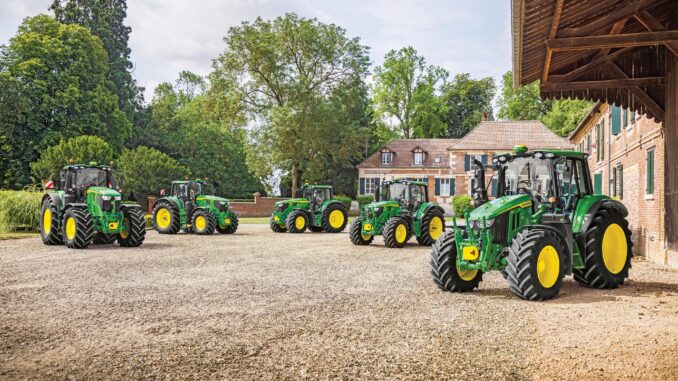
John Deere Quad Track Parts Service and Repair Guide is a practical, owner-focused resource to help you identify parts, read diagrams, and decide what’s realistic to fix at home versus what should go to a dealer. It’s written for North American owners who want clear, step‑by‑step guidance without heavy technical jargon.
Introduction: John Deere Quad Track overview
The John Deere Quad Track concept refers to high‑flotation, tracked tractors and machines that use four independent rubber track modules instead of conventional tires or two large tracks.
These units are designed for heavy tillage, pulling large implements, and working in soft or wet ground where compaction and traction are critical. In residential and small‑acreage use, most owners encounter Quad Track‑style machines through compact or utility tractors fitted with track conversion systems, or by maintaining track‑equipped equipment on larger properties.
This John Deere Quad Track Parts Service and Repair Guide focuses on practical repairs, common wear items, and maintenance routines that owners can realistically perform. You’ll find symptom‑based troubleshooting, DIY vs dealer boundaries, parts tables, links to diagrams and manuals, and an extended FAQ you can use as your go‑to reference when the machine won’t behave.
General overview of the John Deere Quad Track system
In the John Deere Quad Track layout, the machine rides on four separate track frames—two on each side—each carrying a rubber track around drive and idler wheels. Key systems relevant to service are:
-
Powertrain and drive system: engine, transmission, final drives, and drive hubs feeding each track module.
-
Track frames and undercarriage: mid‑rollers, idlers, bogie assemblies, torsion axles, and structural frame components.
-
Rubber track belts and tensioning: track carcass, lugs, guide blocks, and hydraulic or mechanical tensioning mechanisms.
-
Hydraulic and steering system: pumps, valves, steering linkages, and electronic control for differential steering.
-
Electrical and safety systems: control modules, harnesses, sensors, and lockout/safety switches.
Common owner‑purchased service parts for John Deere Quad Track machines include:
-
Rubber tracks and track drive belts (complete track assemblies and tensioner belts).
-
Mid‑rollers and idler wheels with bearings.
-
Track tensioner seals, hydraulic hoses, and fittings.
-
Engine oil and filters, fuel filters, and air filters.
-
Hydraulic filters and transmission filters.
-
Wear pads, guide blocks, and undercarriage hardware (bolts, bushings, and lubrication fittings).
Troubleshooting approach for John Deere Quad Track owners
Diagnosis on a John Deere Quad Track should always start from the symptom the owner sees, then move inward to systems and specific parts. Most problems fall into a few categories:
-
Starting and running issues (engine cranks slowly, won’t start, or dies).
-
Drive and traction problems (machine won’t move, tracks slip, or pulls to one side).
-
Vibration and noise (clunks, grinding, squealing from the tracks or undercarriage).
-
Overheating, leaks, and lubrication problems.
-
Electrical faults and warning lights.
-
Track alignment and tension issues (derailing, excessive wear, or uneven track position).
For each symptom, think in terms of what the operator experiences: a warning lamp, a strange noise, a sudden loss of power, or a visible leak. Then use the sections below to identify likely causes and work through basic checks before ordering parts or calling a dealer.
Emergency and immediate repair needs on a John Deere Quad Track
Certain John Deere Quad Track problems must be addressed immediately because they make the machine unsafe or risk severe damage. Track‑related failures can quickly destroy rubber tracks, damage drive hubs, or cause steering loss; hydraulic leaks and overheating can damage pumps or the engine. This section breaks urgent issues down by symptom category so you can quickly see what needs to be stopped and checked before continuing work.
John Deere Quad Track starting issues
Starting problems include slow cranking, clicking instead of cranking, or an engine that cranks but refuses to fire. These issues matter because repeated attempts can drain the battery, overheat the starter, or leave you stranded mid‑job.
Common causes:
-
Low battery voltage or poor battery connections.
-
Faulty starter motor or starter solenoid.
-
Fuel delivery problems (clogged fuel filter, air in fuel lines).
-
Safety or neutral switches preventing start.
-
Glow plug or intake heater problems on diesel units.
Basic checks:
-
Verify battery age, charge level, and clean/tighten battery terminals.
-
Check main fuses and relays related to starting and engine control.
-
Inspect fuel level, fuel shutoff valve position, and look for leaks or air bubbles in clear fuel lines.
-
Confirm all safety switches are in the correct position (seat, park brake, gear/neutral, PTO off).
-
If cranking is weak or intermittent, test voltage while cranking; replace battery or starter as required.
John Deere Quad Track drive and traction problems
Drive issues show up as the machine struggling to move, lagging when turning, or pulling sharply to one side. These problems are critical because loss of drive can leave the tractor stuck, damage transmission components, or cause track derailment under load.
Common causes:
-
Low hydraulic or transmission fluid level.
-
Slipping clutches or worn drive couplers.
-
One track module not engaging properly due to a hydraulic, mechanical, or control fault.
-
Track tension severely out of specification, causing slipping or derailing.
-
Faulty steering sensors or control valves.
Basic checks:
-
Confirm transmission and hydraulic fluid levels and look for obvious leaks under the machine.
-
Inspect each track visually for major damage, missing lugs, or abnormal sag.
-
Check that all range and gear selectors are fully engaged.
-
Slowly drive while monitoring whether one track lags or spins faster; stop if you feel binding or hear grinding.
-
If drive is inconsistent, do not continue heavy pulling—consult dealer diagnostics for steering and drive control systems.
John Deere Quad Track vibration and noise
Excessive vibration in a John Deere Quad Track often feels like a rhythmic thumping or grinding, especially at certain speeds or under load. Ignoring these symptoms can lead to rapid undercarriage wear, bearing failures, or track damage.
Common causes:
-
Flat‑spotted or damaged mid‑rollers and idlers.
-
Loose or missing undercarriage hardware.
-
Debris packed between track and rollers.
-
Worn bearings or misaligned track frames.
-
Uneven track tension between modules.
Basic checks:
-
Park on level ground, shut down, and visually inspect all four track modules for debris, damage, and missing bolts.
-
Spin the tracks by moving slowly forward and backward, watching for wobble or noise at specific rollers.
-
Compare tension on each track; look for unusual slack or overly tight modules.
-
Check for oil or grease leakage at roller and idler hubs, indicating failing seals or bearings.
-
If vibration persists, schedule a full undercarriage inspection rather than continuing heavy work.
John Deere Quad Track overheating and leaks
Overheating or fluid leaks on a John Deere Quad Track must be handled immediately, as they can damage the engine, hydraulics, or transmission. Owners typically notice hot smell, temperature warnings, puddles under the machine, or visible misting of oil or coolant.
Common causes:
-
Clogged cooling package (radiator, oil cooler, charge air cooler).
-
Low coolant or hydraulic fluid.
-
Failed cooling fan or drive.
-
Cracked hoses or loose clamps.
-
Leaking seals at pumps, hubs, or final drives.
Basic checks:
-
Stop work at the first overheat warning and let the machine cool fully.
-
Inspect radiator and coolers for packed dirt, chaff, or mud; clean carefully from the fan side out.
-
Check coolant level once cool and look for staining around hose connections.
-
Inspect hydraulic and transmission components for wet, oily surfaces and drips.
-
Do not operate with active leaks or recurring overheating—defer to dealer service for root‑cause diagnosis.
John Deere Quad Track electrical and safety problems
Electrical faults appear as intermittent shutdowns, warning lights, or systems that won’t engage (such as lights, auxiliaries, or steering assist). Safety systems can also lock out movement or starting if they detect a fault.
Common causes:
-
Corroded connectors and grounds.
-
Damaged wiring harness near the undercarriage or frame contact points.
-
Faulty sensors for steering, speed, or hydraulic pressure.
-
Failing alternator or voltage regulator.
-
Safety switches stuck, misadjusted, or broken.
Basic checks:
-
Perform a visual inspection of harnesses along frame rails and track modules for rub‑through or pinched wires.
-
Clean primary ground connections to chassis and engine.
-
Check battery voltage with engine off and running; confirm the alternator charges correctly.
-
Cycle key and controls while watching for dash error codes; note any repeating codes.
-
If safety or steering control faults persist, avoid bypassing switches permanently; seek dealer diagnostics.
John Deere Quad Track: DIY or dealer repair decision guide
For a John Deere Quad Track, the line between DIY and dealer work is largely defined by whether the job stays in bolt‑on parts and straightforward inspection, or moves into hydraulic, electronic, and heavy lifting territory. Owners can safely handle lubrication, filters, minor undercarriage work, and simple track tension checks. Once you face high‑torque fasteners, press‑fit bearings, hydraulic circuits, or electronic calibration, it’s usually more cost‑effective and safer to involve a dealer.
Good DIY jobs:
-
Regular engine and hydraulic oil changes.
-
Changing oil, fuel, and air filters.
-
Cleaning the cooling package.
-
Inspecting and lubricating undercarriage and track frames.
-
Replacing minor hardware, wear pads, and some idler wheels with basic tools.
-
Visual track tension checks and small adjustments where the manual allows.
Advanced DIY or dealer jobs:
-
Removing and replacing complete rubber tracks.
-
Rebuilding track tensioners or hydraulic cylinders.
-
Pressing bearings into idlers and mid‑rollers.
-
Calibrating steering or drive control systems.
-
Repairing or re‑looming wiring harness sections.
-
Deep transmission or hydraulic pump work.
Skill level guide:
-
Beginner: Fluid checks, greasing, filter changes, visual inspections, and cleaning.
-
Intermediate: Idler and roller replacement, minor track tension adjustment, sensor swaps, basic wiring repair.
-
Advanced: Full track module rebuilds, hydraulic and electronic diagnostics, configuration changes, and internal powertrain repairs.
Parts information for John Deere Quad Track owners
Before ordering parts for a John Deere Quad Track machine, gather the following information:
-
Full model designation for the tractor or machine (e.g., series number and exact configuration).
-
Product Identification Number (PIN), usually shown on a plate on the frame.
-
Engine make, model, and serial number for engine‑specific parts.
-
Any attachment or track kit identification numbers, including track module model or version codes.
-
Undercarriage configuration (roller count, track width, and any optional heavy‑duty packages).
Key John Deere Quad Track service parts table
Below is a general‑purpose parts table suitable for a John Deere Quad Track machine. Always cross‑check with your specific model and PIN before purchasing.
For John Deere Quad Track machines, OEM parts are strongly recommended for belts, tracked components, safety‑critical parts, and anything related to steering or drive. Aftermarket parts can be acceptable for consumables such as engine oil filters, fuel filters, batteries, and some undercarriage rollers, provided they cross‑reference clearly to the correct OEM part number and match load, size, and material specifications.
Parts diagrams and service manuals for John Deere Quad Track
Having access to diagrams and manuals is essential when working on a John Deere Quad Track system. The most useful resources are:
-
The official operator’s manual: accessed via the John Deere “Manuals and Training” page, this covers daily checks, lubrication points, basic troubleshooting, and safety information.
-
The official parts catalog: through the John Deere parts portal, you can search by model or PIN and view fully exploded diagrams of the Quad Track undercarriage, drive system, and hydraulics.
-
Technical publications and service manuals: available via John Deere Technical Publications, these documents provide torque specs, diagnostic routines, and calibration procedures.
-
A trusted aftermarket parts site with a John Deere‑specific section: many sites organize parts by model and component group, allowing you to quickly locate rollers, hubs, and filters while referencing diagrams.
Use the operator’s manual for routine maintenance and basic troubleshooting, then move to the parts catalog for exploded diagrams and part numbers when planning repairs. For in‑depth tasks, refer to official technical manuals or dealer‑level documentation.
Locating model, serial, and engine numbers on a John Deere Quad Track
Model and serial numbers are critical for getting the right parts and diagrams for a John Deere Quad Track machine. Different production runs and configurations can change filters, undercarriage components, or hydraulic fittings.
Step‑by‑step location guide:
-
Find the tractor or machine PIN plate on the main frame—usually on the right‑hand side of the chassis, near the front or rear, depending on series.
-
Clean the plate and surrounding area so the stamped PIN and model designation are legible; record them before ordering parts.
-
Locate the engine identification tag or plate on the engine block or valve cover, noting engine model and serial for fuel and oil system parts.
-
Examine each track module for identification stickers or stamped plate indicating track frame or kit model; this helps with rollers and track assemblies.
-
On any attached implements or track kits, look for separate model and serial plates on the attachment frame or mounting brackets.
Buying John Deere Quad Track parts online and in stores
For John Deere Quad Track parts, a clear buying strategy saves time and avoids returns. Online, always work from confirmed OEM numbers and your PIN; in person, bring photos, the PIN, and any old parts you are replacing.
-
Online: Use John Deere’s official parts portal and technical publications pages as your primary reference, then purchase through OEM or trusted aftermarket sites that cross‑reference your exact model and PIN.
-
Dealer counter: Ideal for complex undercarriage components, hydraulic parts, and anything affected by serial‑number breaks; the counter staff can pull correct diagrams and confirm superseded part numbers.
-
Retail/ag stores: Suitable for common consumables like engine oil, grease, and some filters, provided the packaging explicitly lists compatibility with your John Deere series or the OEM number.
Concrete URLs to bookmark include John Deere’s official parts and manuals pages and one reputable ag parts retailer with a strong John Deere catalog. Use these as your starting point for parts lookups and diagrams.
Fitting guide: common John Deere Quad Track DIY jobs
The following fitting walkthroughs focus on high‑impact jobs most Quad Track owners can realistically tackle with basic tools and safety awareness.
Changing the engine oil and filter on a John Deere Quad Track
Regular engine oil changes are fundamental to reliability, especially for diesel engines working under heavy Quad Track loads.
Steps:
-
Park the machine on level ground, idle down, and shut off; allow the engine to cool slightly but stay warm enough for easy draining.
-
Place a suitable drain pan under the oil drain plug, remove the plug, and let oil drain fully.
-
Remove the old oil filter, checking that the old gasket comes off with it; wipe the mounting pad clean.
-
Install the new OEM‑spec oil filter after lightly oiling its gasket; hand‑tighten per the manual.
-
Reinstall the drain plug with a new washer if specified, torque correctly, and refill with the recommended oil grade and quantity.
-
Start the engine, check for leaks, and confirm oil level after the machine sits for a few minutes.
Replacing the fuel filter on a John Deere Quad Track
Fuel filter replacement helps prevent hard starting and injector problems on high‑duty Quad Track engines.
Steps:
-
Shut down the tractor, close any fuel shutoff valves, and relieve pressure if your system uses it.
-
Place absorbent pads under the filter to catch spills.
-
Remove the old fuel filter or filter bowl according to the manual, noting its orientation.
-
Install the new filter, ensuring seals are properly seated and the filter is correctly aligned.
-
Open fuel valves and use any manual primer pump or electronic priming procedure to remove air from the system.
-
Start the engine and let it run at low idle, checking for leaks and smooth operation.
Adjusting track tension on a John Deere Quad Track
Correct track tension on a John Deere Quad Track reduces wear and prevents derailing. Always follow your manual’s specifications and safety instructions.
Steps:
-
Park the machine safely, chock wheels or tracks as needed, and engage park brake; ensure no one is near the undercarriage.
-
Clean the track and tensioning area so you can see the track sag and tensioner components clearly.
-
Measure track sag or tension per the operator’s manual (often a specified distance between track and roller or a pressure reading).
-
Use the prescribed tensioning method (hydraulic pressure adjustment or mechanical bolt adjustment) to carefully increase or decrease tension.
-
Re‑measure to confirm the track is within spec; avoid over‑tightening, which accelerates wear.
-
After adjustment, drive slowly and re‑check alignment and tension on all four tracks.
Inspecting and replacing undercarriage rollers on a John Deere Quad Track
Worn mid‑rollers or idlers can cause vibration and uneven track wear on Quad Track machines.
Steps:
-
Jack and support the machine safely according to the manual, ensuring solid, stable support under the frame.
-
Rotate the track to expose rollers; inspect for flat spots, cracks, leakage, or wobble.
-
Mark any rollers that show damage or free play; consult the parts catalog for correct replacements.
-
Remove roller mounting hardware, keeping track of spacers and orientation.
-
Install new rollers or idlers, tightening hardware to recommended torque and replacing any single‑use fasteners.
-
Lower the machine, drive slowly, and listen for improved smoothness; check hardware again after a short period of operation.
Maintenance to prevent John Deere Quad Track problems
Preventive maintenance is especially important on John Deere Quad Track systems, where undercarriage and hydraulic components see heavy load. Regular care dramatically reduces the risk of sudden failures.
Key focus areas:
-
Starting reliability: maintain batteries, clean connections, and replace fuel filters on schedule.
-
Drive performance: keep hydraulic and transmission fluids clean and at proper levels; address minor leaks promptly.
-
Track and undercarriage longevity: clean debris from tracks and rollers, keep tension within spec, and inspect bolts and bearings regularly.
-
Overheating prevention: clean the cooling package often, monitor coolant condition, and ensure fan operation and shrouds are intact.
-
Electrical reliability: periodically inspect harness routing, protect exposed wires, and keep connectors dry and corrosion‑free.
John Deere Quad Track maintenance schedule and year‑round checklist
Adapt the following schedule to the official maintenance chart for your specific Quad Track machine. Always default to the intervals in your operator’s manual when they differ.
Daily / before each use
-
Walk‑around inspection of all four track modules for damage, debris, and leaks.
-
Check engine oil level and coolant level.
-
Verify hydraulic and transmission fluid levels visually or via sight glass.
-
Confirm all lights, indicators, and safety systems work correctly.
After 8–10 hours of operation
-
Grease all specified undercarriage pivots, idler pivots, and drive shaft U‑joints.
-
Inspect track tension and alignment briefly.
-
Check for new leaks, loose hardware, or unusual wear patterns.
Every 25 hours
-
Clean or inspect the air filter; replace if heavily dirty.
-
Inspect battery terminals and primary grounds; clean if corroded.
-
Tighten accessible undercarriage bolts to specified torque.
-
Check the condition of hydraulic hoses along track frames and under chassis.
Every 50 hours or yearly (whichever comes first)
-
Change engine oil and filter.
-
Inspect fuel filters and replace if recommended by the manual.
-
Perform a more detailed track frame inspection, looking for cracks, loose fasteners, and bearing play.
-
Clean the cooling package thoroughly.
Every 200 hours or as specified
-
Change hydraulic and transmission filters and fluid per manufacturer guidance.
-
Inspect all rollers and idlers; schedule replacements for any showing wear or leakage.
-
Check steering and drive system calibration and response.
Seasonal checklist for John Deere Quad Track machines
Pre‑season:
-
Perform full fluid and filter service if due.
-
Inspect and adjust track tension on all modules.
-
Verify that all safety systems and warning lights function.
Mid‑season:
-
Re‑check undercarriage for wear or damage; clean tracks and rollers thoroughly.
-
Monitor cooling system performance during peak load periods.
End‑of‑season:
-
Clean undercarriage and tracks, removing packed mud and debris.
-
Conduct a thorough inspection and list needed parts for off‑season repairs.
-
Protect exposed metal and electrical connections from corrosion.
John Deere Quad Track: repair, upgrade, or replace?
For John Deere Quad Track machines, the choice between repairing, upgrading, or replacing depends on undercarriage condition, powertrain health, and how critical uptime is for your operation. Well‑maintained Quad Track systems can operate reliably for long hours, but heavily worn undercarriages and outdated hydraulics can make replacement or major upgrades more sensible than constant patch repairs.
Repair if:
-
The machine has an otherwise solid engine and transmission.
-
Wear is localized to roller bearings, seals, or individual tracks.
-
Structural components and frame remain sound.
Upgrade if:
-
You need wider tracks or higher‑capacity undercarriage components for reduced soil compaction.
-
Available update kits improve cooling, filtration, or hydraulic performance.
-
You want electronic steering or control upgrades that improve precision and diagnostics.
Replace if:
-
Multiple systems (engine, transmission, hydraulics, and undercarriage) are near end of life.
-
Frame or structural components have significant damage.
-
The cost and downtime of full undercarriage and powertrain rebuild approach the value of a newer machine.
Expanded troubleshooting FAQ – John Deere Quad Track (30+ items)
1. Why will my John Deere Quad Track not start?
Non‑starting Quad Track machines usually suffer from electrical or fuel issues. Begin by checking battery voltage and cable condition, then confirm that safety switches (seat, park, neutral) are correctly engaged. If the engine cranks but will not fire, inspect fuel level and filters, look for air in fuel lines, and follow the priming procedure after filter changes. Persistent non‑start with warning codes requires reading those codes and consulting the manual or dealer.
2. Why does my John Deere Quad Track crank slowly?
Slow cranking is most often caused by a weak battery, corroded connections, or a failing starter. Test battery voltage while cranking and clean all terminals and grounds. If voltage drops severely or the starter makes grinding or whirring noises without full engagement, replacement may be necessary. Be sure to check for high‑resistance ground points on the chassis and engine block.
3. Why does my John Deere Quad Track start but stall under load?
Stalling under load suggests fuel starvation or a restriction in the fuel system. Inspect and replace fuel filters as required, check for collapsed fuel lines or blocked tank vents, and ensure that the fuel being used meets the manufacturer’s specifications. If the problem occurs only after a period of heavy operation, consider possible overheating of fuel components or vapor formation in extreme conditions.
4. Why is my John Deere Quad Track smoking excessively?
Excessive exhaust smoke can indicate incomplete combustion, oil consumption, or injector problems. White smoke often points to unburned fuel or coolant ingress; blue smoke indicates burning oil; black smoke suggests over‑fueling or restricted air intake. Check air filter cleanliness, oil level, and coolant condition, and note when the smoke occurs (cold start, under load, or constantly). Advanced diagnosis may require compression testing and injector evaluation.
5. Why does my John Deere Quad Track lose power on hills?
Power loss on slopes typically reflects fuel delivery issues, restricted air flow, or hydraulic/transmission problems. Verify that the engine maintains its rated RPM under load and check for clogged filters or intake blockages. If RPM holds steady but ground speed drops dramatically, the issue may lie in the transmission, hydraulic drive, or track tension creating excessive drag.
6. Why will one track on my John Deere Quad Track not pull?
When a single track fails to pull, focus on that module’s drive connection and hydraulic or mechanical engagement. Inspect the visible drive hub and coupler for damage, check hydraulic hoses and fittings to that module, and compare track tension against the other three tracks. Control or sensor issues may also cause one track to receive less drive command, requiring dealer diagnostics.
7. Why does my John Deere Quad Track pull to one side?
Pulling to one side can result from uneven track tension, unequal drive output, or steering control faults. Measure track tension on all four modules and adjust to specification. Inspect undercarriage for damage or misalignment, such as bent frames or knocked‑out rollers. If mechanical components are sound, look to steering sensors, valves, or control logic for the cause.
8. Why do my John Deere Quad Track tracks keep derailing?
Track derailment is a serious issue often caused by incorrect tension, damaged guide blocks, or misaligned undercarriage components. Check that track tension matches the manual and inspect tracks for torn lugs or worn guide blocks. Examine alignment of idlers and mid‑rollers and verify that track frames are straight. Do not continue operation until derailment causes are resolved, as repetitive derailment can ruin tracks and drive hubs.
9. Why does my John Deere Quad Track vibrate at certain speeds?
Speed‑specific vibration usually points to a roller, idler, or drive component problem. Observe whether vibration occurs only at a particular speed or under certain load conditions. Inspect undercarriage rollers for flat spots, cracks, or leaks, and check drive hubs and couplers for play. Unequal track tension between modules can also cause oscillation at certain speeds.
10. Why is there a grinding noise from the undercarriage on my John Deere Quad Track?
Grinding sounds often indicate failing bearings, damaged rollers, or debris lodged between track and undercarriage. Safely inspect the tracks, removing stones, branches, or packed soil. Spin the track slowly while listening near each roller; replace any component showing roughness or free play. Persistent grinding should not be ignored, as it can lead to catastrophic failure.
11. Why does my John Deere Quad Track squeal when turning?
Squealing during turns may arise from high track tension, dry or failing bearings, or hydraulic system strain. Compare tension across all tracks and ensure it’s within range; over‑tight tracks can squeal as they flex around rollers. Check undercarriage lubrication and look for signs of bearing overheating. In hydraulic systems, squeal may be pump or relief valve noise under steering load.
12. Why is my John Deere Quad Track leaving oil spots on the ground?
Oil spots under the machine point to leaks from engine, transmission, hydraulic lines, or undercarriage hubs. Identify the fluid type by color and smell, then trace the leak upward from the ground using a clean rag and light. Common leak areas include hydraulic hose connections, hub seals, and filter housings. Fix minor leaks promptly to avoid low fluid levels and added dirt buildup.
13. Why does my John Deere Quad Track overheat during heavy work?
Overheating occurs when the cooling system cannot keep pace with engine load. Check for packed radiators and coolers; clean thoroughly from the fan side, using low‑pressure air or water. Confirm coolant level and mixture, and test the fan drive for proper operation. If overheating persists, analyze load patterns and ensure the machine is not being run continuously beyond its rated duty cycle.
14. Why do I smell burning rubber from my John Deere Quad Track?
Burning rubber smells usually indicate excessive friction in the tracks or contact between the track and a fixed structure. Inspect tracks for scuff marks, melted areas, or evidence of rubbing on frame components. Check for misalignment of track modules or foreign objects trapped between track and undercarriage. Immediate correction is vital to prevent track destruction.
15. Why won’t my John Deere Quad Track hydraulics respond?
Hydraulic non‑response could be caused by low fluid, clogged filters, failed pumps, or control issues. Verify fluid level and condition, and ensure the correct hydraulic filter is installed and not clogged. Listen for pump noise and watch for pressure warnings. If hydraulics remain unresponsive despite correct fluid and filters, deeper diagnostics are needed for valves and pump internals.
16. Why does my John Deere Quad Track show random electrical error codes?
Random error codes may stem from poor electrical grounds, moisture in connectors, or harness damage. Clean and tighten main ground connections and battery terminals. Inspect connectors for moisture or corrosion and apply dielectric grease if recommended. Look for chafed or pinched wires along the frame and track modules. If codes persist, note their exact wording for dealer interpretation.
17. Why do my lights and accessories flicker on my John Deere Quad Track?
Flickering lights often signal voltage instability or wiring problems. Test battery and alternator output, ensuring stable voltage at idle and under load. Inspect wiring to lights and accessories for loose connections and damaged insulation. Resolve any obvious problems and, if flicker remains, consider testing the voltage regulator or replacing problem components.
18. Why won’t the park brake release on my John Deere Quad Track?
A park brake that refuses to release can be mechanical or electronic in origin. Check that you are following the proper release procedure and that all safety conditions (seat occupied, gear selection, etc.) are met. Inspect brake linkage or actuation mechanism for mechanical binding. If the brake is electronically controlled, look for error codes and consult the manual for specific diagnostic steps.
19. Why is my John Deere Quad Track hard to steer?
Hard steering may arise from hydraulic steering assist issues, low fluid, or mechanical binding in the steering system. Confirm hydraulic fluid level and condition. Inspect steering linkages for damage, tight joints, or misalignment. If the system uses electronic steering control, there may be sensor or control faults requiring specialized tools.
20. Why is track tension unequal on my John Deere Quad Track?
Unequal tension is typically due to leaks or misadjustment in the tensioning system. Measure tension on all tracks and compare readings. Inspect tensioner cylinders for leaks or mechanical damage. Adjust each tensioner according to the manual, and monitor whether tension drifts over time, which could indicate internal cylinder or valve issues.
21. Why does my John Deere Quad Track battery keep going flat?
Repeated battery drain can result from parasitic loads, failing batteries, or poor charging. Check for lights or accessories left on, then test for parasitic draw with a multimeter. Evaluate battery age and condition, replacing if near end of life. Confirm alternator output is within specification, and inspect charging circuit wiring for defects.
22. Which fluids should I use in my John Deere Quad Track?
Fluid choices depend on your specific Quad Track model and regional climate. Consult the operator’s manual for recommended engine oil grade, hydraulic fluid type, and transmission oil. Be cautious about using multi‑purpose oils unless explicitly approved. Stick with fluids meeting or exceeding John Deere specifications for best performance and longevity.
23. How often should I grease my John Deere Quad Track undercarriage?
The undercarriage requires regular greasing to maintain smooth operation and prevent wear. Most owners should follow a daily or every‑8‑hours interval for high‑load work, hitting all specified grease points. In lighter use, follow the manual’s minimum interval but don’t skip greasing if the machine has been washed or worked in wet conditions.
24. How do I know when my John Deere Quad Track rollers need replacement?
Rollers need replacement when they show leakage, wobble, cracks, or excessive flat spots. During inspections, rotate the track slowly and observe each roller. If any roller spins roughly, moves sideways, or leaks oil, plan replacement. Increased vibration, noise, or uneven track wear also indicate roller issues.
25. Can I run my John Deere Quad Track with a missing roller?
Running with a missing roller is strongly discouraged, as it shifts load onto remaining components and can damage tracks. Only move the machine slowly and minimally if absolutely necessary to reach a safe repair location. Replace missing rollers and inspect the surrounding area for collateral damage before returning to normal work.
26. How do I choose replacement tracks for my John Deere Quad Track?
Replacement tracks must match width, length, lug pattern, guide block style, and load rating specified by John Deere for your model. Use your PIN and track module identification to select approved OEM tracks. If considering aftermarket options, ensure they are explicitly compatible with your model and rated for the machine’s weight and expected work.
27. Why did my new track fail early on my John Deere Quad Track?
Early track failure may stem from incorrect tension, misalignment, or improper installation. Review installation steps and, if necessary, consult the manual or dealer. Confirm tension was set properly and not over‑tightened. Check undercarriage for sharp edges or components rubbing against the new track. Operating in extreme conditions beyond the track’s rating can also accelerate wear.
28. Can I convert my John Deere tractor to a Quad Track system?
Some John Deere tractors can be fitted with aftermarket or OEM‑style Quad Track conversion kits, but not all models are suitable. Check whether approved track systems exist for your tractor and consider the impacts on warranty, load capacity, and steering. Conversion should only be undertaken with clear guidance on compatibility and installation requirements.
29. How often should I change filters on my John Deere Quad Track?
Filter intervals depend on your model and operating conditions, but engine, fuel, hydraulic, and transmission filters typically have specified hour‑based schedules. Refer to the official maintenance chart and adjust for severe duty if you run the machine in dusty or heavy‑load environments. Never exceed the recommended maximum intervals.
30. Is it safe to weld on my John Deere Quad Track frame?
Welding on structural components should be avoided unless approved procedures and locations are specified by John Deere. Unapproved welding can weaken the frame, void warranties, and create stress points. For minor bracket repairs, follow safe welding practices and protect electronics, but for structural issues, consult a dealer or qualified fabricator.
31. Do I need dealer software to diagnose my John Deere Quad Track?
Many basic faults can be diagnosed with standard tools and close inspection, but modern Quad Track machines often benefit from dealer diagnostic software and service tools. These tools read error codes, monitor sensor values, and run calibration routines. For complex hydraulic or electronic problems, dealer support is usually more efficient than trial‑and‑error.
32. How can I reduce soil compaction with my John Deere Quad Track?
Quad Track machines already reduce compaction compared to wheeled tractors, but you can optimize further by using wider tracks, maintaining proper inflation or tension, and avoiding repeated passes over the same path. Adjust ballast and operating speed to minimize ground pressure and rutting, and plan field operations with controlled‑traffic routes.
33. What regular checks should I do before using my John Deere Quad Track?
Before each use, inspect tracks and undercarriage for visible damage, check fluid levels, look for leaks, and verify that lights and safety systems are working. Confirm that track tension appears normal and the machine responds correctly to basic steering inputs. Address any unusual noises or warning lights before beginning work.
34. Are aftermarket parts acceptable on my John Deere Quad Track?
Aftermarket parts can be acceptable for consumables like filters, batteries, and some rollers if they meet or exceed OEM specifications and cross‑reference correctly. For safety‑critical parts, steering and drive components, and complex hydraulic items, OEM parts are strongly recommended. Always compare part numbers and specifications carefully.
35. When should I retire my John Deere Quad Track machine?
Retirement becomes sensible when structural integrity, powertrain condition, and undercarriage wear collectively make repairs disproportionately expensive or unreliable. If major components like engine, transmission, and track system all demand significant investment at once, and your uptime needs are high, replacing the machine with a newer unit may offer better long‑term value.