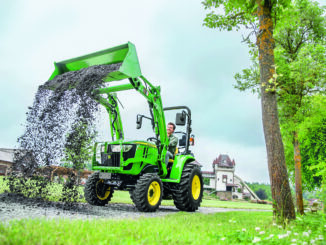
Hydrostatic transmissions revolutionize equipment operation for landscape professionals by delivering seamless power transfer through hydraulic fluid, eliminating gears and clutches for superior control. This technology shines in mowers, tractors, and loaders used daily in demanding outdoor work.
Precision Control
Landscape jobs demand exact movements around flower beds, trees, and obstacles. Hydrostatic transmissions allow infinite speed variations via a simple pedal, enabling operators to inch forward or pivot precisely without jerky shifts.
This precision reduces damage to client properties and plants. Professionals report cleaner cuts and edges, as the system responds instantly to input, matching terrain changes seamlessly. In urban yards or golf courses, where space is tight, this control prevents overruns and rework.
Hydrostatic Transmission Superior Maneuverability
Tight spaces define landscaping—think navigating fences, patios, or sculpted hedges. Hydrostatic drives excel here, offering zero-turn capability and instant direction changes without backing up repeatedly.
Operators can spin equipment on a dime, slashing mowing time on complex lawns by 20-30%. This agility suits zero-turn mowers and compact tractors, common in pro fleets, boosting jobsite efficiency. Unlike gear systems, no clutching means fluid handling of curves and obstacles.
Smooth Operation
Jolts from gear shifts fatigue operators over long days. Hydrostatic systems provide vibration-free rides, using hydraulic pumps for seamless acceleration and deceleration.
This comfort cuts physical strain, allowing focus on tasks like edging or hauling. Reduced operator fatigue translates to fewer errors and higher daily output—key for pros billing by the hour. Smooth power delivery also protects loads in loaders, preventing spills.
Hydrostatic Transmission Enhanced Durability
Fewer moving parts mean less wear. Hydrostatic transmissions use sealed hydraulic systems that block debris, extending service life in dusty, wet conditions typical of landscaping.
Pro-grade units like Hydro-Gear last 1,000+ hours with basic maintenance, outpacing gear drives prone to grinding failures. This reliability minimizes downtime during peak seasons, preserving revenue. Robust design handles heavy loads without strain.
Fuel Efficiency
Power loss in mechanical systems wastes fuel. Hydrostatic tech optimizes engine output, delivering only needed torque via fluid pressure, often saving 10-15% on consumption.
For pros mowing acres daily, this lowers costs amid rising fuel prices. Efficient transfer reduces heat buildup, further aiding economy. Eco-conscious clients appreciate the greener footprint.
Low Maintenance Needs
No gears or clutches simplify upkeep—just fluid checks and filter changes every 200-500 hours. This routine suits busy crews without specialized mechanics.
Sealed designs resist contamination, cutting repair calls. Pros save on labor and parts, with many reporting halved maintenance budgets versus manual transmissions. Longevity amplifies ROI on high-hour equipment.
Hydrostatic Transmission High Torque at Low Speeds
Towing trailers, pushing mulch, or grading demands torque without speed. Hydrostatic systems multiply engine power hydraulically, providing instant grunt for tough starts.
This shines in loader work or hilly terrain, where gear boxes bog down. Operators muscle through without stalling, ideal for material handling in landscaping. Precise low-speed control enhances safety on slopes.
How It Works
A hydraulic pump, driven by the engine, pressurizes fluid to spin a motor connected to wheels. Varying pump displacement adjusts speed and direction steplessly. This closed-loop system recycles fluid efficiently.
In landscaping gear like John Deere tractors, foot pedals control flow for intuitive operation. Cooling fins and filters maintain performance in heat or mud.
Hydrostatic Transmission Real-World Applications
Zero-turn mowers zip through yards with intricate beds. Compact tractors haul soil seamlessly, reversing instantly for loader tasks. Stand-on models aid all-day urban routes.
Pros on golf courses or estates value the uniformity—smooth speed yields even cuts without scalping. Snow removal attachments benefit from torque in winter pivots.
Cost Considerations
Upfront costs run 20-30% higher than manual transmissions, but savings compound. Fuel, maintenance, and downtime reductions yield payback in 1-2 years for full-time use.
Brands like Hydro-Gear dominate pro markets for proven value. Financing eases entry for growing firms.
Maintenance Best Practices
Check fluid levels weekly; change yearly or per hours. Use OEM filters to avoid contamination. Purge air after service for peak response. Store dry to prevent corrosion.
Train crews on pedal finesse to maximize life. Annual pro inspections catch issues early.
Vs. Manual Transmissions
Manuals demand clutching and shifting, risking stalls in loads. Hydrostatics eliminate this, prioritizing flow.
Future Trends
Electric hydrostatic hybrids emerge, blending battery torque with fluid precision for zero emissions. Smarter sensors auto-adjust for terrain, aiding pros. As fleets electrify, hydrostatic cores persist for reliability.
Landscape firms upgrading report 15-25% productivity gains. Investing now positions ahead of regulations favoring efficiency.
Operator Training Tips
Practice low-speed maneuvers first. Use cruise control for straights to save legs. Monitor dash for fluid temps. Pair with ergonomic seats for marathons.
Certified training from makers like Hydro-Gear boosts skills fast.
Environmental Edge
Lower fuel use cuts CO2. Durable builds reduce waste from early failures. Fluid recycling programs extend sustainability.
Clients in green-focused areas prefer equipped pros.
This tech empowers landscape pros to work smarter, delivering premium results with less effort.
Maintenance tips for hydrostatic transmissions in landscaping equipment
Hydrostatic transmissions power many landscaping tools like zero-turn mowers and compact tractors, but they demand specific care to avoid costly downtime. Proper maintenance extends their life to 1,000+ hours while ensuring smooth performance in tough conditions.
Daily Checks
Start each day with quick visual inspections of hoses, pumps, and fittings for leaks, cracks, or loose bolts. These early spots prevent fluid loss and pressure issues common in dusty or wet landscaping jobs.
Monitor fluid levels in reservoirs before use—low fluid causes cavitation and pump wear. Top off with manufacturer-spec oil, avoiding overfill that leads to leaks.
Clean the transaxle case if caked in mud or debris, as heat buildup from poor cooling shortens life in mowers working slopes or soft ground.
Fluid Management
Hydraulic fluid is the system’s lifeblood; check it weekly for discoloration, cloudiness, or contamination from water or metal particles. Schedule oil sampling to catch issues early.
Change fluid and filters after the first 50-100 hours, then every 200-500 hours based on use—heavier operators or hilly terrain may need it sooner, like every 400 hours. Use oils with zinc additives for high-heat protection in pro-grade units like Hydro-Gear.
Always purge air after changes: Fill reservoirs, cycle the drive forward/reverse 6-7 times with the bypass engaged, then recheck levels for peak response.
Filter Care
Inspect filters daily via indicators; replace per schedule or if clogged, as restrictions slow drives and spike pressure. Pair every oil change with new, OEM-spec filters to trap contaminants effectively.
Pressure and Performance Logs
Record key settings monthly: charge pump relief, shuttle relief, and max operating pressure in forward/reverse under load. Track motor RPM at set voltages and case drain flow for wear signs like bypassing.
Watch for sluggish speed or overheating—these signal servo issues or plugged filters. Note shifts in these metrics to predict failures before they strand you mid-job.
Component Inspections
Examine tires for pressure, tread, and alignment—poor traction strains the system on uneven lawns. Check boom attachments on versatile units for cracks or loose joints.
Test control levers and pedals for smooth action; lubricate pivots as needed. In landscaping, clean service areas matter—avoid field changes to limit dust entry.
Storage Practices
Park on level ground and disengage the drive. Cover reservoirs to block moisture, and store indoors if possible to fend off corrosion in wet UK climates.
Troubleshooting Common Issues
-
Sluggish drive: Check filters, fluid quality, or air in lines first.
-
Noisy operation: Inspect for low fluid or cavitation; purge if recent service.
-
Overheating: Clean cooling fins, verify oil, reduce heavy loads.
-
Leaks: Tighten fittings before full hose replacement.
Follow maker manuals like Hydro-Gear for intervals, and log all service for warranty extensions—many brands add coverage for documented 250/500-hour changes. This routine keeps your gear reliable through peak seasons.
Best hydrostatic transmission brands for zero-turn mowers
Hydro-Gear and Tuff Torq dominate as the top hydrostatic transmission brands for zero-turn mowers, powering pro-grade equipment from makers like John Deere, Toro, and Husqvarna. These brands excel in durability, serviceability, and performance for landscaping demands, with Hydro-Gear edging out for commercial fleets.
Hydro-Gear
Hydro-Gear leads the market with integrated ZT-series units like the ZT-3100, ZT-3400, and ZT-4400, built for heavy-duty zero-turn use. These feature spin-on filters, high torque (up to 440 ft-lbs), and speeds to 10+ mph, ideal for pros mowing large properties or slopes.
ZT-2800 suits mid-tier residential-to-light commercial jobs, while ZT-5400 handles extreme loads with expanded cooling. Low maintenance and strong resale value make them favorites—many last 1,500+ hours with proper fluid changes.
Tuff Torq
Tuff Torq’s TZT7-M and TZT7-Type III shine in residential zero-turns, offering superior speed (up to 9 mph) and warranty terms over some rivals. Their sleek design boosts ground clearance, aiding maneuverability in tight yards.
These units provide smooth response and durability for moderate pro use, though they trail Hydro-Gear in high-hour commercial torque. Konatsu-backed reliability appeals to entry-level landscapers.
Key Comparisons
Buying Tips
Prioritize Hydro-Gear ZT-3100+ for full-time landscaping—pair with AMSOIL 20W-50 fluid for heat resistance over 230°F. Check spin-on filter access for easy upkeep, as noted in prior maintenance talks. Tuff Torq fits budget upgrades without sacrificing smoothness.
Warranties often extend with logged 200/500-hour services, aligning with your equipment care routine. Test drive under load to confirm response.