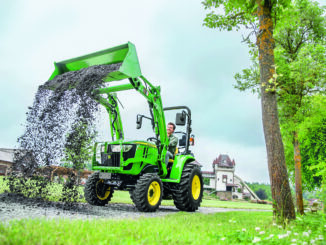
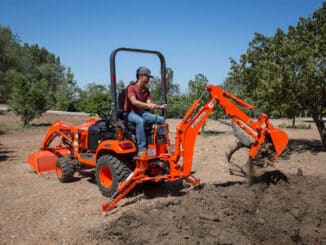
A Synchro‑Shuttle transmission boosts farm productivity by letting the operator change direction quickly and smoothly while keeping a strong, efficient mechanical driveline for draft and PTO work. Below is a detailed, article‑style post in the 2,000–2,500 word range you can use as a standalone piece.
Introduction: Why Transmission Choice Matters for Productivity
For most farms, the tractor is both the primary power unit and the backbone of daily operations. Every task—from loader work in the yard to heavy tillage in the field—depends on how efficiently that tractor converts engine power into useful work. The transmission sits at the center of this equation, determining how easily an operator can control speed, change direction, and keep the engine in its most productive range.
Over the last few decades, options have expanded beyond simple gearboxes to include Hydrostatic (HST), Power‑Shuttle, and full powershift or CVT/IVT systems. Somewhere in the middle sits the Synchro‑Shuttle (often branded as SyncShuttle, Synchro‑Shuttle, or simply “shuttle shift”), which combines a traditional gear‑drive layout with a synchronized forward‑reverse shuttle. For many mixed farms and compact utility tractor owners, this design offers a sweet spot between productivity, durability, and cost.
This article explains what a Synchro‑Shuttle transmission is, how it works, and the specific ways it can improve real‑world farm productivity across loader work, field operations, PTO tasks, and long‑term ownership.
What Is a Synchro‑Shuttle Transmission?
A shuttle transmission is essentially a gearbox that allows the operator to change direction (forward to reverse and back) with a dedicated shuttle lever, usually mounted beside the steering wheel, rather than by shifting the main gear selector into reverse. In a Synchro‑Shuttle design, the forward and reverse gears are synchronized, so direction changes can be made smoothly while the tractor is still rolling, as long as the operator uses the clutch correctly.
Key Components and Layout
Typical Synchro‑Shuttle tractors share these core features:
-
A conventional gear drive transmission with several forward gear ratios, often arranged in ranges (e.g., Low/Medium/High).
-
A synchronized shuttle section providing matched forward and reverse ratios for certain gears, so forward and reverse speeds are closely aligned.
-
A left‑hand shuttle lever allowing quick selection of forward, neutral, or reverse without reaching down to the main gear stick.
-
A traditional foot clutch, which still must be depressed to change gears and usually for direction changes on Synchro‑Shuttle systems.
This is distinct from a Power Shuttle, which uses hydraulics to change direction without using the clutch pedal, and from a Hydrostatic transmission, which uses hydraulic pumps and motors to provide infinitely variable speed via pedals.
Core Advantages: How Synchro‑Shuttle Drives Productivity
Synchro‑Shuttle transmissions improve farm productivity by speeding up repetitive movements, preserving power for the wheels and PTO, and reducing fatigue over long days. The benefits show up in several specific ways.
1. Faster, Easier Direction Changes
Many tasks—particularly front loader work, bale handling, and yard scraping—involve constant forward‑reverse cycles in tight spaces. With a basic gear transmission, the operator must:
-
Depress the clutch.
-
Move the main gear lever from a forward gear into reverse.
-
Feather the clutch to avoid jerks.
A Synchro‑Shuttle streamlines that routine:
-
The operator leaves the main gear lever in a chosen working gear.
-
To change direction, they depress the clutch and flick the shuttle lever between forward and reverse.
Because the shuttle gears are synchronized, the tractor can be rolling slightly when the lever is moved, and the change is smoother and quicker than non‑synchronized layouts. Over hundreds of cycles per day, this shaves seconds off each movement and significantly increases the number of bucket loads or bales handled per hour.
For typical loader cycles—drive into the pile, fill, reverse, turn, drive forward to dump—the accumulated time savings translate directly into higher throughput.
2. Better Power Transfer and Draft Performance
Unlike Hydrostatic transmissions, which suffer power losses in the hydraulic system, a Synchro‑Shuttle retains a direct mechanical link from the engine to the wheels. This has several productivity implications:
-
More usable torque at the wheels: Mechanical gear trains pass a higher percentage of engine power to the ground, which is especially valuable for heavy pulling, tillage, subsoiling, or operating large ground‑engaging implements.
-
Improved fuel efficiency under heavy loads: Less power wasted as heat in hydraulic components generally means lower fuel consumption for the same work, especially during steady draft operations.
On farms where the same tractor must both do precise loader work and pull ploughs, cultivators, or trailers, the Synchro‑Shuttle’s mechanical efficiency helps maintain field productivity while still providing shuttle convenience.
3. Strong PTO Performance
Because the driveline is primarily mechanical, PTO output on Synchro‑Shuttle tractors is usually very close to engine power ratings, with minimal transmission losses. This matters for:
-
Mowers and toppers, where blade tip speed and consistent torque affect cut quality.
-
Power harrows, mixers, and spreaders that push the PTO near its rated capacity.
-
Implements like post‑hole diggers, grain augers, or slurry pumps that need reliable torque delivery.
Compared to hydrostatic systems, which can divert power into the hydraulic loop, a Synchro‑Shuttle setup often provides more PTO power for the same engine horsepower, contributing to faster working speeds and fewer passes.
4. Durability and Lower Long‑Term Downtime
Synchro‑Shuttle transmissions are fundamentally a simplified mechanical gearbox with added synchronizers, which means fewer complex hydraulic components than HST or full powershift systems. This simplicity brings:
-
Longer service life under heavy use because there are fewer high‑pressure hydraulic parts prone to wear.
-
Lower probability of unexpected electronic or hydraulic faults that can sideline a tractor during peak seasons.
-
Generally lower repair costs when issues do arise, compared with replacing hydrostatic pumps, motors, or complex CVT components.
Less downtime at critical times—harvest, planting, manure spreading windows—directly affects whole‑farm productivity. A durable Synchro‑Shuttle tractor that stays in the field rather than in the workshop yields more acres covered and more jobs completed on schedule.
5. Operator Comfort and Reduced Fatigue
While a Synchro‑Shuttle still uses a clutch, it significantly reduces the workload on the operator compared to a traditional gear‑only tractor:
-
The left‑hand shuttle lever allows direction changes without taking the right hand off the loader joystick or hydraulic controls, which streamlines loader routines.
-
Synchronized gears make shifts smoother and reduce the effort and concentration needed to avoid crunching gears.
Over a long day, those smoother, quicker motions reduce mental and physical fatigue, helping the operator maintain consistent performance and safety standards longer into the day. Tired operators tend to slow down, make more mistakes, and waste time; a user‑friendly transmission helps avoid that productivity drop‑off.
Comparing Synchro‑Shuttle to Other Transmission Types
To understand where Synchro‑Shuttle shines, it helps to contrast it with common alternatives.
Synchro‑Shuttle vs Basic Gear Drive
A standard gear‑drive transmission without a shuttle has separate forward and reverse gears on the main shift pattern. Direction changes require using the main gear lever, which is slower and more awkward, particularly for loader work.
Advantages of Synchro‑Shuttle over basic gear:
-
Much faster forward‑reverse changes thanks to the shuttle lever.
-
Better ergonomics, especially for loaders or repetitive yard work.
-
Smoother direction shifts due to synchronized shuttle gears.
For fieldwork alone, the difference may seem smaller, but any farm that also does bale handling, mucking out, or pallet work will notice the productivity gain.
Synchro‑Shuttle vs Hydrostatic (HST)
Hydrostatic transmissions offer pedal‑controlled infinite speed and clutch‑free directional changes, which are extremely intuitive and efficient for loader work and precise maneuvering. However, HST comes with trade‑offs:
-
Power loss: HST systems typically transfer less power to the wheels due to hydraulic inefficiencies, which matters in heavy draft and PTO work.
-
Higher complexity and maintenance: Pumps, motors, and hydraulic circuits are more complex and can be expensive to repair.
-
Higher upfront cost: HST tractors often carry a price premium over mechanical transmissions.
Synchro‑Shuttle sits between basic gear and HST:
-
Not as effortless as HST for inching and fine loader work (still uses a clutch).
-
But more efficient for heavy pulling, better fuel economy under load, and typically cheaper to buy and maintain.
For mixed farms where the tractor spends significant time in fieldwork or PTO‑heavy tasks, Synchro‑Shuttle often gives a better balance of loader convenience and field productivity.
Synchro‑Shuttle vs Power Shuttle / Powershift
Power Shuttle systems use hydraulics to enable clutch‑less direction changes via the shuttle lever, and full powershift transmissions add on‑the‑go gear changes without clutching. These are highly productive, but:
-
They tend to be more complex and expensive than Synchro‑Shuttle.
-
Repairs can be costly, and they are more common on higher‑horsepower tractors where budgets are larger.
Synchro‑Shuttle retains most of the feel and efficiency of a straightforward gear drive while adding enough convenience to materially improve productivity at a lower cost and complexity level.
Specific Work Scenarios: Where Synchro‑Shuttle Excels
Different tasks stress different aspects of tractor performance. Here’s how a Synchro‑Shuttle improves productivity across common farm jobs.
Loader Work: Bucket Cycles per Hour
For tasks like feeding livestock, loading grain, handling manure, or stacking bales, the limiting factor is often how quickly you can:
-
Approach and engage the load.
-
Fill or lift.
-
Reverse away.
-
Turn and approach the dump point.
With a Synchro‑Shuttle, the operator can set a comfortable working gear (often in low or medium range) and use the shuttle lever for direction changes, keeping the right hand on the loader joystick. The synchronized shuttle allows smooth shifts even if the tractor is still creeping, minimizing lurching and downtime between motions.
Over the course of a day, this can mean dozens more bucket loads moved without increasing operator fatigue.
Tillage and Ground‑Engaging Implements
For ploughing, cultivating, or drilling, the productivity drivers are:
-
Maintaining an optimal ground speed.
-
Keeping the engine in its most efficient torque band.
-
Maximizing traction and minimizing wheel slip.
Because Synchro‑Shuttle tractors use a mechanical gear drive, they deliver strong torque to the wheels with minimal power loss, which enhances draft performance. Operators can:
-
Choose a gear that matches the soil conditions and implement size.
-
Maintain a consistent speed, acting almost like a “mechanical cruise control” in the selected gear.
This consistency improves work quality and reduces passes or rework caused by gear hunting or speed fluctuations.
PTO‑Driven Equipment
PTO throughput is central to many livestock and arable operations. With Synchro‑Shuttle:
-
Mechanical power transfer gives more of the engine’s output to the PTO shaft, aiding in heavy mowing, shredding, and mixing tasks.
-
Set‑and‑forget gearing lets the operator match ground speed to PTO load, such as running a forage harvester or flail mower at the optimal feed rate.
The combination of high PTO efficiency and stable ground speed means more acres cut and more material processed per hour, especially in demanding conditions.
Yard and Transport Work
Transport and yard jobs value responsiveness, fuel economy, and operator comfort.
-
Synchro‑Shuttle tractors provide positive mechanical drive on hills and rough terrain, which can be more confidence‑inspiring than HST at higher transport speeds.
-
The shuttle lever simplifies backing trailers, positioning implements, and maneuvering around buildings, saving time in tight farmyards.
While they lack the fully automatic feel of high‑end powershift or CVT units, Synchro‑Shuttles still offer a significant step up from basic gearboxes in day‑to‑day work.
Economic and Ownership Benefits
Beyond pure operational speed, Synchro‑Shuttle transmissions offer economic advantages that indirectly boost productivity by freeing up capital and reducing downtime risk.
Lower Purchase and Maintenance Costs
Compared to Hydrostatic or CVT tractors of similar power, Synchro‑Shuttle models usually come with:
-
Lower upfront purchase price due to simpler mechanical design.
-
Lower maintenance complexity, since they rely less on sophisticated hydraulic components and electronics.
Money saved on the tractor can be invested in better implements, precision farming tools, or additional attachments, which may yield bigger productivity gains across the entire operation.
Long‑Term Reliability and Resale
Many experienced farmers value mechanical transmissions for their longevity under heavy use. Shuttle shift tractors, including Synchro‑Shuttle versions, often hold their value well because of their durability and popularity among seasoned operators.
This has two productivity‑related effects:
-
A reliable tractor that spends more time working and less time in the workshop ensures critical jobs are done within narrow weather windows.
-
Strong resale value makes it easier to upgrade to larger or more specialized equipment later, as farm needs grow.
When a Synchro‑Shuttle Might Not Be Ideal
While Synchro‑Shuttle systems offer powerful productivity benefits, they’re not the perfect solution for everyone.
Situations where another transmission might be better:
-
Beginner operators or shared machines: HST’s intuitive pedals and clutch‑less operation can be easier for inexperienced users, especially in purely loader‑focused roles.
-
Extremely stop‑start loader work: Power Shuttle or HST can be more efficient when you’re constantly starting and stopping in very tight spaces because they eliminate most clutch use.
-
High‑horsepower, specialized tractors: Large row‑crop or contractor tractors often benefit from full powershift or CVT systems, which provide fine control of speed and engine load with minimal operator input.
However, for the typical mixed‑use tractor on small to mid‑sized farms—doing a blend of loader, field, PTO, and yard work—a Synchro‑Shuttle often hits the best balance.
Practical Tips to Maximize Productivity with Synchro‑Shuttle
To extract the full productivity advantage from a Synchro‑Shuttle transmission, operators should pay attention to a few key practices.
-
Select the right working gear
-
Choose a gear that provides enough torque without bogging the engine and allows you to stay in that gear for most of the job.
-
For loader work, pick a low or medium gear that lets you move briskly but safely between pile and dump point.
-
-
Use the shuttle lever correctly
-
Always depress the clutch when changing direction, even if the system is synchronized, to minimize wear and ensure smooth transitions.
-
Avoid aggressive direction changes at high speeds; shuttle systems are designed for low‑speed maneuvering.
-
-
Maintain the transmission properly
-
Keep oil levels and quality within manufacturer specifications, as synchronizers and gears rely on proper lubrication.
-
Address early signs of hard shifting or grinding promptly to prevent bigger failures.
-
-
Train all operators
-
Ensure every operator understands how the shuttle system works and practices smooth clutch use and lever operation.
-
Good habits reduce clutch and synchronizer wear and keep the tractor productive over the long term.
-
Conclusion: A Balanced Path to Higher Farm Productivity
A Synchro‑Shuttle transmission improves farm productivity by blending the rugged efficiency of a mechanical gear drive with the time‑saving convenience of a synchronized forward‑reverse shuttle. It speeds up loader cycles, preserves power for heavy draft and PTO work, and reduces operator fatigue without the cost and complexity of advanced hydraulic or electronic transmissions.
For many mixed farms, especially those running compact or mid‑sized utility tractors, Synchro‑Shuttle offers a highly practical middle ground: fast enough for demanding loader and yard jobs, strong and efficient for tillage and PTO tasks, and robust enough to deliver years of reliable service. When chosen and used correctly, it becomes a quiet but powerful contributor to the overall productivity and profitability of the farm
Real farm examples of Synchro-Shuttle productivity gains
Loader and Yard Work: More Cycles per Hour
1. Compact livestock farm doing daily feeding
On a small beef or dairy unit running a 25–40 hp compact with a Synchro‑Shuttle (e.g., Massey 1825E‑type setup with 8F/8R gears), the tractor spends most mornings loading and feeding silage or hay. The operator can:
-
Leave the main gearbox in one working gear.
-
Use the left‑hand shuttle to flip between forward and reverse at each end of the loader cycle.
Dealer demos of these tractors specifically highlight that synchronized shuttle makes forward‑reverse shifts smooth with just a clutch dip, allowing “eight speeds forward and eight speeds reverse” with minimal hand movement. In practice, farmers report:
-
Faster turn‑around when filling and dumping buckets because they never reach down to the main gear lever.
-
More bucket loads per feeding session compared with older gear‑only tractors, especially in tight yards and barns.
Over a winter, that converts into tangible time saved each day on routine feeding and mucking out.
2. Mixed acreage holding: loader, forks, and yard maintenance
Owners on mid‑size properties (around 15–25 acres) who moved from straight gear to shuttle shift frequently describe the change as “night and day” for loader work. Typical pattern:
-
Tasks include moving pallets with forks, stacking round bales, and cleaning tracks and gateways.
-
Their old gear tractor required stopping and re‑selecting reverse each time; the Synchro‑Shuttle allows a quick clutch and shuttle flick.
From forum reports, these users highlight:
-
Noticeably quicker bale stacking in the yard.
-
Less fumbling for gears when backing into tight sheds or around livestock.
While they may not quantify it in minutes, several mention comfortably finishing the same loader jobs earlier in the day than with the previous machine.
Field and Draft Work: Better Use of Power
3. 40–60 hp tractor on mixed arable/grass
A typical use case from buyers evaluating 40–60 hp tractors with Synchro‑Shuttle vs HST is split between:
-
Rotary cutting/shredding paddocks.
-
Occasional tillage or cultivation in small fields.
-
Regular loader work with a front‑end loader.
Operators with a construction or heavy‑equipment background often prefer mechanical shuttle for its power transfer. They report:
-
Better pull and lower fuel use when shredding or pulling ground‑engaging tools compared with hydrostatic tractors they’ve used before.
-
Ability to hold a chosen gear under load without the “whine” or power loss associated with HST under heavy pull.
This means:
-
Fewer gear changes and a more consistent working speed while mowing or cultivating.
-
More acres covered per hour at the same engine horsepower, particularly in tougher ground.
The Synchro‑Shuttle doesn’t add extra gears; it makes it easier to stay in the right one and keep the tractor working efficiently.
PTO‑Driven Work: Throughput and Consistency
4. Small dairy or beef unit running mowers and mixers
On livestock farms where one tractor handles:
-
Drum or disc mowing.
-
Topping and pasture maintenance.
-
Mixer wagon or feed wagon via PTO.
Synchro‑Shuttle owners report that shuttle aids not just in the field but around buildings and feed areas:
-
Backing the mixer into tight feed alleys or sheds is faster thanks to quick shuttle reversals.
-
The mechanical driveline gives strong PTO performance so the tractor can pull the mixer and power it without bogging.
In practice, that can:
-
Shorten mixing and feeding rounds.
-
Allow slightly wider mowers or heavier implements on the same horsepower, increasing hectares covered in a mowing day.
One consistent theme in advice articles and transmission guides is that shuttle shift gives “nearly the same convenience” as HST in loader/yard work, but with less power loss and lower operating costs, which is particularly noticeable on PTO‑heavy mixed tasks.
Rice, Puddling, and Intensive Direction Changes
5. Rice farm or wetland work using reverse puddling
Manufacturers marketing mid‑size tractors with 8F + 8R Synchro‑Shuttle transmissions specifically promote their use in:
-
Reverse puddling for rice.
-
Intensive forward‑reverse loader and trailer work.
In this setting, the tractor:
-
Repeatedly moves forward and back with a PTO implement or puddler engaged.
-
Needs tightly controlled speed and direction to maintain puddle quality and avoid ruts.
Advertising and dealer posts emphasize that the Synchro‑Shuttle allows “quick forward & reverse movement of the tractor which helps in reverse puddling & loading.” On‑farm, that translates to:
-
More area puddled per day with less operator fatigue.
-
Fewer stoppages for gear selection or awkward clutch‑and‑gear routines.
Because wet work often operates in short windows dictated by water management, the higher daily output per operator is a genuine productivity gain.
Real Farmer Themes from Forums and Guides
While farmers rarely provide stopwatch‑level data, certain consistent themes show up in forums and buyer guides:
-
“Stick with shuttle unless you do nothing but loader work” – Some farmers recommend shuttle over hydrostatic for anyone doing only moderate loader work plus significant field and PTO tasks, citing better efficiency, lower repair costs, and still very good maneuverability.
-
“More efficient and cheaper to repair” – Shuttle and Synchro‑Shuttle are praised as more efficient at turning engine horsepower into ground work and cheaper to fix than HST or CVT systems, meaning more productive hours per pound spent over the tractor’s life.
-
“Almost as convenient as HST for mixed work” – Practical guidance notes that while HST wins for pure loader convenience, shuttle shift delivers nearly the same ease of direction changes with better power delivery and lower operating costs, which matters over years of use.
These user experiences point to productivity not just in speed of operations, but in:
-
Fewer breakdowns.
-
Lower fuel use per job.
-
Lower lifetime cost per acre or per task.