
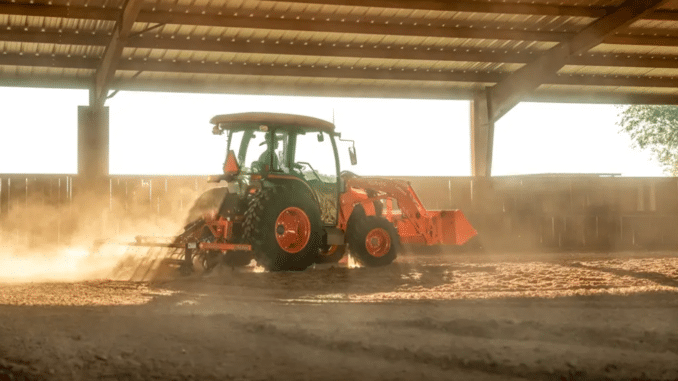
Kubota Standard L and Grand L Compact Tractor Models and Maintenance Guide
Kubota Standard L and Grand L tractors cover two closely related sides of compact tractor ownership: straightforward utility work and premium, higher-feature acreage maintenance. Standard L models emphasize practical operation, rear-implement versatility, and value. Grand L models add more advanced transmission controls, operator comfort, and equipment choices, including factory cabs on many configurations. Kubota’s current offerings include the Standard L02 and Grand L70 families, while the Grand L60 remains listed in Canada alongside the newer L70.kubotausa+2
For homeowners, acreage owners, hobby farmers, and landscapers, this directory provides a starting point for finding the right model information and keeping an existing tractor working reliably. It brings together current models, discontinued generations, and documented North American L-series predecessors.
Use this page to reach model-specific guides, maintenance articles, attachment overviews, and symptom-based troubleshooting posts. The General Kubota Compact Tractor Guide serves as the top-level hub; this page focuses on the larger, more utility-oriented compact tractors within the Standard L and Grand L branches.
About the Kubota Standard L and Grand L Compact Tractor Series
Standard L and Grand L tractors are compact utility tractors rather than sub-compacts. Current Standard L models span approximately 23–48 engine horsepower, while current Grand L70 models cover 37–60 horsepower. The preceding Grand L60 generation reaches approximately 62 horsepower. Older North American L-series predecessors extend the directory down into the 17–25 horsepower class. Horsepower figures vary with the model, publication, and measurement standard.kubotausa+3
These tractors suit mixed acreage work: moving soil and mulch, maintaining gravel drives, mowing pasture edges, preparing gardens, clearing snow, and operating rear implements. Standard L tractors generally provide a simpler utility platform. Grand L tractors emphasize premium controls, comfort, and hydraulic or transmission features. As a size reference, published Standard L02 configurations weigh roughly 2,600–3,550 pounds before attachments; a Grand L6070 is approximately 4,387 pounds in open-station form and 4,762 pounds with its cab. Loader, ballast, tires, and implements substantially change operating weight.kubotausa+2
Transmission selection is generation-specific. Standard L tractors include gear-drive and three-range hydrostatic configurations. Grand L generations include conventional gear drive, Glide Shift Transmission—usually abbreviated GST—and hydrostatic options. Grand L60 HST Plus models provide additional hydrostatic control functions, while the L70 introduces electronically controlled iHST. Do not assume every transmission was offered on every model.kubotausa+3
Four-wheel drive is central to modern loader-oriented configurations, although many older models and selected Standard L versions were also offered with two-wheel drive. Modern models typically combine power steering, a Category I three-point hitch, rear PTO, and compatible LA-series loaders. Factory cabs are a major Grand L distinction; Standard L buyers should distinguish an aftermarket enclosure from an integrated factory cab.kubotausa+3
For ownership planning, these are primarily loader-and-rear-implement tractors. Mid-PTO availability must be checked individually and does not establish mower-deck compatibility. Kubota Canada lists no mid-mount mower decks for the L60 or L70 families.kubota+1
Kubota Standard L and Grand L Compact Tractor Models
How to Use This Across-Time Directory
The tables below separate three categories:
-
Current Standard L and Grand L models.
-
Discontinued Standard L and earlier Grand L generations.
-
Earlier North American L-series tractors that preceded the present family names.
The scope is documented North American-market equipment, not every tractor worldwide carrying an L prefix. Earlier tractors are identified as predecessors rather than retrospectively labeled Standard L or Grand L. Kubota dates the evolution to the Standard L name to 1997, while the first Grand L models appear in historical listings in the 1990s.kubotausa+1
This is a best-effort across-time directory, not a claim that a complete historical USA-and-Canada sales register survives publicly. A model’s inclusion means it belongs to the documented North American ownership and service landscape; it does not mean every configuration was sold in both countries.
Rows generally represent base models. Meaningful special configurations receive separate rows, but every parts-catalog suffix is not treated as a different tractor. Kubota’s catalog includes DT, F, HST, GST, cab, Limited, narrow, and production-revision entries. Always match the full identification plate when ordering parts or selecting a manual.shop.kubotausa
Approximate horsepower below generally refers to engine horsepower, not PTO horsepower. Historical sources sometimes use different rating conventions, so small differences should not be interpreted as mechanical changes without checking the original literature.tractordata+1
Current Standard L02 Models
Kubota currently lists L2502, L3302, L3902, and L4802 models in the Standard L family. Its product literature also documents a narrow L4802 configuration. Gear-drive, HST, and two-wheel-drive availability varies by model.kubotausa+1
| Model | Approx. HP / configuration / tractor class | Typical tasks / use case | See Specific Post |
|---|---|---|---|
| L2502 | Approximately 23–25 HP; economy compact; gear or HST; selected 2WD and 4WD configurations | Driveway maintenance, loader work, garden preparation, light rotary cutting | Kubota L2502 maintenance & troubleshooting guide |
| L3302 | Approximately 33 HP; utility compact; 4WD gear or HST | Loader work, grading, tilling, pasture maintenance | Kubota L3302 maintenance & troubleshooting guide |
| L3902 | Approximately 37.5 HP; utility compact; 4WD gear or HST | Mixed acreage work, mowing, material handling, snow removal | Kubota L3902 maintenance & troubleshooting guide |
| L4802 | Approximately 48.4 HP; larger Standard L chassis; gear or HST; selected 2WD versions | Heavier grading, larger rear implements, loader work, small-farm maintenance | Kubota L4802 maintenance & troubleshooting guide |
| L4802 Narrow | Approximately 48.4 HP; narrow-track 4WD gear-drive configuration | Restricted-width access and specialized row or property work | Kubota L4802 Narrow specs and attachment overview |
The L2502 deserves a specification note: older Kubota brochures list 24.8 gross horsepower, while the current USA page and newer full-line literature list 23.3 horsepower. Use the literature matching the tractor’s production configuration rather than treating either figure as universal.kubotausa+2
Current Grand L70 Models
The current USA Grand L70 family comprises two Deluxe models and four Premium models. Kubota lists ROPS and cab configurations, while Canadian marketing uses the ProCab name for enclosed versions. These are six base models rather than twelve separate tractor platforms.kubotausa+1
| Model | Approx. HP / configuration / tractor class | Typical tasks / use case | See Specific Post |
|---|---|---|---|
| L3770DLX / L3770 | Approximately 37 HP; Deluxe Grand L70; iHST; ROPS or cab configuration | Estate maintenance, loader work, mowing, winter property care | Kubota L3770 maintenance & troubleshooting guide |
| L4270DLX / L4270 | Approximately 42 HP; Deluxe Grand L70; iHST; ROPS or cab configuration | Grading, tilling, snow removal, mixed implement work | Kubota L4270 maintenance & troubleshooting guide |
| L3970PRM / L3970 | Approximately 39 HP; Premium Grand L70; iHST; ROPS or ProCab | Frequent loader work, landscaping, year-round acreage maintenance | Kubota L3970 maintenance & troubleshooting guide |
| L4470PRM / L4470 | Approximately 44 HP; Premium Grand L70; iHST; ROPS or ProCab | Material handling, mowing, grading, commercial property work | Kubota L4470 maintenance & troubleshooting guide |
| L5070PRM / L5070 | Approximately 50 HP; larger Premium Grand L70; iHST; ROPS or ProCab | Larger implements, intensive loader use, snow operations | Kubota L5070 maintenance & troubleshooting guide |
| L6070PRM / L6070 | Approximately 60 HP; upper Grand L70 class; iHST; ROPS or ProCab | Demanding acreage maintenance, larger PTO implements, material handling | Kubota L6070 maintenance & troubleshooting guide |
The L70 adds a new transmission and control generation. Its model guides should therefore remain separate from L60 troubleshooting articles, even where horsepower or engine displacement appears similar.kubota+1
Grand L60 Models: Previous Generation and Continuing Canadian Listings
The L60 is the previous Grand L generation relative to the L70. However, Kubota Canada continues to publish an L60 lineup alongside its L70 products. “Previous generation” is therefore more accurate than a blanket statement that every L60 is unavailable new throughout North America. Dealer inventory and ordering availability require local confirmation.kubota+1
| Model | Approx. HP / configuration / tractor class | Typical tasks / use case | See Specific Post |
|---|---|---|---|
| L3560 | Approximately 37 HP; Grand L60; gear, GST, or HST catalog configurations; ROPS/cab variants | Estate mowing, loader work, snow removal, grading | Kubota L3560 maintenance & troubleshooting guide |
| L3560 Limited | Approximately 37 HP; reduced-equipment HST package; ROPS and cab catalog entries | Value-focused ownership with Grand L hydrostatic capability | Kubota L3560 Limited buyer’s and maintenance guide |
| L4060 | Approximately 42 HP; Grand L60; gear, GST, and HST catalog configurations; ROPS/cab variants | Landscaping, loader work, rear mowing, driveway maintenance | Kubota L4060 maintenance & troubleshooting guide |
| L4060 Limited | Approximately 42 HP; reduced-equipment HST package; ROPS and cab catalog entries | Mixed acreage work where premium chassis capability matters more than every convenience feature | Kubota L4060 Limited maintenance & troubleshooting guide |
| L4760 | Approximately 49 HP; Grand L60; GST or HST configurations; cab versions documented | Larger mowing jobs, loader use, ground preparation | Kubota L4760 maintenance & troubleshooting guide |
| L5060 | Approximately 52 HP; Grand L60; GST configuration documented | Sustained PTO work, grading, field and utility tasks | Kubota L5060 maintenance & troubleshooting guide |
| L5460 | Approximately 56 HP; Grand L60; HST; ROPS/cab variants | Intensive loader work, larger rear implements, snow removal | Kubota L5460 maintenance & troubleshooting guide |
| L6060 | Approximately 62 HP; largest Grand L60; HST; ROPS/cab variants; anniversary cab edition documented | Heavy compact-tractor duties, larger mowing equipment, material handling | Kubota L6060 maintenance & troubleshooting guide |
Transmission and special-package entries above are supported by Kubota’s parts catalog; Canadian retail configurations can differ from the complete historical catalog.kubota+1
Discontinued Standard L Models
These models form the main used-tractor progression behind the present Standard L02 family. The L3700SU is included separately because Kubota documents it as a distinct service model rather than merely a suffix on another tractor.shop.kubotausa+1
| Model | Approx. HP / configuration / tractor class | Typical tasks / use case | See Specific Post |
|---|---|---|---|
| L2500 (discontinued) | Approximately 27 HP; gear-drive economy compact; 2WD/4WD entries | Garden work, rear mowing, grading, light loader use | Kubota L2500 maintenance & troubleshooting guide |
| L2600 (discontinued) | Approximately 27 HP; gear-drive Standard L; 2WD/4WD | Small-acreage maintenance, mowing, tilling | Kubota L2600 maintenance & troubleshooting guide |
| L3000 (discontinued) | Approximately 32 HP; gear-drive Standard L; 2WD/4WD | Loader work, grading, mowing, small-farm chores | Kubota L3000 maintenance & troubleshooting guide |
| L4300 (discontinued) | Approximately 45 HP; larger gear-drive Standard L; 2WD/4WD | Heavier rear implements, field maintenance, material handling | Kubota L4300 maintenance & troubleshooting guide |
| L2800 (discontinued) | Approximately 29–30 HP; gear or HST depending on configuration | Loader work, mowing, landscaping, driveway maintenance | Kubota L2800 maintenance & troubleshooting guide |
| L3400 (discontinued) | Approximately 34–36 HP depending on publication and revision; gear or HST | Mixed acreage work, mowing, tilling, grading | Kubota L3400 maintenance & troubleshooting guide |
| L4400 (discontinued) | Approximately 45 HP; larger economy compact; gear/HST catalog entries | Loader work, larger rear implements, light farm duties | Kubota L4400 maintenance & troubleshooting guide |
| L3700SU (discontinued) | Approximately 37 HP; special-utility HST compact | Loader-oriented property maintenance and rear-implement work | Kubota L3700SU maintenance & troubleshooting guide |
| L3200 (superseded) | Approximately 32 HP; Standard L; gear or HST | Residential acreage, mowing, loader work, grading | Kubota L3200 maintenance & troubleshooting guide |
| L3800 (superseded) | Approximately 37–38 HP; Standard L; gear or HST | Mixed property maintenance, tilling, snow removal | Kubota L3800 maintenance & troubleshooting guide |
| L4600 (superseded) | Approximately 46 HP; larger Standard L; gear or HST | Larger mowing equipment, grading, loader work | Kubota L4600 maintenance & troubleshooting guide |
| L2501 (superseded) | Approximately 24.8 HP; Standard L01; gear or HST; 2WD/4WD entries | Loader work, garden preparation, light mowing, driveway care | Kubota L2501 maintenance & troubleshooting guide |
| L3301 (superseded) | Approximately 33 HP; Standard L01; gear or HST | Landscaping, grading, mowing, material handling | Kubota L3301 maintenance & troubleshooting guide |
| L3901 (superseded) | Approximately 37.5 HP; Standard L01; gear or HST | Mixed acreage maintenance, rotary cutting, tilling | Kubota L3901 maintenance & troubleshooting guide |
| L4701 (superseded) | Approximately 47 HP; larger Standard L01; gear or HST | Larger implements, loader duties, small-farm maintenance | Kubota L4701 maintenance & troubleshooting guide |
Historical family placement, approximate power, and configuration listings are drawn from the model index and Kubota’s North American parts catalog. Production years and available transmissions should be checked in the individual model guide.shop.kubotausa+1
Early Grand L and Grand L10 Models
The original Grand L group consists of the L2900, L3300, L3600, and L4200. The following L10 generation adds the familiar L3010 through L4610 models. Factory-cab availability and transmission choices vary; a cab or GST listing for one model should not be generalized to the entire generation.shop.kubotausa+1
| Model | Approx. HP / configuration / tractor class | Typical tasks / use case | See Specific Post |
|---|---|---|---|
| L2900 (discontinued) | Approximately 32 HP; early Grand L; gear/GST configurations | Loader work, mowing, grading, acreage maintenance | Kubota L2900 maintenance & troubleshooting guide |
| L3300 (discontinued) | Approximately 35 HP; early Grand L; gear/GST configurations | Landscaping, mowing, garden and driveway work | Kubota L3300 maintenance & troubleshooting guide |
| L3600 (discontinued) | Approximately 38 HP; early Grand L; gear/GST; cab entries documented | Loader work, snow removal, rear implements | Kubota L3600 maintenance & troubleshooting guide |
| L4200 (discontinued) | Approximately 45 HP; larger early Grand L; cab and transmission variants | Field maintenance, grading, material handling | Kubota L4200 maintenance & troubleshooting guide |
| L3010 (discontinued) | Approximately 32 HP; Grand L10; gear/GST/HST configurations | Mowing, loader work, estate maintenance | Kubota L3010 maintenance & troubleshooting guide |
| L3410 (discontinued) | Approximately 35 HP; Grand L10; gear/GST/HST configurations | Landscaping, snow work, driveway care | Kubota L3410 maintenance & troubleshooting guide |
| L3710 (discontinued) | Approximately 38 HP; Grand L10; transmission and cab variants | Mixed acreage duties, mowing, loader work | Kubota L3710 maintenance & troubleshooting guide |
| L4310 (discontinued) | Approximately 45 HP; larger Grand L10; transmission and cab variants | Larger rear implements, grading, winter work | Kubota L4310 maintenance & troubleshooting guide |
| L4610 (discontinued) | Approximately 47–48 HP; upper Grand L10; GST/HST and cab entries | Intensive property maintenance, loader work, mowing | Kubota L4610 maintenance & troubleshooting guide |
Approximate ratings and generation membership follow historical listings, with configuration support from Kubota’s parts catalog.shop.kubotausa+1
Grand L30 Models
The Grand L30 generation spans approximately 32–52 engine horsepower. It includes multiple transmission configurations, but not every model shares the same options or cab arrangements.shop.kubotausa+1
| Model | Approx. HP / configuration / tractor class | Typical tasks / use case | See Specific Post |
|---|---|---|---|
| L3130 (discontinued) | Approximately 32 HP; Grand L30; gear/GST/HST entries | Mowing, loader work, grading, garden preparation | Kubota L3130 maintenance & troubleshooting guide |
| L3430 (discontinued) | Approximately 35 HP; Grand L30; transmission and cab variants | Landscaping, snow removal, estate work | Kubota L3430 maintenance & troubleshooting guide |
| L3830 (discontinued) | Approximately 39 HP; Grand L30; gear/GST/HST entries | Mixed acreage maintenance, rear mowing, tilling | Kubota L3830 maintenance & troubleshooting guide |
| L4330 (discontinued) | Approximately 43 HP; Grand L30; transmission and cab variants | Loader work, grading, larger implements | Kubota L4330 maintenance & troubleshooting guide |
| L4630 (discontinued) | Approximately 47 HP; larger Grand L30; transmission and cab variants | Small-farm utility work, mowing, material handling | Kubota L4630 maintenance & troubleshooting guide |
| L5030 (discontinued) | Approximately 52 HP; upper Grand L30; GST/HST and cab entries | Larger PTO implements, intensive acreage maintenance | Kubota L5030 maintenance & troubleshooting guide |
Model power and configurations are approximate; use the full model suffix to distinguish transmission, cab, and parts requirements.shop.kubotausa+1
Grand L40 Models
The Grand L40 directory needs to retain the L5040 as well as the more familiar HST-equipped models. Kubota’s catalog documents the L5040 as a GST tractor, while the L5240 and L5740 appear in HST configurations. Production-revision suffixes such as “-3” also occur.shop.kubotausa
| Model | Approx. HP / configuration / tractor class | Typical tasks / use case | See Specific Post |
|---|---|---|---|
| L3240 (discontinued) | Approximately 34 HP; Grand L40; gear/GST/HST and cab entries | Estate maintenance, mowing, loader work | Kubota L3240 maintenance & troubleshooting guide |
| L3540 (discontinued) | Approximately 37 HP; Grand L40; GST/HST and cab entries | Landscaping, grading, winter work | Kubota L3540 maintenance & troubleshooting guide |
| L3940 (discontinued) | Approximately 40 HP; Grand L40; transmission and cab variants | Loader work, rear mowing, tilling | Kubota L3940 maintenance & troubleshooting guide |
| L4240 (discontinued) | Approximately 44 HP; Grand L40; transmission and cab variants | Larger acreage maintenance, material handling | Kubota L4240 maintenance & troubleshooting guide |
| L4740 (discontinued) | Approximately 47–49 HP; larger Grand L40; GST/HST and cab entries | Grading, mowing, loader duties, snow removal | Kubota L4740 maintenance & troubleshooting guide |
| L5040 (discontinued) | Approximately 52 HP; Grand L40; GST configuration | Sustained PTO work, field and utility tasks | Kubota L5040 maintenance & troubleshooting guide |
| L5240 (discontinued) | Approximately 54 HP; Grand L40; HST; ROPS/cab entries | Intensive loader work, larger rear implements | Kubota L5240 maintenance & troubleshooting guide |
| L5740 (discontinued) | Approximately 59 HP; upper Grand L40; HST; ROPS/cab entries | Demanding acreage work, larger mowing equipment, material handling | Kubota L5740 maintenance & troubleshooting guide |
Historical horsepower and generation groupings follow the model index; Kubota’s parts catalog establishes the listed service configurations.shop.kubotausa+1
Earlier North American L-Series Models and Predecessors
These tractors belong in an ownership directory because they remain relevant to maintenance, repair, parts identification, and used-equipment research. They should not all be described as Standard L tractors in the modern marketing sense. Some larger models also sit closer to the compact/utility boundary than today’s smaller Standard L machines.kubotausa+2
| Model | Approx. HP / configuration / tractor class | Typical tasks / use case | See Specific Post |
|---|---|---|---|
| L200, North American version (legacy) | Approximately 21 HP; early diesel compact; market identification essential | Garden work, light cultivation, rear implements | Kubota L200 identification and maintenance guide |
| L210 (legacy) | Approximately 21 HP class; early gear-drive compact; “new type” catalog entry also documented | Small-acreage chores, cultivation, light hauling | Kubota L210 maintenance & troubleshooting guide |
| L260 / L260P (legacy) | Approximately 26 HP; early L-series compact; verify exact market version | Rear mowing, cultivation, light utility work | Kubota L260 maintenance & troubleshooting guide |
| L175 (legacy) | Approximately 17 HP; small early L-series compact | Garden preparation, light rear implements, property chores | Kubota L175 maintenance & troubleshooting guide |
| L185 (legacy) | Approximately 17 HP; 2WD/4WD catalog variants | Garden work, mowing, light loader duties where equipped | Kubota L185 maintenance & troubleshooting guide |
| L225 (legacy) | Approximately 24 HP class; early compact; 2WD/4WD entries | Mowing, grading, small-farm maintenance | Kubota L225 maintenance & troubleshooting guide |
| L235 (legacy) | Approximately 23–24 HP; early compact | Garden work, rear mowing, light loader tasks | Kubota L235 maintenance & troubleshooting guide |
| L245 (legacy) | Approximately 25 HP; gear-drive compact; 2WD/4WD entries | Mowing, tilling, driveway and property maintenance | Kubota L245 maintenance & troubleshooting guide |
| L245H (legacy specialty variant) | Approximately 25 HP; high-clearance configuration; not an HST designation | Cultivation and crop-clearance work | Kubota L245H identification and maintenance guide |
| L275 (legacy) | Approximately 27 HP; older compact utility tractor | Loader work, mowing, grading, garden preparation | Kubota L275 maintenance & troubleshooting guide |
| L285 / L285P / L285WP (legacy) | Approximately 30 HP; early L-series; P/WP catalog variants | Field maintenance, mowing, grading, utility work | Kubota L285 maintenance & troubleshooting guide |
| L295 (legacy) | Approximately 30 HP; 2WD/4WD entries | Rear implements, loader work, small-farm chores | Kubota L295 maintenance & troubleshooting guide |
| L305 (legacy) | Approximately 30 HP; 2WD/4WD entries | Mowing, tilling, grading, material handling | Kubota L305 maintenance & troubleshooting guide |
| L345 (legacy) | Approximately 34 HP; early compact utility; 2WD/4WD entries | Heavier rear implements, loader work, field maintenance | Kubota L345 maintenance & troubleshooting guide |
| L355SS (legacy) | Approximately 36 HP; shuttle-oriented compact utility configuration | Repeated loader cycles and general utility work | Kubota L355SS maintenance & troubleshooting guide |
| L2050 (legacy) | Approximately 25 HP; gear-drive compact; 2WD/4WD entries | Basic property maintenance, mowing, garden work | Kubota L2050 maintenance & troubleshooting guide |
| L2250 (legacy) | Approximately 26 HP; compact; 2WD/4WD entries | Landscaping, mowing, light loader work | Kubota L2250 maintenance & troubleshooting guide |
| L2550 (legacy) | Approximately 29 HP; compact; gear/GST catalog entries | Loader work, grading, rear mowing | Kubota L2550 maintenance & troubleshooting guide |
| L2550-TOW (legacy specialty variant) | L2550-based tow configuration; verify equipment and specification | Towing-oriented utility duties | Kubota L2550-TOW identification and service guide |
| L2850 (legacy) | Approximately 34 HP; compact; gear/GST entries | Loader work, mowing, mixed acreage maintenance | Kubota L2850 maintenance & troubleshooting guide |
| L3250 (legacy) | Approximately 40 HP; larger compact; 2WD/4WD entries | Larger rear implements, grading, utility work | Kubota L3250 maintenance & troubleshooting guide |
| L3350 (legacy) | Approximately 40 HP; larger 4WD compact | Loader work, mowing, small-farm maintenance | Kubota L3350 maintenance & troubleshooting guide |
| L3750 (legacy) | Approximately 45 HP; heavier compact utility | Field work, grading, material handling | Kubota L3750 maintenance & troubleshooting guide |
| L4150 (legacy) | Approximately 50 HP; heavy compact/utility class; narrow variant documented | Larger implements, loader duties, specialized access | Kubota L4150 maintenance & troubleshooting guide |
| L2350 (legacy) | Approximately 25 HP; basic gear-drive compact; 2WD/4WD entries | Mowing, gardening, light loader and grading work | Kubota L2350 maintenance & troubleshooting guide |
| L2650 (legacy) | Approximately 29 HP; compact; gear/GST and wet-clutch catalog entries | Landscaping, mowing, loader work | Kubota L2650 maintenance & troubleshooting guide |
| L2950 (legacy) | Approximately 31 HP; compact; gear/GST and wet-clutch catalog entries | Mixed acreage maintenance, grading, tilling | Kubota L2950 maintenance & troubleshooting guide |
| L3450 (legacy) | Approximately 36 HP; compact; gear/GST and wet-clutch catalog entries | Loader work, mowing, property maintenance | Kubota L3450 maintenance & troubleshooting guide |
| L3650 (legacy) | Approximately 40 HP; larger compact; gear/GST and wet-clutch catalog entries | Larger implements, grading, light field work | Kubota L3650 maintenance & troubleshooting guide |
| L4350 (legacy) | Approximately 47 HP; heavier L-series compact/utility; 4WD | Loader work, mowing, field and driveway maintenance | Kubota L4350 maintenance & troubleshooting guide |
| L4850 (legacy) | Approximately 53 HP; heavier L-series compact/utility; 4WD | Larger rear implements, utility work, material handling | Kubota L4850 maintenance & troubleshooting guide |
| L5450 (legacy) | Approximately 59.5 HP; utility-class edge of the older L range; 4WD | Demanding implement work and heavier property duties | Kubota L5450 maintenance & troubleshooting guide |
The legacy inventory is supported by Kubota’s USA parts catalog and historical model listings. The L200 requires particular care because Kubota explicitly distinguishes Japanese-market and USA-market tractors carrying that model number. The same general identification caution applies to older imported machines.shop.kubotausa+3
Models That Need a Separate Directory
A reliable index also needs boundaries.
Japanese-market L1500, L1501, L1801, L1802, L2000, L2002, and numerous other older L-numbered tractors should not automatically be added as official USA/Canada Standard L models. Kubota publishes a gray-market identification list because similar-looking tractors can differ in safety equipment, specifications, and support. The Japanese GL range should not be confused with the North American Grand L family.kubotausa
Likewise, L35, L39, L45, L47, and L48 tractors deserve a separate Kubota Tractor-Loader-Backhoe Models Guide. Kubota documents them in its L-series service catalog, but they should not be silently combined with ordinary Standard L and Grand L configurations.shop.kubotausa
Standard L and Grand L Compact Tractor Maintenance Guides
Routine Service and Inspection Points
A useful service plan begins with the full model number, transmission type, serial number, and attachment list. An L245 gear tractor, L3560 HST, and L6070 iHST should not share an undifferentiated maintenance schedule.
Use the Kubota Standard L and Grand L compact tractor service interval checklist as the planning article, then route readers to their exact model’s schedule. Kubota manuals distinguish initial service from recurring work and separate some HST procedures from gear-drive procedures.manualslib+1
The main service categories are:
| Service area | Practical inspection or service focus | Interval approach |
|---|---|---|
| Engine oil and filter | Check level, leakage, oil condition, correct grade, filter identification, and refill quantity | Follow the model-specific initial and recurring schedule |
| Air intake | Inspect the restriction indicator where fitted, element, housing seals, intake hoses, and clamps | Inspect more frequently in dusty mowing or grading conditions |
| Fuel system | Check for water, contamination, damaged hoses, filter restriction, and leakage | Follow the filter and water-separator instructions for that fuel system |
| Hydraulic/transmission system | Check level in the specified tractor and implement position; inspect filters, hoses, and connections | Treat filter changes and full fluid changes as separate scheduled operations |
| Front axle | Check lubricant level, seals, hub areas, and axle housing leakage on 4WD tractors | Use the specified fluid and axle-service interval |
| Cooling system | Clean screens and radiator surfaces; inspect coolant level, hoses, belt, and leaks | Combine operating checks with the manual’s coolant-replacement schedule |
| Grease points | Service specified axle supports, pedal pivots, hitch points, and attachment fittings | Use the individual tractor and attachment lubrication charts |
| Electrical system | Inspect battery security, terminals, grounds, wiring, charging indications, and lights | Include routine visual checks and scheduled safety-system tests |
The L2501 illustrates why precise schedules matter: its published operator-manual contents include 50-hour lubrication and safety checks, 200-hour HST-filter service, and 400-hour engine-oil and other fluid/filter procedures. That is an example for that model and manual—not a universal Standard L or Grand L schedule.manualslib+2
The Kubota Standard L and Grand L engine oil, filters, and fluid service guide should explain fluid specifications, filter differences, drain points, refill checks, and the distinction between US gallons, Imperial gallons, and litres. Kubota’s service literature also notes that fluid product names can vary by country.manualmachine+1
Mower, PTO, and Implement Maintenance
For these families, rear-mounted mowing equipment is usually more relevant than a belly mower. Kubota Canada lists no mid-mount mower decks for current L60 and L70 tractors, so mower articles should distinguish rear finish mowers and rotary cutters from model-specific historical deck installations.kubota+1
The PTO and implement driveline service for Standard L and Grand L models guide should cover:
-
PTO-shaft guards, locking collars, universal joints, and telescoping sections.
-
Driveline length and clearance throughout the hitch’s operating travel.
-
Implement gearbox lubricant and signs of seal leakage.
-
Slip-clutch or shear-bolt protection specified by the implement manufacturer.
-
Blade, belt, spindle, caster-wheel, and discharge-guard inspection.
-
Hitch stabilizers, lift-arm wear, top-link adjustment, and retaining pins.
Where a tractor has a documented mid-mount deck installation, use its own setup procedure for cutting height, side-to-side leveling, front-to-rear pitch, belt routing, and blade fastener torque. Do not transfer rear-mower settings to a belly deck.
Loader inspections belong in Loader and hydraulic attachment maintenance on Kubota Standard L and Grand L compact tractors. This article should distinguish attachment quick-coupler locks from the loader’s tractor-mounting pins and should cover hose abrasion, cylinder-rod damage, coupler cleanliness, and mounting hardware. Modern Kubota loader packages differ in their quick-attach equipment, so the tractor’s horsepower alone does not identify the fitted coupler.kubotausa+1
Before inspecting a driveline, stop the engine, remove the key, wait for rotation to stop, and lower equipment securely. Never work beneath an attachment held up only by hydraulic pressure.
Steering, Front Axle, Tires, and Chassis Maintenance
Front axle and steering maintenance across Kubota Standard L and Grand L tractors should focus on leakage, steering-joint wear, axle-pivot condition, front-drive components, and correct lubrication procedures.
Even greasing can involve a model-specific detail. The L2501 manual, for example, specifies removing a breather plug when lubricating the front axle support. More grease is not a substitute for following the correct procedure.manualslib
The Tire, ballast, and chassis setup for Kubota Standard L and Grand L compact tractors guide should address:
-
Tire pressures appropriate to tire construction, axle load, and operating task.
-
Correctly matched front and rear tire combinations on 4WD machines.
-
Wheel-bolt torque and inspection after wheel removal or tread adjustment.
-
Loader brackets, backhoe subframes, mounting bolts, and visible cracking.
-
Rear ballast requirements for loader work.
-
Brake adjustment, parking-brake function, ROPS hardware, seat belts, and operator-presence systems.
Kubota includes wheel-torque and safety-interlock checks in the L2501 service schedule, and its loader guidance emphasizes proper ballast. Treat these as regular maintenance subjects, not optional accessories to an oil-change routine.kubotausa+1
Standard L and Grand L Compact Tractor Troubleshooting Guides
The troubleshooting hub should route readers by symptom first, then by model and transmission. These are diagnostic categories, not claims that every model suffers from the same recurring defects.
Starting, Engine, Fuel, and Electrical Problems
The first split is between an engine that does not crank and one that cranks but will not start. Those symptoms lead to different checks.
Kubota Standard L and Grand L starting problems – diagnostics and fixes should direct readers through battery condition, cable connections, grounds, starting controls, and the model’s required neutral/PTO/operator-presence conditions. Safety switches should be tested according to the manual, not bypassed. Kubota’s published service schedules include separate starting-system checks for manual and HST tractors.manualslib+1
For an engine that cranks normally, Engine and fuel system issues across Standard L and Grand L compact tractors should organize investigation around:
-
Fuel quantity, fuel quality, and the possibility of water contamination.
-
Restricted filters or damaged supply hoses.
-
Air introduced after running out of fuel or replacing components.
-
Correct cold-start and glow-plug procedures.
-
Air-intake restriction.
-
Warning lights or diagnostic messages on electronically controlled models.
Older mechanical-injection tractors need a different diagnostic path from common-rail models. The current Grand L70 uses electronically controlled common-rail injection, so its fuel-system articles should not suggest treating high-pressure lines as ordinary bleed points.kubotausa+1
Smoke and power complaints also need context. Record whether the problem occurs during cold starting, after warm-up, under PTO load, or during travel. Check basic maintenance and cooling-system condition before assuming internal engine damage. A model-specific guide should then distinguish fuel, intake, cooling, injection, and emissions-system investigations.
Battery, charging, and electrical troubleshooting for Kubota Standard L and Grand L models should cover slow cranking, intermittent starting, poor grounds, damaged wiring, blown fuses, and charging complaints. The article should identify the applicable wiring diagram rather than presenting one circuit as representative of decades of L-series production.
Hydraulic, Loader, PTO, and Implement Problems
Hydraulic troubleshooting becomes clearer when the owner records which functions are affected. A slow loader with a normal three-point hitch is a different starting point from a tractor where every hydraulic function has weakened.
Hydraulic and loader problems on Kubota Standard L and Grand L tractors should organize checks around fluid level, fluid temperature, filter history, visible leaks, coupler engagement, hose routing, and attachment plumbing. Kubota’s maintenance literature treats transmission-fluid, hydraulic-filter, and HST-filter service as distinct tasks; a recent engine-oil change does not establish that the hydraulic system has been serviced.manualslib+1
Useful symptom routes include:
-
Weak lift in all loader functions.
-
One loader function that is slow or inoperative.
-
Hydraulic whine that changes with temperature or engine speed.
-
Three-point hitch movement that is weak, erratic, or absent.
-
A remote circuit that will not operate an attachment.
-
Hydraulic overheating during sustained use.
-
Leakage or difficulty connecting an attachment coupler.
The 3-point hitch and PTO troubleshooting for Standard L and Grand L models guide must identify the PTO system before giving adjustment advice. Current Standard L tractors alone include different transmission-driven/live and electrohydraulic independent PTO arrangements, depending on configuration.kubotausa
Implement vibration and driveline issues on Kubota Standard L and Grand L compact tractors should then separate tractor faults from attachment faults. Inspect the implement, shaft, guards, blade condition, gearbox, and hitch geometry before concluding that the tractor’s PTO is defective.
Pressure testing, internal valve work, and hydraulic repairs need model-specific procedures. Relieve pressure before disconnecting equipment, and never use a hand to search for a suspected high-pressure leak.
Transmission, Drive, 4WD, and Traction Problems
The transmission branch should begin with three questions: Is the tractor gear drive, GST, or HST/iHST? Does the engine lose speed? Does the symptom occur cold, hot, or only under load?
Transmission and drive problems on Kubota Standard L and Grand L tractors should keep separate diagnostic paths for conventional gearboxes, Glide Shift, conventional HST, HST Plus, and iHST. These are distinct systems across the documented generations.kubota+2
For hydrostatic complaints, document the selected range, engine speed, pedal position, terrain, implement load, brake condition, and service history. For gear-drive complaints, identify whether the issue concerns clutch disengagement, range selection, shuttle operation, or an individual gear. GST complaints require their own model-specific checks rather than a generic clutch-adjustment article.
The 4WD and traction issues across Kubota Standard L and Grand L models guide should address:
-
Whether the front axle is actually receiving drive.
-
Engagement or disengagement difficulties.
-
Axle or driveline noise.
-
Mismatched or recently changed tires.
-
Brake drag.
-
Wheelspin during loader or grading work.
-
Changes caused by soil conditions, snow, or attachment weight.
How ballast, tires, and terrain affect Kubota compact tractor performance should distinguish wheelspin from loss of engine power or transmission drive. Ballast is particularly important during loader work, but it must follow the tractor and loader requirements rather than an arbitrary weight recommendation.kubotausa
Attachments and Implements for the Kubota Standard L and Grand L Compact Tractor Series
Front Loaders, Forks, and Grapples
Front loaders are central to both families, but compatibility depends on the tractor generation, loader mounting kit, hydraulics, and ballast requirements.
Kubota currently pairs the LA526 with the L2502, L3302, and L3902, and the LA766 with the L4802. The Grand L70 introduces newer loader choices, including LA806 and LA1056 equipment and an LM1056 mechanical self-leveling option. These designations should not be treated as interchangeable across older tractors.kubotausa+1
Typical front-loader tools include buckets, pallet forks, light grapples, snow pushers, and appropriately matched specialty attachments.
Before selecting one, check:
-
The actual loader and attachment interface.
-
Attachment weight before adding payload.
-
Lift capacity at the required height and load position.
-
Rear ballast and axle limits.
-
Hydraulic requirements for opening, angling, or rotating functions.
-
Hose routing, coupler type, and clearance.
A fork attachment’s own rating is not the tractor’s lifting capacity. Likewise, a bucket-pin capacity is not automatically the capacity available at the front of a long pallet. Model articles should use the loader’s relevant rating and explain where that rating is measured.
Grapples commonly require a suitable third-function or diverter arrangement. Kubota lists third-function equipment and compatible grapple products, but the valve kit must match the tractor/loader combination.kubotausa
Backhoes and Tractor-Loader-Backhoe Configurations
Selected Standard L and Grand L tractors accept matched backhoes, but a removable backhoe does not turn every tractor into the same machine as a dedicated TLB model.
For current Standard L equipment, Kubota identifies the BH77 for the L2502, L3302, and L3902, and the BH92 for the L4802. Older tractors require their own compatibility check rather than a horsepower-based substitution.kubotausa
Backhoe planning should establish the approved mounting arrangement, hydraulic connections, operator seating, attachment clearances, and any restrictions involving cabs or other equipment. Structural compatibility matters as much as digging depth.
Mowers, Rotary Cutters, Tillers, and Rear Implements
The rear three-point hitch and PTO provide the broadest attachment pathway for these families. Common equipment includes:
-
Rear finish mowers for maintained grass.
-
Rotary cutters for suitable rough vegetation.
-
Flail mowers where their power and weight requirements fit.
-
Rotary tillers for gardens and seedbed preparation.
-
Box blades and grading scrapers for gravel drives.
-
Rear blades for grading and snow.
-
Landscape rakes, aerators, spreaders, and seeders.
-
Ballast boxes and other properly matched Category I equipment.
Current Standard L literature specifies Category I hitches and publishes different lift capacities across the chassis sizes. Implement selection therefore needs more than a shared hitch category: weight, centre of gravity, PTO demand, working width, and terrain all matter.kubotausa+1
Mid-mount mowers should remain a model-specific exception, not a general promise for the family. For current L60 and L70 shopping, Kubota Canada identifies no mid-mount deck offering. Rear finish mowers are the more relevant directory route.kubota+1
The Attachments and implement options for Kubota Standard L and Grand L compact tractors guide should serve as the broad selection hub. Setting up loaders, mowers, and rear implements on Kubota Standard L and Grand L models should handle installation details, hitch geometry, driveline fit, and ballast.
Snow Removal and Seasonal Setup
Both families can support snow-removal equipment, but the mounting and drive arrangement must be established before choosing a blower or blade.
Rear-PTO snow blowers, rear blades, and compatible loader-mounted snow tools provide different operating approaches. A front blower can require a dedicated hitch, drive system, and compatible tractor configuration; it is not simply a universal loader attachment. Kubota lists multiple rear snow-blower and loader-blade products, with some regional availability differences.kubotausa
Snow removal and seasonal attachment setup for Kubota Standard L and Grand L tractors should cover tire selection, approved traction aids, ballast, hydraulic hose routing, cutting-edge adjustment, cold-weather starting, and post-season inspection. Cab-equipped Grand L models also justify separate attention to heating, glass, wipers, lights, and operator visibility.