
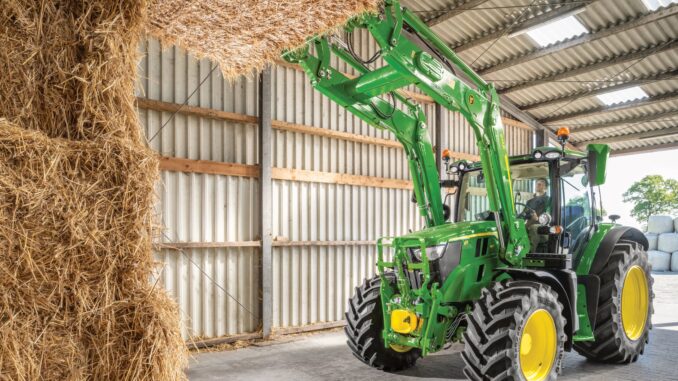
Introduction to the John Deere 2630
The John Deere 2630 is a 1970s-era utility tractor in the 2000 Series, built for mixed farm, acreage and light loader work rather than just lawn care. It is typically used for mowing with mounted implements, light tillage, loader work, and general yard duties on small to medium farms and rural properties.
This John Deere 2630 service and repair guide is written for owners in the USA and Canada who want to handle basic maintenance and sensible DIY repairs while understanding where a dealer or experienced mechanic is required. You’ll find an overview of key systems, common parts and numbers, a clear troubleshooting approach, maintenance schedules, and an expanded FAQ with symptom-first answers.
John Deere 2630 model overview
The John Deere 2630 sits in the classic 2000 Series row-crop/utility range, above smaller compact tractors and below larger row-crop machines of its era. It uses a diesel engine, live hydraulics, and a mechanical transmission with multiple ranges, commonly paired with a 3‑point hitch and PTO for mowers, tillers, and other implements.
Key systems on the John Deere 2630 that owners will routinely interact with include:
-
Engine and fuel system (diesel injection, filters, glow plug starting aids depending on configuration)
-
Cooling system (radiator, fan, hoses, coolant)
-
Hydraulic system (main hydraulic pump, filters, lines, selective control valves)
-
Transmission and final drive (gearbox, differential, brakes)
-
PTO and 3‑point hitch (driveline to implements, lift arms, linkage)
-
Electrical system (starter, alternator/generator, battery, lights, gauges, switches)
Common service parts owners frequently buy for the John Deere 2630 include:
-
Engine oil filter
-
Fuel filters (primary and secondary, depending on arrangement)
-
Hydraulic filter element
-
Air filter and pre-cleaner
-
Fan belt
-
Radiator cap and hoses
-
Brake components and seals
-
Starter and ignition switch components
-
PTO and hydraulic seals and O‑rings
John Deere 2630 troubleshooting approach
With the John Deere 2630, always start troubleshooting from the symptom the owner sees, then work back to systems and parts. Don’t jump directly to “bad pump” or “bad injector” without confirming simple checks like fluid levels, filters and linkages.
Think in terms of categories:
-
Starting issues (engine cranks slowly or not at all, won’t fire, hard cold starts)
-
Running issues (loss of power, misfiring, stalling under load, smoke)
-
Hydraulics and 3‑point (slow lift, no lift, jerky movement, loader won’t respond)
-
PTO and implements (PTO won’t engage, slips under load, noise from driveline)
-
Vibration and noise (driveline vibration, knocking noises, grinding)
-
Overheating and leaks (coolant loss, oil leaks, hydraulic leaks)
-
Transmission/drive (difficult shifting, grinding gears, poor braking, differential noise)
-
Electrical and safety (battery drain, charging problems, lights/gauges dead, safety switches)
For each symptom, start with: visual checks, fluid levels, linkages, and then move towards deeper system checks (pressure tests, timing, electrical measurements) as needed.
Emergency and immediate repair needs on a John Deere 2630
Some John Deere 2630 issues must be addressed immediately because they make the tractor unsafe or will quickly damage expensive components like the engine or hydraulic system. In this section we focus on what you might see in the field and how to respond.
John Deere 2630 starting issues
If your John Deere 2630 will not start, cranks very slowly, or requires ether frequently to fire, you’re dealing with a starting issue that can quickly lead to engine damage if abused. Hard starting often indicates fuel, compression, electrical, or glow-plug-related problems.
Common causes:
-
Weak or failing battery
-
Poor cable connections or grounding
-
Faulty starter motor or solenoid
-
Air in fuel system or clogged fuel filters
-
Failing glow plugs or cold-start aids (where equipped)
Basic owner checklist:
-
Check battery voltage and condition; clean and tighten terminals.
-
Inspect main grounds from battery to chassis and engine.
-
Confirm fuel shutoff is open and there is adequate fuel in the tank.
-
Bleed the fuel system if filters were recently changed or lines opened.
-
Use correct cold-start procedure; avoid excessive ether use.
John Deere 2630 hydraulic and 3‑point problems
Hydraulic issues on a John Deere 2630, such as no lift, very slow loader response, or jerky movement, should be treated as urgent because running with low hydraulic oil or cavitation can damage the pump.
Common causes:
-
Low hydraulic oil level or wrong fluid type
-
Clogged hydraulic filter element
-
Air in hydraulic lines or suction leaks
-
Worn or failing hydraulic pump
-
Internal leakage in valves or cylinders
Basic owner checklist:
-
Verify hydraulic oil level and correct specification.
-
Inspect for obvious leaks at hoses, fittings and seals.
-
Replace or inspect hydraulic filter element if service is overdue.
-
Listen for pump whine or cavitation noises when operating hydraulics.
-
If hydraulics remain weak, arrange pressure and flow tests at a dealer.
John Deere 2630 vibration and noise
Serious vibration, grinding noises, or knocking on a John Deere 2630 can indicate driveline, transmission, or engine problems. Continuing to operate the tractor can lead to catastrophic failure.
Common causes:
-
Worn universal joints or driveline components
-
Loose or damaged flywheel, clutch, or pressure plate
-
Damaged bearings in transmission or final drive
-
Engine internal problems (rod knock, piston slap)
-
Loose or broken mounts and brackets
Basic owner checklist:
-
Stop operation and identify the general area of noise (engine, rear end, front).
-
Inspect driveline and U‑joints for obvious play or damage.
-
Check wheel hubs and axle ends for looseness.
-
Observe engine noise at idle and under light load; do not continue under heavy load.
-
If internal transmission or engine noise is suspected, consult a dealer promptly.
John Deere 2630 overheating and leaks
Overheating and significant leaks on a John Deere 2630 must be treated as immediate repair needs to protect the engine and hydraulics.
Common causes:
-
Low coolant level or clogged radiator
-
Fan belt loose or broken
-
Stuck thermostat
-
Oil or hydraulic leaks at seals and hoses
-
Clogged screens or debris blocking airflow
Basic owner checklist:
-
Stop the tractor and allow it to cool; never open a hot radiator.
-
Check coolant level and look for external leaks.
-
Inspect fan belt tension and condition.
-
Clean radiator fins and side screens; remove chaff and dirt.
-
Top up fluids as specified and schedule repair of leaking seals or hoses.
John Deere 2630 transmission and drive issues
Grinding gears, difficulty shifting, or unexpected movement can be safety-critical on the John Deere 2630.
Common causes:
-
Clutch wear or misadjustment
-
Linkage issues causing incomplete engagement
-
Worn synchronizers or gear damage
-
Brake system wear or contamination
Basic owner checklist:
-
Confirm clutch pedal free play and adjustment match the manual.
-
Be sure you are using correct shifting technique (pause between ranges if required).
-
Inspect external linkages for wear, loose pins or damage.
-
Test brakes individually for even stopping and response.
-
If grinding persists, have dealer inspect clutch and transmission internals.
John Deere 2630 electrical problems
Major electrical issues on the John Deere 2630, including no charge, dead lights, or melted wiring, should be resolved quickly to avoid fire risk and prevent starting failures.
Common causes:
-
Failed alternator or generator
-
Broken or slipping alternator belt
-
Shorted or chafed wiring harness
-
Failed ignition or key switch
-
Corroded connectors and grounds
Basic owner checklist:
-
Check that the charge indicator on the dash behaves normally with engine speed.
-
Inspect the alternator/generator belt and tension.
-
Look for damaged or chafed wiring, especially near moving parts.
-
Clean and tighten major grounds and connectors.
-
Replace clearly burnt or melted components and have a dealer check charging output.
DIY or dealer? John Deere 2630 repair decision guide
On the John Deere 2630, the practical line between DIY and dealer work usually falls between external service items and internal engine/transmission/hydraulic repairs. Owners can confidently handle fluids, filters, belts, simple electrical diagnostics, and many external adjustments. Internal mechanical repair to the engine, transmission, differential, and hydraulic pump typically require specialized tools and experience.
Good DIY jobs on a John Deere 2630:
-
Engine oil and filter changes
-
Fuel and air filter replacement and bleeding
-
Hydraulic and transmission fluid changes with filter replacement
-
Fan belt replacement and basic cooling system checks
-
Battery replacement, basic wiring repairs, light troubleshooting
-
Greasing and lubrication, 3‑point hitch adjustment
Advanced DIY or dealer jobs:
-
Clutch replacement and flywheel work
-
Transmission or differential disassembly
-
Internal hydraulic pump repair or replacement
-
Injector pump timing and internal repair
-
Extensive rewiring or harness replacement
-
Brake system overhaul
Skill level guide:
-
Beginner: Fluid checks, basic greasing, battery and light bulb replacement.
-
Intermediate: Filters, belts, basic hydraulic service, simple electrical diagnostics.
-
Advanced: Clutch/transmission work, injector system repair, internal engine or hydraulic work.
John Deere 2630 parts needed and information to gather
Before ordering parts for your John Deere 2630, always gather the correct identification details so you can get parts that match your specific tractor configuration. This protects you from ordering the wrong hydraulic, transmission, or brake components.
You should have:
-
Full model name: “John Deere 2630”
-
Product Identification Number (PIN) / serial number from the tractor tag
-
Engine model and serial number from the engine tag
-
Any relevant options (e.g. cab/no cab, brake type, PTO configuration)
Key John Deere 2630 service parts table
(Verify exact numbers with a parts catalog or dealer for your tractor’s serial range.)
OEM vs aftermarket on a John Deere 2630
-
Use OEM parts for hydraulic filters, major seals, and safety-critical components like brakes and steering parts.
-
OEM or high-quality aftermarket is acceptable for oil and fuel filters, belts, and some electrical components, provided they cross-reference correctly to the John Deere 2630.
-
For starters, alternators, and injectors, many owners choose reputable aftermarket remanufactured units, but check fitment by serial number.
Parts diagrams and service manuals for John Deere 2630
Owners of a John Deere 2630 should rely on diagrams and manuals to understand assembly order, part relationships, and torque values. A few key online resources are especially useful:
-
John Deere Technical Publications: operator’s manual and service manual for the 2630 (search “John Deere 2630” on the official Technical Publications site).
-
Online parts catalog (JDParts / Shop.Deere.com) for exploded diagrams and parts numbers specific to your serial number.
-
A dedicated PDF parts manual or service manual from a reputable manual vendor (for example, a 2630 tractor service manual or parts manual download).
-
One strong aftermarket site with a John Deere 2630 tractor page listing common filters, belts and electrical parts.
Use the operator’s manual for daily maintenance, safety and basic adjustments; use the service manual for detailed repair procedures; and use the parts catalog for diagrams, fastener locations, and up-to-date part numbers.
Locating model, serial and engine numbers on a John Deere 2630
Correct model and serial information ensures you get the right parts and settings. The John Deere 2630 may have variations across years and regions, so never assume.
Follow these steps:
-
Find the tractor PIN/serial plate typically on the side of the main tractor frame or near the engine, often on the right-hand side.
-
Clean the plate gently so the stamped numbers are readable.
-
Locate the engine data plate on the block or rocker cover, which lists engine model and serial.
-
Record any additional codes related to PTO, cab, or brake type from tags or decals.
-
Keep these numbers in a dedicated maintenance notebook or digital file for future parts orders.
Buying John Deere 2630 parts online and in stores
A simple strategy works best: use your OEM numbers and serial, then choose the right channel for each type of part.
-
Online: Use official John Deere parts catalogs and reputable aftermarket sites that allow searching by “John Deere 2630” and by OEM number. Check that parts are listed as compatible with your tractor’s serial range.
-
Dealer counter: Ideal for serial-specific items, hydraulic components, and when you need guidance on superseded part numbers.
-
Retail stores: Suitable for generic consumables like engine oil, grease, batteries, and sometimes cross-referenced filters, as long as packaging clearly lists John Deere 2630 or the matching OEM number.
Useful URLs to bookmark:
-
Official John Deere parts and service portal (USA & Canada).
-
John Deere Technical Publications search page for manuals.
-
One well-known agricultural parts supplier with a “John Deere 2630” category page.
John Deere 2630 fitting guide for common DIY jobs
Here are practical step‑by‑step guides for jobs that most John Deere 2630 owners can handle with basic tools.
Changing engine oil and filter on a John Deere 2630
This job helps prevent engine wear and improves reliability, especially on older tractors.
-
Warm the engine briefly so the oil flows but avoid working on hot components.
-
Park on level ground, set the parking brake, and stop the engine.
-
Place a drain pan under the engine sump and remove the drain plug; allow oil to drain fully.
-
Remove the engine oil filter, making sure the old gasket comes off with it.
-
Install the new filter with a light oil film on the gasket; tighten per instructions.
-
Refit the drain plug with a new washer if needed, fill with correct oil, and check the level after running briefly and letting the oil settle.
Replacing fuel filters on a John Deere 2630
Replacing clogged fuel filters reduces hard starting, stalling and power loss.
-
Turn off the engine and close any fuel shutoff valve.
-
Place a container under the filter area to catch fuel.
-
Remove the old fuel filter(s) or bowl assembly and dispose of them safely.
-
Install new filters or cleaned bowls with fresh seals, following the flow direction.
-
Open the fuel shutoff and bleed the system using bleed screws or hand primer until bubble‑free fuel flows.
-
Start the engine and check for leaks; re‑bleed if necessary.
Changing the hydraulic filter element on a John Deere 2630
Fresh hydraulic filtration protects the pump and valves from wear and contamination.
-
Lower all implements, relieve hydraulic pressure, and shut off the engine.
-
Position a catch container beneath the hydraulic filter housing.
-
Remove the filter cover and filter element carefully, noting orientation.
-
Clean the housing inside and inspect O‑rings or seals; replace if worn.
-
Install the new filter element, refit the cover, and tighten according to the manual.
-
Top up hydraulic oil if needed, start the tractor, and cycle hydraulics while checking for leaks.
Replacing the fan belt on a John Deere 2630
A sound fan belt helps prevent overheating and charging problems.
-
Ensure the engine is off and cool, and disconnect the battery ground.
-
Loosen the alternator or generator mounting and adjusting bolts.
-
Remove the old belt, checking pulleys for damage or misalignment.
-
Fit the new belt over the pulleys, ensuring it sits correctly in the grooves.
-
Adjust belt tension with the alternator position so there is slight deflection by finger pressure.
-
Tighten all mounting bolts and reconnect the battery, then test belt operation while running.
Maintenance to prevent John Deere 2630 problems
Regular maintenance is the single best way to avoid typical failures on the John Deere 2630, especially as these tractors age. Preventive work keeps fluids clean, filters flowing, and linkages adjusted so the tractor performs as designed.
Focus areas:
-
Starting reliability: Maintain strong batteries, clean terminals, fresh fuel filters, and correct glow‑plug or cold-start operation.
-
Engine health: Keep oil clean and at the correct level; monitor for unusual smoke or noises.
-
Cooling and fire prevention: Clean radiators, check belts, and fix fuel or oil leaks promptly to reduce fire and overheating risks.
-
Hydraulic and drive performance: Replace hydraulic filters and oil on schedule, watch for leaks and unusual pump noise.
-
Electrical reliability: Inspect wiring looms for chafing, clean grounds, and keep connectors firm and corrosion‑free.
John Deere 2630 maintenance schedule and year‑round checklist
Base your John Deere 2630 maintenance around the official chart in the operator’s manual, adapted to your usage. The following is a practical structure that fits typical recommendations for this type of tractor.
Daily / before each use
-
Check engine oil level and top up if needed.
-
Inspect coolant level and radiator screens for debris.
-
Walk around the tractor to look for oil, fuel or hydraulic leaks.
-
Verify tire condition and obvious damage.
-
Confirm lights and basic controls function as expected.
After roughly 8 hours of work
-
Clean radiator fins and side screens, especially after mowing or dusty work.
-
Grease key lubrication points as listed in the manual.
-
Inspect hydraulic hoses and fittings for rubbing or fresh leaks.
Every 25 hours on a John Deere 2630
-
Check transmission/hydraulic oil level.
-
Inspect the air filter and pre-cleaner; clean or replace as required.
-
Inspect battery terminals and cables.
-
Look over the brake linkage and pedal feel.
Every 50 hours or at least yearly
-
Change engine oil and filter.
-
Inspect and adjust fan belt tension.
-
Check steering linkage and front axle components for looseness.
-
Lubricate all grease points per the chart, including front axle pivots and steering components.
Every 200 hours or as specified
-
Replace fuel filters.
-
Replace hydraulic filter element and inspect hydraulic oil condition.
-
Drain and replace transmission/hydraulic oil if due by hours or severe use.
-
Check valve clearances if listed in the manual at this interval.
Seasonal checklist for a John Deere 2630
Spring:
-
Perform full fluid and filter review before heavy use.
-
Inspect tires, brakes and steering for safe operation.
-
Test hydraulics and PTO with normal implements.
Mid‑season:
-
Recheck cooling system and radiator cleanliness.
-
Confirm hydraulic and engine oil levels during peak work.
-
Listen for new noises or changes in performance.
Fall / end‑of‑season:
-
Clean tractor thoroughly to remove dust and crop residue.
-
Change engine oil before storage if hours are near due.
-
Check battery and consider maintaining with a charger.
-
Store indoors or protect from weather where possible.
John Deere 2630 – repair, upgrade or replace?
For the John Deere 2630, decisions about repair, upgrade, or replacement depend on tractor condition, available parts support, and how critical it is to your operation. Many 2630 tractors are still worth repairing because of solid build quality and good parts availability, but heavily worn units may be better as donors or secondary machines.
Repair if…
-
The tractor is structurally sound with a good frame and axle condition.
-
Engine compression is acceptable and major castings are intact.
-
Problems are mainly filters, seals, basic hydraulics, or moderate clutch/brake work.
Upgrade if…
-
You need improved lighting, seats, or controls but the core tractor is sound.
-
Adding better tires, loader upgrades, or aftermarket accessories will make it more useful.
-
You are comfortable investing in hydraulic upgrades or auxiliary valves.
Replace if…
-
The engine or transmission requires complete overhaul beyond realistic budget.
-
The tractor has severe corrosion or structural damage.
-
Parts availability for your specific configuration is poor and downtime is unacceptable.
Expanded troubleshooting FAQ – John Deere 2630 (30+ questions)
1. Why will my John Deere 2630 not start?
A John Deere 2630 that will not start usually has fuel delivery, electrical, or compression-related issues. Begin with battery condition, cable tightness, and ground connections, then verify that fuel reaches the injection pump and that filters are not clogged. For cold weather, make sure any glow-plug or cold-start aid system is functioning and use proper procedure. If cranking speed is very low or there is heavy smoke without firing, further engine diagnostics or compression testing may be required.
2. Why does my John Deere 2630 crank but not fire?
If your 2630 cranks but won’t start, the most common causes are air in the fuel system, blocked fuel filters, or issues with injector pump timing. Bleed the fuel lines and filters carefully, confirm that clean fuel flows to the injectors, and look for any recent service where air could have entered. If fuel delivery appears correct but the engine still will not fire, injector or timing problems may need a diesel specialist.
3. Why is my John Deere 2630 hard to start when cold?
Hard cold starts often come from weak batteries, thick or wrong-grade oil, or malfunctioning glow plugs/cold-start aids. Check your battery and starter performance first, then confirm that you are using the recommended oil viscosity for your climate. If equipped with glow plugs or intake heaters, verify they receive power and function properly. Using proper cold-start technique and keeping fuel system clean significantly improves winter starting.
4. Why does my John Deere 2630 stall under load?
Stalling under load typically indicates restricted fuel supply, dirty filters, or possible injector or pump issues. Replace fuel filters if service is overdue, check the fuel tank for contamination, and ensure the vent in the cap is not blocked. If the tractor still stalls, you may need pump and injector testing to confirm delivery at higher loads.
5. Why is my John Deere 2630 lacking power?
Power loss can be due to fuel restrictions, poor air supply, or engine wear. Inspect and clean the air filter and pre-cleaner, replace fuel filters, and check that the throttle linkage fully opens the pump. Black smoke with low power points to air restriction or incorrect fueling, while blue smoke suggests oil burning. If basic checks do not restore power, compression or injector testing is the next step.
6. Why does my John Deere 2630 produce excessive black smoke?
Excessive black smoke usually means too much fuel or not enough air. Ensure the air filter is clean and that the intake path is free of obstructions. Check for overloading the tractor beyond its capacity, as heavy loads naturally increase smoke. If smoke is severe, the injection pump may be over-fueling or timing may be off, requiring professional calibration.
7. Why is my John Deere 2630 overheating?
Overheating often stems from low coolant, blocked radiator fins, a failing thermostat, or a loose/broken fan belt. Check coolant levels and look for leaks first, then clean the radiator and side screens thoroughly. Inspect belt condition and tension. If overheating continues despite these fixes, the thermostat or water pump may need inspection, and the cooling system may require flushing.
8. Why is coolant leaking from my John Deere 2630?
Coolant leaks frequently come from cracked hoses, loose clamps, a faulty radiator, or a leaking water pump. Visually inspect all hoses, clamps and the radiator core for wet spots and staining. A leak from the pump area may indicate failing seals. Small leaks can sometimes be resolved with hose or clamp replacement; extensive leaks or cracked radiators call for professional repair or replacement.
9. Why is hydraulic oil leaking on my John Deere 2630?
Hydraulic leaks often occur at hose connections, worn seals, or cracked lines. Clean the area and identify the leak source, then check whether it is a loose fitting or a damaged part. Worn O‑rings and seals around valves or cylinders are common failures on older tractors. Replace leaking seals promptly to prevent low hydraulic oil levels and pump damage.
10. Why are the hydraulics weak on my John Deere 2630?
Weak hydraulics can mean low oil level, dirty hydraulic filters, air in the system, or a worn pump. Start by verifying oil level and condition, then replace the hydraulic filter if it is due. Inspect for suction leaks and foaming oil that indicates air in the system. If loads are still not lifting correctly, hydraulic pressure testing by a dealer can confirm pump and valve condition.
11. Why will my John Deere 2630 three‑point hitch not lift?
If the 3‑point hitch won’t lift, check that the position and draft levers are correctly set and that the hydraulic oil level is correct. Ensure there is no mechanical obstruction or seized linkage at the arms. If controls appear normal and oil is correct, internal valve problems or pump failure may be the cause, requiring specialist hydraulic service.
12. Why does my John Deere 2630 loader move slowly?
Slow loader response is normally tied to low hydraulic pressure, restricted flow, or wrong oil. Confirm that the loader is plumbed correctly into the tractor hydraulics and that no quick couplers are partially engaged. Replace hydraulic filters and verify oil type and level. Persistent slow movement after these checks points towards pump wear or valve issues.
13. Why will the PTO not engage on my John Deere 2630?
A PTO that won’t engage may have linkage issues, clutch or brake problems, or internal PTO faults. Inspect the PTO engagement lever and linkage for free movement and correct adjustment. Check that the main clutch and any PTO clutch functions correctly. If the PTO still refuses to engage, internal components may require disassembly and inspection.
14. Why does my John Deere 2630 PTO slip under load?
PTO slip under load usually indicates a worn PTO clutch or oil-contaminated friction surfaces. If adjusting the PTO engagement does not improve performance, the tractor likely needs a clutch inspection. Avoid running heavy implements until the PTO clutch can be evaluated and repaired to prevent further damage.
15. Why is my John Deere 2630 difficult to shift?
Hard shifting can be caused by improper clutch adjustment, worn linkage, or internal transmission wear. Check clutch pedal free play and adjust according to the manual. Inspect shift linkage for worn bushings or misalignment. If gears still grind or refuse to engage, synchronizer or gear problems may require dealer-level transmission work.
16. Why are the brakes poor on my John Deere 2630?
Poor braking can result from worn brake linings, contaminated components, or incorrect adjustments. Inspect brake pedals for equal travel and check linkages. If brakes feel spongy or uneven, internal inspection of brakes and seals is needed. Address brake problems quickly, as they are critical for safe operation on slopes and roads.
17. Why does my John Deere 2630 vibrate when driving?
Driving vibration often comes from tires, wheels, or driveline components. Check tire condition and pressure first, then inspect wheels for bent rims or loose lug nuts. Vibration that changes with gear or load may indicate driveline, differential, or axle bearing issues, which should be evaluated by an experienced mechanic.
18. Why is there a knocking noise from my John Deere 2630 engine?
Knocking sounds from the engine can indicate serious internal issues such as bearing wear, rod knock, or piston problems. Stop heavy work and listen carefully at idle and low load. If the knock persists, do not continue using the tractor under load, and arrange for professional diagnosis. Early intervention can sometimes save the engine from total failure.
19. Why is my John Deere 2630 battery always going flat?
A constantly flat battery may be due to a parasitic draw, poor charging system, or an aging battery. Test charging output with the engine running, and check that the alternator or generator and belt are functioning correctly. Inspect for lights or accessories left on and check wiring for shorts. Replacing an old battery without fixing underlying charging or draw issues risks repeated failures.
20. Why is my John Deere 2630 not charging?
If the charge indicator stays low or a warning light remains on, the alternator/generator or wiring may be failing. Confirm belt tension and inspect for loose connections at the charging unit and battery. Many older tractors use external voltage regulators that can fail. If straightforward checks don’t resolve it, professional testing of the charging circuit is recommended.
21. Why are the lights not working on my John Deere 2630?
Non‑working lights are usually caused by blown fuses, bad bulbs, corroded sockets, or broken wires. Check the fuse or breaker associated with lighting first, then inspect bulbs one by one. Clean contacts and replace any damaged lamp units. If no lights work at all, the problem may be a failed switch or broken harness section.
22. Why does my John Deere 2630 fuel gauge read incorrectly?
A faulty fuel gauge reading may come from a bad sender unit in the tank, poor ground, or gauge malfunction. Inspect wiring to the sender and check for corrosion or damage. Replacing the sender is often the first step. If the gauge itself has failed, a dash repair or replacement may be necessary.
23. Why is my John Deere 2630 steering heavy?
Heavy steering can result from incorrect tire pressures, front axle lubrication issues, or wear in steering components. Verify front tire pressures and inspect for dry or seized pivots. Grease the front axle and steering points fully. If steering remains heavy or feels notchy, steering gear wear or hydraulic steering-assist issues (if fitted) might require inspection.
24. Why is my John Deere 2630 leaking fuel?
Fuel leaks often originate at filters, lines, or the tank. Perform a careful visual check around the fuel filters, injection lines, and tank seams. Replace cracked hoses and tighten clamps, ensuring new seals are used after filter changes. Larger leaks or tank damage should be repaired promptly to avoid fire risk and environmental contamination.
25. Why is there a burning smell from my John Deere 2630?
A burning smell can indicate overheated wiring, slipping belts, or oil and debris on hot surfaces. Inspect the belt area for dust and signs of slippage, and check wiring looms near the engine and exhaust for melts or charring. Clean oil residues on the engine and exhaust and correct any leaks. If the smell persists, stop operation until the source is identified.
26. Why won’t my John Deere 2630 hold hydraulic implements up?
Implements that slowly sink often point to internal leakage in cylinders or valves. Start by ensuring hydraulic oil level is correct and that no external leaks are visible. If arms or loaders still drift down, cylinder seals or valve components may be bypassing fluid internally and will need rebuilding or replacement.
27. Why is my John Deere 2630 clutch slipping?
A slipping clutch typically arises from worn friction material or oil contamination. If you notice engine revs rising without matching movement, reduce load immediately. Check for oil leaks near the bellhousing. Permanent correction usually requires clutch removal and replacement, which is best handled by experienced mechanics unless you have the tools and facilities.
28. Why do I hear grinding when engaging gears on my John Deere 2630?
Grinding gears can indicate poor clutch release, incorrect shifting technique, or worn synchronizers. Confirm that the clutch fully disengages by checking pedal travel and adjustment. Shift with proper pauses and avoid rushing. Continued grinding even after adjustments suggests internal synchronizer or gear damage, needing professional transmission service.
29. Why is my John Deere 2630 using more fuel than before?
Higher fuel usage may stem from poor tune, dragging brakes, overloaded implements, or slipping driveline components. Review your recent work patterns for heavier loads, then check for brake drag and driveline issues. Ensure air filters and fuel system are clean and that the engine operates within normal RPM ranges. If consumption remains high, investigate injector and pump health.
30. Why does my John Deere 2630 shake at certain engine speeds?
Engine-speed-related shaking usually points to imbalance in rotating parts or issues with engine mounts. Pay attention to whether the vibration appears at specific RPM ranges and check mounts for wear. Inspect the front pulley and fan assembly for damage. If you suspect internal imbalances, further mechanical investigation is necessary.
31. How often should I change oil on my John Deere 2630?
Follow the interval in your operator’s manual, but many owners change engine oil every 50 hours or once per year, whichever comes first, depending on use. Tractors that work in dusty or heavy-load conditions benefit from more frequent changes. Always use the recommended oil grade for your climate and engine type.
32. How often should I change filters on my John Deere 2630?
Fuel and hydraulic filters are generally changed at longer intervals than engine oil filters, often around 200 hours for hydraulics and at least annually for fuel filters depending on contamination. Consult your maintenance chart. If you notice performance changes like hard starting or weak hydraulics, consider earlier replacement.
33. What grease points are critical on a John Deere 2630?
Critical grease points include front axle pivots, steering joints, loader pins (if fitted), and any universal joints on the driveline. Missing lubrication on these points can lead to premature wear and steering or driveline failure. Grease regularly based on hours and work conditions, and wipe excess to limit dirt buildup.
34. What tools do I need to maintain a John Deere 2630?
Basic maintenance on a John Deere 2630 requires wrenches, sockets, screwdrivers, grease gun, drain pans, and a torque wrench for key fasteners. An electrical multimeter is very useful for diagnosing charging and wiring issues. More advanced work will demand pullers, jacks, stands and sometimes specialty service tools described in the service manual.
35. When should I involve a John Deere dealer for my 2630?
Involve a dealer whenever you suspect internal engine, transmission, or hydraulic pump damage, or when major safety systems like brakes and steering need overhaul beyond simple adjustments. Dealers also help with parts identification for serial-specific components and superseded parts. If you are unsure about a repair’s impact on safety or reliability, dealer guidance is recommended.