
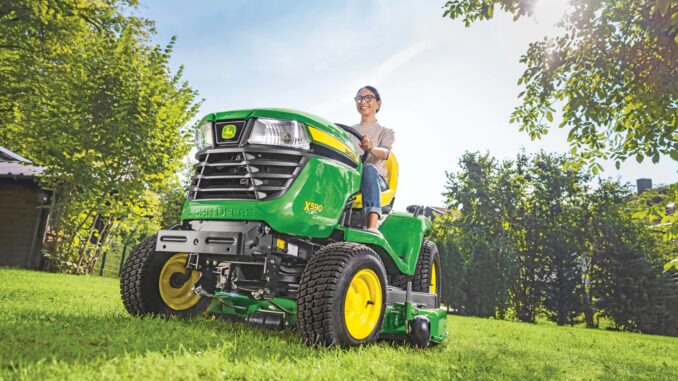
The John Deere 112 is a classic lawn and garden tractor built for homeowners who wanted more capability than a basic riding mower. Produced in several versions from the mid-1960s through the 1970s, it commonly used a 10 hp Tecumseh engine in earlier models and a 12 hp Kohler K301 engine in later versions, with a manual gear transmission and variable-speed belt drive.
Many John Deere 112 tractors are still mowing, towing carts, operating snowblowers, and handling light garden work. This repair guide covers practical troubleshooting, service parts, maintenance, parts diagrams, manuals, and realistic DIY repair limits for USA and Canada owners.
General overview of the John Deere 112
The John Deere 112 sits alongside the earlier 110 in Deere’s original lawn and garden tractor family. It is a two-wheel-drive machine with a rugged steel chassis, a single-cylinder gasoline engine, mechanical steering, a manual clutch system, and a four-speed transaxle with variable-pulley speed control.
Depending on the production year and configuration, the tractor may have a 38-inch, 39-inch, or 46-inch mower deck. It could also be fitted with attachments such as a snowblower, front blade, cultivator, or utility equipment. This makes identifying the exact tractor version and attachment especially important before ordering parts.
The main systems owners will commonly service include:
-
Tecumseh HH100 or Kohler K301 single-cylinder engine
-
Fuel tank, sediment bowl, fuel line, carburetor, and air cleaner
-
Starter-generator or electric-start charging system, depending on year
-
Ignition switch, battery, solenoid, points, condenser, coil, and wiring
-
Clutch pulley, variable-speed pulleys, drive belt, and transaxle
-
Mechanical brake linkage and parking brake
-
Steering linkage, front axle, spindle bushings, and front wheels
-
Mower deck belt, blades, spindle assemblies, gauge wheels, and deck lift linkage
Common John Deere 112 service parts include:
-
Engine spark plug, matched to the actual Tecumseh or Kohler engine
-
Engine oil and oil-drain gasket or plug washer
-
Fuel line and inline fuel filter where fitted
-
Air-filter element or foam pre-cleaner, depending on engine version
-
Ignition points and condenser on original breaker-point ignition systems
-
Drive belt for the variable-speed transmission system
-
PTO or mower-deck belt
-
Mower blades and blade mounting hardware
-
Deck spindle bearings or complete spindle assemblies
-
Battery, battery cables, starter switch, and solenoid
-
Front spindle bushings, tie-rod ends, and steering components
John Deere 112 troubleshooting approach
Start diagnosis with the symptom rather than buying the first part that seems likely to fail. On a vintage John Deere 112, one visible problem can have several causes. For example, a no-start condition may be caused by stale gasoline, a weak battery, corroded cables, dirty ignition points, a failed safety switch, a faulty coil, or poor compression.
Before disassembly, confirm the tractor’s exact model number, serial number, engine model, deck type, and attachment configuration. Early and late John Deere 112 tractors do not always share the same engine parts, electrical components, belts, or deck hardware.
Main symptom categories include:
-
Engine will not crank or will not start
-
Engine starts but runs rough, surges, smokes, or stalls
-
Weak charging system or dead battery
-
Tractor will not move, slips, or has poor hill-climbing ability
-
Mower deck will not engage or cuts poorly
-
Excessive vibration, rattling, or belt noise
-
Engine overheating, oil leaks, or fuel leaks
-
Steering looseness or difficult steering
-
Brake problems or unsafe parking-brake operation
-
Electrical faults, poor grounds, or failed ignition components
John Deere 112 emergency repairs
Do not continue using the tractor when a fault creates a fire risk, loss of control, blade hazard, or major drivetrain damage. Older equipment can often be repaired economically, but operating it while damaged can turn a small repair into a costly rebuild.
John Deere 112 starting issues
A no-crank or no-start problem is common after winter storage, long periods without use, or battery neglect. Avoid repeated cranking if the engine is not receiving fuel or spark, since this can overheat the starter-generator system or flood the engine.
Common causes include:
-
Weak, discharged, or internally failed battery
-
Loose, corroded, damaged, or undersized battery cables
-
Dirty battery ground connection at the frame or engine
-
Faulty ignition switch, solenoid, starter-generator, or starter circuit
-
Dirty or misadjusted ignition points
-
Failed condenser, coil, spark plug, or plug wire
-
Old gasoline, blocked fuel line, or clogged carburetor jet
-
Stuck float needle or contaminated sediment bowl
-
Low compression from a stuck valve, worn rings, or head-gasket failure
Basic owner checks:
-
Confirm the transmission is in neutral, the PTO is disengaged, and the brake/clutch pedal is correctly positioned.
-
Check battery voltage and inspect both cable ends for corrosion, looseness, or heat damage.
-
Verify that fuel reaches the carburetor and that the fuel shutoff valve is open, if fitted.
-
Remove the spark plug, inspect its condition, and check for a strong spark using a proper spark tester.
-
If there is spark and fresh fuel but the engine still will not start, test compression before rebuilding the carburetor.
John Deere 112 running problems
A tractor that starts but surges, stalls under load, smokes, or lacks power usually has a fuel, ignition, air-flow, governor, or compression issue. Do not keep mowing with a severely lean-running engine, persistent knocking, heavy smoke, or backfiring.
Common causes include:
-
Restricted fuel cap vent
-
Dirt or water in the fuel tank
-
Plugged fuel line, sediment bowl, or carburetor passages
-
Dirty air cleaner or damaged intake gasket
-
Incorrect carburetor adjustment
-
Weak spark caused by worn points or a failing condenser
-
Governor linkage binding or incorrectly adjusted
-
Overfilled crankcase or incorrect engine oil grade
-
Carbon buildup, valve problems, or poor compression
Basic owner checks:
-
Drain old fuel and refill with fresh gasoline if the tractor has been sitting for more than a few months.
-
Clean the sediment bowl, inspect the fuel line, and confirm steady fuel flow to the carburetor.
-
Inspect the air cleaner and replace deteriorated foam or a blocked paper element.
-
Check the spark plug condition; a wet, oily, white, or sooty plug gives useful clues.
-
Set engine speed and mixture only according to the correct engine manual for the installed engine.
John Deere 112 cut-quality problems
Poor cutting is often blamed on the mower deck, but tire pressure, ground speed, engine speed, deck buildup, and uneven blades all affect the result. Stop mowing immediately if a blade is loose, a spindle is noisy, or the deck has severe vibration.
Common causes include:
-
Dull, bent, cracked, or unbalanced mower blades
-
Worn or stretched deck belt
-
Deck belt routed incorrectly
-
Loose spindle pulley or failing spindle bearing
-
Grass buildup under the deck
-
Uneven tire pressure
-
Deck not level side-to-side or front-to-rear
-
Mowing too fast in tall, wet, or heavy grass
-
Engine not operating at proper governed mowing speed
Basic owner checks:
-
Park on level ground, stop the engine, remove the key, and disconnect the spark-plug wire.
-
Inspect both blades for damage and replace them as a matched set if one is bent or badly worn.
-
Check belt condition, pulley alignment, and belt routing before installing a replacement belt.
-
Clean packed grass from under the deck and around blade spindles.
-
Check tire pressure and level the deck before adjusting carburetor or governor settings.
John Deere 112 vibration and noise
New vibration, grinding, squealing, or knocking should be treated as an immediate repair issue. Continuing to operate can damage the deck shell, spindle housings, engine crankshaft, pulley hubs, or transaxle input components.
Common causes include:
-
Bent or unbalanced mower blade
-
Loose blade bolt or damaged blade adapter
-
Worn deck spindle bearings
-
Loose engine mounting bolts
-
Cracked pulley, worn keyway, or loose set screw
-
Frayed belt contacting a guard or pulley edge
-
Worn idler pulley bearing
-
Loose steering linkage or front-wheel hardware
-
Internal engine noise or connecting-rod damage
Basic owner checks:
-
Stop the tractor immediately and inspect the mower deck before restarting.
-
With the spark plug disconnected, rotate blades and pulleys by hand to feel for rough bearings.
-
Check engine mounting bolts, deck mounting pins, blade bolts, and pulley fasteners.
-
Remove and inspect belts for glazing, missing sections, frayed cords, and abnormal wear.
-
If the vibration remains with the deck disengaged, inspect the engine pulley, clutch system, and engine condition.
John Deere 112 overheating and leaks
A dirty cooling system, low oil level, fuel leak, or oil leak can create a serious engine-damage or fire risk. Air-cooled single-cylinder engines rely on clean cooling fins and shrouds to control temperature.
Common causes include:
-
Low engine oil level
-
Dirty cooling fins or blocked flywheel screen
-
Missing engine shrouds or loose heat shields
-
Excessive grass and chaff around the engine
-
Carburetor or fuel-line leak
-
Failed crankshaft seal or breather problem
-
Loose drain plug or deteriorated oil gasket
-
Overfilled crankcase
-
Incorrect oil viscosity for conditions
Basic owner checks:
-
Stop the engine and let it cool completely before inspecting for leaks.
-
Check the oil level with the tractor on level ground.
-
Clean grass, leaves, dust, and oil buildup from the engine exterior and cooling air paths.
-
Inspect the fuel line, tank outlet, carburetor inlet, and sediment bowl for wetness or cracking.
-
Repair fuel leaks before starting the tractor again.
John Deere 112 transmission and drive problems
The John Deere 112 uses a mechanical drive system, so poor movement is often caused by belt wear, pulley problems, clutch linkage adjustment, brake drag, or transaxle issues. A slipping belt is usually easier and less expensive to repair than an internal transaxle fault.
Common causes include:
-
Worn, glazed, oil-soaked, or incorrect drive belt
-
Incorrect belt routing around variable-speed pulleys
-
Frozen or damaged idler pulley
-
Clutch linkage out of adjustment
-
Brake linkage dragging
-
Worn pulley bushings, pivot points, or tension springs
-
Loose pulley hub or damaged key
-
Low or contaminated transaxle lubricant on serviceable versions
-
Internal gear, bearing, axle, or differential damage
Basic owner checks:
-
Inspect the drive belt with the engine off and the key removed.
-
Check whether the clutch pedal fully releases belt tension when pressed.
-
Ensure the brake linkage releases fully when the pedal is released.
-
Look for oil contamination on belts and pulley faces.
-
If the tractor will not move despite correct belt tension and linkage operation, investigate the transaxle before forcing the machine.
John Deere 112 electrical problems
The electrical system on a vintage tractor is simple, but age, corrosion, previous repairs, and damaged wiring can make diagnosis difficult. Avoid bypassing safety circuits or using oversized fuses, as this can cause wiring damage or a fire.
Common causes include:
-
Corroded grounds
-
Failing ignition switch
-
Weak battery or bad battery cables
-
Damaged wiring insulation
-
Blown fuse or incorrect fuse installation
-
Defective solenoid or starter-generator
-
Worn ignition points or failed condenser
-
Loose charging-system connections
-
Failed voltage regulator on applicable models
Basic owner checks:
-
Clean and tighten the battery terminals and the engine/frame ground points.
-
Inspect wiring for brittle insulation, melted sections, loose terminals, and non-original splices.
-
Test battery voltage before and during cranking.
-
Confirm whether the charging system raises battery voltage with the engine running.
-
Replace damaged wiring properly rather than twisting wires together or bypassing switches.
DIY or dealer repair guide
The John Deere 112 is generally more DIY-friendly than modern computerized lawn tractors because it uses straightforward mechanical systems. However, its age means that parts may be seized, wiring may have been modified, and service information may vary by serial range. A careful owner can handle regular maintenance and many repairs, while engine rebuilding, transaxle work, and electrical-system restoration may be better handled by an experienced small-engine or garden-tractor specialist.
Good DIY jobs
-
Change engine oil and clean the cooling system
-
Replace spark plug, fuel line, sediment-bowl gasket, and fuel filter where fitted
-
Service or replace the air cleaner
-
Clean and rebuild the carburetor with the correct kit
-
Replace deck blades, deck belt, and gauge wheels
-
Replace drive belts when routing is confirmed
-
Lubricate steering and deck linkage points
-
Adjust mower-deck level and inspect belt alignment
-
Replace battery cables, battery, fuses, and simple terminals
-
Replace worn front tires, deck wheels, and basic steering-linkage parts
Advanced DIY or dealer jobs
-
Rebuild the Kohler K301 or Tecumseh engine
-
Diagnose low compression, valve faults, or internal engine noise
-
Replace crankshaft seals or repair a damaged crankshaft keyway
-
Rebuild or replace the starter-generator
-
Diagnose and repair the voltage regulator or charging system
-
Restore heavily modified or damaged wiring harnesses
-
Rebuild the transaxle, differential, or axle assemblies
-
Repair cracked mower-deck shells or severely worn spindle housings
-
Machine engine components, including valve seats, cylinders, or crankshafts
Skill level guide
-
Beginner: Oil changes, spark plugs, air filters, deck cleaning, lubrication, battery replacement, and tire-pressure checks
-
Intermediate: Carburetor cleaning, deck-belt replacement, blade replacement, deck leveling, fuel-line replacement, points adjustment, and basic electrical testing
-
Advanced: Engine rebuilding, transaxle repair, charging-system diagnosis, welding, steering-system rebuilds, and complete wiring restoration
John Deere 112 parts and part numbers
Always identify the tractor before ordering. The John Deere 112 name covers multiple years, engine versions, deck options, lift systems, and attachments. A belt, ignition part, blade, or carburetor kit that fits one 112 may not fit another.
Gather the following information before buying parts:
-
Full tractor model designation, including whether it is a standard 112 or 112H
-
Product Identification Number or serial number
-
Tractor production year, if known
-
Engine make, model, specification number, and serial number
-
Mower deck size and deck identification number
-
Attachment model and serial number, if using a snowblower, blade, or other implement
-
Existing belt number or blade dimensions where the original part is unavailable
| Part | OEM number | Notes |
|---|---|---|
| Engine spark plug | Engine-specific | Early Tecumseh and later Kohler engines use different correct plugs and gaps |
| Engine oil | Engine-specific | Use the oil grade specified for the engine and expected outdoor temperature |
| Air cleaner | Engine-specific | Match the Tecumseh or Kohler engine model, not the tractor name alone |
| Ignition points | Engine-specific | Common service item on original breaker-point ignition systems |
| Ignition condenser | Engine-specific | Usually replaced with points during ignition service |
| Carburetor repair kit | Engine-specific | Match carburetor number and engine specification |
| Fuel line | Size-specific | Use fuel-rated hose of the correct inside diameter |
| Fuel sediment bowl gasket | Fuel-system-specific | Replace if fuel seeps from the bowl assembly |
| Drive belt | Serial and configuration-specific | Verify pulley layout and original belt number before ordering |
| Mower deck belt | Deck-specific | A 38-inch, 39-inch, and 46-inch deck can use different belts |
| Mower blades | Deck-specific | Confirm blade length, center-hole pattern, and deck application |
| Deck spindle bearings | Deck-specific | Inspect spindle shaft and housing condition before ordering |
| Battery | Group and terminal-specific | Confirm physical size, terminal orientation, and cold-cranking needs |
| Ignition switch | Serial-specific | Compare terminal layout and wiring diagram before installation |
| Starter-generator belt | Configuration-specific | Inspect pulley alignment and adjust belt tension correctly |
OEM parts are the safer choice for belts, safety switches, deck components, ignition parts, pulley-related components, and any item where fit is critical. Deere belts are designed for the correct width, length, and sidewall angle; a generic belt that is “close enough” can slip, burn, or damage pulleys.
Quality aftermarket parts can be suitable for batteries, spark plugs, fuel line, filters, bearings, tires, blades, and selected carburetor parts when the cross-reference is exact. Avoid unbranded ignition coils, electrical regulators, carburetors, and belts with unclear fitment information.
John Deere 112 parts diagrams and manuals
Use parts diagrams to identify assemblies before removing them. A diagram helps you see the correct belt route, pulley order, fastener sequence, washer placement, and model-specific variation. It also makes it easier to identify parts that should be replaced together, such as belt guides, idler pulleys, blade hardware, or spindle seals.
Useful sources include:
-
John Deere Parts for official parts lookup, maintenance parts, and equipment support
-
John Deere Manuals and Training for operator manuals, technical manuals, and parts catalogs
-
John Deere lawn mower parts support for general owner maintenance guidance and model-number help
-
GreenPartStore John Deere 112 parts for aftermarket-accessible Deere-focused parts categories and older-model reference pages
The operator’s manual is best for safety, controls, lubrication, routine maintenance, basic adjustments, and storage. A technical or service manual is more useful for engine work, ignition timing, clutch adjustment, transaxle diagnosis, electrical testing, and repair specifications. The parts catalog is essential for exploded diagrams and verifying part-number supersessions.
Locate John Deere 112 numbers
Serial and engine numbers matter because the John Deere 112 changed during its production run. Deere may have used different engines, electrical systems, mower decks, lift arrangements, and part revisions even when the hood decal simply says “112.”
Follow these steps before ordering:
-
Park the tractor on level ground, set the parking brake, remove the key, and let the engine cool.
-
Look for the tractor identification tag on the frame or other designated chassis location; clean it gently so the numbers are readable.
-
Record the complete model and serial number exactly as stamped, including prefixes and suffixes.
-
Find the engine identification label or stamped information on the engine shroud, blower housing, or engine block.
-
Locate the mower-deck or attachment identification tag and record its model and serial number separately.
Take clear photos of every tag before removing parts. This gives you a record if the tag becomes difficult to access later and helps a dealer counterperson verify fitment.
Buying John Deere 112 parts
The best buying strategy is to identify the original OEM number first, then decide whether an OEM or quality aftermarket replacement makes sense. Do not order belts, blades, carburetor kits, ignition components, or transmission parts solely because a listing says “fits John Deere 112.”
-
Online: Use the tractor PIN, engine model, deck number, original part number, and clear photographs to confirm fitment before checkout
-
Dealer counter: Best choice for serial-number-specific parts, obsolete Deere numbers, safety components, belt questions, and unusual hardware
-
Retail stores: Suitable for common consumables such as engine oil, spark plugs, batteries, fuel hose, and some filters when packaging confirms the exact engine application
-
Official Deere parts support: deere.com/en-us/parts-owner-support/parts
-
Official manual lookup: deere.com/en-us/parts-owner-support/manuals-training
-
Deere-focused replacement parts: greenpartstore.com
For discontinued parts, search by the original part number, not only by the tractor model. A dealer may be able to identify a superseded Deere number, while specialist garden-tractor suppliers may offer a correct reproduction or cross-reference.
John Deere 112 common part fitting guide
Disconnect the spark plug wire before working near belts, blades, pulleys, or the engine. On electric-start tractors, also disconnect the negative battery cable before working on wiring or near the starter-generator.
Replace the engine spark plug
A fresh spark plug can improve starting, idle quality, and fuel ignition. Always use the plug type and gap specified for the actual engine installed in the tractor.
-
Let the engine cool fully and clean debris from around the spark-plug base.
-
Pull the spark-plug wire straight off the plug boot.
-
Remove the old plug with the correct spark-plug socket.
-
Compare the old and new plugs, checking thread length and electrode design.
-
Set the gap to the engine-manual specification and install the new plug by hand first.
-
Tighten to the engine manufacturer’s specification, then refit the plug wire securely.
Service the fuel system
Fuel-system service helps correct hard starting, surging, hesitation, and stalling. Use fresh gasoline and repair any leak before starting the engine.
-
Close the fuel shutoff valve if fitted, or clamp the fuel line carefully with a fuel-line clamp.
-
Place an approved fuel container beneath the work area.
-
Remove the sediment bowl or fuel-line connection and inspect for water, rust, varnish, or damaged seals.
-
Replace cracked hose, loose clamps, hardened gaskets, or contaminated filters.
-
Reassemble carefully, open the fuel supply, and check for leaks before starting.
-
If fuel flow is good but the engine still surges, remove and clean the carburetor using the proper engine-specific repair kit.
Replace mower blades
Sharp, balanced blades reduce strain on the engine and improve cut quality. Replace cracked, bent, excessively worn, or badly corroded blades rather than trying to straighten them.
-
Park on level ground, disengage the PTO, remove the key, and disconnect the spark-plug wire.
-
Raise the deck safely or remove it according to the tractor’s manual; never depend only on a hydraulic jack.
-
Mark the blade orientation before removal so the cutting edge is correctly positioned on installation.
-
Remove the blade hardware and inspect the spindle shaft, blade adapter, and mounting surfaces.
-
Install the matched replacement blades using correct hardware and the specified torque.
-
Rotate the blades by hand to confirm clearance, then test mow slowly and check for vibration.
Replace the mower deck belt
A new belt helps restore blade speed when the old belt is glazed, stretched, cracked, or slipping. Confirm the deck model and routing before buying the belt.
-
Park the tractor, disengage the PTO, remove the key, and disconnect the spark-plug wire.
-
Lower the deck and remove guards only after noting their hardware positions.
-
Photograph the old belt route around all pulleys, idlers, and belt guides.
-
Release belt tension according to the deck’s pulley arrangement and remove the old belt.
-
Install the new correct-specification belt, ensuring it sits fully in every pulley groove and inside each belt guide.
-
Refit guards, engage the deck briefly at low speed, and stop immediately if the belt tracks incorrectly.
Adjust and inspect the drive belt system
The variable-speed drive system affects traction, ground speed, and clutch operation. A wrong or worn belt can make the tractor creep, slip, or lose drive under load.
-
Park on level ground, stop the engine, remove the key, and block the wheels.
-
Inspect the belt for cracks, glazing, missing chunks, oil contamination, and incorrect width.
-
Check pulleys, idlers, tension springs, and belt guides for free movement and damage.
-
Press and release the clutch pedal while observing whether the belt releases and tensions correctly.
-
Install only the confirmed belt for the exact tractor configuration and route it as shown in the parts diagram.
-
Test drive slowly in an open area, checking clutch release, gear changes, and brake operation before mowing.
John Deere 112 maintenance
Regular maintenance prevents the most common John Deere 112 problems: no-start conditions, carburetor blockage, overheated engines, belt failures, poor cut quality, weak charging, and premature spindle wear. Because these tractors are decades old, cleaning, lubrication, and inspection are as important as replacing worn parts.
Focus on these areas:
-
Starting reliability: Keep fuel fresh, battery connections clean, ignition components maintained, and the carburetor free from old-fuel deposits
-
Cut quality: Keep blades sharp and balanced, deck clean, tires inflated evenly, and deck belt correctly tensioned
-
Fire and overheating prevention: Remove grass, leaves, oil buildup, and chaff from engine cooling areas and inspect fuel lines regularly
-
Drive performance: Inspect belts, pulleys, clutch linkage, brake adjustment, and transaxle condition before heavy use
-
Electrical reliability: Maintain clean grounds, secure terminals, protected wiring, and a properly charged battery
-
Steering safety: Lubricate moving joints and replace worn tie-rod ends, spindle bushings, and front-wheel bearings promptly
John Deere 112 maintenance schedule
Maintenance intervals can vary by engine, deck, attachment, and production year. Use the operator’s manual for your exact serial range and engine, but the following schedule is a practical owner checklist for routine use.
Before each use
-
Check engine oil level with the tractor on level ground
-
Check fuel level and inspect for fuel leaks
-
Inspect tires for correct pressure, damage, and loose wheel hardware
-
Look over belts, pulleys, mower blades, and deck mounting points
-
Remove grass and debris from the engine, deck, and exhaust area
-
Test brake and clutch operation before driving
After every 8 hours
-
Clean grass and debris from the mower deck and engine cooling areas
-
Inspect the air intake, flywheel screen, and engine shrouding
-
Check for loose fasteners, unusual oil seepage, or belt dust
-
Lubricate specified fittings if the tractor’s manual calls for daily greasing during heavy use
Every 25 hours
-
Check and clean the air cleaner as required by the engine design
-
Inspect the spark plug, plug wire, and ignition connections
-
Check blade condition, blade tightness, and deck-belt wear
-
Lubricate steering, front axle, deck linkage, and other grease points
-
Inspect battery cables and clean corrosion from terminals
Every 50 hours or yearly
-
Change engine oil, or change it more frequently in dusty or high-temperature work
-
Service or replace the air-filter element as needed
-
Clean the fuel sediment bowl and inspect fuel hose
-
Inspect the drive belt and mower deck belt closely
-
Check deck level and mower blade balance
-
Test charging-system operation and battery condition
Every 100 to 200 hours
-
Replace the spark plug if it is worn, fouled, or difficult to clean reliably
-
Inspect and service ignition points and condenser where fitted
-
Inspect carburetor linkage, governor linkage, and throttle cable
-
Check transaxle and axle areas for leakage or abnormal noise
-
Inspect deck spindles, idler pulleys, and blade adapters for wear
-
Check steering play and replace worn linkage components
Spring checklist
-
Install a charged battery and clean all battery connections
-
Change oil if it was not changed before storage
-
Drain old gasoline or confirm that stored fuel is fresh and usable
-
Service the air cleaner, spark plug, fuel system, and cooling system
-
Sharpen or replace mower blades and inspect all belts
-
Level the deck and test the tractor in an open area before mowing
Mid-season checklist
-
Clean the mower deck regularly to prevent packed grass and corrosion
-
Check blade sharpness and balance if cut quality declines
-
Inspect belts for glazing or cracks during hot, dry mowing conditions
-
Clean cooling fins and screens more often in dusty conditions
-
Recheck tire pressure and deck level after rough-ground use
Fall and storage checklist
-
Change the engine oil while the engine is warm
-
Clean the deck, frame, engine exterior, and cooling system thoroughly
-
Stabilize fuel or drain the fuel system according to the engine manual
-
Remove the battery for maintenance charging in a dry location
-
Lubricate grease points and protect exposed metal from corrosion
-
Store the tractor indoors or under a breathable cover in a dry area
Repair, upgrade, or replace?
A John Deere 112 is often worth repairing because its sturdy chassis, simple mechanical design, and collector interest can justify restoring a sound tractor. The decision depends on the condition of the engine, transaxle, deck, frame, wiring, availability of parts, and the amount of work you expect it to do.
Repair if
-
The engine has acceptable compression and no major internal noise
-
The transmission drives correctly once belts and linkage are adjusted
-
The frame, steering system, and deck shell are structurally sound
-
The repair is limited to maintenance items, belts, ignition, carburetor, battery, or deck components
-
You enjoy maintaining vintage equipment and can source parts reliably
Upgrade if
-
The tractor is functional but needs better lighting, improved seat comfort, new tires, or a refurbished electrical system
-
You want a better mower deck, a snowblower, a front blade, or other compatible attachment
-
You are restoring the tractor for regular light-duty use rather than keeping it fully original
-
Existing components are serviceable but no longer practical for your property
Replace if
-
The engine, transaxle, deck, steering, and wiring all need major work at the same time
-
The frame is severely rusted, cracked, or structurally damaged
-
The tractor no longer matches your mowing area, terrain, attachment needs, or available repair time
-
You need modern safety features, hydrostatic drive, easier parts availability, or dealer-supported service
John Deere 112 troubleshooting FAQ
1. Why will my John Deere 112 not start?
Start with the simple checks: fresh fuel, battery condition, clean cable connections, correct gear position, and spark. On older tractors, dirty ignition points, a weak condenser, stale fuel, and carburetor varnish are especially common. If it cranks normally but will not fire, check spark and fuel delivery before replacing parts.
2. Why does my John Deere 112 crank slowly?
Slow cranking usually points to a weak battery, corroded cable ends, poor engine or frame ground, or starter-generator trouble. Clean both ends of every battery cable, not just the battery terminals. If voltage drops heavily during cranking, test the battery and charging system before replacing the starter component.
3. Why does my John Deere 112 crank but not fire?
Check whether the engine has spark, fresh fuel, and compression. A tractor that has been stored often has a carburetor blocked by old gasoline or ignition points that have oxidized. If spark is weak or absent, inspect the plug, points, condenser, coil connections, and ignition switch circuit.
4. Why does my John Deere 112 start only with choke?
An engine that needs choke to keep running is usually receiving too little fuel or too much air. Check for a restricted fuel line, dirty sediment bowl, blocked carburetor jet, low float level, or intake leak. Clean the fuel system before making major carburetor adjustments.
5. Why does my John Deere 112 surge at idle?
Surging is often caused by a partially blocked low-speed carburetor circuit, stale fuel, an intake air leak, or governor linkage problems. Start by using fresh fuel and cleaning the carburetor properly. Do not force governor adjustments until the fuel system and ignition system are known to be sound.
6. Why does my John Deere 112 lose power under load?
Loss of power under mowing load can come from a clogged air filter, restricted fuel flow, poor ignition, a slipping deck belt, dull blades, or a mower deck packed with grass. Make sure the engine is running at full governed speed and the deck is clean. A compression test is worthwhile if tune-up work does not improve power.
7. Why is my John Deere 112 blowing black smoke?
Black smoke usually means the engine is running too rich. Check for an over-choked engine, clogged air filter, carburetor float problem, incorrect adjustment, or a damaged needle-and-seat assembly. Also make sure the choke linkage fully opens after the engine warms up.
8. Why is my John Deere 112 blowing blue smoke?
Blue smoke indicates engine oil is entering the combustion chamber. Check for an overfilled crankcase, operation on steep slopes, blocked breather components, worn piston rings, or valve-guide wear. Occasional smoke at startup can be less serious than continuous blue smoke under load.
9. Why does my John Deere 112 backfire?
Backfiring can be caused by stale fuel, incorrect carburetor adjustment, ignition timing problems, loose flywheel key, overheating, or carbon buildup. A sharp bang after shutdown may also occur when fuel ignites in a hot muffler. Persistent backfiring needs diagnosis before continued use.
10. Why does my John Deere 112 have no spark?
Inspect the spark plug and wire first, then check the ignition points and condenser if the tractor has a breaker-point system. Dirty, burned, or incorrectly gapped points are common on vintage tractors. Also inspect the coil wire, ignition switch, ground circuit, and any damaged wiring.
11. Why is my John Deere 112 battery not charging?
A weak charging system can involve the starter-generator, drive belt, voltage regulator, wiring, or poor grounds. First confirm that the starter-generator belt is intact and properly tensioned. Measure battery voltage with the engine off and running; voltage should rise when the charging system is functioning correctly.
12. Why does my John Deere 112 keep draining the battery?
A battery can drain because the charging system is not restoring charge, the battery is internally weak, or there is an electrical draw when parked. Check battery condition first, then inspect wiring and switches for incorrect modifications. A vintage tractor with damaged insulation or improvised wiring should be repaired before storing it connected to a battery.
13. Why will my John Deere 112 not move?
Check the drive belt, clutch linkage, brake linkage, pulley condition, and gear selection. A worn or oily drive belt may look intact but still slip under load. If the belt and linkage work correctly but the tractor does not move in any gear, investigate the transaxle and axle assemblies.
14. Why does my John Deere 112 move slowly?
Slow movement may result from a worn variable-speed drive belt, incorrect pulley position, clutch linkage issues, brake drag, or low engine power. Confirm engine speed before assuming the transmission is faulty. Inspect belt width and condition because a narrow aftermarket belt can reduce drive performance.
15. Why does my John Deere 112 slip going uphill?
Hill slippage often points to a worn drive belt, weak tension spring, glazed pulley surfaces, belt contamination, or brake drag. Avoid repeatedly forcing the tractor uphill because the belt can overheat and fail. Inspect the entire belt path and clutch system before considering transaxle repair.
16. Why does my John Deere 112 creep with the clutch pressed?
Creeping means the clutch is not fully releasing the drive belt or the linkage is out of adjustment. Check belt routing, pulley movement, clutch-pedal travel, tension springs, and belt guides. Correct this promptly because creeping creates a safety risk and makes gear changes difficult.
17. Why are the gears hard to shift on my John Deere 112?
Hard shifting can occur when the clutch does not release fully, the brake drags, the tractor is still moving, or linkage components are worn. Stop fully before shifting and avoid forcing the lever. If shifting remains difficult with correct clutch operation, the transaxle may need closer inspection.
18. Why does my John Deere 112 mower deck not engage?
Check the PTO linkage, deck belt, idler pulley, belt guides, and deck lift position. A stretched belt or seized idler can prevent the blades from reaching full speed. Make sure the belt is routed correctly for the exact deck because similar-looking deck systems may use different paths.
19. Why does my John Deere 112 leave uncut strips of grass?
Uncut strips usually result from dull blades, uneven deck level, incorrect tire pressure, worn blades, or mowing too fast. Check that both blades are installed correctly and operating at full speed. Clean the underside of the deck because packed grass disrupts airflow and grass lift.
20. Why does my John Deere 112 cut unevenly?
First check tire pressure, then level the deck on a flat surface. A bent blade, worn spindle, loose deck link, or damaged deck wheel can also cause uneven cutting. Correct mechanical faults before changing deck adjustments repeatedly.
21. Why does my John Deere 112 mower deck vibrate?
Stop using the deck and inspect it immediately. A bent blade, loose blade bolt, damaged spindle bearing, cracked pulley, or debris wrapped around a spindle can cause severe vibration. Replace damaged components rather than trying to straighten blades or pulleys.
22. Why does my John Deere 112 throw mower belts?
A belt can come off because it is the wrong size, routed incorrectly, worn, or running through damaged pulleys and belt guides. Check each pulley for wobble and confirm that guides are close enough to retain the belt without rubbing it. Replace badly worn idlers or bent guards before fitting another belt.
23. How often should I sharpen John Deere 112 mower blades?
Sharpen blades whenever the lawn shows ragged tips, mowing requires more effort, or the blade edge is visibly rounded or nicked. Many owners inspect blades every 20 to 25 mowing hours and sharpen as needed. Balance blades after sharpening to prevent vibration and spindle damage.
24. Can I use aftermarket belts on a John Deere 112?
You can use a quality aftermarket belt if it is an exact cross-reference for the correct Deere part number. Avoid choosing a belt only by approximate length because width, profile, cord construction, and sidewall angle matter. OEM belts remain the safer option for the variable-speed drive and mower deck.
25. Why does my John Deere 112 steering feel loose?
Loose steering often comes from worn tie-rod ends, spindle bushings, steering-wheel shaft wear, front axle pivot wear, or loose hardware. Inspect the linkage while another person moves the steering wheel. Replace worn joints before they fail completely or cause unpredictable handling.
26. Why is my John Deere 112 hard to steer?
Hard steering may be caused by dry pivots, damaged spindle bushings, low front-tire pressure, bent steering linkage, or excessive front-end wear. Lubricate all specified points and inspect for seized parts. Do not use extra force on the steering wheel, as this can damage older steering components.
27. Why are my John Deere 112 brakes weak?
Weak braking can result from worn brake components, incorrect linkage adjustment, oil contamination, or a seized linkage pivot. Check brake function before using the tractor on slopes or near obstacles. Repairing brake problems should take priority over mowing-quality issues.
28. What oil should I use in a John Deere 112?
Use the oil type and viscosity specified for the engine installed in your tractor and the temperature conditions where it operates. Early Tecumseh and later Kohler engines may have different recommendations. Check the engine manual and avoid assuming that all 112 tractors use the same oil requirement.
29. How often should I change oil in a John Deere 112?
Change the oil at the interval specified for the installed engine, commonly at least once each mowing season or around every 50 hours for typical homeowner use. Change it more often in dusty conditions, hot weather, or heavy work. Always check the oil level before each use.
30. How do I store a John Deere 112 for winter?
Clean the tractor thoroughly, remove grass from the deck and engine, change the oil, and deal with the fuel system according to the engine manual. Either stabilize fresh fuel or drain the system correctly. Remove the battery for maintenance charging, lubricate moving parts, and store the tractor in a dry location.
31. Is a John Deere 112 worth restoring?
A sound John Deere 112 is often worth restoring because of its durable construction, attachment capability, and strong owner interest. It is most worthwhile when the frame, transaxle, deck, and engine core are in reasonable condition. A tractor needing every major system rebuilt may cost more than buying a better starting example.
32. Can a John Deere 112 mow a large lawn?
A John Deere 112 can handle regular mowing on a moderate property when it has a sound engine, correct deck, sharp blades, and good belts. The 46-inch deck option suits larger open lawns better than smaller decks. For very large, rough, or commercial-scale work, a newer and larger tractor may be more efficient.
33. Can I install a snowblower on a John Deere 112?
Many John Deere 112 tractors were designed to use compatible attachments, including snowblower equipment, but fitment depends on the tractor configuration and attachment model. Confirm all mounting hardware, lift components, pulley setup, and belt requirements before buying an attachment. Do not assume every Deere snowblower fits every 112.
34. Where can I find John Deere 112 parts diagrams?
Start with John Deere’s official parts support and manuals pages, then search using the complete tractor serial number, deck number, and original part number. Deere-focused parts suppliers can also help with older-model diagrams and replacement parts. Always compare diagrams to the actual tractor because modifications and serial changes are common.
35. When should I take a John Deere 112 to a dealer or specialist?
Use a dealer or experienced garden-tractor specialist for internal engine repairs, transaxle failures, charging-system faults that need testing, major wiring restoration, and safety-critical brake or steering problems. If you lack compression-test equipment, pullers, electrical meters, or safe lifting equipment, professional diagnosis can prevent more expensive damage.