Introduction / Model overview
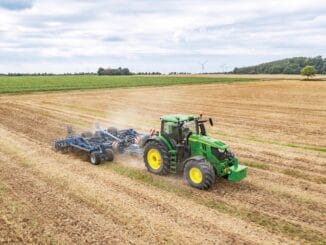
The John Deere 9RX 640 is a high‑horsepower, articulated 4‑track row‑crop tractor designed for heavy tillage, large planters, air seeders and other high‑draft field work on large farms in North America. It sits at the top end of Deere’s 9RX tractor family, pairing a high‑output diesel engine with a heavy‑duty e18 PowerShift transmission, advanced hydraulic system and four independent rubber tracks for maximum traction and reduced compaction.
This guide walks you through practical John Deere 9RX 640 service and repair basics: how to troubleshoot common problems, what parts you are most likely to replace, how to decide between DIY and dealer work, and where to find the right diagrams and manuals. It is written for owners and operators who are comfortable with basic maintenance and some intermediate repairs, but who still need clear boundaries on what should remain dealer‑only work.
General overview of the John Deere 9RX 640
Within the Deere lineup, the 9RX 640 is part of the 9RX articulated four‑track series that sits above the wheeled 9R and two‑track 9RT machines in terms of undercarriage design and traction capability. It uses a high‑horsepower John Deere diesel engine (in the 640 hp class), an e18 PowerShift transmission with multiple powershiftable gears under load, and high‑capacity closed‑center hydraulics to handle large planters, air drills and tillage tools.
Key systems you will be concerned with on a John Deere 9RX 640 service and repair guide include: the engine and fuel system (fuel filters, injectors, high‑pressure system), air intake and cooling system, aftertreatment (DEF/DPF/SCR) where equipped, hydraulic system and SCVs, e18 transmission and final drives, four‑track undercarriage assemblies, steering and articulation components, and cab/electrical/control systems.
In day‑to‑day ownership, the most commonly accessed items tend to be fuel filters, engine oil and filters, air filters, DEF system components, hydraulic and transmission filters, track tensioning points, batteries, fuses/relays, work lights and cab filters.
Common service parts that owners frequently buy for John Deere 9RX 640 maintenance include:
-
Engine oil filter and approved diesel engine oil meeting the correct Deere spec
-
Primary and secondary fuel filters, and sometimes a water separator element
-
Engine air filter (primary and safety/secondary)
-
Cab air (HVAC) filter
-
Hydraulic and transmission filters and oil
-
DEF/aftertreatment service parts (DEF filter, sometimes NOx or pressure sensors)
-
Batteries and common electrical items (relays, fuses, work lights)
-
Track hardware and wear components for the 9RX undercarriage (mid‑roller parts, idler seals, track tensioning hardware)
Troubleshooting approach for the John Deere 9RX 640
Troubleshooting a John Deere 9RX 640 always starts with the symptom you see in the field, not with guessing which part is bad. Watch what the tractor is doing (or not doing), note any warning lights and diagnostic codes on the display, and pay attention to when the problem appears: only under load, only at transport speed, only at start‑up, or randomly.
With a 9RX it is especially important to separate “will not move” issues into engine‑side problems (fuel/air/aftertreatment derate) versus transmission or hydraulic drive problems, and to use the tractor’s built‑in diagnostics as much as possible before replacing parts. Always check the operator’s manual and safety information, and never bypass safety switches, guards or shields.
Main symptom categories for a John Deere 9RX 640 include:
-
Starting and cranking issues
-
Running and power issues (loss of power, derate, smoking, DEF/DPF codes)
-
Hydraulic performance issues (slow SCVs, low fan speed, hitch problems)
-
Vibration, noise or rough ride from the 9RX undercarriage
-
Overheating, fluid leaks and cooling system problems
-
Transmission, drive and articulation problems
-
Electrical and control issues, including CAN or sensor faults
Emergency and immediate repair needs on a John Deere 9RX 640
Some problems on a 9RX 640 are urgent because they affect safe operation or can quickly destroy very expensive components. In this section, focus on “stop now” problems: major leaks, overheating, low lubrication pressure, severe vibration or undercarriage failures, steering / articulation faults, and engine derates tied to emissions or fuel system damage. When in doubt, it is safer to shut down and call a dealer than to “limp” a high‑horsepower articulated tractor and risk a catastrophic failure.
1. John Deere 9RX 640 starting issues
On a John Deere 9RX 640, starting issues typically show up as no‑crank, slow crank, extended cranking, or immediate stalling after start. This matters because repeated hard starts can damage the starter, stress the batteries, and leave you stranded away from the yard.
Common causes:
-
Weak or discharged batteries or poor battery cable connections
-
Faulty starter, starter relay or key switch
-
Fuel system problems such as air in the lines, clogged fuel filters or water in fuel
-
Cold‑weather starting problems (improper fuel grade, glow/air heater issues)
-
Safety interlock issues (not in park/neutral, seat switch or other interlock fault)
Basic checks you can safely do:
-
Verify the park brake is set and the transmission is in the correct position for starting.
-
Check battery terminals for corrosion and tightness, and confirm battery voltage with a meter if available.
-
Inspect main fuses and starter relay, listening for a click at the relay when the key is turned.
-
Replace fuel filters if they are overdue and prime the fuel system as specified in the manual.
-
If the tractor still will not start, contact a dealer for diagnostic codes and electrical/fuel pressure testing.
2. John Deere 9RX 640 running and power problems
Running issues on a John Deere 9RX 640 often show up as loss of power under load, engine derate with warning lights, rough running, smoking, or DEF/DPF aftertreatment codes. These matter because prolonged derate or incorrect operation can damage the emissions system, cause excessive fuel use, and lead to expensive repairs.
Common causes:
-
Plugged fuel filters or restricted fuel supply
-
Clogged air filter or intake restriction
-
Aftertreatment faults (DEF quality, failed sensors, DPF load)
-
Boost, EGR or charge‑air leaks on applicable engines
-
Incorrect fuel, contamination or water in fuel
Basic checks:
-
Note any warning lights and messages on the display; record codes before cycling power.
-
Inspect the primary and secondary fuel filters; replace if near service hours or visibly dirty.
-
Check engine air filter restriction indicator and inspect the air filter; clean or replace as required.
-
Verify DEF level and that the fluid is clear and not contaminated; use fresh, approved DEF.
-
If derate persists or any aftertreatment codes remain active, schedule dealer diagnostics rather than guessing at sensors.
3. John Deere 9RX 640 vibration and undercarriage noise
Vibration or unusual noise from a John Deere 9RX 640 often comes from the 9RX four‑track undercarriage, articulation joint, driveline, or fans/pulleys. Ignoring these signs can lead to premature wear of mid‑rollers, idlers, tracks, drive sprockets or even catastrophic failures in final drives or axles.
Common causes:
-
Improper track tension or misalignment
-
Worn or damaged mid‑rollers and idlers
-
Debris caught in the undercarriage or around drive components
-
Worn U‑joints or driveline components
-
Loose or damaged fan, accessory drive or belt components
Basic checks:
-
Safely park the tractor, lower implements and shut down; walk around and inspect all four tracks.
-
Look for obvious damage, missing lugs, cords showing, or foreign objects in the undercarriage.
-
Check track tension indicators and visual alignment relative to idlers and mid‑rollers.
-
Visually inspect the articulation area and driveline guards for damage or loose hardware.
-
If you see oil leaks from final drives or suspect bearing noise, stop using the tractor and contact a dealer.
4. Overheating and leaks on a John Deere 9RX 640
Overheating or major leaks on a John Deere 9RX 640 can quickly escalate into major engine, transmission or hydraulic system damage. If you see coolant temperature rising into the red, low oil pressure warnings, or find significant puddles of oil, fuel or coolant, treat this as an immediate shutdown situation.
Common causes:
-
Low coolant level, air‑flow restriction or debris‑packed coolers
-
Fan drive or fan clutch problems
-
Low engine oil or hydraulic oil level
-
Leaking hoses, seals or fittings on engine, transmission or hydraulic circuits
-
Plugged or damaged radiators, charge‑air coolers or oil coolers
Basic checks:
-
Stop the tractor, idle briefly, then shut down safely when overheating occurs; do not immediately open the coolant cap.
-
Check coolant and oil levels once the engine has cooled enough for safe inspection.
-
Inspect the front grille, radiators and coolers for chaff and debris; clean them according to the manual.
-
Look under the tractor and at major components for fresh fluid leaks.
-
If you see continued overheating, low lube pressure or significant leaks, arrange for dealer support rather than running the tractor.
5. John Deere 9RX 640 transmission and drive issues
Transmission and drive problems on a John Deere 9RX 640 show up as failure to move, hesitation, unexpected neutral, harsh shifting, or abnormal noises from the transmission or final drives. Because the e18 transmission and 9RX drive components are complex and expensive, most internal work should be left to a dealer.
Common causes:
-
Low or incorrect transmission/hydraulic oil level
-
Plugged transmission or hydraulic filters
-
Electronic control problems, including clutch or solenoid faults
-
Final drive or axle lubrication issues
-
Articulation or steering sensor faults affecting control
Basic checks:
-
Confirm the transmission/hydraulic oil level is within the correct range and of the specified type.
-
Inspect filters and service indicators; replace filters if at or beyond service interval.
-
Note any transmission or drive‑related codes and messages on the display.
-
Listen for obvious abnormal noises (grinding, clunking) when attempting to move.
-
Stop operation and call a dealer if movement is erratic, if you see low lube pressure warnings, or if abnormal noises appear.
6. Electrical problems on a John Deere 9RX 640
Electrical issues on the John Deere 9RX 640 often appear as random fault codes, dead displays, non‑working lights or SCVs, or failure of key functions like autosteer or guidance. Unresolved electrical issues can cause nuisance downtime and mask more serious problems if warning systems are not working correctly.
Common causes:
-
Weak batteries or poor grounds
-
Corroded connectors, especially in harsh environments
-
Rodent‑damaged wiring
-
Faulty switches, relays or fuses
-
Sensor or CAN communication problems
Basic checks:
-
Inspect battery condition, terminals and ground straps; clean and tighten as needed.
-
Check main fuses and relays associated with the dead circuits.
-
Look for any visible damage to wiring harnesses in high‑risk areas.
-
Cycle power and note whether the same codes immediately return.
-
For persistent controller or CAN‑related faults, involve a dealer with the correct diagnostic tools.
John Deere 9RX 640 DIY or dealer? Repair decision guide
On a John Deere 9RX 640, the line between DIY and dealer work sits mainly at the point where you need Deere‑specific diagnostics, heavy lifting equipment, or specialized knowledge of the e18 transmission, aftertreatment, or 9RX undercarriage rebuilds. Routine service, filter changes, basic inspections and some electrical troubleshooting are realistic for many owners with a good shop. Internal transmission repairs, engine teardown, complex hydraulic diagnostics and major undercarriage rebuilds should stay with a John Deere dealer or a qualified independent shop.
Good DIY jobs on a John Deere 9RX 640:
-
Engine oil and filter changes
-
Fuel and air filter replacement
-
Cab filter and basic HVAC maintenance
-
Greasing points, including articulation and undercarriage grease points as specified
-
Battery replacement and basic electrical checks (fuses, relays, obvious wiring issues)
-
External inspections of tracks, rollers and idlers; basic track tension checks and adjustments following the manual
Advanced DIY or dealer jobs:
-
DEF/DPF/SCR aftertreatment troubleshooting beyond simple filter replacement
-
Hydraulic system diagnostics beyond basic filter/fluid checks
-
Internal e18 transmission repairs and calibrations
-
Final drive or axle teardown and bearing/gear replacement
-
Major 9RX undercarriage overhauls (drive wheels, mid‑roller rebuilds, significant track replacement)
-
Complex electrical and CAN‑bus diagnostics
Skill level guide:
-
Beginner: Engine oil and filter changes, greasing, cab filter replacement, battery maintenance.
-
Intermediate: Fuel filter and air filter changes, basic track tension checks, light electrical troubleshooting.
-
Advanced: Hydraulic diagnostics, aftertreatment work, transmission or final drive internal repairs, full track undercarriage rebuilds.
Parts needed, OEM vs aftermarket, and key information
Before ordering John Deere 9RX 640 parts, collect accurate identification so you purchase the correct components. You will need the full tractor model (John Deere 9RX 640), the Product Identification Number (PIN) from the tractor frame, and the engine model and serial number from the engine data plate. For some systems, especially hydraulics, transmission, and aftertreatment, you may also need the build code or serial number range to pick the right kit or update.
For a 9RX 640, typical service parts include:
-
Engine oil filter and approved oil
-
Primary and secondary fuel filters
-
Engine air filters (primary and safety)
-
Cab air (HVAC) filter
-
Hydraulic and transmission filters, plus approved fluid
-
DEF filter and other aftertreatment components as called for in the manual
-
Batteries that match Deere specifications
-
Track and undercarriage wear components, depending on inspection findings
John Deere 9RX 640 key service parts (example table)
Use your operator’s manual or official parts catalog to confirm exact part numbers for your PIN and configuration.
As a general rule, use OEM John Deere parts for belts, filters in critical systems, electrical and safety‑related parts, and anything that depends heavily on precise fit such as 9RX undercarriage components. Quality aftermarket parts can be acceptable for certain consumables (some filters, work lights, batteries) if they cross‑reference correctly to the John Deere numbers and come from a known supplier.
Where to find John Deere 9RX 640 parts diagrams and manuals
For John Deere 9RX 640 service and repair, there are several key online resources you should bookmark:
-
The official John Deere operator’s manual and maintenance guide for the 9RX 640, available through John Deere’s Technical Publications site (search by “9RX 640” and your language). This covers basic operation, safety, daily service points and maintenance intervals.
-
The John Deere 9RX 640 parts catalog (for example catalog PC16079 or the current equivalent), available through the John Deere online parts catalog. This gives exploded diagrams and OEM part numbers for the entire tractor.
-
John Deere Technical Publications service manuals and diagnostic manuals, which provide detailed step‑by‑step procedures, specifications, and troubleshooting trees for dealers and advanced users.
-
Reputable Deere‑focused parts sites that offer model‑specific John Deere 9RX 640 pages, cross‑referencing OEM numbers, and occasionally hosting diagrams or simplified lookup based on your PIN.
Each of these links helps in a different way: the operator’s manual tells you what routine maintenance to do and how often, the parts catalog tells you exactly which parts fit where, and the service manuals provide deeper technical procedures if you or your dealer are performing more advanced work.
How to locate model, serial and engine numbers on a 9RX 640
Accurate model and serial numbers are critical when ordering parts or looking up diagrams for your John Deere 9RX 640, because there may be mid‑production updates and configuration differences. Many parts, especially in the transmission, hydraulics and electronics, are serial‑number sensitive.
To find the main identification numbers:
-
Locate the tractor Product Identification Number (PIN) plate on the frame of the 9RX 640 (commonly on the right‑hand side of the frame near the front, or as specified in your manual).
-
Record the full PIN exactly as stamped, including all letters and numbers.
-
Find the engine data plate on the side of the engine block or valve cover area, and note the engine model and serial number.
-
Take clear photos of both plates and keep them in your records so you can reference them when ordering parts or talking with your dealer.
-
When using online parts catalogs, enter both the model (John Deere 9RX 640) and PIN or serial number range if requested to narrow down the correct parts.
Buying John Deere 9RX 640 parts online and in stores
For most John Deere 9RX 640 service and repair work, your overall strategy should be to use online resources to identify the correct OEM numbers, then decide whether to buy from a John Deere dealer, a reputable online OEM source, or a trusted aftermarket supplier. Always confirm that the part listing explicitly shows compatibility with “John Deere 9RX 640” and, where required, your PIN range.
Consider these channels:
-
Online: Use the official John Deere online parts catalog to identify OEM numbers, then purchase from a Deere dealer’s online store or a trusted ag parts supplier that lists the correct OEM cross‑reference.
-
Dealer counter: Best for complex parts, serial‑number sensitive items, or when you need technical advice and help checking for superseded part numbers.
-
Retail and farm stores: Suitable for generic consumables like fluids that meet Deere specifications, some filters and batteries, provided the packaging clearly includes John Deere 9RX or the correct cross‑reference.
Step‑by‑step fitting guide for common John Deere 9RX 640 DIY jobs
Below are four high‑impact DIY jobs for a John Deere 9RX 640 that most owners can handle with basic tools and careful attention to safety and cleanliness.
1. John Deere 9RX 640 engine oil and filter change
Changing engine oil and filter on a John Deere 9RX 640 protects engine life and is one of the most important routine services.
-
Park the tractor on level ground, lower any attached implements, set the park brake and shut off the engine; allow it to cool.
-
Place a suitable drain pan under the engine oil drain plug; remove the plug and let the oil drain completely.
-
Remove the engine oil filter using the appropriate wrench; ensure the old gasket comes off with the filter.
-
Install the new OEM‑spec oil filter, lightly oiling the gasket and tightening to the torque or angle specified in the manual.
-
Reinstall the drain plug with a new sealing washer if required, and fill the engine with the specified amount and grade of approved engine oil; check the level and run the engine briefly, then recheck for leaks.
2. John Deere 9RX 640 fuel filter replacement
Replacing fuel filters on a John Deere 9RX 640 helps prevent power loss, injector issues and fuel system damage from debris or water.
-
Park safely and shut off the engine; relieve any fuel system pressure as recommended in the manual.
-
Place a drain pan under the fuel filters and carefully remove the primary filter, then the secondary filter if applicable.
-
Install new OEM‑approved filters, pre‑filling with clean diesel if the manual allows, and lubricate seals before tightening.
-
Use the hand primer pump or built‑in priming procedure to purge air from the fuel system until fuel flows without bubbles.
-
Start the engine and let it idle while you check for leaks and smooth running; re‑prime if necessary.
3. John Deere 9RX 640 engine air filter service
Clean air is vital on a high‑horsepower tractor like the John Deere 9RX 640, especially in dusty field conditions.
-
Turn off the engine and open the hood to access the air cleaner housing.
-
Release the latches or fasteners on the air cleaner and remove the cover, noting the orientation of the filters.
-
Carefully remove the primary air filter element; tap it gently on a clean surface if the manual allows limited cleaning, but do not use high‑pressure air that can damage the media.
-
Inspect the safety (inner) filter; replace it at the interval in the manual or sooner if contaminated, but never clean or reuse a damaged element.
-
Install new filters as needed, ensuring they seat correctly, then reinstall the cover and latches; reset any air restriction indicators if required.
4. John Deere 9RX 640 battery inspection and replacement
Good batteries are essential for reliable starting and stable electrical performance on a John Deere 9RX 640.
-
Park the tractor, shut off the engine, remove the key and follow safety procedures before working around batteries.
-
Locate the battery compartment; visually inspect for corrosion, loose connections, damaged cables or leaking batteries.
-
Clean corrosion from terminals using a battery‑safe cleaner and a brush, then rinse and dry as needed.
-
If replacing batteries, remove the negative cable first, then the positive, remove hold‑downs and lift out the old batteries.
-
Install new batteries that meet or exceed Deere’s specifications, secure them properly, and connect positive cables first then negatives; coat terminals lightly with protective spray and test starting.
Maintenance to prevent John Deere 9RX 640 problems
Regular maintenance is the single best way to prevent most common John Deere 9RX 640 failures. Keeping oil, fuel and air clean; maintaining proper fluids; and inspecting the 9RX undercarriage for wear and damage all dramatically reduce the likelihood of major breakdowns during peak season.
Focus areas:
-
Starting reliability: Healthy batteries, clean terminals, and on‑time fuel and air filter replacements prevent hard‑start and no‑start situations.
-
Engine and power: Regular oil changes, coolant checks and attention to aftertreatment service keep the engine running at full power with fewer derates.
-
Undercarriage life: Routine inspection and correct track tension on the 9RX undercarriage prevent costly roller, idler and track damage.
-
Hydraulic and transmission health: On‑schedule filter changes and correct fluid levels protect the e18 transmission and hydraulic components.
-
Electrical reliability: Keeping harnesses intact, avoiding rodent damage, and addressing warning codes early prevents annoying, hard‑to‑trace issues.
John Deere 9RX 640 maintenance schedule and year‑round checklist
Always follow the official John Deere maintenance schedule for your exact 9RX 640 configuration. The outline below mirrors typical heavy tractor maintenance intervals; confirm details and hours in your operator’s manual.
Daily / before each use
-
Walk‑around inspection for leaks, loose components and visible damage.
-
Check engine oil level and coolant level.
-
Check fuel level and DEF level (if equipped).
-
Inspect tracks for visible damage, alignment problems or debris.
-
Verify all lights, beacons and safety devices are functioning.
After roughly 8–10 hours of operation
-
Clean debris from radiator, coolers and air intake screens as needed.
-
Inspect undercarriage (rollers, idlers, drive sprockets) for early signs of wear or oil leaks.
-
Check for unusual noises or vibrations during operation and address promptly.
Every 25 hours (or weekly in heavy use)
-
Grease specified fittings, including articulation and any 9RX undercarriage grease points listed in the manual.
-
Inspect hydraulic hoses and fittings for signs of rubbing, wear or seepage.
-
Check battery terminals and cable condition.
Every 50 hours or yearly (whichever comes first)
-
Change engine oil and engine oil filter according to hours and duty cycle.
-
Inspect engine air filter and cab filter; replace if restricted or dirty.
-
Check wheel/undercarriage hardware torque values where specified in the manual.
-
Inspect fan drive and accessory belts for wear or damage.
Every 200–500 hours (consult your manual)
-
Replace primary and secondary fuel filters.
-
Replace hydraulic and transmission filters and, if called for at this interval, the hydraulic/transmission fluid.
-
Service the DEF filter and inspect aftertreatment components.
-
Conduct a more thorough undercarriage inspection, including measuring track condition and checking mid‑roller and idler play.
Seasonal checklist (pre‑season, in‑season, post‑season)
Pre‑season:
-
Complete all due services: oil, fuel and air filters, hydraulic/transmission filters if needed.
-
Test and charge batteries, confirm starting performance, update any software via your dealer as recommended.
-
Inspect and adjust track tension and alignment before field work begins.
In‑season:
-
Monitor warning lights and address issues early.
-
Keep coolers and air intakes clean; maintain daily walk‑around habits.
-
Track hours closely and perform mid‑season filter changes if the schedule falls in the middle of your busy period.
Post‑season:
-
Wash the tractor, especially the undercarriage, and allow it to dry thoroughly.
-
Perform any overdue maintenance and repair small issues before storage.
-
Store with full fuel tank (using appropriate fuel treatment) and ensure batteries are maintained or on a maintainer.
John Deere 9RX 640 – repair, upgrade, or replace?
On a John Deere 9RX 640, the decision to repair, upgrade or replace depends heavily on total hours, the type of failure, and your long‑term acreage and power needs. Because this is a premium, high‑horsepower machine, many major components justify repair or replacement if the rest of the tractor is in good shape and the frame and cab are sound. However, at very high hours or after multiple major failures, you may choose to shift to a newer 9RX or another large tractor platform.
Repair if:
-
The issue is limited to one system (for example, fuel filters, a hydraulic leak, or a single failed sensor).
-
The tractor has moderate hours and has otherwise been reliable.
-
Repair cost is clearly lower than the cost of downtime and machine replacement.
Upgrade if:
-
You are adding technology such as updated guidance, display consoles or implement control options.
-
You can improve reliability with updated components (for example, improved wear parts or updated sensors).
-
You need slightly more capability (hydraulic capacity, lighting, comfort) without changing tractors.
Replace if:
-
The 9RX 640 has very high hours and multiple major components (engine, transmission, undercarriage) are nearing end of life.
-
Repair estimates approach a significant fraction of the tractor’s market value.
-
Your farm’s size, implements, or transport needs have changed enough that a different tractor configuration would be more suitable.
Expanded troubleshooting FAQ – John Deere 9RX 640 (30+ questions)
1. Why will my John Deere 9RX 640 not start?
A 9RX 640 that will not start usually has an issue with the batteries, starter circuit, safety interlocks or fuel system. Start by checking that the park brake is set, the transmission is in the correct position and the batteries have adequate voltage. Inspect battery terminals and main fuses, and listen for a click from the starter relay when turning the key. If the engine cranks but does not fire, suspect fuel filters, air in the fuel system or a more advanced fuel/aftertreatment issue that may require dealer diagnostics.
2. Why does my John Deere 9RX 640 crank slowly?
Slow cranking is often caused by weak batteries, corroded battery cables or a failing starter. Cold weather and thick engine oil can make the problem more noticeable. Check battery age and condition, clean the terminals and ensure the engine oil meets the correct viscosity spec for your temperature. If voltage is good and cables are clean but cranking remains slow, have the starter and related wiring tested.
3. My John Deere 9RX 640 starts and then dies – what should I check?
If the tractor starts and then stalls, look for fuel delivery problems or air in the fuel lines. Old or plugged fuel filters, water contamination or a leaking supply line can starve the engine. Replace fuel filters if they are near their interval and use the priming procedure to purge air. Also check for any active fuel system codes on the display; if codes persist, involve a dealer.
4. Why is my John Deere 9RX 640 low on power under load?
Low power on a John Deere 9RX 640 usually comes from restricted fuel supply, intake air restriction, aftertreatment derate or boost/charge‑air issues. Make sure the fuel and air filters are clean and that you are using clean, appropriate diesel fuel. Check for DPF/DEF or emissions‑related warning lights that indicate a derate. If the tractor feels weak only under heavy pull or transport, it is wise to have a dealer check boost pressures, fuel pressures and any logged codes.
5. What does it mean if my John Deere 9RX 640 shows an emissions or DEF fault?
Emissions or DEF faults indicate a problem in the aftertreatment system such as poor DEF quality, low DEF level, plugged filters, failed sensors or other SCR/DPF issues. Ignoring these faults can result in power derates and eventually force the tractor into a restricted operating mode. Always use fresh, approved DEF, verify DEF level and inspect the DEF tank and lines for contamination. If the fault remains after basic checks, schedule a dealer visit for proper diagnostics rather than guessing at parts.
6. Why is my John Deere 9RX 640 blowing black smoke?
Black smoke suggests incomplete combustion, often due to over‑fueling or insufficient air. On a 9RX 640, this might mean a very dirty air filter, turbo/boost issues, or fuel system problems. Inspect and replace the air filter as needed, check for air intake or charge‑air leaks and ensure the engine is not overloaded beyond its capacity. If black smoke appears along with power loss or codes, consult a dealer.
7. Why does my John Deere 9RX 640 blow white smoke at start‑up?
White smoke at cold start may be normal in cold conditions, but heavy or persistent white smoke can indicate unburned fuel, coolant leakage into the cylinders or low compression. Verify that you are using the correct fuel grade and that cold‑weather starting aids are functioning. If white smoke continues once the engine has warmed, or if coolant loss is observed, contact a dealer for further investigation.
8. Why is my John Deere 9RX 640 overheating?
Overheating is often caused by low coolant, restricted airflow through the radiators, a faulty fan drive or heavy load and high ambient temperature combined. Check coolant level once the engine has cooled and inspect the front grille, coolers and radiator for chaff or debris. Clean the cooling package according to the manual and verify that the fan operates correctly. If overheating persists or you see coolant leaks, seek dealer assistance.
9. My John Deere 9RX 640 engine fan seems noisy – is that normal?
On high‑horsepower tractors, a strong fan noise can be normal at high load or when cooling demand is high. However, new or unusual noises such as grinding, squealing or vibration around the fan area may indicate a failing fan drive, worn bearings or contact with shrouds. Inspect the fan, belts and surrounding components visually with the engine off. If you suspect bearing or drive issues, do not ignore them and have a dealer inspect.
10. Why are my John Deere 9RX 640 tracks squeaking or chirping?
Squeaking or chirping from 9RX tracks can come from normal track‑to‑roller contact, but it can also indicate improper tension, misalignment or early bearing issues. First, clean out mud and debris and perform a visual inspection of track alignment and wear. Check track tension following the manual’s procedure and adjust if necessary. If noise continues or you see oil leaks from rollers or idlers, schedule an undercarriage inspection.
11. Why does my John Deere 9RX 640 ride rough or bounce?
A rough ride on a 9RX 640 may be caused by track issues, uneven field conditions, incorrect ballast or suspension settings. Confirm that track pressures and tensions are set to specifications and that ballast and implement setup match Deere’s recommendations. Inspect mid‑rollers and idlers for damage and ensure articulation and steering components are in good condition. Persistent ride problems may need dealer evaluation.
12. What should I do if a John Deere 9RX 640 track looks damaged?
If you see deep cuts, missing lugs, exposed cords or significant chunking on a 9RX track, reduce use immediately and avoid road speeds. Damaged tracks can fail suddenly and may damage other undercarriage components. Photograph the damage, note any fluid leaks from nearby components and contact your dealer to assess whether the track must be replaced or can safely remain in limited service.
13. Why does my John Deere 9RX 640 pull to one side?
Pulling to one side can indicate uneven track tension, alignment issues or a steering/articulation problem. Check track tension and visual alignment on all four tracks and correct any obvious discrepancies. Verify steering calibration and look for codes related to steering sensors or hydraulics. If pulling remains or if you notice odd articulation behavior, have a dealer check the steering and articulation system.
14. My John Deere 9RX 640 will not move even though the engine runs – what now?
If the engine runs but the tractor will not move, stay calm and avoid repeated harsh attempts. Check that the park brake is fully released and that the transmission is in the correct range. Look for transmission or hydraulic warnings and confirm fluid level and condition. If you see low pressure or transmission codes, do not attempt to keep driving; contact a dealer since e18 and final drive systems require proper diagnostics.
15. Why is the transmission on my John Deere 9RX 640 shifting harshly?
Harsh shifts may result from low or incorrect fluid, plugged transmission filters, calibration issues or internal component wear. Verify that the fluid level is correct and that filters are within their service interval. Note any associated codes and whether the harshness occurs in particular gears or under specific load conditions. Have a dealer review transmission diagnostics and, if needed, recalibrate or repair as required.
16. Why are my John Deere 9RX 640 hydraulics slow or weak?
Slow or weak hydraulics can be due to low hydraulic/transmission fluid, plugged filters, air in the system or internal pump and valve issues. Check fluid level and filter condition, replacing filters if overdue. Inspect for obvious leaks or kinked hoses, and test SCV performance with different implements if possible. If hydraulics remain weak and the display shows pressure‑related codes, dealer diagnostics are needed.
17. Why does my John Deere 9RX 640 3‑point hitch not raise or lower correctly?
If the hitch is slow, jerky or will not move, first verify that the hitch control settings in the cab (height limits, rate of drop) are configured properly. Check for any hitch‑related codes and ensure there are no external obstructions or overloaded implements. Inspect hydraulic connections, looking for leaks and listening for unusual pump noise. Persistent hitch problems usually require a dealer to test pressures and valves.
18. Why won’t my John Deere 9RX 640 SCV hold pressure?
If an SCV will not hold pressure or an attached implement drifts, the cause can be an SCV valve issue, internal cylinder leakage in the implement or incorrect SCV settings. Try a different SCV to isolate whether the problem follows the tractor or the implement. Verify SCV configuration in the monitor, including detent and flow settings. If the issue lies in the tractor, have a dealer inspect SCV valves and seals.
19. My John Deere 9RX 640 displays random electrical codes – what should I do?
Random or intermittent codes can be frustrating and point to weak batteries, poor grounds, loose connectors or CAN‑bus issues. Start by ensuring batteries are fully charged and that major grounds are clean and tight. Visually inspect harnesses and connectors in high‑vibration or exposed locations for damage. If codes persist or if multiple controllers show intermittent faults, involve a dealer with diagnostic tools to pinpoint the cause.
20. Why are my John Deere 9RX 640 work lights not working?
If one or more work lights fail, check the bulbs or LED assemblies first and inspect the relevant fuses and relays. Confirm that the light switches and, if present, cab display settings for lighting are correctly configured. Look for corroded or damaged connectors at the lights, especially after pressure washing or long storage. Replacing bulbs or a failed relay is usually a straightforward DIY job.
21. Why does my John Deere 9RX 640 guidance or autosteer not engage?
Autosteer issues can be related to GPS signal, steering system configuration, or safety interlocks. Ensure that the display shows adequate GPS signal and that your guidance lines and implement offsets are set correctly. Verify that all required safety conditions are met and that no steering‑related fault codes are active. If guidance still will not engage, consult your precision ag provider or dealer for further setup checks.
22. Why is my John Deere 9RX 640 battery going flat between uses?
A battery that discharges between uses may be failing from age, subjected to parasitic draw or not fully charging during operation. Test battery condition and replace if it is old or repeatedly fails load tests. Check for aftermarket accessories wired directly to the battery that may be drawing power when the tractor is off. Your dealer can perform a parasitic draw test if needed.
23. How often should I change oil on my John Deere 9RX 640?
Follow the interval specified in your operator’s manual, which is generally based on engine hours and operating conditions. Heavy tillage or dusty conditions can justify staying closer to the shorter end of the recommended range. Always use the oil grade and specification listed for your engine and document each change. Try to schedule oil changes so that they occur just before or after peak seasons.
24. When should I replace the fuel filters on my John Deere 9RX 640?
Replace fuel filters at the hour interval given in your manual or sooner if you encounter power loss, surging, hard starts or evidence of contaminated fuel. In particularly dirty fuel environments, it can be wise to shorten the interval. Always prime the system thoroughly after filter changes to avoid air‑related starting issues. Keep spare filters on hand during busy seasons.
25. How do I know when to change the air filter on my John Deere 9RX 640?
Use the air restriction indicator and visual inspection to determine if the primary air filter is plugged. Do not change filters more often than necessary but do not run with a severely restricted filter either. Replace the safety (inner) element at the interval in your manual or if there is any sign of contamination or damage. Never operate the engine with the safety element removed.
26. How should I maintain the tracks on my John Deere 9RX 640?
Track maintenance includes regular visual inspections, proper cleaning, correct tension and alignment, and prompt attention to oil leaks from rollers or idlers. Follow the factory procedure for checking and adjusting track tension, as over‑tight or loose tracks can shorten undercarriage life. Avoid spinning tracks excessively or making sharp turns on hard surfaces. If you notice uneven wear or persistent tracking issues, have a dealer inspect.
27. What fluids should I use in my John Deere 9RX 640?
Use only engine oil, hydraulic/transmission oil, coolant and DEF that meet the specifications in your operator’s manual for the 9RX 640. Many Deere tractors call for specific John Deere‑branded or equivalent fluids to ensure proper performance. Using incorrect fluids can cause premature wear, poor performance or warranty issues. If in doubt, consult your dealer before purchasing large quantities.
28. Can I use aftermarket filters on my John Deere 9RX 640?
High‑quality aftermarket filters that are properly cross‑referenced to John Deere part numbers may be acceptable for some applications, but OEM filters are strongly recommended for engine, hydraulic and transmission systems. The cost of a genuine filter is small compared to the cost of a major component failure. If you choose aftermarket filters, buy from reputable brands and always verify compatibility with “John Deere 9RX 640.”
29. How often should I grease my John Deere 9RX 640?
Greasing intervals are listed in the lubrication chart in your operator’s manual, typically by hours of operation or daily schedules. Common points include articulation joints, certain undercarriage components and other moving linkages. Grease at least as often as the manual specifies, and more frequently in extreme conditions. Wipe fittings clean before and after greasing to avoid forcing dirt into joints.
30. How do I prepare my John Deere 9RX 640 for winter storage?
For winter or long‑term storage, thoroughly clean the tractor, including the undercarriage, and allow it to dry. Perform any due maintenance, top off fuel with appropriate conditioner and ensure DEF is stored within temperature guidelines. Disconnect or maintain batteries to prevent discharge and protect wiring from rodents. Store the tractor under cover if possible and document what was done so you can reverse any changes before spring.
31. How do I prepare my John Deere 9RX 640 for spring field work?
Before spring, inspect all fluids, filters and belt drives, and complete any scheduled maintenance that is coming due soon. Check tracks, undercarriage and articulation joints carefully for wear or damage discovered after last season. Test‑run all functions including hydraulics, 3‑point hitch and guidance systems with attached implements. Address even minor leaks or warnings now, before you are in the middle of critical operations.
32. What should I do if my John Deere 9RX 640 throws a code I do not recognize?
When you see an unfamiliar code, stop and record the code exactly as shown, along with the conditions under which it appeared. Consult your operator’s manual for code explanations, as many manuals list common alerts and basic responses. If the code indicates a serious problem or if you are unsure, call your dealer with the code and tractor PIN. Avoid clearing or ignoring codes without understanding their cause.
33. Is it safe to pressure wash my John Deere 9RX 640?
You can wash your 9RX 640, but use care with high‑pressure washers. Avoid spraying directly into electrical connectors, bearings, seals or the aftertreatment and exhaust system. Use a sensible distance and lower pressure around sensitive areas and allow the tractor to dry thoroughly afterwards. After washing, inspect for any water‑related issues such as fogged lights or moisture in connectors.
34. Can I perform my own software updates on a John Deere 9RX 640?
In most cases, software updates for controllers and displays on a John Deere 9RX 640 are handled by dealers or through supported update processes. Some display or guidance system updates may be owner‑applied using approved media and instructions. However, controller and transmission updates should only be done with the proper tools and procedures to avoid bricking modules. Discuss any desired updates with your dealer.
35. When should I call a dealer for my John Deere 9RX 640 instead of doing it myself?
Call a dealer when you see low lube pressure or serious overheating warnings, hear abnormal internal noises from the engine, transmission or final drives, or encounter codes related to emissions, transmission or advanced hydraulics that you cannot resolve with basic checks. Also involve a dealer for internal repairs, major undercarriage work, or when you do not have the tools or lifting equipment to work safely. Early dealer involvement can prevent a manageable issue from becoming a major failure.