
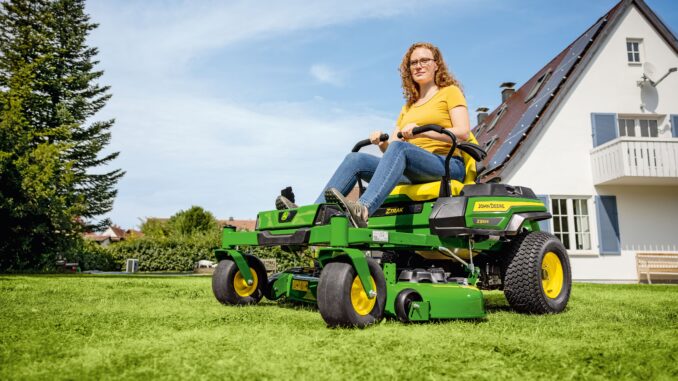
The John Deere Z465 is a residential zero‑turn mower built for larger home lawns that need faster mowing and good cut quality. This guide walks you through troubleshooting, DIY repairs, maintenance schedules, and the key parts and diagrams you’ll need as an owner in the USA and Canada.
John Deere Z465 model overview
The John Deere Z465 is part of the EZtrak residential zero‑turn lineup, typically equipped with a 24–25 hp V‑twin gasoline engine and a 62‑inch Edge mower deck. It uses dual hydrostatic transmissions with lap‑bar controls to give tight turning and higher mowing speed than a lawn tractor on open lawns.
For most homeowners, the Z465 is used as a primary mower for 0.75–3 acre properties with a mix of open areas and light obstacles. This guide focuses on what owners actually struggle with: starting and running issues, cut quality, vibrations, leaks, drive problems, electrical/safety switch faults, and how to pick and fit the correct parts.
General overview of the John Deere Z465
Within the Deere lineup, the John Deere Z465 sits above the smaller Z2xx/Z4xx residential units, offering more power and a wider deck, but still below the commercial ZTrak series in terms of frame, deck, and transmission robustness. It is firmly a residential/light‑estate mower rather than a full commercial machine.
Key systems/components you’ll deal with on a John Deere Z465:
-
Engine and fuel system: V‑twin gasoline engine (typically Briggs & Stratton or Kawasaki, depending on year), carbureted, with separate air filter, fuel filter, oil filter, and twin spark plugs.
-
Mower system: 62″ Edge deck, three blades, electric PTO clutch, deck belt, idler pulleys, gauge wheels, and anti‑scalp rollers.
-
Drive system: Two hydrostatic transaxles, each driven by a ground‑drive belt from the engine, with lap bars controlling speed and direction.
-
Electrical system: Battery, key switch, starter, solenoid, PTO clutch, safety interlocks (seat, parking brake, control levers), and wiring harness.
Commonly purchased John Deere Z465 service parts include:
-
Engine oil filter
-
Engine air filter (foam and paper elements)
-
Fuel filter
-
Spark plugs (2 for V‑twin)
-
Mower blades (62″ deck, mulching or side‑discharge)
-
Mower deck belt
-
PTO/drive belt(s)
-
Hydraulic/hydrostatic filters for the drive
-
Ignition switch, key, and various safety switches
-
Battery and battery cables
Troubleshooting approach for a John Deere Z465
It’s usually faster and cheaper to start with the symptom you see rather than guessing which part is bad. For the John Deere Z465, you can group almost every problem into a few major categories:
-
Starting issues (no crank, no start, hard starting)
-
Running issues (stalls, surges, low power, smoking)
-
Cut‑quality problems (uneven cut, scalping, poor discharge, streaks)
-
Vibration and noise (deck vibration, rattles, grinding sounds)
-
Overheating and leaks (oil, fuel, or hydraulic leaks; hot smells)
-
Transmission/drive issues (won’t move, weak on hills, pulls to one side)
-
Electrical and safety switch issues (PTO won’t engage, dead controls, intermittent shut‑off)
A good workflow is:
-
Define the symptom in plain language (e.g. “Cranks but will not start”).
-
Check the simple/visible items first (fuel level and quality, battery charge, deck obstructions).
-
Use the operator’s manual diagrams or online parts diagrams to identify specific components.
-
Only then decide whether the job is DIY or dealer‑level based on tools, access, and your comfort.
Emergency and immediate repair needs on a John Deere Z465
Some John Deere Z465 issues must be dealt with immediately because they make the mower unsafe or risk expensive damage. Others are more about convenience and can wait for a planned repair slot.
Below are the main “stop now” situations, grouped by symptom.
John Deere Z465 starting issues
What it looks like: The mower will not crank, cranks very slowly, or cranks but never fires, even with fresh fuel. This matters because repeated cranking can overheat the starter, flatten the battery, and sometimes mask more serious electrical faults.
Common causes:
-
Dead or weak battery
-
Corroded or loose battery terminals and ground connections
-
Faulty seat, brake, or control‑lever safety switch
-
Blown fuse or failed ignition switch
-
Stale or water‑contaminated fuel
-
Fouled or worn spark plugs
Basic owner checks:
-
Confirm the parking brake is set, PTO is OFF, and lap bars are in the “start” position.
-
Check battery terminals for corrosion, clean and tighten as needed.
-
Try a known‑good battery or jump pack to rule out low voltage.
-
Inspect fuses and replace any blown ones with the correct rating.
-
Pull and inspect spark plugs; clean or replace if badly fouled.
-
If it still will not crank or start, stop and consider dealer diagnosis for the starter circuit and safety interlocks.
John Deere Z465 cut‑quality problems
What it looks like: Streaks of uncut grass, scalping high spots, uneven cut from side to side, or poor discharge/mulching. While you can sometimes finish a mow, continued use can damage blades, spindle bearings, and the deck shell.
Common causes:
-
Dull, damaged, or mismatched blades
-
Deck not level side‑to‑side or pitched incorrectly front‑to‑back
-
Wrong blade type for your deck (e.g. mulching blades on side‑discharge setup without baffles)
-
Clogged underside of deck with packed grass
-
Deck belt slipping, causing irregular blade speed
Basic owner checks:
-
Inspect blades for bends, nicks, or missing chunks; replace in sets if needed.
-
Clean the underside of the deck safely (plug out, key removed, fuel off).
-
Use the manual’s deck‑leveling procedure with a deck gauge and adjust hangers.
-
Confirm deck belt routing and tension; replace belts that are cracked, glazed, or stretched.
-
Make sure tire pressures are correct and even side‑to‑side.
John Deere Z465 vibration and noise
What it looks like: Strong vibration felt in the seat and control levers when the deck is engaged, new rattling or grinding noises, or loud metallic sounds from the deck or engine area. Running the mower like this can damage spindles, blades, belts, and even the frame.
Common causes:
-
Bent or unbalanced blades after impact
-
Debris wrapped around blade spindles or jammed in the deck
-
Worn spindle bearings
-
Loose deck mounting points or damaged gauge wheels/rollers
-
Loose engine or exhaust components
Basic owner checks:
-
Immediately stop the PTO and shut off the engine.
-
Inspect the deck and underside for sticks, stones, wire, or other debris.
-
Spin each blade by hand (engine off, key removed) and check for roughness or play in the spindle.
-
Verify all deck bolts, gauge wheels, and anti‑scalp rollers are tight and intact.
-
Replace any obviously bent blades before mowing again.
John Deere Z465 overheating and leaks
What it looks like: Strong hot smell, visible smoke from oil on the engine, wet patches of oil or fuel on the frame or ground, or hydrostatic fluid leaks near the wheel motors. These can become fire hazards or lead to transmission failure.
Common causes:
-
Engine oil leaks from filter, drain, or rocker covers
-
Fuel leaks from hoses, clamps, or filter connections
-
Grass packed around engine cooling fins and muffler
-
Hydrostatic oil seepage from hoses or fittings
Basic owner checks:
-
Park on a flat surface, engine off, and let everything cool fully.
-
Check engine oil level; top up if low, but investigate any visible leak.
-
Inspect fuel lines and filter connections for dampness or dripping.
-
Brush or blow grass and debris off the engine, cooling shrouds, and muffler.
-
If you see hydrostatic fluid leaking at drive units or hoses, avoid using the mower until a dealer evaluates it.
John Deere Z465 transmission and drive problems
What it looks like: Z465 won’t move, is slow to respond, creeps when controls are neutral, or pulls noticeably to one side. Continuing to run with drive problems can overheat hydrostatic units and accelerate wear.
Common causes:
-
Parking brake partially engaged
-
Drive release levers not fully in “drive” position
-
Ground‑drive belt worn, slipping, or broken
-
Air in the hydro systems (after service or new unit)
-
Failing hydrostatic transaxle
Basic owner checks:
-
Confirm parking brake is fully released.
-
Make sure drive release levers (at the rear) are set for normal operation.
-
Inspect the ground‑drive belt for cracks, glazing, or damage.
-
If drive feels weak after fluid service, perform the hydro purging procedure from the manual.
-
If drive remains weak or noisy, dealer assessment is recommended.
John Deere Z465 electrical problems
What it looks like: Dead dash, PTO will not engage, mower shuts off when you move the levers, or intermittent loss of power when hitting bumps. Ignoring electrical issues can lead to unsafe operation and more expensive wiring repairs.
Common causes:
-
Weak battery or poor charging
-
Faulty seat/brake/lever safety switches
-
Damaged wiring or corroded connectors
-
Failed PTO clutch or PTO switch
-
Bad ignition switch
Basic owner checks:
-
Test battery voltage (aim for around 12.4–12.7 V with engine off and over 13.5 V running).
-
Wiggle harness connectors gently with the engine off, checking for loose plugs.
-
Inspect visible wiring for damage from rubbing, rodents, or past repairs.
-
Cycle safety switches and the PTO switch several times to clear light oxidation.
-
Replace a suspect ignition or PTO switch only after verifying wiring and fuses.
DIY or dealer? John Deere Z465 repair decision guide
On a John Deere Z465, the line between owner DIY and dealer work usually comes down to access, special tools, and safety. Anything involving deck removal, basic engine service, belt changes, or simple electrical troubleshooting is realistic for a careful DIY owner with basic hand tools. Deep engine work, hydrostatic repairs, or major wiring harness replacements are typically dealer jobs.
Good DIY jobs on a Z465:
-
Engine oil and filter changes
-
Air and fuel filter replacement
-
Spark plug replacement and basic tune‑up
-
Blade replacement and deck leveling
-
Mower deck belt replacement
-
Battery replacement and cleaning electrical connections
-
Seat switch or simple safety switch replacement (if accessible)
Advanced DIY or dealer jobs:
-
PTO clutch replacement and air‑gap adjustment
-
Hydrostatic drive belt replacement (if tight access)
-
Internal hydrostatic repairs or replacements
-
Carburetor rebuild or replacement on older models
-
Extensive wiring harness repairs or diagnosis of intermittent faults
-
Engine internal repairs (head gaskets, valve work, etc.)
Skill‑level guide:
-
Beginner: Oil change, air filter, fuel filter, spark plugs, battery, blade changes using proper supports.
-
Intermediate: Deck belt replacement, deck leveling, switch replacement, PTO switch, ignition switch, and basic wiring tests.
-
Advanced: Hydrostatic work, engine internals, PTO clutch service, carburetor and governor adjustments, and complicated electrical diagnosis.
Parts needed for a John Deere Z465 and information to gather
Before ordering parts for your John Deere Z465, always gather:
-
Full model name: “John Deere Z465 EZtrak”
-
Product Identification Number (PIN): Stamped on the serial plate on the mower
-
Engine model and code: On a tag or stamp on the engine shroud
-
Deck size and style: 62″ Edge deck (and whether it’s set up for mulching or side discharge)
-
Any date/serial breaks mentioned in parts listings (early vs late production)
Key John Deere Z465 service and repair parts
Below is an example parts reference table. Always double‑check against your serial number and engine model:
OEM vs aftermarket guidance:
-
Use OEM (John Deere) parts for belts, safety switches, PTO clutches, and any fit‑critical or safety‑critical items.
-
Quality aftermarket parts can be fine for blades, batteries, and some filters if they cross‑reference specifically to the Z465 and your engine model.
-
Avoid “universal” belts, generic electrical connectors, or unverified clutches that don’t list the Z465 by name.
Where to find John Deere Z465 parts diagrams and manuals
For accurate diagrams and service information, use:
-
Official John Deere Z465 owner’s/operating manual – gives basic maintenance, safety, controls, and simple troubleshooting.
-
John Deere Z465 parts catalog – exploded diagrams of the deck, frame, drive, engine attachments, and electrical system, plus all official part numbers.
-
John Deere Technical Publications site – where you can purchase or access the full Z465 technical/repair manual for in‑depth diagnostics.
-
A reputable Deere parts reseller (for example, greenfarmparts.com or similar) – many host interactive Z465 diagrams and offer OEM parts ordering.
These resources let you confirm part numbers, see how assemblies fit together, and plan your repair step‑by‑step.
How to locate Z465 model, serial and engine numbers
Your John Deere Z465 has multiple ID tags that matter for parts ordering and manuals:
-
Locate the main product identification (PIN) plate on the Z465 frame, typically on the mower’s right‑hand side, near the rear or under the footrest area. Clean off dirt or grass to read it.
-
Note the full model (Z465) and PIN, including any letters that indicate configuration.
-
Find the engine ID plate or decal on the engine shroud (top or side). Write down the full model, type, and code.
-
Confirm the deck size by measuring cutting width from blade path to blade path (typically 62″) and look for a decal on the deck shell.
-
Keep these numbers in your phone and on a printed card in the garage for quick reference.
Buying John Deere Z465 parts online and in stores
A simple strategy works best:
-
Use online resources to identify OEM numbers using your Z465 PIN and engine model, then decide whether to buy direct from John Deere or through a trusted reseller.
-
Visit a John Deere dealer counter for complex or serial‑specific parts (hydro units, wiring harnesses, engine internals), as they can quickly check serial‑number breaks.
-
Use retail stores for common consumables (oil, generic battery, grease, spark plugs) only when the packaging or catalog explicitly lists the Z465 or your engine model.
Helpful starting URLs:
-
Official John Deere parts and support: https://www.deere.com
-
John Deere Z465 owner support/parts page: often listed under “z465” on shop.deere.com
-
Example independent parts source: https://greenfarmparts.com
Step‑by‑step fitting guide for common John Deere Z465 jobs
Below are four high‑impact, realistic DIY jobs for John Deere Z465 owners.
1. Changing the engine oil and filter on a John Deere Z465
This improves engine life, reduces wear, and keeps the mower starting and running better over time.
-
Park on level ground, set the brake, shut off the engine, remove the key, and let the engine cool.
-
Place a suitable drain pan under the engine drain point; open the drain valve or remove the drain plug to let oil flow out completely.
-
Remove the old oil filter, making sure the old gasket comes off with it; wipe the filter mounting surface clean.
-
Lightly oil the gasket on the new oil filter, spin it on by hand until the gasket contacts, then tighten 3/4 turn more.
-
Close the drain, add the correct quantity and grade of oil, then start the engine and check for leaks; shut off, recheck level, and top up as needed.
2. Replacing the air filter on a John Deere Z465
Clean air is essential for maintaining power and preventing cylinder wear.
-
Lift or remove the air cleaner cover on the engine by releasing the clips or screws.
-
Take out the foam pre‑cleaner and paper main element; inspect for oil, dirt, or damage.
-
Clean the inside of the air box with a dry cloth (do not blow debris into the intake).
-
Install new elements in the correct order and orientation (foam around paper if required by your engine).
-
Refit the cover securely, making sure the seal is even all the way around.
3. Changing mower blades on a John Deere Z465 62″ deck
New blades restore cut quality and reduce strain on the engine and deck.
-
Park on level ground, lower the deck fully, set the brake, remove the key, and disconnect the spark plug wires for safety.
-
Safely raise or access the deck underside using suitable ramps or blocks; never rely on a jack alone.
-
Use a block of wood to jam the blade and a correct‑size socket to loosen each blade bolt (turning in the direction specified by the manual).
-
Remove blades and compare them to the replacements for length, hole size, and profile; install new blades in the same orientation and position.
-
Torque blade bolts to the manufacturer’s spec, remove supports, reconnect spark plug wires, and test‑mow a small area.
4. Replacing the mower deck belt on a John Deere Z465
A fresh deck belt cures slipping, poor cut, and loud squeals under load.
-
Park safely, shut down, remove the key, and lower the deck fully.
-
Remove the belt guards or covers as required to expose pulleys and routing.
-
Release deck belt tension (via the idler spring or tensioner) and slide the old belt off the pulleys, noting its path or taking photos.
-
Route the new belt according to the diagram in the Z465 manual or the deck decal, ensuring it sits correctly in pulley grooves.
-
Reapply tension, spin pulleys by hand to ensure the belt is seated, refit guards, and test deck engagement at low throttle first.
Maintenance to prevent repeat problems on a John Deere Z465
The John Deere Z465 responds well to regular, simple maintenance. Most hard‑starting, poor cut, and vibration complaints trace back to skipped service.
Focus areas:
-
Starting reliability: Keep the battery healthy, clean terminals, replace plugs on schedule, and avoid stale fuel.
-
Cut quality: Sharpen or replace blades regularly, keep the deck clean and level, and replace belts before they fail.
-
Fire/overheating prevention: Clean debris from engine, muffler, and hydro units; fix oil/fuel leaks quickly.
-
Drive performance: Check tire pressures, keep drive belt and idlers in good condition, and address drive weakness early.
-
Electrical reliability: Inspect wiring and switches annually; protect connectors from corrosion where possible.
John Deere Z465 maintenance schedule and year‑round checklist
The following is a homeowner‑friendly schedule modeled on typical John Deere Z465 guidance. Always cross‑check your specific operator’s manual.
Daily / before each use
-
Check engine oil level and top up if necessary.
-
Walk around the mower for obvious leaks or loose parts.
-
Inspect tires for damage and check that pressures are roughly even.
-
Check the area under the deck for major debris and remove if safe.
After approximately 8 hours of use
-
Clean grass and debris from the deck top and engine cooling fins.
-
Inspect blades for damage or heavy dulling.
-
Check the deck belt for cracks or glazing.
-
Grease any easy‑access zerks specified for frequent lubrication.
Every 25 hours
-
Grease deck spindles, front caster pivots, and other lubrication points per the manual.
-
Check battery connections and clean corrosion from posts.
-
Verify deck level and adjust if cut quality has declined.
-
Inspect safety interlock function (seat, PTO, brake, control levers).
Every 50 hours or yearly (whichever comes first)
-
Change engine oil and oil filter.
-
Replace or clean the air filter elements (more often in dusty use).
-
Inspect and replace spark plugs if worn or fouled.
-
Check fuel filter and replace if dirty or approaching interval.
-
Inspect drive belt and deck belt; replace if heavily worn.
Every 200 hours (or as specified)
-
Replace fuel filter if not already done.
-
Replace spark plugs as standard preventative maintenance.
-
Inspect and service hydrostatic drive components as recommended (some are “sealed for life,” others may have serviceable filters/oil—follow your manual).
-
Perform a deeper inspection of deck spindles, idlers, and frame for wear or cracking.
Seasonal checklist for John Deere Z465
Spring (pre‑season):
-
Fully charge or test the battery and clean terminals.
-
Change oil and filter if not done at end of last season.
-
Check blades, deck belt, and tire pressures.
-
Test all safety switches and PTO function before first mow.
Mid‑season:
-
Sharpen or replace blades.
-
Check deck level and belt condition.
-
Re‑grease all fittings and clean cooling fins thoroughly.
Fall / end‑of‑season:
-
Wash and dry the mower thoroughly, then clean the deck underside.
-
Change engine oil and filter to remove contaminants before storage.
-
Stabilize the fuel or run the system dry (depending on your practice and manual).
-
Store the Z465 under cover, with battery disconnected or on a maintainer.
John Deere Z465 – repair, upgrade, or replace?
For most homeowners, the John Deere Z465 is worth repairing as long as the frame, deck shell, and drive units are sound. Major hydrostatic or engine failures on a very old, heavily used Z465 may make replacement more cost‑effective, especially if you want newer safety and comfort features.
Repair your Z465 if:
-
The engine and hydros are fundamentally healthy and the issues are belts, blades, filters, switches, or minor leaks.
-
The deck shell is solid (no major rust holes or cracks).
-
Repair costs are significantly lower than a comparable used or new zero‑turn.
Upgrade your Z465 if:
-
You need better cut quality (upgrade to high‑lift or mulching blades and correct baffles).
-
You want more comfort (seat upgrade, anti‑vibration accessories).
-
You need better lighting or electrical capacity (dealer‑approved LED or accessory kits).
Replace your Z465 if:
-
The engine or one/both hydro units need major replacement and the total cost approaches a large fraction of a new mower.
-
The frame or deck is cracked, badly rusted, or structurally compromised.
-
Your property size or terrain has changed such that a larger, commercial‑grade ZTrak or a different type of machine is clearly more suitable.
Expanded troubleshooting FAQ – John Deere Z465
1. Why will my John Deere Z465 not start at all?
First confirm that the parking brake is set, PTO is OFF, and the lap bars are in the neutral/start position. If it still does nothing when you turn the key, suspect the battery, main fuse, ignition switch, or a safety switch preventing cranking. Check battery voltage and terminal condition, then inspect fuses and visible wiring. If the starter never clicks or spins with good voltage, the starter circuit or solenoid may need professional testing.
2. Why does my John Deere Z465 crank but not fire?
When the engine cranks but will not fire, think fuel and spark. Make sure you have fresh fuel and that the fuel shut‑off (if equipped) is open. Inspect and replace the fuel filter if clogged, and pull a plug to verify spark while cranking. If you have good spark and fuel, look at the carburetor (stale fuel varnish) or a safety system shutting off ignition.
3. Why does my John Deere Z465 only start with choke and then die?
This usually points to restricted fuel flow or a dirty carburetor. The engine is getting a richer mixture when choked, but once you open it up, the fuel circuit cannot keep up. Replace the fuel filter, check for kinked fuel lines, and run fresh fuel. If that does not help, the carburetor probably needs cleaning or replacement, which is an intermediate to advanced DIY job.
4. Why does my John Deere Z465 start but stall when I engage the PTO?
If the engine dies immediately when you engage the PTO, check that you are seated properly and the safety switches are working as designed. A faulty seat switch can shut the engine off when the PTO engages. Also make sure the deck is not jammed with debris and that the belt and spindles spin freely; a seized spindle or badly jammed deck can overload the engine and kill it.
5. Why does my John Deere Z465 run rough or surge?
Rough running and surging often result from dirty fuel, a partially blocked main jet, or a restricted air filter. Start with the simple fixes: install a new fuel filter, replace or clean the air filter elements, and ensure fuel is fresh. If surging persists, the carburetor may need cleaning or adjusting, or you may have a vacuum leak on the intake side.
6. Why is my John Deere Z465 blowing black smoke?
Black smoke usually means the engine is running too rich—too much fuel, not enough air. Check the air cleaner for a plugged paper element or soaked foam pre‑filter. Make sure the choke is fully opening after start‑up. If the air filter is fine, the carburetor may have a stuck float or other internal issue causing rich mixture and will likely need service.
7. Why is my John Deere Z465 blowing blue smoke?
Blue smoke indicates burning oil. This can happen if the crankcase is overfilled or if the engine was operated on a steep slope, allowing oil into the cylinder. Check oil level and drain to the correct mark if too high. Persistent blue smoke can indicate worn rings, valve guides, or other internal wear and may require a dealer or engine shop evaluation.
8. Why does my John Deere Z465 lose power on hills?
A loss of power on hills can be engine‑related or hydrostatic. First, ensure the engine is healthy with clean filters and good fuel. If the engine sounds strong but the mower slows or stalls on hills, the hydrostatic drives may be weak or low on charge. Check that drive release levers are fully in the operating position and that the drive belt is in good condition. Long‑term weakness or whining noises from the hydros typically requires dealer attention.
9. Why does my John Deere Z465 pull to one side?
When the mower consistently pulls to one side, suspect tire pressure, hydro adjustments, or control arm geometry. Check tire pressures and set both rear tires to the same PSI. If that doesn’t fix it, many Z465s allow tracking adjustment of the control arms or linkage; follow the manual to adjust so that both sides drive evenly at the same lever position. Hydraulic wear on one side can also cause permanent pull.
10. Why is my John Deere Z465 vibrating badly when the blades are on?
Severe vibration with the deck engaged usually indicates bent or unbalanced blades, a damaged spindle, or a foreign object lodged in the deck. Stop immediately, kill the engine, and check under the deck. Replace any bent or heavily damaged blades and inspect spindles for wobble or roughness. Do not continue mowing until vibration is significantly reduced.
11. Why is my John Deere Z465 leaving uncut strips of grass?
Uncut strips or streaks often come from dull blades, mismatched blade sets, or deck mis‑leveling. Check all three blades for sharpness and straightness and replace as a matched set if needed. Then verify deck level side‑to‑side and front‑to‑back using the procedure in the manual. Make sure the deck is cleared of hardened grass buildup that can change air flow and cut.
12. Why is my John Deere Z465 scalping my lawn?
Scalping happens when the deck sits too low for the terrain or when anti‑scalp rollers and gauge wheels are not properly adjusted. Raise your cut height and adjust the deck’s gauge wheels so they just skim or lightly touch on uneven ground. Also verify tire pressures; low tires can lower one side of the deck and increase scalping.
13. Why does my John Deere Z465 discharge clumps instead of spreading clippings?
Clumping usually comes from wet or overgrown grass, dull blades, or a heavily packed deck underside. Mow when grass is dry and avoid removing more than one‑third of the grass height in a single pass. Sharpen or replace blades and clean the deck shell thoroughly. If using a mulching setup, confirm you have the correct mulching blades and baffles installed.
14. Why does the PTO on my John Deere Z465 not engage?
If you flip the PTO switch and nothing happens, start with the basics—ensure the engine is running at proper speed and that you are seated. Check the PTO fuse and wiring to the clutch. If the clutch never clicks, test the PTO switch and clutch coil (with a meter if you have one). A failed switch, blown fuse, or damaged clutch can all cause no‑engagement.
15. Why does my John Deere Z465 PTO keep cutting out?
Intermittent PTO drop‑outs often trace back to a weak seat switch, loose wiring, or low voltage to the clutch. Check that the seat switch connector is secure and not damaged. Inspect wiring for loose or corroded connections, especially around the PTO switch and clutch. Verify the charging system is keeping the battery voltage up under load.
16. Why won’t my John Deere Z465 move even though the engine runs?
If the engine runs but the mower will not move, verify the parking brake is fully released and that the drive release levers at the rear are in the operating position. Inspect the ground‑drive belt for breakage or complete failure. If the belt is intact and levers are correct, a serious hydrostatic fault may be present and dealer diagnosis is recommended.
17. Why is my John Deere Z465 creeping when the levers are in neutral?
Creeping forward or backward in neutral is usually caused by linkage drift or hydrostatic neutral adjustment being off. On many Z465 units, you can adjust the control linkages or neutral control brackets to bring the machine to a stable stop in neutral. Follow the specific procedure in the technical or owner’s manual, or have a dealer perform the adjustment.
18. Why does my John Deere Z465 have a dead battery every time I try to mow?
Repeated dead batteries can come from a failing battery, poor connections, or a charging system issue. Test the battery and replace if it no longer holds charge. Clean and tighten terminals and grounds. Then check charging voltage at the battery with the engine running; if it is low, the voltage regulator or stator may need service.
19. Why do the safety switches on my John Deere Z465 keep causing shutdowns?
If the mower shuts off unexpectedly when you hit bumps or move in certain ways, a loose or failing safety switch may be opening the circuit. Check connections at the seat switch, brake switch, and control‑lever switches for looseness or damage. Sometimes simply reseating connectors and securing the harness reduces nuisance shut‑offs.
20. Why does my John Deere Z465 smell like burning rubber?
A hot rubber smell usually comes from a slipping belt or debris stuck around pulleys. Shut the mower down and inspect deck and drive belts for glazing, fraying, or mis‑routing. Clear any string, wire, or grass wrapped on pulleys and replace belts that show heat damage.
21. Why is my John Deere Z465 leaking fuel?
Fuel leaks are serious and must be fixed before further use. Look first at the fuel filter connections and hose clamps. Check the tank outlet, fuel shut‑off valve (if fitted), and hoses for cracks, especially where they pass near the engine. Replace any suspect hoses and clamps, and avoid using generic fuel line that is not rated for small engines.
22. Why is oil leaking from my John Deere Z465 engine?
Common leak points are the oil filter gasket, drain plug or hose, and rocker cover gaskets. Verify that the oil filter is snug and the old gasket is not stuck to the engine. Check the drain point for tightness and damage. Clean the engine and monitor to pinpoint the source; persistent or internal leaks may warrant a dealer visit.
23. How often should I change oil on my John Deere Z465?
Typical guidance is an initial oil change after the first few hours on a new engine, then every 50 hours of operation or once per season, whichever comes first. If you operate in hot, dusty conditions or run long sessions, more frequent changes help protect the engine. Always change the filter with the oil unless the manual gives a different interval.
24. How often should I replace blades on my John Deere Z465?
There is no fixed hour count because blade life depends heavily on your soil and mowing habits. Inspect blades every 8–25 hours of mowing. Replace or professionally sharpen them when the cutting edges are rounded, nicked, or the blade has lost shape. Many homeowners replace blades at least once per season on a Z465 used regularly.
25. How often should I replace the deck belt on my John Deere Z465?
Replace the deck belt when inspection shows cracking, fraying, glazing (shiny sides), or tensile cord separation, or when you experience persistent slipping and poor cut despite proper tension. For many owners, that works out to every 2–4 seasons, but heavy users may need a new belt more often.
26. What kind of oil does a John Deere Z465 use?
Most John Deere Z465 engines use high‑quality 10W‑30 or 10W‑40 engine oil suitable for air‑cooled gasoline engines. Always confirm the recommended viscosity and API rating in your engine manual, especially if you operate in very hot or cold climates. Using Deere‑branded Turf‑Gard or another reputable oil meeting the spec is a safe choice.
27. What is the correct tire pressure for a John Deere Z465?
Exact pressures vary slightly by tire size, but rear tires are usually in the 10–15 PSI range and front casters somewhat higher as specified in the manual. The most important thing is that both sides match each other to keep the deck level. Always refer to the tire sidewall and owner’s manual for the correct range.
28. How do I level the deck on my John Deere Z465?
Start by parking the mower on a flat surface with tires inflated properly. Raise the deck to the recommended measuring height, then measure blade tip height at the left and right sides and front vs rear. Use the deck hangers and adjusters to bring side‑to‑side level within spec and set the proper front‑to‑back pitch (usually slightly lower at the front). Re‑check measurements after tightening.
29. How do I store my John Deere Z465 over winter?
At minimum, clean the mower thoroughly, change oil and filter, stabilize the fuel or drain the system, and store it in a dry, covered area. Disconnect the battery or keep it on a maintainer. Cover the engine intake and exhaust loosely to discourage rodents. Avoid storing the Z465 with a heavy load on the deck or tires in one spot for months; move it occasionally if you can.
30. How often should I grease my John Deere Z465?
Greasing intervals depend on the points and your usage, but many deck and steering fittings are at least every 25 hours. Some high‑load points may be listed as every 50 hours. Wipe fittings clean before greasing and use a quality multipurpose grease compatible with Deere’s recommendations.
31. Can I tow with my John Deere Z465?
The Z465 can tow small yard carts or light attachments within the limits stated in the manual. Over‑towing can damage the frame or hydrostatic drives. Keep loads modest, avoid steep slopes, and never exceed the published towing capacity or tongue weight.
32. Why does my John Deere Z465 shut off when I move the control levers?
This is usually the safety system doing its job. Many zero‑turns require you to be seated with the parking brake released and the lap bars moved in a specific sequence. If the seat switch or lever switches are misadjusted or failing, they can think you’ve left the seat or moved levers incorrectly and shut the mower down. Cleaning or replacing the affected switch often resolves the problem.
33. Why does my John Deere Z465 engine backfire when shutting down?
Backfiring on shutdown often occurs if you shut the throttle off abruptly from high RPM, leaving unburned fuel in the exhaust. Let the engine idle for 30–60 seconds before turning the key off. If backfiring is persistent even with a gentle shutdown, check your fuel type, mixture, and ignition timing (where adjustable).
34. How do I know if the hydrostatic drives on my John Deere Z465 are failing?
Signs of failing hydros include whining or growling sounds, loss of power when hot, erratic speed changes, and difficulty climbing hills even with a strong engine. Purging the system and checking the drive belt are first steps. If performance continues to decline, internal wear or fluid degradation may be the cause, and a dealer or hydro specialist should evaluate them.
35. Where can I get a full service manual for my John Deere Z465?
You can obtain the official technical (service) manual through the John Deere Technical Publications website or via your local Deere dealer. Some online resellers offer printed or digital versions specifically for the Z465 and related EZtrak models. This manual provides torque specs, wiring diagrams, and detailed diagnostics beyond the scope of the owner’s manual.