
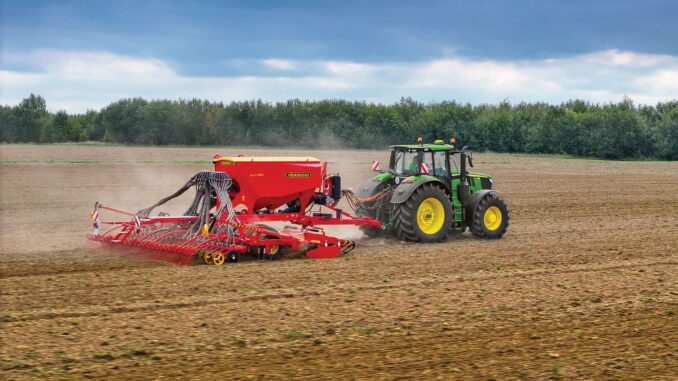
The John Deere 4455 is a large row-crop tractor from Deere’s 55 Series, built for heavier field work, loader work, hay, planting, and transport rather than simple lawn care. It uses a diesel engine, a hydraulic and transmission system designed for agricultural workloads, and a cab/electrical setup that rewards regular maintenance and careful diagnosis when problems appear.
This guide is written for owners in the USA and Canada who are comfortable with routine maintenance and some intermediate repairs. It covers John Deere 4455 repair basics, symptom-first troubleshooting, common service parts, maintenance intervals, and a detailed FAQ so owners can decide what is realistic DIY work and what should go to a dealer or experienced agricultural repair shop.
General overview of the John Deere 4455
The John Deere 4455 sits in Deere’s 55 Series row-crop lineup and is a much larger, more complex machine than homeowner lawn tractors or compact riding mowers. That matters because troubleshooting usually involves multiple connected systems, especially fuel delivery, hydraulics, transmission function, electrical controls, and cooling.
The key systems owners should think about on a John Deere 4455 are:
-
Engine and fuel system, including filters, strainer, air intake, and injection-related running issues.
-
Cooling system, including coolant level, hoses, thermostats, and signs of overheating.
-
Transmission and hydraulic system, including filters, suction screen, manifold screen, and fluid condition.
-
Electrical and starting system, including batteries, neutral-start system, alternator belt condition, and warning lights.
Several common John Deere 4455 service parts that owners actually buy include engine oil filter DZ101880, fuel filter AR86745, primary air filter AR79679, secondary air filter AR79680, transmission/hydraulic oil filter AR94510, fuel strainer AR103220, charge pump suction screen AR26375 or R53169 depending on setup, return oil manifold screen R27173, fresh air filter R65450, and recirculation air filter RE12793 or RE67830 depending on cab configuration.
John Deere 4455 troubleshooting approach
The best way to diagnose a John Deere 4455 is to start with the symptom the owner actually sees: hard starting, no-start, weak hydraulics, overheating, warning lights, slipping drive feel, unusual noise, or fluid leaks. Replacing parts too early on a tractor this size can get expensive fast, and several symptoms can come from low fluid, restricted filters, weak batteries, loose belts, or poor maintenance rather than major component failure.
The main symptom groups for this model are:
-
Starting issues
-
Running and power issues
-
Hydraulic and transmission/drive problems
-
Overheating and leaks
-
Electrical and warning-light problems
-
Cab airflow and operator comfort problems
-
Vibration, belt noise, and general mechanical noise
Emergency John Deere 4455 repair needs
Some John Deere 4455 problems should be addressed immediately because they can create safety issues or turn a repairable fault into a major failure. Deere’s warning-light guidance states that the red STOP light indicates a serious malfunction and the engine should be shut off immediately to determine the cause.
Starting issues
If the tractor will not crank, only clicks, or cranks slowly, the fault may be electrical, battery-related, or connected to the neutral-start system. Ignoring these issues can leave the tractor stranded in a dangerous location or lead to starter and wiring damage from repeated failed cranking.
Common causes:
-
Weak or poorly serviced batteries
-
Corroded or loose cable connections
-
Fault in the neutral-start system
-
Charging system belt tension problems
-
Alternator output issues
Basic owner checks:
-
Check battery condition, cable tightness, and terminal corrosion.
-
Confirm the tractor is in the proper start-safe condition and neutral-start requirements are met.
-
Inspect alternator/compressor belt condition and tension.
-
Watch for dash warnings or abnormal electrical behavior.
-
Stop forcing the starter if the tractor repeatedly fails to crank normally.
Running and power loss
A John Deere 4455 that starts but runs rough, lacks power, smokes excessively, or dies under load often has an air, fuel, or filter restriction issue before it has a major internal engine failure. Fuel filter restriction, air cleaner neglect, intake leaks, and overdue service are practical first checks.
Common causes:
-
Restricted fuel filter or strainer
-
Dirty primary or secondary air filter
-
Air intake hose or clamp issues
-
Poor fuel quality or contamination
-
Injection-system problems that move beyond normal DIY work
Basic owner checks:
-
Confirm fuel supply and inspect for contamination concerns.
-
Replace or inspect the fuel filter and serviceable strainer items as needed.
-
Check the air cleaner elements and intake hose/clamp security.
-
Note whether power loss occurs cold, hot, or only under heavy load.
-
If symptoms persist after basic service, move toward professional fuel-system diagnosis.
Hydraulic and transmission problems
Hydraulic weakness, delayed steering response, hitch issues, or transmission performance complaints should be taken seriously because low or dirty oil and restricted suction or filter components can damage expensive hydraulic parts. The 4455 uses a large shared transmission/hydraulic oil supply, and Deere’s maintenance material specifically identifies filter changes and suction screen service as key periodic tasks.
Common causes:
-
Low transmission/hydraulic oil
-
Restricted transmission/hydraulic filter
-
Dirty charge pump suction screen
-
Dirty return oil manifold screen
-
Internal hydraulic or transmission wear
Basic owner checks:
-
Check fluid level and obvious leaks first.
-
Inspect service history for the hydraulic filter and screen intervals.
-
Listen for unusual hydraulic noise or delayed response.
-
Avoid heavy use if steering, brakes, or hitch performance is abnormal.
-
Escalate quickly if metal contamination or repeated filter plugging is suspected.
Overheating and leaks
Overheating on a John Deere 4455 can come from low coolant, restricted airflow, belt problems, failing thermostats, or neglected coolant service. Continued operation with high temperature or fluid loss can damage the engine and cooling system quickly.
Common causes:
-
Low coolant
-
External leaks
-
Belt tension problems
-
Thermostat issues
-
Cooling system overdue for flush/refill service
Basic owner checks:
-
Shut down if the tractor is genuinely overheating.
-
Check coolant level only when safe and cool enough.
-
Inspect for visible leaks, loose clamps, or belt issues.
-
Clean debris from cooling-air paths if needed.
-
If overheating returns, plan for cooling-system service rather than repeated top-offs.
Electrical problems
Electrical faults on the John Deere 4455 often show up as warning lights, charging complaints, hard starting, or intermittent cab and instrumentation problems. Warning lights should never be ignored, especially when Deere identifies certain indicators as immediate stop conditions.
Common causes:
-
Battery neglect
-
Loose grounds or cable issues
-
Alternator belt tension problems
-
Charging system failure
-
Safety/neutral-start system faults
Basic owner checks:
-
Verify battery service condition.
-
Inspect belt tension and obvious wiring faults.
-
Check for repeatable warning-light patterns.
-
Do not bypass safety systems as a permanent fix.
-
Use dealer or experienced electrical diagnosis if the issue is intermittent or warning-code related.
DIY or dealer? John Deere 4455 repair decision guide
The John Deere 4455 is old enough that many owners do their own service, but it is still a high-capacity agricultural tractor with systems that can injure you or become very expensive if misdiagnosed. In practice, routine service and simple external parts replacement are good DIY territory, while hydraulic internals, injection work, transmission diagnosis, brake system issues, and complex electrical faults are usually advanced-repair or dealer jobs.
Good DIY jobs
-
Engine oil and filter changes
-
Fuel filter replacement
-
Air filter replacement
-
Battery service
-
Cab air filter replacement
-
Belt inspection and basic belt tension adjustment
-
Cooling-system checks and scheduled fluid service if the owner has the right tools and safe handling setup
Advanced DIY or dealer jobs
-
Injection-system diagnosis
-
Hydraulic pump and internal hydraulic troubleshooting
-
Powershift or transmission internal repairs
-
Brake accumulator or brake-hydraulic issues
-
Neutral-start and intermittent electrical diagnosis
-
Cooling-system faults that persist after normal service
Skill level guide
-
Beginner: filters, battery care, visual inspections, fluid checks.
-
Intermediate: oil service, coolant service, belt adjustment, cab filter replacement, careful leak diagnosis.
-
Advanced: hydraulic screens, charging-system testing, deeper electrical diagnosis, repeated overheating diagnosis, transmission/hydraulic contamination work.
John Deere 4455 parts needed, OEM vs aftermarket, and what information you need
Before ordering parts for a John Deere 4455, gather the full model name, the tractor Product Identification Number or serial details, and the engine identification information if the repair touches engine-specific parts. On older Deere tractors, serial breaks and configuration differences can affect filters, cab items, axle parts, hydraulic components, and other service items.
Use OEM parts first for belts, filters tied to exact fit, hydraulic/transmission service items, seals, and safety-related or serial-sensitive components. Aftermarket parts can be acceptable for some air filters, batteries, selected consumables, and certain cross-referenced maintenance items, but only when the supplier clearly lists 4455 compatibility and the OEM number cross-reference is correct.
Where to find John Deere 4455 parts diagrams and service manuals
The best official starting point is Deere’s Manuals and Training page, which is the hub Deere uses for operator, technical, and parts publications.
Useful sources include:
-
Deere Manuals and Training for official operator, technical, and parts publications lookup and purchase.
-
JDParts / Parts Catalog for exploded diagrams and exact Deere part-number lookup, even though access can be limited depending on page path and region.
-
Green Farm Parts 4455 maintenance guide for a quick maintenance-oriented parts list and common service item references.
-
Deere’s Ag fluid capacities PDF for verified fluid capacity figures tied to the 4455.
How to locate John Deere 4455 model, serial, and engine numbers
These numbers matter because older agricultural tractors often changed parts by serial range, cab configuration, axle type, or engine specification. Ordering by “4455 only” is often not enough for a precise repair.
A practical way to identify your machine is:
-
Find the tractor identification plate and record the full model and serial/PIN details.
-
Photograph the plate so you do not transpose digits later.
-
Record engine model and serial information from the engine tag if the repair involves fuel, cooling, or engine-specific parts.
-
Note axle or drivetrain configuration if relevant, especially 2WD versus MFWD and any cab/filter variations.
-
Keep those numbers with your service records before ordering parts online or at a dealer counter.
Buying John Deere 4455 parts online and in physical stores
For a John Deere 4455, the best buying strategy is to identify the OEM number first, then decide whether the part is fit-sensitive enough to justify OEM only. That approach reduces returns and helps avoid mismatched older-stock aftermarket parts.
-
Online: use OEM numbers and confirm serial-sensitive fitment before checkout; strong starting points are Deere Manuals and Training, JDParts, and Green Farm Parts’ 4455 page.
-
Dealer counter: best for hydraulic parts, serial-break items, warning-light/electrical components, and any job where diagrams matter.
-
Retail stores: acceptable for batteries, some fluids, and selected filters only when the packaging clearly cross-references the John Deere 4455 and the OEM number.
Step-by-step fitting guide for common John Deere 4455 parts
These are high-value DIY jobs because they solve many common “won’t start,” “runs weak,” and “service overdue” complaints before the owner gets into major repairs.
Replacing the John Deere 4455 engine oil filter
This job supports starting, lubrication, and engine life, and the common service filter is DZ101880.
-
Warm the engine slightly so the oil drains better, then park safely and shut down.
-
Drain the engine oil into a suitable container.
-
Remove the old oil filter and confirm the old gasket came off with it.
-
Lightly oil the new filter gasket and install the new filter by hand to proper snugness.
-
Refill with the correct engine oil, start briefly, shut down, and recheck the level and leaks.
Replacing the John Deere 4455 fuel filter
A fresh fuel filter often helps hard starting, poor running, or power loss caused by restricted fuel flow. The common listed filter is AR86745.
-
Shut off fuel at the tank if equipped for service isolation.
-
Clean around the filter area before removal so dirt does not enter the system.
-
Remove the old filter and install the replacement in the correct flow orientation.
-
Prime or bleed as needed for your setup before extended cranking.
-
Start the tractor and inspect for leaks or air-related stumble.
Replacing the John Deere 4455 air filters
Air filter service helps power, smoke control, and engine protection, and the listed service elements are AR79679 and AR79680.
-
Open the air cleaner housing carefully.
-
Remove the primary element and inspect the secondary element.
-
Replace dirty or damaged elements rather than over-cleaning them.
-
Check intake hoses and clamps while the housing is open.
-
Reassemble carefully so the housing seals correctly and no unfiltered air enters the engine.
Replacing John Deere 4455 cab air filters
Cab filters are easy to forget, but they affect operator comfort and HVAC performance. Deere’s maintenance guide lists fresh air and recirculation filter service at 250-hour checks and annual replacement as needed.
-
Identify whether your tractor uses the standard or heavy-duty recirculation filter setup.
-
Remove the old fresh-air and recirculation elements from the cab HVAC locations.
-
Clean out leaves, dust, and debris from the filter compartments.
-
Fit the new elements in the proper orientation.
-
Run the fan and check airflow improvement before closing everything up.
Maintenance to prevent John Deere 4455 problems reoccurring
Regular service prevents many John Deere 4455 failures from becoming expensive hydraulic, cooling, or engine problems. The maintenance items Deere-oriented sources highlight most strongly are filters, belt tension, battery service, coolant service, and periodic hydraulic screen work.
Focus areas:
-
Starting reliability: service batteries, inspect cables, and keep belt tension correct.
-
Engine performance: replace oil, fuel, and air filters on schedule and address contamination quickly.
-
Overheating prevention: monitor coolant level, flush/refill the cooling system on schedule, and replace thermostats during yearly cooling service where specified.
-
Hydraulic and drive performance: keep transmission/hydraulic oil clean and service filters and screens at the listed intervals.
-
Electrical reliability: pay attention to warning lights and do not ignore repeated charging or starting symptoms.
John Deere 4455 maintenance schedule and year-round checklist
The verified schedule points I could confirm for the John Deere 4455 include daily/10-hour style checks, 100-hour checks, 250-hour service, yearly service, and 1500-hour hydraulic/transmission-related service items. Deere fluid-capacity documentation also confirms this is a high-capacity machine, which makes scheduled service especially important.
Daily / before each use
-
Check engine oil level.
-
Check coolant level.
-
Look for leaks.
-
Watch coolant temperature in use.
-
Inspect engine air intake hoses and hose clamps for tightness.
Every 100 hours
-
Perform the daily/10-hour items as part of the service cycle.
-
Check and adjust drive belt tensions.
-
Avoid unnecessary engine idling as part of good operating practice.
Every 250 hours
-
Change engine oil and engine oil filter.
-
Service batteries.
-
Check tension of alternator and compressor belts.
-
Wash transmission-hydraulic oil filler cap breather filter.
-
Inspect for loose bolts.
-
Check neutral-start system.
-
Check brake accumulator.
-
Check cab air filters and replace as required.
Yearly
-
Replace transmission and hydraulic filter elements.
-
Replace primary and secondary air cleaner elements.
-
Drain, flush, and refill the cooling system.
-
Replace thermostats.
Every 1500 hours
-
Change transmission-hydraulic oil.
-
Clean charge pump suction screen.
-
Change MFWD hub and axle housing lubricant where applicable.
-
Check fuel injection nozzles.
-
Service return/suction screen items listed for the tractor configuration.
Seasonal checklist
-
Spring: full fluid check, battery service, air filter inspection, cooling system review before heavy field work.
-
Mid-season: belt tension, leak inspection, oil level discipline, and fast attention to warning lights.
-
Fall or off-season: complete overdue yearly items, replace filters, and document serial numbers and service parts used for the next season.
Repair, upgrade, or replace?
For a John Deere 4455, repair usually makes sense when the tractor is structurally sound, starts and runs well after normal service, and the problem is isolated to maintenance items, external leaks, belts, filters, or straightforward electrical issues. Upgrade or replace decisions usually hinge more on the cost of hydraulic, transmission, axle, or engine work versus the tractor’s overall condition and how many hours it still needs to work each year.
Repair if…
-
The issue is clearly maintenance-related.
-
The tractor is otherwise reliable and sound.
-
Parts are available and the repair does not involve major internal systems.
Upgrade if…
-
You need better diagnostics, easier parts support, or newer operator comfort and hydraulic features.
-
Your work demands exceed what the current configuration handles efficiently.
Replace if…
-
Multiple major systems need work at the same time.
-
Internal hydraulic or transmission failures are severe and contamination is widespread.
-
The tractor has safety, structural, or repeated overheating issues that make ownership uneconomical.
John Deere 4455 troubleshooting FAQ
1. Why will my John Deere 4455 not start?
Start with the basics: battery condition, cable cleanliness, and whether the neutral-start system is allowing cranking. Deere-oriented maintenance information for the 4455 specifically calls out battery service and neutral-start checks as regular maintenance items, which tells you these are common and important starting-related areas.
2. Why does my John Deere 4455 crank slowly?
Slow cranking usually points to weak batteries, poor cable connections, or charging issues that left the batteries undercharged. Check battery service condition first, then inspect belt tension on the alternator drive because Deere lists belt tension checks as part of routine maintenance.
3. Why does my John Deere 4455 click but not turn over?
A clicking sound often means the starter circuit is trying to engage but does not have enough voltage or current to crank the engine normally. Battery condition, cable corrosion, ground issues, and neutral-start circuit problems are practical first checks before assuming the starter itself is bad.
4. Why does my John Deere 4455 start and then die?
That symptom often suggests restricted fuel flow, contaminated fuel, or an air-related problem rather than an immediate major engine failure. The 4455 maintenance references list both a fuel filter and a fuel strainer as normal service items, which makes them logical first checks.
5. Why is my John Deere 4455 low on power?
Low power can come from dirty air filters, restricted fuel delivery, intake leaks, overdue maintenance, or deeper injection-system issues. Start with the serviceable items first because the 4455 has clearly identified primary and secondary air filters plus a standard fuel-filter service path.
6. Why does my John Deere 4455 smoke more than usual?
Excess smoke usually means the engine is not getting the right air-fuel balance or is being overloaded under the current condition. Dirty air filters, poor fuel quality, or fuel-system faults are common directions to inspect first before moving to injector testing.
7. Why does my John Deere 4455 run rough at idle?
Rough idle can come from fuel restriction, air in the fuel system, contamination, or engine-side tuning and injection issues. Replace the normal service filters first if their age is unknown, then look for repeatable patterns such as roughness only when hot or only after sitting.
8. Why does my John Deere 4455 lose power under load?
Power loss under load usually points to a supply problem that becomes obvious only when the engine is asked to work hard. That means fuel filter restriction, air restriction, intake leaks, or more advanced injection concerns should be checked in that order.
9. Why is my John Deere 4455 overheating?
Low coolant, cooling-system neglect, thermostat problems, and belt-related airflow or circulation issues are all realistic causes. Deere’s maintenance information for this tractor family specifically includes yearly cooling-system drain, flush, refill, and thermostat replacement work.
10. Can I keep using my John Deere 4455 if the red STOP light comes on?
No. Deere’s manual material says the red STOP light means a serious malfunction and the engine should be switched off immediately so the cause can be determined.
11. Why is my John Deere 4455 losing coolant?
Coolant loss usually means an external leak, a loose connection, or a cooling-system fault that needs proper diagnosis rather than repeated top-offs. On an older tractor, ignoring coolant loss can turn a manageable repair into overheating damage.
12. Why does my John Deere 4455 hydraulic system feel weak?
Weak hydraulics often point to low transmission/hydraulic oil, a restricted filter, or a suction/screen problem before they point to a failed major component. Deere-related service information for the 4455 puts strong emphasis on hydraulic filter and suction screen service for a reason.
13. Why is the steering heavy on my John Deere 4455?
Heavy steering can be a hydraulic supply issue, especially if it appears with other hydraulic complaints. Check fluid level, service history, and whether the problem is constant or only happens when the tractor is hot or working hard.
14. Why is the hitch slow or inconsistent on my John Deere 4455?
Slow hitch response usually means the tractor’s hydraulic system is not supplying clean oil or correct pressure consistently. Start with fluid level, filter history, and whether there are any related symptoms in steering or remotes, because shared-system clues matter.
15. Why does my John Deere 4455 transmission feel weak or delayed?
Transmission complaints on a 4455 can be simple or expensive, so begin with the external service checks first. Dirty hydraulic oil, neglected hydraulic filters, or restricted suction components can affect transmission behavior and should be addressed before deeper internal diagnosis.
16. Why is my John Deere 4455 leaking hydraulic oil?
A hydraulic leak may come from a hose, fitting, seal, filter area, or another external source. Clean the area first, trace the leak carefully, and avoid heavy operation until you know whether the leak is cosmetic or severe enough to threaten fluid level and system function.
17. Why does my John Deere 4455 battery keep going flat?
A flat battery usually means either the battery is aging, the tractor is not charging correctly, or there is a wiring or usage issue. Deere’s schedule for the 4455 specifically includes battery service and alternator/compressor belt tension checks, so those are smart first steps.
18. Why is my John Deere 4455 alternator not charging well?
Poor charging can result from loose or worn belts, alternator problems, wiring faults, or battery condition that masks the real problem. Inspect and tension the belt first because Deere directly lists alternator belt tension as a normal service task.
19. Why does my John Deere 4455 have electrical warning lights?
Warning lights mean the tractor is telling you that a monitored system needs attention, not that the light itself is the problem. Note exactly which light appears, under what conditions it appears, and whether the tractor also shows performance symptoms.
20. Why does my John Deere 4455 have a neutral-start issue?
The neutral-start system is designed to prevent unsafe starting, so bypassing it permanently is not a good repair strategy. Since Deere includes neutral-start checks in regular maintenance for this tractor, a failed switch, adjustment problem, or wiring issue is a realistic cause.
21. Why does my John Deere 4455 make belt noise?
Belt squeal or belt chatter usually comes from incorrect tension, wear, contamination, or pulley-related issues. Deere’s maintenance guidance specifically tells owners to check and adjust belt tension and warns against prying on the alternator cover during adjustment.
22. Why is there a vibration in my John Deere 4455?
Vibration can come from engine running issues, belt and pulley problems, driveline concerns, or a fault in an attached implement rather than the tractor itself. Separate engine-speed-related vibration from travel-speed-related vibration because that distinction helps narrow the system involved.
23. Why does my John Deere 4455 cab airflow feel weak?
Weak HVAC airflow often comes down to neglected cab air filters and debris buildup in the intake or recirculation areas. Deere-related maintenance listings for the 4455 specify both fresh-air and recirculation filters and call for checking them every 250 hours and replacing annually or as required.
24. Why does my John Deere 4455 run hot after long work periods?
A tractor that only overheats after extended work may have a marginal cooling problem that only shows under sustained load. That often means belt condition, coolant quality, dirty cooling passages, or thermostat performance should be checked before assuming deeper engine trouble.
25. How often should I change John Deere 4455 engine oil?
The service information I could verify for the 4455 points to engine oil and filter service every 250 hours or annually. If the tractor works in dust, heat, or severe conditions, service may need to happen sooner.
26. How often should I replace John Deere 4455 air filters?
The verified maintenance listings show the primary and secondary air filters as annual or as-required service items. In dusty conditions, inspection should happen more often because waiting too long can hurt power and engine protection.
27. How often should I service the John Deere 4455 hydraulic system?
The 4455 maintenance material I found ties hydraulic filter replacement to yearly or as-required service and identifies 1500-hour work for transmission-hydraulic oil and suction screen cleaning. That means owners should not treat the hydraulic side as “fill it and forget it.”
28. What hydraulic filter does a John Deere 4455 use?
One commonly listed transmission/hydraulic oil filter for the 4455 is AR94510. As always on an older Deere tractor, verify by serial and configuration before ordering.
29. What engine oil filter fits a John Deere 4455?
A commonly listed engine oil filter for the John Deere 4455 is DZ101880. It appears in both a 4455 maintenance-parts guide and a Deere-compatible retail listing.
30. What fuel filter fits a John Deere 4455?
A commonly listed fuel filter for the John Deere 4455 is AR86745. Check serial and engine details before ordering if the tractor’s history or configuration is uncertain.
31. Should I use OEM John Deere 4455 filters and parts?
OEM is the safest choice for fit-sensitive, hydraulic, and serial-specific parts, especially on a machine with this many configuration variables. Aftermarket can work for some common maintenance items, but only when the cross-reference is exact and the supplier is reputable.
32. Is the John Deere 4455 realistic for DIY repairs?
Yes, for routine service and a fair amount of external repair work, especially if the owner already does agricultural equipment maintenance. No, for all jobs involving hydraulic internals, fuel injection, repeated electrical diagnosis, or transmission work unless the owner has the tools, documentation, and experience.
33. When should I take my John Deere 4455 to a dealer?
Dealer or specialist help makes sense when warning lights persist, the tractor overheats repeatedly, hydraulic performance stays weak after service, or you suspect internal transmission or injection faults. Those are the jobs where misdiagnosis gets expensive fastest.
34. Can dirty cab filters affect the John Deere 4455 more than comfort?
Yes. While the first symptom is usually poor airflow or weak HVAC performance, neglected cab filters can also increase fan strain and make the cab environment more unpleasant during long workdays. Since Deere-related maintenance schedules call these filters out specifically, they are not just optional comfort items.
35. What is the safest way to troubleshoot a John Deere 4455?
Start with the symptom, confirm fluid levels, inspect filters and belts, look for leaks, and pay attention to any warning lights before replacing parts. On a machine like the 4455, clean diagnosis beats random parts swapping almost every time.