
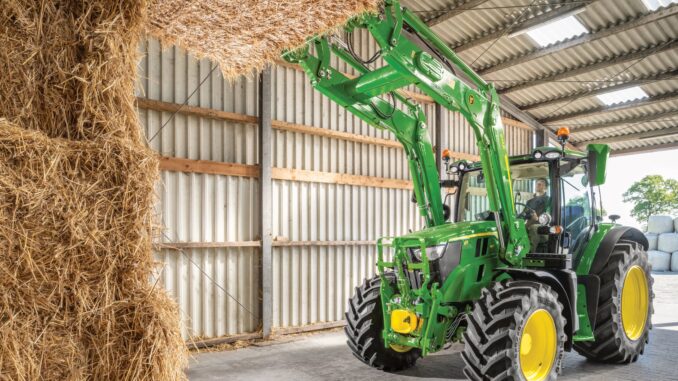
John Deere 1520 is a small utility tractor that responds very well to sensible DIY care, but it also has a few areas where you are better off using a dealer or experienced mechanic. This guide walks a typical owner through practical repairs, troubleshooting and maintenance with a parts‑first mindset and clear boundaries on what’s realistic at home.
John Deere 1520 – model overview
The John Deere 1520 is a 1960s–1970s utility tractor in the 1020/1520/1530 series, typically equipped with a 3‑cylinder gasoline or diesel engine, live PTO and power steering in most configurations. It’s used today for small acreage work, mowing with mounted or pulled mowers, loader work, and general chores rather than fine lawn work.
This John Deere 1520 service and repair guide focuses on engine and fuel system faults, hydraulic and PTO issues, steering and brake problems, electrical reliability, and routine maintenance that keeps an older 1520 dependable. The goal is to start from symptoms you actually see on the tractor, then map them to likely causes, realistic DIY checks, and when it’s time to involve a dealer or specialist.
General overview of the John Deere 1520
Within Deere’s lineup the John Deere 1520 sits above the lighter 1020 and below the larger 2020/2030, giving owners a compact but capable utility tractor that can handle loaders, mowers, and light tillage. It shares many components—engine, clutch, hydraulics and steering—across the 1020/1520/1530 family, which makes parts availability much easier.
Key systems you’ll deal with on a John Deere 1520 include:
-
Engine and fuel system (carbureted gas or diesel, mechanical fuel lift pump).
-
Cooling system (radiator, fan, water pump).
-
Clutch and transmission (8‑speed gear, live PTO on most units).
-
PTO and hydraulics (rear PTO, three‑point hitch, loader circuits).
-
Steering and brakes (often power steering, wet or dry brakes depending on spec).
-
Electrical system (starter, alternator/generator, lights, warning lamps, safety switches).
Common service parts that owners actually buy for the John Deere 1520 include engine oil filters, fuel filters, air elements, fan belts, radiator caps, spark plugs for gas models, hydraulic filters, brake parts, and a range of seals and gaskets. Mower and implement parts (blades, belts, shear bolts) will depend on the attachment rather than the tractor itself.
Troubleshooting approach for a John Deere 1520
The safest way to work on a John Deere 1520 is to start from the symptom, not the suspected part. Ask:
-
What do I see and hear?
-
When does it happen (cold, hot, under load, on slopes)?
-
What changed recently (fuel, battery, repairs, heavy work)?
For the John Deere 1520, the main symptom categories to work through are:
-
Starting issues (cranks but won’t start, no crank, weak cranking).
-
Running issues (stalling, loss of power, smoke, misfire).
-
Hydraulics and steering issues (slow or dead three‑point, loader problems, hard steering).
-
PTO and transmission problems (PTO won’t engage, clutch slips, grinding gears).
-
Overheating and leaks (coolant loss, oil leaks, hydraulic leaks).
-
Electrical and lighting problems (charging faults, dead battery, lights inoperative).
-
Brake and safety issues (poor braking, pulling to one side).
Each section below gives you “emergency” checks to keep damage to a minimum, then deeper DIY guidance.
Emergency and immediate repair needs on a John Deere 1520
Starting issues – John Deere 1520 will not start
When a John Deere 1520 will not start or barely cranks, the priority is safety and avoiding damage to the starter, battery and wiring. Repeated long cranking can overheat the starter and drain the battery to the point of failure.
Common causes:
-
Weak battery or corroded terminals.
-
Faulty starter, solenoid or wiring.
-
Fuel delivery problems (air in diesel system, blocked filter, closed fuel tap).
-
Ignition faults on gas models (coil, points, plug wires, plugs).
-
Cold‑start assistance not used correctly on diesel engines.
Basic owner checklist:
-
Verify the transmission is in neutral and PTO is disengaged before starting.
-
Check battery terminals for corrosion; clean and tighten both posts.
-
Try the lights: if they are very dim or go out when cranking, charge or replace the battery.
-
Confirm there is fuel in the tank and the fuel shutoff tap is open.
-
On diesel tractors, use the correct cold‑start procedures; if you suspect air in the system after a filter change, bleed the lines following the manual.
-
If the starter clicks but doesn’t spin, stop cranking and have an auto‑electrician or dealer test the starter and solenoid.
Running issues – John Deere 1520 engine power and stalling
Running problems on a John Deere 1520—such as loss of power, misfiring, or stalling under load—can quickly escalate into serious engine or injection pump damage if ignored. Any sudden change under load deserves attention.
Common causes:
-
Dirty fuel or clogged fuel filter.
-
Blocked air intake or damaged air filter.
-
Ignition timing or points issues on gasoline engines.
-
Water or contamination in diesel fuel, or air in the system.
-
Fuel lift pump or injection pump wear (diesel).
Basic owner checklist:
-
Replace the fuel filter if it’s old or you’ve had dirty fuel.
-
Inspect and, if necessary, replace or clean the air filter element.
-
Listen for misfiring or knocking; if present, reduce load immediately.
-
For diesel tractors that suddenly lose power, check for fuel leaks and signs of air entering the lines (bubbles).
-
If symptoms persist after basic maintenance, avoid hard work and book the tractor in for fuel/injection pump diagnosis.
Hydraulics and steering – John Deere 1520 urgent issues
Hydraulic failures and hard steering can be dangerous, especially with a front loader or heavy implements attached. On the John Deere 1520, hydraulic and steering issues may share oil supply, so early intervention helps prevent pump damage.
Common causes:
-
Low hydraulic oil level or wrong fluid type.
-
Blocked hydraulic filter or screen.
-
Failing hydraulic pump.
-
Internal leaks in steering boxes or cylinders.
-
Leaking hoses or fittings.
Basic owner checklist:
-
Park the tractor on level ground, lower all implements and set the parking brake.
-
Check hydraulic oil level with the dipstick or sight glass as specified in the manual.
-
Inspect hoses and fittings for fresh oil, drips and wet spots.
-
If steering feels suddenly heavy, do not operate with a loader until the cause is found.
-
Replace the hydraulic filter if it’s older than the recommended service interval.
-
If the hydraulics chatter, whine or drop suddenly, stop using the hydraulics and consult a dealer—pump damage can be expensive.
PTO and transmission – John Deere 1520 clutch and drive problems
Transmissions and PTO issues on a John Deere 1520 can lead to unsafe operation and expensive clutch or gearbox repairs. Grinding gears, PTO engagement problems and clutch slip should be treated as urgent.
Common causes:
-
Incorrect clutch adjustment.
-
Worn clutch disc or pressure plate.
-
PTO linkage problems or internal wear.
-
Wrong gear use for the task, overloading the tractor.
Basic owner checklist:
-
If gears grind when shifting, stop forcing the gear; verify clutch pedal free play and adjust if the manual allows.
-
Check the PTO engagement linkage for obvious misalignment or damage.
-
Avoid heavy PTO loads if you smell a burning clutch or notice slipping.
-
If clutch adjustment does not cure slipping or grinding, plan for professional inspection—splitting the tractor is not a beginner job.
Overheating and leaks on a John Deere 1520
Older tractors leak, but you must distinguish “sweating” from serious leaks that can cause overheating, loss of lubrication or hydraulic failure.
Common causes:
-
Low coolant or stuck thermostat.
-
Blocked radiator fins or damaged fan belt.
-
Engine oil leaks around seals and gaskets.
-
Hydraulic leaks from pipes, seals or pump.
Basic owner checklist:
-
Never remove the radiator cap when hot; wait for the engine to cool.
-
Check coolant level and the condition of the radiator cap and hoses.
-
Inspect the fan belt for tension and cracks; replace if worn.
-
Wipe suspect areas clean, then operate briefly and re‑check to locate active leaks.
-
Any oil leak that drips onto brakes, clutch or hot exhaust should be treated as urgent and repaired.
Electrical and lighting – John Deere 1520 safety and charging
On a John Deere 1520, electrical problems can leave you stranded and may create fire risks if wires chafe or short near fuel lines or hot surfaces.
Common causes:
-
Battery condition and poor grounds.
-
Charging system faults (alternator/generator, voltage regulator).
-
Aged wiring insulation and dodgy connectors.
-
Switch and fuse issues.
Basic owner checklist:
-
Inspect the battery ground strap to the chassis; clean and re‑tighten.
-
Check the main charging wire and regulator for loose connections.
-
Use the lights and voltmeter (if fitted) to confirm charging between tasks.
-
Replace suspect fuses with correct amperage—not “whatever fits.”
-
If you smell hot wiring or see smoke, shut the tractor off and disconnect the battery before investigating.
DIY or dealer? John Deere 1520 repair decision guide
On the John Deere 1520, the line between sensible DIY and dealer work usually falls at the point where you must split the tractor, open the engine or rebuild hydraulic and steering components. Adjustments and routine service are realistic for most mechanically‑inclined owners; heavy driveline and hydraulic work is not.
Good DIY jobs on a John Deere 1520:
-
Regular engine oil and filter changes.
-
Fuel and air filter replacement.
-
Fan belt and radiator hose replacement.
-
Basic clutch free‑play adjustments per manual.
-
Battery replacement and simple wiring repairs.
-
Greasing steering and loader points.
-
Brake adjustments where externally accessible.
Advanced DIY or dealer jobs:
-
Clutch replacement (requires splitting the tractor).
-
Transmission and differential repairs.
-
PTO internal repairs and shaft replacement.
-
Major hydraulic pump and internal leak diagnosis.
-
Steering box rebuilds.
-
Injection pump overhaul and precise timing on diesel engines.
Skill level guide:
-
Beginner: Oil changes, greasing, battery swaps, basic filter replacement, light bulb changes.
-
Intermediate: Fan belts, hoses, clutch linkage adjustments, brake adjustment, simple hydraulic hose replacement.
-
Advanced: Engine work, clutch replacement, transmission/PTO repairs, hydraulic pump replacement, steering box work—usually best left to a dealer or experienced mechanic with the right lifting equipment.
Parts information for a John Deere 1520 (OEM vs aftermarket)
Before you order parts for a John Deere 1520 you’ll need:
-
Full model designation (John Deere 1520, plus gas or diesel engine if known).
-
Product Identification Number (PIN), usually stamped on the serial plate.
-
Engine model and serial (especially important for diesel injection and major engine parts).
-
Any attachment or implement model numbers (mowers, loaders, etc.).
Below is an example parts table you can adapt with exact numbers from your manuals and JD parts catalogs when publishing:
General OEM vs aftermarket guidance for a John Deere 1520:
-
Use OEM or high‑quality equivalents for belts, hydraulic filters, brake components, steering parts and anything safety‑critical.
-
Aftermarket parts can work well for engine oil and fuel filters, batteries, some seals and non‑critical hardware as long as they are explicitly listed as compatible with the John Deere 1520 or your PIN range.
-
Always cross‑reference parts by model and serial number using either JDParts or a reputable catalog before ordering.
John Deere 1520 parts diagrams and manuals – where to look
For a John Deere 1520, the most useful resources are:
-
John Deere operator’s manual for the 1520: covers basic controls, daily checks, fluids and simple adjustments.
-
John Deere 1520 service manual (often sold as “JD‑S‑TM1012” or as a 1020/1520/1530 combined manual): gives full repair procedures, specifications and adjustments across engine, transmission, hydraulics and steering.
-
Online parts catalogs (JDParts or equivalent): provide exploded diagrams, OEM part numbers and notes for serial‑specific changes.
-
A strong Deere‑focused aftermarket site with a John Deere 1520 section: helps with alternative parts, kits and cross‑references.
When you publish the article, you can link directly to:
-
John Deere official manuals and technical publications.
-
John Deere parts catalog page for the 1520.
-
Your tractorsby.com John Deere 1520 parts and diagrams hub page for a consolidated view.
Each of these links serves a different purpose: operator’s manual for everyday use, service manual for deep repairs, parts catalog for identifying exactly what to buy, and your site for quick owner‑friendly summaries.
How to locate model, serial and engine numbers on a John Deere 1520
Model and serial numbers matter because Deere changed details over production runs, and parts catalogs often split the 1520 range by PIN. Fluids, filters and some mechanical parts can differ slightly within the same model family.
Typical locations on a John Deere 1520:
-
Tractor PIN plate: Look for a metal identification plate on the tractor chassis (often on the side of the clutch housing or frame rail). The plate lists the model and serial number.
-
Engine serial: On the side of the engine block, near the injection pump or distributor, you’ll find stamped or plated engine numbers. Clean the area and use a torch to read them.
-
PTO and transmission codes: Some tractors have casting codes or tags near the rear axle housing or PTO area.
-
Attachments: Loader, mower and other implements each have their own model and serial plates—check the main frame or near the mounting points.
Write these numbers down and store them with your manuals so you don’t have to re‑hunt them when ordering parts or referencing service procedures.
Buying John Deere 1520 parts online and in stores
The best strategy for buying John Deere 1520 parts is to match OEM numbers wherever possible, then choose the most reliable supplier for that part type.
-
Online: Use OEM part numbers from JDParts, official Deere catalogs or your manuals, then cross‑check with trusted online vendors. Look for clear compatibility statements like “fits John Deere 1520” and, ideally, the serial range.
-
Dealer counter: For complex hydraulic, PTO or engine parts, your local John Deere dealer is often the safest choice. They can check your PIN, confirm superseded parts and verify you’re getting the right revision.
-
Retail stores: General farm stores are useful for fluids, some filters, batteries and hardware. Packaging should list “John Deere 1520” or the OEM cross‑reference; avoid “universal” items with no clear fit information.
When publishing, you can include links to:
-
John Deere’s official parts and service page.
-
Your own John Deere 1520 parts resources at tractorsby.com.
-
One or two reputable aftermarket sources that list 1520‑specific parts and kits.
Fitting common John Deere 1520 service parts – step‑by‑step
Below are practical step‑by‑step guides for high‑impact DIY jobs on a John Deere 1520. Always follow basic workshop safety: park on level ground, set the parking brake, lower implements, and shut off the engine before starting work.
John Deere 1520 engine oil and filter change
This job improves starting reliability, reduces wear and keeps the engine cooler.
-
Warm the engine for a few minutes so the oil flows easily, then shut it off and remove the key.
-
Place a drain pan under the engine sump and remove the drain plug carefully.
-
Allow the oil to drain fully, then remove the oil filter using an appropriate filter wrench.
-
Wipe the filter mounting face clean, lightly oil the new filter seal, and install the new filter hand‑tight.
-
Refit the drain plug with a new washer if required and torque to spec from the manual.
-
Fill the engine with the recommended oil grade and quantity, then start the tractor and check for leaks and correct level.
John Deere 1520 fuel filter replacement (diesel or gas)
Clean fuel protects injection and carburetion components and prevents loss of power.
-
Close the fuel shutoff tap if fitted, and place a container or rags under the filter area.
-
Loosen and remove the old fuel filter (spin‑on or bowl type, depending on your tractor).
-
Clean the sealing surfaces and, if applicable, replace any O‑rings or seals supplied with the new filter.
-
Install the new filter in the correct orientation and tighten as specified.
-
Open the fuel tap and bleed air from the system as per the manual (usually via bleed screws on diesel lines).
-
Start the tractor, check for leaks and confirm smooth running under light load.
John Deere 1520 fan belt inspection and replacement
A sound fan belt prevents overheating and ensures charging on most 1520 configurations.
-
With the engine off, inspect the belt for cracking, glazing or missing chunks.
-
Note the belt routing, then loosen the alternator or generator mounting bolts and pivot to slacken the belt.
-
Slip the old belt off and fit the new belt along the same path.
-
Pull the alternator outward to tension the belt; it should deflect only slightly when pressed midway between pulleys.
-
Tighten all mounting bolts securely, then recheck belt tension after a short run‑in period.
John Deere 1520 hydraulic filter change
Hydraulic filter changes help prevent pump wear and keep steering and three‑point hitch performance consistent.
-
Lower all hydraulic implements and relieve system pressure by moving controls back and forth with the engine off.
-
Place a drain pan under the hydraulic filter housing and clean the surrounding area.
-
Remove the old filter and sealing components per the manual.
-
Fit the new filter and seals, ensuring correct seating and alignment.
-
Top up hydraulic oil to the correct level using the specified fluid.
-
Start the tractor, cycle the hydraulics gently, and check for leaks and normal operation.
Preventing repeat problems on a John Deere 1520
Regular maintenance goes a long way toward avoiding recurring failures on a John Deere 1520. Focus on the systems that cause most downtime.
Key focus areas:
-
Starting reliability: Keep the battery charged, terminals clean, and ignition or glow components in good shape.
-
Engine health: Maintain clean oil and filters, check for leaks, and use good‑quality fuel.
-
Cooling and overheating prevention: Keep the radiator clean, fan belt healthy, and coolant at the correct mixture and level.
-
Hydraulics and steering performance: Change hydraulic filters and fluid on schedule and address leaks quickly.
-
Electrical reliability: Inspect wiring harnesses periodically, especially around the engine and steering column, and repair damaged insulation.
John Deere 1520 maintenance schedule and year‑round checklist
Always base your detailed schedule on the official maintenance chart for your exact John Deere 1520 variant. The outline below follows typical tasks for similar tractors.
Daily / before each use
-
Check engine oil level and look for visible leaks.
-
Verify coolant level and radiator condition; remove debris from fins.
-
Inspect tires for damage, correct inflation and loose wheel hardware.
-
Ensure lights, warning indicators and gauges work.
-
Walk around the tractor to check for hydraulic and fuel leaks.
After approximately 8 hours (one workday)
-
Grease all easy‑access lubrication points (steering, front axle, loader pins).
-
Clean debris from around the engine, radiator and hydraulic components.
-
Check clutch and brake pedal feel for changes.
Every 25 hours
-
Inspect the air filter element; clean or replace as needed.
-
Check fan belt tension and wear.
-
Inspect battery terminals and apply corrosion protection.
-
Check hydraulic oil level and top up if needed.
Every 50 hours or yearly (whichever comes first)
-
Change engine oil and filter.
-
Inspect and, if necessary, replace fuel filters.
-
Lubricate steering components and linkages thoroughly.
-
Check wheel bearings and front axle for play on tractors used with loaders.
-
Inspect brake linkage and adjust free play where appropriate.
Every 200 hours or as specified
-
Change hydraulic oil and filters according to the official chart.
-
Inspect clutch linkage and adjust free play per service manual instructions.
-
Check steering boxes and front axle components for wear.
-
Inspect PTO shaft seals and driveline components for leaks and play.
Seasonal checklists for a John Deere 1520
Spring (pre‑season):
-
Perform oil and filter changes if due.
-
Check battery and charging system after winter storage.
-
Inspect tires and steering for safe operation.
Mid‑season:
-
Re‑check coolant, belts and filters.
-
Address any minor leaks or changes in sound or performance before they worsen.
Fall / end of season:
-
Clean the tractor thoroughly, including radiator and engine bay.
-
Complete any overdue maintenance tasks.
-
Stabilize fuel or drain as appropriate, and store the tractor undercover if possible.
John Deere 1520 – repair, upgrade or replace?
The John Deere 1520 is generally worth repairing as long as the chassis and major driveline components are sound, because parts support remains reasonable and the tractor fits many small‑farm roles well. Major decisions usually revolve around hydraulic, engine or transmission condition and the cost of bringing the tractor to safe, reliable standards.
Repair a John Deere 1520 if:
-
Issues are limited to filters, belts, hoses, minor leaks or adjustments.
-
The engine starts and runs well overall, with no major knock or smoke.
-
Hydraulics and steering respond, even if performance is slightly down.
-
The chassis and major castings are intact with no severe cracks.
Upgrade a John Deere 1520 if:
-
You need better lighting, safer steps and handrails, or improved operator comfort.
-
You want a loader, better tires, or improved rear PTO options suited to your tasks.
-
Simple improvements like a better seat, upgraded electrical connectors or added gauges would materially improve usability.
Replace a John Deere 1520 if:
-
The tractor requires multiple major repairs (engine overhaul, transmission rebuild, hydraulic pump and steering box) that exceed its value to you.
-
The frame or rear housing shows significant cracking or structural damage.
-
Your needs have outgrown the tractor (e.g. much larger implements or commercial duty cycles).
Expanded troubleshooting FAQ – John Deere 1520 (30+ questions)
1. Why will my John Deere 1520 not start?
If your John Deere 1520 will not start, begin by checking battery condition, cable connections and that the transmission is in neutral with PTO disengaged. Weak batteries and corroded terminals are common causes. For diesel models, confirm there is fuel and that the shutoff tap is open, then bleed air from the system if you recently changed filters. Gasoline versions need healthy ignition components—plugs, coil and points—so inspect and replace any obviously worn items before chasing more complex faults.
2. Why does my John Deere 1520 crank but not fire?
Cranking without firing usually points to fuel or ignition issues on a John Deere 1520. Ensure fuel is reaching the carburetor or injection pump; a blocked filter or closed tap will stop flow. On gas tractors, remove a plug, check for spark and correct gap, and verify the points and coil are functioning. On diesel models, check for air in the lines and confirm the cold‑start and fuel shutoff controls are set correctly.
3. What should I check if my John Deere 1520 loses power under load?
Loss of power under load often comes from restricted fuel supply, dirty air filters or minor injection problems. Start with the simplest: replace the fuel filter and inspect the air filter element. If the John Deere 1520 still struggles, listen for abnormal engine noises and reduce load. Persistent power loss after basic maintenance may warrant injector or injection pump inspection by a diesel specialist.
4. Why is my John Deere 1520 blowing black smoke?
Black smoke on a John Deere 1520 indicates too much fuel or not enough air. Check the air intake and filter for blockage or heavy contamination. Verify that the engine isn’t being over‑fuelled due to incorrect injection settings or a sticking choke on gas models. Prolonged heavy black smoke under normal load suggests the need for professional fuel system diagnosis.
5. Why does my John Deere 1520 stall when I let the clutch out?
Stalling as you let the clutch out can be caused by idling too low, letting the clutch out too quickly, or underlying fueling and timing issues. Increase idle speed slightly within recommended limits and practice smoother clutch engagement. If the John Deere 1520 still stalls even at proper idle, inspect the fuel system and ignition or injection timing for underlying problems.
6. Why is the clutch on my John Deere 1520 slipping?
Clutch slip on a John Deere 1520 usually shows up as rising engine speed without corresponding ground speed. First, check clutch pedal free play and adjust within the manual’s specification. If properly adjusted and still slipping, the clutch disc or pressure plate may be worn, requiring a tractor split and replacement—this is generally a dealer‑level job unless you have the equipment and experience.
7. Why are gears grinding when I shift my John Deere 1520?
Gear grinding on the John Deere 1520 often means the clutch is not fully disengaging or the operator is shifting too quickly. Verify correct clutch free play, and press the pedal fully before shifting. If grinding persists even with good technique and adjustment, internal clutch or transmission synchronizers may be worn and should be inspected by a professional.
8. Why won’t the PTO engage on my John Deere 1520?
If the PTO on your John Deere 1520 won’t engage, check that the lever or control is moving the linkage properly and that the tractor is configured as required (some setups need the clutch pressed or certain gears selected). Look for worn or bent linkage components and confirm you are following the correct sequence from the operator’s manual. Internal PTO clutch or drive problems will need dealer investigation.
9. Why does the PTO on my John Deere 1520 turn slowly or stop under load?
A PTO that slows or stops under load can indicate clutch slip, internal PTO wear or overload from the implement. Make sure the implement isn’t oversized for the tractor and that you’re running appropriate engine speed. If your John Deere 1520’s PTO still struggles, inspect clutch adjustment and consider professional diagnosis of the PTO drive components.
10. Why is my John Deere 1520 three‑point hitch slow or not lifting?
Slow or non‑lifting three‑point hitch on a John Deere 1520 usually points to hydraulic issues. Check hydraulic oil level and condition first. Replace the hydraulic filter if it’s due, and inspect for obvious leaks around hoses and fittings. If the pump cavitates, chatters, or the hitch refuses to lift even with correct fluid, the hydraulic pump or internal components may require dealer‑level testing and repair.
11. Why is my John Deere 1520 steering heavy or inconsistent?
Heavy steering may mean low hydraulic pressure (on power‑steering models), low fluid level, or mechanical wear in steering linkages and boxes. Confirm hydraulic oil level and look for leaks. If the John Deere 1520’s steering effort changes suddenly, stop using a front loader or heavy implements until the cause is addressed, as steering failures are a safety risk.
12. Why does my John Deere 1520 pull to one side when braking?
Pulling to one side during braking often indicates uneven brake wear, contamination or incorrect adjustment. Inspect brake linkage and adjust both sides equally according to your manual. If one brake housing shows oil contamination or severe wear, the John Deere 1520 may need new brake components on that side and potentially seal repairs to stop oil contamination.
13. Why is my John Deere 1520 overheating?
Overheating on a John Deere 1520 is commonly due to low coolant, blocked radiator fins, a failing thermostat, or a slipping fan belt. Check coolant level only when the engine is cool, clean the radiator, and inspect the belt. If the tractor overheats despite these checks, the water pump or internal cooling passages may need attention.
14. Why is coolant leaking from my John Deere 1520?
Coolant leaks can originate at hoses, radiator seams, the water pump or the radiator cap. Inspect each area for wet spots and crusted coolant. Tighten hose clamps and replace cracked hoses or caps. For leaks at the radiator core or water pump, the John Deere 1520 may need component repair or replacement rather than simple patching.
15. Why is engine oil leaking from my John Deere 1520?
Engine oil leaks may occur around sump gaskets, front and rear crank seals, rocker covers or external fittings. Clean suspected areas, then run the John Deere 1520 briefly and re‑inspect. Minor seeps can be monitored; active drips, especially onto brakes, clutch or hot surfaces, should be repaired promptly.
16. Why is hydraulic oil leaking on my John Deere 1520?
Hydraulic leaks usually show up at hoses, fittings, seals or the pump. Look for fresh oil around the rear housing, under the seat area, and along loader lines if fitted. Tighten fittings gently if they’re loose and replace damaged hoses. Large or sudden leaks on a John Deere 1520 should be addressed before further operation to avoid pump damage and slippery work areas.
17. Why does my John Deere 1520 battery keep going flat?
A flat battery may come from age, parasitic draws, poor charging or frequent short runs. Test the battery and charging system, ensuring the alternator or generator outputs appropriate voltage. Inspect grounds and main cables. On older John Deere 1520 wiring, corroded connectors and failing regulators are common culprits.
18. Why won’t the lights work on my John Deere 1520?
Non‑working lights could be due to blown bulbs, bad grounds, corroded lamp housings or wiring faults. Check fuses first, then inspect each lamp for obvious issues. Replace bulbs with correct ratings and clean grounding points. If multiple lights fail together, trace the shared wiring harness on your John Deere 1520 for damage.
19. Why does my John Deere 1520 starter just click?
Starter clicking usually means insufficient current reaching the starter due to a weak battery, poor connections or a failing solenoid. Clean and tighten battery terminals and main cables, then re‑test. If your John Deere 1520 still only clicks, have an auto‑electrician test the starter and solenoid rather than repeatedly cranking.
20. Why is my John Deere 1520 difficult to start when cold?
Cold‑start difficulties on a John Deere 1520 diesel often come from weak batteries, poor glow‑assist or marginal compression. Ensure the battery and starter are strong, use any manufacturer‑specified cold‑start aids, and consider testing compression if the tractor remains stubborn. For gas engines, check choke operation and ignition condition.
21. How often should I change oil on a John Deere 1520?
Oil change intervals depend on hours used and conditions, but many owners of a John Deere 1520 aim for roughly every 50 hours or yearly, whichever comes first. If your tractor works in dusty or heavy conditions, more frequent changes are sensible. Always follow the official chart for your tractor’s engine type.
22. What engine oil should I use in my John Deere 1520?
The correct engine oil grade relies on temperature and engine type. Typical options are multi‑grade diesel‑rated oils for diesel 1520s and suitable multi‑grade oils for gasoline versions. Check your manual for specific viscosity recommendations for your region, and choose oils that meet or exceed Deere’s specifications.
23. How do I check hydraulic oil on a John Deere 1520?
Park the tractor on level ground, lower implements and let the system rest. Locate the hydraulic dipstick or sight glass, clean it, and check the level as described in your operator’s manual. Use only recommended hydraulic/transmission fluid for the John Deere 1520 when topping up.
24. How do I adjust the clutch on my John Deere 1520?
Clutch adjustment typically involves setting pedal free play by adjusting linkage and, in some cases, internal screws per the service manual. Always follow factory procedures, as incorrect adjustment can cause slip or poor disengagement. If you’re not comfortable, have a dealer adjust your John Deere 1520 clutch.
25. How can I improve the braking on my John Deere 1520?
Improved braking starts with correct adjustment and clean systems. Inspect linkage and adjust free play as specified, then examine brake housings for oil contamination. Replace worn linings and fix any leaking seals. For safety, significant brake work on a John Deere 1520 may be best handled by a professional.
26. How do I know if my John Deere 1520 hydraulic pump is failing?
Signs of pump trouble include noisy operation, slow or weak hydraulics, and erratic steering. First rule out low fluid and clogged filters. If, with clean fluid and a new filter, your John Deere 1520 still has weak hydraulics or unusual noises near the pump, consult a specialist for pressure testing and potential replacement.
27. Why is my John Deere 1520 shaking or vibrating more than usual?
Excessive vibration can arise from engine misfires, drivetrain issues or loose components. Check engine mounts, front axle and driveline hardware for looseness. Listen for misfire and inspect fuels and filters. On a John Deere 1520, new or increased vibration after repairs may mean something wasn’t tightened correctly.
28. How do I bleed the fuel system on a John Deere 1520 diesel?
After changing filters or running out of fuel, use the lift pump’s priming function and bleed screws on lines or the injection pump, following the service manual. Typically, you loosen bleeds in sequence until fuel without bubbles appears. Correct bleeding helps your John Deere 1520 start more easily and prevents pump stress.
29. How often should I change filters on a John Deere 1520?
Follow the official chart, but many owners change engine oil and filters every 50 hours or yearly, and fuel and air filters at similar or slightly longer intervals depending on conditions. Hydraulic filters often have longer intervals, such as every 200 hours. Adjust based on how hard you work your John Deere 1520.
30. Can I use aftermarket filters on my John Deere 1520?
Quality aftermarket filters that clearly cross‑reference to your John Deere 1520’s OEM numbers can be acceptable for engine oil and fuel in many cases. For hydraulic filters and safety‑critical components, OEM or top‑tier equivalents are recommended. Always confirm compatibility via part numbers and serial ranges.
31. What should I check before buying a used John Deere 1520?
Inspect engine starting and running behavior, hydraulic performance, steering and brakes. Look for leaks, odd noises, and signs of abuse. Verify serial numbers and check for evidence of major repairs. A well‑maintained John Deere 1520 with good service history is often worth more than a cosmetically tidy but mechanically neglected tractor.
32. Is a John Deere 1520 still a good tractor for small acreage?
Yes, many owners still find the John Deere 1520 ideal for small farms or acreages, especially for mowing, loader work and light tillage. Its simple mechanical design and shared parts family make maintenance achievable. The key is honest assessment of condition and committing to proper upkeep.
33. How can I make my John Deere 1520 more comfortable to use?
Upgrades such as a better seat, improved steps and handrails, and upgraded lighting make a big difference on an older tractor. Some owners also fit additional gauges or a 12‑volt accessory outlet. As long as modifications respect the electrical and structural limits, they can significantly improve your John Deere 1520 experience.
34. What safety checks should I do on my John Deere 1520?
Regularly verify brakes, steering, lights and PTO guards. Inspect steps and handholds for stability. Ensure implements are correctly attached and safety chains used where needed. For your John Deere 1520, treat every change in behavior (steering, braking, noise) as a prompt for a fresh safety check.
35. Where can I find John Deere 1520 parts diagrams and manuals online?
You can use John Deere’s technical publications and parts catalog, as well as dedicated John Deere 1520 pages on tractorsby.com for diagrams, manuals and parts references. Many aftermarket sites also host digital parts catalogs; combine these with your serial number to ensure accurate, model‑specific information for your John Deere 1520.