
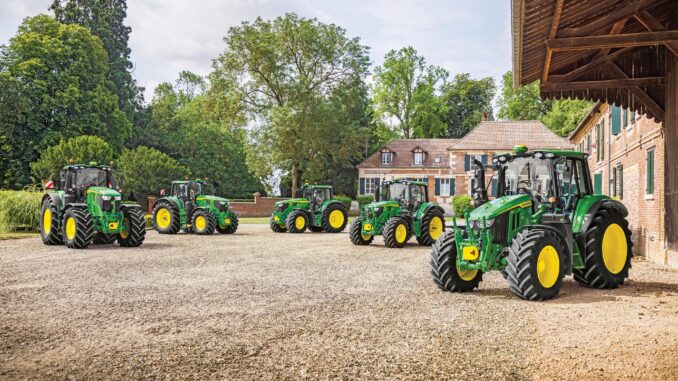
John Deere backhoes are industrial‑grade machines typically built on a tractor‑loader‑backhoe (TLB) chassis with a front loader and rear digging boom. They are used for trenching, small excavation jobs, farm maintenance, utility work, and general construction.
Most owner‑operators will see a mix of engine, hydraulic, drive train and electrical issues over the life of the machine. This John Deere backhoe service and repair guide focuses on practical troubleshooting by symptom, outlines which jobs are realistic DIY, and gives you a parts and maintenance roadmap so you can plan work rather than just react to failures.
General overview of the John Deere backhoe platform
John Deere backhoes sit in the construction and utility lineup, not the residential lawn and garden range. They share a lot of design DNA with Deere ag tractors but add heavy‑duty hydraulics, loader arms, backhoe boom and, in many cases, four‑wheel drive and power shuttle transmissions.
Key systems you’ll deal with as an owner include:
-
Diesel engine and fuel system (tank, lift pump, filters, injection system)
-
Hydraulic system (pump, control valves, main lines, cylinders, boom and dipper, stabilizers)
-
Drivetrain (transmission, torque converter or power shuttle, axles, final drives)
-
Steering and braking systems
-
Electrical and starting system (batteries, alternator, starter, safety interlocks)
-
Loader and backhoe structures (bushings, pins, buckets, swing frame, boom lock)
Common service parts that owners frequently buy include:
-
Engine oil filters and fuel filters
-
Hydraulic filters and transmission filters
-
Engine air filters (primary and safety elements)
-
Fan belts/serpentine belts
-
Glow plugs or cold start aids
-
Batteries and starter solenoids
-
Loader and backhoe bucket teeth and cutting edges
-
Grease fittings, pins and bushings
-
Fuses, relays and key switches
Troubleshooting approach for John Deere backhoe owners
The most efficient way to troubleshoot a John Deere backhoe is to start with what you see and feel, not what component you suspect. Begin with the symptom, move to the system, and only then narrow down to a specific part.
Typical symptom categories on a John Deere backhoe are:
-
Starting issues (engine will not crank, cranks but will not fire, cold‑start problems)
-
Running issues (loss of power, stalling under load, black/white/blue smoke)
-
Hydraulic problems (slow or weak boom/stick/bucket, jerky motion, hydraulic noise)
-
Vibration and noise (drivetrain, pumps, or structural knocks)
-
Overheating and leaks (engine coolant, hydraulic oil, fuel leaks)
-
Transmission/drive issues (won’t move, slips in gear, no reverse, harsh engagement)
-
Electrical/safety issues (dead dash, no lights, blown fuses, safety interlock problems)
Always:
-
Confirm the basics first (fuel level, filters, fluid levels, battery condition).
-
Check for obvious leaks or mechanical damage.
-
Listen and observe carefully while the fault is present.
-
Work methodically from simplest checks to more invasive.
Emergency and immediate repair needs on a John Deere backhoe
Some issues can wait for a free weekend; others must be dealt with immediately because they pose a safety risk or can destroy expensive components. This section highlights the “stop now” problems by symptom category.
Starting issues on a John Deere backhoe
If your John Deere backhoe suddenly refuses to crank or to fire, you’re stuck where you are and often blocking a jobsite or access road. Starting issues also hint at battery, wiring or fuel system weaknesses that can worsen quickly if ignored.
Common causes:
-
Dead or weak battery, corroded terminals or bad ground
-
Faulty key switch, starter solenoid or starter motor
-
Safety interlock not satisfied (park brake, neutral, seat switch)
-
Air in the fuel system after filter changes or running out of fuel
-
Blocked fuel filters or gelled fuel in cold weather
Owner checks:
-
Verify battery voltage and clean all terminals; ensure frame grounds are tight.
-
Confirm transmission is in neutral, park brake is set and safety switches are engaged.
-
Listen for a click at the starter when you turn the key; no click suggests control side issues.
-
If cranking but no start, check fuel shutoff and any manual priming pump.
Stop and call a dealer if:
-
The starter smokes or spins very slowly even with a good battery.
-
You see obvious melted wiring or smell burning insulation.
Hydraulic and boom problems on a John Deere backhoe
Hydraulic issues are critical because they can damage the pump or cause unintended movement. If the backhoe boom drops suddenly or the hydraulics scream under load, do not keep working.
Common causes:
-
Low hydraulic oil level or clogged hydraulic filter
-
Suction side leaks letting air into the pump
-
Weak hydraulic pump or damaged control valve section
-
Cylinder seals blown or leaking badly
-
Contaminated oil with metal or water
Owner checks:
-
Park safely, lower all implements, relieve pressure, then check hydraulic oil level.
-
Inspect filters and note service hours since last replacement.
-
Look for foamy oil in the sight glass or reservoir (air ingress).
-
Watch for external leaks at hoses, fittings and cylinder ends.
Stop immediately if:
-
Hydraulic oil appears milky (water contamination).
-
You hear loud cavitation noise from the pump.
-
Any hose balloons or is visibly damaged.
Vibration and noise on a John Deere backhoe
Unusual vibration or loud bangs and knocks usually mean something loose, misaligned or failing. Continued use can quickly escalate wear in pins, bushings, driveshafts or the engine.
Common causes:
-
Loose wheel lugs or damaged tires
-
Worn driveshaft universal joints
-
Loose loader/backhoe pins and bushings
-
Misaligned or cracked mounts
-
Failed engine or transmission mounts
Owner checks:
-
Inspect wheels and lug nuts before driving.
-
Check driveshafts for play or missing bolts.
-
Look for excessive movement in loader/backhoe joints while working slowly.
-
Note whether vibration changes with engine RPM, road speed or hydraulic use.
Stop and seek professional help if:
-
Vibration is severe at all speeds.
-
You hear metallic knocking from inside the engine or transmission.
Overheating and leak problems on a John Deere backhoe
Overheating can rapidly damage engines, while leaks can start fires, cause environmental damage, or starve systems of fluid. Take all leaks seriously.
Common causes:
-
Low coolant level or coolant leak
-
Blocked radiator fins or dirty coolers
-
Failed fan belt, fan clutch or water pump
-
Hydraulic leaks at hoses, fittings or seal failures
-
Diesel fuel leaks at lines or injector return hoses
Owner checks:
-
Monitor temperature gauges and idiot lights closely.
-
Inspect radiator and oil coolers for packed dirt; clean with low‑pressure air or water.
-
Check belt condition and tension.
-
Place drip trays or cardboard to identify leak locations under the machine.
Shut down immediately if:
-
The engine temp gauge enters the red zone.
-
You see pressurised coolant or steam.
-
A major fuel or hydraulic leak appears.
Transmission and drive problems on a John Deere backhoe
Drive issues can leave you stuck or damage expensive transmission components if abused. Slipping, delayed engagement or no movement need prompt attention.
Common causes:
-
Low or incorrect transmission/hydraulic oil
-
Clogged transmission filter
-
Failing clutches in a power shuttle
-
Worn axle or differential components
-
Control linkage misadjustment
Owner checks:
-
Verify transmission oil level with the correct procedure from the manual.
-
Check service records for when the transmission filter was last changed.
-
Test for consistent engagement in forward and reverse at low throttle.
-
Listen for whining or grinding noises during movement.
Stop working and consult a dealer if:
-
Transmission oil smells burnt or has metal on the magnetic plug.
-
The machine refuses to move even with proper oil levels.
Electrical problems on a John Deere backhoe
Electrical faults range from minor (blown work‑light fuse) to severe (shorts that can cause fires). Any overheating wiring or repeated fuse blowing needs immediate attention.
Common causes:
-
Corroded battery cables and ground straps
-
Worn harness sections rubbing on frames or hydraulic lines
-
Faulty ignition switch or relays
-
Failing alternator or voltage regulator
-
Water ingress into connectors
Owner checks:
-
Inspect battery and main ground cables.
-
Check obvious fuse and relay panels for blown fuses.
-
Wiggle harnesses gently with the engine off to find loose connections.
-
Use a basic multimeter if you are comfortable with DC voltage checks.
Stop using the machine if:
-
Wiring becomes hot to the touch.
-
You see arcing, smoke or burning smells.
DIY or dealer? John Deere backhoe repair decision guide
With a John Deere backhoe, the line between DIY and dealer work is drawn mainly around safety, tooling and contamination risk. Engine oil, filters and minor electrical repairs are realistic home jobs; internal transmission, high‑pressure hydraulics and control systems usually belong at a dealership or trusted heavy‑equipment shop.
Good DIY jobs on a John Deere backhoe
-
Engine oil and filter changes
-
Fuel filter and air filter replacements
-
Battery replacement and basic cable repairs
-
Fan belt replacement and basic cooling system maintenance
-
Greasing all loader and backhoe joints
-
Replacing bucket teeth and cutting edges
-
Basic light and fuse replacement
-
Simple hose replacements if you can safely depressurise the system
Advanced DIY or dealer jobs for a John Deere backhoe
-
Hydraulic pump replacement or major valve block work
-
Internal engine work (injectors, head gasket, bottom end)
-
Power shuttle or transmission internal repairs
-
Axle and differential rebuilds
-
Major wiring harness replacement
-
Calibrating electronic controls on newer models
Skill level guide
-
Beginner: Oil changes, greasing, battery swaps, light bulbs, air filter changes.
-
Intermediate: Fuel system bleeding, belt changes, replacing hoses, changing hydraulic and transmission filters.
-
Advanced: Pump changes, cylinder reseals, internal engine/transmission work, electrical diagnostics with schematics.
If you are not sure, always err on the side of safety and consult a dealer.
Parts needed, OEM vs aftermarket, and key information to gather
Before ordering parts for a John Deere backhoe, you need accurate identification information. Many parts change mid‑production based on serial breaks, and using the wrong filter or seal can cause severe damage.
Information to gather:
-
Full model designation (for example, 310D, 310E, 410C, 710J, etc.)
-
Product Identification Number (PIN) or serial number
-
Engine model and serial (for example, specific Deere PowerTech engine code)
-
Any attachments (e.g. extendable dipper, specific loader bucket)
-
Transmission type (powershift, power shuttle, etc.)
Common John Deere backhoe service parts table
This table is illustrative; always confirm part numbers for your exact model and PIN before purchase.
OEM vs aftermarket guidance:
-
Use OEM (John Deere branded or equivalent) for:
-
Belts, hydraulic filters, transmission filters and safety‑critical components
-
Any parts where incorrect fitment could cause catastrophic failure
-
-
Aftermarket is often acceptable for:
-
Engine oil filters and air filters when cross‑references are precise
-
Batteries, provided they meet or exceed OEM CCA and size
-
Bucket teeth and cutting edges, if the profile and pin style match
-
Where to find parts diagrams and service manuals for John Deere backhoes
You should always work from the correct diagrams and procedures when servicing a John Deere backhoe. The main resources are:
-
Official John Deere operator’s manual: Usually free as a PDF or viewable online. It covers daily checks, basic maintenance intervals, and safe operation.
-
John Deere parts catalog (JDParts/online parts catalog): Model‑specific exploded diagrams, part numbers, serial‑break notes and hardware details.
-
John Deere technical (service) manual: Paid, but includes detailed diagnostics, wiring diagrams, hydraulic schematics, torque specs and full repair procedures.
-
Reputable Deere‑focused parts sites: Many independent sites host model‑specific parts pages and diagrams with cross‑references.
These resources let you identify the exact configuration of your machine and avoid guesswork on parts.
How to locate model, serial and engine numbers
Model, serial and engine numbers control which parts and procedures apply to your machine. Diesel engines, transmissions and hydraulic parts often change mid‑production, so these IDs are essential.
Steps to locate identification numbers:
-
Find the Product Identification Number (PIN) plate on the backhoe mainframe, often near the front frame, rear axle or on the right‑hand side of the machine. Clean it and record the full PIN.
-
Look for a separate backhoe attachment or loader plate if your machine uses modular equipment; note these model and serial numbers as well.
-
Open the engine compartment and locate the engine data plate on the engine block or rocker cover; record engine model and serial number.
-
Check the operator’s manual or previous dealer invoices to cross‑check your recorded numbers.
-
Store these numbers in a phone note or folder for quick access when ordering parts.
Buying John Deere backhoe parts online and in physical stores
A sensible strategy is to use a mix of online ordering, dealer support and local stores for consumables.
-
Online: Use OEM part numbers to shop official channels and reputable aftermarket stores. Check that listings mention your exact model and/or PIN range.
-
Dealer counter: Best for complex or serial‑specific items, especially hydraulic, transmission or engine internals. The parts staff can interpret serial breaks and option codes.
-
Retail stores: Good for oil, grease, and basic filters if packaging clearly lists your John Deere backhoe model or cross‑references an OEM number.
Sticking with established online suppliers and dealer networks reduces the risk of counterfeit or mis‑labelled parts.
Step‑by‑step fitting guide for common John Deere backhoe DIY jobs
This section covers high‑impact DIY tasks that most careful owners can handle with basic tools, PPE and common sense.
Changing the engine oil and filter on a John Deere backhoe
This job helps extend engine life and is one of the simplest service tasks.
-
Park the backhoe on level ground, lower all implements, set the park brake, and shut down the engine.
-
Allow the engine to cool slightly, then place a drain pan under the oil pan drain plug.
-
Remove the drain plug and let oil fully drain; remove the old oil filter using a suitable wrench.
-
Lightly oil the seal of the new filter, spin it on by hand until snug, then tighten according to the filter instructions.
-
Reinstall the drain plug with a new washer if recommended, refill with the correct grade and quantity of oil, and check for leaks with the engine briefly running.
Replacing fuel filters and bleeding the fuel system on a John Deere backhoe
Fuel filter changes reduce injector and pump wear but require careful bleeding to avoid no‑start issues.
-
Clean around the old filters to prevent dirt entering the system, then close any fuel shutoff valves.
-
Remove the old filter(s) and install new ones, filling them with clean diesel if recommended by the manual.
-
Open the manual priming pump or bleed screws, then pump until fuel flows steadily without bubbles.
-
Tighten bleed screws, continue pumping as specified, and then attempt to start the engine.
-
If the engine cranks but will not start, repeat the bleeding process and monitor for leaks.
Replacing the air filter on a John Deere backhoe
A clean air filter helps maintain power and reduce smoke.
-
Open the air cleaner housing, usually secured with clips or clamps.
-
Remove the primary element and, if fitted, the safety element, taking care not to knock debris into the intake.
-
Inspect and clean the housing with a damp cloth; do not use compressed air inside the intake path.
-
Install the new primary element and safety element in the correct orientation.
-
Close and secure the housing, ensuring seals are properly seated.
Greasing loader and backhoe joints on a John Deere backhoe
Regular greasing controls wear in pins and bushings and prevents expensive repairs.
-
Park the machine safely, lower the loader and backhoe to the ground, and relieve hydraulic pressure.
-
Clean each grease fitting (zerk) with a rag to remove dirt.
-
Use a manual or battery grease gun with the recommended grease type, applying grease until clean grease appears at the joint or resistance increases.
-
Work the loader and backhoe through their range of motion to distribute grease.
-
Wipe off excess grease to reduce dirt accumulation.
Maintenance to prevent recurring problems on a John Deere backhoe
Most chronic issues with John Deere backhoes—hard starting, weak hydraulics, overheating—are linked to neglected maintenance. A disciplined schedule dramatically reduces downtime.
Focus areas:
-
Starting reliability: Maintain healthy batteries, clean connections, and timely fuel filter changes to prevent air ingress and gelling.
-
Hydraulic performance: Change hydraulic filters and oil at recommended intervals, fix leaks early, and keep suction lines tight.
-
Overheating prevention: Keep coolers clean, inspect belts and fans, and maintain correct coolant mixture and levels.
-
Drive performance: Follow transmission service intervals and avoid riding the clutch or abusing shuttle shifts.
-
Electrical reliability: Protect harnesses from abrasion, keep fuse boxes dry, and address intermittent faults promptly rather than wiggling wires and forgetting them.
John Deere backhoe maintenance schedule and year‑round checklist
Use your official maintenance chart as the primary reference, but this framework gives a practical breakdown.
Daily / before each use
-
Walk‑around inspection for leaks, damaged hoses and loose hardware.
-
Check engine oil level and coolant level.
-
Verify hydraulic and transmission oil levels according to the operator’s manual.
-
Inspect tires for damage and proper inflation.
-
Confirm lights, horn and safety devices work.
After approximately 8–10 hours
-
Grease critical loader and backhoe joints (as specified by your model).
-
Check for loose wheel nuts, mounting bolts and visible hardware.
-
Clean radiator and cooler screens of dust and debris.
Every 25 hours
-
Inspect air filter restriction indicator; clean or replace filters if required by the manual.
-
Check battery connections and clean terminals if needed.
-
Inspect fan belt condition and tension.
Every 50 hours or yearly
-
Change engine oil and engine oil filter.
-
Inspect fuel filters; drain water separators and replace if scheduled.
-
Grease all listed lubrication points.
-
Inspect and clean electrical grounds and major connectors.
Every 200–250 hours (or as specified)
-
Replace primary and secondary fuel filters.
-
Replace hydraulic and/or transmission filters as required by your model.
-
Check and adjust brakes and steering linkages as per the manual.
-
Inspect loader and backhoe pins for wear and endplay.
Seasonal checklist
-
Pre‑season (spring): Full inspection of fluids, filters, belts and hoses; address any leaks or play in pins before busy season.
-
In‑season: Stay on top of daily and weekly checks; schedule mid‑season oil and filter changes if hours accumulate fast.
-
End‑of‑season (winter lay‑up): Change engine oil if due, fill fuel tank and treat with stabiliser, grease all points, clean the machine thoroughly and store with coolers clear.
Repair, upgrade, or replace a John Deere backhoe?
A John Deere backhoe can last decades with proper care, but there comes a point where major repairs may not be economical compared to upgrading or replacing.
General rule of thumb:
-
Repair when the issue is localised, predictable and supported by parts and manuals (e.g. hoses, cylinders, pumps, moderate engine work).
-
Upgrade when your work demands more capacity, better hydraulics or newer safety/comfort features, but your current machine still has value.
-
Replace when core systems (engine, transmission, structural components) require overlapping major repairs that together exceed realistic machine value.
Repair if:
-
The failure is limited (single cylinder leaking, one pump failing).
-
Parts and labour are affordable relative to the machine’s value.
-
You have a solid maintenance history and the rest of the machine is sound.
Upgrade if:
-
You need more digging depth, lift capacity, or road speed.
-
You want features like climate‑controlled cab, advanced hydraulics or better ergonomics.
-
Your current backhoe is reliable but limiting your productivity.
Replace if:
-
The machine has severe frame, axle or structural issues.
-
Engine and transmission both need major overhauls.
-
Parts availability is poor and downtime is killing your business.
Expanded troubleshooting FAQ – John Deere backhoe (30+ questions)
1. Why will my John Deere backhoe not start?
Most no‑start issues are due to weak batteries, poor connections, fuel delivery problems or safety interlocks not being satisfied. Check battery voltage, clean terminals, verify the park brake and neutral positions, then confirm fuel shutoff and filter condition before suspecting more serious faults.
2. Why does my John Deere backhoe crank but not fire?
If the engine cranks strongly but will not fire, look for air in the fuel system, blocked filters or cold‑start issues. After any filter change or fuel run‑out, bleed the system properly, check that glow plugs (if fitted) work, and verify that fuel is reaching the injectors.
3. Why does my John Deere backhoe only start with ether?
Needing ether or starting fluid suggests low compression, poor glow plug performance, weak cranking speed or incorrect fuel timing. Repeated ether use is risky; address the underlying cause by testing compression, inspecting glow plugs and verifying battery and starter health.
4. Why does my John Deere backhoe stall under load?
Stalling under load often points to fuel starvation or a weak injection pump. Start with simple checks: clean fuel filters, ensure vented fuel caps, and check for kinked or collapsed fuel hoses. If symptoms persist, fuel system testing or pump calibration may be required.
5. Why does my John Deere backhoe blow black smoke?
Black smoke usually indicates excess fuel or insufficient air. Common causes include a clogged air filter, restricted intake piping, over‑fueling injectors or heavy lugging under load. Clean or replace filters, inspect the turbo and intake system, and avoid working the engine at very low RPM under heavy loads.
6. Why does my John Deere backhoe blow white smoke?
White smoke, especially on startup, may be unburnt fuel from low compression or poor cold‑start performance. In very cold weather some white smoke is normal, but persistent white smoke can indicate injector problems, low cylinder temperatures or coolant entering the cylinders.
7. Why does my John Deere backhoe blow blue smoke?
Blue smoke indicates oil burning, commonly from worn piston rings, valve seals or turbo seals. Check oil consumption, verify crankcase ventilation is clear, and monitor whether smoke changes with RPM and load. Long‑term solutions often involve engine repair.
8. Why does my John Deere backhoe have low power?
Low power can come from fuel, air, turbo, hydraulic or drivetrain issues. Confirm clean filters, correct fuel, and proper boost pressure if applicable, then verify that brakes aren’t dragging and that hydraulics are not overloaded. A systematic test plan from the service manual is helpful here.
9. Why does my John Deere backhoe hydraulics feel weak?
Weak hydraulics may be caused by low oil level, plugged hydraulic filters, air ingress or a failing pump. Check oil level, replace filters if due, bleed or purge the system if necessary, and inspect suction lines for leaks before assuming pump failure.
10. Why are the backhoe boom and dipper jerky?
Jerky boom or dipper motion often comes from air in the hydraulic system, sticky control valves or worn cylinder seals. Bleeding the system, cycling cylinders fully and replacing contaminated oil may help; if the issue persists, valve or cylinder service may be required.
11. Why won’t my John Deere backhoe backhoe boom hold position?
If the boom drifts down or won’t hold position, internal leakage in the cylinder or control valve is likely. Inspect for external leaks first, then consider a cylinder reseal or valve repair if the machine constantly creeps even with no external leaks.
12. Why does my John Deere backhoe swing feel loose?
Loose swing is usually due to worn pins, bushings or a worn swing bearing/gear. Check for visible play, keep swing components well greased, and plan for component replacement if play exceeds safe limits or causes control issues.
13. Why won’t my John Deere backhoe move in gear?
No movement can result from low or incorrect transmission oil, a failed shuttle clutch, broken driveline components or engaged safety features. Verify fluid level and type, check that ranges and directions are selected correctly, and listen for engagement noises before moving to more invasive diagnostics.
14. Why does my John Deere backhoe transmission slip?
Slipping under load indicates clutch pack wear or inadequate oil pressure. Avoid continued heavy use, verify correct oil and filter, and have pressures checked. Internal repairs may be necessary to prevent total failure.
15. Why does my John Deere backhoe overheat?
Overheating is often due to low coolant, blocked radiator fins or failed fans. Clean coolers thoroughly, check coolant mix and level, verify belt condition and fan operation, and ensure the cooling system is not air‑locked or leaking.
16. Why is my John Deere backhoe hydraulic oil running hot?
Hot hydraulic oil can come from dirty coolers, restricted filters, incorrect oil, or components creating internal leakage. Keep coolers clean, monitor operating temperatures, and have a technician measure pressures and flows if the system continues to run hot.
17. Why does my John Deere backhoe lose coolant?
Coolant loss can be external (leaks at hoses, radiator, water pump) or internal (head gasket). Inspect for visible leaks and dried coolant traces, pressure‑test the cooling system, and check for coolant in the engine oil or exhaust if internal issues are suspected.
18. Why does my John Deere backhoe battery keep going flat?
A battery that repeatedly discharges may be old, undersized, poorly charged or supporting a parasitic drain. Test the battery, confirm alternator output, and use an ammeter to check for abnormal current draw when the machine is shut down.
19. Why do the lights flicker on my John Deere backhoe?
Flickering lights often relate to loose connections, failing alternator or poor grounds. Inspect and clean ground straps, tighten connectors, and test voltage stability at the battery while the engine runs and loads are switched on.
20. Why does my John Deere backhoe starter just click?
A clicking starter usually indicates low voltage at the solenoid due to bad cables, weak battery or faulty solenoid. Clean and tighten all high‑current connections, test battery performance, and replace the solenoid or starter if voltage is good but operation is poor.
21. Why does my John Deere backhoe blow fuses?
Frequent fuse blowing means there is a short or overload in that circuit. Inspect wiring for abrasion, check for trapped wires under panels, and avoid bypassing fuses; locate and fix the root cause before continuing operation.
22. Why is the steering heavy on my John Deere backhoe?
Heavy steering suggests low hydraulic pressure to the steering circuit, low oil level, a failing steering pump or mechanical binding. Verify fluid levels, inspect tie rods and kingpins, and check for restrictions in the steering hydraulic lines.
23. Why do my John Deere backhoe brakes feel weak?
Weak brakes may be due to worn brake components, contaminated oil in oil‑immersed brakes or misadjusted linkages. Follow the manual’s adjustment procedures and, if braking is still poor, investigate internal brake wear or oil contamination.
24. Why is my John Deere backhoe leaking hydraulic oil at the cylinders?
Cylinder leaks come from worn rod seals, damaged rods or loose gland nuts. Small weeps may be tolerated temporarily, but ongoing leaks require resealing; ensure rods are clean and free from nicks to protect new seals.
25. Why is there metal in my John Deere backhoe hydraulic or transmission oil?
Metal particles indicate internal wear or component failure. Stop using the machine, collect oil samples, and inspect filters and magnetic plugs. A dealer can help trace the source and recommend repair versus replacement options.
26. Why does my John Deere backhoe bucket curl slowly?
Slow bucket curl can be caused by low pressure, internal cylinder leakage or restrictions in the loader valve. Check oil level and filters, then have pressures tested if functionality remains poor.
27. Why are my John Deere backhoe stabilisers uneven?
Uneven stabilisers may result from differing ground conditions, air in the cylinders or internal leakage. Always work on level ground when possible, bleed air from cylinders if required, and inspect for leaks.
28. Why does my John Deere backhoe make a whining noise?
Whining noises, especially in hydraulics or transmission, often indicate cavitation, low oil, restricted filters or worn gears. Correct fluid levels, replace filters and avoid heavy operation until the source is identified.
29. Why does my John Deere backhoe smell like burning oil?
Burning oil smells with no obvious leaks can suggest oil dripping onto hot exhaust components or overfilled systems. Inspect around the engine and transmission for minor leaks and correct fluid levels; fix the leak before it escalates.
30. Why does my John Deere backhoe cab fill with dust?
Dusty cabs are often due to damaged door seals, missing floor grommets or clogged cab filters on machines with HVAC. Replace seals, plug floor holes and service cab air filters to improve cab environment.
31. How often should I change engine oil on my John Deere backhoe?
Most Deere backhoe engines call for oil changes every 250–500 hours depending on operating conditions and oil type, but always follow the interval in your specific operator’s manual. Heavy or dusty work may justify shorter intervals.
32. How often should I change hydraulic filters on my John Deere backhoe?
Hydraulic and transmission filters often follow a 500‑hour schedule or as indicated by service indicators. Many owners change filters slightly early to reduce risk, especially after any major hydraulic repair.
33. What engine oil should I use in my John Deere backhoe?
Use a heavy‑duty diesel engine oil that meets the specifications listed in your operator’s manual, often a 15W‑40 or similar grade suitable for your climate. Avoid mixing random oils; consistency aids reliability.
34. Can I mix hydraulic oil brands in my John Deere backhoe?
It is best to avoid mixing different hydraulic oil types. If topping up, use an oil that meets John Deere’s recommended specifications, and consider a full change if you suspect incompatible oil was added previously.
35. Is it safe to work under a raised loader or boom on my John Deere backhoe?
Never work under a raised loader or boom without approved mechanical supports or locking devices in place. Hydraulics can fail without warning; always lower implements to the ground or secure them mechanically before doing any service.