
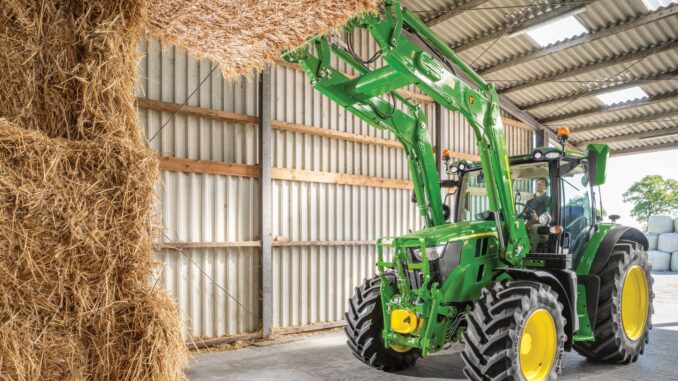
The John Deere 2240 is a 1976-1982 utility tractor from Deere’s 2040 Series, built in Mannheim, Germany, with a 2.9L three-cylinder diesel engine, around 50 PTO hp, live 540 PTO, closed-center hydraulics, and either 8-speed or 16-speed transmission options. That makes it very different from a modern lawn tractor guide: this is a heavier machine aimed at acreage work, mowing, loader work, light field jobs, and general utility use around farms and small holdings in the USA and Canada.
This John Deere 2240 repair guide focuses on the problems owners actually run into: hard starting, weak hydraulics, clutch or transmission complaints, PTO issues, steering and brake faults, overheating, leaks, and electrical faults. It also covers service parts, where to find diagrams and manuals, what is realistic for a capable DIY owner, and when a dealer or experienced tractor mechanic is the safer choice.
John Deere 2240 model overview
The John Deere 2240 sits in the 2040 Series lineup between the smaller 2040 and the larger 2440, and Deere marketed it as a utility tractor rather than a lawn or garden machine. Production ran from 1976 to 1982, and the tractor was offered in utility and orchard forms, with two-wheel drive as standard and an orchard variant listed separately.
For most owners today, the important systems are the diesel engine and fuel system, the cooling system, the clutch and transmission, the hydraulic system, the PTO, the steering and brakes, and the basic 12-volt electrical system. Because many surviving tractors have had loaders, auxiliary valves, lighting changes, or replacement seats fitted over the years, diagnosis should always start with what is actually on the tractor now rather than what a generic listing says should be there.
General overview of the John Deere 2240
The John Deere 2240 uses a John Deere 2.9L three-cylinder diesel engine with a 16.5-gallon fuel tank, power-assist steering, hydraulic wet disc brakes, a Category II/I rear hitch, and a live 540 PTO, with an independent PTO listed as optional on some versions. Hydraulics are closed-center with about 9 gpm pump flow, which matters because weak hydraulic response, noisy systems, and poor loader function often trace back to oil condition, suction restrictions, internal leakage, or pump wear rather than a single obvious failed part.
Common service and repair items owners regularly buy for a John Deere 2240 include engine oil filters, fuel filters, air cleaner elements, hydraulic filters, coolant hoses, thermostats, fan belts, lights, batteries, PTO-related parts, brake components, and hydraulic seals. On older tractors like this one, hoses, wiring ends, ignition/start circuit parts, and seat or dash-area hardware also become routine repair items even when they are not thought of as normal maintenance parts.
John Deere 2240 troubleshooting approach
The best way to diagnose a John Deere 2240 is symptom first, not part first. In other words, start with what the owner sees or hears: cranks but will not start, starts then dies, smokes under load, hydraulics chatter, PTO slips, clutch feels wrong, steering gets heavy, or a brake drags.
Main symptom groups for this tractor usually include:
-
Starting issues, such as slow cranking, no start, or air in the fuel system.
-
Running issues, such as low power, rough idle, smoke, or stalling under load.
-
Hydraulic and steering issues, such as weak loader response, noisy hydraulics, or hard steering.
-
Transmission and drive issues, such as poor clutch engagement, gear selection trouble, or weak movement.
-
PTO and hitch problems, such as PTO not engaging correctly or hitch lift weakness.
-
Electrical problems, such as charging faults, bad lights, starter circuit trouble, or poor grounding.
-
Overheating and leaks, especially coolant, fuel, engine oil, and hydraulic oil leaks.
John Deere 2240 emergency repair needs
Some faults on a John Deere 2240 need immediate attention because they create a safety risk or can quickly damage costly parts. Brake failure, steering loss, major hydraulic leaks, overheating, engine oil pressure warnings, and PTO faults that prevent safe disengagement should all move to the top of the repair list.
John Deere 2240 starting issues
Hard starting shows up as slow crank, white smoke with no start, repeated need for ether, or an engine that only starts after long cranking. This matters because repeated no-start attempts can flatten the battery, overheat the starter, and hide a fuel or compression problem that will only get worse.
Common causes:
-
Weak battery or poor cable connections.
-
Faulty starter, solenoid, or ground strap.
-
Air in the fuel system or restricted fuel filter.
-
Glow aid or cold-start procedure problems where applicable.
-
Low compression or injector issues on worn engines.
Basic checks:
-
Confirm battery voltage, clean both cable ends, and inspect the ground connection to the frame or engine.
-
Make sure fuel is reaching the filter and injection system without obvious air leaks.
-
Replace overdue fuel and air filters before deeper diagnosis.
-
If cranking speed stays weak after cable and battery checks, test the starter circuit and starter draw.
-
If it still cranks well but will not fire, move on to injector and compression testing, which is usually advanced DIY or shop work.
John Deere 2240 running and power issues
Owners usually notice this as rough running, black smoke, weak pulling power, surging, or stalling under load. It matters because poor combustion can overfuel the engine, raise exhaust temperature, and make the tractor unreliable for loader or PTO work.
Common causes:
-
Dirty air filter or intake restriction.
-
Plugged fuel filter or contaminated fuel.
-
Injector wear or poor spray pattern.
-
Injection timing or fuel system problems.
-
Compression loss on older engines.
Basic checks:
-
Inspect the air cleaner system and replace dirty elements.
-
Drain suspect fuel and fit fresh filters if contamination is likely.
-
Check for collapsed fuel hoses or seepage that allows air into the system.
-
Note smoke color: black points more toward overfueling or airflow issues, while white can suggest poor combustion or cold-start issues.
-
If the tractor still lacks power after filters and fuel checks, plan for injector or compression testing.
John Deere 2240 hydraulic and steering problems
This often looks like a slow loader, chattering hydraulics, jerky hitch movement, or steering that gets heavy at low engine speed. These faults matter because the 2240 depends on its hydraulic system for steering, hitch, and often loader work, so low pressure or oil starvation can affect several functions at once.
Common causes:
-
Low or wrong hydraulic/transmission oil.
-
Plugged hydraulic filter or suction restriction.
-
Worn pump or internal hydraulic leakage.
-
Contaminated oil or water in the system.
-
Loader valve or coupler issues on fitted loader tractors.
Basic checks:
-
Verify the oil level and use a John Deere-compatible hydraulic/transmission fluid meeting the correct specification.
-
Replace overdue hydraulic filters and inspect screens if the service schedule calls for it.
-
Look for foamy oil, whining, or delayed response that suggests suction leaks or aeration.
-
Test hydraulic functions one at a time to see whether the problem is system-wide or isolated to one circuit.
-
If pressure testing is needed, that is usually the point where an experienced mechanic earns their keep.
John Deere 2240 transmission and drive problems
Transmission complaints usually show up as poor movement, difficult shifting, clutch drag, clutch slip, or unusual noises from the driveline. These matter because continued use can damage gears, clutch components, or final drive parts that are far more expensive than early repair.
Common causes:
-
Clutch wear or clutch adjustment issues.
-
Incorrect transmission/hydraulic oil or low oil level.
-
Internal wear in transmission or differential components.
-
Brake drag or driveline resistance causing a false low-power feel.
Basic checks:
-
Confirm whether the issue is clutch engagement, gear selection, or actual lack of pulling power.
-
Check oil condition and level before assuming internal transmission damage.
-
Test all gears and ranges in a safe open area and note whether the fault is present in every gear.
-
Check brake operation to make sure a dragging brake is not part of the complaint.
-
Internal clutch or transmission work is usually advanced repair territory because splitting the tractor may be required.
John Deere 2240 PTO, hitch, and brake problems
PTO trouble can show up as poor engagement, slippage under implement load, or a shaft that does not behave as expected, while hitch issues often appear as weak lift or slow response. Brake problems include weak stopping, uneven braking, or dragging brakes, all of which affect safe operation immediately.
Common causes:
-
Hydraulic pressure problems affecting PTO or hitch response.
-
Worn linkage or internal PTO components.
-
Brake wear, contamination, or hydraulic brake faults.
-
Internal leakage reducing hitch lifting performance.
Basic checks:
-
Test PTO function with a known-good implement only if all shields are in place and the area is clear.
-
Compare hitch lift behavior cold versus warm, because heat-related weakness often points to wear or leakage.
-
Check brake feel on both sides and stop using the tractor if braking is inconsistent or unsafe.
-
Inspect linkage adjustments before assuming a major internal failure.
-
PTO clutch packs, brake internals, and deeper hydraulic faults are usually dealer or specialist jobs.
John Deere 2240 electrical problems
Electrical faults are usually seen as no crank, weak charging, dead lights, intermittent gauges, or safety and switch issues where fitted. On a tractor this age, corrosion and poor grounds are often as important as the component itself.
Common causes:
-
Weak battery or charging system fault.
-
Corroded cable ends or ground points.
-
Starter solenoid or switch failure.
-
Damaged wiring, old connectors, or previous-owner modifications.
Basic checks:
-
Clean battery posts and ground points first.
-
Check charging output before replacing the battery again.
-
Inspect visible wiring near the dash, starter, alternator, and lights.
-
Use a meter or test light to confirm power in and power out at the switch and solenoid.
-
Rewiring sections of the tractor is possible for advanced DIY owners, but badly altered harnesses are often quicker to sort with a proper wiring diagram and professional help.
DIY or dealer for a John Deere 2240?
The realistic line on a John Deere 2240 is this: routine service, filters, belts, hoses, basic electrical fixes, battery work, light adjustments, and many leak repairs are fair DIY jobs, but anything requiring hydraulic pressure testing, injector calibration, brake internals, PTO internals, clutch replacement, or splitting the tractor is usually better handled by an experienced shop.
Good DIY jobs on a John Deere 2240
-
Engine oil and filter service.
-
Fuel filter and air filter replacement.
-
Battery, cable, and ground service.
-
Coolant hose, thermostat, and fan belt replacement where access is straightforward.
-
Light electrical repairs, work lights, bulbs, and visible wiring repairs.
Advanced DIY or dealer jobs on a John Deere 2240
-
Injector testing or replacement.
-
Hydraulic pressure diagnosis and pump work.
-
Brake internal repairs.
-
Clutch replacement or transmission repair.
-
PTO internal repair and major hitch hydraulics work.
Skill level guide
-
Beginner: filters, battery service, fluid changes, obvious hose and belt replacement.
-
Intermediate: cooling-system repairs, starter-circuit diagnosis, minor leak repair, alternator replacement.
-
Advanced: injector work, hydraulic diagnosis with gauges, clutch work, splitting the tractor, brake or PTO internals.
John Deere 2240 parts needed, OEM vs aftermarket, and what to check first
Before ordering parts for a John Deere 2240, gather the full model name, the tractor serial number or PIN, the engine model and serial information where available, and the details of any loader or attachment fitted to the tractor. That matters because Deere changed parts across production runs, and aftermarket listings often split the 2240 by serial number ranges.
OEM parts are usually the safer choice for belts, hydraulic parts, brake parts, PTO parts, seals, and any fit-sensitive item. Aftermarket can be perfectly reasonable for filters, batteries, lights, hoses, and some tune-up or service items, but only when the seller clearly cross-references the exact 2240 serial range or original Deere number.
John Deere 2240 parts diagrams and manuals
The best sources for John Deere 2240 diagrams and manuals are the official Deere channels first, then reputable tractor-manual and tractor-parts specialists for reference copies or cross-checking. For an older utility tractor, the ideal workflow is to use the parts catalog to identify the exact assembly, then use the operator’s manual for maintenance procedures and the technical manual for repair steps and specifications.
Useful sources:
-
John Deere Parts Catalog for exploded diagrams and current part-number lookup by model and serial number.
-
Deere Technical Publications / manuals portal for official operator literature and publication lookup mentioned by TractorData.
-
TractorData John Deere 2240 overview for serial-number location, major specs, and quick reference before ordering.
-
Jensales John Deere 2240 operator manual listing for a reference copy of the operator’s manual.
-
Jensales John Deere 2240 service manual listing for a service-manual source covering repair work.
How to find John Deere 2240 serial and engine numbers
These numbers matter because a John Deere 2240 can have serial-number breaks, optional equipment differences, and replacement engines or changed components after decades of use. Without the correct identification numbers, it is easy to order the wrong filter, hose, seal, brake part, or hydraulic component.
-
Find the tractor serial tag on the front-right of the frame, above the front axle.
-
Clean the area before reading the tag, because paint, dirt, and corrosion often hide the numbers on older tractors.
-
Record the full serial number exactly as shown, not just the last few digits.
-
Check the engine for its own identification details if engine parts are being ordered, especially if there is any chance the engine has been swapped or rebuilt.
-
If a loader, cab, or auxiliary hydraulic kit is fitted, record that equipment separately because those parts often do not match the base tractor listing.
Buying John Deere 2240 parts online and in stores
The safest strategy is to identify the exact Deere number from a diagram first, then compare supplier listings using the tractor serial number and a visual match. That saves time and reduces the risk of buying a close but wrong part for a tractor that may have been modified in the field over the last 40-plus years.
-
Online: best for price checking, OEM number cross-reference, and diagrams; start with Deere, then compare with established tractor-parts suppliers.
-
Dealer counter: best for serial-sensitive hydraulic, brake, PTO, and transmission parts where a wrong order is expensive.
-
Retail farm stores: fine for common consumables such as batteries, some filters, bulbs, and fluids if the packaging clearly lists the exact application.
Useful links:
John Deere 2240 fitting guide for common parts
These are the jobs most owners can realistically tackle on a John Deere 2240 with basic tools, safe support, and the correct manual. Always park on level ground, lower implements, shut the tractor off, and follow normal diesel and hydraulic safety practice before starting any work.
Replacing the John Deere 2240 fuel filter
A fresh fuel filter often fixes hard starting, surging, or low-power complaints caused by restricted fuel flow.
-
Shut off fuel if a valve is fitted, or clamp the line safely if needed.
-
Remove the old filter and catch spilled diesel in a suitable container.
-
Clean the sealing surface and fit the new filter or element with the correct seals.
-
Reopen fuel supply and bleed air from the system as required by the manual.
-
Start the tractor and check carefully for leaks and smooth running.
Replacing the John Deere 2240 air filter
Air-filter service helps cure smoke, weak performance, and dusty operating conditions that shorten engine life.
-
Open the air-cleaner housing and remove the outer element carefully.
-
Inspect the housing for dust buildup, moisture, or damaged seals.
-
Replace the element if dirty, damaged, or overdue rather than trying to save a questionable filter.
-
Inspect the inner element if fitted and replace it when required.
-
Reassemble the housing tightly so no unfiltered air can bypass the elements.
Replacing the John Deere 2240 engine oil and filter
Regular oil service protects a hard-worked three-cylinder diesel against wear, sludge, and low-oil-pressure problems.
-
Warm the engine briefly so the oil drains more completely, then shut it off safely.
-
Drain the old oil into a suitable pan and remove the old filter.
-
Lubricate the new filter seal and install the new filter to the correct tightness.
-
Refill with the correct engine oil grade from the operator’s manual for your climate.
-
Start the engine, confirm oil pressure, and inspect for leaks around the filter and drain point.
Replacing the John Deere 2240 battery and cables
Battery and cable service is one of the highest-value repairs on an older diesel because poor cranking speed causes many false fuel-system diagnoses.
-
Disconnect the ground cable first, then the positive cable.
-
Remove the battery and inspect the tray, hold-downs, and cable ends for corrosion.
-
Clean or replace damaged cable ends and make sure the ground path to metal is clean and tight.
-
Install the replacement battery of the correct size and voltage, then connect positive first and ground last.
-
Test cranking speed and charging output after installation.
Maintenance to prevent John Deere 2240 problems
Most repeat John Deere 2240 issues come from neglected fluids, overdue filters, contaminated diesel, cooling-system neglect, and hydraulic oil that is old or incorrect. Because this is an older utility tractor, preventive maintenance usually saves more money than reactive repair.
Focus areas:
-
Starting reliability: keep battery connections clean, maintain strong cranking speed, and replace fuel filters before they create hard-start complaints.
-
Engine performance: service air and fuel filters on schedule and keep contaminated fuel out of the system.
-
Overheating prevention: maintain coolant condition, hoses, fan belt tension, and a clean radiator area.
-
Hydraulic performance: use the correct hydraulic/transmission oil and change filters at the proper interval.
-
Electrical reliability: fix corrosion and poor grounds early before they create charging and starting problems.
John Deere 2240 maintenance schedule
The exact maintenance chart should always be confirmed against the correct operator’s manual for the tractor serial range, but the operator manual and service literature make clear that regular checks of fluids, filters, cooling system, air intake, and general condition are core routine items on the 2240. On older tractors, calendar time now matters almost as much as engine hours because rubber parts, seals, hoses, and wiring age even when the tractor is not used heavily.
Daily or before each use on a John Deere 2240
-
Check engine oil level.
-
Check coolant level and inspect for obvious leaks.
-
Check fuel supply and look for fuel leaks or water contamination concerns.
-
Inspect tires, steering, brakes, and lights before moving the tractor.
-
Look underneath for fresh engine, fuel, coolant, or hydraulic leaks.
After the first heavy work period or frequent use intervals
-
Recheck belt condition and tension if recent service was performed.
-
Inspect battery terminals and cable tightness after repeated starts and vibration.
-
Check for loader or hydraulic hose rub points on tractors used with attachments.
Every 25 hours
-
Clean around the air intake and inspect the air-cleaner system.
-
Grease chassis, steering, and attachment points that are listed in the operator’s literature for the specific setup.
-
Inspect brake feel, clutch free play, and general linkage operation.
Every 50 hours or yearly
-
Change engine oil and replace the oil filter when usage and operating conditions call for it under the operator-manual schedule.
-
Inspect or replace fuel and air filters as required by condition and hours.
-
Check coolant condition, radiator cleanliness, and hose condition.
-
Inspect lights, charging system, and visible wiring.
Every 200 hours or at major service
-
Replace hydraulic and transmission filters according to the correct service interval for the tractor’s configuration.
-
Inspect hydraulic oil condition and service the system if contamination or water is present.
-
Review brake, PTO, steering, and hitch performance before the busy season.
-
Check front axle, rear axle, and driveline areas for leaks or wear that may not be obvious during daily checks.
Seasonal checklist for the John Deere 2240
-
Spring: change overdue filters, inspect cooling system, test battery and charging system, and fix winter fuel or starting issues before mowing or loader season.
-
Mid-season: clean the radiator area, recheck hydraulic hoses, and watch for dust-related air-intake restriction.
-
Fall or pre-storage: repair leaks, stabilize or refresh fuel as needed, clean the tractor thoroughly, and address weak batteries before cold weather.
Repair, upgrade, or replace a John Deere 2240?
A John Deere 2240 is often worth repairing when the engine is sound, hydraulics are serviceable, and the tractor fits the work you do, because it is still a capable utility tractor with live PTO, closed-center hydraulics, and solid basic design. The case for replacement gets stronger when you are stacking major engine, clutch, brake, hydraulic, and electrical repairs on a machine that still will not meet your power, safety, or parts-availability expectations.
Repair the John Deere 2240 if…
-
The tractor starts well or needs only routine fuel, battery, or filter work.
-
Hydraulics, PTO, and transmission are fundamentally functional.
-
The machine matches your acreage, loader, mowing, or utility workload.
Upgrade from the John Deere 2240 if…
-
You need more hydraulic flow, more PTO power, MFWD capability, or modern operator comfort.
-
You are adding heavier implements than the tractor was realistically bought for.
-
Downtime has become costly even though the tractor is still repairable.
Replace the John Deere 2240 if…
-
It needs major engine and transmission work at the same time.
-
Brake, steering, or PTO safety issues are extensive and parts cost keeps climbing.
-
The tractor no longer suits the work, even after repair.
John Deere 2240 troubleshooting FAQ
1. Why will my John Deere 2240 not start?
The most common starting causes are weak battery performance, poor cable connections, starter-circuit faults, air in the fuel system, or a restricted fuel filter. On an older diesel, slow cranking speed alone can stop the tractor from lighting cleanly, so battery and cable condition should be checked before chasing expensive fuel-system parts.
2. Why does my John Deere 2240 crank slowly?
Slow cranking usually points to a weak battery, corroded cables, poor grounding, or a tired starter. Diesel tractors need strong cranking speed, so even a partly bad connection can create a no-start complaint that looks like a fuel issue.
3. Why does my John Deere 2240 start hard when cold?
Cold hard starting is often caused by marginal battery output, thick oil, weak cranking speed, air leaks on the fuel side, or worn injectors and compression on higher-hour engines. If the tractor only starts easily after repeated attempts, fix the cranking and fuel side first before assuming a full engine rebuild is needed.
4. Why does my John Deere 2240 start and then die?
This usually means fuel delivery is being interrupted by a clogged filter, contaminated diesel, restricted tank outlet, or air entering the fuel system. Check fuel flow and filter condition early, because those are much more common than major internal pump failure.
5. Why is my John Deere 2240 blowing black smoke?
Black smoke usually means the engine is getting too much fuel for the amount of air available, or it is working under heavy load. Start by checking the air-cleaner system and fuel condition, then move toward injector and pump diagnosis only if the simple checks do not solve it.
6. Why does my John Deere 2240 have low power?
Low power commonly comes from dirty filters, fuel restriction, injector wear, poor compression, or driveline drag such as a brake issue. The key is to separate true engine weakness from a tractor that is being held back by another system.
7. Why is my John Deere 2240 running rough?
Rough running can come from air in the fuel system, contaminated fuel, injector trouble, or uneven cylinder performance. Fresh filters and clean fuel are the first low-cost checks before moving into injector testing.
8. Why does my John Deere 2240 stall under load?
A tractor that idles but stalls in work often has restricted fuel flow, airflow problems, or a deeper injection or compression issue. If it also smokes heavily, note the smoke color because that helps narrow the cause.
9. Why are the hydraulics weak on my John Deere 2240?
Weak hydraulics usually trace back to low oil, wrong oil, clogged filters, suction restrictions, pump wear, or internal leakage. Because the 2240 uses closed-center hydraulics, oil condition and correct fluid choice matter more than many owners expect.
10. Why does my John Deere 2240 loader move slowly?
Slow loader response may be caused by general hydraulic weakness, cold oil, a restricted filter, worn pump output, or loader valve and coupler issues. Separate a whole-tractor hydraulic problem from a loader-only problem before buying parts.
11. Why is the steering heavy on my John Deere 2240?
Heavy steering commonly points to hydraulic supply issues because the tractor uses power-assist steering. Low oil, aerated oil, pump wear, or internal leakage can all reduce steering response, especially at low engine speed.
12. Why does my John Deere 2240 hydraulic system chatter?
Hydraulic chatter often means aeration, low oil, restricted suction, contaminated fluid, or a pump that is struggling. If the oil looks foamy or milky, stop and investigate before continuing to work the tractor.
13. Why will my John Deere 2240 hitch not lift properly?
Poor hitch lift is usually related to hydraulic pressure or internal leakage rather than the hitch itself. Compare operation cold and hot, because a system that fades as oil warms up often points to wear.
14. Why is my John Deere 2240 PTO not working right?
PTO complaints can involve engagement linkage, hydraulic pressure issues, internal PTO components, or operator misunderstanding of the fitted PTO arrangement. Because rotating equipment is dangerous, deeper PTO diagnosis should be done carefully and only with proper guarding and a safe test setup.
15. Why does my John Deere 2240 grind when shifting?
Grinding can point to clutch drag, clutch adjustment trouble, operator technique, or internal wear. If it happens in multiple gears and gets worse, stop forcing it and inspect clutch operation before damage spreads.
16. Why does my John Deere 2240 slip in gear?
If the engine revs but ground speed does not match, suspect clutch slip or a related driveline issue before blaming the transmission itself. Low pulling power from the engine can feel similar, so test carefully under controlled load.
17. Why is my John Deere 2240 hard to put into gear?
Difficulty selecting gears often comes from clutch adjustment, clutch drag, worn linkage, or internal wear in the shift system. Check pedal feel and free play first because external adjustment issues are cheaper than internal gearbox repair.
18. Why does my John Deere 2240 move poorly uphill?
That can be a real power issue, clutch slip, brake drag, or traction limitation rather than a single obvious engine problem. Look at engine response, smoke, and whether the tractor pulls poorly in all situations or only under certain conditions.
19. Why are the brakes weak on my John Deere 2240?
Weak brakes are a serious safety issue and can be caused by wear, contamination, hydraulic brake faults, or adjustment problems depending on the exact system condition. Because the tractor uses hydraulic wet disc brakes, this is not a fault to ignore.
20. Why is one brake dragging on my John Deere 2240?
Dragging can come from linkage trouble, contamination, internal brake issues, or return problems. A dragging brake can also make the tractor feel down on power and overheat components, so fix it early.
21. Why is my John Deere 2240 overheating?
Overheating usually comes from low coolant, blocked radiator fins, a weak fan belt, thermostat issues, or internal engine problems. Stop using the tractor until the cause is found, because repeated overheating can turn a small repair into a major engine job.
22. Why is my John Deere 2240 leaking hydraulic oil?
Hydraulic leaks often show up at hoses, couplers, valve areas, filters, seals, or older fittings. Even a leak that seems minor matters because low oil level quickly affects steering, hitch, and loader performance.
23. Why is my John Deere 2240 leaking diesel fuel?
Diesel leaks usually come from old hoses, clamps, filter seals, or fittings disturbed during service. Fix them promptly because fuel leaks create starting problems, mess, and a fire risk around hot engine parts.
24. Why is my John Deere 2240 not charging the battery?
A non-charging complaint normally involves the alternator, regulator arrangement, wiring, or grounding. Test charging output before replacing the battery again, because many batteries get blamed for a charging-system problem.
25. Why do the lights on my John Deere 2240 not work?
Lights often fail because of corroded sockets, poor grounds, damaged wires, bad switches, or simple bulb failure. Since many older tractors have been rewired partly over time, inspect the harness visually instead of assuming it is still factory-correct.
26. Which filters does a John Deere 2240 need?
A typical service approach includes engine oil, fuel, air, and hydraulic filtration, but the exact part numbers should be confirmed by serial number. That is especially important on a tractor this old because supplier listings often split parts by production break.
27. Where can I find John Deere 2240 parts diagrams?
The best starting point is the official Deere parts catalog, which is designed for exploded diagrams and part lookups. TractorData is also useful for quick orientation, but it is not a substitute for serial-specific parts diagrams.
28. Where can I get a John Deere 2240 service manual?
Official Deere technical publications are the best route for correct service information, and reference sellers such as Jensales also list operator and service manual copies for the 2240. For major repairs, a proper technical manual is worth having before turning a wrench.
29. Is the John Deere 2240 a good DIY tractor to maintain?
Yes, for a capable owner it is very manageable for routine service and moderate repairs because access is straightforward and the systems are mechanically understandable. The line is crossed when the job requires pressure testing, injector work, clutch splitting, brake internals, or deeper PTO repairs.
30. Should I use OEM or aftermarket parts on a John Deere 2240?
OEM is usually safest for hydraulic, brake, PTO, seal, and fit-sensitive parts, while aftermarket is often acceptable for common filters, batteries, lights, and some service items. The important part is not the brand name alone but whether the listing matches the correct serial range and application.
31. Is a John Deere 2240 still worth repairing?
It often is, especially when the tractor is structurally sound and the repairs are limited to maintenance, leaks, electrical work, or moderate hydraulic service. It becomes harder to justify when multiple major systems need expensive work at the same time and the tractor still will not suit your workload afterward.
32. How do I identify my John Deere 2240 correctly before buying parts?
Start with the tractor serial tag on the front-right frame above the front axle, then record the full number and compare it with the diagrams and manual you are using. Also note engine details and any fitted loader or hydraulic equipment, because attachments often change what parts you actually need.
33. Why does my John Deere 2240 need repeated fuel bleeding?
Repeated bleeding usually means air is getting into the fuel system through a loose connection, bad seal, cracked line, or filter issue. Replacing the filter without fixing the air leak will not solve the root cause for long.
34. Why does my John Deere 2240 run better after changing filters?
Because restricted fuel, air, or hydraulic filters can slowly choke performance without creating one dramatic failure. Owners often get used to gradual power loss or weak hydraulics, then notice a big improvement once normal flow is restored.
35. What is the first manual I should get for a John Deere 2240?
Start with the operator’s manual for routine maintenance, capacities, controls, and service intervals, then add the technical manual if you plan to do deeper repair work. That combination gives most owners the best balance of safe operation and practical repair information.
Common John Deere 2240 engine issues
Because the John Deere 2240 uses a mechanically injected three‑cylinder diesel, most engine complaints come back to fuel delivery, air supply, compression, cooling, or long‑term wear rather than electronics. Recognising the early signs helps avoid turning a service job into a full engine rebuild.
Hard starting and long crank times
Owners often notice the engine cranking for a long time before it fires, needing ether, or starting only when it is warm.
Common causes:
-
Weak battery or slow cranking speed
-
Air leaks into the fuel system after shutdown
-
Partially plugged fuel filters or tank outlet restriction
-
Worn injectors or low compression on high‑hour engines
What to check:
-
Verify battery condition and cable/ground cleanliness to restore proper cranking speed.
-
Replace overdue fuel filters and check for leaks at filter seals and fuel lines.
-
Use the correct cold‑start procedure from the operator’s manual for your climate.
-
If starting is still poor, plan for injector and compression testing as advanced‑level work.
Excessive smoke (black, white, or blue)
Changes in exhaust smoke give good clues to engine health. Black smoke often means overfueling or poor air supply; white smoke can mean poor combustion, cold cylinders, or low compression; blue smoke points more toward oil burning.
Common causes:
-
Dirty or collapsed air filter restricting intake air
-
Poor‑quality or contaminated fuel
-
Worn or dribbling injectors
-
Low compression from ring or valve wear
-
Overfilled crankcase or incorrect oil grade contributing to oil burning
What to check:
-
Inspect and replace air filters if there is any doubt about condition.
-
Drain suspect fuel and refill with clean diesel from a trusted source.
-
Watch smoke colour under load versus idle and note any misfire.
-
If smoke remains heavy after simple service, arrange injector and compression checks before continued hard use.
Loss of power under load
A John Deere 2240 that feels “tired” when pulling implements, climbing hills, or running PTO equipment may suffer from fuel, air, or internal wear issues rather than just being “old.”
Common causes:
-
Restricted fuel supply from dirty filters or blocked tank outlet
-
Air intake restriction or collapsing hose
-
Injection timing or pump issues
-
Loss of compression on one or more cylinders
What to check:
-
Change engine fuel and air filters if they are due or suspect.
-
Confirm there is strong, continuous fuel flow from the tank to the filter inlet.
-
Compare how the tractor behaves cold versus fully warm.
-
If power is still weak but filters and flow are good, deeper pump and engine testing is usually a shop job.
Overheating and coolant loss
Overheating quickly damages a 2240 diesel, so any temperature warning or visible boil‑over should be taken seriously.
Common causes:
-
Low coolant level or leaks around hoses, radiator, or water pump
-
Blocked radiator fins from dust, chaff, or debris
-
Loose or worn fan belt
-
Sticking thermostat or internal scale and corrosion
What to check:
-
Let the engine cool fully, then check coolant level safely and inspect for obvious leaks.
-
Clean the radiator and screen area thoroughly from both sides.
-
Check fan belt condition and tension and fix obvious problems.
-
If overheating continues, thermostat and deeper cooling‑system work move into intermediate or advanced DIY territory depending on access and tools.
Knocking noises and unusual vibrations
New knocking sounds, rapping noises, or deep vibrations from the engine should never be ignored, especially if they appear suddenly.
Common causes:
-
Fuel knock from injector problems
-
Loose front‑drive components or damper issues
-
Internal bearing or piston damage on severely worn engines
What to check:
-
Stop work and avoid high‑load operation until the cause is identified.
-
Check simple items first: mounts, loose accessories, and external brackets.
-
If the noise is clearly internal and load‑related, plan on professional diagnosis before putting more hours on the tractor.