
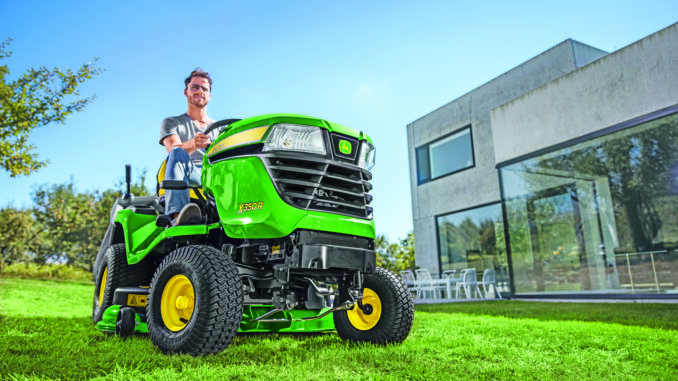
Introduction to the John Deere 322
The John Deere 322 is a liquid‑cooled lawn and garden tractor designed for homeowners who want a compact machine that feels closer to a small farm tractor than a basic lawn mower. It is powered by a liquid‑cooled gasoline engine and usually paired with a mid‑mount mower deck, hydrostatic transmission and power steering, making it well‑suited to ½–2 acre lawns with mixed terrain and light utility work like towing carts or dethatchers.
This John Deere 322 service and repair guide is written for DIY owners in the USA and Canada who are comfortable with basic tools and want clear, symptom‑first troubleshooting, practical repair advice, and a realistic line between home repair and dealer work. You’ll find an overview of the tractor’s main systems, parts and diagrams sources, maintenance schedules, and a large troubleshooting FAQ focused on what you actually see and hear from the machine.
John Deere 322 model overview
The John Deere 322 sits in the classic 300‑series lawn and garden lineup, sharing chassis and many components with the 318 and 332 but using a liquid‑cooled gasoline engine rather than the air‑cooled engine of the 318 or diesel engine of the 332. It typically runs a hydrostatic transmission with power steering, hydraulic lift for the mower deck and attachments, and an electrical system with safety interlocks on the seat, PTO and neutral position.
Key systems you’ll work with on the John Deere 322 include:
-
Engine and fuel system – liquid‑cooled gasoline engine, radiator, fuel tank, pump, filter and carburetor.
-
Mower system – mid‑mount mower deck (commonly 46‑ or 50‑inch), blades, spindle assemblies, deck belt(s), idlers and gauge wheels.
-
Drive system – hydrostatic transmission, drive shaft, transaxle, axle seals and wheel hubs.
-
Hydraulic system – power steering, deck lift cylinder and control valve sharing hydraulic fluid and filtration with the transmission.
-
Electrical and safety system – battery, starter, alternator, ignition switch, PTO clutch, wiring harness and multiple safety switches.
Common service parts John Deere 322 owners regularly buy include engine oil and filter, transmission/hydraulic filters, air filters, spark plugs, fuel filter, mower blades, deck belts, gauge wheels and basic electrical parts like headlight bulbs and ignition switches. A typical maintenance kit will include oil filter M806418, transaxle/hydraulic filters AM39653 (pair), JD Hygard hydraulic fluid TY22000, Plus‑4 10W‑30 engine oil TY6364, primary air filter AM108238, secondary air filter AM108242, and an inline fuel filter such as AM876035.
Troubleshooting your John Deere 322 by symptom
Effective diagnosis on a John Deere 322 always starts from what you see, hear and feel as the operator rather than guessing at individual parts. Group your problem into a symptom category first, then narrow it down with simple checks before you order parts or tear the tractor apart.
For the John Deere 322, the main symptom categories are:
-
Starting issues – engine will not crank, cranks but will not fire, or only starts with choke and fails quickly.
-
Running issues – surging, stalling under load, backfiring, smoking or loss of power.
-
Cut‑quality problems – uneven or scalped cut, streaks, uncut strips, poor discharge or clumping.
-
Vibration and noise – excessive vibration in the seat or steering wheel, deck rattles or grinding noises.
-
Overheating and fluid leaks – engine temperature running high, coolant loss, hydraulic/transaxle oil leaks.
-
Transmission/drive problems – tractor won’t move, moves slowly, slips on hills or growls from the rear end.
-
Electrical and safety switch faults – intermittent starting, PTO not engaging, lights or gauges not working.
By matching what you experience to one of these categories, you can work logically through the likely causes with basic tools before deciding whether it is a realistic DIY repair or dealer‑level issue.
Emergency and immediate repair needs on a John Deere 322
Some John Deere 322 problems can wait until the weekend; others should stop the tractor immediately because they affect safe operation or risk severe damage. This section highlights the urgent issues and the first steps you can take at home before you run the machine again.
Starting issues on a John Deere 322
These are the problems where your John Deere 322 will not crank, cranks very slowly, or cranks normally but never fires. They matter because repeated cranking can overheat the starter, drain the battery and sometimes mask an underlying safety‑switch fault.
Common causes:
-
Weak or discharged battery.
-
Corroded battery terminals or ground connections.
-
Faulty seat, PTO, brake or neutral safety switch.
-
Bad ignition switch or starter solenoid.
-
Fuel not reaching the carburetor due to a clogged filter or stuck shutoff.
Basic checks:
-
Verify the PTO is off, transmission in neutral and park brake set.
-
Check battery terminals for corrosion and tightness; clean and retighten if needed.
-
Use a multimeter to confirm battery voltage is healthy before and during cranking.
-
Listen for a click from the solenoid when you turn the key; no click often points to safety switch or ignition switch issues.
-
If the engine cranks but will not start, inspect the fuel filter and make sure fuel is present in the bowl and lines.
John Deere 322 cut‑quality problems
Cut‑quality problems show up as uneven lawn appearance, missed strips, scalp marks, clumps of wet grass or ragged tips. They matter because they often indicate dull blades, an out‑of‑level deck or incorrect deck height, which can escalate into spindle wear and belt failures.
Common causes:
-
Dull or damaged mower blades.
-
Deck not level side‑to‑side or pitched incorrectly front‑to‑back.
-
Incorrect deck height, especially on uneven ground.
-
Clogged deck underside or weak discharge due to wet grass.
-
Wrong blade type for your conditions (standard vs mulching or high‑lift).
Basic checks:
-
Park the John Deere 322 on a flat surface and lower the deck fully, then set to the normal cutting position.
-
Inspect blades for nicks, bends and heavy dulling; replace or sharpen if needed.
-
Check that gauge wheels contact the ground only slightly when cutting, not carrying deck weight.
-
Use a deck leveling gauge or ruler to compare blade tip heights side‑to‑side and front‑to‑back, adjusting as needed.
-
Clean the deck underside to remove built‑up clippings and debris.
John Deere 322 vibration and noise issues
Vibration or unusual noises on a John Deere 322 can mean spinning components are out of balance, bent, loose or failing. This is critical to address quickly because neglected vibration can destroy deck spindles, belts and even crack mounting brackets.
Common causes:
-
Bent or unbalanced blades.
-
Worn spindle bearings or loose pulley nuts.
-
Damaged or incorrect deck belt.
-
Loose deck mounting hardware or broken brackets.
-
Debris stuck to blades or pulleys.
Basic checks:
-
Disengage PTO, shut the engine off and remove the key before going near the deck.
-
Inspect blades for bends by comparing them to a straight edge; spin each by hand and feel for roughness.
-
Check that spindle pulleys spin smoothly without wobble and that top nuts are tight.
-
Inspect the deck belt for cracks, fraying, flat spots or glazing.
-
Tighten loose mounting bolts and hangers, and clear any debris wound around spindles.
John Deere 322 overheating and leaks
On a liquid‑cooled John Deere 322, overheating can result in serious engine damage, head gasket failure or warped components if ignored. Fluid leaks from the cooling or hydraulic/transaxle system are also urgent because low fluid levels quickly destroy pumps, hydrostatic units or internal gears.
Common causes:
-
Low coolant level or air pockets in the cooling system.
-
Clogged radiator fins, screen or side panels restricting airflow.
-
Sticking thermostat or failing water pump.
-
Hydraulic/transaxle oil leaks from hoses, seals or filter mounting.
-
Engine oil leaks at gaskets or seals.
Basic checks:
-
Stop the tractor immediately if the temperature gauge climbs abnormally or you see steam.
-
After cooling, check coolant level in the radiator and overflow bottle; top up with correct mix if low.
-
Clean radiator fins, screens and side panels with low‑pressure air or water to restore airflow.
-
Inspect under the tractor for fresh oil spots, especially around filters and hoses.
-
Do not continue running until you confirm correct coolant and oil levels.
John Deere 322 transmission and drive problems
Drive issues include the John Deere 322 not moving, moving only in one direction, slipping badly on hills or emitting grinding or whining noises from the hydrostatic/transaxle area. These problems matter because a hydrostatic unit run low on oil or with a clogged filter can be permanently damaged.
Common causes:
-
Low or incorrect hydraulic/transaxle oil.
-
Clogged or overdue transaxle filters.
-
Air in the hydrostatic system after fluid changes.
-
Worn internal components in the hydrostatic pump or motor.
-
Axle key, hub or wheel hardware issues.
Basic checks:
-
Confirm the free‑wheel/release valve is fully closed so the tractor is not in tow mode.
-
Check hydraulic/transaxle oil level according to the operator’s manual.
-
Inspect filters and change them if the service interval is overdue.
-
Purge the hydrostatic system per the manual after any fluid change.
-
If you hear grinding or the tractor still will not move, stop and consult a dealer before further use.
John Deere 322 electrical problems
Electrical faults on the John Deere 322 show up as dead instrument lights, intermittent starting, PTO that will not engage or random shut‑downs when you hit bumps. Because the safety system depends on reliable switches and wiring, these problems affect both convenience and safety.
Common causes:
-
Weak battery or failing charging system.
-
Loose or corroded connections at the battery, frame ground or key switch.
-
Failing seat, brake, neutral or PTO safety switches.
-
PTO clutch drawing excessive current or shorting.
-
Damaged wiring or chafed harnesses.
Basic checks:
-
Verify battery voltage and clean the posts and grounds.
-
Wiggle key, PTO switch and wiring harness gently while observing if symptoms change.
-
Inspect connectors for corrosion or loose terminals.
-
Check fuses where fitted and replace only with the same rating.
-
If you suspect a safety switch, test continuity with a multimeter according to the operator’s manual.
John Deere 322 DIY or dealer – where is the line?
On the John Deere 322, a motivated homeowner with basic tools can handle most routine maintenance and many straightforward bolt‑on repairs. Anything that involves opening the engine, deep hydrostatic repairs, complex electrical diagnostics or safety‑critical steering/brake work is usually better left to an experienced dealer or independent shop with service manuals and proper test equipment.
In general, if the job involves external components you can access without splitting the tractor or disassembling major systems—and you can comfortably follow step‑by‑step instructions—it is reasonable as a DIY project. If you’re unsure, start with inspection and maintenance tasks and let more complex repairs wait until you’ve confirmed the exact fault and assessed your comfort level.
Good DIY jobs on a John Deere 322
-
Engine oil and filter changes.
-
Air filter and fuel filter replacement.
-
Spark plug replacement and basic ignition tune‑ups.
-
Mower blade replacement and sharpening (off‑tractor).
-
Deck belt replacement and deck leveling.
-
Battery replacement and basic wiring cleanup.
-
Headlight and tail light bulb replacement.
-
Greasing all lubrication points and checking tire pressures.
Advanced DIY or dealer jobs on a John Deere 322
-
Carburetor rebuilds or full replacement and tuning.
-
Cooling system repairs beyond hose replacement (water pump, thermostat housing).
-
Internal hydrostatic/transaxle repairs or differential work.
-
Steering sector and major front axle repairs if heavy wear or cracks are present.
-
Complex electrical troubleshooting involving harness repair or instrument cluster issues.
-
Safety system diagnostics when multiple interlocks are misbehaving.
John Deere 322 skill level guide
-
Beginner: Oil changes, air and fuel filters, blade swaps (with deck safely supported), battery replacement, basic cleaning and inspection.
-
Intermediate: Deck belt replacement, deck leveling, spark plug replacement, adjusting linkages and cables, minor coolant hose swaps and radiator cleaning.
-
Advanced: Carb rebuilds, hydrostatic or internal engine work, steering gear replacements, full harness repairs and any job requiring special pullers or factory tools.
John Deere 322 parts list, OEM numbers and ordering info
Before ordering parts for your John Deere 322, gather the exact model designation, product identification number (PIN) and, where applicable, mower deck size and configuration. These details matter because running changes over the production years can affect belt lengths, electrical components and even filters.
You should also verify whether your deck is the common 46‑ or 50‑inch unit and whether any previous owner has swapped attachments or upgraded PTO clutches or lighting. Always cross‑check your parts selections against both your tractor PIN and deck model to avoid returns and downtime.
Key John Deere 322 service parts table
Use this table as a starting point and always confirm against your PIN and deck configuration before ordering:
For belts, PTO clutches, and some electrical components, always treat OEM as the default choice unless you have a reliable aftermarket cross‑reference. OEM belts and safety‑critical parts like steering and brake components generally fit and last better than cheap alternatives. Aftermarket can be acceptable for common items such as engine oil filters, blades and batteries when you use reputable brands and verify compatibility by part number rather than only by model name.
John Deere 322 parts diagrams and service manuals
To perform anything beyond basic maintenance on a John Deere 322, you’ll want access to official diagrams and manuals. These resources show exploded views of assemblies, torque values, fluid capacities and detailed troubleshooting flowcharts.
Useful online resources include:
-
Official John Deere Operator’s Manual – usually available free from the John Deere publications or support site by searching “John Deere 322 Operator’s Manual” and entering your PIN.
-
John Deere 322 Technical Manual (TM1591) – a paid or library‑accessible workshop manual with system theory, diagnostics, detailed disassembly/reassembly procedures and specifications.
-
John Deere Technical Publications / JDParts site – lets you look up parts diagrams and part numbers by model and PIN, including mower decks and attachments.
-
Reputable Deere parts retailers – sites such as GreenFarmParts, GreenPartStore or similar often have model‑specific John Deere 322 pages listing common service parts and maintenance kits.
Use the operator’s manual for routine service intervals and basic adjustments, and rely on the technical manual and JDParts diagrams when you tackle more involved repairs or need to see how multiple components stack together.
How to locate John Deere 322 model, serial and engine numbers
Correct model and serial numbers are essential for ordering the right John Deere 322 parts, especially for belts, filters and deck components that changed over time. The PIN also helps dealers and online catalogs identify which options your tractor left the factory with.
Follow these steps to find the key identification numbers:
-
Tractor model and PIN: Look for the product identification plate on the rear or side of the tractor frame, typically near the rear hitch area or on the frame just below the seat. The plate lists “John Deere 322” and a serial/PIN.
-
Mower deck model and serial: On the mower deck shell, look for a decal or metal plate on the top surface or near the discharge chute area. This identifies deck size and serial range, which determine belt and blade part numbers.
-
Engine identification: The liquid‑cooled engine usually has a tag or stamping on the block or valve cover area showing the engine model and serial; this can matter if you’re sourcing engine‑specific components such as carburetors or starter motors.
-
Attachments: For any front or rear attachment (snowblower, blade, tiller), locate the identification plate on the attachment frame so you can match its parts separately from the tractor.
-
Record and store: Write these numbers in a maintenance log or on your phone so they are handy when ordering parts or asking for help.
Buying John Deere 322 parts online and in stores
A good parts strategy for the John Deere 322 is to use your PIN and deck serial whenever possible, then cross‑check your OEM numbers across multiple sources. For simple consumables like oil, common filters and generic batteries, you can sometimes buy locally if the packaging clearly lists John Deere 322 compatibility or the correct OEM cross‑reference.
In practice, most owners mix sources:
-
Online parts suppliers: Use OEM part numbers from JDParts or your manuals, then shop around on reputable Deere‑focused sites such as GreenFarmParts.com or GreenPartStore.com, as well as large general marketplaces when they offer genuine OEM or trusted aftermarket lines.
-
Dealer counter: Best for complex, serial‑specific or high‑value items like PTO clutches, hydrostatic components and steering parts. Bring your tractor PIN, deck model and old parts where possible.
-
Retail and farm stores: Often fine for engine oil, generic lubricants, battery replacements and some filters and blades, as long as you verify cross‑references and quality.
John Deere 322 step‑by‑step DIY jobs
The following are common, high‑impact jobs John Deere 322 owners can handle at home with basic tools. Always park on level ground, set the brake, shut off the engine and remove the key before working.
Changing engine oil and filter on a John Deere 322
This job protects engine life and is one of the simplest services you can do.
-
Run the engine for a few minutes to warm the oil, then park safely, set the brake and shut down.
-
Place a drain pan under the engine oil drain and open the drain valve or remove the drain plug; allow all oil to drain.
-
Remove the old oil filter M806418, making sure the old gasket comes off with it.
-
Lightly oil the gasket of the new filter, install it by hand until snug, then tighten another ¾ turn.
-
Close the drain, refill with the specified quantity of 10W‑30 oil (such as TY6364), then start the engine and check for leaks and correct level.
Replacing the air filters on a John Deere 322
Clean air filters maintain power and reduce engine wear.
-
Lift the hood and locate the air filter housing.
-
Release the housing clamps or screws and carefully remove the cover.
-
Remove the primary air filter AM108238 and, if fitted, the secondary AM108242, being careful not to drop debris into the intake.
-
Wipe out the inside of the housing with a clean, damp cloth.
-
Install the new secondary filter first (if applicable), then the primary filter, refit the cover and secure the clamps.
Changing the fuel filter on a John Deere 322
A fresh fuel filter prevents clogging and lean running problems.
-
Turn the engine off, remove the key and allow hot components to cool.
-
Locate the inline fuel filter (such as AM876035) in the fuel line between the tank and carburetor.
-
Clamp the fuel line on both sides of the filter or close any fuel shutoff valve to minimize leakage.
-
Loosen hose clamps, remove the old filter and note the flow direction arrow.
-
Install the new filter with the arrow pointing toward the carburetor, secure clamps and restore fuel flow, then check for leaks after starting.
Replacing mower blades on a John Deere 322
Fresh blades improve cut quality and reduce strain on the deck system.
-
Park the tractor on a flat surface, lower the deck, set the brake and remove the key.
-
Either remove the deck following your manual or safely block and support it to access the blades from underneath.
-
Wearing gloves, use the correct socket and breaker bar to remove each blade bolt, noting blade orientation.
-
Install new blades (such as M115495 or M113517 where appropriate) with the cutting edge facing the correct direction and torque bolts to the specified value.
-
Reinstall or lower the deck, then test cut on a small area to confirm smooth operation and good cut quality.
John Deere 322 maintenance to prevent repeat problems
Preventive maintenance on the John Deere 322 saves you from most of the starting, running, belt and overheating issues that show up mid‑season. Regular attention to filters, fluids, blades and cleanliness keeps the tractor reliable and extends component life.
Focus on the following areas:
-
Starting reliability: Keep the battery charged, terminals clean and changed at the end of its life; inspect ignition and safety switches periodically.
-
Cut quality: Sharpen or replace blades as needed, keep the deck level and clean, and inspect belts and gauge wheels regularly.
-
Overheating and fire prevention: Clean radiator fins, engine shrouds and deck undersides; clear chaff and grass from hot components.
-
Drive performance: Maintain proper hydraulic/transaxle oil and filter changes, check for leaks and ensure tires are inflated correctly for traction and stability.
-
Electrical reliability: Inspect wiring harnesses for chafing, secure loose connectors and check lights and switches before peak season.
John Deere 322 maintenance schedule and year‑round checklist
Base your John Deere 322 maintenance on the official service chart for your serial range, then adapt slightly for severe conditions like high dust or heat. Always verify actual intervals in the operator’s manual if they differ from the general guidance below.
Daily / before each use
-
Check engine oil level and top up if needed.
-
Walk around the tractor to inspect for obvious leaks or loose parts.
-
Confirm tire pressures and visually inspect tires for damage.
-
Make sure safety systems (seat, PTO, brake) appear to operate normally.
After every 8–10 hours of use
-
Clean grass and debris from the mower deck top and underside as accessible.
-
Inspect the radiator screen and side panels; clean out chaff and dust.
-
Grease key fittings if recommended at short intervals in your manual.
Every 25 hours (or a few times per season)
-
Inspect air filter and replace if dirty, especially in dusty conditions.
-
Check deck belt condition, idlers and tensioners for wear or noise.
-
Check battery terminals and cable tightness.
Every 50 hours or yearly
-
Change engine oil and replace the oil filter M806418.
-
Inspect spark plugs and replace if worn or at the recommended interval.
-
Grease steering, front axle pivot and mower deck spindles as required.
-
Inspect fuel filter and replace if flow is restricted or per manual interval.
Every 200 hours (or as specified in your manual)
-
Replace transaxle/hydraulic oil filters AM39653 and change hydraulic oil (TY22000 or equivalent spec).
-
Flush and replace engine coolant if due by hours or age.
-
Perform a more thorough inspection of steering, brakes and linkage wear.
Seasonal checklist for a John Deere 322
Spring/pre‑season:
-
Charge and test the battery, clean all connections.
-
Change engine oil and filter if not done at the end of last season.
-
Install sharpened or new mower blades and level the deck.
-
Inspect belts, fuel lines and tires for cracks or stiffness from storage.
Mid‑season:
-
Recheck blade condition and deck level, especially if you hit any obstacles.
-
Clean radiator, screens and air filters to prevent overheating.
-
Re‑inspect hydraulic and engine oil levels during hot weather.
Fall/end‑of‑season:
-
Stabilize fuel or drain the fuel system as recommended for storage.
-
Clean the tractor thoroughly, including deck and cooling system.
-
Change engine oil and filter to remove contaminants before storage.
-
Store the battery in a cool, dry place on a maintainer if you have harsh winters.
John Deere 322 – repair, upgrade or replace?
Whether to repair, upgrade or replace a John Deere 322 depends on its overall condition, how much you like the machine and the availability of parts and competent service. These tractors are robust, and many are still worth investing in, especially if the frame, steering and transmission remain solid.
In general, repair is the default if the tractor is structurally sound and problems involve external components like belts, filters, blades, hoses, switches or minor leaks. Upgrades make sense if you want better cut quality or convenience and the base tractor is healthy. Replacement is worth considering only when you face major engine or hydrostatic failures combined with significant wear in other systems, or when you need safety and comfort features that older machines simply do not offer.
Repair your John Deere 322 if…
-
The engine has good compression, starts reliably and doesn’t consume excessive oil.
-
Hydrostatic drive works well after fresh fluid and filters.
-
Most issues are with belts, pulleys, blades, hoses, switches or cosmetic items.
-
Parts and service manuals are available and affordable relative to the tractor’s value.
Upgrade your John Deere 322 if…
-
You want improved cut quality with new blades or a different blade style.
-
You’d benefit from a mulching kit, better seat, LED lighting or upgraded tires.
-
You plan to add attachments like a front blade, snowblower or cart to expand its usefulness.
Replace your John Deere 322 if…
-
The engine or hydrostatic system needs major overhaul that approaches or exceeds the value of the tractor.
-
The frame, steering system or transaxle housings show serious cracks or structural damage.
-
Parts availability in your region is poor and you cannot maintain reliable operation.
-
You require modern safety features, ergonomics or emissions compliance that this model cannot provide.
Expanded troubleshooting FAQ – John Deere 322
1. Why will my John Deere 322 not start at all?
If your John Deere 322 is completely dead when you turn the key—no click, no crank—begin with the battery and safety switches. Confirm that the PTO is off, the brake is set and the transmission is in neutral, then check battery voltage and clean the terminals. If the battery tests good, inspect the key switch, fuses and seat/brake safety switches, as a failure in any of these can prevent power from reaching the starter solenoid.
2. Why does my John Deere 322 crank but not fire?
Cranking with no firing usually points to fuel or ignition problems. Make sure the fuel tank has fresh gasoline and that the inline fuel filter is not clogged, then confirm that fuel reaches the carburetor. Pull a spark plug and check for a strong spark; if none, focus on the ignition coil, wiring and safety circuits that may be cutting spark when they detect a fault.
3. Why does my John Deere 322 only start with full choke?
If your John Deere 322 needs full choke and still struggles to start, the mixture is likely too lean. Common causes include partially clogged carburetor jets, air leaks at the intake, or a restricted fuel supply from a dirty filter or weak pump. Cleaning the carburetor and replacing the fuel filter often restores easier starting.
4. Why does my John Deere 322 stall after running for a short time?
Stalling after a few minutes of operation often indicates restricted fuel flow or a failing ignition component that breaks down when hot. Check the fuel cap vent, fuel filter and lines for restrictions, then observe whether spark weakens as the engine warms. If it restarts only after cooling, suspect ignition module or coil issues.
5. Why is my John Deere 322 backfiring or popping?
Backfiring on a John Deere 322 can be caused by lean mixture, timing issues or unburned fuel igniting in the exhaust. Verify that spark plugs are in good condition and correctly gapped, and inspect the carburetor for proper adjustment and cleanliness. Sudden throttle changes or shutting down at high RPM can also contribute, so try letting the engine idle briefly before turning it off.
6. Why does my John Deere 322 lose power in tall grass?
Loss of power in heavy grass often means you are overloading the mower deck or the engine is not producing full power. Make sure blades are sharp, correct deck height is used and you reduce ground speed in tall or wet grass. If power remains weak, check air and fuel filters, spark plugs and ensure the throttle and governor linkages are working properly.
7. Why is my John Deere 322 smoking from the exhaust?
Exhaust smoke color helps indicate the cause. Blue smoke usually means oil burning due to worn rings or valve seals, while black smoke points to an overly rich fuel mixture from a dirty air filter or carb issues. White smoke may indicate coolant entering the combustion chamber in a liquid‑cooled engine; in that case, stop and investigate for head gasket or cooling system problems.
8. Why does my John Deere 322 cut unevenly?
Uneven cutting is often due to a deck that is not level or blades that are dull or mismatched. Park on a flat surface, measure blade tip heights side‑to‑side and adjust deck hangers until level, then confirm front‑to‑rear pitch is within spec. Install a matched set of blades and make sure gauge wheels are set correctly for your cutting height.
9. Why is my John Deere 322 leaving uncut strips?
Uncut strips between passes are typically caused by incorrect overlap or blades that are wrong for the deck, installed upside down or bent. Check blade part numbers and orientation, and ensure there is no excessive end play in spindle assemblies that lets blades move out of position. Improving your mowing pattern and overlap often eliminates minor striping.
10. Why does my John Deere 322 scalp high spots?
Scalping indicates the deck is too low for your terrain or gauge wheels are set incorrectly. Raise your cutting height and adjust gauge wheels so they just skim the ground on high spots rather than carrying weight. Also check tire pressures; low pressure can exaggerate deck pitch and cause scalping on uneven lawns.
11. Why is grass clumping and not discharging on my John Deere 322?
Clumping is common when cutting wet or very tall grass. Make sure blades are sharp, deck underside is clean and you are using the correct blade style for side discharge or mulching. Mow more slowly and take less off in a single pass, and avoid mowing immediately after heavy rain when possible.
12. Why is my John Deere 322 deck vibrating badly?
Severe deck vibration points to bent blades, worn spindle bearings or a damaged belt. Inspect each blade for bends or missing chunks, then spin each spindle by hand to feel for grinding or roughness. Replace damaged blades and spindles as needed, and change any cracked or glazed belts that may be riding unevenly in the pulleys.
13. Why does my John Deere 322 make a grinding noise under the deck?
Grinding noises from under the deck often indicate failing bearings or objects caught in the blades. Shut the tractor off, remove the key and inspect under the deck for wire, rope or debris wrapped around the spindles. If the noise persists after clearing debris, suspect a spindle or idler pulley bearing and replace it before it seizes.
14. Why does my John Deere 322 mower belt keep coming off?
A belt that repeatedly jumps off pulleys may be stretched, the wrong length, or running on misaligned pulleys. Check for bent brackets, worn idlers and missing belt guides, and verify that you’re using the correct OEM belt for your deck model. Reinstall carefully according to the belt routing diagram and make sure idlers provide proper tension.
15. Why won’t my John Deere 322 move forward or reverse?
If the engine runs but the tractor does not move, first check that the free‑wheel or tow valve is fully closed. Confirm hydraulic/transaxle oil level is correct and that you haven’t recently changed fluid without purging air from the hydrostatic system. If the pedals move but the tractor remains stationary despite correct oil and a closed tow valve, deeper hydrostatic or differential issues may require dealer attention.
16. Why is my John Deere 322 slow or weak on hills?
Weakness on hills can result from low hydraulic oil, clogged transaxle filters or internal wear. Verify the oil level and condition, and change filters if they are overdue. If performance improves briefly after fresh fluid but then degrades again, it may signal internal hydrostatic wear that needs professional diagnosis.
17. Why does my John Deere 322 creep when in neutral?
Creeping in neutral suggests the hydrostatic neutral adjustment is slightly off. Consult the technical or operator’s manual for the neutral adjustment procedure, which typically involves loosening and repositioning linkage to center the hydro control. This is usually an intermediate‑level job because it requires careful adjustment and testing.
18. Why is my John Deere 322 hard to steer?
Stiff steering may be due to low hydraulic fluid, worn steering components or lack of lubrication in the front axle and steering pivots. Check fluid levels, grease all recommended fittings and inspect tie rods and steering linkage for binding or damage. If power steering assistance is weak despite proper fluid and lubrication, hydraulic or steering valve issues may be present.
19. Why are my John Deere 322 brakes not holding?
Poor braking performance can come from worn brake linings, misadjusted linkage or contamination with oil or grease. Inspect the brake linkage for proper travel and adjust according to the manual, then check for oil leaks from axle seals that might be contaminating the brake surfaces. Severe wear or contamination often requires disassembly and replacement of brake components.
20. Why does my John Deere 322 battery keep going flat?
Repeated dead batteries usually point to a charging system problem or parasitic draw. With the engine running, measure voltage at the battery; it should be higher than static battery voltage if the alternator is charging properly. If charging is good, look for accessories or wiring faults that may be drawing power with the key off.
21. Why won’t the PTO engage on my John Deere 322?
If the PTO won’t engage, confirm the seat and brake safety switches are functioning and that the PTO switch itself is not faulty. Check for correct battery voltage, as weak voltage may prevent the electric PTO clutch from pulling in. If voltage and safety circuits are good, a worn or failed PTO clutch may need replacement.
22. Why does my John Deere 322 PTO shut off randomly?
Intermittent PTO dropout is often caused by loose wiring, a failing safety switch or a PTO switch with worn contacts. Wiggle the wiring harness near the seat, PTO switch and clutch with the engine off to look for intermittent connections, then repair or replace suspect connectors or switches. If the seat switch is overly sensitive, adjust or replace it.
23. Why do lights not work on my John Deere 322?
Non‑working headlights or tail lights usually result from blown bulbs, bad grounds or corroded connectors. Start by replacing bulbs like AD2062R or AR62407, then trace wiring from the light switch to the lamp housings and clean or replace any corroded terminals. Also ensure the relevant fuse is intact and of the correct rating.
24. Why is my John Deere 322 overheating?
Overheating on a liquid‑cooled John Deere 322 often comes from restricted airflow or low coolant levels. Clean the radiator fins and screen thoroughly, check coolant level and inspect hoses and the radiator cap for leaks or deterioration. If overheating persists despite clean airflow and correct coolant, suspect a sticking thermostat or failing water pump.
25. Why is coolant leaking from my John Deere 322?
Coolant leaks can originate from hoses, clamps, the radiator core or gasketed joints. Look for dried coolant residue around hose connections and the water pump area, and check under the tractor after sitting. Replace any cracked hoses or tighten loose clamps; if the radiator itself is leaking, it may need professional repair or replacement.
26. Why is hydraulic or transaxle oil leaking on my John Deere 322?
Hydraulic/transaxle leaks often appear at filter seals, hoses, axle seals or case gaskets. Inspect around both AM39653 filters for oil, verify they are tight and the gaskets are seated correctly, then follow hoses and axle ends for wet areas. Small seepage can sometimes be monitored, but active leaks should be repaired promptly to avoid low fluid damage.
27. Why does my John Deere 322 engine surge at idle?
Surging at idle is usually related to carburetor or fuel system issues. Dirt in the carb jets, a partially blocked fuel filter or incorrect idle mixture settings can cause unstable running. Cleaning and adjusting the carburetor and ensuring good fuel flow from the tank to the carb typically smooths idle.
28. Why is my John Deere 322 hard to start when hot?
Hard hot starts can be caused by borderline ignition components, vapor lock or a carburetor that is slightly too rich or too lean. Check that the choke is fully opening when hot, inspect spark plugs and ignition coil condition, and consider routing or insulating fuel lines if heat soak is causing fuel boiling.
29. Why does my John Deere 322 engine run rough under load?
A rough engine under load suggests ignition misfire, fuel delivery issues or compression problems. Start with simple checks: replace worn spark plugs, renew the fuel filter and confirm the air filter is clean. If the issue persists, a compression test can help identify deeper engine wear or valve issues.
30. How often should I change oil on my John Deere 322?
For most owners, changing engine oil and the M806418 filter every 50 hours or once per season is a good baseline, with shorter intervals if you run in dusty or high‑heat conditions. Always consult your specific operator’s manual for the exact recommended interval based on hours, conditions and oil type.
31. How often should I change hydraulic/transaxle oil and filters on a John Deere 322?
Hydraulic/transaxle filters AM39653 and the corresponding oil are typically changed at longer intervals, such as every 200 hours or every few seasons. However, if you do a lot of heavy towing or operate in extreme conditions, consider more frequent changes; at a minimum, follow the interval printed in your manual.
32. What fuel should I use in my John Deere 322?
Use fresh, clean unleaded gasoline of the octane rating recommended in your operator’s manual, avoiding fuel that contains more than 10% ethanol. For seasonal equipment like the John Deere 322, many owners have good results with stabilized fuel or premium non‑ethanol gas where available, especially before storage.
33. How tight should mower blades be on my John Deere 322?
Blade bolts should be tightened to the torque specification in your manual—tight enough to prevent slip without stripping threads or distorting the blade hub. If you don’t have the exact figure, use a torque wrench and follow typical values for blades on similar decks, and recheck tightness after the first mowing session.
34. How often should I sharpen blades on my John Deere 322?
Blade sharpening frequency depends on acreage and conditions, but many John Deere 322 owners sharpen blades every 25–50 hours of mowing or at least once per season. If you frequently mow sandy soil or hit sticks and debris, you may need sharpening more often whenever you notice ragged grass tips or declining cut quality.
35. Where can I find John Deere 322 wiring diagrams and torque specs?
The most reliable source for John Deere 322 wiring diagrams, torque values and detailed procedures is the official Technical Manual (TM1591) and the operator’s manual for your serial range. You can purchase digital or print copies via the John Deere Technical Publications site or through your dealer, and some Deere‑focused parts and manual retailers also offer legitimate copies.