
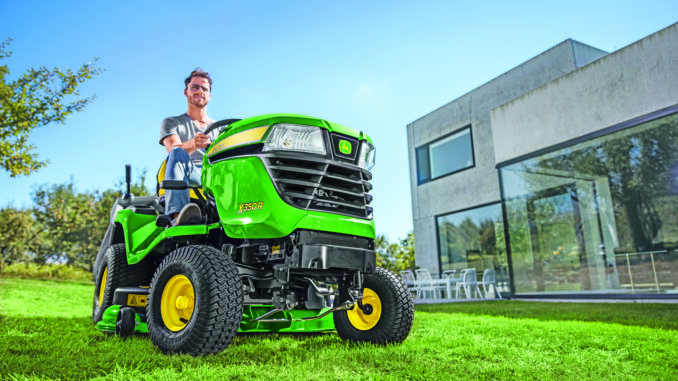
The John Deere L110 is an older but still widely used residential lawn tractor built for homeowners who need a practical riding mower for medium-sized lawns, light towing, and general yard work. It belongs to Deere’s L-series and remains common in the USA and Canada because many machines are still in service, parts are widely available, and the tractor is simple enough for many owners to maintain themselves.
This guide focuses specifically on the John Deere L110 and uses a troubleshooting-first structure. It covers starting issues, cut quality, vibration, overheating, transmission and electrical faults, plus parts identification, buying advice, DIY versus dealer guidance, and a detailed maintenance plan intended to reduce repeat failures.
1. Overview of the John Deere L110
At a general level, the L110 is a residential lawn tractor meant for routine mowing and light property maintenance rather than heavy commercial work. It was designed for North American homeowners who want a riding mower capable of regular weekly mowing, light cart towing, and simple yard chores on moderate terrain.
Technically, the L110 is typically equipped with a 17.5 hp Kohler engine and a 42-inch 3-in-1 mower deck, though specific production details should always be confirmed by machine serial number and engine label. The tractor uses a belt-driven transmission, mechanical steering, a conventional battery/starter system, and a safety interlock arrangement that prevents unsafe starting or operation.
John Deere L110 – General description of use
The L110 is best suited to homeowners maintaining small to medium lawns where maneuverability and simplicity matter more than high mowing speed. It can also handle bagging, mulching, and light pulling work with approved attachments, but it is not intended for rough field cutting, steep continuous slopes, or heavy towing.
John Deere L110 – General description of specs
-
Engine: commonly listed as a 17.5 hp Kohler engine on L110 units.
-
Deck: 42-inch 3-in-1 mower deck with side discharge, optional mulching, and collection capability.
-
Fuel: unleaded gasoline, with the operator’s manual indicating North American fuel handling and safety guidance.
-
Transmission: belt-driven residential lawn tractor drive system with bypass provisions and routine belt service points.
-
Electrical system: 12-volt battery, starter, ignition switch, PTO and safety switch logic, and optional headlights.
John Deere L110 – General description of major parts
-
Engine and fuel system: carburetor, air filter, fuel filter, fuel lines, throttle/governor linkage, spark plug, muffler.
-
Deck system: mower shell, spindle assemblies, blades, mower deck belt, idlers, gauge wheels, discharge chute.
-
Drive and chassis: frame, steering links, front axle, drive belt, wheels and tires, seat and controls.
-
Electrical: battery, solenoid, ignition switch, brake switch, seat switch, RIO switch, starter wiring, headlight bulb.
2. John Deere L110 – Troubleshooting Approach for the L110
A useful way to diagnose the L110 is to begin with the symptom rather than the suspected part. This tractor is mechanically simpler than many newer models, so a structured check of fuel, spark, switches, belts, deck setup, and visible wear points will usually isolate the fault faster than random parts replacement.
Before inspection or repair, park on level ground, disengage PTO, set the parking brake, shut off the engine, remove the key, and disconnect the negative battery cable or spark plug wire when required by the service task. Deere’s operator guidance also stresses machine cleanout and debris removal around the engine, deck, and transmission areas because dry buildup increases both overheating and fire risk.
3. John Deere L110 – Emergency and Immediate Repair Needs
For an older residential tractor like the L110, the most urgent issues are the ones that stop operation completely, create a safety risk, or can cause secondary damage if ignored. Those usually fall into six categories: starting issues, cut quality, vibration and noise, overheating and leaks, transmission/drive, and electrical faults.
3.1 John Deere L110 – Starting Issues
Starting problems are among the most common L110 complaints because the machine may sit unused over winter or between mowing periods. The main question is whether the tractor fails to crank at all, cranks but will not start, or starts and stalls shortly after firing.
John Deere L110 – No crank
A no-crank condition usually points to the battery, cable connections, the brake/PTO safety logic, the solenoid, or the ignition switch. The L110 requires correct brake and PTO conditions before starting, and troubleshooting guidance for this model specifically notes the brake pedal must be depressed and the PTO disengaged for starting.
Checks:
-
Measure battery voltage and load condition.
-
Clean and tighten battery terminals and frame ground.
-
Confirm brake pedal is fully depressed and PTO is off.
-
Listen for starter-solenoid click when key is turned.
-
Check for loose spark plug wires and visible harness issues.
John Deere L110 – Cranks but will not start
If the engine turns but never fires properly, focus on fuel and ignition. Troubleshooting sources for the L110 specifically mention fuel quality, clogged fuel filter, carburetor adjustment or contamination, and safety switch issues as common causes.
Checks:
-
Confirm proper fuel: at least 87 octane is referenced in L110 troubleshooting guidance, with up to 10% ethanol acceptable.
-
Inspect and replace fuel filter; Green Farm Parts lists AM116304 as the fuel filter for the L110.
-
Check spark plug condition; M78543 is listed as a common plug part number for the model.
-
Inspect carburetor for contamination or varnish if fuel and spark appear present.
John Deere L110 – Hard starting or rough starting
Hard starting often indicates weak spark, poor fuel quality, thick old oil in cool weather, or carburetor problems. L110 troubleshooting sources also note that old or low-quality fuel and corroded battery connections can contribute to hard-start conditions.
3.2 John Deere L110 – Cut Quality Problems
Cut quality problems are very common on older lawn tractors because deck setup drifts over time and blades wear faster than many owners realize. On the L110, ragged grass, striping, uneven height, and repeated chute plugging are usually tied to blades, deck level, mowing speed, or grass conditions rather than major engine trouble.
Typical causes:
-
Dull or bent blades.
-
Incorrect deck level or pitch.
-
Worn deck belt reducing blade speed.
-
Wet, heavy, or overgrown grass plugging the chute.
Important deck-related parts listed for the L110 include blade set GY20567, mulch blade GX20433, deck maintenance kit GY21086, and mower deck belt GX20072.
Checks:
-
Inspect both blades for sharpness, bends, and matching profile.
-
Inspect deck belt condition and confirm correct routing.
-
Check that the deck is level side-to-side and properly pitched front-to-rear.
-
Reduce ground speed and mow at appropriate engine speed in thick grass.
3.3 John Deere L110 – Vibration and Noise
Vibration should never be ignored on an L110 because older decks, spindles, and pulleys can quickly deteriorate if run while unbalanced. Most deck-related vibration comes from blade damage, spindle wear, loose hardware, or a failing mower belt or idler.
Common causes:
-
Bent blade after hitting an object.
-
Worn spindle bearings.
-
Loose pulleys or idlers.
-
Deck belt wear or misrouting.
Checks:
-
Spin blades by hand with engine off and feel for roughness.
-
Check blade bolts and deck hardware.
-
Inspect spindle and idler pulleys for wobble or noise.
-
Replace visibly worn or cracked belt before it fails completely.
3.4 John Deere L110 – Overheating and Leaks
Older lawn tractors accumulate debris, oil film, and heat stress over time, so overheating and leak management matter more as the machine ages. Deere’s operator guidance puts strong emphasis on removing debris from the muffler, engine screens, mower top, and transmission area to reduce fire risk and maintain cooling.
What to inspect:
-
Engine cooling fins and screens for grass and dust.
-
Oil seepage around engine service points and filter areas.
-
Fuel line, fuel filter, and carburetor seepage.
-
Muffler and exhaust area for debris buildup.
3.5 John Deere L110 – Transmission and Drive Problems
The L110’s drive system is simpler than newer hydrostatic models, but belt wear and drivetrain drag are common on aging machines. If the tractor moves weakly, hesitates, or refuses to pull well, inspect the drive belt, bypass arrangement, wheels, and related hardware before assuming the transmission itself has failed.
Green Farm Parts lists drive belt GX20006 as a common L110 part, which makes it one of the first items to verify on weak-drive complaints.
Checks:
-
Inspect the drive belt for glazing, cracking, stretching, or contamination.
-
Confirm bypass/free-wheel setting is correct for normal operation.
-
Inspect transmission area for debris or heat buildup.
-
Check rear-wheel traction, tire condition, and axle-related hardware.
3.6 John Deere L110 – Electrical Problems
Electrical problems on the L110 typically show up as no-start faults, intermittent shutdowns, PTO issues, or accessory failures. On an older machine, switch wear, corroded connectors, and damaged insulation are common.
Common L110 electrical wear items listed by Green Farm Parts include ignition switch GY20074, brake switch GY20094, seat switch GY20073, and RIO switch AM124734.
Checks:
-
Test battery condition and terminal cleanliness.
-
Inspect fuses, ignition switch, and visible wiring connectors.
-
Check seat, brake, and RIO/PTO-related switch operation.
-
Inspect headlight and key-switch circuits if other functions also behave oddly.
4. John Deere L110 – DIY or Dealer? Which Repairs Can Be Done at Home
Many L110 repairs are realistic DIY jobs because the tractor is mechanically straightforward and parts are accessible. However, even simple jobs can become difficult if the machine is heavily rusted, previously modified, or suffering from several overlapping faults.
Good DIY jobs for most owners
-
Battery replacement and cable cleaning.
-
Fuel filter, air filter, spark plug, and oil/filter service.
-
Blade replacement and sharpening.
-
Deck belt replacement and deck cleanout.
-
Seat, ignition, brake, and some basic switch replacement.
John Deere L110 – Advanced DIY or dealer jobs
-
Major carburetor rebuilding if linkage or governor settings are disturbed.
-
Internal engine repairs.
-
Transmission replacement or major teardown.
-
Complex electrical diagnosis where multiple interlocks or harness faults overlap.
Recommended DIY skill levels
-
Beginner: filters, battery, spark plug, blade changes.
-
Intermediate: deck belt replacement, deck leveling, switch replacement, carburetor removal.
-
Advanced: transmission work, deep electrical testing, engine internal service.
5. John Deere L110 – Parts Needed, OEM vs Aftermarket, and What Information You Need
The biggest mistake owners make when ordering L110 parts is assuming that “close enough” will work. The correct approach is to identify the model, serial/PIN, engine information, and exact deck configuration before buying anything beyond the most routine service items.
John Deere L110 – Information to gather before ordering
-
Full model: John Deere L110.
-
Product identification number from the tractor.
-
Engine serial number and engine model label.
-
Deck size and deck type: 42-inch 3-in-1 deck.
-
Existing part number if still visible on the old part.
Common L110 service and repair parts
John Deere L110 – OEM vs aftermarket
OEM parts are the safer choice when the repair affects safety, switching logic, belt fit, or structural alignment. That includes ignition switches, interlock switches, belts, steering parts, and critical deck parts where poor fit can create repeat failures.
Aftermarket parts can make sense for blades, filters, batteries, and some tune-up parts if they cross-reference directly to the L110’s OEM number. The key is to avoid no-name parts listed only by approximate dimensions, because a slightly wrong belt or blade profile can cause poor cut quality, vibration, or premature wear.
6. John Deere L110 – Where to Find Parts Diagrams and Service Manuals
Owners should start with official operator documentation and then use model-specific parts references. The operator’s manual explains where product identification information is located, gives service intervals, and includes troubleshooting and storage guidance, while maintenance-focused parts pages are useful for cross-checking common service items.
Useful sources:
-
Operator’s manual PDF: http://pdf.lowes.com/useandcareguides/759936768910_use.pdf
-
Green Farm Parts L110 guide: https://greenfarmparts.com/john-deere-l110-lawn-tractor-maintenance-guide/
-
Manuals+ L110 user manual page: https://manuals.plus/john-deere/john-deere-l110-lawn-tractors-user-manual
7. John Deere L110 – How to Locate the Model Number, Serial Number, and Engine Number
Correct machine identification matters because Deere and aftermarket suppliers may list several similar parts across related L-series tractors. The operator’s manual states that the machine Product Identification Number location is on the left side of the frame, and the engine serial number is on the engine itself.
Step-by-step guide
-
Park safely on level ground and remove the key.
-
Stand on the left side of the tractor and inspect the frame near the operator area for the machine PIN label.
-
Record the full PIN exactly as shown, including all letters and digits.
-
Locate the engine serial label on the engine and record that separately.
-
Use both numbers when ordering engine-related parts or asking a dealer to confirm fitment.
8. John Deere L110 – Buying Parts Online and In Physical Stores
For an older model like the L110, availability can vary, so it is smart to compare Deere-oriented suppliers with general mower-parts sellers. In North America, a mix of online parts houses, Deere-focused independent suppliers, and local dealer counters usually gives the best result.
Online and dealer/store URLs
-
Green Farm Parts L110 page: https://greenfarmparts.com/john-deere-l110-lawn-tractor-maintenance-guide/
-
Lowe’s operator manual PDF for reference and servicing guidance: http://pdf.lowes.com/useandcareguides/759936768910_use.pdf
-
Manuals+ L110 manual page: https://manuals.plus/john-deere/john-deere-l110-lawn-tractors-user-manual
Practical buying advice
-
Online: verify OEM number match, check return rules, and avoid parts listed vaguely as “fits many Deere mowers” without part-number cross-reference.
-
Physical store: bring the old part, the tractor PIN, and the engine number if possible.
-
Dealer counter: best for switch logic, diagrams, serial-number confirmation, and harder-to-identify components.
9. John Deere L110 – Step-by-Step Fitting Guide for Common Parts
Most L110 owners will eventually need to replace blades, filters, belts, or a switch. These are good entry-level repairs because they solve many common faults and help owners understand the layout of the machine.
John Deere L110 – Blade replacement
-
Park safely, remove key, and disconnect spark plug wire.
-
Lower deck or remove it if access is limited.
-
Wedge a wood block between blade and deck shell.
-
Remove blade bolt and note the hardware order.
-
Install new blade with the cutting edge facing the correct direction.
-
Tighten to specification and repeat on the second blade.
-
Test for vibration before mowing at full speed.
John Deere L110 – Mower deck belt replacement
-
Lower or remove the deck.
-
Photograph the old belt routing.
-
Remove belt guards if needed.
-
Relieve idler tension and remove the old GX20072 belt or confirmed equivalent.
-
Route the new belt exactly as required.
-
Reapply tension, reinstall guards, and test engagement.
John Deere L110 – Fuel filter replacement
-
Shut off fuel flow if equipped or clamp line carefully.
-
Remove old AM116304 filter and observe flow direction.
-
Install new filter with arrow pointed toward the carburetor.
-
Check for leaks before running the engine.
John Deere L110 – Ignition or safety switch replacement
-
Disconnect battery negative cable.
-
Label or photograph wire positions before removal.
-
Install the replacement switch, reconnect wiring carefully, and test operation.
-
Never leave an interlock switch bypassed after diagnosis.
10. John Deere L110 – Maintenance to Prevent Problems Reoccurring
Preventive maintenance matters even more on an older L110 than on a newer tractor, because age-related wear turns small issues into repeated failures if ignored. The most useful maintenance work is not glamorous: cleaning, lubricating, replacing filters, checking belts, and correcting small play or adjustment problems before they become larger repairs.
Priority prevention areas
-
Starting reliability: maintain battery, clean terminals, use fresh fuel, and change the fuel filter on schedule.
-
Cut quality: sharpen or replace blades, inspect the deck belt, and keep the underside of the deck clean.
-
Vibration prevention: stop immediately after hitting debris and inspect blades and spindles.
-
Heat and fire prevention: clean muffler area, engine screens, mower top, and transmission area often.
-
Electrical reliability: inspect visible wiring, switch connectors, and battery cables for corrosion or chafing.
11. John Deere L110 – Maintenance Schedule and Year-Round Checklist
The operator’s manual provides service intervals and lubrication guidance, while the L110 parts guide provides the common wear parts tied to those intervals. A practical owner schedule should combine both.
Before each use
-
Check engine oil level.
-
Inspect for fuel or oil leaks.
-
Remove dry debris from engine, deck, and transmission areas.
-
Check tire condition and mower discharge area.
Every 25 hours or regularly in season
-
Clean or inspect air filter.
-
Check deck belt and drive belt condition.
-
Inspect blades for damage.
-
Lubricate applicable grease points and front axle areas according to the manual.
Every 50 hours or yearly
-
Replace oil and filter; common oil filter listing is AM125424.
-
Replace fuel filter AM116304.
-
Replace or service air filter GY20661.
-
Sharpen or replace blades GY20567.
-
Inspect spark plug M78543 and replace if worn.
John Deere L110 – Spring checklist
-
Fresh fuel, battery charge check, oil and filter service, blade inspection, deck belt inspection, deck level check.
Mid-season checklist
-
Recheck blades, clean deck underside, inspect drive belt, inspect for leaks and loose hardware.
Fall and storage checklist
-
Clean machine thoroughly, stabilize or drain fuel as appropriate, charge/remove battery, and store in a dry area.
12. John Deere L110 – Repair, Upgrade, or Replace the L110?
This decision depends on the condition of the machine’s core systems. Because the L110 is an older model, some owners will be deciding between another round of practical repairs and moving on to a newer tractor.
Repair makes sense when
-
The frame and deck shell are still structurally sound.
-
Problems are limited to blades, belts, filters, battery, switches, seat, tires, or deck parts.
-
Engine compression and drive performance are still fundamentally good.
Upgrade makes sense when
-
The machine runs well but needs a mulch setup, new seat, better blades, or refreshed steering parts to stay useful.
Replace makes sense when
-
Engine and transmission both need major work.
-
Deck shell is badly rusted or structurally weak.
-
The tractor has become unreliable enough that downtime outweighs repair savings.
13. John Deere L110 – Troubleshooting FAQ
1. Why will my John Deere L110 not start at all?
If the engine does not crank, start with the battery, battery cables, and safety interlocks. The brake must be depressed and the PTO disengaged for starting on this model. After that, check for a click at the solenoid and inspect for corroded or loose connections before replacing expensive parts.
2. Why does the L110 click once but not crank?
A single click often means the solenoid is trying to engage but the battery is weak under load, the battery cables are corroded, or the starter/solenoid contacts are failing. Load-test the battery if possible, and clean both cable ends and the ground point before assuming the starter is bad.
3. My L110 cranks but will not start. What should I check first?
Check fuel freshness, fuel filter condition, and spark plug connection first. L110 troubleshooting sources specifically mention bad fuel, a plugged fuel filter, and loose spark plug wires as common causes. If those basics are good, move on to spark testing and carburetor inspection.
4. What fuel should I use in a John Deere L110?
Troubleshooting guidance for the L110 specifies a minimum 87 octane fuel, with up to 10% ethanol acceptable and up to 15% MTBE also referenced in that source. Fresh fuel matters more than brand, because stale fuel is one of the biggest causes of hard starting and carburetor trouble.
5. Why does my L110 start only with the choke on?
That usually means the carburetor is not delivering enough fuel in normal running mode. Old fuel, internal varnish, or restricted passages are common causes on machines that sit unused. Cleaning the carburetor and replacing the fuel filter are usually more effective than continuing to force the engine to run on choke.
6. Why is my L110 hard to start when cold?
Hard cold starts often come from weak battery output, old fuel, dirty carburetor passages, or old engine oil that drags the starter in cooler weather. Cleaning connections, refreshing fuel, and making sure the ignition and fuel systems are in good order usually improves cold starting significantly.
7. Why does my mower stall when I release the brake?
This often points to a safety interlock problem rather than a fuel issue. If the brake switch, seat switch, or related logic is not seeing the correct signal, the tractor may shut down as soon as the brake condition changes. Check switch mounting, connectors, and whether the PTO is truly disengaged.
8. Can a bad seat switch stop the L110 from mowing properly?
Yes. The seat switch is part of the safety logic and can cause shutdowns or prevent normal operation if it is faulty or misadjusted. If the tractor behaves differently when you shift your weight in the seat, the switch or its wiring is worth testing.
9. Why does my L110 leave strips of uncut grass?
That usually comes from dull blades, improper deck level, worn belt speed, or mowing too fast in heavy grass. Check blade condition first, then inspect the deck belt and clean the underside of the deck. Uneven tire pressure can also change the cut enough to leave visible striping.
10. Why are the grass tips torn and turning brown?
Brown tips generally mean the grass is being torn instead of cleanly cut. Dull blades are the most common cause, but incorrect deck pitch can also force the deck to re-cut clippings badly. Sharpen or replace blades and verify the deck is set correctly.
11. Why does the discharge chute keep plugging?
Repeated chute plugging usually comes from wet grass, overly tall grass, dull blades, low blade speed, or deck buildup. Reduce mowing speed, mow when the grass is drier, keep the deck clean, and make sure the belt and blades are in good condition.
12. Why does my L110 vibrate badly when the blades are engaged?
The most common causes are bent blades, loose blade hardware, rough spindle bearings, or a belt problem. Stop using the machine until you inspect it, because continued vibration can damage the deck and spindle assemblies.
13. Can I straighten a bent mower blade and keep using it?
That is not a good idea. Deere’s safety guidance says blades should be replaced, not straightened or welded, because balance and strength matter for safe operation. A damaged blade can crack, vibrate, or stress spindle bearings even if it seems close to straight.
14. Why does the deck belt keep coming off?
A worn or stretched belt, bent belt guide, seized idler, or incorrect routing are the most common reasons. Confirm the belt is the correct GX20072 or exact equivalent, then inspect idlers, pulley alignment, and any bent guards or brackets.
15. How do I know if my spindle bearings are bad?
With the engine off, spin the blades by hand and listen for roughness or grinding. Try lifting the blade ends gently; noticeable movement can indicate spindle wear. Noise, vibration, and poor cut quality together are strong clues that spindle service is needed.
16. Why does my L110 feel weak when driving uphill?
Weak uphill performance is often caused by a worn drive belt, traction issues, or general drivetrain wear rather than a complete transmission failure. Inspect the drive belt GX20006 first, then check tire condition, bypass setting, and any debris or drag around the transmission area.
17. What does it mean if the tractor barely moves even though the engine runs fine?
Usually the drive belt is slipping, the transmission bypass is not fully in drive mode, or there is significant wear in the drivetrain. Start with the easy external checks before assuming the transmission itself is finished.
18. Why does my L110 overheat or smell very hot?
Debris buildup around the engine screens, cooling areas, muffler, and deck is a major cause of heat problems on older tractors. Deere specifically warns that debris on or near hot and moving parts increases fire risk as well as heat retention. Clean those areas thoroughly and look for oil leaks that attract grass and dust.
19. What should I do if I find oil on the engine or frame?
First clean the area so you can identify whether the leak is current or just old residue. Then inspect service points, gasket areas, and any places recently worked on. Oil attracts debris and can raise fire risk, so it is worth fixing even if the leak seems minor.
20. Why does my L110 smell like fuel after mowing?
Fuel smell can come from seepage at the filter, fuel line, carburetor, or cap area. Since Green Farm Parts lists AM116304 as the correct filter, verify the filter is correct and installed with the proper flow direction. Any fuel leak near hot engine parts should be treated as urgent.
21. Why do my fuses keep blowing?
Repeated fuse failure usually means there is a shorted wire, a rubbed-through harness section, or a failing electrical component pulling too much current. On an older L110, inspect wiring near moving linkages, under the seat, and around the battery tray first because those are common wear points.
22. How do I know if the ignition switch is bad?
If battery power is present, interlocks are satisfied, and the machine still behaves inconsistently at the key, the ignition switch becomes a likely suspect. Green Farm Parts lists ignition switch GY20074 for the L110, which is one of the common electrical wear items on these tractors.
23. What is the brake switch on the L110 and why does it matter?
The brake switch is part of the starting and safety system. If it does not close or open correctly when the pedal is pressed, the tractor may not start or may behave unpredictably during operation. Green Farm Parts lists brake switch GY20094 for this model.
24. What is the RIO switch and can it cause problems?
The RIO switch relates to reverse implement operation logic. If it fails or its wiring is damaged, the mower may not behave correctly when reversing or when certain operating conditions change. AM124734 is listed as the RIO switch for the L110.
25. How often should I replace the fuel filter?
A practical rule is yearly or whenever contamination or poor fuel flow is suspected. Since fuel quality is a common cause of L110 running problems, replacing AM116304 regularly is cheap preventive maintenance.
26. How often should I replace the air filter?
Service frequency depends heavily on dust and mowing conditions, but regular inspection every season is a good baseline. Green Farm Parts lists air filter package GY20661 for the L110. In dusty conditions, inspect it far more often because restricted airflow affects power, starting, and fuel mixture.
27. What parts should I keep on hand for an L110?
At minimum, keep a fuel filter, air filter, spark plug, spare blades, and the correct deck belt on hand. On an older tractor, keeping an extra drive belt and common switches can also reduce downtime, especially during peak mowing season.
28. Where do I find the model and serial number on the L110?
The operator’s manual says the machine product identification number is located on the left side of the frame, and the engine serial number is on the engine. Record both exactly before ordering parts, because model families can share many similar-looking but non-identical components.
29. Should I buy OEM or aftermarket parts for this tractor?
For safety switches, belts, steering parts, and critical fit items, OEM is usually the safest choice because fitment matters. For blades, filters, and some tune-up parts, reputable aftermarket can be fine if it cross-references directly to the L110 OEM number. Avoid generic “close enough” listings.
30. Is it worth repairing an older L110?
Usually yes, if the frame, engine, and drivetrain are still basically sound and the machine mainly needs wear parts. The L110 still has good parts support, which makes it practical to keep alive. Replacement starts to make more sense when major engine and drivetrain work overlap with structural deck or chassis deterioration.
31. Why does my throttle not respond correctly after carburetor work?
This can happen if a governor or linkage spring is mispositioned during repair. Owner reports on L110 throttle issues often point to disturbed linkage or spring placement after adjustment attempts. If throttle behavior changed immediately after carburetor or governor work, inspect linkage routing before changing more parts.
32. Can I use this tractor on slopes?
The operator’s manual for Deere 100 Series tractors warns that slopes are a major factor in loss-of-control accidents and gives strict slope guidance. In practical terms, use great caution, mow up and down rather than across, and avoid wet grass, unstable edges, and anything close to the maximum slope recommendations in the manual.
33. Why does the L110 seem fine one day and weak the next?
Intermittent problems are often caused by fuel contamination, loose wiring, switch wear, or a belt beginning to fail under load. On older tractors, more than one small issue may be present at once, which is why a full visual inspection often solves what looks like a mysterious fault.
34. What maintenance matters most if I want to avoid breakdowns?
Focus first on fresh fuel, clean battery terminals, belt inspection, sharp blades, and regular cleanout of engine and deck debris.