
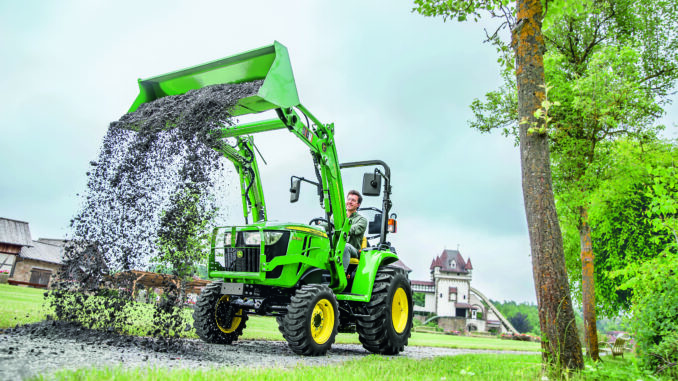
The John Deere 2750 is a mid‑size utility tractor designed for field work, loader tasks and heavier yard maintenance rather than just mowing a home lawn. It typically features a diesel engine, live or independent PTO, power steering and hydraulic remotes, making it a solid choice for small farms, acreage owners and serious rural properties.
This John Deere 2750 Repair Guide: Parts, Diagrams, Manuals is written for owner‑operators in the USA and Canada who handle their own basic maintenance and want clear boundaries on what is realistic DIY versus dealer work. You’ll find symptom‑first troubleshooting, parts and diagrams information, step‑by‑step procedures for common jobs, a practical maintenance schedule and an extended FAQ focused on what you actually see and hear from the tractor.
General overview of the John Deere 2750
The John Deere 2750 sits in the 2700‑series utility tractor family, positioned as a versatile 70‑ish horsepower class machine suitable for haying, loader work, light tillage and general farm chores. Key systems you’ll deal with on the 2750 include the diesel engine and fuel system, cooling system, hydraulic system, transmission and rear axle, three‑point hitch and PTO, steering and brakes, and the electrical and safety interlock system.
Common service parts owners buy for the John Deere 2750 include engine oil and filters, fuel filters, air filters, hydraulic filters, V‑belts, radiator hoses, brake components, PTO and hydraulic seals, batteries, light bulbs, fuses and various switches. Many machines also need replacement seat assemblies, steering components and linkage parts as they age, especially if they have worked with loaders or heavy implements.
Troubleshooting approach for the John Deere 2750
Effective diagnosis on a John Deere 2750 should always start from the symptom you see or feel, not from guessing which major component has failed. Begin with a simple description such as “won’t crank,” “cranks but won’t start,” “loses power when hot,” “hydraulics slow,” or “PTO won’t engage,” then work through basic checks before diving into advanced repairs.
For this model, the main symptom categories are starting issues, running and power problems, hydraulic and three‑point issues, PTO and transmission/drive problems, steering and brake concerns, overheating and leaks, and electrical or safety‑switch faults. Treat each symptom as a separate problem, even when more than one appears at once, because a single underlying issue (like low voltage or contaminated fuel) may cause several behaviors.
John Deere 2750 starting issues: emergency checks
Starting problems on a John Deere 2750 show up as either a dead key (no crank), slow or clicking cranking, or a normal crank that never fires the engine. This matters because repeated cranking can damage the starter, and using starting fluid incorrectly can cause serious engine damage.
Common causes:
-
Weak or failed battery.
-
Loose, corroded or damaged battery cables and grounds.
-
Faulty key switch, starter relay or starter solenoid.
-
Safety switches not made (clutch, PTO, gear selector depending on configuration).
-
Air in fuel system after filter changes or running out of fuel.
Basic owner checks:
-
Verify the battery is properly charged and the terminals are clean and tight.
-
Inspect main ground and positive cables for corrosion, broken strands or loose clamps.
-
Confirm the transmission is in neutral, PTO is disengaged and any clutch or park switches are correctly set.
-
Listen for starter behavior: no sound, a single click, repeated clicks or slow cranking all point to different issues.
-
If the tractor cranks but will not start, check fuel shut‑off position and consider bleeding the fuel system before repeated attempts.
John Deere 2750 running, power and fuel problems
Running issues on a John Deere 2750 include hard starting when hot or cold, rough idle, loss of power under load, stalling, or black/white/blue exhaust smoke. These problems can quickly escalate into internal engine damage or unsafe operating conditions if you keep pushing the tractor under load.
Common causes:
-
Restricted fuel filter or low fuel quality/water contamination.
-
Air leaks in fuel lines or fittings.
-
Dirty or restricted air cleaner and intake path.
-
Incorrect injection timing or worn injectors (advanced repair).
-
Low compression, advanced wear in the engine (dealer‑level diagnosis).
Basic owner checks:
-
Review service history and replace the fuel filter if its age is unknown.
-
Confirm the fuel shut‑off is fully open and there are no obvious leaks or drips along fuel lines.
-
Inspect the air filter element and pre‑cleaner; replace or clean as recommended if dirty.
-
Note whether loss of power is only under heavy load or also at light throttle, as this helps separate fuel versus internal engine issues.
-
If the tractor recently ran out of fuel or had a filter change, bleed the fuel system carefully according to the manual before further operation.
John Deere 2750 vibration and noise problems
Vibration and abnormal noise on the John Deere 2750 commonly show up as seat, steering wheel or floorboard shaking, driveline rumbling, knocking from the engine area, or squealing belts. Sudden new vibration or loud noises should be treated as urgent because they often signal impending mechanical failure.
Common causes:
-
Damaged or loose front‑end components or loader mounts.
-
Worn universal joints or driveline components.
-
Bent PTO shaft or misaligned implements.
-
Loose engine or transmission mounts.
-
Bearing failures in pumps, alternator or other belt‑driven accessories.
Basic owner checks:
-
Stop the tractor and inspect around the engine, front axle, and transmission for loose or broken brackets or bolts.
-
Remove any implements and test the tractor without them to isolate whether vibration comes from the machine or the attachment.
-
Check PTO shafts and joints for bends, missing guards or excessive play.
-
Listen carefully to localize noise to front engine area, mid‑chassis or rear axle, then report that detail if you seek dealer help.
-
Do not keep operating a tractor with severe vibration; investigate immediately to avoid major damage.
John Deere 2750 overheating and fluid leaks
Overheating and leaking fluids on a John Deere 2750 are critical issues because they can quickly lead to engine failure, hydraulic damage or unsafe braking and steering performance. Signs include temperature gauge climbing into the red, coolant overflow, burning smells, visible drips or puddles of oil, coolant or hydraulic fluid.
Common causes:
-
Low coolant level or blocked radiator fins.
-
Failed or slipping fan belt.
-
Stuck thermostat or failing water pump (advanced).
-
Loose or damaged hoses and clamps.
-
Hydraulic leaks at hoses, fittings, pumps or cylinders.
Basic owner checks:
-
Park safely, shut down and allow the tractor to cool fully before opening any cooling system components.
-
Inspect coolant level in the radiator and overflow tank, and look for external leaks around hoses, pump and radiator.
-
Check fan belt tension and condition and clear debris from radiator fins and screens.
-
Identify any fluid puddles and note their location (engine, transmission, hydraulic, steering) and color before wiping or cleaning.
-
Avoid repeatedly running an overheating tractor just to finish a job; resolve the root cause first.
John Deere 2750 transmission, PTO and drive problems
On a John Deere 2750, transmission and drive problems show up as difficulty shifting, grinding gears, loss of drive, slipping under load, or PTO not engaging or staying engaged. These issues directly affect safety and can damage clutches, gears and shafts if ignored.
Common causes:
-
Low or incorrect transmission/hydraulic oil level.
-
Worn or misadjusted clutch linkage.
-
Internal clutch pack or gear damage (dealer‑level).
-
PTO linkage misadjustment or worn PTO clutch components.
-
Contaminated or old hydraulic/transmission oil.
Basic owner checks:
-
Confirm you are using the correct grade of hydraulic/transmission oil and that the level is within the dipstick or sight‑glass range.
-
Inspect external clutch and PTO linkages for free movement and obvious misadjustment or damage.
-
Note whether the drive loss happens only under heavy load or all the time; this detail helps separate simple adjustment from deeper failure.
-
Listen for grinding noise when shifting and avoid forcing gears if they do not engage smoothly.
-
If transmission or PTO problems persist after oil and linkage checks, plan for a dealer visit rather than attempting internal repairs yourself.
John Deere 2750 electrical and safety‑switch faults
Electrical and safety‑switch faults on a John Deere 2750 often manifest as intermittent starting, dead gauges or lights, or the tractor shutting off unexpectedly when controls are moved. Because safety interlocks prevent unintended movement, bypassing them is dangerous and should not be part of any repair plan.
Common causes:
-
Weak battery or alternator output issues.
-
Blown fuses or corroded fuse contacts.
-
Damaged wiring, especially around moving linkages and loader mounts.
-
Faulty key switch or relays.
-
Misaligned or failed safety switches for clutch, PTO or transmission position.
Basic owner checks:
-
Test battery voltage and charging output if you have a simple multimeter; otherwise note whether lights brighten with throttle and report this.
-
Check fuses for continuity and clean or replace any corroded or damaged ones.
-
Inspect visible wiring harnesses for chafing, pinch points and broken insulation.
-
Gently operate linkages that carry safety switches and observe whether starting or running behavior changes when they move.
-
Avoid bypassing safety switches; instead focus on correct alignment and replacement if they fail.
DIY or dealer? Repair decision guide for the John Deere 2750
With a tractor like the John Deere 2750, the realistic DIY line is usually at routine maintenance, straightforward bolt‑on parts and basic external adjustments. Anything that involves opening the transmission, major hydraulic component removal, internal engine work or complex electrical diagnosis is typically a dealer or experienced mechanic job.
Good DIY jobs:
-
Regular engine oil and filter changes.
-
Fuel and air filter replacement and basic fuel bleeding.
-
Battery, cables, light bulbs and simple electrical connections.
-
Fan belt replacement and radiator cleaning.
-
Greasing front axle, steering and linkage points.
Advanced DIY or dealer jobs:
-
Hydraulic pump, steering valve or brake system repairs.
-
Internal transmission or PTO clutch work.
-
Injector replacement and injection pump timing.
-
Major engine repairs (head work, bottom‑end).
-
Complex wiring harness troubleshooting and replacement.
Skill level guide:
-
Beginner: Fluids and filters, battery, lights, simple belts and greasing.
-
Intermediate: Fuel bleeding, basic hydraulic hose replacement, external linkage adjustment, some minor steering/brake adjustments.
-
Advanced: Internal engine work, transmission and PTO clutches, hydraulic pump overhaul, deep electrical diagnostics.
Parts needed for John Deere 2750: OEM vs aftermarket
Before ordering John Deere 2750 parts, gather complete identification details so that you match the correct components to your exact tractor. This includes the full model name, the tractor Product Identification Number (PIN), engine model and serial, and any configuration notes such as whether it has a particular transmission or regional spec.
For the John Deere 2750, typical service and repair parts include:
Treat the numbers above as typical examples only; always confirm the exact OEM reference for your tractor via diagrams or manuals before ordering. OEM parts are strongly recommended for belts, filters, safety‑critical components, hydraulic system parts and anything that is highly fit‑sensitive. Aftermarket parts can be acceptable for consumables like some filters, batteries and certain external components as long as they cross‑reference properly against the OEM number and are supplied by reputable brands.
Where to find John Deere 2750 parts diagrams and service manuals
You can access John Deere 2750 diagrams and manuals from several key sources:
-
Operator’s manual: Available through John Deere’s official publications portal; search for “John Deere 2750 operator’s manual” to get the basic operating, safety, maintenance and troubleshooting information.
-
Technical/repair manual: A more detailed service manual providing step‑by‑step repair coverage, specifications and diagnostic charts. It is often sold through Deere Technical Publications and authorised resellers.
-
Online parts catalog: John Deere’s online parts system allows you to enter “2750” and your PIN to view exploded diagrams, part numbers and notes for all major systems.
-
Third‑party Deere‑focused parts sites: Many reputable parts suppliers provide a John Deere 2750‑specific page with diagrams, cross‑referenced parts and aftermarket options.
Use the operator’s manual for routine maintenance, basic troubleshooting and safety; turn to the technical manual and online parts diagrams for deeper repair work and to confirm exact part numbers before buying.
How to locate John Deere 2750 model, serial and engine numbers
Model, serial and engine numbers are essential for ordering correct parts and using the right diagrams for your John Deere 2750. Small differences in serial range or engine configuration can change filters, seals, hydraulic components and electrical parts.
Follow these steps:
-
Park the tractor safely on level ground, lower all implements, shut off the engine and remove the key.
-
Locate the tractor Product Identification Number plate or stamping, typically on or near the rear transmission case or main chassis; record the full PIN exactly as printed.
-
Identify the engine serial number on the engine block or data plate as referenced by the operator’s manual; write down both model and serial.
-
Check any attachment data plates (loaders, rear implements, etc.) for their own model and serial numbers if you need parts for those.
-
Keep these numbers in a dedicated maintenance notebook or digital note so you can quickly provide them to dealers or online parts sites.
Buying John Deere 2750 parts online and in stores
The best buying strategy for John Deere 2750 parts is to first identify the symptom, then confirm the exact OEM part reference using a diagram or manual, and only then compare dealer, OEM‑online and reputable aftermarket listings. This reduces mistakes and returned orders.
Buying options:
-
Online: Use official John Deere parts sites and strong aftermarket suppliers, always checking OEM numbers, your PIN and any notes about serial‑specific fitment.
-
Dealer counter: Ideal for complex or serial‑sensitive items like hydraulic components, transmission parts and electronic modules; staff can cross‑reference your PIN and engine serial.
-
Retail stores: Suitable for common consumables—engine oil, grease, some filters and batteries—provided the packaging clearly lists compatibility with John Deere utility tractors and you confirm cross‑reference.
Step‑by‑step fitting guide: John Deere 2750 engine oil and filter change
Changing engine oil and filter on the John Deere 2750 is one of the highest‑impact DIY jobs because it directly affects engine life and reliability under load.
Steps:
-
Park the tractor on level ground, shut off the engine and allow it to cool; set the parking brake and chock wheels if needed.
-
Place a suitable drain pan under the engine drain plug, remove the plug carefully and allow the oil to drain fully.
-
Remove the old oil filter using a filter wrench if necessary, making note of any orientation or adapter pieces.
-
Lightly oil the gasket on the new filter, install it by hand until the gasket contacts the base, then turn according to the filter’s instructions (usually three‑quarters to one full turn).
-
Reinstall the drain plug with the proper torque, fill the engine with the recommended grade and amount of oil, then start and idle the tractor while checking for leaks.
-
Shut down, wait a few minutes and recheck oil level; adjust as needed.
Step‑by‑step fitting guide: John Deere 2750 fuel filter and bleeding
Fuel filter service on the John Deere 2750 helps prevent running issues and protects injectors from contamination.
Steps:
-
Clean around the existing fuel filter housing to prevent dirt entering the system, then shut off the fuel supply if your tractor has a shut‑off valve.
-
Remove the old filter or element carefully, catching any fuel in a pan; inspect for signs of water or heavy debris as a clue to fuel quality.
-
Install the new filter or element according to the housing design, ensuring seals and gaskets seat properly.
-
Open the fuel supply and use the manual priming system (if fitted) or follow the operator’s manual procedure to bleed air from the system using bleed screws.
-
Crank and start the tractor, allowing it to idle while checking for leaks and smooth running; avoid heavy load until you’re sure all air is purged.
Step‑by‑step fitting guide: John Deere 2750 air filter service
Keeping the air filter clean on a John Deere 2750 maintains engine performance and reduces smoke and wear.
Steps:
-
Shut off the tractor and wait for moving parts to stop; open the air cleaner housing according to the manual.
-
Remove the primary air filter element carefully, avoiding tapping it hard against surfaces that can damage the filter media.
-
Inspect the element for heavy dirt, oil or damage; replace if it is heavily contaminated or at its scheduled interval.
-
Clean the housing interior gently and check any pre‑cleaner components are in place and unobstructed.
-
Install the new or cleaned element, close the housing securely and ensure all clamps and seals are properly seated.
Step‑by‑step fitting guide: John Deere 2750 fan belt replacement
A sound fan belt on the John Deere 2750 protects against overheating and charging issues.
Steps:
-
With the engine off and cool, inspect the current belt for cracks, glazing or fraying; plan replacement if any damage is present.
-
Note the belt routing around pulleys, taking a photo if needed for reference.
-
Loosen the alternator or tensioner mounting bolts enough to relieve tension and remove the old belt from all pulleys.
-
Fit the new belt according to the original routing, then pull the alternator or tensioner outward to achieve proper tension (firm but not overly tight).
-
Tighten mounting bolts securely, rotate the engine by hand if possible (or briefly bump the starter with fuel off) to settle the belt, and recheck tension.
Maintenance to prevent recurring John Deere 2750 problems
Regular maintenance on the John Deere 2750 is the single best way to avoid repeated failures and lost work time. Many chronic issues—hard starting, poor power, hydraulic sluggishness and overheating—trace back to neglected filters, fluids and basic inspections.
Focus areas:
-
Starting reliability: Keep battery, cables, grounds, key switch and starter circuit in good condition; replace batteries before they become marginal.
-
Fuel and power quality: Maintain clean fuel, timely filter changes and a clean air intake to preserve strong power and reduce smoke.
-
Fire and overheating prevention: Inspect belts, hoses and radiators routinely; keep debris off hot surfaces and around engine/exhaust.
-
Drive and hydraulic performance: Follow fluid and filter intervals, avoid overloading, and address leaks early.
-
Electrical reliability: Protect wiring from chafing, keep fuses and connections clean, and avoid unauthorised modifications.
John Deere 2750 maintenance schedule and year‑round checklist
Always base your John Deere 2750 maintenance schedule on the official chart in the operator’s manual, but you can think about tasks in practical time blocks.
Daily / before each use:
-
Walk‑around inspection for leaks, loose parts and tyre condition.
-
Check engine oil level.
-
Check coolant level and radiator debris accumulation.
-
Verify lights and critical gauges function correctly.
After several hours of heavy use (e.g. 8 hours):
-
Check fuel level and note fuel quality sources.
-
Inspect front axle and steering components for looseness.
-
Look for new hydraulic leaks around hoses and fittings.
Every 25 hours:
-
Grease recommended zerk fittings on steering, suspension, and linkage points.
-
Inspect air cleaner restriction indicator and housing.
-
Check battery terminals and cables for corrosion.
Every 50 hours or yearly:
-
Change engine oil and filter according to manual guidance.
-
Inspect fan belt and cooling system hoses; replace as needed.
-
Review brake and clutch pedal free play and adjust if specified.
Every 200 hours or as specified:
-
Replace fuel filters and bleed system properly.
-
Replace hydraulic/transmission filters and fluid as recommended.
-
Perform deeper inspection of steering, front axle and driveline components.
Seasonal checklist (spring, mid‑season, fall):
-
Spring: Complete fluids and filters service, check tyres and adjust as needed, inspect implements and PTO components.
-
Mid‑season: Recheck cooling system cleanliness, hydraulic performance and brakes; inspect loader mounts if fitted.
-
Fall: Prepare for storage or winter work with battery checks, fuel conditioning, and a thorough cleaning to reveal leaks or wear.
John Deere 2750: repair, upgrade or replace?
For the John Deere 2750, the general rule is that a structurally sound tractor with a good chassis, axle and sheet metal is usually worth repairing, especially for engine and hydraulic issues that can be properly diagnosed. Upgrades make sense when the tractor fundamentally suits your operation but needs improved comfort or modernised components; replacement becomes attractive if frame, driveline and major systems are badly worn across the board.
Repair if…
-
The tractor starts, runs and drives but has specific problems like leaks, weak hydraulics, or individual component failures.
-
The PIN and serial range are within strong support availability for parts and manuals.
-
You have a clear diagnosis and parts availability at reasonable cost.
Upgrade if…
-
You need better lighting, seating, controls or hydraulic options but the machine is sound otherwise.
-
Adding a loader or improved implements makes more sense than buying a whole new tractor.
-
You want reliability improvements via better batteries, wiring cleanup or accessory updates.
Replace if…
-
Multiple major systems (engine, transmission, hydraulics) are failing at once and repairs would exceed the tractor’s value.
-
The chassis or axles are cracked or structurally compromised.
-
You require a substantially different horsepower or configuration that the 2750 cannot provide even with upgrades.
Expanded troubleshooting FAQ: John Deere 2750
1. Why will my John Deere 2750 not start at all?
A total no‑start on a John Deere 2750 is usually electrical, not fuel. Begin by checking battery voltage, cable condition and ground connections, then confirm the key switch and starter relay are functioning. Make sure safety switches for clutch and PTO are properly set, as an open interlock will prevent cranking. If there is no click or sound when turning the key, focus on the electrical path from battery to starter rather than the fuel system.
2. Why does my John Deere 2750 crank but not fire?
When the 2750 cranks but never starts, the problem is more likely in fuel delivery or compression. Check fuel level and quality, then inspect and replace the fuel filter if clogged or old. Ensure the fuel shut‑off is fully open and bleed the fuel system after any filter changes or if the tractor ran out of fuel. If the tractor still refuses to fire after proper bleeding, deeper fuel system or compression issues may require dealer diagnosis.
3. Why is my John Deere 2750 hard to start when cold?
Cold starting problems often indicate marginal battery power, glow plug or cold‑start aid issues (if fitted), or fuel that is too thick or contaminated. Make sure the battery is strong and appropriate for cold‑cranking, and check wiring to any cold‑start devices. Using the correct fuel and avoiding water contamination helps as temperatures drop. Repeated extended cranking can damage the starter, so aim for shorter, better‑prepared start attempts.
4. Why is my John Deere 2750 hard to start when hot?
Hot start problems can point to weak starter operation, heat‑soaked electrical components or fuel system issues. Check that the battery and cables still maintain good voltage under heat and load. Inspect starter wiring and consider heat‑related resistance or failing components. If the tractor starts easily cold but struggles hot, a dealer may need to test compression, injection timing or starter draw to find the underlying cause.
5. Why does my John Deere 2750 lose power under load?
Loss of power under load on the 2750 often traces to restricted fuel or air, or deeper engine issues. Start by replacing the fuel filter and checking the air cleaner and intake path, ensuring nothing is blocking airflow. Observe whether power loss happens only at high throttle and heavy work or also in light tasks; constant weakness suggests more serious issues. If filters and basic checks don’t restore performance, injection or internal engine problems may need professional help.
6. Why is my John Deere 2750 smoking heavily?
Excessive smoke can be black (rich fuel or restricted air), white (unburned fuel or coolant) or blue (oil burning). Clean or replace the air filter and inspect fuel quality if smoke is black. White smoke during running can indicate cold combustion or possible coolant issues, and blue smoke points to oil entering the combustion chamber. Persistent heavy smoke warrants a dealer inspection to avoid further engine damage.
7. Why does my John Deere 2750 stall after a few minutes?
Stalling after a short period of running may indicate fuel starvation, ventilation issues in the tank cap, or failing electrical power to fuel shut‑off devices. Check fuel level, filter condition and listen for changes in sound before the stall. Inspect the fuel tank cap and vent for blockage, as a vacuum can build and cut fuel flow. Confirm any electrical fuel shut‑off components are receiving steady voltage during operation.
8. Why is my John Deere 2750 overheating?
Overheating on the 2750 usually relates to cooling system maintenance. Verify coolant level, inspect hoses, and check the radiator for blocked fins or screens. Confirm that the fan belt is correctly tensioned and not slipping. If the coolant is clean and flow seems adequate but overheating persists, thermostat or water pump issues may be present, and running the tractor hot to “get the job done” can cause serious damage.
9. Why is my John Deere 2750 leaking coolant?
Coolant leaks often show as green or orange puddles under the tractor or dried residue on hoses and radiator surfaces. Inspect all hoses, clamps, radiator seams and the water pump area for signs of wetness or stains. Replace damaged hoses and tighten clamps carefully, avoiding overtightening that can cut hose material. If leaks appear at the radiator or pump itself, professional repair or replacement is usually required.
10. Why is my John Deere 2750 leaking hydraulic oil?
Hydraulic oil leaks pose both performance and environmental concerns. Look over hoses, fittings, couplers and cylinders for wet spots or drips. Worn hoses or seals should be replaced promptly to prevent sudden failure. Check hydraulic filter housing and drain plugs for proper sealing. Persistent leaks without obvious external damage may indicate deeper seal or pump issues that need dealer attention.
11. Why are my John Deere 2750 hydraulics slow or weak?
Slow or weak hydraulics can result from low oil level, clogged filters or pump wear. Confirm the hydraulic/transmission oil level is correct and that you are using the specified fluid type. Replace filters at recommended intervals and avoid mixing different fluid types. If hydraulics remain sluggish after fluid and filter service, a dealer can test system pressure and pump output to identify internal wear.
12. Why does my John Deere 2750 three‑point hitch not lift properly?
A three‑point hitch that fails to lift or lifts slowly can be caused by low hydraulic pressure, linkage adjustment problems or worn internal components. Check hydraulic oil level and look for leaks. Inspect external linkages and check that control levers move freely. If the hitch won’t hold an implement up or drops under load, internal valve or cylinder issues may be present and should be assessed professionally.
13. Why does my John Deere 2750 PTO not engage?
PTO problems on the 2750 may stem from linkage misadjustment, low hydraulic pressure (if hydraulically actuated), or clutch component wear. Make sure the PTO control is correctly operated and that safety interlocks are satisfied. Confirm hydraulic oil is at the right level and temperature. If PTO engagement is rough, noisy, or fails under load, avoid further use and consult a dealer to prevent damaging internal parts.
14. Why does my John Deere 2750 PTO shut off under load?
If the PTO engages but drops out when you apply load, the issue likely involves slipping clutch packs, low hydraulic pressure or misadjusted linkage. Check fluid level and quality and ensure filters are up to date. Observe whether PTO loss is immediate or gradual as load increases. Repeated slip events can rapidly wear clutches, so it’s best to have this checked and repaired promptly.
15. Why is my John Deere 2750 hard to shift gears?
Hard shifting can arise from clutch adjustment problems, worn linkage or internal transmission wear. Verify that the clutch pedal has the correct free play as specified in the manual, and inspect linkage for binding or damage. Avoid forcing gears into engagement, as grinding accelerates wear. If correct adjustment does not restore smooth shifting, internal components need professional evaluation.
16. Why does my John Deere 2750 grind when shifting?
Gear grinding suggests the clutch is not fully disengaging, or the operator is shifting too quickly without allowing speeds to match. Recheck clutch free play and linkage condition, and adjust per manual instructions. Practice smoother, deliberate shifts with appropriate pauses as needed. Persistent grinding despite correct technique and adjustment points to clutch or transmission issues that require repair.
17. Why does my John Deere 2750 lose drive suddenly?
Sudden loss of drive can be dramatic and unsafe, especially when working on slopes or near obstacles. Confirm that the transmission is still in gear and that clutch and linkage did not fail mechanically. Check hydraulic/transmission oil level and look for obvious leaks. If the tractor will rev but not move, or drive returns intermittently, stop using it and arrange for a dealer inspection, as internal failures are likely.
18. Why are the brakes on my John Deere 2750 weak or uneven?
Weak or uneven braking may result from worn brake linings, contamination with oil, misadjusted linkages or hydraulic brake issues. Inspect for leaks near brake housings and check fluid levels if applicable. Follow the manual to adjust brake pedals evenly. If braking remains poor, especially with load or speed, a full brake system service is essential for safe operation.
19. Why does my John Deere 2750 pull to one side when driving?
Pulling to one side can be caused by tyre pressure differences, brake drag on one side, or steering component wear. Start by checking and equalising tyre pressures. Inspect brakes for dragging or uneven adjustment. If the tractor continues to drift, steering linkage and front axle components should be inspected for wear or damage, and corrective work may involve both DIY and dealer tasks.
20. Why are my John Deere 2750 lights and gauges not working?
Dead lights and gauges usually indicate blown fuses, poor connections or wiring issues. Check the main fuse box, replacing any blown units and cleaning contacts as needed. Inspect wiring harnesses around the dash and under the hood for loose plugs or chafed wires. If multiple electrical systems fail together, a main ground or power feed may be compromised, which is best resolved with careful electrical diagnosis.
21. Why does my John Deere 2750 shut off when I move controls?
If the tractor dies when you engage PTO, release clutch or move certain controls, safety interlocks may be cutting power due to misalignment or faults. Observe exactly which action triggers shutdown and whether warning lights appear. Inspect the associated safety switches and linkages for damage or incorrect position. Adjust or replace switches rather than bypassing them, as they are core to safe operation.
22. Why does my John Deere 2750 battery keep going flat?
A battery that repeatedly goes flat can signal a charging system problem or parasitic drain. Check alternator belt tension and inspect output if you have a meter. Confirm all lights and accessories are turned off when the tractor is parked. Corroded terminals or weak batteries can also mimic charging issues, so replace old batteries with appropriately rated ones and maintain clean connections.
23. Why is my John Deere 2750 starter clicking but not turning?
A clicking starter on the 2750 often means low voltage reaching the starter under load. Clean and tighten battery terminals and inspect cables and grounds for corrosion or damage. Check the battery’s state of charge and consider load testing. If voltage and cables are sound but clicks continue, starter solenoid or internal starter wear may be present and require rebuild or replacement.
24. Why does my John Deere 2750 have intermittent electrical faults?
Intermittent electrical problems are often due to loose connections, damaged wiring, or moisture in connectors. Carefully inspect harness runs, especially where they pass through tight spaces or near moving components. Look for signs of pinched, rubbed or broken insulation. Stabilise and protect wiring with proper clips and loom. Persistent intermittent faults where wiring appears sound may need professional diagnostic tools.
25. Why does my John Deere 2750 vibrate badly at certain speeds?
Speed‑specific vibration can indicate driveline imbalance, PTO shaft issues or resonance in worn mounts. Remove implements and test whether vibration remains when the tractor runs by itself. Inspect PTO shafts and joints for bends or damage. Check engine and transmission mounts for wear and looseness. If vibration only occurs with particular attachments, the issue is likely in the attachment or its shaft, not the tractor.
26. Why does my John Deere 2750 shake when I use the loader?
Loader‑related shaking can result from loose loader mounts, worn pins or hydraulic issues. Inspect all mounting hardware, pins and bushings for wear or play. Check hydraulic hoses and cylinders for leaks or unusual movement. Avoid using a loader with obvious structural looseness, as it can damage the tractor frame and pose safety risks. Tightening and replacing worn components often restores stable operation.
27. Why is my John Deere 2750 steering heavy or unresponsive?
Heavy steering may indicate low hydraulic pressure (if power steering is fitted), low fluid, or mechanical wear in steering components. Confirm hydraulic/transmission fluid level and type and check for leaks around steering valves and cylinders. Inspect front tyres and bearings for problems that increase steering effort. If steering remains heavy despite proper fluid and tyre condition, steering pump or valve issues may need dealer repair.
28. How often should I change fluids on my John Deere 2750?
Fluid intervals vary by region and use, but engine oil and filter are typically changed at regular hour‑based intervals listed in the operator’s manual. Hydraulic/transmission fluid and filters have longer intervals but are just as critical. Coolant should be refreshed according to manufacturer guidelines to maintain corrosion protection. Always follow the manual chart and adjust for particularly heavy or dusty usage.
29. Do I have to use John Deere branded fluid and filters on my 2750?
You do not necessarily have to use Deere‑branded products, but any alternative must meet the specifications listed in the manual and correctly cross‑reference OEM part numbers. OEM filters and fluids eliminate guesswork at the cost of higher price. Reputable aftermarket options can be safe for some consumables, but low‑quality parts risk damage and poor performance, especially in hydraulic and engine systems.
30. When should I take my John Deere 2750 to a dealer instead of doing it myself?
You should involve a dealer whenever the problem requires opening major components (engine internals, transmission, hydraulic pumps), advanced diagnostics or specialised tools. Also seek dealer help if your troubleshooting produces conflicting results or you cannot clearly identify the fault. Safety‑critical systems like brakes and steering beyond basic adjustment are often best handled by professionals.
31. Can I still get parts and manuals for an older John Deere 2750?
In most cases, parts and manuals remain available for older John Deere 2750 tractors through official channels and aftermarket suppliers. Some cosmetic or rare components may become harder to source. Keeping your PIN and engine serial handy helps dealers and online catalogs find compatible parts. Used parts yards can sometimes fill gaps for obsolete items.
32. How do I know which John Deere 2750 parts are serial‑specific?
Serial‑specific parts are usually flagged in parts catalogs and diagrams, with notes that mention ranges or breakpoints. When you search online or speak with a dealer, they will ask for your PIN and may tell you that certain filters, seals or components changed at a particular serial number. Always supply your full PIN and engine serial to avoid ordering parts that fit a different revision.
33. How can I improve starting reliability on my John Deere 2750?
Start by ensuring the battery, cables and grounds are in excellent condition. Replace the battery before it becomes marginal, and keep terminals clean. Maintain fuel and air filters according to schedule to avoid hard starting due to restriction. If the tractor has cold‑start aids, make sure they are functional. Avoid unnecessary electrical accessories that drain the system.
34. What simple upgrades make the John Deere 2750 easier to live with?
Useful upgrades include improved LED lighting, a more comfortable seat, better mirrors, and protective guards where wiring is exposed. Installing a battery disconnect switch can help prevent parasitic drain during long storage periods. Organising tools and manuals in a dedicated box on or near the tractor also helps you respond quickly to minor issues.
35. How should I store my John Deere 2750 between seasons?
For seasonal storage, clean the tractor thoroughly, address any known leaks or minor issues, and complete due fluid and filter changes. Keep the battery charged and consider a maintainer if storage is long. Store with a full tank of treated fuel to reduce condensation. Protect from weather as much as possible, and perform a full walk‑around inspection before bringing the tractor back into service.