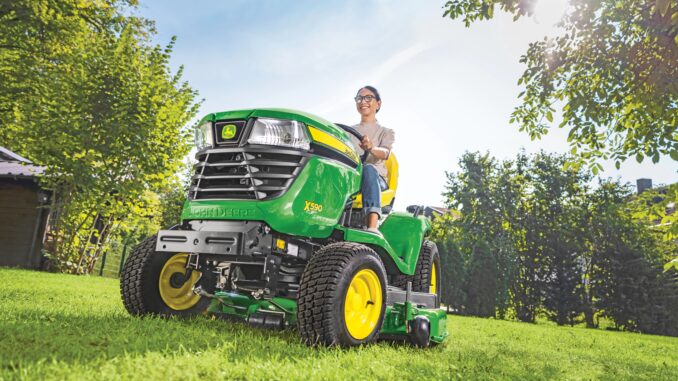
The John Deere 420 lawn and garden tractor is a heavy‑duty, 20‑horsepower class garden tractor built for larger residential properties and light estate or acreage work. It typically uses an Onan twin‑cylinder gasoline engine, hydrostatic drive with high/low ranges, power steering, hydraulic lift, and mid‑mount mower decks in the 50‑inch and 60‑inch range.
For most homeowners, a John Deere 420 handles mowing, light grading, snow removal with front attachments, and towing garden carts or small implements. This guide walks through symptom‑based troubleshooting, realistic DIY repairs, routine maintenance, parts information, and an expanded FAQ tailored for USA and Canadian owners.
General overview of the John Deere 420 lawn and garden tractor
Within the Deere lineup, the John Deere 420 lawn and garden tractor sits above typical lawn tractors like the D100/S200 series and below compact utility tractors; it is part of the classic 300/400‑series garden tractor family (316/318/420) known for hydraulic capability and heavier frames. It is built around an Onan B48G/P220G 20‑hp class gasoline engine driving a Sundstrand hydrostatic transmission with power steering and hydraulic lift.
Key systems and components relevant to this model include the engine and fuel system (Onan twin, mechanical fuel pump, carburetor), mower system (50‑inch or 60‑inch mid‑mount deck, belt‑driven from PTO), drive system (hydrostatic transaxle, drive shaft, differential), and electrical system (starter, charging system, ignition, safety interlocks, lights). Typical owner‑purchased parts include tune‑up kits (air filter, pre‑cleaner, fuel filter, oil filter, spark plugs), mower deck belts, blades for 50‑inch/60‑inch decks, PTO belts, and battery and safety switches.
Common service parts owners actually buy for the John Deere 420 lawn and garden tractor include:
-
Engine air filter and foam pre‑cleaner for the Onan engine.
-
Inline fuel filter and oil filter (often sold as 316/318/420 kits).
-
Spark plugs (two per engine; often packaged with filter kits).
-
Mower deck drive belts (for 50‑inch deck belt M48444 or 60‑inch deck belt M140021).
-
Mower blades matched to deck width and style.
Troubleshooting approach for John Deere 420 lawn and garden tractor
Effective troubleshooting on the John Deere 420 starts from the symptom the owner sees, not from guessing specific failed parts. Always observe what the tractor is doing or not doing, then narrow down the system involved (starting, fuel/ignition, deck drive, hydrostatic drive, hydraulics, or electrical).
For this model, the main symptom categories are:
-
Starting issues (no crank, slow crank, no start)
-
Running issues (surging, stalling, backfiring, power loss)
-
Cut quality problems (uneven cut, scalping, streaks, uncut strips)
-
Vibration and noise (deck vibration, driveline noise, rattles)
-
Overheating and leaks (engine running hot, oil or fuel leaks)
-
Transmission/drive problems (won’t move, weak on hills, jerky drive)
-
Electrical and safety switch problems (PTO won’t engage, engine dies when PTO engaged or when backing)
Always secure the machine safely before troubleshooting: lower all attachments, set park brake, shut off engine, and remove the key.
Emergency and immediate repair needs on John Deere 420 lawn and garden tractor
Some John Deere 420 issues must be dealt with immediately because they affect safe operation or can quickly damage expensive components. This section highlights those high‑priority problems by symptom, with simple checks owners can perform before calling a dealer.
Starting issues on John Deere 420 lawn and garden tractor
Starting issues include the engine not cranking at all, cranking slowly, or cranking normally but not firing. These matter because repeated crank attempts with weak battery or poor fuel delivery can damage starters, drain batteries, and flood cylinders.
Common causes:
-
Weak or failing battery, corroded battery cables, or poor grounds
-
Faulty safety switches (seat, PTO, brake) preventing crank
-
Bad ignition switch or starter solenoid
-
Old fuel, closed fuel shutoff, or plugged fuel filter
-
Fouled spark plugs or weak ignition
Owner checks:
-
Verify the parking brake is engaged, PTO is off, and operator is seated to satisfy safety switches.
-
Inspect battery terminals for corrosion; clean and tighten as needed.
-
Check battery charge with a multimeter or charger display; recharge or replace if low.
-
Confirm fuel shutoff valve is open and fuel is fresh; replace the inline fuel filter if clogged.
-
Remove and inspect spark plugs; clean or replace if fouled or worn.
Cut quality problems on John Deere 420 lawn and garden tractor
Cut quality problems show as uneven height, scalping on bumps, strips of uncut grass, or poor clipping dispersal. Poor cut quality often points to deck level issues, worn blades, or incorrect deck height settings, and running the deck in poor condition accelerates wear on spindles and belts.
Common causes:
-
Dull, bent, or mismatched blades
-
Deck not level side‑to‑side or front‑to‑back
-
Incorrect tire pressures affecting deck attitude
-
Clogged underside of deck or baffle damage
-
Wrong deck belt or belt routing causing poor blade speed
Owner checks:
-
Verify tire pressures match the operator’s manual recommendations.
-
Inspect blades for sharpness, nicks, or bends; sharpen or replace with correct part numbers.
-
Clean the underside of the deck to remove packed grass and debris.
-
Use a flat surface and ruler or deck‑leveling gauge to check deck level and adjust hangers as specified.
Vibration and noise on John Deere 420 lawn and garden tractor
Excess vibration or noise may be felt through the seat and steering wheel or heard as rattles, grinding, or whining, often when the PTO is engaged. Severe vibration can damage bearings and belts and can indicate a loose or failing rotating component.
Common causes:
-
Bent or unbalanced blades
-
Damaged deck spindle bearings
-
Loose or worn deck belt and idlers
-
Loose engine mounts or driveshaft couplings
-
Debris wrapped around spindles or pulleys
Owner checks:
-
Disengage PTO, shut off engine, and inspect deck and PTO belts for damage or looseness.
-
Inspect blades for damage and ensure they are correctly installed and torqued.
-
Spin each deck spindle by hand (engine off) to feel for roughness or play.
-
Check for loose guards, shields, or hardware that may rattle.
Overheating and leaks on John Deere 420 lawn and garden tractor
Overheating shows as the engine running very hot, losing power, or shutting down; leaks may be fuel, oil, or hydraulic fluid. Ignoring overheating risks engine damage, while fuel leaks pose fire hazards.
Common causes:
-
Clogged engine cooling fins or blower housing with grass and debris
-
Low engine oil level or wrong oil grade
-
Fuel line cracks or loose clamps
-
Oil filter or drain plug leaks after service
-
Hydraulic line leaks (where equipped)
Owner checks:
-
With engine cool, remove engine shrouds as needed and clean cooling fins and air passages.
-
Check engine oil level and top up with correct grade oil per manual.
-
Inspect fuel lines, clamps, and filter connections for dampness or cracks.
-
Check under tractor for fresh oil or hydraulic fluid and trace to source if possible.
Transmission and drive problems on John Deere 420 lawn and garden tractor
Drive issues include the tractor not moving, moving weakly, or surging/jerking when using the hydrostatic control lever. Hydrostatic system problems can quickly worsen if run with low oil, contaminated oil, or mechanical damage.
Common causes:
-
Park brake left on or partially engaged
-
Low or incorrect hydrostatic/transaxle fluid level
-
Air in the hydrostatic system after service
-
Worn linkage or misadjusted hydro control
-
Internal hydrostatic or differential wear
Owner checks:
-
Confirm park brake is fully released before driving.
-
Refer to the manual and check hydrostatic fluid level, topping up with the specified oil.
-
If system was recently serviced, perform the prescribed air‑bleed procedure by cycling forward and reverse with wheels off the ground.
-
Inspect control linkage for obvious damage or looseness.
Electrical problems on John Deere 420 lawn and garden tractor
Electrical issues include dead lights, blown fuses, PTO clutch not engaging, or the engine dying when PTO is engaged or when operator leaves the seat. These problems can compromise safety systems and prevent mowing.
Common causes:
-
Blown fuses or faulty wiring to lights and accessories
-
Failing PTO switch or PTO clutch
-
Faulty seat or PTO safety switch
-
Weak charging system (stator/rectifier) causing battery drain
Owner checks:
-
Inspect fuses and replace with correct ratings where necessary.
-
Check that wiring connectors at the PTO switch, clutch, and seat switch are secure.
-
Observe whether the engine consistently dies when PTO is engaged or when standing up; this often points to safety switch faults.
-
If battery continually discharges, have charging system output tested with a meter.
DIY or dealer? Repair decision guide for John Deere 420 lawn and garden tractor
For the John Deere 420 lawn and garden tractor, the practical DIY limit is routine service, basic deck work, and simple electrical fixes, while deep engine or hydrostatic repairs are usually best left to experienced technicians or dealers. The machine is robust but compact, and many components require safe support, special tools, or precise adjustments.
Good DIY jobs:
-
Oil and filter changes, air filter and pre‑cleaner service, fuel filter and spark plug replacement.
-
Blade removal, sharpening, and replacement.
-
Deck belt replacement and basic deck leveling.
-
Battery replacement and cleaning grounds/connections.
-
Basic switch replacement (seat switch, PTO switch) and fuse replacement.
Advanced DIY or dealer jobs:
-
Carburetor rebuilds, governor and mixture adjustments.
-
Hydrostatic transmission/internal drive repairs.
-
Major engine work (valve jobs, short block replacement).
-
Steering and front axle bushing/kingpin replacements requiring press work.
-
Electrical diagnostics involving charging system or complex wiring faults.
Skill level guide:
-
Beginner: oil and filter changes, air and fuel filter replacement, spark plugs, battery service, deck cleaning.
-
Intermediate: deck belt replacement, blade changes with proper torques, deck leveling, basic switch replacement.
-
Advanced: engine internals, hydrostatic system repair, wiring harness replacement, hydraulic troubleshooting.
Parts needed, OEM vs aftermarket, and what information you need
Before ordering parts for a John Deere 420 lawn and garden tractor, owners should collect the full model designation, the Product Identification Number (PIN), the engine model and serial number, and the mower deck size (50‑inch or 60‑inch deck) or other attachment model in use. This information ensures correct belt lengths, filters, blades, and safety components, especially because Deere and Onan made running changes over the production run.
Key parts for the John Deere 420 lawn and garden tractor (examples):
Guidance on OEM vs aftermarket:
-
OEM parts are strongly recommended for belts, safety‑critical components, and parts where exact fit and angle matter (deck belts, PTO belts, safety switches).
-
High‑quality aftermarket filters, blades, and batteries can be acceptable if they are clearly cross‑referenced to John Deere and Onan OEM numbers for the 420.
-
For complex or costly parts such as hydrostatic components or steering parts, OEM is usually safer due to engineering tolerances.
Where to find parts diagrams and service manuals for John Deere 420 lawn and garden tractor
Owners can access official John Deere parts diagrams and manuals as well as reputable third‑party manuals for deeper service procedures.
Useful sources include:
-
John Deere online parts catalog (JDParts/Parts Catalog): searchable by model “420” and PIN to view exploded diagrams and part numbers for tractor and decks.
-
Official operator’s manual and technical manual (via Deere Technical Publications or licensed reprints) for 316/318/420 lawn and garden tractors, which cover operation, maintenance, and system‑level repairs.
-
Aftermarket service manuals such as the I&T yard and garden tractor manual covering multi‑cylinder models through 1990, which provide condensed shop guidance.
-
Reputable Deere‑focused parts sites (for example, All States Ag Parts’ John Deere 420 parts page) that organize replacement parts and cross‑references by model.
These resources help verify part numbers, show how assemblies fit together, and outline step‑by‑step repair procedures.
How to locate model, serial and engine numbers on John Deere 420 lawn and garden tractor
Model and serial numbers are essential for ordering correct parts and using the right technical information. Deere often changed components mid‑production, so the PIN can affect belt lengths, switch types, and other parts.
Typical locations:
-
Tractor Product Identification Number (PIN): look for a metal or decal identification plate mounted on the tractor frame, often on the rear or side of the frame near the hitch area or under the seat.
-
Attachment model and serial: mower decks and front attachments typically have their own tags on the deck shell or near the hitch mount; check top surfaces or near the discharge area.
-
Engine model and serial: the Onan engine identification tag is generally on the engine block or blower housing, listing model (e.g., B48G or P220G) and serial.
-
Record these numbers in a notebook or in the operator’s manual cover for quick reference when buying parts or seeking service.
Buying parts online and in physical stores for John Deere 420 lawn and garden tractor
A simple strategy works best: use the official parts catalog to obtain exact OEM numbers, then decide whether to buy OEM from a Deere dealer or cross‑referenced aftermarket parts online or at retail. Always check that parts labeled as compatible with John Deere 420 lawn and garden tractors clearly list the model and deck size on the packaging or product page.
Options and tips:
-
Online: use Deere’s parts portal and other sellers (for example, All States Ag Parts, Reliable Aftermarket Parts, or similar) that provide model‑specific listings; verify OEM numbers like M48444 and M140021 for belts before ordering.
-
Dealer counter: best for complex items, serial‑specific parts, or when advice is needed; bring your PIN and deck model information.
-
Retail stores: acceptable for generic consumables (oil, grease, some filters, batteries) when packaging lists John Deere models or provides clear cross‑reference charts.
Useful URLs for reference:
-
John Deere official parts portal: https://partscatalog.deere.com (model and PIN lookup).
-
John Deere parts and support landing page: https://www.deere.co.uk/en-gb/parts-owner-support/parts (global parts information).
-
Example aftermarket parts provider: https://www.tractorpartsasap.com/parts-categories/tractor-parts/john-deere-tractor-parts/420.html (All States Ag Parts 420 listing).
Step‑by‑step fitting guide for common John Deere 420 lawn and garden tractor parts
This section covers several high‑impact DIY jobs for John Deere 420 lawn and garden tractor owners: oil/filter change, air and fuel filter service, spark plug replacement, and mower deck belt replacement.
Changing engine oil and filter (John Deere 420 lawn and garden tractor)
This job improves engine life, protects against wear, and should be done at intervals in the maintenance schedule or annually.
-
Park on a level surface, set park brake, disengage PTO, stop engine, and remove key; allow engine to cool.
-
Place a drain pan under the engine drain point; open the drain plug or valve and allow oil to drain completely.
-
Remove the oil filter using a filter wrench if needed; be prepared for residual oil and dispose of properly.
-
Lightly oil the gasket of the new filter, thread it on by hand, and tighten snugly according to the manual.
-
Close the drain, refill with the recommended oil type and quantity, start the engine briefly, then recheck level and top up as needed.
Air filter and pre‑cleaner service (John Deere 420 lawn and garden tractor)
Clean air filters protect the Onan engine from dust and debris; a clogged filter reduces power and can cause rich running.
-
Remove the air cleaner cover by releasing the clips or screws as specified.
-
Carefully remove the foam pre‑cleaner and paper air filter; avoid knocking debris into the intake.
-
Replace the paper element if dirty or damaged; clean or replace the foam pre‑cleaner using soap and water, then dry and lightly oil before reinstalling.
-
Reassemble the filter stack in the correct order (paper filter plus foam pre‑cleaner), install cover, and secure fasteners.
Fuel filter replacement (John Deere 420 lawn and garden tractor)
Replacing the inline fuel filter helps prevent carburetor problems due to debris and varnish.
-
Turn off engine, remove key, and if equipped, close the fuel shutoff valve to limit fuel flow.
-
Place a rag under the filter area; use pliers to move hose clamps away from the filter and pull the hoses off the old filter.
-
Install the new filter with the arrow pointing in the direction of fuel flow toward the carburetor.
-
Reinstall hoses and reposition clamps securely; reopen fuel valve (if used) and check for leaks after starting the engine.
Spark plug replacement (John Deere 420 lawn and garden tractor)
Fresh spark plugs help maintain reliable starting and smooth running.
-
Allow engine to cool; pull the spark plug wires straight off the plugs, noting routing.
-
Use a spark plug socket to remove both plugs from the Onan twin engine.
-
Check plug gap and set according to specifications in the operator’s or technical manual; install correct replacement plugs if needed.
-
Thread plugs by hand, then tighten to the recommended torque; reinstall plug wires firmly.
Mower deck belt replacement (John Deere 420 lawn and garden tractor deck)
Replacing a worn deck belt restores correct blade speed and cut quality, and different belts are used for the 50‑inch or 60‑inch decks.
-
Lower the deck, disengage PTO, stop engine, remove key, and if necessary remove the deck from the tractor for easier access.
-
Note the belt routing around pulleys and idlers (take photos or consult the operator’s manual) before removal.
-
Release belt tension by moving the idler arm or tensioning mechanism; remove the old belt from pulleys.
-
Install the correct OEM belt (e.g., M48444 for 50‑inch, M140021 for 60‑inch) following the routing diagram.
-
Re‑engage the tensioner, check for proper alignment and clearance, and test PTO engagement at low speed while observing belt tracking.
Maintenance to prevent problems reoccurring on John Deere 420 lawn and garden tractor
Regular maintenance on the John Deere 420 lawn and garden tractor reduces breakdowns, maintains cut quality, and extends engine and drivetrain life. The Onan engine and hydrostatic drive are robust but sensitive to neglected oil changes, clogged cooling fins, and dirty filters.
Key focus areas:
-
Starting reliability: maintain battery, battery connections, and clean or replace spark plugs and fuel filters.
-
Cut quality: keep blades sharp, decks level, and belts and spindles in good condition.
-
Fire and overheating prevention: clean engine cooling fins, blower housing, and deck of grass buildup; fix fuel leaks promptly.
-
Drive performance: maintain correct hydrostatic fluid level and follow service intervals for filters and oil changes.
-
Electrical reliability: inspect and protect wiring from chafing, keep safety switches functional, and maintain charging system.
Maintenance schedule and year‑round checklist for John Deere 420 lawn and garden tractor
The following checklist is adapted from typical John Deere lawn and garden tractor maintenance charts for 316/318/420 models; always confirm intervals in your specific operator’s manual.
Daily / before each use
-
Check engine oil level; add oil if needed.
-
Inspect for fuel, oil, or hydraulic leaks.
-
Check tire pressures and overall tractor condition (guards, shields, deck).
-
Verify safety systems: brakes, PTO engagement, and operator‑presence function as expected.
After approximately 8 hours of operation
-
Clean debris from engine cooling intake screens and hood areas.
-
Inspect mower deck for packed grass and clean as needed.
-
Check for loose hardware or unusual wear on deck and chassis.
Every 25 hours
-
Grease front axle, steering spindles, and other lubrication points listed in the manual.
-
Check battery connections and clean if corroded.
-
Inspect and adjust mower deck level and cutting height if cut quality declines.
Every 50 hours or yearly (whichever comes first)
-
Change engine oil and replace oil filter using recommended oil and filter.
-
Inspect air filter and pre‑cleaner; replace if heavily soiled.
-
Inspect fuel filter and replace if dirty or restricted.
-
Inspect spark plugs, clean or replace as needed.
-
Check PTO and deck belts for wear and replace if necessary.
Every 200 hours or as specified
-
Change hydrostatic/transaxle fluid and filter if listed for your serial range; follow the technical manual instructions.
-
Inspect steering, front axle, and linkages for wear and play; repair or replace worn components.
-
Perform deeper inspection of wiring and safety switches.
Seasonal checklist (John Deere 420 lawn and garden tractor)
Spring / pre‑season:
-
Fully service engine (oil, filter, air filter checks, fuel filter, spark plugs as needed) and verify deck setup.
-
Test battery, charging system, and safety interlocks.
Mid‑season:
-
Recheck deck level and blade sharpness; sharpen or replace blades.
-
Clean cooling fins and engine compartment thoroughly to prevent overheating.
Fall / end‑of‑season:
-
For cold climates, stabilize fuel or drain tank and carburetor; follow storage instructions for Onan engines.
-
Change oil if hours are near interval to remove contaminants before storage.
-
Clean tractor thoroughly and store under cover; disconnect battery or use a maintainer.
Repair, upgrade, or replace? John Deere 420 lawn and garden tractor
Deciding whether to repair, upgrade, or replace a John Deere 420 lawn and garden tractor depends on overall condition, available parts support, and how heavily it is used. Many 420s remain in service thanks to strong parts availability, but engine or hydrostatic rebuild costs can approach the value of a replacement machine.
Repair if:
-
The tractor is structurally sound (frame, steering, axle, transaxle) and issues are limited to normal wear items such as belts, blades, filters, and batteries.
-
Starting, charging, or minor fuel problems can be corrected with tune‑ups and basic parts.
-
You value the heavy‑duty build and attachments and prefer to keep the machine original.
Upgrade if:
-
You want improved cut quality or function by adding better blades, upgrading seat or lighting, or adding attachments like a front blade or snow thrower suitable for your climate.
-
You need better traction or tires matched to your property (turf, all‑terrain, or chains in winter).
Replace if:
-
The engine or hydrostatic transaxle needs major rebuilds and you do not want to invest in professional repairs.
-
The tractor has significant structural rust, frame damage, or hard‑to‑source components, making safe operation questionable.
-
Your needs have changed (larger acreage, heavier implements) and you require a compact utility tractor or modern garden tractor with different features.
Expanded troubleshooting FAQ – John Deere 420 lawn and garden tractor (USA & Canada)
1. Why will my John Deere 420 lawn and garden tractor not start?
No‑start conditions usually come from battery, safety switch, fuel, or ignition problems. Ensure the PTO is off, brake set, and you are seated so safety circuits allow cranking, then check battery charge and cable connections. If the engine cranks but does not fire, inspect the fuel filter and fuel quality and verify spark plugs are clean and properly gapped. Persistent no‑start after these checks may require professional ignition or carburetion diagnosis.
2. Why does my John Deere 420 lawn and garden tractor crank slowly?
Slow cranking often indicates a weak battery, corroded connections, or a failing starter. Test battery voltage and charge, then clean and tighten terminals and ground connections. If voltage is good but the starter still turns slowly, the starter motor or solenoid may be worn. Cold weather also thickens oil, so use the recommended viscosity for your climate.
3. Why does my John Deere 420 lawn and garden tractor start then stall?
If the tractor starts and stalls after a few seconds, suspect fuel delivery or safety switch issues. A clogged fuel filter, sticking needle valve, or venting issue can limit fuel flow, especially after sitting. Additionally, faulty seat or PTO safety switches may cut ignition when you move or engage equipment. Check filters, fuel flow, and switch connections before deeper carburetor work.
4. Why does my John Deere 420 lawn and garden tractor run rough or misfire?
Rough running can result from fouled plugs, dirty air filters, carburetor deposits, or uneven compression. Replace or clean plugs and air filters first; a tune‑up kit for 316/318/420 Onan engines often addresses these basics. If symptoms persist, carburetor cleaning or adjustment may be needed, which is intermediate to advanced work. Severe misfire or backfire can indicate timing or valve issues requiring professional service.
5. Why does my John Deere 420 lawn and garden tractor blow black smoke?
Black smoke typically indicates a rich fuel mixture (too much fuel, not enough air). A clogged air filter, choke stuck partially closed, or incorrect carburetor adjustment can cause this. Check and replace the air filter, ensure the choke linkage moves freely, and verify that the carburetor is set according to the technical manual. If adjustments do not help, the carburetor may need rebuilding.
6. Why does my John Deere 420 lawn and garden tractor lose power on hills?
Loss of power on hills can be engine or hydrostatic related. Check that the engine is developing full power by ensuring clean filters, correct fuel, and sharp blades; a heavily clogged deck or dull blades will drag down the engine. If the engine runs well but the tractor slows excessively, inspect hydrostatic fluid levels and ensure the park brake is fully released; worn hydro components may require professional diagnosis.
7. Why does my John Deere 420 lawn and garden tractor overheat?
Overheating is usually due to clogged cooling fins, debris around the engine blower housing, or low oil level. Remove covers as specified and thoroughly clean cooling fins and air passages, especially after mowing in heavy grass. Verify correct oil level and grade, and avoid operating under heavy load in extreme heat if the cooling system is compromised. Persistent overheating after cleaning can suggest deeper engine issues needing dealer help.
8. Why is my John Deere 420 lawn and garden tractor leaking oil?
Oil leaks can come from the oil filter, drain plug, gaskets, or hydraulic lines. After an oil change, check that the filter gasket is properly seated and that the drain plug is snug but not overtightened. Inspect the engine and hydrostatic case for wet areas and track leaks to their sources. Minor seepage can sometimes be monitored, but active drips should be repaired to avoid slipping hazards and low oil levels.
9. Why does my John Deere 420 lawn and garden tractor battery keep dying?
A battery that frequently discharges may be old, undercharged, or supported by a weak charging system. Test battery capacity and replace if it no longer holds charge; clean terminals and grounds. If the battery still drains, have the charging output checked (stator and regulator/rectifier), and look for parasitic draws such as stuck relays or accessories. Long storage periods without a maintainer also shorten battery life.
10. Why will the PTO on my John Deere 420 lawn and garden tractor not engage?
If the PTO does not engage, check the PTO switch, safety circuits, and PTO clutch. Verify that the seat and brake safety switches are functioning and that the PTO switch feels positive when toggled. Inspect wiring to the PTO clutch for damage or loose connectors. If power reaches the clutch but it does not engage, the clutch or its air gap may need adjustment or replacement, which is an intermediate‑level job.
11. Why does my John Deere 420 lawn and garden tractor shut off when I engage the PTO?
When the engine dies as soon as the PTO is engaged, safety interlocks or load issues are likely. Faulty seat or PTO switches can mistakenly interpret conditions as unsafe and cut ignition, while seized deck bearings or a locked attachment can overload the engine. Check safety switch operation and spin deck pulleys by hand (with engine off) to ensure they rotate freely before engaging PTO again.
12. Why does my John Deere 420 lawn and garden tractor cut unevenly?
Uneven cuts typically come from deck level errors, tire pressure differences, or bent blades. Check and adjust tire pressures to spec, then level the deck side‑to‑side and front‑to‑back using the operator’s instructions. Replace any bent or mismatched blades with correct parts, and ensure the deck is set to the desired height. Ground contour and mowing speed also affect perceived quality.
13. Why is my John Deere 420 lawn and garden tractor leaving uncut strips?
Uncut strips suggest blade overlap issues, missing blades, or belt and timing problems. Inspect the deck to ensure all blades are present, properly installed, and spinning at correct speed; worn or incorrect belts can reduce blade tip speed. Check that spindle shafts and keyways are intact and that no drive pulleys are slipping. Adjust deck level and verify that blades are correctly clocked when installed.
14. Why is my John Deere 420 lawn and garden tractor scalping the lawn?
Scalping occurs when the deck front or one side dips too low relative to the ground. Low tire pressure, an improperly leveled deck, or mowing with the deck too low for the terrain can cause this. Set tire pressures correctly, level the deck, and increase cutting height or slow down over uneven areas. Consider using gauge wheels or anti‑scalp rollers if fitted.
15. Why is my John Deere 420 lawn and garden tractor vibrating when mowing?
Mowing vibration often points to blade, spindle, or belt issues. Check for bent blades, loose blade bolts, or damaged spindle bearings by spinning blades by hand with engine off. Inspect belts and idlers for wear and misalignment, and replace worn belts with correct OEM parts. If vibration continues after replacing questionable components, have a technician check the driveline.
16. Why does my John Deere 420 lawn and garden tractor make grinding or whining noises?
Grinding or whining may come from the hydrostatic transmission, differential, or deck gear drives. Low or contaminated hydro fluid can cause whine under load, so check and correct fluid level and condition. Grinding around the deck or PTO areas can indicate failing bearings or gears, which should be addressed quickly to prevent further damage. Consistent drivetrain noise warrants professional inspection.
17. Why does my John Deere 420 lawn and garden tractor not move?
If the tractor does not move, verify simple causes first. Ensure the park brake is fully released and the hydrostatic lever is in forward or reverse as desired. Check hydrostatic fluid level and look for broken linkages between the control lever and transmission. If all basic checks pass and the tractor still will not move, internal hydro damage or broken drive components are likely and require dealer repair.
18. Why is my John Deere 420 lawn and garden tractor jerky in forward or reverse?
Jerky motion can result from air in the hydrostatic system, low fluid, or worn linkages. After fluid service, follow the bleeding procedure recommended in the manual by cycling the hydro control with wheels off the ground. Check linkage for looseness and ensure engine speed is adequate before moving. If jerking persists, internal hydro issues may be present.
19. Why does my John Deere 420 lawn and garden tractor roll downhill when parked?
Rolling when parked suggests a park brake problem or parking on slopes beyond its capacity. Inspect brake linkage, adjustment, and pad or drum condition, and adjust or repair as needed. Always park on level ground where possible and use wheel chocks on slopes. A weak park brake should be corrected immediately for safety.
20. Why is my John Deere 420 lawn and garden tractor hard to steer?
Hard steering often stems from low tire pressure, worn steering components, or power steering issues. Verify front tire pressures first, then inspect steering linkage, tie rods, and front axle pivot for wear or binding. If equipped with power steering and it feels heavy, check hydraulic fluid, hoses, and steering valve; power steering repairs may require professional service.
21. How often should I change the oil on my John Deere 420 lawn and garden tractor?
Oil change intervals are typically every 50 hours or annually, whichever comes first, but confirm in your specific manual. Heavy use, dusty conditions, and frequent short runs may justify more frequent changes. Always use oil meeting Deere or engine manufacturer specifications and replace the oil filter at the same time.
22. What oil type should I use in my John Deere 420 lawn and garden tractor?
Recommended oil types usually fall within SAE 10W‑30 or similar multi‑grade oils complying with current service classifications, adjusted for climate. For USA and Canadian climates, 10W‑30 or 10W‑40 is common, with heavier grades sometimes suggested for high temperatures. Check your operator’s manual and match viscosity to ambient temperature range.
23. How often should I service the air filter on my John Deere 420 lawn and garden tractor?
Air filters are typically inspected at 25‑ to 50‑hour intervals and replaced as needed, more often in dusty conditions. Foam pre‑cleaners may be cleaned and re‑oiled several times between paper element changes. If the engine loses power or shows black smoke, check the air filter sooner.
24. How often should I sharpen or replace blades on my John Deere 420 lawn and garden tractor?
Blade sharpening frequency depends on mowing conditions; many owners sharpen every 25–50 hours or at least once per season. Sandy soil, sticks, and debris dull blades faster, requiring more frequent service. Replace blades that are bent, cracked, or worn beyond safe sharpening limits and use correct OEM‑spec blades for deck size.
25. Why is my John Deere 420 lawn and garden tractor smoking blue or burning oil?
Blue smoke suggests oil burning from worn rings, valve seals, or overfilling. Check oil level and avoid overfilling; too much oil can be foamed and drawn into the combustion chamber. If consumption persists with proper level and grade, engine wear may be advanced and require professional evaluation.
26. Why does my John Deere 420 lawn and garden tractor backfire on shutdown?
Backfiring on shutdown can occur if the engine is shut off at high speed, leaving unburned fuel in the exhaust. Reduce engine speed and idle for a short period before turning off the key. Persistent backfire may also indicate carburetor or ignition timing issues, which warrant tuning according to the technical manual.
27. Why does my John Deere 420 lawn and garden tractor smell like fuel when parked?
Fuel smells often indicate minor leaks or venting issues. Inspect fuel lines, clamps, filter, and carburetor for damp spots and fix any leaks promptly. Ensure the fuel cap vent is working and avoid storing the tractor in enclosed spaces with open fuel containers nearby. Persistent fuel odors should never be ignored due to fire risk.
28. Why is the deck belt on my John Deere 420 lawn and garden tractor squealing?
Belt squeal occurs when belts slip, usually due to wear, glazing, or misadjustment. Inspect deck belts and tensioners; replace belts that are cracked or glazed and ensure idler pulleys move freely. Verify that belt routing is correct and that debris is not lodged in pulleys. Persistent squeal after new belts may indicate pulley alignment issues.
29. Why does my John Deere 420 lawn and garden tractor deck not lift properly?
Deck lift issues may stem from hydraulic problems (for tractors with hydraulic lift) or mechanical linkage binding. Check hydraulic fluid level and look for leaks, then inspect lift linkage and pins for damage or corrosion. Lubricate pivot points and ensure no obstructions prevent full deck travel. If hydraulic functions remain weak, professional service may be required.
30. Why are the lights on my John Deere 420 lawn and garden tractor not working?
Non‑functional lights are usually due to blown bulbs, bad fuses, or wiring faults. Start by checking the appropriate fuse and replace it if blown. Inspect the light switch, connections, and ground points for corrosion or looseness. Replace bulbs with correct rated replacements; if lights still fail, deeper wiring diagnosis may be needed.
31. Why does my John Deere 420 lawn and garden tractor engine surge at idle?
Surging at idle often indicates lean fuel mixture, carburetor contamination, or vacuum leaks. Ensure fuel is fresh and the fuel filter is clean; stale fuel can cause surging. Cleaning and properly adjusting the carburetor per the technical manual can resolve many surging issues, but major internal carburetor work may be best left to experienced technicians.
32. Why does my John Deere 420 lawn and garden tractor engine stall when hot?
Heat‑related stalling can result from vapor lock, ignition component failure, or marginal fuel delivery. Check cooling fins and fuel routing; avoid hoses too close to hot surfaces. Coils and modules can fail when hot, so if the engine restarts after cooling, ignition testing is warranted. A dealer or experienced technician can perform heat‑soak diagnostics.
33. How often should I service the hydrostatic transmission on my John Deere 420 lawn and garden tractor?
Hydrostatic service intervals vary, but many Deere schedules call for fluid and filter changes at specific hour marks (for example, 200 hours) and periodic inspections. Always refer to your operator’s or technical manual for exact intervals for your serial range. Use only specified fluids and filters, and follow bleed procedures after service.
34. Can I use aftermarket blades and belts on my John Deere 420 lawn and garden tractor?
High‑quality aftermarket blades and belts can be used if they match Deere part numbers and specifications exactly. However, OEM belts are strongly recommended for decks and PTO due to precise length and angle requirements, especially on the 50‑inch and 60‑inch decks. Always cross‑reference part numbers and prefer reputable brands to avoid fit and durability issues.
35. How long should a John Deere 420 lawn and garden tractor last with proper maintenance?
With proper maintenance and timely repairs, a John Deere 420 lawn and garden tractor can remain in service for decades. Many owners keep these machines running with available parts, tune‑ups, and occasional major repairs. Longevity depends on usage intensity, environment, and care, but the 420’s heavy‑duty construction gives it a long potential service life compared to lighter lawn tractors.