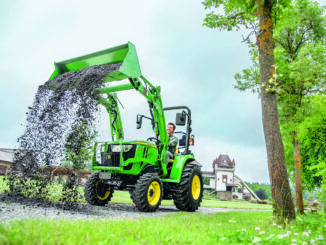

John Deere Financial: Login, Payments and Financing Guide for the USA and Canada
John Deere Financial provides equipment financing and account services for customers buying, leasing or operating John Deere machinery. Whether you need to make a payment, access a statement, finance a tractor or compare a loan with a lease, the right starting point depends on your country and account type.
For existing customers, the immediate task is usually accessing the correct account, checking a balance or arranging a payment. For prospective buyers, the important questions are different: what financing is available, how to apply, which offers apply to the equipment, and what the agreement will cost overall.
This guide covers both needs, with separate guidance for the United States and Canada.
John Deere Financial products, payment methods, promotional offers and account features can differ between countries and account types. Your signed agreement, current statement and account-specific instructions determine the terms that apply to you.
This is an independent information guide. It is not operated by John Deere Financial and cannot access accounts, accept payments or approve financing.
Quick Help: Where Should You Start?
| What you need to do | Best starting point |
|---|---|
| Sign in to an existing account | Use the account-management option within John Deere’s official website for your country |
| Make a payment | Check your statement and use an approved payment method for your account |
| Find a statement or balance | Open your finance account and select the relevant agreement or credit account |
| Resolve a missing payment | Gather your confirmation details and contact John Deere Financial |
| Apply for equipment financing | Speak to a participating John Deere dealer about the machine and financing product |
| Compare financing offers | Request written quotations showing the equipment price, financing terms and incentives |
| Finance parts or operating purchases | Ask about the credit product available for your country, business and purchase type |
| Pay off a loan or buy out a lease | Request an account-specific payoff or buyout quotation |
| Resolve a mechanical problem | Contact your selling dealer or an appropriate John Deere service department |
What Is John Deere Financial?
John Deere Financial is John Deere’s financing business. It provides financing solutions associated with equipment purchases, leases and certain ongoing operating purchases.
Its customers include homeowners, farmers, landscaping businesses, construction companies, forestry operators and other equipment users.
Depending on the country, equipment and financing product, the available options can include:
-
Installment financing for equipment purchases.
-
Equipment leases.
-
Revolving credit for eligible purchases.
-
Financing for parts, service and attachments.
-
Credit for qualifying agricultural inputs and operating expenses.
-
Payment structures intended to accommodate seasonal business income.
These products are not interchangeable. An equipment loan, a lease and a revolving account can have different payment rules, interest arrangements, account features and end-of-agreement obligations.
Before looking for payment instructions or comparing offers, identify which type of account you have.
Choose Your Country Before Managing an Account
The United States and Canada have separate John Deere financing information and country-specific arrangements.
Although some branding and account terminology may look similar, do not assume that an American payment instruction, promotion or application process applies to a Canadian account.
United States customers
US customers may have an installment loan, lease, Revolving Plan account, Multi-Use Account or PowerPlan account.
John Deere’s US digital account services include My Financial Accounts and the MyFinancial app. Available features depend on the account type.
Canadian customers
Canadian customers should begin with John Deere’s Canadian website, their Canadian finance statement or their participating Canadian dealer.
John Deere Financial Canada offers financing across several equipment categories, along with financing options for certain attachments, parts, maintenance and agricultural purchases.
Use the instructions supplied for your Canadian agreement rather than substituting US payment details.
John Deere Financial Login and Account Access
Existing customers should access their finance account through John Deere’s official country-specific website or an official app supported for their account.
For US accounts, John Deere identifies its online account service as My Financial Accounts and also provides the MyFinancial mobile app.
Depending on your account, digital services may allow you to:
-
View account balances.
-
Review transaction history.
-
Access statements.
-
Make payments.
-
Review payment schedules.
-
Set up electronic statements.
-
Receive payment notifications.
-
Manage eligible automatic payments.
-
Update certain contact details.
-
Contact customer service.
Not every feature is available for every product or in every country.
How to find the correct login
-
Open John Deere’s official website.
-
Select the correct country or region.
-
Find the financing section.
-
Choose the option to manage your financial account.
-
Sign in using your registered credentials.
-
Select the specific account you want to manage.
For Canadian accounts, follow the account-access instructions provided through the Canadian financing section or on your statement.
Registering for online access
If you have a finance agreement but have not registered for online account management, use the registration option provided by the official service.
Have your statement or agreement available so you can supply the account-identifying information requested during registration.
Do not enter account numbers, banking details or identity information into an independent article, public comment form or unofficial support page.
Forgotten usernames and passwords
Use the recovery tools within the official sign-in service.
If the recovery process does not recognise your details, check that you are using the correct country service and the email address associated with the account. Contact customer service if you still cannot regain access.
Avoid creating additional profiles simply to bypass a login problem unless support instructs you to do so.
How to Make a John Deere Financial Payment
The correct payment method depends on your country and financing product.
Start with the payment instructions shown on your current statement. This is especially important if you have more than one John Deere Financial account or are making a payoff rather than a routine payment.
United States payment options
John Deere’s US payment guidance lists several ways to make a one-time payment:
-
Online account services.
-
The MyFinancial mobile app.
-
Telephone payment services.
-
Payment by mail.
Automatic payments are available for eligible accounts.
Before submitting a payment, confirm:
-
The account receiving the payment.
-
The amount you intend to pay.
-
The effective payment date.
-
The payment method.
-
Whether another payment is already scheduled.
Keep the confirmation until the payment appears correctly on your account.
US telephone payment numbers
John Deere publishes different telephone numbers for different US account types.
| US account type | Published payment telephone number |
|---|---|
| Installment loan or lease | 800-275-5322 |
| Revolving Plan account | 800-541-2969 |
| Multi-Use Account | 800-356-9033 |
| PowerPlan | 800-634-9661 |
Check the number against your current statement before providing account information. Canadian customers should use the contact details supplied for their Canadian account.
Canadian payment instructions
For Canadian accounts, use the payment methods listed on your statement or confirmed through John Deere Financial Canada.
Before making a payment, verify:
-
The account or agreement number.
-
The required payment amount.
-
The due date.
-
The approved payment destination.
-
Any processing time associated with your chosen method.
Do not use a US mailing address or US account-specific payment procedure unless John Deere Financial has expressly instructed you to do so for your account.
Paying by mail
Use the payment address shown on your current statement or confirmed by customer service.
A correspondence address is not necessarily a payment address, and some account arrangements have separate processing instructions.
Allow sufficient time for delivery and processing. Retain a record of the payment and include the account-identifying information requested on your statement.
Can you pay with a debit or credit card?
John Deere’s US FAQ states that debit-card payments are available through its online account service or MyFinancial app. It also states that John Deere Financial does not accept direct credit-card payments.
Do not assume that these US arrangements apply to Canada. Check your own account’s current payment options before relying on a particular payment method.
Automatic Payments and Payment Reminders
Automatic payments can simplify account management, but availability depends on the financing product.
US AutoPay eligibility
John Deere’s US payment guidance identifies AutoPay as available for installment, lease and Revolving Plan accounts.
The same guidance states that automatic payment is not currently available for PowerPlan or Multi-Use Account products.
Because features can change, confirm eligibility within your account before relying on automatic collection.
What to check after enrolling
After setting up automatic payments, verify:
-
Enrollment has been accepted.
-
The correct bank account is selected.
-
The payment amount is appropriate.
-
The first collection date is confirmed.
-
Any payment due before activation has been handled separately.
Do not assume that submitting an enrollment request pays a bill that is already due.
Continue reviewing statements and bank activity, particularly after changing bank accounts or making an additional manual payment.
Payment reminders
If your account supports payment notifications, use them as a second check rather than your only reminder.
A notification problem does not change the payment obligations in your agreement.
Payment Dates, Processing Times and Missing Payments
A payment’s submission date, effective date and appearance in your account history may not always be the same.
John Deere’s US guidance states that one-time payments received before 5:00 p.m. Central Time on business days are effective that business day. Payments after the cutoff are generally applied the following business day.
Check the payment date displayed before confirming a transaction, especially around weekends and holidays.
Canadian customers should confirm the timing applicable to their payment method and account.
What to do if a payment is not showing
Before submitting a second payment:
-
Check the payment confirmation.
-
Confirm the account number.
-
Review the scheduled or effective payment date.
-
Check whether money has left your bank account.
-
Look for pending or scheduled transactions.
-
Contact John Deere Financial if the payment remains unexplained.
Have the amount, submission date, payment method and confirmation number available.
A duplicate payment may create an additional issue rather than resolving the original one.
Can you change the payment due date?
John Deere’s US account guidance provides a way to request a due-date change through account contact services.
A request is not the same as approval. Continue following your existing schedule until John Deere Financial confirms a change.
For Canadian agreements, ask whether a due-date adjustment is available for your particular account and what conditions apply.
Statements, Balances and Account Documents
Your statement helps you understand what is due, when it is due and which transactions have been recorded.
Depending on the account, review:
-
Account number.
-
Statement period.
-
Payment due date.
-
Required payment.
-
Outstanding balance.
-
Recent purchases.
-
Interest or other charges.
-
Promotional balances.
-
Past-due amounts.
Statement balance versus payoff amount
The balance displayed on a statement is not necessarily the amount needed to close the account or purchase leased equipment.
A payoff may require a calculation for a particular date. A lease buyout can also involve items beyond the purchase option shown in the original paperwork.
Request an account-specific quotation before making a final settlement payment.
Statement versus purchase invoice
A finance statement and a dealer invoice serve different purposes.
The statement records account activity and payment obligations. The dealer or merchant invoice identifies the goods or services purchased.
For US Multi-Use, PowerPlan and Revolving Plan purchases, John Deere directs customers to the dealer or merchant for copies of individual purchase invoices.
If you need a replacement agreement or clarification of a charge, contact the appropriate party rather than assuming every document is held in the same system.
Equipment Financing in the United States
John Deere Financial’s US financing options serve several types of equipment buyers.
The available product depends on the equipment, intended use, applicant and current program.
Agricultural equipment financing
Agricultural financing includes installment and lease arrangements for eligible machinery.
When discussing a purchase with your dealer, establish:
-
The exact equipment and attachments included.
-
Whether the machine is new or used.
-
The cash purchase price.
-
The amount to be financed.
-
The payment term.
-
The proposed payment schedule.
-
Any promotional eligibility.
-
Insurance and other contractual requirements.
Farm buyers should also ask whether the available schedule fits their production cycle rather than assuming a standard monthly arrangement is the only possibility.
Lawn and garden financing
Homeowners and acreage owners may encounter financing options for eligible lawn equipment, utility vehicles and compact tractors.
The application route and account type can differ from a large agricultural equipment loan.
Ask the dealer which financing product applies to the equipment and how its payment and interest terms work.
Landscaping and commercial mowing equipment
John Deere offers US loan and lease financing for commercial mowing and turf equipment.
Some programs provide payment structures designed around seasonal income. Where available, reduced-payment or skipped-payment arrangements change the schedule; they should not be interpreted as eliminating the cost of the equipment.
Ask for the full payment schedule so you can see how lower-payment periods affect later obligations.
Construction and forestry financing
Construction and forestry buyers may need equipment installment financing, leasing or a separate commercial credit product for operating purchases.
Distinguish the financing for the machine itself from financing for parts, service, rentals or attachments.
A business may use more than one account, each with its own statement and payment requirements.
Equipment Financing in Canada
John Deere Financial Canada provides financing across personal, agricultural and commercial equipment categories.
Its Canadian financing information includes:
-
Riding lawn tractors.
-
Zero-turn mowers.
-
Gator utility vehicles.
-
Compact tractors.
-
Commercial mowing equipment.
-
Golf and sports turf equipment.
-
Agricultural machinery.
-
Construction equipment.
-
Forestry and logging equipment.
Canadian financing can also extend to certain attachments, parts, maintenance and agricultural purchases.
Arranging Canadian equipment financing
A participating Canadian dealer is an important starting point for matching the equipment purchase with an available financing solution.
Request a quotation that clearly identifies:
-
The machine and included equipment.
-
The purchase price in Canadian dollars.
-
Applicable taxes.
-
The down payment or trade allowance.
-
The financing product.
-
The repayment term.
-
The payment schedule.
-
Any required final payment or purchase option.
-
Relevant offer conditions.
Do not compare a US advertised payment directly with a Canadian quotation without accounting for currency, taxes, equipment specification and financing terms.
Seasonal and tailored payments
John Deere’s Canadian financing information describes tailored terms and flexible payments, including forestry financing adapted to seasonal schedules.
Ask which arrangements are available for your equipment and business. The existence of flexible financing does not mean every applicant or agreement qualifies for the same schedule.
John Deere Equipment Loans Versus Leases
A loan and a lease can both provide access to equipment, but they create different obligations.
| Question | Equipment loan | Equipment lease |
|---|---|---|
| What is the main purpose? | Finance a purchase | Pay for equipment use under a lease agreement |
| Who owns the equipment during the agreement? | The purchase is financed, subject to the lender’s rights | The lessor owns the equipment |
| What happens at the end? | The financed purchase is paid off when all obligations are satisfied | Options depend on the lease and may include return, purchase or renewal |
| Are usage limits relevant? | Check the agreement | Hour limits and excess-use charges may apply |
| Does a low payment prove it is cheaper? | No | No |
| What should you compare? | Total purchase and borrowing cost | Total lease cost, operating obligations and any intended buyout |
When a loan may fit your plans
An installment purchase may suit a buyer who intends to keep the machine for a long period and wants ownership after the financing obligations have been satisfied.
Compare the full cost, not just the payment. A longer term can reduce the payment while extending the repayment commitment.
When a lease may fit your plans
A lease may suit an operation that wants to match equipment use with a defined replacement cycle.
However, the agreement may include:
-
Usage limits.
-
Maintenance obligations.
-
Condition requirements.
-
Insurance requirements.
-
Return procedures.
-
Purchase-option terms.
-
Charges associated with excess use or damage.
A lease should not be judged solely by whether its regular payment is lower than a loan payment.
Maintenance on leased equipment
Do not assume leasing transfers routine maintenance and repair responsibility to John Deere Financial.
John Deere’s US lease guidance states that the lessee is responsible for equipment maintenance and repairs under the lease contract.
Review the servicing obligations before signing and keep maintenance records throughout the agreement.
Financing Rates, Promotional Offers and Cash Incentives
There is no single John Deere Financial rate that applies to every customer, country and machine.
The financing quotation may depend on the equipment, repayment term, applicant and available program.
A promotion advertised for one model does not automatically apply to another model, a used machine or a purchase in the other country.
What to check in a promotional offer
Before relying on an advertised rate or payment, confirm:
-
Eligible models.
-
New or used equipment restrictions.
-
Participating dealer requirements.
-
Offer dates.
-
Credit approval conditions.
-
Down-payment requirements.
-
Available terms.
-
Whether the payment includes taxes and fees.
-
Whether another incentive must be given up.
-
Any final payment or purchase option.
Ask for the actual transaction to be documented in writing.
Low-rate financing versus a cash discount
If the dealer offers a choice between promotional financing and a different purchase-price incentive, compare both complete transactions.
Use the same equipment specification and a consistent down payment.
For each option, establish:
-
The final equipment price.
-
Applicable discounts.
-
Taxes and fees.
-
The amount financed.
-
Interest and financing charges.
-
The complete payment schedule.
-
Any final payment.
A lower interest rate does not, by itself, establish the lowest overall cost if the equipment price or available discount changes.
Deferred payments and interest conditions
“No payments,” “low interest” and “no interest if paid in full” are different arrangements.
Before accepting special terms, ask:
-
When payments begin.
-
Whether interest accrues during the deferral.
-
What balance must be paid by the promotional deadline.
-
What happens if the promotion’s conditions are not met.
-
How payments are allocated between balances.
Do not assume that postponing a payment also postpones or eliminates interest.
Financing New and Used John Deere Equipment
When considering used equipment, ask the dealer to confirm financing eligibility for the specific machine.
Do not transfer the terms of a new-equipment advertisement to a used-equipment purchase.
For either type of purchase, your quotation should identify the machine and attachments precisely enough to avoid confusion.
Questions to ask about a used machine
-
Is this machine eligible for the financing being quoted?
-
Does the rate differ from the new-equipment offer?
-
What repayment terms are available?
-
Are inspection or condition requirements relevant?
-
What warranty, if any, is included?
-
Are repairs or attachments included in the financed price?
-
What insurance is required?
Evaluate the financing alongside the machine’s condition, service history and likely maintenance needs. A manageable payment does not establish that the equipment is a sound purchase.
How to Apply for John Deere Financial
The application route depends on the country and financing product.
In the United States, John Deere directs agricultural and construction equipment buyers to participating dealers for installment and lease financing. Certain revolving-credit products have separate online application routes.
In Canada, the dealer can help arrange financing for the equipment purchase.
Step 1: Choose the equipment
Identify the model, configuration, attachments and intended use.
A financing discussion is more useful when it relates to a defined purchase rather than an estimated machine price.
Step 2: Obtain a written quotation
Ask the dealer to itemise the equipment price, taxes, trade allowance, down payment and any additional products.
Step 3: Identify the financing product
Establish whether you are applying for an installment loan, lease or revolving account.
Ask why that product is being proposed and what alternatives are available.
Step 4: Provide the requested information
Submit identity, business and financial information only through the dealer’s or lender’s approved process.
Provide accurate information and ask for clarification if you do not understand a request.
Step 5: Review the approved terms
An advertisement or preliminary payment estimate is not a substitute for the final agreement.
Check the approved amount, payment schedule, conditions and equipment description before signing.
Step 6: Keep the paperwork
Retain the signed agreement, purchase invoice, insurance information and payment instructions.
These documents become important when resolving account questions, making a payoff or selling the equipment later.
Credit Approval, Credit Scores and Down Payments
Do not rely on an unofficial article promising a universal minimum credit score or guaranteed approval.
Ask John Deere Financial or your participating dealer what information is needed for the specific application.
Useful questions include:
-
Is the quotation subject to credit approval?
-
Is the proposed rate available to my application?
-
Is a down payment required?
-
Are additional documents needed?
-
Does the approval have conditions or an expiry date?
-
Is the equipment itself eligible?
Similarly, do not assume that a “no down payment” advertisement applies to every machine or customer.
Review the actual approved terms rather than treating a promotional headline as a personal offer.
Multi-Use Account: Parts, Service and Agricultural Purchases
John Deere’s US Multi-Use Account is different from a conventional equipment installment loan.
It supports eligible purchases through participating dealers and merchants, including categories such as:
-
Parts.
-
Service.
-
Attachments.
-
Equipment inspections.
-
Agricultural inputs.
-
Certain farm supplies.
-
Eligible precision agriculture purchases.
Available purchases, merchant access and promotional arrangements depend on the account and program.
Regular purchases and special terms
An account may contain balances with different financing terms.
For each promotion, check:
-
The purchase amount.
-
The promotional deadline.
-
Required payments.
-
The applicable interest conditions.
-
The consequences of not meeting the terms.
-
How payments are allocated.
A single total balance may not tell you everything needed to manage several promotional purchases.
Consumer and business use
Do not assume that a personal-use account and an agricultural or commercial account have identical agreements.
Apply for and use the account appropriate to the intended purchases.
Canadian customers should confirm the operating-purchase financing available through John Deere Financial Canada rather than relying on US Multi-Use Account terms.
PowerPlan and Other Revolving Accounts
John Deere’s US financing information identifies PowerPlan as a commercial credit option associated with purchases such as parts, service and rentals.
It is separate from equipment installment financing and has its own account arrangements.
A Revolving Plan account is another distinct product and should not be confused with a Multi-Use Account simply because both involve revolving credit.
If you are unsure which account you have, check the account name on your statement before choosing payment instructions or requesting support.
Insurance and Equipment Protection
Before completing a financed purchase or lease, establish the insurance obligations in the proposed agreement.
Ask:
-
What equipment must be covered?
-
Which risks must be insured?
-
Who must be named on the policy?
-
What deductible is acceptable?
-
When must coverage begin?
-
How must proof of insurance be supplied?
-
What happens when the financing ends?
Do not assume that a general household, farm or business policy automatically meets every contractual requirement.
Financing, insurance and warranties are different
These products serve different purposes:
-
Financing governs how the equipment is paid for.
-
Insurance responds to covered losses under the policy.
-
A warranty addresses qualifying defects under its terms.
-
A service plan covers the work specified in that plan.
A payment package containing several products does not make them interchangeable.
What happens to insurance after payoff?
Check the exact policy before paying off the finance agreement.
John Deere’s US FAQ states that insurance financed with an equipment installment loan terminates on the loan’s maturity date or the date the final payment is applied, whichever occurs first.
That statement should not be treated as a rule for every independently arranged insurance policy or Canadian agreement.
Confirm whether replacement or continuing coverage is needed before closing the loan.
Early Loan Payoff and Lease Buyouts
If you want to settle an agreement early, request a written payoff or buyout quotation.
Do not simply pay the balance displayed online and assume the account is closed.
What to confirm in a payoff quotation
-
The account and equipment covered.
-
The quoted amount.
-
The date through which it is valid.
-
Approved payment instructions.
-
Any additional contractual amounts.
-
How settlement will be confirmed.
-
What happens to any lien or security interest.
-
Whether insurance or related products are affected.
Keep the quotation and payment confirmation together.
Lease buyouts require separate attention
A lease buyout is not the same as paying an installment loan.
The amount may involve the remaining contractual obligations, a purchase option and other amounts due under the agreement.
John Deere’s US guidance directs customers to obtain specific instructions for paying off a lease rather than making an ordinary online payment.
Contact the appropriate lease team before sending funds.
What Happens at the End of a John Deere Lease?
Start reviewing your lease before its maturity date.
Depending on the agreement, available options and approval, you may be able to:
-
Return the equipment.
-
Purchase the equipment.
-
Renew or extend the lease.
-
Finance an eligible purchase at lease end.
Do not assume all options are guaranteed.
If you plan to return the equipment
Confirm:
-
The required return date and location.
-
The permitted equipment hours.
-
Maintenance and condition requirements.
-
Inspection arrangements.
-
Responsibility for damage.
-
Any outstanding payments or charges.
Keep a dated receipt recording the return and equipment hours.
If you plan to purchase it
Request the final purchase or payoff figure rather than relying only on the purchase option in the original paperwork.
Ask what documentation will confirm the transaction and ownership transfer.
Returning equipment early
Returning leased equipment before maturity does not automatically cancel the remaining obligations.
Discuss an early return with John Deere Financial before moving or surrendering the machine.
Customer Service: Who Should You Contact?
The right contact depends on the problem.
| Problem | Appropriate starting point |
|---|---|
| Account balance or statement | John Deere Financial |
| Missing or misapplied payment | John Deere Financial |
| Login or account-access problem | Official account support |
| Equipment financing quotation | Participating dealer |
| Copy of a purchase invoice | Selling dealer or merchant |
| Mechanical repair | Dealer service department |
| Warranty question | Dealer or relevant warranty administrator |
| Insurance claim | Insurance provider, with lender involvement where required |
| Loan payoff or lease buyout | Appropriate John Deere Financial servicing team |
Before contacting support, have your account number, relevant statement, equipment details and a clear description of the issue available.
Do not post sensitive account information in public comments or send it to an independent website.
Common John Deere Financial Questions
Is John Deere Financial only for tractors?
No. Its US and Canadian financing information covers several equipment sectors, including lawn and garden, agriculture, landscaping, construction and forestry.
The products available depend on the country and equipment.
Can I manage more than one agreement online?
Check the accounts displayed within your official finance profile. If an agreement is missing, contact account support to confirm how it should be accessed.
Do not assume that every agreement is automatically visible under a newly created profile.
Where can I find my account type?
Review your statement or agreement. The account type may be identified as an installment loan, lease, Revolving Plan, Multi-Use Account or PowerPlan, depending on the country and product.
Contact customer service if the description is unclear.
Can I use the US payment instructions for a Canadian account?
Not unless John Deere Financial specifically confirms that those instructions apply.
Use the payment details supplied for your Canadian account.
Does John Deere Financial offer 0% financing?
Check current country-specific offers for the exact equipment you intend to buy.
If a 0% promotion is available, review the eligible models, repayment terms, approval conditions and any alternative incentives before choosing it.
Is a promotional rate available on every machine?
Do not assume so. Ask the dealer to confirm eligibility for the specific model, equipment condition and transaction date.
Can attachments be included in financing?
John Deere’s financing information includes attachment financing, but eligibility and packaging depend on the country and program.
Ask for each attachment to be identified in the quotation and agreement.
Can parts and service be financed?
Financing options for parts and service are available within John Deere’s US and Canadian offerings.
The appropriate product and terms depend on the account, purchase and participating location.
Can I make additional payments?
Ask how your agreement treats additional payments.
Confirm whether the payment will reduce the balance, affect future scheduled payments or be allocated across promotional balances. Continue making required payments unless a revised schedule is confirmed.
Can I change my payment date?
US account guidance allows customers to request a due-date change. Approval and availability must be confirmed.
Canadian customers should ask about the options for their own agreement.
What if I cannot make the next payment?
Contact John Deere Financial promptly and explain the situation.
Ask what options can be considered for your account. Do not assume that an extension, skipped payment or revised schedule has been granted until it is confirmed.
Does paying off the loan automatically complete every administrative step?
Do not assume so. Ask about paid-in-full confirmation, security-interest release, insurance changes and any remaining documentation.
Requirements and timing differ between agreements and jurisdictions.
Can I sell equipment that still has financing outstanding?
Before agreeing to a sale, ask John Deere Financial how the balance and security interest must be handled.
Coordinate settlement and documentation so the buyer, seller and lender understand how the transaction will be completed.
Who handles a repair problem?
Start with the selling dealer or an appropriate service department.
A financing account does not replace the equipment’s warranty, maintenance requirements or repair process.
Checklist Before Signing a Financing Agreement
Before committing to a loan, lease or revolving account, make sure you can answer these questions:
-
Am I using the correct US or Canadian financing product?
-
Is the equipment described accurately?
-
What is the final purchase price?
-
Which discounts or incentives are included?
-
How much am I paying upfront?
-
What amount is being financed?
-
What are the complete payment dates and amounts?
-
Is there a balloon payment or purchase option?
-
What interest, fees or other charges apply?
-
What insurance is required?
-
Are there usage or condition restrictions?
-
What happens if I settle early?
-
What happens at the end of the agreement?
-
Which payment methods are available?
-
Have I received copies of all signed documents?
A clear quotation and a complete payment schedule are more useful than a low advertised payment on its own.
Choosing the Right Next Step
If you already have an account, begin with your country-specific account service and current statement. Identify the account type before making a payment or requesting help.
If you are buying equipment, begin with a detailed dealer quotation. Compare the purchase price, financing cost, payment schedule and end-of-agreement obligations together.
For both US and Canadian customers, the aim is the same: use the correct account instructions, understand the complete agreement and confirm any change before relying on it.
Understanding Your John Deere Financing Quotation
A financing quotation should help you understand both the equipment purchase and the borrowing arrangement. If it shows only a payment amount, ask for a more complete breakdown before comparing it with another offer.
Two quotations can produce similar payments while involving different equipment prices, deposits, repayment periods or final obligations.
Equipment purchase price
Start with the price of the machine and everything included in the transaction.
Ask the dealer to identify:
-
The model and equipment configuration.
-
Whether the machine is new or used.
-
Included attachments and accessories.
-
Delivery and setup charges.
-
Any additional products or services.
-
Applicable taxes and fees.
Keep optional products separate in your comparison so you can see how much they add to the transaction.
Down payment and trade-in allowance
A cash deposit and a trade-in can both reduce the amount you need to finance, but the quotation should show them clearly.
If the trade-in still has outstanding financing, ask how that balance will be settled and how it affects the new agreement.
Do not compare two offers using only the headline trade allowance. Compare the equipment selling price, trade allowance, outstanding settlement and final amount financed together.
Amount financed
The amount financed should be understandable from the itemised transaction.
If it differs from your expectations, ask the dealer to explain each component before signing. Do not assume the difference is simply tax or a standard fee.
Payment frequency
Check whether payments are monthly, quarterly, annual or arranged on another schedule.
A payment figure is not meaningful without its frequency and the total number of payments.
For seasonal arrangements, request every payment date and amount rather than relying on a description such as “harvest payments” or “winter payment relief.”
Final payment and remaining obligations
Ask whether the agreement ends with:
-
A normal final installment.
-
A larger final payment.
-
A lease purchase option.
-
An equipment return.
-
Another contractual obligation.
If you intend to own the equipment, make sure your comparison includes the cost of reaching that position.
How to Compare Two John Deere Financing Offers
Use a side-by-side comparison rather than choosing the lowest advertised payment.
| Comparison point | Offer one | Offer two |
|---|---|---|
| Exact machine and configuration | Record the details | Record the details |
| Attachments included | List each attachment | List each attachment |
| Equipment price | Record the quoted price | Record the quoted price |
| Taxes and fees | Record the breakdown | Record the breakdown |
| Cash down payment | Record the amount | Record the amount |
| Net trade-in contribution | Record after any settlement | Record after any settlement |
| Amount financed | Record the amount | Record the amount |
| Rate and financing charges | Record the terms | Record the terms |
| Payment frequency | Record the schedule | Record the schedule |
| Number of payments | Record the total | Record the total |
| Final payment or buyout | Record any obligation | Record any obligation |
| Insurance and optional products | Identify what is included | Identify what is included |
| Position at the end | Ownership, return or other outcome | Ownership, return or other outcome |
Keep the equipment specification consistent
A lower quotation may exclude an attachment, use a different mower deck or include a different loader specification.
Check the machine itself before deciding that one financing arrangement is better.
Separate affordability from total cost
Affordability asks whether the payment fits your budget.
Total cost asks how much you will pay to acquire or use the equipment under the agreement.
Both matter. A manageable payment is valuable, but it should not conceal a final payment you have not planned for.
Compare loans and leases on the outcome you want
If you expect to keep the machine, include the intended lease buyout when comparing a lease with a purchase loan.
If you expect to return the leased machine, review the usage, condition and return obligations instead of treating the lease as an ownership arrangement.
Planning Equipment Payments Around Seasonal Income
For farms, landscaping businesses and other seasonal operations, payment timing can matter as much as payment size.
When discussing a tailored schedule, describe when your business normally receives income and when its largest expenses occur.
Questions to ask about a seasonal schedule
-
Which months or dates require payments?
-
Are any payments larger than others?
-
Does interest continue during periods without a scheduled payment?
-
What happens if income arrives later than expected?
-
Does the arrangement include a larger final obligation?
-
Can the schedule be changed later, and would that require approval?
Request the answers as part of the written quotation or agreement.
Keep operating costs in the budget
The finance payment is only one part of owning or using equipment.
Build a separate budget for relevant costs such as:
-
Fuel.
-
Routine maintenance.
-
Wear parts.
-
Insurance.
-
Storage.
-
Transport.
-
Repairs outside applicable coverage.
For a business, also consider how you would meet payments if the machine were temporarily unavailable.
A seasonal payment schedule should support a realistic operating budget, not replace one.
Managing Several John Deere Financial Accounts
A customer may have equipment financing alongside a separate account for parts, service or other purchases.
Keep a simple record of each agreement rather than treating all John Deere Financial activity as one balance.
Create an account register
For each account, record:
-
Country.
-
Account type.
-
Equipment or purchase purpose.
-
Payment frequency.
-
Due date.
-
Payment method.
-
Relevant promotional deadlines.
-
Agreement maturity date.
-
Appropriate customer-service contact.
Store sensitive information securely. A working reminder list does not need to contain full banking details or passwords.
Check payment allocation
Before making a payment, confirm which account or balance will receive it.
If your aim is to reduce a particular promotional balance or settle a specific agreement, ask how to give the necessary instructions.
Do not assume that a payment to one account automatically satisfies an obligation on another.
Review statements separately
Even when accounts appear in the same digital service, review each statement for its own:
-
Required payment.
-
Due date.
-
Recent transactions.
-
Promotional terms.
-
Outstanding issues.
This is particularly useful when a business has more than one employee arranging purchases or handling accounts.
Updating Your Contact and Banking Information
Changes to an address, email account or bank account can affect routine account management.
Use the official servicing channel for your account and confirm which details have been updated.
Changing your address
Ask whether the update applies to every agreement you hold.
Also clarify whether John Deere Financial needs separate information for:
-
Your correspondence address.
-
Your business address.
-
The equipment’s location.
-
Your billing details.
Do not assume that updating information with a dealer automatically updates every finance record.
Changing your bank account
Before closing an account used for automatic payments:
-
Establish how to update the payment instructions.
-
Confirm when the new instructions take effect.
-
Check whether a payment is already scheduled from the old account.
-
Arrange any necessary interim payment.
-
Verify the next successful collection.
Avoid relying solely on the date you submitted the change.
Changing business ownership or structure
If financed equipment is associated with a business undergoing a sale or reorganisation, contact John Deere Financial before assuming the agreement can continue unchanged.
Ask whether consent, updated documentation or a different arrangement is required.
A private agreement between two businesses should not be treated as confirmation that the lender has approved a transfer.
Selling or Trading Equipment With Finance Outstanding
Before selling or trading a financed machine, establish how the existing agreement will be settled.
The outstanding account and any security interest need to be addressed as part of the transaction.
Trading through a dealer
Ask for a written breakdown showing:
-
The trade-in allowance.
-
The amount required to settle the existing agreement.
-
Who will send the settlement payment.
-
Any remaining amount available toward the replacement purchase.
-
How and when settlement will be confirmed.
Check the old account afterward rather than assuming the trade paperwork alone proves it has been closed.
Selling privately
Before agreeing on completion arrangements, ask John Deere Financial how the settlement and release process should work.
The buyer may want confirmation that the existing financing has been addressed. Coordinate the process before handing over the machine or accepting an arrangement that leaves responsibilities unclear.
Selling leased equipment
Do not treat leased equipment as your property to sell.
Contact the lessor to establish the permitted options, which may involve a purchase or another approved process under the lease.
What to Do After Theft, Major Damage or a Total Loss
If financed or leased equipment is stolen or seriously damaged, deal with both the insurance claim and the finance account.
Do not assume that reporting the incident automatically suspends payments or closes the agreement.
Initial steps
-
Follow the insurer’s reporting requirements.
-
Make any necessary police report.
-
Notify John Deere Financial through the appropriate servicing channel.
-
Gather the equipment identification and agreement details.
-
Keep copies of claim correspondence and damage assessments.
-
Ask how payments should be handled while the matter is being resolved.
Questions to ask about a settlement
-
Who will receive the insurance payment?
-
What documentation is required?
-
How will the payment be applied to the agreement?
-
Will an outstanding balance remain?
-
What happens to any excess settlement?
-
When will account closure or the remaining obligation be confirmed?
Do not assume the insurance settlement and financing balance will be identical. Obtain an explanation of the actual figures before committing to replacement equipment.
Resolving a Charge or Purchase Dispute
Start by identifying whether the disagreement concerns the purchase itself or the finance account.
Purchase or service disputes
Contact the dealer or merchant if the issue involves:
-
The goods supplied.
-
The work performed.
-
A missing item.
-
An incorrect invoice.
-
A return or cancellation.
-
A promised refund.
Keep the original invoice and any correspondence.
Finance-account disputes
Contact John Deere Financial if the issue involves:
-
A payment applied to the wrong account.
-
A balance that does not match the recorded transactions.
-
An unexplained account charge.
-
A refund or credit that has not appeared.
-
A payment marked overdue despite your records.
Explain the issue using dates, amounts and confirmation details.
Ask how to handle any payment falling due while the matter is reviewed. Do not assume a dispute automatically changes the payment schedule.
Keep a written record
Record:
-
When you contacted each party.
-
The department or representative.
-
Any case or reference number.
-
Documents supplied.
-
The action agreed.
-
The expected follow-up date.
A clear record helps distinguish the original problem from delays or misunderstandings in resolving it.
Protecting Your John Deere Financial Account
Use the same care with a finance account that you would with online banking.
Access your account through a trusted route
Begin with John Deere’s official country-specific website or an official app supported for your account.
Be cautious about messages directing you to an unfamiliar payment page or asking for banking information outside the usual process.
Verify unexpected payment instructions
If you receive a message claiming that payment details have changed, verify it independently using your statement or established account contact.
Do not rely only on the telephone number or reply address supplied in the unexpected message.
Keep credentials private
Do not share passwords, one-time security codes or full banking details with an independent website or public forum.
If more than one person manages business finances, ask about an appropriate access arrangement rather than informally sharing login credentials.
Act on unexplained activity
If you notice a transaction or account change you do not recognise, contact the appropriate account-support team promptly.
Keep relevant messages and transaction details so you can describe what happened accurately.
Documents to Keep Throughout the Agreement
A well-organised equipment file makes future servicing, settlement and resale easier.
Keep the documents relevant to your transaction, including:
-
Equipment purchase quotation.
-
Final invoice.
-
Signed financing or lease agreement.
-
Payment schedule.
-
Trade-in and settlement paperwork.
-
Insurance documents.
-
Important account correspondence.
-
Payment confirmations related to a dispute.
-
Lease maintenance and return records.
-
Payoff or buyout quotation.
-
Paid-in-full confirmation.
-
Release or ownership documentation supplied after settlement.
For Canadian businesses, keep country-specific records separate from any US purchasing research. This reduces the chance of relying on the wrong currency, tax assumptions or financing instructions.
After the Final Payment
The final scheduled payment is a useful point to review the account rather than simply stop checking it.
For an equipment loan
Confirm:
-
The final payment has been applied.
-
The account shows no remaining amount due.
-
No automatic payment remains unnecessarily scheduled.
-
You have received the relevant settlement confirmation.
-
Any security-interest release process has been addressed.
-
Insurance arrangements remain appropriate.
For a lease
Confirm which outcome has actually been completed:
-
Return.
-
Purchase.
-
Renewal.
-
Extension.
-
Another approved arrangement.
Keep the documentation supporting that outcome. Returning a machine, paying a purchase option and making a final rental payment are different events.
For a revolving account
Paying the balance to zero is not necessarily the same as closing the account.
If you want the account closed, ask for the required procedure and confirmation. If you intend to keep it available, continue reviewing statements and account communications.
John Deere Financial Frequently Asked Questions
These FAQs cover account access, payments, financing applications, equipment loans, leases and operating credit in the United States and Canada. Available products and account features vary by country and agreement. Check your current statement, signed contract and country-specific account instructions before taking action.
What is John Deere Financial?
John Deere Financial provides financing and account services associated with equipment purchases, leases and eligible operating purchases.
Its products serve homeowners, farmers, landscaping businesses, construction companies, forestry operators and other equipment users. The appropriate financing product depends on the country, equipment, intended use and application.
Is John Deere Financial available in both the United States and Canada?
Yes. John Deere Financial serves customers in both countries.
However, US and Canadian offers, agreements, payment instructions and application arrangements are not necessarily the same. Start with the John Deere financing information for the country in which you are arranging the purchase or managing the account.
Is John Deere Financial only for agricultural equipment?
No. Its financing offerings extend beyond agricultural machinery.
Depending on the country and product, eligible purchases can include lawn equipment, utility vehicles, commercial mowing equipment, construction machinery, forestry equipment, parts, service and certain operating supplies.
Login and Online Account FAQs
How do I log in to John Deere Financial?
Start with John Deere’s official website for your country, open the financing section and choose the account-management option.
US customers may see My Financial Accounts or the MyFinancial app. Canadian customers should follow the account-access instructions provided through John Deere’s Canadian financing service or their statement.
How do I register for online account access?
Use the registration option within the official account service.
Have your finance statement or agreement available so you can provide the identifying information requested. If registration fails, contact account support rather than entering your details into an unofficial registration page.
What should I do if I forget my username or password?
Use the username or password recovery option within the official sign-in service.
Check that you are using the appropriate country service and the email address associated with your account. If recovery does not work, contact support through an established John Deere Financial channel.
Why can I sign in but not see my finance agreement?
Ask account support to check how the agreement should be associated with your profile.
Have your statement available so the representative can identify the account. Do not assume that creating another login will resolve a missing agreement.
Can I manage several John Deere Financial accounts online?
Check which accounts appear in your official account service.
If you have multiple agreements, confirm that each relevant account is accessible. Continue reviewing separate statements and payment obligations even when accounts appear under the same profile.
Can I view statements online?
John Deere’s US account services support online statement access, and its Revolving Plan account offers electronic statements.
For other products and Canadian accounts, check the features available through your account service. Download important records if you need them for bookkeeping or future reference.
Is the MyFinancial app the same as every other John Deere app?
Do not assume that an equipment-management app also manages your finance account.
Use the app identified by John Deere Financial for your country and account. Follow the official account service’s instructions when installing or connecting an app.
Payment and Billing FAQs
How do I make a John Deere Financial payment?
Use an approved payment method listed on your current statement or within your official account service.
US payment options include online services, the MyFinancial app, telephone services and mail, subject to account-specific arrangements. Canadian customers should use the methods supplied for their Canadian agreement.
Can I make a payment without logging in?
Check the telephone or mailing options shown on your statement.
Do not use an unfamiliar third-party payment page simply because it offers payment without registration. Confirm the account type, payment destination and effective payment date before proceeding.
Does John Deere Financial offer automatic payments?
Automatic-payment availability depends on the account and country.
John Deere’s US guidance identifies AutoPay for eligible installment, lease and Revolving Plan accounts. Check current eligibility for your product and confirm when enrollment becomes effective.
Does enrolling in AutoPay cover a payment that is already due?
Do not assume it does.
Review the confirmed activation date and check whether you must make the next payment separately. Continue monitoring the account until the first automatic payment has been collected and recorded correctly.
Can I change the bank account used for automatic payments?
Use the approved account-update process and confirm when the change takes effect.
Check whether a payment is already scheduled from the old account before closing it. If a payment falls due during the changeover, ask how it should be handled.
Can I pay by credit card?
John Deere’s US payment guidance states that direct credit-card payments are not accepted.
Canadian customers should check their own account instructions. Do not assume that a payment method accepted by a dealer for a purchase is also accepted by John Deere Financial for an account payment.
Can I pay by debit card?
John Deere’s US FAQ identifies debit-card payments through its online account service or MyFinancial app.
Check the current options available for your particular account before relying on this method. Canadian payment arrangements should be confirmed separately.
Where should I mail a payment?
Use the payment address on your current statement.
A general correspondence address, dealer address or payment address for another account type may not be appropriate. Include the identifying information requested and allow time for delivery and processing.
Why has my payment not appeared?
First, check the confirmation, selected account, effective date and bank transaction.
If the payment remains unexplained, contact John Deere Financial with the amount, payment method, submission date and confirmation details. Avoid submitting a duplicate payment until you understand the status of the first one.
Can I change my payment due date?
Ask John Deere Financial whether a change is available for your agreement.
A request does not change the existing schedule until it has been approved. Continue following the current payment instructions unless you receive confirmation otherwise.
What should I do if I cannot make a payment?
Contact John Deere Financial promptly and explain the circumstances.
Ask what account-specific options can be considered and what information is needed. Do not assume that a payment extension, revised schedule or temporary arrangement has been approved until it is confirmed.
Can I make an extra payment?
Ask how an additional payment will be applied before submitting it.
If you want to reduce principal or a particular promotional balance, explain that intention. Confirm whether the extra payment affects future scheduled payments, and continue paying as required unless a revised schedule is provided.
What is the difference between a statement balance and a payoff amount?
A statement balance reports the account position for a statement period. A payoff quotation identifies the amount required to settle a specified obligation as of a particular date.
Request a payoff quotation when closing an equipment loan. For a lease, request a lease-specific buyout or settlement quotation.
Financing Applications and Approval FAQs
How do I apply for John Deere equipment financing?
Start with a participating dealer and a defined equipment quotation.
The application route depends on the country and product. Equipment loans and leases may be arranged through the dealer, while some revolving products have separate application procedures.
Can I apply before choosing a specific machine?
Ask the dealer or John Deere Financial which preliminary application options are available.
If you receive an initial indication of eligibility, clarify whether it is conditional and what must happen before final approval. Do not treat a preliminary discussion as a completed financing agreement.
What information will I need to apply?
Provide the identity, business and financial information requested through the approved application process.
The requirements depend on the applicant and financing product. Ask for a list of required documents so you can prepare an accurate application without sending sensitive information unnecessarily.
What credit score is required?
Do not rely on an unofficial universal credit-score threshold.
Ask what eligibility requirements apply to the proposed product and whether further information is needed to assess your application. A score mentioned in an online discussion is not a guarantee of approval or rejection.
Does an advertised financing offer guarantee approval?
No. An advertisement describes an offer, not a personal approval.
Confirm that both the applicant and the proposed equipment purchase qualify. Review the final approved terms before signing.
Is a down payment required?
Check the written quotation and approval conditions.
Do not assume that a no-down-payment promotion applies to every applicant, model or repayment term. Ask how changing the down payment would affect the amount financed and payment schedule.
Does John Deere Financial require a personal guarantee for a business account?
Ask whether the proposed agreement requires one.
If it does, read the guarantee separately and understand whose obligations it covers. Obtain professional advice if you are unsure about the personal liability involved.
How long does approval take?
Ask the dealer or application team for an estimate based on your actual application.
Avoid relying on a guaranteed turnaround time from an independent article. Confirm whether missing information, equipment details or additional review remains outstanding.
Rates, Offers and Equipment Purchase FAQs
Does John Deere Financial offer 0% financing?
Check current offers for the exact equipment and country.
Where a 0% promotion is available, review eligible models, repayment terms, approval requirements and any alternative incentives. Do not assume the promotion applies to every John Deere machine.
Is 0% financing always better than a cash discount?
Not necessarily. Compare the complete purchase and financing transactions.
Request quotations using the same equipment specification and down payment. Include the selling price, discounts, taxes, fees, interest and any final payment before deciding which option costs less overall.
Is deferred payment the same as interest-free financing?
No. Treat payment timing and interest treatment as separate questions.
Ask whether interest accrues during the deferral, when payments begin and what happens if promotional conditions are not met. Rely on the written terms rather than a brief advertising phrase.
Can John Deere Financial finance used equipment?
John Deere’s Canadian agricultural financing information includes financing for eligible used agricultural equipment offered through local dealers.
For a US purchase or another equipment category, ask the dealer to confirm eligibility for the specific machine. Do not assume that new-equipment promotional terms apply to used equipment.
Can I include attachments in the financing?
Ask the dealer which attachments can be included in the proposed transaction.
Have each attachment identified in the quotation and agreement. Also confirm whether it qualifies for the same promotion as the machine.
Can I finance equipment purchased privately?
Ask John Deere Financial or a participating dealer before committing to a private purchase.
Do not assume that a financing offer arranged through a dealer will also fund a private transaction. Establish the application route, equipment eligibility and payment process first.
Are online payment-calculator results guaranteed?
No. John Deere’s financing calculator provides payment estimates.
Use an estimate for preliminary planning, then obtain a written quotation for the actual purchase. Check that the quotation includes the correct equipment price, taxes, down payment, term and final obligations.
Can I refinance an existing agreement?
Ask whether refinancing is available for your account and circumstances.
Request a comparison showing the existing settlement amount, proposed new terms, fees and total repayment. A lower payment alone does not establish that refinancing reduces the overall cost.
Loans and Leases FAQs
What is the difference between a John Deere loan and a lease?
A loan finances a purchase. A lease provides equipment use under a lease agreement, with ownership remaining with the lessor unless a purchase is completed under the agreed arrangements.
Compare the full obligations, including maintenance, insurance, usage restrictions and the intended position at the end.
Is leasing cheaper than buying?
A lower lease payment does not, by itself, prove a lower total cost.
If you intend to own the machine, include the intended buyout in the comparison. If you intend to return it, review usage limits, condition requirements and return costs.
Who maintains leased equipment?
Check the lease agreement.
John Deere’s US lease guidance places maintenance and repair responsibilities on the lessee under the contract. Do not assume leasing includes routine servicing or eliminates repair obligations.
What happens if I exceed a lease’s equipment-hour allowance?
Review the usage provisions in your agreement.
Ask how excess hours are calculated and charged before signing, and monitor use during the lease. If your expected workload changes, contact the lease team before assuming the original allowance can be adjusted.
Can I buy the equipment at the end of the lease?
Check the purchase provisions and request an account-specific quotation.
Confirm the final amount, payment instructions and documentation required. Do not rely solely on the purchase option printed in the original agreement without checking for other outstanding obligations.
Can I return leased equipment early?
Contact John Deere Financial before arranging an early return.
Returning the machine does not automatically cancel the agreement or remove remaining obligations. Request written instructions and an explanation of any settlement required.
Does the final lease payment automatically transfer ownership?
Do not assume so.
Confirm whether the agreement requires a separate purchase payment, election or document. Keep written confirmation of the completed purchase or return.
Multi-Use Account and Revolving Credit FAQs
What is a John Deere Multi-Use Account?
A Multi-Use Account is a credit product for eligible purchases rather than a conventional equipment installment loan.
John Deere’s US and Canadian agricultural financing information describes uses that can include parts, service, attachments and qualifying agricultural inputs. Country-specific agreements, participating merchants and promotional terms determine how the account can be used.
Is the Multi-Use Account available in Canada?
Yes. John Deere’s Canadian agricultural financing information includes a Multi-Use Account for eligible day-to-day and seasonal purchases.
Canadian customers should review Canadian account terms rather than relying on the US agreement or US payment instructions.
Is a Multi-Use Account the same as a Revolving Plan account?
No. They are separately identified products.
Check the account name on your statement and use its own terms, payment methods and support arrangements. Do not assume their promotional offers or account features are identical.
What can a US Revolving Plan account be used for?
John Deere identifies uses including eligible turf equipment, parts and service. Its product information also lists items such as attachments, batteries and home-and-workshop products.
Check purchase eligibility and account terms before relying on it for a particular transaction.
What is PowerPlan?
PowerPlan is a US commercial revolving-credit product associated with eligible purchases such as parts, service, attachments and rentals through participating John Deere construction and forestry dealers.
It is separate from an equipment installment loan and from other revolving products.
Do all purchases on a revolving account have the same terms?
Review the statement and promotional disclosures for each purchase.
If the account contains different promotional balances, establish the deadline, payment requirements and interest conditions for each one. Ask how payments are allocated if you are trying to clear a specific balance.
Does paying the minimum clear a promotional balance before its deadline?
Do not assume it does.
Compare the required payment schedule with the amount and deadline attached to the promotion. Ask for clarification if you cannot tell what must be paid to meet the promotional conditions.
Does paying a revolving balance to zero close the account?
Do not assume it does.
If you want to close the account, ask for the closure procedure and written confirmation. If you keep it open, continue reviewing statements and account communications.
Insurance, Payoff and Ownership FAQs
Does financed equipment need insurance?
Check the insurance requirements in the proposed agreement.
Ask what coverage is required, which parties must be named and how proof of coverage must be supplied. Do not assume an existing household, farm or business policy automatically satisfies every requirement.
Is equipment insurance the same as a warranty?
No. Insurance, warranties and service plans serve different purposes.
Review each document separately to understand covered events, exclusions, deductibles and claim procedures. Financing does not make these products interchangeable.
Can I pay off a John Deere equipment loan early?
Request an account-specific payoff quotation and instructions.
Confirm the amount, validity date, approved payment method and any contractual charges before sending the settlement. Ask what documentation will confirm that the obligation has been satisfied.
Should I use a normal online payment to buy out a lease?
Obtain lease-specific instructions first.
John Deere’s US guidance directs customers to request appropriate assistance for a lease payoff. Do not assume that submitting an ordinary account payment completes a lease purchase.
Will equipment insurance continue after payoff?
Check the actual policy and financing arrangement.
John Deere’s US FAQ states that insurance financed with an equipment installment loan terminates on the loan’s maturity date or when the final payment is applied, whichever comes first. This should not be treated as a rule for every independently arranged policy or Canadian agreement.
Confirm continuing coverage before settling the loan.
Can I sell a machine that still has financing outstanding?
Contact John Deere Financial before completing the sale.
Establish how the settlement, payment and release process must be handled. Coordinate the transaction so the buyer understands when the financing-related documentation will be available.
What if the equipment is stolen or written off?
Follow the insurer’s reporting process and notify John Deere Financial.
Ask how payments should be handled while the claim is assessed and how any settlement will be applied. Do not assume that a claim automatically suspends payments or that the insurance settlement will exactly match the finance balance.
What should I receive after the final payment?
Ask for confirmation that the account has been settled and for details of any applicable release documentation.
Also check automatic-payment arrangements, insurance and any remaining administrative steps. For a lease, confirm whether the completed outcome is purchase, return, renewal or another approved arrangement.
USA and Canada FAQs
Can Canadian customers use US financing promotions?
Do not assume so.
Ask a participating Canadian dealer which Canadian offers apply to the equipment. Compare quotations in the correct currency and include the relevant taxes, specifications and financing conditions.
Can I use the same payment instructions after moving between the USA and Canada?
Do not change payment arrangements solely because you have moved.
Contact John Deere Financial to confirm how your existing agreement should be serviced and whether the move affects any contractual requirements. Continue using approved instructions until a change is confirmed.
Can I move financed equipment across the US–Canada border?
Ask John Deere Financial before relocating financed or leased equipment internationally.
Confirm any consent requirements under the agreement and separately check customs, registration and insurance obligations. A change of personal address is not the same as approval to relocate the equipment.
Should US and Canadian buyers compare advertised payments directly?
No. First account for currency, equipment configuration, taxes, down payment, payment frequency and final obligations.
A lower advertised payment in the other country may describe a materially different transaction.
Customer Support and Account Security FAQs
Should I contact the dealer or John Deere Financial?
Contact the dealer for equipment selection, quotations, repairs and purchase-invoice questions.
Contact John Deere Financial for account balances, payment issues, settlement quotations and finance-servicing questions. Insurance claims should also be reported through the relevant insurer.
What information should I have ready when contacting support?
Have your account details, relevant statement and a concise explanation of the issue available.
For payment questions, include the amount, date, payment method and confirmation details. Share sensitive information only through an approved support channel.
What should I do if I receive unexpected payment instructions?
Verify them independently using your current statement or established account service.
Do not rely only on the telephone number, email address or payment link contained in the unexpected message.
Can this website access my account or take a payment?
No. This is an independent information guide.
Do not submit account numbers, passwords, security codes or banking information through article comments or general website contact forms. Use John Deere Financial’s official account and customer-service channels.