
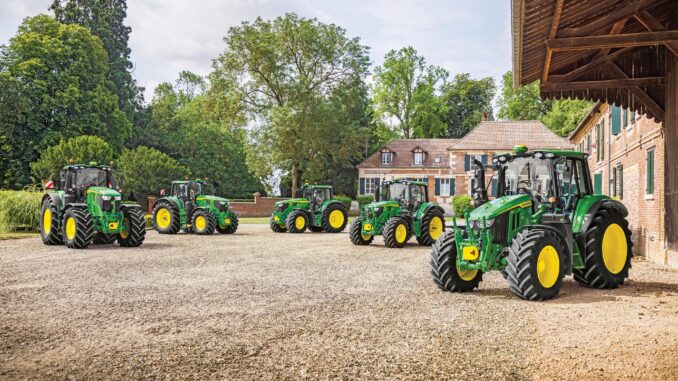
Introduction / Model Overview
The John Deere truck parts and service ecosystem is designed to support light‑duty and medium‑duty on‑road vehicles used for farm support, material handling, and general transport around properties and job sites. Owners in the USA and Canada typically run these trucks for towing small equipment, hauling supplies, and commuting between fields or service locations.
This John Deere Truck Parts Service and Repair Guide focuses on practical, symptom‑first diagnosis, parts selection, and safe DIY maintenance you can realistically perform at home. You’ll find plain‑English troubleshooting, links to parts diagrams and manuals, step‑by‑step fitting guides, and a large FAQ section tailored for homeowner and small‑business users.
General Overview of John Deere Truck Parts
John Deere truck platforms integrate several key systems: engine and fuel system, drivetrain (transmission, driveshafts, axles), braking system, steering and suspension, and electrical and safety systems. For farm and property support use, these trucks must start reliably, tow safely, and withstand mixed on‑road and yard conditions.
From a service perspective, the most important groups of John Deere truck parts are filters (oil, fuel, air), ignition components (spark plugs or injectors), belts and hoses, brake components, steering/suspension joints, and electrical parts like batteries, alternators, and sensors. Common service parts owners actually buy include:
-
Engine oil filter (e.g. typical Deere filter series for diesel or gasoline truck engines)
-
Fuel filter cartridges or spin‑on assemblies
-
Air filter elements (primary and sometimes secondary)
-
Serpentine drive belt for accessories
-
Brake pads, rotors, and hydraulic hoses
-
Spark plugs or glow plugs, depending on engine type
-
Batteries and main fuses
-
Wiper blades and light bulbs (headlights, markers, work lights)
Use your truck’s full model designation and engine family to match exact part numbers against official catalogs and trusted aftermarket cross‑reference tools.
Troubleshooting Approach for John Deere Truck Parts
When troubleshooting John Deere truck parts issues, always start from the symptom the owner sees rather than guessing at a specific failed component. Think in categories: starting problems, running and performance complaints, braking or steering concerns, noise and vibration, overheating or leaks, and electrical/safety faults.
The basic sequence for any John Deere Truck Parts troubleshooting job is:
-
Identify the main symptom (for example “cranks but won’t start” or “pulls to the left under braking”).
-
Note when it happens (cold/hot, under load, during braking, with lights on, etc.).
-
Perform simple visual checks: leaks, loose wires, broken hoses, worn belts.
-
Use basic tools (test light, multimeter, socket set) to narrow down the suspect system.
-
Confirm the failed part using diagrams and manuals before ordering replacements.
This guide will walk through emergency issues first, then show you where DIY work normally stops and dealer service begins for John Deere truck parts and repairs.
Emergency and Immediate Repair Needs – John Deere Truck Parts
1. John Deere Truck Parts Starting Issues
Starting issues include no‑crank, slow crank, or cranks but does not fire. They matter because repeated cranking can damage starters, flatten batteries, and leave you stranded in unsafe conditions.
Common causes:
-
Weak or failing battery
-
Corroded or loose battery terminals or ground straps
-
Faulty starter motor or starter solenoid
-
Ignition switch or neutral safety switch faults
-
Fuel delivery problems (empty tank, blocked filter, failed pump)
Basic checks and steps:
-
Verify battery age, charge level, and cable tightness; clean corrosion.
-
Ensure the truck is fully in Park or Neutral and that any clutch interlock is engaged.
-
Listen for starter engagement; if you hear only clicks, suspect low voltage or solenoid.
-
Confirm you have fuel and that the fuel filter is not overdue for replacement.
-
If these checks don’t restore starting, stop and consider professional diagnostic work.
2. John Deere Truck Parts Running and Performance Problems
Running issues show up as rough idle, loss of power, hesitation, stalling, or smoke. They matter because they can indicate fuel or ignition faults that may damage the engine or leave you unable to tow or haul safely.
Common causes:
-
Dirty air filter restricting airflow
-
Clogged fuel filter or weak fuel pump
-
Ignition coil, plug, or injector problems
-
Sensor faults (mass airflow, oxygen sensor, crank/cam sensors)
-
Exhaust restrictions or turbocharger issues (diesel trucks)
Basic checks and steps:
-
Inspect and, if needed, replace air filter and fuel filter on schedule.
-
Check for obvious vacuum leaks or cracked intake hoses.
-
Watch for engine warning lights and read codes with an OBD‑II scanner.
-
Avoid heavy towing until performance issues are resolved.
-
If fault codes involve critical sensors or turbo operation, book dealer or specialist service.
3. John Deere Truck Parts Vibration and Noise
Vibration and unusual noise—from the engine bay, underbody, or wheels—can signal dangerous failures. Ignoring vibration can lead to driveline damage or tire failure.
Common causes:
-
Unbalanced or damaged tires
-
Worn or loose suspension components (ball joints, tie rods, bushings)
-
Failing wheel bearings
-
Damaged driveshaft or universal joints
-
Loose exhaust components or heat shields
Basic checks and steps:
-
Note when vibration occurs: specific speeds, braking, turning, or accelerating.
-
Inspect tires for bulges, missing weights, uneven wear, and correct pressures.
-
Listen near each wheel for bearing growl or scraping.
-
Check for visible play in steering and suspension joints (jack and support safely).
-
If vibration is severe or tied to steering/braking, avoid highway speeds and get immediate professional inspection.
4. John Deere Truck Parts Overheating and Leaks
Overheating, coolant leaks, fuel leaks, or brake fluid leaks are critical and should never be ignored. These problems can cause engine damage, fire risk, or loss of braking.
Common causes:
-
Low coolant, failed thermostat, or damaged radiator
-
Loose or cracked coolant hoses
-
Oil leaks from gaskets or seals
-
Fuel leaks at lines or filter housings
-
Brake fluid leaks at calipers, wheel cylinders, or hoses
Basic checks and steps:
-
If the temperature gauge spikes or warning lights come on, stop safely and shut down.
-
Visually inspect for coolant, oil, and fuel leaks under the engine bay and along frame rails.
-
Never remove a hot radiator cap; wait for full cool‑down before checking levels.
-
Top up fluids only if you can identify a minor leak and drive carefully to a service location.
-
For significant leaks or repeated overheating, call for recovery or towing and book professional repair.
5. John Deere Truck Parts Transmission and Drive Problems
Drive issues include slipping, harsh shifts, delayed engagement, or noises under acceleration or deceleration. These are major because transmission or differential repairs are complex and expensive.
Common causes:
-
Low or degraded transmission fluid
-
Worn clutches or bands in automatic transmissions
-
Damaged universal joints or driveshaft components
-
Differential or axle bearing failures
-
Misadjusted shift linkage or cable
Basic checks and steps:
-
Confirm fluid level and condition per your truck’s transmission specification (hot/cold check as specified).
-
Note any burning smell or discoloration in fluid; this suggests internal wear.
-
Listen for clunks when shifting from Park into Drive or Reverse.
-
Avoid towing or heavy loads if symptoms appear; further stress may cause total failure.
-
Transmission internal repairs belong to a dealer or qualified transmission shop.
6. John Deere Truck Parts Electrical and Safety Problems
Electrical and safety issues include non‑functional lights, warning lamps staying on, ABS faults, or airbag warnings. These problems matter because they can impair visibility, legal compliance, and crash protection.
Common causes:
-
Blown fuses or relays
-
Faulty switches or wiring damage
-
Sensor failures (wheel speed sensors for ABS, airbag sensors)
-
Battery or alternator output problems
Basic checks and steps:
-
Test basic functions: headlights, brake lights, indicators, wipers, horn.
-
Check fuses and relays using the owner’s manual diagrams.
-
Read diagnostic codes with an OBD‑II scanner to pinpoint systems in fault.
-
Replace simple items like bulbs and wiper blades yourself.
-
For ABS or airbag warnings, seek dealer or specialist diagnostic and repair.
DIY or Dealer? Repair Decision Guide for John Deere Truck Parts
For John Deere Truck Parts work, the line between DIY and dealer service usually sits at the point where special tools, electronic diagnostics, or safety‑critical systems are involved. Routine maintenance and simple mechanical replacements are fine for competent home mechanics; internal engine, transmission, and advanced electronics are best left to professionals.
Good DIY jobs (John Deere Truck Parts):
-
Engine oil and filter changes
-
Air and fuel filter replacement
-
Battery replacement and basic electrical terminal repairs
-
Spark plug or glow plug replacement (if access is straightforward)
-
Wiper, bulb, and simple accessory installations
Advanced DIY or dealer jobs (John Deere Truck Parts):
-
Brake system repairs beyond pad/rotor replacement (ABS hydraulics, lines)
-
Steering and suspension component replacement requiring alignments
-
Internal engine repairs (timing chains, head gaskets, injector replacement on high‑pressure systems)
-
Transmission, transfer case, or differential internal work
-
Complex electrical diagnostics and control module programming
Skill level guide:
-
Beginner: Fluids, filters, wipers, bulbs, battery swaps.
-
Intermediate: Brake pads and rotors, belts and hoses, basic suspension components.
-
Advanced: Engine internal work, drivetrain repairs, and in‑depth diagnostic procedures.
Parts Needed, OEM vs Aftermarket – John Deere Truck Parts Information
Before ordering John Deere Truck Parts for your truck, gather accurate identification information to avoid wrong components and fitment issues. You need the full model name, your Product Identification Number (PIN or VIN equivalent), the engine type and code, and any package or trim information that affects brakes, suspension, or electrical parts.
Key information:
-
Full truck model name and series (e.g. chassis type, engine family).
-
Product Identification Number (often printed on a plate at the dash, door, or frame rail).
-
Engine model and displacement (diesel vs gasoline, turbo vs naturally aspirated).
-
Axle and brake configuration (front and rear disc/drum, ABS presence).
John Deere Truck Parts – Example Service Parts Table
Use official John Deere parts catalogs or trusted cross‑reference tools to match these placeholders to your specific truck:
OEM vs aftermarket guidance for John Deere Truck Parts:
-
Use OEM John Deere or OEM‑equivalent parts for belts, brake components, steering/suspension joints, and any safety‑critical parts.
-
Quality aftermarket filters, batteries, and some brake pad sets can be acceptable if they properly cross‑reference to John Deere specifications and meet or exceed OEM ratings.
-
Cheap, unverified parts should be avoided; saving money is not worth compromising reliability or safety.
Where to Find John Deere Truck Parts Diagrams and Service Manuals
To work effectively on John Deere Truck Parts, you need access to diagrams and manuals that show systems in context. Start with the official John Deere parts and service portals, then add trusted aftermarket and dealer resources.
Useful online sources:
-
Official John Deere parts catalog and parts lookup pages – let you search by model, PIN, or part number, and view exploded diagrams for truck systems.
-
Operator’s manual and maintenance guides – provide basic service intervals, fluid capacities, and routine maintenance tasks for your truck.
-
Technical publications and service manuals – cover diagnostic procedures, wiring diagrams, and detailed repair instructions beyond owner level.
-
A reputable John Deere‑focused parts site with model‑specific pages (for example, sites that allow VIN/PIN filtering and show illustrated diagrams for each truck model).
Use these resources together: start with the operator’s manual for basic information, then open the parts catalog diagrams when you’re ready to identify individual components and order parts.
How to Locate Model, Serial, and Engine Numbers on John Deere Trucks
Model, serial, and engine numbers are essential for ordering the correct John Deere Truck Parts and using PIN‑filtered diagrams. Without them, you risk ordering components that look similar but don’t fit or function correctly.
Step‑by‑step identification:
-
Locate the truck’s main identification plate or sticker, typically on the driver’s side door jamb, lower dash, or frame rail; this carries the full model and PIN/VIN.
-
Record the full PIN/VIN exactly as printed, including letters and digits.
-
Open the hood and look for the engine identification plate or stamped code on the block or valve cover; note the engine model, displacement, and any emissions family data.
-
Check for axle and brake tags (often on differential housings or underbody labels) if you are ordering drive or braking John Deere Truck Parts.
-
Save photos of these labels on your phone for quick reference when ordering parts or consulting diagrams.
Buying John Deere Truck Parts Online and in Physical Stores
A simple strategy for John Deere Truck Parts is to use online resources for research and OEM part numbers, then choose the best purchase route based on complexity and urgency. Always confirm part numbers against your truck’s PIN and diagrams before buying.
Options:
-
Online: Use official John Deere parts catalog and trusted aftermarket sites that support PIN/VIN search and show compatibility lists. Double‑check the part number, description, and truck fitment details.
-
Dealer counter: Ideal for complex, serial‑specific, or safety‑critical John Deere Truck Parts. Staff can interpret PIN filters, superseded part numbers, and special service bulletins.
-
Retail stores: Suitable for common consumables like oils, filters, wipers, and generic batteries when packaging clearly lists compatibility with your truck type and engine family.
Include a few bookmarked URLs in your own workflow (e.g. official John Deere parts lookup, technical publications page, and one high‑quality aftermarket catalog) so you can quickly cross‑reference John Deere Truck Parts from multiple sources.
Step‑by‑Step Fitting Guide – Common John Deere Truck Parts Jobs
Below are four high‑impact DIY jobs for John Deere Truck Parts that most competent owners can handle safely at home, provided they follow basic precautions.
1. Engine Oil and Filter Change – John Deere Truck Parts
Changing engine oil and filter improves engine longevity, starting performance, and fuel economy.
Steps:
-
Warm the engine briefly to thin the oil, then park on level ground and set the parking brake.
-
Place a drain pan under the oil drain plug, loosen the plug, and allow oil to drain completely.
-
Remove the old oil filter, ensuring the gasket comes off with it; lightly oil the new filter’s gasket and install hand‑tight.
-
Reinstall the drain plug with a new washer if required and torque to specification.
-
Fill with the correct grade and quantity of oil for your engine, then start and check for leaks.
-
Shut down, recheck level, and top up if necessary.
2. Air Filter Replacement – John Deere Truck Parts
A clean air filter maintains performance and prevents dust ingestion into the engine.
Steps:
-
Open the hood and locate the air filter housing (usually a plastic box connected to the intake duct).
-
Release clips or screws and remove the housing cover.
-
Lift out the old air filter element carefully to avoid dropping debris into the intake.
-
Clean out loose dirt from the housing with a dry cloth or gentle vacuum.
-
Fit the new air filter element in the correct orientation and reinstall the cover securely.
-
Close the hood and note the replacement date/mileage for your records.
3. Battery Replacement – John Deere Truck Parts
Replacing a weak battery restores starting reliability and protects alternator and starter components.
Steps:
-
Switch off all electrical loads, turn off the ignition, and remove the key.
-
Wear eye protection, then disconnect the negative (ground) cable first, followed by the positive cable.
-
Remove any hold‑down clamps and lift the battery out of the tray.
-
Clean the tray and cable ends, checking for corrosion or damaged wiring.
-
Place the new battery in the tray, secure it with the hold‑down, and connect the positive cable first, then the negative.
-
Start the truck and verify correct operation; retighten terminals if needed.
4. Front Brake Pad Replacement – John Deere Truck Parts
Replacing worn front brake pads improves braking power and reduces rotor damage. Only attempt this job if you’re comfortable working with jacked vehicles and follow proper safety practices.
Steps:
-
Park on level ground, set the parking brake, loosen wheel nuts slightly, then jack and support the front of the truck securely on stands.
-
Remove the front wheels and inspect calipers, pads, and rotors for wear or damage.
-
Unbolt the caliper slide pins, carefully lift the caliper, and remove old pads.
-
Compress the caliper piston using an appropriate tool so the new pads fit over the rotor.
-
Install new pads and reassemble the caliper with correct torque on slide pins.
-
Refit wheels, lower the truck, and pump the brake pedal several times before driving to ensure proper pad seating.
Maintenance to Prevent John Deere Truck Parts Problems
Regular maintenance is the single best way to prevent common John Deere Truck Parts failures and keep your truck reliable for everyday and farm‑support use. Focus on systems that most often cause breakdowns or safety issues.
Key focus areas:
-
Starting reliability: Keep the battery, terminals, and starter wiring clean and in good condition; replace batteries before they fail unexpectedly.
-
Running and performance: Replace air and fuel filters on schedule, use correct oil grades, and fix minor leaks early.
-
Overheating and fire prevention: Inspect cooling system hoses, belts, and radiators; repair fuel leaks immediately.
-
Drive performance: Service brakes and suspension, check tires, and respond quickly to vibration or noise.
-
Electrical reliability: Protect wiring from chafing, road salt, and impact; replace damaged connectors and ensure good grounds.
Maintenance Schedule and Year‑Round Checklist – John Deere Truck Parts
Use your truck’s official maintenance chart as a base, then adapt it to your own duty cycle and environment. The following is a typical pattern for light‑duty farm and property support trucks.
Daily / Before Each Use
-
Walk‑around check for leaks, low tires, and visible damage.
-
Verify lights, indicators, and brake lights operate correctly.
-
Confirm fuel level and check for any strong fuel or coolant smells.
After 8–10 Hours of Operation (or Heavy‑Use Days)
-
Inspect engine oil level and top up if needed.
-
Quick visual inspection of belts, hoses, and battery connections.
-
Check brake pedal feel and parking brake operation.
Every 25 Hours or Monthly
-
Inspect air filter for excessive dirt; replace if necessary.
-
Check tire pressures and tread; adjust for load and season.
-
Inspect front and rear suspension joints and bushings for play.
Every 50 Hours or Quarterly / Every 5,000 Miles (Approx.)
-
Change engine oil and filter as per manufacturer interval.
-
Inspect and, if needed, replace fuel filter.
-
Inspect brake pads and rotors; check for uneven wear or scoring.
-
Check steering components and wheel bearings for looseness.
Every 200 Hours or Yearly
-
Replace air filter element (and secondary if equipped).
-
Flush and replace engine coolant as specified.
-
Replace brake fluid if recommended by the manufacturer.
-
Inspect exhaust system, driveshafts, and differential fluids.
-
Perform a full electrical system check (battery test, alternator output, and major grounds).
Seasonal Checklist – John Deere Truck Parts
For USA and Canada owners, adjust John Deere Truck Parts maintenance to climate and usage:
-
Spring: Inspect for winter corrosion, check brakes and suspension, replace wipers, and test AC.
-
Mid‑season: Recheck fluids, filters, and tires during peak towing/hauling period.
-
Fall: Service cooling and battery systems ahead of winter; inspect heaters and defrosters.
-
Winter: Monitor batteries closely, use appropriate winter‑grade fluids, and check lighting and ABS frequently.
Repair, Upgrade, or Replace? – John Deere Truck Parts Decisions
With John Deere Truck Parts, you must balance repair cost, downtime, and truck age. As trucks accumulate mileage and heavy farm use, some systems are better upgraded or replaced entirely rather than repeatedly patched.
Repair if…
-
The fault is clearly identified and limited to a single part or small group of parts.
-
The truck is otherwise in good condition with strong frame, body, and drivetrain.
-
Parts are readily available and installation does not require extreme labor.
Upgrade if…
-
Existing components are marginal for your towing or payload needs (e.g. shocks, springs, brakes).
-
You regularly experience repeated failures in the same area due to heavy use.
-
High‑quality upgraded parts can substantially improve safety and durability.
Replace if…
-
Major systems (engine, transmission, frame) are failing and repair costs exceed truck value.
-
Significant rust, accident damage, or structural issues compromise long‑term safety.
-
You need capabilities (payload, towing, emissions compliance) your current truck cannot realistically meet.
Expanded Troubleshooting FAQ – John Deere Truck Parts (30–35 Questions)
1. Why will my John Deere truck not start?
A John Deere truck that will not start usually has a battery, starter, ignition switch, or fuel delivery issue. Begin by checking battery age, state of charge, and cable condition. Ensure the truck is fully in Park or Neutral and that any safety interlocks are satisfied. If it cranks but does not fire, inspect fuel level, filters, and basic ignition components, then consider professional diagnostics if warning lights are present.
2. Why does my John Deere truck crank slowly?
Slow cranking typically points to a weak battery, corroded terminals, or high resistance in starter cables. Confirm battery voltage with a meter and look for white or green corrosion at the posts. Clean and tighten terminals, then retest; if cranking remains slow, the starter motor may be worn. Avoid continued attempts to start, as repeated cranking can overheat the starter and drain the battery.
3. Why does my John Deere truck start cold but not hot?
Hot‑start problems often involve marginal starter motors, heat‑soaked batteries, or failing crank/cam sensors. Heat increases resistance, so a starter that works when cold may fail once components warm up. Check battery and charging system first, then scan for fault codes related to engine speed sensors. If hot‑start issues persist, professional diagnostics are recommended to avoid misdiagnosis and unnecessary parts replacement.
4. Why does my John Deere truck stall at idle?
Stalling at idle can result from dirty throttle bodies, restricted air filters, vacuum leaks, or sensor faults. Inspect and replace air filters, then look for cracked vacuum hoses or loose intake connections. Cleaning the throttle body and idle control components may restore stable idle. If the truck still stalls, scan for codes and consider fuel system testing to rule out weak pumps or clogged injectors.
5. Why is my John Deere truck down on power when towing?
Loss of power under load can be caused by restricted fuel flow, dirty air filters, weak ignition components, or turbo issues on diesel models. Start with filters and basic maintenance, then check for exhaust restrictions or boost leaks on turbo engines. Avoid heavy towing until the issue is corrected, since overloading a struggling engine and transmission increases wear. If warning lights or smoke accompany power loss, seek specialist assessment.
6. What causes vibration at highway speeds in my John Deere truck?
High‑speed vibration usually indicates tire imbalance, uneven wear, or bent wheels. Inspect tires for flat spots, bulges, and missing weights, and confirm pressures are correct. If tires are sound, check wheel bearings and driveline components for play or damage. Persistent highway vibration should be resolved promptly, as it can lead to premature tire and suspension wear and may affect steering control.
7. Why does my John Deere truck pull to one side when braking?
Brake pull occurs when braking force is unequal between sides, often due to sticking calipers, contaminated pads, or uneven rotor condition. Inspect pads and rotors for glazing, uneven wear, or fluid contamination. Check caliper slide pins and pistons for smooth movement. Driving with brake pull is unsafe, especially in wet or emergency situations, so address the problem before regular use resumes.
8. Why are my John Deere truck brakes noisy?
Brake noise—squealing, grinding, or clicking—indicates pad wear, glazing, or hardware problems. Squeal often comes from glazed pads or missing shims, while grinding suggests pads have worn through to the metal backing. Inspect pads and rotors and replace as needed, including hardware kits where appropriate. Ignoring brake noise risks rotor damage and reduced braking performance.
9. Why does my John Deere truck steering feel loose?
Loose steering feel is commonly associated with worn tie rods, ball joints, steering racks, or column components. Jack and support the front of the truck and check for play at the wheels, watching linkages while an assistant moves the steering wheel. Excessive play or knocking should be addressed quickly. Worn steering parts can cause poor control and uneven tire wear, especially during towing or on rough roads.
10. Why does my John Deere truck sit uneven or sag at the rear?
Uneven ride height or rear sag indicates worn or broken springs, tired shocks, or overloaded operation. Inspect leaf springs or coils for cracks and check that shocks are not leaking. Compare ride height side to side and front to rear. If you frequently haul heavy loads, consider upgrading suspension components as part of your John Deere Truck Parts strategy to maintain safe towing and handling.
11. Why is my John Deere truck overheating?
Overheating can result from low coolant, failed thermostats, blocked radiators, slipping belts, or stuck fan clutches. Check for coolant level, leaks, and belt condition first. Clean debris from the radiator and condenser fins. Never ignore overheating or continue driving, as doing so can warp cylinder heads and damage engines. If overheating persists after basic checks, seek professional cooling system diagnostics.
12. Why do I smell coolant or see steam from my John Deere truck?
Coolant smell or visible steam indicates leaks from hoses, radiators, heater cores, or overflow systems. Inspect under the hood and beneath the truck for wet spots, staining, or crusty deposits. Minor leaks may allow short trips with careful monitoring, but any major leak should prompt immediate shutdown. Overlooking coolant leaks can quickly lead to overheating and expensive repairs.
13. What causes fuel smells around my John Deere truck?
Fuel smells usually come from leaks in fuel lines, filter housings, tanks, or injector connections. Visually inspect lines and fittings, especially near filters and rail components. Do not use open flames near suspected leaks, and avoid driving until you are certain the problem is minor or resolved. Because fuel leaks pose fire risk, address them promptly with quality John Deere Truck Parts and professional help if required.
14. Why does my John Deere truck battery keep going flat?
Repeated battery drain may be caused by parasitic electrical loads, failing alternators, or poor charging habits. First, test alternator output with a meter or at a service center. Check that lights and accessories are not left on inadvertently. If the alternator is good and the battery is fairly new, you may have a parasitic draw from wiring faults or aftermarket devices, which requires systematic diagnostic work.
15. Why are my lights dim or flickering on my John Deere truck?
Dim or flickering lights point to voltage drops, poor grounds, or alternator issues. Inspect battery terminals, ground straps, and main power connections for corrosion or looseness. Measure charging voltage at the battery with the engine running. If voltage is low or unstable, the alternator or its wiring may need attention. Address lighting and charging problems before night or winter driving.
16. Why does the ABS warning light come on in my John Deere truck?
An ABS light usually indicates sensor faults, damaged wiring, or hydraulic control issues. Use an OBD‑II scanner capable of reading ABS codes to identify the affected wheel or circuit. Inspect wheel speed sensor wiring near hubs for damage from debris or corrosion. While some sensor replacements are DIY‑accessible, hydraulic or control module issues should generally be handled by a professional.
17. Why is the check engine light on in my John Deere truck?
The check engine light signals detected emissions or performance faults. Read the stored trouble codes with an OBD‑II scanner before replacing any John Deere Truck Parts. Many codes relate to sensors or minor components; some may result from loose gas caps or temporary conditions. Address underlying causes rather than simply clearing codes, and seek professional help for complex or recurring faults.
18. Why does my John Deere truck transmission shift harshly?
Harsh shifts can come from low or incorrect transmission fluid, worn internal components, or control module issues. Check fluid level and condition per manufacturer instructions; fluid should be clean and at the correct level. Avoid aggressive driving or towing until the problem is understood. Internal transmission repairs and reprogramming are not suitable DIY jobs and are best handled by specialist shops.
19. Why does my John Deere truck hesitate when accelerating?
Hesitation during acceleration often points to fuel delivery, ignition, or airflow problems. Replace overdue filters and inspect spark plugs for wear or fouling. Check for intake leaks and ensure the mass airflow sensor is clean. Persistent hesitation, especially under load, may require more advanced diagnostic tests to avoid misfires and potential catalyst damage.
20. Why does my John Deere truck make clunking noises when shifting from Park?
Clunk or bang noises when shifting from Park into gear may indicate excessive driveline play, worn universal joints, or loose mounts. Listen carefully for the location of the noise and inspect driveshafts, differential mounts, and suspension bushings. While minor play can be normal, pronounced clunks should be investigated to prevent driveline damage or sudden failures.
21. Why do my John Deere truck tires wear unevenly?
Uneven tire wear typically reflects improper alignment, worn suspension components, or incorrect tire pressures. Examine tread patterns for inner/outer edge wear, cupping, or feathering. Check pressures regularly and adjust to recommended values. Schedule a professional alignment and address worn components; ignoring tire wear increases operating cost and can compromise handling.
22. Why is my John Deere truck hard to steer at low speeds?
Heavy, difficult steering at low speeds may result from low power steering fluid, failing pumps, or steering gear problems. Check fluid level and look for leaks near hoses and the steering rack. Listen for pump whining while turning the wheel. Power steering system repairs are often intermediate to advanced difficulty, so consider a professional if you see major leaks or component damage.
23. Why do my John Deere truck wipers and washers not work properly?
Wiper and washer faults are typically caused by worn blades, low washer fluid, blocked nozzles, or failed motors and switches. Replace wiper blades regularly and confirm fluid levels. Clear blocked nozzles with a fine pin and check fuses for the wiper/washer circuit. Motor or linkage failures may require part replacement but are often manageable for intermediate DIY users.
24. Why does my John Deere truck cabin heater or AC perform poorly?
Poor cabin climate control performance can arise from low refrigerant levels, blocked cabin filters, heater core issues, or blend door faults. Replace cabin air filters on schedule and ensure vents are unobstructed. AC work involving refrigerant should usually be left to certified technicians. Heater problems may be linked to coolant flow or air distribution components that require more detailed diagnosis.
25. Why do I hear a humming noise from the rear of my John Deere truck?
A rear humming noise that changes with speed often indicates wheel bearing or differential issues. Jack and safely support the rear, then check wheel bearings for play or roughness. Differential noises may require fluid inspection and, ultimately, professional repair. Address humming early; failing bearings or gears can eventually lock up or break.
26. Why is my John Deere truck exhaust louder than normal?
Increased exhaust noise usually results from leaks, rusted pipes, or damaged mufflers. Inspect the exhaust system from manifold to tailpipe for holes, loose hangers, and broken joints. Minor clamp or hanger replacements can be DIY; large rust damage or manifold leaks may demand professional work. Loud exhaust can violate noise regulations and mask other important sounds.
27. Why does my John Deere truck emit excessive smoke?
Excessive smoke—white, blue, or black—signals serious engine or fuel issues. White smoke may indicate coolant entering the combustion chamber, blue smoke suggests oil burning, and black smoke reflects rich fueling. Do not ignore heavy smoke; have the truck assessed promptly. Continuing to drive with these symptoms risks engine damage and emissions compliance problems.
28. Why does my John Deere truck floor get wet inside?
Wet floors can come from leaked heater cores, blocked sunroof drains, door seal problems, or windshield leaks. Check for coolant smell or greasy feel in the moisture; this points to heater core or hose issues. Inspect door seals and drains for blockage. Some water leaks can be sealed at home, but heater core replacement is usually an advanced job.
29. Why do my John Deere truck gauges behave erratically?
Erratic gauges may result from poor grounds, failing instrument clusters, or sensor/wiring problems. Verify battery and charging system health, then inspect major ground straps for corrosion. If multiple gauges act strangely together, the issue may lie with the cluster or main harness. Advanced electrical diagnostics are often better left to specialists.
30. How often should I service my John Deere truck brakes?
Brake service intervals depend on mileage, load, and driving conditions, but regular inspections should occur at least every 50 hours or several thousand miles. Replace pads before they reach minimum thickness and inspect rotors and hardware at the same time. Farm and towing use may require more frequent checks. Always prioritize brake work in your John Deere Truck Parts maintenance plan.
31. How often should I change engine oil in my John Deere truck?
Engine oil change intervals vary by engine type and usage, but many light‑duty trucks follow a 5,000–7,500 mile or equivalent hour schedule. Frequent towing, idling, or dusty environments justify shorter intervals. Follow the manufacturer’s chart and use correct grade and specification oil. Staying ahead of oil changes is one of the most effective ways to prolong engine life.
32. How often should I change air and fuel filters on my John Deere truck?
Air filters should be inspected regularly and replaced when dirty, typically yearly or more often in dusty conditions. Fuel filters often follow 25‑ to 50‑hour or mileage‑based intervals depending on engine and fuel system type. Consult your maintenance chart for exact timing. Skipping filter changes can lead to performance loss and system wear.
33. How often should I rotate tires on my John Deere truck?
Tire rotation every 5,000–7,500 miles helps promote even wear, especially on trucks used for towing or carrying loads. Follow a pattern appropriate to your truck’s tire type and drive configuration. During rotation, inspect tires and wheels for damage. Regular rotation extends tire life and can improve overall handling and ride comfort.
34. How often should I inspect suspension and steering components on my John Deere truck?
Suspension and steering should be inspected at least annually or every 50–100 hours of operation, and more often under heavy farm use. Look for torn boots, leaks, and play in joints and bushings. Address issues early to prevent uneven tire wear and poor handling. Critical components like ball joints and tie rods should be replaced before they approach failure.
35. When should I consider replacing my John Deere truck instead of repairing it?
Consider replacement when multiple major systems fail, corrosion or accident damage compromises structural integrity, or repair costs repeatedly exceed the truck’s value. Analyze total annual repair expenses against the cost of a newer truck. If your John Deere truck can no longer reliably perform the tasks you need—even after reasonable repairs—replacement becomes the safer and more economical option.