
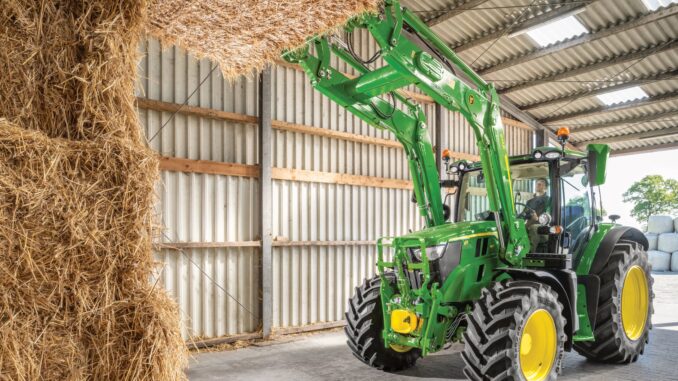
Introduction / John Deere 4410 overview
The John Deere 4410 is a compact utility tractor designed for small-acreage farms, acreage owners, and serious homeowners who need more capability than a lawn tractor but still want something manageable around the property. It’s typically used for mowing with a mid‑mount or rear rotary cutter, loader work, light field tasks, and a wide range of 3‑point hitch implements.
This John Deere 4410 service and repair guide is written for homeowner and DIY users in the USA and Canada who are comfortable with basic maintenance and some intermediate repairs. You’ll find model‑specific parts information, links to diagrams and manuals, symptom‑based troubleshooting, practical maintenance schedules, and an expanded FAQ so you can decide when to tackle work yourself and when to involve a dealer.
General overview of the John Deere 4410
The John Deere 4410 sits in the 4000 Ten series compact utility tractor lineup, positioned as a higher‑horsepower model suited to heavier loader work, ground engagement implements, and larger mowing attachments. It is typically equipped with a diesel engine, hydrostatic or power reverser transmission, power steering, and live PTO options that make it flexible for many farm and property jobs.
Key systems to keep in mind on the John Deere 4410 include:
-
Engine and fuel system (diesel injection, fuel filter and lines, glow plugs).
-
Cooling system (radiator, hoses, thermostat, fan).
-
Transmission and drive system (hydrostatic or gear transmission, front axle on MFWD models, rear axle, differential lock).
-
PTO and hitch (rear PTO, mid PTO where fitted, 3‑point hitch, lift arms).
-
Electrical system (battery, alternator, starter, switches, fuses, safety interlocks).
-
Hydraulic system (main hydraulic pump, steering circuit, loader and 3‑point hydraulics).
-
Mowing system if fitted (mid‑mount mower deck, blades, belts, gauge wheels).
Common John Deere 4410 service parts owners frequently buy include:
-
Engine oil filter.
-
Fuel filter and sediment bowl seal.
-
Primary and secondary air filters.
-
Hydraulic/transmission filters and suction screen seals.
-
Engine drive/alternator belt.
-
Glow plugs.
-
Starter relay and key switch.
-
PTO and seat safety switches.
-
Batteries and battery cables.
Troubleshooting approach on a John Deere 4410
Troubleshooting a John Deere 4410 should always start from the symptom the owner sees, not from guessing a failed part. Begin with “what is the tractor doing or not doing?” and then work through basic checks before assuming a major component has failed.
For the John Deere 4410, the main symptom categories that cover most problems are:
-
Starting issues (no crank, cranks but will not start, hard cold starting).
-
Running issues (stalling, loss of power, surging, excessive smoke).
-
PTO and implement issues (PTO won’t engage, mower or implement not turning correctly).
-
Vibration and noise (engine vibration, driveline noise, hydraulic whining).
-
Overheating and leaks (coolant overheating, oil leaks, hydraulic leaks, fuel leaks).
-
Transmission/drive problems (won’t move, jerky movement, hydrostatic performance issues).
-
Electrical and safety switch problems (dead electrics, intermittent shutdowns, warning lights).
Start with the simplest causes such as fuel quality, filter condition, fluid levels, and safety switch positions, then move towards wiring checks, pressure checks and professional diagnostics when basic steps do not resolve the issue.
Emergency and immediate repair needs on a John Deere 4410
Some John Deere 4410 problems must be dealt with immediately because they stop safe operation or can quickly damage expensive components. Anything involving loss of steering, brakes, significant fluid leaks, overheating, or unusual mechanical noises should be treated as urgent.
Below, each symptom category highlights what it looks like, why it matters, and the common causes and basic checks you can do before calling the dealer.
1. Starting issues – John Deere 4410
This looks like the tractor not cranking at all, cranking slowly, or cranking normally but failing to fire, especially when cold. It matters because repeated cranking and incorrect starting attempts can damage the starter, drain the battery, and mask underlying fuel or electrical faults.
Common causes:
-
Weak or failing battery.
-
Loose or corroded battery terminals.
-
Faulty safety switches (seat, PTO, range selector).
-
Glow plug or cold start aid issues.
-
Clogged fuel filter or air in fuel system.
-
Poor fuel quality or water in diesel.
Basic checks and steps:
-
Verify the transmission range selector, PTO switch, and seat position are all in the correct positions for starting.
-
Check battery terminals for corrosion and tighten them; clean as necessary.
-
Confirm battery voltage and charge the battery fully; replace if it fails a load test.
-
Inspect the fuel filter for contamination and replace if dirty; bleed air from the fuel system following the manual.
-
Allow the glow plugs to pre‑heat for the recommended time before cranking, especially in cold weather.
2. Running issues – John Deere 4410
Running issues include rough idle, loss of power under load, stalling when engaging the PTO, or excessive smoke (black, white, or blue). These matter because they can indicate fuel delivery problems, air restrictions, or early engine wear that will worsen if ignored.
Common causes:
-
Clogged fuel filter or restricted fuel lines.
-
Dirty air filter element.
-
Water or contamination in fuel.
-
Incorrect idle or throttle setting.
-
Injector issues or poor compression (requires professional assessment).
Basic checks and steps:
-
Replace the fuel filter and inspect lines for kinks or leaks.
-
Check the air filter; clean or replace according to the maintenance chart.
-
Drain and inspect the fuel sediment bowl for water or debris and refill with clean diesel.
-
Verify that the throttle and linkage move smoothly through the full range.
-
If problems persist, avoid heavy loads and consult a dealer about injector and compression testing.
3. Vibration and noise – John Deere 4410
This shows up as unusual vibrations through the seat or steering, knocking or clunking noises, or new whining or grinding sounds. These issues are critical because they can be early signs of drivetrain, PTO, or hydraulic component failure.
Common causes:
-
Loose or broken engine or transmission mounts.
-
Worn universal joints or driveline components.
-
Damaged PTO shaft or implement driveline.
-
Low hydraulic fluid or cavitation in the hydraulic system.
-
Loose wheel hardware or out‑of‑balance tires.
Basic checks and steps:
-
Stop the tractor and inspect visible driveline components and PTO shafts for damage or loose guards.
-
Check hydraulic fluid level and top up with the correct specification oil if low.
-
Inspect wheel nuts and torque to the recommended settings.
-
Remove any implement and test the tractor without load to see if the noise remains.
-
If loud or metallic noises persist, stop using the tractor and schedule dealer inspection.
4. Overheating and leaks – John Deere 4410
Overheating on the John Deere 4410 appears as temperature gauge readings climbing into the red, warning lights, or coolant boiling and overflow. Leaks include visible puddles of coolant, engine oil, or hydraulic fluid under the tractor.
Common causes:
-
Low coolant level or coolant leaks.
-
Clogged radiator fins or screens.
-
Faulty thermostat or water pump.
-
Low engine oil level.
-
Loose hydraulic fittings or damaged hoses.
Basic checks and steps:
-
Let the tractor cool completely before opening the radiator cap or checking coolant.
-
Inspect coolant and engine oil levels and top up as necessary.
-
Clean debris from the radiator and cooling screens with low‑pressure air or water.
-
Inspect hoses, clamps, and hydraulic lines for cracks or wet spots indicating leaks.
-
If overheating continues after cleaning and topping fluids, avoid heavy work and have the cooling system professionally checked.
5. Transmission and drive problems – John Deere 4410
Transmission problems look like the tractor refusing to move, moving only slowly, jerky operation, or unusual noises when changing direction. For hydrostatic tractors, you might feel loss of drive power or sluggish response when pressing the pedals.
Common causes:
-
Low or incorrect transmission/hydraulic oil.
-
Clogged transmission filter or suction screen.
-
Range selector not fully engaged.
-
Parking brake left on.
-
Internal transmission or axle damage.
Basic checks and steps:
-
Verify the range selector and gear lever are fully engaged and not between positions.
-
Confirm the parking brake is fully released.
-
Check transmission/hydraulic oil level and correct oil type.
-
Inspect transmission filters and change them if due or if contamination is suspected.
-
If drive issues remain, avoid towing or pulling with the tractor and seek dealer diagnostics.
6. Electrical and safety switch problems – John Deere 4410
Electrical faults show up as dead instruments, no response from lights, intermittent shutdowns, or the tractor turning off when you leave the seat or engage PTO. These are important because bypassed or faulty safety switches can create unsafe operating conditions.
Common causes:
-
Blown fuses or corroded fuse contacts.
-
Worn ignition key switch.
-
Damaged wiring, especially around the seat and PTO switches.
-
Incorrectly adjusted or failed safety switches.
-
Weak alternator or loose wiring connections.
Basic checks and steps:
-
Inspect fuses and replace any blown units with correct ratings.
-
Wiggle the key gently while the tractor is running to see if it causes intermittent loss of power; replace the switch if necessary.
-
Check visible wiring harnesses for chafing or damage, especially under the seat and along the frame.
-
Confirm safety switches are correctly adjusted and not hanging or loose.
-
If the tractor shuts down when you hit bumps or turn, have a dealer inspect the interlock system in detail.
DIY or dealer? Repair decision guide for the John Deere 4410
On a John Deere 4410, the typical line between DIY and dealer work falls around anything involving internal engine, transmission, or hydraulic repairs, or complex diagnostics requiring special tools. Most owners can handle routine maintenance, filter and fluid changes, basic electrical checks, and simple bolt‑on component replacement, while more complex jobs are best left to a dealer or experienced technician.
Good DIY jobs:
-
Engine oil and filter changes.
-
Fuel and air filter replacement.
-
Greasing all fittings on loader, 3‑point hitch, and steering.
-
Battery replacement and battery cable cleaning.
-
Changing transmission/hydraulic filters and checking fluid levels.
-
Replacing basic electrical components like fuses and some switches.
Advanced DIY or dealer jobs:
-
Internal engine repairs (injectors, valves, head gasket, timing).
-
Transmission or differential repairs.
-
Hydraulic pump replacement or major hydraulic leak repairs.
-
Steering system overhaul.
-
Complex electrical diagnosis involving CAN/bus systems or detailed wiring work.
Skill level guide:
-
Beginner: Engine oil change, air filter service, greasing points, checking tire pressure, cleaning radiator screen.
-
Intermediate: Fuel filter replacement and bleeding, transmission/hydraulic filter changes, battery and alternator belt replacement, basic switch replacement.
-
Advanced: PTO clutch adjustment, hydraulic pump work, internal transmission repairs, detailed electrical troubleshooting with diagrams and test equipment.
Parts needed, OEM vs aftermarket for John Deere 4410
Before ordering parts for your John Deere 4410, you must gather accurate information so you get components that fit your tractor and transmission type. Many parts are shared across the 4000 Ten series, but some filters, belts, and hydraulic parts differ depending on configuration.
Information to gather before ordering:
-
Full model name: John Deere 4410.
-
Product Identification Number (PIN): helps identify build options and serial‑specific parts.
-
Engine model and serial: confirms correct filters, belts, and engine components.
-
PTO and transmission type: hydrostatic vs gear/power reverser.
-
any attached implement model, such as a mid‑mount mower deck or loader, for associated parts.
Key John Deere 4410 service parts table
The exact part numbers may vary by serial range and configuration, so always cross‑check your PIN and engine model when ordering. The following table lists typical service and repair parts categories you’ll use repeatedly on a John Deere 4410:
OEM vs aftermarket guidance:
-
Use OEM parts for belts, hydraulic and transmission filters, safety‑critical items, and fit‑sensitive components such as certain switches and seals.
-
Aftermarket is acceptable for engine oil filters, some fuel filters, batteries, and often air filters if they are properly cross‑referenced to John Deere specifications.
-
Always cross‑check aftermarket part numbers with your model and PIN, and avoid “universal” parts where fit or flow specifications are unclear.
Where to find John Deere 4410 parts diagrams and manuals
For a John Deere 4410, quality diagrams and manuals are essential for correct troubleshooting and parts ordering. The best sources are:
-
John Deere operator’s manual for the 4410: This covers basic operation, routine maintenance schedules, fluid capacities, and safety information. It’s suitable for most DIY owners.
-
John Deere technical or service manual for the 4410: This is a more detailed repair manual intended for technicians. It includes wiring diagrams, hydraulic schematics, diagnostic procedures, and step‑by‑step repair instructions for major systems.
-
John Deere parts catalog or JDParts online: This provides exploded diagrams and OEM part numbers for every component on the tractor.
-
A reputable Deere‑focused parts site with a John Deere 4410 page: These sites often mirror Deere’s parts diagrams and provide cross‑reference information for aftermarket options.
You can usually access operator and technical manuals via the official John Deere “Manuals and Training” pages, and JDParts or equivalent sites provide free exploded diagrams when you search for “John Deere 4410 parts catalog”.
How to locate John Deere 4410 model, serial and engine numbers
Model, serial (PIN), and engine numbers matter because they define the exact configuration of your John Deere 4410, which affects filters, seals, transmission components, and sometimes electrical parts. Having these numbers before you call a dealer or place an online order prevents returns and incorrect parts.
To find identification numbers on a John Deere 4410:
-
Locate the tractor Product Identification Number (PIN) plate, typically on the tractor frame near the front right side or under the hood area. Clean the plate to read it clearly.
-
Look for any additional model and serial tags on attachments such as loaders or mower decks; these are usually on the frame or near the mounting points.
-
Find the engine serial and model number stamped or plated on the engine block or rocker cover; use a light and rag to clean the area.
-
Record the transmission type (hydrostatic vs gear) and PTO options from the dashboard or operator’s manual.
-
Keep these details written down with your maintenance records and refer to them whenever you order parts or manuals.
Buying John Deere 4410 parts online and in physical stores
A good strategy for buying John Deere 4410 parts is to use online resources for planning and part number confirmation, then choose between online ordering and local dealer support depending on urgency and complexity. Always start by confirming OEM part numbers using your PIN and tractor configuration.
-
Online: Use official John Deere parts sites or reputable aftermarket suppliers that allow you to enter “John Deere 4410” and your PIN to verify part compatibility. Check return policies before ordering.
-
Dealer counter: Best for complex or serial‑specific items, hydraulic components, or when you are unsure about part supersessions. Bring your PIN and engine details.
-
Retail stores: Suitable for common consumables such as engine oil, grease, batteries, and occasionally filters, as long as packaging clearly lists compatibility with John Deere 4410 or equivalent models.
Useful URLs to bookmark include the main John Deere parts and manuals pages, JDParts or an equivalent online catalog, and a trusted aftermarket supplier that has a dedicated John Deere 4410 section.
Step‑by‑step fitting guide for common John Deere 4410 DIY jobs
The John Deere 4410 lends itself well to several high‑impact DIY maintenance tasks that can significantly improve reliability and performance. Below are simple fitting guides for jobs most owners can tackle safely.
1. Replacing the engine oil and filter – John Deere 4410
This job improves engine life, reduces wear, and keeps the 4410 running smoothly under load.
-
Park the tractor on level ground, shut off the engine, and let it cool.
-
Place a drain pan under the engine oil drain plug and remove the plug to drain the oil completely.
-
Remove the old oil filter, checking that the old gasket comes off with it.
-
Lightly oil the new filter gasket, install the new filter by hand, and tighten according to the manual.
-
Reinstall the drain plug with a new washer if required and refill the engine with the recommended oil grade and quantity.
-
Start the engine, check for leaks, and verify the oil level after a few minutes.
2. Changing the fuel filter – John Deere 4410
This job helps prevent starting and running issues due to restricted fuel flow.
-
Shut off the tractor and close any fuel shutoff valve if fitted.
-
Place a container under the filter to catch fuel and remove the old fuel filter element or cartridge.
-
Clean the filter housing and inspect O‑rings or gaskets; replace them if worn.
-
Install the new fuel filter, ensuring it seats correctly and all seals are in place.
-
Open the fuel supply, then bleed air from the system using the manual’s procedure (usually a hand primer or bleed screws).
-
Start the tractor and let it run for several minutes to confirm smooth operation.
3. Servicing the air filter – John Deere 4410
Air filter service maintains proper airflow, fuel economy, and engine life.
-
Open the air filter housing according to the manual (clips or screws).
-
Remove the primary air filter, inspect it for dust and damage, and replace if dirty or worn.
-
Check the secondary (inner) filter and replace whenever the primary is replaced.
-
Clean the housing interior with a clean, dry cloth; do not blow dust into the intake.
-
Reinstall filters and close the housing securely, ensuring no gaps remain.
4. Changing hydraulic/transmission filters – John Deere 4410
Hydraulic and transmission filter changes protect the hydrostatic or gear transmission and hydraulic components from wear.
-
Park the tractor on level ground and ensure all hydraulic implements are lowered.
-
Place drain pans under the filter locations and clean surrounding areas to avoid contamination.
-
Remove the hydraulic/transmission filters and allow any residual oil to drain.
-
Lubricate the gaskets of the new filters and install them hand‑tight; follow torque specifications if provided.
-
Check and top up hydraulic/transmission oil to the correct level using the recommended fluid.
-
Start the tractor, cycle the hydraulics, and inspect for leaks before returning to normal work.
Maintenance to prevent John Deere 4410 problems reoccurring
Regular maintenance on the John Deere 4410 is the single best way to avoid repetitive breakdowns and expensive repairs. Treat your tractor’s maintenance schedule as preventative rather than reactive.
Key maintenance focus areas:
-
Starting reliability: Keep the battery healthy, terminals clean, fuel filter fresh, and glow plugs functioning for easy starts.
-
Engine performance: Maintain clean air and fuel filters, adjust idle and throttle linkages, and use quality diesel fuel.
-
Cooling and overheating prevention: Clean radiator fins and screens, check coolant levels and hoses, and avoid prolonged operation with clogged cooling systems.
-
Drive performance: Maintain correct transmission/hydraulic oil levels and change filters on schedule, especially with hydrostatic transmissions.
-
Electrical reliability: Inspect wiring, replace worn switches, and keep connections tight and corrosion‑free.
John Deere 4410 maintenance schedule and year‑round checklist
Base your John Deere 4410 maintenance on the official chart in the operator’s manual, adapting the intervals to your actual usage hours and conditions. The following outline reflects typical compact utility tractor schedules and can be adjusted once you confirm your specific manual.
Daily / before each use
-
Check engine oil level.
-
Check coolant level and look for leaks.
-
Inspect tire condition and pressure visually.
-
Verify all lights and safety systems are working.
-
Walk around the tractor to check for obvious leaks or damage.
After approximately 8 hours of use
-
Clean radiator screen and inspect radiator fins for debris.
-
Check fuel level and drain water from the sediment bowl if necessary.
-
Grease loader pins and other high‑wear joints if operating in heavy conditions.
-
Inspect the air filter restriction indicator if fitted.
Every 25 hours
-
Check tire pressures and adjust to recommended levels.
-
Inspect drive belt condition and tension.
-
Grease all specified fittings (steering, 3‑point hitch, front axle pivot).
-
Check battery terminals and clean any corrosion.
Every 50 hours or yearly
-
Change engine oil and replace the engine oil filter (or at the interval specified in your manual).
-
Inspect fuel filter and replace if showing contamination.
-
Inspect hydraulic/transmission oil level and top up.
-
Clean air filter housing and check filter elements; replace if necessary.
Every 200 hours (or as specified)
-
Change hydraulic/transmission filters.
-
Clean the transmission suction screen.
-
Change hydraulic/transmission oil if the manual specifies this interval.
-
Inspect front axle oil level on MFWD models and change if required.
-
Check and adjust alternator belt tension.
Seasonal checklist for the John Deere 4410
Spring (pre‑season):
-
Complete engine oil and filter change.
-
Inspect and service the air and fuel filters.
-
Check battery health after winter storage.
-
Inspect tires, steering, and brakes for wear.
Mid‑season:
-
Reclean radiator and screens.
-
Check hydraulic and transmission oil levels.
-
Re‑grease all fittings and inspect loader and hitch pins.
Fall / end‑of‑season:
-
Clean the tractor thoroughly and inspect for leaks or damage.
-
Top off diesel with stabilizer if the tractor will sit for extended periods.
-
Check coolant for proper freeze protection.
-
Store implements properly and inspect PTO shafts for wear.
John Deere 4410 – repair, upgrade, or replace?
For a John Deere 4410, deciding whether to repair, upgrade, or replace depends on the tractor’s overall condition, hours, and how well it still matches your property needs. Many 4410s remain excellent tractors with proper maintenance, and major repairs can be cost‑effective compared to buying a new machine.
Repair if…
-
The tractor is structurally sound with good frame, axle, and steering components.
-
Problems are limited to wear parts like filters, belts, hoses, switches, and minor leaks.
-
Engine compression and transmission performance are still within normal ranges.
Upgrade if…
-
You need additional implements, like a loader, backhoe, or different mower deck, but the tractor itself is strong.
-
You want better lighting, electrical accessories, or improved seating and ergonomics.
-
You wish to add auxiliary hydraulics or improve the hitch and PTO capabilities.
Replace if…
-
The 4410 has significant engine, transmission, or structural damage requiring multiple major repairs.
-
Parts availability or repair costs exceed the value of the tractor over the next few years.
-
Your property workload has grown beyond what a compact utility tractor like the 4410 can realistically handle.
Expanded troubleshooting FAQ – John Deere 4410 (30+ questions)
1. Why will my John Deere 4410 not start?
If your John Deere 4410 will not start, begin by checking the battery state, terminal cleanliness, and that all safety switches are in the correct positions. Confirm that the range selector and PTO are set properly and the seat switch is being made. If the tractor cranks but fails to fire, inspect the fuel filter and bleed any air from the fuel system. In cold weather, make sure you are allowing the glow plugs sufficient time before cranking.
2. Why does my John Deere 4410 crank but not fire?
Cranking without firing usually points to fuel delivery or compression issues rather than electrical faults. Replace or inspect the fuel filter, confirm clean diesel in the tank, and bleed any air introduced during filter changes. Check the air filter to ensure the engine is getting enough air. If the tractor still will not fire, avoid repeated cranking and consult a dealer about injector and compression testing.
3. Why is my John Deere 4410 hard to start in cold weather?
Cold starting difficulty on a John Deere 4410 often relates to glow plug performance, battery condition, and fuel quality. Verify that the glow plug indicator and system are functioning, replacing glow plugs if they are old or weak. Use winter‑grade diesel and keep the battery fully charged with clean terminals. In very low temperatures, consider using an engine block heater to improve starting.
4. Why does my John Deere 4410 stall after starting?
Stalling shortly after starting can be caused by fuel restriction, air in the fuel lines, or incorrect idle settings. Check and replace the fuel filter, then bleed the system as recommended. Make sure the throttle setting is appropriate and that the engine is allowed to warm up for a few minutes before heavy use. Persistent stalling may require professional inspection of injectors and idle adjustments.
5. Why does my John Deere 4410 lose power under load?
Power loss under load can be due to clogged filters, restricted airflow, or fuel contamination. Inspect and service the air filter, change the fuel filter, and ensure the sediment bowl is free of water and debris. Check that the engine reaches full operating temperature and that you are using the correct gear or range for the job. If power remains low, have a dealer check fuel pressure and engine compression.
6. Why is my John Deere 4410 producing black smoke?
Black smoke usually indicates excessive fuel or insufficient air. For the John Deere 4410, start by checking and replacing the air filter if dirty. Avoid over‑fueling the engine with excessive throttle under heavy loads, and ensure that the engine is not being lugged in too high a gear. If black smoke persists, injector calibration or professional tuning may be needed.
7. Why does my John Deere 4410 show white or blue smoke?
White smoke can be a sign of unburned fuel or coolant entering the combustion chamber, while blue smoke suggests oil burning. Check coolant levels for loss and watch for signs of overheating or coolant contamination. For blue smoke, monitor oil consumption and look for external leaks. Both conditions can indicate more serious engine issues, so reduce heavy work and consult a dealer promptly.
8. Why does the PTO on my John Deere 4410 not engage?
If the PTO does not engage, verify that the PTO switch is working and that safety conditions are satisfied. Inspect the PTO selector and ensure it is set correctly for rear or mid PTO. Check wiring and fuses associated with the PTO circuit, and confirm the PTO clutch or mechanism is not damaged. If the PTO engages briefly and then disengages, safety interlocks or clutch issues may require professional diagnosis.
9. Why does my John Deere 4410 PTO stop under load?
A PTO that stops under load often points to clutch wear, hydraulic issues, or excessive implement demand. Ensure your implement is correctly sized for the tractor and not overloaded. Check hydraulic and transmission oil levels and filter condition, as low or contaminated oil can affect PTO performance. Persistent PTO slip or stoppage usually calls for dealer inspection of the clutch or PTO mechanism.
10. Why is my John Deere 4410 making a whining noise from the hydraulics?
Hydraulic whining noises can come from low fluid levels, clogged filters, or cavitation at the pump. Check hydraulic/transmission oil level first and top up with the recommended fluid. Replace hydraulic filters if they are near the end of their service interval or show contamination. If whining continues, especially with steering or loader operation, have the hydraulic pressure and pump condition assessed by a technician.
11. Why does my John Deere 4410 hydrostatic transmission feel weak?
A weak hydrostatic transmission can be caused by low hydraulic oil, worn internal components, or clogged filters. Confirm the oil level and quality, and change filters if due. Avoid running the tractor with low oil or ignoring filter intervals, as this accelerates wear. If the hydrostatic remains weak after basic maintenance, internal repairs or pump replacement may be needed at a dealer.
12. Why won’t my John Deere 4410 move when in gear?
If the tractor does not move in gear or range, first check that the range selector is fully engaged and not between positions. Confirm the parking brake is released. Check the clutch function on gear models, and ensure the hydrostatic pedals return to neutral properly. If the tractor still fails to move, avoid further attempts that might cause damage and have a dealer inspect the drivetrain and transmission.
13. Why does my John Deere 4410 jerk or lurch when driving?
Jerky or lurching movement may come from uneven hydrostatic pedal use, incorrect range selection, or driveline issues. Make sure you are in an appropriate range for the terrain and load, and apply hydrostatic pedals smoothly. Inspect driveline components for wear or looseness. If jerking continues, hydraulic or transmission diagnostics may be required.
14. Why is the steering on my John Deere 4410 heavy or unresponsive?
Heavy steering or poor response often relates to hydraulic steering circuit problems or low fluid. Verify hydraulic/transmission oil level and inspect for leaks around the steering components. Check tire pressures and adjust them to specification. If steering remains heavy, the steering valve or pump may need professional evaluation.
15. Why are my John Deere 4410 brakes weak?
Weak brakes can result from worn brake components, hydraulic issues, or incorrect adjustment. Inspect brake linkages for wear or stretching and adjust per the manual. Check hydraulic system health if the brakes are linked to it. For persistent weakness or uneven braking, have a dealer inspect the brake assemblies and seals.
16. Why is my John Deere 4410 overheating?
Overheating is typically caused by clogged radiators, low coolant, or faulty thermostats. Clean the radiator fins and screens thoroughly, ensuring airflow is not blocked. Check coolant level and radiator cap condition, topping up with the correct mixture. If overheating persists after cleaning and fluid checks, the thermostat or water pump may need attention from a service technician.
17. Why is coolant leaking from my John Deere 4410?
Coolant leaks may appear around hoses, the radiator, water pump, or freeze plugs. Inspect all visible hoses and clamps for cracks or looseness. Check the radiator and surrounding area for wet spots or staining. Never ignore coolant leaks, as they can lead to overheating and engine damage. Replace damaged hoses and seek professional help if the source is not obvious.
18. Why is hydraulic oil leaking on my John Deere 4410?
Hydraulic leaks usually come from fittings, hoses, seals, or the suction screen housing. Look for wet, shiny areas along hydraulic lines, under the tractor, and around the pump and valve block. Tighten loose fittings carefully but avoid overtightening. Replace damaged hoses promptly and keep the tractor clean so leaks are easier to spot early.
19. Why does my John Deere 4410 battery keep dying?
A battery that repeatedly dies may suffer from age, poor charging, or parasitic electrical draws. Check the battery age and have it load‑tested; replace if it fails. Inspect alternator output and belt tension to ensure proper charging. Look for lights or accessories left on, and check for corroded wiring that might cause intermittent charging. Correcting charging system issues early prevents more expensive electrical problems.
20. Why do the lights on my John Deere 4410 flicker or fail?
Flickering lights often result from loose connections, corroded terminals, or failing switches. Inspect the light wiring harness and connections for corrosion or looseness. Check fuses and replace any that are weak or blown. If flickering remains, the key switch or light switch may be worn and require replacement.
21. Why does my John Deere 4410 shut off when I leave the seat?
Most John Deere 4410 tractors are equipped with seat safety switches that cut the engine or PTO when the operator leaves the seat under certain conditions. If the tractor shuts off unexpectedly, the seat switch may be overly sensitive, misadjusted, or failing. Inspect the switch, ensure it is securely mounted, and replace it if intermittent behavior persists.
22. Why does my John Deere 4410 shut down randomly while driving?
Random shutdowns can be caused by intermittent electrical connections, failing safety switches, or fuel issues. Check all wiring and connectors around the seat, PTO, and range selector for looseness or damage. Inspect the fuel system for contamination. If no obvious fault is found, have a dealer test the ignition switch and safety circuits.
23. Why is the three‑point hitch on my John Deere 4410 slow or not lifting?
A slow or non‑lifting 3‑point hitch usually points to hydraulic issues or incorrect control settings. Confirm hydraulic fluid level and filter condition first. Check that the hitch control lever is in the correct position and that any rate‑of‑drop or flow controls are set properly. If the hitch remains slow, hydraulic valve or pump problems may require dealer diagnosis.
24. Why is my John Deere 4410 loader moving slowly or not working?
Loader performance is tied closely to the hydraulic system. Check hydraulic oil level and filter condition, and inspect the loader control valve connections. Verify that quick‑couplers for the loader are fully seated and not leaking. Persistent slow or non‑functioning loader operation suggests pump or valve issues that should be professionally assessed.
25. Why does my John Deere 4410 vibrate more when the PTO is engaged?
Extra vibration when the PTO is engaged often comes from the implement driveline rather than the tractor itself. Inspect the implement’s PTO shaft, universal joints, and blades or rotating parts for damage or imbalance. Ensure the PTO shaft is the correct length and that guards are secure. If vibration remains with multiple implements, the PTO output or clutch should be checked by a technician.
26. Why do my John Deere 4410 tires wear unevenly?
Uneven tire wear can be caused by incorrect inflation, heavy loader use, or misalignment. Regularly check tire pressures and set them according to the operator’s manual. Avoid excessive road travel with the tractor if not necessary. On MFWD models, ensure front and rear tire sizes match recommended configurations; unusual wear may warrant axle inspection.
27. Why does my John Deere 4410 feel unstable on slopes?
Instability on slopes may be related to tire choice, ballast, and operator technique. Make sure the tractor is correctly ballasted according to the manual, especially when using a loader. Use lower ranges and keep loads low when travelling across slopes. If instability is excessive, consider wider wheel settings or different tire options and consult the manual for slope safety guidelines.
28. Why is my John Deere 4410 engine noisy or knocking?
Engine knocking or unusual noise can indicate timing, fuel, or internal mechanical issues. Check that you are using the correct fuel and not overloading the engine. Inspect for loose engine mounts or external components that may be rattling. If knocking persists or grows louder, reduce workload and arrange an engine inspection, as internal damage can be expensive if ignored.
29. Why do I smell fuel around my John Deere 4410?
Fuel smell may come from small leaks around the sediment bowl, filter connections, or fuel lines. Inspect these areas carefully for wetness or staining. Tighten clamps and fittings slightly if they are loose, and replace cracked hoses promptly. Never ignore fuel leaks, as they create fire hazards and allow air into the fuel system.
30. Why do I smell burning or see smoke around my John Deere 4410 under the hood?
Burning smells or visible smoke under the hood can come from oil leaks contacting hot surfaces, electrical shorts, or debris around the engine. Clean the engine area to remove accumulated grass or straw, check for oil leaks, and inspect wiring for damaged insulation. If you see actual smoke, shut the tractor down immediately and investigate before restarting.
31. How often should I change engine oil on my John Deere 4410?
Engine oil change intervals depend on your manual, but many John Deere 4410 owners follow a 50‑hour or annual schedule under normal conditions. In dusty or severe use, shorter intervals may be beneficial. Always use the recommended oil grade and capacity, and change the filter at the same time for best protection.
32. How often should I change hydraulic and transmission filters on my John Deere 4410?
Hydraulic and transmission filter changes are typically set at multi‑hundred‑hour intervals, such as 200 or 400 hours, depending on your manual. If you perform heavy loader work or use the tractor in demanding environments, keep a closer eye on these intervals. Using OEM filters and following the suction screen cleaning schedule will extend transmission and hydraulic component life.
33. What grease points should I service on my John Deere 4410?
On the John Deere 4410, important grease points include the front axle pivot and steering joints, loader pins and bushings, 3‑point hitch linkage points, and any implement pivot points. Follow the operator’s manual diagram for exact locations. Greasing at the recommended intervals prevents wear and reduces noise, especially on loader and steering components.
34. What fluids does my John Deere 4410 require?
The John Deere 4410 typically uses engine oil of a recommended grade for diesel engines, a specified hydraulic/transmission fluid, coolant mixed to the correct ratio, and grease suitable for general agricultural use. Verify all fluid specifications in the operator’s manual to avoid mixing incompatible products. Using the correct fluids is vital to prevent premature wear and failures.
35. What safety checks should I perform regularly on my John Deere 4410?
Regular safety checks on a John Deere 4410 include verifying brake function, checking steering responsiveness, testing lights and signals, and confirming that safety switches operate as intended. Inspect ROPS and seat belts for damage and make sure the operator’s platform is clean and free of obstructions. Taking a few minutes to perform these checks before work reduces the risk of accidents and breakdowns.