
Kubota BX2380 Snow Blower Guide
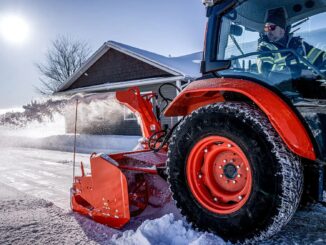
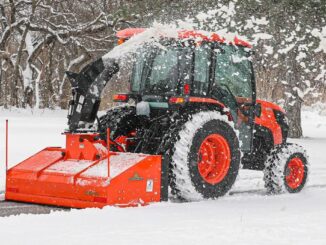
The Kubota BX2380 can operate a front-mounted, mid-PTO-driven snow blower or a properly matched rear three-point snow blower. Verified front options include the 50-inch BX2816/BX2816A residential models and the 55-inch BX2822A commercial model. Buying the blower alone is not enough: the front hitch, driveline, hydraulic controls, and attachment configuration must also match the tractor.kubotausa+1
A front blower suits owners who want to face the work while clearing driveways and yards. A conventional rear blower can be worth considering, but clearing in reverse changes visibility, maneuvering, and operator comfort.
This guide covers attachment selection, mounting requirements, traction, ballast, operating technique, maintenance, and common snow-blowing problems.
Kubota BX2380 Snow Blower Options and Compatibility
The BX2380 is a four-wheel-drive subcompact tractor with a liquid-cooled, three-cylinder diesel engine and a two-range hydrostatic transmission. Its rear PTO operates at 540 rpm, while its mid PTO operates at 2,500 rpm. Those outputs serve different attachment arrangements and are not interchangeable.
For snow removal, hydrostatic drive allows the operator to reduce travel speed without reducing the engine speed needed to maintain the specified PTO speed.
Verified front-mounted options
| Snow blower | Clearing width | Design and controls | Main purchasing consideration |
|---|---|---|---|
| Kubota BX2816/BX2816A | 50 inches | Two-stage residential blower; standard manual chute rotation and deflection in the listed configurations | Confirm the exact attachment version, mounting components, and optional control kits |
| Kubota BX2822A | 55 inches | Two-stage commercial blower with hydraulic chute rotation, manual deflection, and oil-bath reduction gearbox | Confirm the complete hitch, driveline, valve, and hose package |
A two-stage blower uses an auger to gather snow and an impeller to discharge it through the chute. The wider commercial model is not automatically the better choice: available storage space, driveway layout, snow conditions, attachment weight, and total installation cost all matter.
Clearing width does not establish intake height or how much snow the tractor can process in one pass. Check the exact blower’s intake dimensions against your doorway clearance, expected drifts, and storage space.
Required front mounting and drive components
Kubota’s listed front configurations use:
-
BX2810 four-point front quick hitch.
-
BX2811 mid-PTO driveline.
-
The specified loader valve if the tractor is not already equipped with the required valve.
-
Applicable hoses, couplers, mounting hardware, guards, and control components.
Documentation lists BX2417 or BX2417A valve requirements depending on the attachment publication and configuration. Have an authorized dealer verify the appropriate version rather than treating the suffixes as interchangeable.
The BX2810 installation requires removal of the mid-mount mower deck and its bracing. A tractor equipped for mowing is therefore not automatically ready to accept the snow blower.
Rear-mounted snow blowers
Kubota lists Land Pride SB10 Series snow blowers among performance-matched attachment options for the BX2380. Confirm the specific model rather than assuming every blower within a product family is suitable.
A rear blower must match the tractor’s:
-
PTO horsepower and 540-rpm rear PTO.
-
Three-point hitch geometry and lift capacity.
-
Driveline length, operating angles, and guarding.
-
Attachment weight and required front ballast.
-
Hydraulic or electrical control requirements.
Most conventional rear blowers clear while the tractor reverses. Pull-type or inverted rear blowers work differently and require their own compatibility assessment; a conventional blower cannot simply be operated backward to achieve the same result.
Walk-behind and independently powered tow-behind machines are separate equipment categories, not substitutes that connect to the BX2380’s front hitch.
Choosing a Blower for Your Property
A front blower is particularly useful where repeated reversing would be awkward or tiring. It also places the clearing head ahead of the tractor rather than requiring the tractor to travel over the snow first.
A conventional rear blower may suit an owner who accepts reverse operation and wants to retain other front equipment, provided that combination is approved and correctly balanced. Check the complete installed cost, not just the blower price.
Gravel, pavement, and decorative surfaces
On gravel, adjust the skid shoes to keep the cutting edge clear of loose stone. Until the driveway freezes and develops a firm base, leaving a layer of snow can reduce stone pickup.
On asphalt or concrete, inspect the route for raised joints, broken pavement, drain covers, and protruding hardware. A close scraping setting that works on smooth pavement may catch on an uneven surface.
Use nonmetallic shoes or cutting edges only where approved for the exact blower. They may reduce marking, but they do not eliminate the risk of damage or thrown debris.
Wet snow, drifting, and long drives
Wet snow requires a slower feed rate and can clog more readily when the blower is overloaded. Deep drifts may require narrower bites rather than a full-width pass.
A long driveway favors tractor-powered equipment when there is adequate turning room and a safe discharge area. Tight paths, steps, narrow gates, and small parking spaces may be easier to manage with a separate walk-behind blower.
A blade can move shallow snow quickly where there is room to push it. A loader bucket is useful for relocating piles, but neither performs the same task as a blower that throws snow beyond the driveway edge.
Installing a Kubota BX2380 Snow Blower
Read the tractor, hitch, driveline, and blower instructions together. A complete used assembly can still contain a shaft or bracket intended for another BX configuration.
-
Park on firm, level ground, lower attachments, stop the engine, remove the key, and secure the tractor against movement.
-
Remove the mower deck, bracing, loader equipment, or other components specified by the installation instructions.
-
Install and inspect the approved front hitch and mounting hardware.
-
Connect the correct driveline, confirm its locking mechanisms engage, and reinstall every guard.
-
Connect clean hydraulic couplers and any approved electrical controls, following the required pressure-relief procedure.
-
Check hose and wire routing through the permitted steering and attachment movement.
-
Confirm the PTO selector position and test the assembly in a clear area using the prescribed procedure.
Hydraulics lift the front attachment and operate hydraulic functions where fitted; the mid PTO mechanically powers the blower. An electric chute option requires its specified wiring and protection, not an improvised connection.
Do not shorten a PTO shaft by guesswork. Incorrect length can allow separation or force the shaft to bottom out and damage components. Driveline modification requires the attachment procedure and appropriate skills.
Before buying used equipment, inspect the impeller housing, auger, bearings, reduction drive, skid shoes, cutting edge, hitch locks, shaft guards, and mounting brackets. Missing drive and mounting components can turn a low purchase price into an expensive installation.
Traction and Ballast for the Kubota BX2380
Four-wheel drive helps the BX2380 transmit power to the ground, but it does not guarantee steering or stopping control on ice.
Traction equipment and ballast serve different purposes. Chains improve grip; counterweight manages the weight distribution changed by the attachment. One does not automatically replace the other.
Selecting chains
Match chains to the installed tire size and verify clearance around fenders, hitch components, hoses, and steering parts. Confirm whether chains are approved on the intended axle.
Common patterns include two-link, four-link, and diamond designs. Their coverage and ride characteristics differ, but correct fit and clearance take priority over pattern.
Steel chains can mark paving and decorative surfaces. Rubber traction products may be less aggressive, but their suitability and grip still depend on the product, surface, and conditions.
Choosing counterweight
Use the ballast arrangement specified for the complete tractor and blower configuration. Approved options may include wheel weights, liquid tire ballast, or a rear-mounted counterweight.
Weight position matters. A rear counterweight provides different leverage from weight carried inside the rear tires.
Do not assume liquid ballast satisfies a requirement for a rear counterweight, or that a heavy rear implement is automatically acceptable. Excessive ballast can overload tires, axles, the hitch, or transport equipment.
Preparing the BX2380 for Cold-Weather Blowing
Diesel fuel and cold starting
Use clean, seasonally appropriate diesel. Summer fuel remaining in the tank can cause problems when temperatures fall.
No. 1 diesel generally offers better cold-flow performance than No. 2, with lower energy content. Winter blends balance those characteristics. Cloud point marks the appearance of wax crystals; filter restriction can stop the engine before fuel reaches its pour point.
Use only approved additives at their labeled rate. Preventive anti-gel treatment normally needs to be mixed into fuel before wax formation, and it cannot compensate for every unsuitable fuel or temperature. Biodiesel content also affects cold-weather suitability.
Inspect the fuel filters and drain water from the separator where fitted, following the tractor instructions. Never add gasoline, alcohol, or unapproved solvents.
If fuel has gelled, stop repeated starting attempts. Move the tractor safely into a suitable heated space where possible, eliminate ignition hazards, and follow the approved recovery and filter-service procedure.
Battery, coolant, and fluids
Check battery terminals, grounds, cable condition, and hold-down security. Use a maintainer suitable for the installed battery chemistry, and never charge a frozen, cracked, swollen, or leaking battery.
With the engine cold, inspect coolant level, hoses, and radiator condition. Test freeze protection and use the specified coolant; do not mix products based only on color.
Cold transmission and hydraulic fluid can slow response. Use the approved fluid for the operating conditions, warm the machine gradually, and investigate persistent noise or sluggish operation rather than switching to an unverified thinner product.
Follow the prescribed glow-plug and starting procedure. Do not use starting fluid unless expressly permitted, and inspect any approved engine heater and cord before use.
Operating the Kubota BX2380 Snow Blower Safely
Before starting
-
Inspect the route and mark ditches, curbs, drain covers, and other hidden hazards.
-
Check fluids, fuel, tires, chains, ballast, attachment locks, and connections.
-
Clear snow from cooling screens, steps, lights, and the operator platform.
-
Check the chute direction and establish a bystander exclusion area.
-
Verify that guards and safety systems are in place.
Warm-up and engagement
Start and warm the tractor as directed, without immediately demanding full engine or hydraulic output. Test steering, braking, and attachment response in a clear area.
Engage the PTO using the specified procedure, then set the engine speed needed for the blower’s rated PTO speed. Use low range where appropriate for controlled snow removal.
Reduce travel speed with the hydrostatic pedal when the blower loads heavily. Do not compensate for overload by continuing to feed snow at the same rate.
Clearing technique
Plan passes around wind direction and safe discharge space. Never aim the chute toward people, animals, roads, buildings, or vehicles.
Take narrower cuts in dense snow, compacted plow berms, and deep drifts. Do not ram a frozen bank or treat the blower as an ice-breaking tool.
Keep the attachment low during travel without letting it strike the ground. Avoid abrupt turns, direction changes, and braking, and stay within the tractor’s slope limitations.
Do not coast downhill in neutral. Use the operating and braking procedures specified for the hydrostatic transmission.
Clearing a blockage
-
Stop travel and disengage the PTO.
-
Lower the attachment, apply the parking brake, stop the engine, and remove the key.
-
Wait for all moving parts to stop and follow the manual’s isolation procedure.
-
Clear the obstruction with a suitable clean-out tool, never your hands.
Packed snow can hold components under tension. Never reach into the chute or auger housing, even with the engine stopped.
Visibility and shutdown
Use the seat belt with the ROPS in its protective position as directed. Never modify the ROPS to fit an enclosure.
The BX2380 is available with an open operator station, while cab and enclosure arrangements depend on configuration. Verify compatibility with the blower controls, ROPS, and any loader equipment. Keep glazing clear and do not use portable combustion heaters inside an enclosure.
After work, lower the blower onto a stable surface, shut down, and remove packed snow and salt when safe. Allow cleaned equipment to dry before enclosed storage; never leave the attachment suspended by hydraulic pressure.
Maintenance and Troubleshooting
Before service, isolate the tractor and attachment. Use approved stands or stable blocking whenever raised components require support.
Inspect wear parts, fasteners, driveline guards, bearings, and shear protection. Lubricate fittings and service chains or gearboxes at the intervals specified for the exact attachment.
Use only the specified shear bolts or other overload-protection parts. A stronger substitute can transfer damage to the gearbox, shaft, or PTO system.
| Symptom | Likely causes | Safe first checks | When professional service is needed |
|---|---|---|---|
| Repeated chute clogging | Wet snow, excessive feed rate, restricted chute, inadequate operating speed | Isolate the machine, clear safely, verify operating speed, and take smaller bites | Clogging continues with abnormal noise, vibration, or damaged components |
| Poor discharge | Overfeeding, blockage, worn components, drive slipping | Inspect with power isolated and confirm PTO setup | Impeller, gearbox, or driveline repairs are required |
| Sudden loss of blower drive | Failed shear protection, disconnected shaft, chain or gearbox fault | Stop immediately and inspect only after isolation | Repeated failures, damaged splines, gearbox damage, or uncertain cause |
| Heavy vibration | Ice buildup, foreign object, loose hardware, bent rotating parts | Stop immediately and inspect for visible obstruction or damage | Bent auger, impeller damage, bearing failure, or structural cracks |
| Wheelspin or poor steering | Ice, incorrect ballast, unsuitable tires, excessive attachment loading | Verify approved ballast and chain fit; reduce the load | Correct setup does not restore control or components interfere |
| Slow cranking or cold-weather power loss | Weak battery, poor connections, restricted fuel, fuel waxing | Check accessible connections, seasonal fuel suitability, and filters | Electrical faults, injection problems, or repeated filter plugging |
| Slow or noisy hydraulics | Cold fluid, low level, restriction, incompatible fluid | Check the specified fluid level and allow gradual warm-up | Persistent noise, pressure faults, or high-pressure leaks |
Never check hydraulic leaks with bare hands. Injection injuries require emergency medical attention.
End-of-season storage
Wash away salt and dirt without directing high-pressure water into bearings, seals, or electrical connectors. Dry the blower, lubricate specified points, and protect exposed metal with approved products.
Store it on its designated supports or stable blocking, with hydraulic couplers capped and the driveline supported as instructed. Release chain or belt tension only when the attachment manual requires it.
Before reinstalling next winter, check for corrosion, rodents, damaged wiring, seized adjustments, missing guards, and deteriorated hoses. Test the complete assembly in a clear area before the first storm.
Kubota BX2380 Snow Blower FAQs
Which front snow blowers fit the Kubota BX2380?
Documented options include the 50-inch BX2816/BX2816A and 55-inch BX2822A. Confirm the exact attachment version and complete mounting package against the tractor configuration before buying.
Does the front blower connect to the rear PTO?
No. The listed front system uses a BX2811 driveline connected to the mid PTO. A compatible rear-mounted blower uses the rear PTO and its own correctly fitted driveline.
Can the mower deck stay installed?
The BX2810 front hitch installation requires removal of the mid-mount mower deck and its bracing. Follow the hitch instructions for the complete seasonal conversion.
Can I use a rear three-point blower?
Yes, with a specifically matched implement. Kubota lists Land Pride SB10 Series options for the BX2380, but the exact model, driveline, hitch fit, weight, and ballast still require confirmation.
Are chains necessary with four-wheel drive?
Not in every situation, but four-wheel drive alone may be insufficient on ice or packed snow. Use approved chains where conditions require them, with correct tire sizing and component clearance.
Can the BX2380 blow snow from a gravel driveway?
Yes, provided the surface and blower settings allow safe operation. Raise the cutting edge using the skid shoes, avoid loose unfrozen gravel, and keep people and property out of the discharge area.
Why does the blower clog in wet snow?
Common causes include excessive feed rate, a restricted chute, and insufficient operating speed. Clear blockages only after full shutdown and isolation, then reduce ground speed or cutting width.
Should I install stronger bolts if shear bolts keep breaking?
No. Use the specified replacement parts and investigate the cause. Repeated failures can indicate foreign objects, frozen components, excessive loading, or mechanical damage.
Final Preparation Priorities
Verify the complete attachment package before purchasing, establish the approved ballast arrangement, and test every control before snow arrives. Resolve driveline noise, hydraulic leaks, damaged guards, and repeated shear failures before further operation.
Keep the tractor and attachment manuals available for PTO procedures, lubrication, adjustments, and shutdown instructions. A correctly installed blower and controlled feed rate matter more than attempting to clear every snowfall in one full-width pass.