
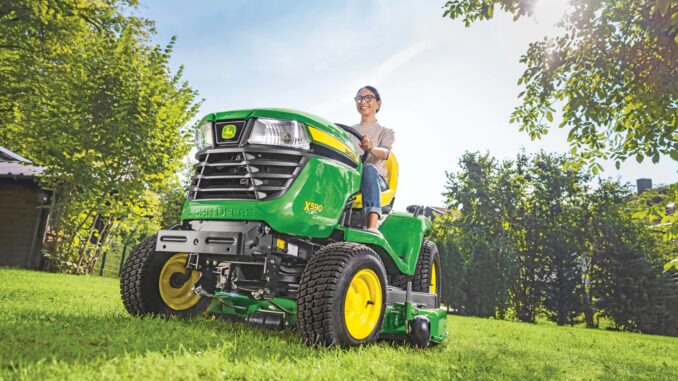
John Deere X300 Lawn and Garden Tractor Models and Maintenance Guide
The John Deere X300 Series is a premium residential lawn tractor family designed for homeowners, acreage owners, and DIY users who want more comfort, mowing quality, and attachment capability than a basic lawn tractor normally provides. Across its production life, the series has included entry-level X300 models, higher-specification machines with four-wheel steering or power steering, and larger-deck versions aimed at maintaining substantial lawns efficiently.
This page serves as a directory for model-specific guides, maintenance articles, and troubleshooting resources covering the John Deere X300 Series. It is intended to help owners identify their machine, understand its place within the series, and find the right maintenance or diagnostic information. For broader ownership information across Deere residential equipment, start with the General John Deere Lawn and Garden Tractor Guide.
About the John Deere X300 Lawn and Garden Tractor Series
The John Deere X300 Series occupies the premium lawn-tractor tier in Deere’s North American lawn and garden range. It is generally positioned above the S Series lawn tractors but below the heavier X500 and X700 Series garden tractors. Although X300 tractors are capable machines for mowing, towing light carts, collecting grass, and using seasonal attachments, they are primarily mowing-focused lawn tractors rather than full garden tractors designed for serious ground-engaging work.
Across the series, engine output has generally ranged from roughly 17 to 23 horsepower. Early models used Briggs & Stratton, Kawasaki, or Deere-branded engine packages depending on the model and production period. Later machines commonly use John Deere Cyclonic engines or Kawasaki V-twin engines paired with Deere’s iTorque power system. Engine choice, deck width, steering system, and transmission specification are the main differences between models.
Most X300 Series tractors use a foot-controlled hydrostatic transaxle with Twin Touch pedals for separate forward and reverse control. This makes them especially practical for mowing around trees, landscaping, driveways, and obstacle-heavy lawns. The series is two-wheel drive, but selected models have four-wheel steering for tighter turns, while premium models use automotive-style power steering and hydraulic deck lift.
Mower deck choices have commonly included 42-inch, 48-inch, and 54-inch decks. Earlier models may use Edge mower decks, while later tractors commonly use Accel Deep mower decks designed to improve airflow, clipping discharge, mulching, and bagging performance. Deck configurations vary by model and year, so owners should confirm the deck tag and tractor serial number before ordering belts, blades, spindles, or other service parts.
Typical X300 Series work includes:
-
Regular mowing of residential lawns and larger suburban or rural properties
-
Mowing around trees, gardens, fence lines, and landscaping
-
Mulching, side discharge, or bagging grass clippings
-
Pulling light utility carts, sweepers, aerators, and dethatchers
-
Snow clearing with compatible front blades or snow blowers
-
Light property maintenance and seasonal yard work
The X300 Series should not be confused with the older 300, 316, 318, 322, 330, 332, 400, or 420 garden tractors. Those classic machines were often built around heavier frames, more robust drivetrains, and broader implement capability. Likewise, the newer X500 Series is better suited to owners needing a stronger garden-tractor platform, while X700 Series models are intended for demanding acreage, snow removal, and heavier attachment work.
John Deere X300 Lawn and Garden Tractor Models
And See:
The X300 Series has changed substantially over time. Early X300 models may look similar to later machines but can use different engines, deck shells, electrical systems, steering components, and transmission parts. Before using any maintenance guide or buying replacement parts, confirm the full model designation, serial number, production year, engine model, and mower deck identification number.
X300 Lawn and Garden Tractor Maintenance Guides
Routine Service and Checks
Regular service is essential because X300 Series tractors often operate in dusty mowing conditions, high summer temperatures, and stop-start work around landscaping. A machine that starts easily but has been neglected can quickly develop carburetion, cooling, belt, battery, or deck-performance problems.
Engine oil and oil-filter intervals vary by engine and production year, but owners should check engine oil before each mowing session and service it according to the operator’s manual schedule. Air filters deserve particular attention on dry or dusty properties. A restricted paper filter or pre-cleaner can reduce power, increase fuel consumption, and contribute to rich-running or hard-starting symptoms.
Gasoline-powered X300 tractors also need routine spark-plug inspection, fuel-filter replacement where fitted, fuel-line checks, and fresh fuel management. Owners storing a machine over winter should address fuel stabilization, battery maintenance, deck cleaning, and rodent prevention rather than simply parking the tractor after the final cut.
Transmission maintenance depends on the model and hydrostatic transaxle fitted. Many integrated hydrostatic transaxles are not intended for casual fluid changes, but owners should inspect for leaks, keep cooling areas clean, and avoid towing loads beyond the tractor’s intended capacity. A loss of drive, hot-running transmission, or noticeable reduction in hill-climbing ability warrants a closer inspection before the problem becomes more expensive.
Useful internal maintenance resources include:
-
X300 lawn and garden tractor service interval checklist
-
DIY maintenance for X300 lawn tractors
-
Seasonal storage checklist for John Deere X300 Series tractors
-
Engine oil, air filter, and spark plug service on X300 tractors
-
Hydrostatic transmission care for John Deere X300 Series lawn tractors
Mower Deck, Cutting Quality, and Belt Care
Deck condition has a major effect on both cut quality and the amount of power required to mow. A clean, level deck with sharp blades can improve appearance, reduce clumping, and allow the tractor to maintain blade speed in heavier grass.
Inspect blades regularly for dull edges, bends, cracks, excessive wear, and imbalance. Sharpening blades without balancing them can create vibration that shortens spindle-bearing life and may loosen hardware over time. Replace blades that are cracked, badly worn, or bent rather than attempting to straighten them.
The mower deck should be cleaned after mowing wet, lush, or sandy grass. Accumulated grass beneath the deck interferes with airflow, encourages corrosion, and can cause uneven discharge or clumping. Inspect deck belts for glazing, cracking, frayed edges, missing chunks, and signs that the belt has been slipping on a pulley.
Deck leveling should be checked whenever cut quality becomes uneven, a deck is removed and reinstalled, tires are replaced, or suspension hardware is serviced. Check front-to-rear pitch and side-to-side level on a firm surface with properly inflated tires. Spindles, idler pulleys, deck wheels, belt guards, and deck-hanger hardware should also be inspected.
Useful internal deck resources include:
-
Mower deck maintenance and cutting quality on X300 tractors
-
Deck belt and spindle service for X300 lawn and garden tractors
-
John Deere X300 deck leveling and blade replacement guide
-
Uneven mowing and grass clumping diagnosis on X300 Series tractors
Steering, Axle, and Chassis Maintenance
X300 Series machines are often used on uneven lawns, around trees, over driveway edges, and on sloped ground. These conditions can gradually wear steering linkage, front-axle pivot points, wheel bushings, and chassis hardware.
Check front tire pressure before diagnosing steering or cut-quality problems. Unequal tire pressure can make the tractor pull to one side, change deck height, and create the impression that the deck is incorrectly leveled. Inspect steering linkage for looseness, worn ball joints, damaged tie rods, and missing retaining hardware.
Four-wheel-steer models need additional attention because their rear steering components add complexity. Excessive play, poor turning response, or uneven tire wear can indicate worn linkage or alignment issues. Power-steering models should be checked for hydraulic leaks, hose damage, reduced steering assist, and abnormal noise during steering operation.
Useful internal chassis resources include:
-
Steering and front axle maintenance across X300 lawn and garden tractors
-
Four-wheel steering inspection guide for X354, X384, and X394 tractors
-
Power steering and hydraulic lift service on X370, X390, and X394 tractors
-
Front tire, wheel bearing, and toe-in checks for X300 Series tractors
X300 Lawn and Garden Tractor Troubleshooting Guides
Starting, Engine, and Fuel / Ignition Problems
A no-start condition on an X300 Series tractor can be caused by something simple, such as a weak battery, poor cable connection, incorrect brake-pedal position, disengaged safety interlock, or stale fuel. It can also result from a failed starter solenoid, blown fuse, faulty PTO switch, bad ignition switch, damaged wiring, or an engine problem.
Start with the basics. Verify that the battery is charged, terminals are clean and tight, the parking brake is set, the PTO is disengaged, and the operator is seated as required by the safety system. If the starter does not crank, distinguish between no electrical response, a click from the solenoid, and slow cranking. These symptoms point to different parts of the starting system.
If the engine cranks but will not start, check fuel quality, fuel level, fuel shutoff position where applicable, air-filter condition, spark, and visible fuel-line damage. Old ethanol-blended gasoline can cause carburetor deposits, restricted jets, sticking fuel solenoids, and poor cold-start behavior. On later V-twin models, engine surging, black smoke, loss of power, or stalling under load may also be associated with airflow restriction, fuel delivery problems, ignition faults, or governor issues.
Useful internal diagnostic resources include:
-
X300 lawn and garden tractor starting problems – diagnostics and fixes
-
Engine and fuel system issues across X300 tractors
-
John Deere X300 Series battery, starter, and safety switch troubleshooting
-
X300 engine surging, hard starting, and stalling under load guide
Mower Deck, PTO, and Cutting Performance Problems
When a mower deck will not engage, begin by confirming that the engine is running at the recommended mowing speed, the PTO control is being operated correctly, and the relevant safety switches are functioning. Electrical PTO systems can be affected by blown fuses, faulty switches, damaged connectors, weak charging systems, wiring faults, or a failed PTO clutch.
If blades engage but stop in heavy grass, inspect the deck belt, idler pulleys, belt tension, blade condition, and grass accumulation below the deck. A badly worn belt may appear intact while slipping enough to reduce blade speed. Dull blades and a clogged deck can also overload the system, especially in tall or damp grass.
Uneven cutting may result from low tire pressure, incorrect deck leveling, worn deck wheels, bent blades, loose spindles, or damaged deck-hanger components. Vibration should not be ignored. It can come from a bent blade, unbalanced blade, loose spindle pulley, failed spindle bearing, damaged idler pulley, or a deck belt that is not tracking correctly.
Useful internal diagnostic resources include:
-
PTO and deck engagement problems on X300 lawn tractors
-
Cut quality and deck vibration issues on X300 models
-
John Deere X300 Series mower deck will not engage guide
-
X300 uneven cut, scalping, and grass clumping troubleshooting
Drive, Transmission, and Traction Problems
Most X300 Series tractors use hydrostatic drive systems, so poor movement does not always mean the transmission itself has failed. Check the parking-brake linkage, bypass valve position, drive belt condition where applicable, transaxle cooling area, tire pressure, and whether the tractor is being asked to pull or climb beyond its intended capability.
A tractor that moves slowly or loses speed after warming up may have a worn belt, overheating transmission, restricted cooling airflow, worn internal hydrostatic components, or excessive load from hills, heavy towing, or deep grass. Keep the tractor’s underside clean and avoid operating for long periods with packed grass around the transmission cooling area.
Traction is limited by the two-wheel-drive layout. Tires that are worn, underinflated, mismatched, or coated in wet grass can reduce hill performance. Four-wheel-steer models improve maneuverability but do not provide four-wheel drive. On steep or wet slopes, mow cautiously, avoid abrupt direction changes, and do not expect an X300 Series lawn tractor to perform like a heavier X500 or X700 garden tractor.
Useful internal diagnostic resources include:
-
Drive and transmission problems on X300 lawn and garden tractors
-
Traction and hill performance issues across X300 models
-
Hydrostatic drive loss and slow travel troubleshooting for X300 tractors
-
John Deere X300 Series drive belt and transaxle inspection guide
Attachments and Implements for the X300 Lawn and Garden Tractor Series
The X300 Series supports a broad selection of homeowner-oriented attachments, although compatibility varies by model, production year, deck configuration, steering system, and hitch arrangement. Always verify attachment fitment for the individual tractor rather than assuming that an attachment for one X300 model fits every machine in the series.
Common X300 Series equipment includes:
-
42-inch, 48-inch, and 54-inch mid-mount mower decks
-
Mulching kits and MulchControl components where supported
-
Rear baggers and material collection systems
-
Utility carts and light-duty tow-behind trailers
-
Lawn sweepers
-
Plug aerators and spike aerators
-
Dethatchers and lawn rollers
-
Front-mounted snow blades
-
Snow blower or snow thrower equipment on compatible models
-
Tire chains, wheel weights, and rear ballast for snow work
-
Front brushes and seasonal lawn-care accessories where compatible
The tractor’s horsepower, transmission condition, deck size, hitch type, electrical connections, and attachment-drive arrangement all affect suitability. A bagger may fit a tractor but still require a particular mower deck, chute, blade type, or high-lift blade configuration. Snow equipment may require tire chains, rear weights, a mounting kit, hydraulic lift capability, or specific front-attachment hardware.
The X300 Series is well suited to light towing and seasonal property work, but it is not a substitute for a true garden tractor when regular ground-engaging implements, heavy tilling, large trailers, or demanding snow removal are expected. Owners with those needs should compare the X500 and X700 ranges before investing heavily in attachments.
Useful internal attachment resources include:
-
Attachments and implement options for X300 lawn and garden tractors
-
Setting up and using snow equipment and yard attachments on X300 tractors
-
X300 Series bagger, mulch kit, and collection-system compatibility guide
-
Choosing carts, aerators, sweepers, and tow-behind equipment for X300 tractors