Kubota SCL Series Stand-On Compact Loaders: Maintenance, Parts and Repair Guide
Kubota SCL Series stand-on compact loader maintenance combines engine servicing, hydraulic-system care, track inspection and regular checks of the loader linkage, attachment coupler and operator platform. A reliable maintenance programme also includes the controls and safety systems that govern starting, travel and auxiliary hydraulic operation.
And See:
- Kubota Construction Equipment Maintenance, Parts & Repair
- Kubota Excavator, Skid Steer and Track Loader Serial Number Lokup
This guide covers the verified SCL model range, routine servicing, replacement parts and general troubleshooting. It explains how to approach starting problems, disabled hydraulics, weak travel, overheating, track faults and attachment issues before progressing to machine-specific repair instructions.
Exact service intervals, fluid specifications, adjustment measurements and diagnostic values must come from the documentation for the machine’s serial number and configuration.
Kubota SCL Models: Current and Legacy Directory
The verified principal model in the Kubota SCL stand-on compact loader range is:
-
Kubota SCL1000.
Kubota’s current SCL product information and stand-on loader parts directories identify the SCL1000. No additional principal SCL models or separately named discontinued predecessors were verified in the manufacturer material reviewed for this guide.kubotausa+2
Kubota SCL1000
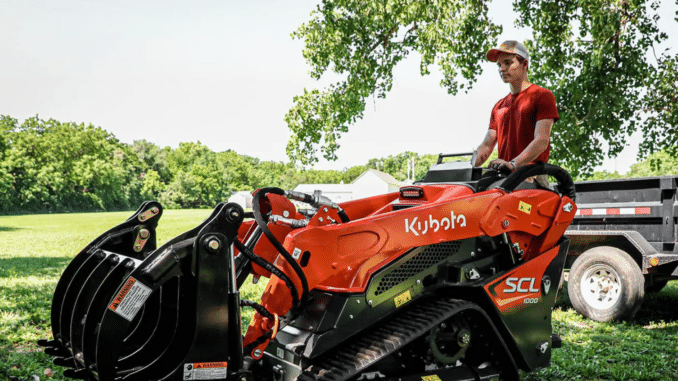
The SCL1000 is a tracked, stand-on compact loader intended for applications such as landscaping, material handling, utilities and light construction.
Kubota documents:
-
Vertical-lift loader arms.
-
Hydraulic pilot-operated loader and drive controls.
-
A suspended operator platform.
-
Keyless starting.
-
Auxiliary hydraulic operation with continuous flow.
-
A standard case-drain connection.
-
Grease-adjusted track tension.
-
Sealed and lubricated track rollers.kubotausa+2
These features create maintenance requirements that differ from both a small wheeled skid steer and a larger seated compact track loader.
Earlier and Later SCL1000 Machines
An older SCL1000 should not automatically be described as a separate model generation merely because it has different paperwork, equipment or published specifications.
Kubota’s parts resources show serial-dependent documentation within the SCL1000 catalogue. Establish the actual machine and engine identification before selecting parts or applying service instructions.shop.kubotausa
Published engine-power figures also differ between older brochures and newer product information. For this reason, identify the engine from its plate rather than using a brochure horsepower figure to select service parts.kubotausa+1
Attachment Coupler Configurations
Kubota documents a cast Common Industry Interface coupler and an optional two-lever-style coupler.
These are equipment configurations, not separate SCL model names. They affect attachment selection, locking checks and replacement parts.kubotausa
Record which arrangement is fitted before purchasing an attachment or coupler component.
Identify Your Kubota SCL Before Buying Parts
Record:
-
Complete machine designation.
-
Machine serial number.
-
Engine model and serial number.
-
Country or market specification.
-
Attachment-coupler type.
-
Attachment make, model and serial number.
-
Track specification.
-
Identification numbers on replacement assemblies.
-
Previous modifications or repairs.
Photograph identification plates and keep the images with maintenance records.
Confirm the Installed Engine
Kubota’s SCL1000 documentation identifies a turbocharged D902-T diesel engine in the published specification. Use the complete installed engine identification when selecting filters, belts, gaskets and other engine components.kubotausa
A general D902 manual may not cover every installation-specific component or procedure. The loader manual and applicable engine information need to be used together.
Do Not Assume SSV or SVL Instructions Apply
SCL, SSV and SVL machines belong to different Kubota loader families.
Do not transfer the following without verification:
-
Track-tension measurements.
-
Hydraulic capacities.
-
Drive-unit servicing procedures.
-
Attachment mounting dimensions.
-
Lift-arm support instructions.
-
Electrical diagrams.
-
Safety-interlock tests.
A similar control or component appearance does not establish identical maintenance requirements.
Kubota SCL1000 Maintenance
Build the maintenance plan around daily inspections, scheduled servicing and condition-based repairs.
The SCL1000 has centralised access to service components and dashboard service reminders. These features help organise maintenance, but reminders do not replace physical inspection or the complete service chart.kubotausa
Daily and Pre-Start Checks
Follow the operator’s manual and inspect the machine before work.
Typical inspection areas include:
-
Engine oil level.
-
Coolant level.
-
Hydraulic oil level.
-
Fuel-system condition.
-
Visible leaks.
-
Air-cleaner indication.
-
Cooling-pack cleanliness.
-
Tracks and undercarriage.
-
Loose hardware.
-
Loader linkage.
-
Attachment locking.
-
Operator platform.
-
Warning display.
-
Controls and safety functions.
Record changes such as new leakage, increasing joint movement or an unusual travel noise.
Do not continue working with defective attachment retention or a safety system that does not operate correctly.
Engine Oil and Filter Maintenance
Use the specified engine oil, filter and replacement interval for the actual installation.
An oil service should include:
-
Confirming the correct filter.
-
Following the prescribed draining procedure.
-
Inspecting for unusual contamination.
-
Replacing required sealing parts.
-
Refilling correctly.
-
Completing the specified level check.
-
Inspecting for leakage after operation.
Do not use a nominal refill quantity as a substitute for the final dipstick check.
Investigate unexplained oil loss or a rising oil level rather than repeatedly adjusting the level without establishing the cause.
Fuel Filter and Water Separator
Fuel-system maintenance should follow the applicable requirements for:
-
Fuel-filter replacement.
-
Water-separator inspection.
-
Draining collected water.
-
Accessible hose checks.
-
Clean refuelling.
-
Priming after servicing.
Kubota identifies accessible fuel-water-separator and filter components as part of the SCL1000’s service layout.kubotaofsaskatoon
If starting difficulties begin immediately after filter work, verify the installation and prescribed priming procedure before assuming a major injection-system failure.
Air-Cleaner Maintenance
Inspect the complete intake system:
-
Filter element.
-
Housing.
-
Sealing surfaces.
-
Intake hoses.
-
Clamps.
-
Evidence of dirt bypass.
The SCL1000 has an air-filter service indicator. Respond to it using the correct inspection and servicing procedure rather than simply clearing or ignoring the warning.kubotausa
Do not assume that the element can be washed or repeatedly cleaned. Use the method permitted by the applicable manual.
Cooling-System Maintenance
Inspect the radiator, screens and surrounding compartment for:
-
Dust and debris.
-
Damaged fins.
-
Coolant leaks.
-
Deteriorated hoses.
-
Loose clamps.
-
Belt problems.
-
Material accumulating near hot components.
Use a cleaning method that does not damage the cooling equipment.
Never open a pressurised cooling system while hot. Allow the machine to cool and follow the inspection procedure.
Hydraulic Oil and Filters
Hydraulic maintenance requires the correct fluid, filtration and clean working practices.
Before opening the system:
-
Clean the surrounding area.
-
Lower equipment as instructed.
-
Shut down the machine.
-
Release stored pressure using the prescribed procedure.
-
Protect open connections.
-
Keep replacement parts clean.
Check the oil level in the specified machine position and conditions.
Kubota’s parts information distinguishes total hydraulic-system capacity from hydraulic-tank capacity. Neither figure should automatically be treated as the amount required during a routine drain and refill.kubotausa
Hydraulic Pump Installation
Kubota describes the hydraulic pump as directly connected to the engine. Do not apply a belt-driven pump adjustment procedure taken from another brand or loader design.kubotausa
A hydraulic performance complaint still requires diagnosis. Direct drive does not mean that every weak function originates in the pump.
Track Cleaning and Inspection
Inspect:
-
Cuts and missing rubber.
-
Exposed reinforcement.
-
Damaged guide features.
-
Track tension.
-
Rollers.
-
Front idlers.
-
Sprockets.
-
Guards.
-
Frame damage.
-
Packed material.
Remove debris using the prescribed safe method.
Kubota’s SCL1000 track frame incorporates debris-shedding features, but these do not eliminate the need for undercarriage inspections.kubotausa
Track-Tension Adjustment
The SCL1000 uses a grease-type track-tensioning system.kubotausa
Follow the exact supporting method, track position and measurement stated in the operator’s manual.
Do not:
-
Copy a sag figure from an SVL.
-
Overtighten the track to conceal wear.
-
Remove adjustment fittings casually.
-
Work beneath an unsupported machine.
Track-adjustment components can retain force. Use the prescribed pressure-release and repair procedures.
Rollers, Idlers and Sprockets
Kubota describes the SCL1000 track rollers as permanently sealed and lubricated. This reduces routine lubrication work, not the need to inspect their condition.kubotausa
Look for:
-
Leakage.
-
Damaged flanges.
-
Uneven wear.
-
Loose hardware.
-
Abnormal noise.
-
Contact marks.
-
Sprocket wear.
Investigate repeated track misalignment or derailment as a complete undercarriage problem.
Loader Linkage and Lubrication
Follow the complete lubrication chart.
Relevant inspection areas include:
-
Loader-arm pivots.
-
Cylinder pivots.
-
Bucket linkage.
-
Attachment mounting.
-
Retainers.
-
Specified grease points.
Clean grease fittings before use and investigate joints that do not accept lubricant.
Grease cannot restore a worn pin, damaged bush or enlarged mounting bore.
Operator Platform and Presence System
The suspended platform is part of both operator comfort and machine operation.
Inspect for:
-
Damage.
-
Loose hardware.
-
Restricted movement.
-
Accumulated material.
-
Damaged wiring.
-
Abnormal suspension behaviour.
Kubota states that the platform’s operator-presence sensor automatically engages the parking brake when the operator steps off. Do not bypass this system to keep the machine working.kubotausa
Attachment Coupler Maintenance
Inspect the fitted coupler and attachment interface for:
-
Dirt preventing engagement.
-
Worn locking parts.
-
Bent components.
-
Missing retainers.
-
Incorrect fit.
-
Excessive movement.
Follow the correct engagement-checking procedure for the installed coupler.
Do not assume that instructions for the optional two-lever arrangement apply to the CII coupler, or vice versa.
Kubota SCL Parts Guide
Filters and Service Kits
Common service items include:
-
Engine oil filter.
-
Fuel filters.
-
Separator elements.
-
Air-cleaner elements.
-
Hydraulic filters.
-
Belts.
-
Seals.
-
Approved oils and coolant.
Compare kit contents with the actual service work due.
A kit advertised for an SCL1000 may not include every item required by operating hours, calendar age or condition.
Tracks and Undercarriage Parts
Potential replacement parts include:
-
Rubber tracks.
-
Rollers.
-
Idlers.
-
Sprockets.
-
Adjuster components.
-
Guards.
-
Frame-related components.
-
Mounting hardware.
Verify the complete application. Track width alone does not establish compatibility.
Pins, Bushes and Loader Joints
A complete repair may require:
-
Pins.
-
Bushes.
-
Seals.
-
Shims.
-
Retainers.
-
Grease fittings.
-
Associated fasteners.
-
Repair of damaged mounting bores.
Inspect the entire joint before ordering an individual pin.
Hydraulic Hoses and Couplers
Replacement lines must match:
-
Application.
-
Pressure requirements.
-
Fittings.
-
Length.
-
Routing.
-
Movement allowance.
-
Protective arrangements.
Kubota routes auxiliary lines inside the loader arm and supplies a hose guide. Preserve the intended protection and movement clearance when replacing lines or fitting attachments.kubotausa
Cylinder Seal Kits
Identify the correct cylinder assembly before purchasing seals.
Inspect the rod and other components before deciding that resealing alone is sufficient.
A weak or drifting function does not automatically establish a cylinder-seal failure.
Pumps, Motors and Valves
Buy major assemblies after diagnosis.
Confirm:
-
Affected functions.
-
Temperature-related behaviour.
-
Fluid and filter history.
-
Warning information.
-
Component identity.
-
Evidence of contamination.
-
Prescribed test results.
The SCL1000 uses hydraulic pilot-operated loader and drive valves. Its control-system diagnosis should reflect that arrangement.kubotausa
Electrical and Display Components
Before replacing a switch, sensor, controller or display:
-
Preserve warning information.
-
Inspect wiring and connectors.
-
Check the applicable circuit.
-
Verify the replacement application.
-
Establish any setup requirements.
The SCL1000 uses a solid-state controller and keyless starting. Electrical troubleshooting therefore requires more than replacing fuses or fitting an unverified switch.kubotausa+1
Attachment Parts and Compatibility
Check:
-
Coupler arrangement.
-
Attachment weight.
-
Hydraulic flow.
-
Hydraulic pressure.
-
Return requirements.
-
Case-drain requirements.
-
Hose routing.
-
Working clearances.
-
Machine operating limits.
Kubota publishes auxiliary flow of 15 US gpm for the SCL1000 and identifies a standard case drain. These specifications are compatibility checks—not permission to operate every attachment with similar connections.kubotausa
Kubota SCL1000 Problems and Repairs
The following sections describe diagnostic priorities, not defects proven to affect every SCL1000.
Engine Will Not Crank
Separate:
-
No display power.
-
Display power but no starter response.
-
A single click.
-
Repeated clicking.
-
Slow rotation.
-
Intermittent operation.
Check the required starting conditions, battery supply and warning information using the correct procedure.
Because the machine has keyless starting, include the display and authorised access sequence in the investigation. Do not bypass the controller or safety circuits.
Engine Cranks but Will Not Start
Record whether the problem followed:
-
Running out of fuel.
-
Filter replacement.
-
Refuelling.
-
Storage.
-
Cold weather.
-
Electrical work.
-
Washing.
Follow the correct starting and fuel-priming procedure before assuming an internal engine or injection-system failure.
Avoid prolonged repeated cranking beyond the manual’s permitted sequence.
Engine Runs but Hydraulics Will Not Enable
First confirm the correct operating sequence.
Kubota states that engine speed must be at idle to unlock the hydraulics. The operator-platform presence condition also forms part of normal machine operation.kubotausa
Record:
-
Display messages.
-
Engine speed.
-
Operator-presence status.
-
Selected operating mode.
-
Whether travel and loader functions are both disabled.
Do not raise engine speed repeatedly or bypass a switch to force operation.
Machine Will Not Travel
Separate:
-
No movement in either direction.
-
One side inoperative.
-
Weak movement.
-
Failure only when warm.
-
A brake-related warning.
-
Travel accompanied by abnormal noise.
Establish whether the controls are enabled and whether lift or auxiliary operation remains available.
A machine that will not move does not automatically need a drive motor.
Loader Arms or Bucket Will Not Operate
Determine whether:
-
Both functions are disabled.
-
Only lift is affected.
-
Only bucket movement is affected.
-
Travel remains normal.
-
A warning appears.
-
The problem changes with temperature.
Inspect accessible components safely, then follow the appropriate control and hydraulic tests.
Hydraulics Are Weak or Slow
Record whether the complaint affects:
-
Lift.
-
Bucket operation.
-
Travel.
-
Auxiliary hydraulics.
-
Several functions together.
-
Performance only when hot.
Check service history, oil-level procedure and operating conditions before replacing the pump.
Use the specified pressure, flow and leakage tests to establish the cause.
One Track Is Weak or the Loader Pulls
Compare forward and reverse behaviour under consistent, safe conditions.
Inspect track adjustment and undercarriage condition before assuming a hydraulic drive fault.
Note leakage, abnormal noise, temperature effects and recent repairs.
Track Repeatedly Comes Off
Inspect:
-
Track condition.
-
Correct tension.
-
Rollers.
-
Idlers.
-
Sprockets.
-
Alignment.
-
Hardware.
Repeatedly refitting the track can leave the underlying problem unresolved.
Parking Brake Engages Unexpectedly
Record the circumstances without bypassing the safety system.
Check for visible damage or obstruction around the operator platform and preserve any warning information.
Because platform presence is linked to parking-brake operation, an intermittent movement complaint needs to account for that system. It does not, by itself, prove the sensor is defective.kubotausa
Engine or Hydraulic Overheating
Stop for a serious warning or visible fluid loss.
After safe cooling, inspect the relevant system and record:
-
Work being performed.
-
Time before the warning.
-
Ambient conditions.
-
Attachment use.
-
Other warnings.
-
Recent maintenance.
Distinguish engine temperature from hydraulic temperature before choosing a diagnostic route.
Hydraulic Attachment Will Not Operate
Determine whether the fault follows the attachment or stays with the loader.
Check:
-
Correct operating sequence.
-
Auxiliary enable status.
-
Coupler connection.
-
Flow and pressure requirements.
-
Continuous-flow selection.
-
Case drain.
-
Attachment maintenance.
The SCL1000 has continuous auxiliary operation in either direction, but controls must still be used according to the manual.kubotausa
Loader Arms or Bucket Drift
Lower equipment and keep clear.
The symptom alone does not identify whether the fault involves a cylinder, valve or another circuit component.
Do not order seals solely because an attachment settles.
Hydraulic Leaks
Identify the source safely. Oil may travel along hoses or structures before dripping.
Never use hands to locate a pressurised leak. Follow the shutdown and pressure-release procedure before opening the system.
A suspected hydraulic injection injury requires immediate emergency medical attention.
DPF or Regeneration Questions
Kubota’s published SCL1000 material states that its documented engine configuration does not require a DPF. Routine advice about parked regeneration on larger loaders should therefore not be applied to that configuration.kubotausa
If the display shows an unfamiliar warning, identify it from the correct manual rather than assuming it concerns regeneration.
Safe Kubota SCL Repairs
Before maintenance:
-
Park on suitable, level ground.
-
Lower the attachment where possible.
-
Follow the shutdown procedure.
-
Prevent unintended starting or movement.
-
Release stored pressure correctly.
-
Allow hot systems to cool.
-
Use approved supports where required.
When raised loader arms are necessary, use the specified lift-arm stopper. The SCL1000 operator’s manual explicitly requires the stopper during maintenance with raised arms. Never rely on hydraulic pressure alone.sunflowerrental
Track lifting, major hydraulic work, platform-safety diagnosis and controller repairs require the appropriate instructions and equipment.
Inspecting a Used Kubota SCL1000
A useful inspection combines identification, maintenance records, cold starting and observation after normal warming.
Check:
-
Machine and engine identification.
-
Track condition.
-
Rollers and idlers.
-
Sprocket wear.
-
Cooling-pack cleanliness.
-
Hydraulic leaks.
-
Loader-linkage movement.
-
Coupler condition.
-
Platform suspension.
-
Operator-presence operation.
-
Display warnings.
-
Modified wiring.
-
Attachment compatibility.
Obtain an independent inspection where significant hydraulic, structural or safety-system concerns are present.
Frequently Asked Questions
Which Kubota SCL models are verified?
The verified principal model is the SCL1000. No additional separately named production models or discontinued predecessors were established from the manufacturer sources reviewed.kubotausa+1
Are SCL1000 and SCL 1000 different models?
No. The spaced form appears in Kubota’s published material for the same SCL1000 designation.kubotausa
Does the SCL1000 have a DPF?
Kubota’s documented SCL1000 configuration is described as not requiring a DPF. Do not apply larger-loader regeneration instructions without checking the actual engine and manual.kubotausa
Does the SCL1000 have a case-drain connection?
Yes. Kubota lists a standard case drain. Confirm its correct use against the attachment instructions.kubotausa
Why will the hydraulics not unlock at higher engine speed?
Kubota requires the engine to be at idle for hydraulic unlocking. Follow the correct enable sequence before investigating a component fault.kubotausa
Do sealed track rollers need inspection?
Yes. Sealed lubrication reduces routine servicing, but the rollers still need checking for damage, leakage, wear and abnormal operation.kubotausa
Can I use larger skid steer attachments?
Not automatically. Verify the mounting interface, weight, clearances, hydraulic requirements and machine limits. A physically connectable attachment is not necessarily suitable.