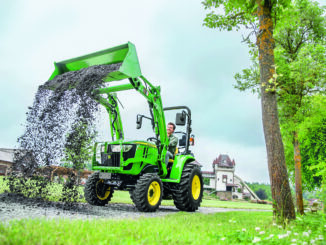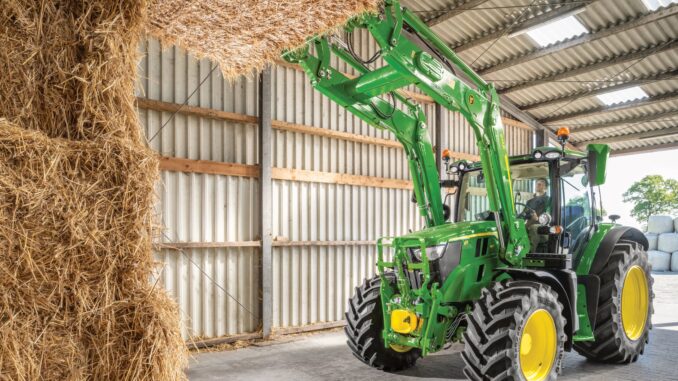
Starting out in agriculture requires an understanding of one of the most fundamental pieces of equipment in farming: the tractor.
Whether managing a small homestead or planning a commercial operation, choosing and operating the right tractor is crucial for efficiency, safety, and long-term success. This guide covers everything need to know about tractors, from basic components to practical operation tips.
Understanding Tractor Basics
Modern tractors have evolved significantly from their early mechanical predecessors. Today’s entry-level agricultural tractors typically range from 75 to 140 horsepower, with most small to medium farms finding adequate power in the 75-100 hp range. These machines do the majority of work in relation to farm operations, powering everything from plowing and planting to harvesting and material handling.
The core function of a tractor is to convert engine power into usable work through various implements. Understanding this power transfer system is essential for proper selection and operation. The engine generates power that travels through the transmission to the wheels or tracks, while the power take-off (PTO) shaft provides rotational power to attached implements like mowers, balers, and generators.
Key Tractor Components Every Beginner Should Know
Engine and Power Systems
Most modern agricultural tractors use diesel engines due to their superior torque output and fuel efficiency. Common engine sizes include 4.5-liter four-cylinder units and 3.8-liter Daedong models, which provide reliable power for routine farm tasks. Diesel engines deliver higher torque at lower RPMs compared to gasoline engines, making them ideal for heavy pulling operations.
Transmission Options
Transmission systems have become increasingly sophisticated. Traditional manual transmissions require clutch operation and gear shifting, while modern alternatives include:
- Power-shift transmissions: Allow gear changes without clutching
- Continuously Variable Transmissions (CVT): Provide infinite speed adjustments
- Hydrostatic transmissions: Offer precise control for loader work
For beginners, power-shift or hydrostatic transmissions often provide easier operation, though they come at a premium cost.
Three-Point Hitch System
The three-point hitch remains the industry standard for attaching implements. Developed by Harry Ferguson in the 1930s, this system uses two lower arms and one upper link to connect implements to the tractor. Understanding hitch categories (Category 1, 2, and 3) is essential for matching implements to your tractor’s capacity.
Hydraulic System
Hydraulic systems power implements that require lifting or pressing force. Key specifications include:
- Lift capacity: Maximum weight the hitch can raise
- Flow rate: Hydraulic fluid volume per minute
- Pressure rating: System operating pressure
Adequate hydraulic capacity ensures smooth operation of loaders, backhoes, and other hydraulic implements.
Power Take-Off (PTO)
The PTO shaft transfers engine power to implements requiring rotation. Standard speeds include 540 RPM and 1000 RPM, with some modern tractors offering multiple PTO speed options. Always ensure PTO shields are properly installed before operation.
Selecting the Right Tractor
Matching Horsepower to Tasks
Selecting appropriate horsepower depends on your primary operations:
- 75-95 hp: Suitable for light field work, mowing, and small-scale farming
- 100-140 hp: Handles heavier plowing, larger implements, and commercial operations
- 150+ hp: Required for large-scale commercial farming and heavy tillage
Always match horsepower to your heaviest intended implement rather than average tasks.
Two-Wheel vs. Four-Wheel Drive
Two-wheel drive (2WD) tractors work adequately on flat, dry terrain but struggle in wet conditions or steep slopes. Four-wheel drive (4WD) provides superior traction and is recommended for:
- Hilly or uneven terrain
- Wet or muddy conditions
- Heavy draft implements
- Loader work requiring stability
New vs. Used Considerations
New tractors offer warranties, latest technology, and dealer support but require significant investment. Used tractors provide cost savings but demand careful inspection for:
- Engine compression and oil consumption
- Hydraulic system leaks and performance
- Transmission smoothness and clutch condition
- Frame integrity and rust damage
- Hours of operation (typically 5,000-10,000 hours indicate major overhaul needed)
Operating Basics for Beginners
Pre-Operation Checks
Before starting any tractor, perform these essential checks:
- Walk around the machine to identify visible damage or leaks
- Check fluid levels (engine oil, coolant, hydraulic fluid)
- Inspect tire pressure and condition
- Verify all safety guards and shields are in place
- Ensure the parking brake is engaged before starting
Starting and Shutdown Procedures
Proper startup sequence includes:
- Set parking brake firmly
- Place transmission in neutral
- Ensure PTO is disengaged
- Start engine and allow warm-up period (especially in cold weather)
- Check gauges for normal readings before moving
Shutdown procedures mirror startup: reduce to idle, engage parking brake, turn off PTO, and allow engine to cool before shutting down completely.
Basic Control Familiarization
Take time to understand all controls before attempting field work:
- Throttle and governor settings
- Clutch and brake pedals
- Steering mechanisms
- Hydraulic levers
- PTO engagement
- Light switches and accessories
Practice in an open area without implements before progressing to actual field operations.
Essential Safety Guidelines
Safety must remain paramount throughout tractor ownership. Statistics consistently show tractors are among the most dangerous farm equipment when operated improperly.
Roll-Over Protection Structures (ROPS)
Always operate tractors equipped with ROPS and wear seatbelts. ROPS combined with seatbelt use reduces fatal injury risk by over 99% in rollover incidents. Never remove or modify ROPS systems.
Load Management
Understand your tractor’s load limits for:
- Front-end loader capacity
- Rear implement weight
- Trailer towing capacity
- Hill operation angles
Exceeding load limits compromises stability and increases rollover risk.
Operator Positioning
Maintain proper seating position with:
- Seat adjusted for full leg extension on pedals
- All controls within easy reach
- Clear visibility of implements and surroundings
- Both hands on steering wheel during operation
Never allow passengers unless the tractor has a designated passenger seat with seatbelt.
Terrain Awareness
Assess terrain before operation:
- Avoid slopes exceeding manufacturer recommendations (typically 15-20 degrees)
- Watch for hidden obstacles, holes, or soft ground
- Reduce speed on uneven surfaces
- Keep implements low when traveling on roads or slopes
Maintenance Essentials for Longevity
Regular maintenance prevents costly breakdowns and extends tractor life significantly.
Daily Maintenance
- Check fluid levels before each use
- Inspect for leaks or unusual noises
- Clean air filters in dusty conditions
- Verify tire pressure weekly
Scheduled Maintenance Intervals
Follow manufacturer recommendations for:
- Every 50 hours: Check fluid levels, greasing points
- Every 200 hours: Oil and filter changes
- Every 500 hours: Fuel filter replacement, hydraulic filter service
- Annually: Coolant flush, comprehensive inspection
Storage Considerations
Proper storage protects your investment during off-seasons:
- Store in dry, covered locations when possible
- Drain or treat fuel to prevent degradation
- Remove batteries or maintain charge
- Block tires to prevent flat spots
- Cover exposed hydraulic connections
Detailed FAQ Section
1. What is the minimum horsepower needed for a small farm?
For small farms under 50 acres, 25-50 hp compact tractors often suffice for basic tasks. However, 75-100 hp provides better versatility for commercial operations and heavier implements.
2. How do I determine the right tractor size for my acreage?
Match tractor size to both acreage and primary tasks. A general rule: 1 hp per acre for light work, but consider implement requirements rather than just land size.
3. What’s the difference between utility and compact tractors?
Compact tractors (under 50 hp) suit small properties and landscaping. Utility tractors (50-150 hp) handle heavier agricultural work and larger implements.
4. Are diesel engines better than gasoline for tractors?
Diesel engines provide superior torque, fuel efficiency, and longevity for agricultural applications. Gasoline engines are lighter but less efficient for heavy work.
5. How often should I change tractor oil?
Change engine oil every 200-250 hours or annually, whichever comes first. Hydraulic fluid typically requires changing every 1,000 hours.
6. What is a PTO and why is it important?
Power Take-Off (PTO) transfers engine power to implements like mowers and balers. It’s essential for operating most agricultural equipment efficiently.
7. Can I use a tractor for snow removal?
Yes, tractors with front-mounted blades or blowers effectively clear snow. Ensure adequate weight and traction for safe operation.
8. What safety features should every tractor have?
Essential safety features include ROPS, seatbelts, PTO shields, warning lights, and audible backup alarms. Never operate without these protections.
9. How much does a new tractor cost?
Entry-level compact tractors start around $20,000-$30,000. Utility tractors range from $40,000-$100,000+, depending on horsepower and features.
10. Should I buy new or used?
New offers warranties and latest technology. Used provides cost savings but requires thorough inspection. Consider your budget and mechanical expertise.
11. What is the lifespan of a tractor?
Well-maintained tractors last 15,000-20,000 hours or 20-30 years. Regular maintenance significantly extends operational life.
12. How do I choose between 2WD and 4WD?
Choose 4WD for hills, wet conditions, or heavy implements. 2WD works for flat, dry terrain with lighter tasks at lower cost.
13. What implements are essential for beginners?
Start with a loader, mower, box blade, and rotary tiller. Add specialized implements as your operation grows and needs become clearer.
14. How do I calculate hydraulic requirements?
Match hydraulic flow rate (GPM) and pressure (PSI) to your heaviest hydraulic implement. Most small tractors provide 10-20 GPM at 2,000-2,500 PSI.
15. What’s the proper tire pressure for agricultural tires?
Typical agricultural tire pressure ranges from 12-20 PSI for rear tires and 15-25 PSI for front tires. Check manufacturer specifications for exact values.
16. Can I operate a tractor on public roads?
Yes, but you must comply with local regulations including lighting, slow-moving vehicle signs, and sometimes special permits for wider equipment.
17. How do I prevent tractor rollovers?
Keep loads low, avoid steep slopes, maintain proper tire pressure, use ROPS with seatbelts, and never exceed manufacturer slope recommendations.
18. What maintenance records should I keep?
Document all service dates, hours of operation, parts replaced, and fluid changes. This history aids resale value and troubleshooting.
19. How do I store a tractor for winter?
Store indoors if possible, treat fuel with stabilizer, disconnect battery, block tires, and cover exposed hydraulic connections to prevent corrosion.
20. What insurance coverage do I need for a tractor?
Agricultural equipment insurance covers theft, damage, and liability. Consider comprehensive coverage including roadside assistance and implement protection.
21. How do I troubleshoot common tractor problems?
Start with basic checks: fuel levels, battery connections, filter conditions, and fluid levels. Consult operator manuals before seeking professional service.
22. What’s the best way to learn tractor operation?
Begin with formal training courses, practice in open areas without implements, and gradually progress to more complex tasks under experienced supervision.
Summary
Understanding tractor fundamentals provides the foundation for successful agricultural operations. Take time to learn your equipment thoroughly, prioritize safety above all else, and maintain regular service schedules.