
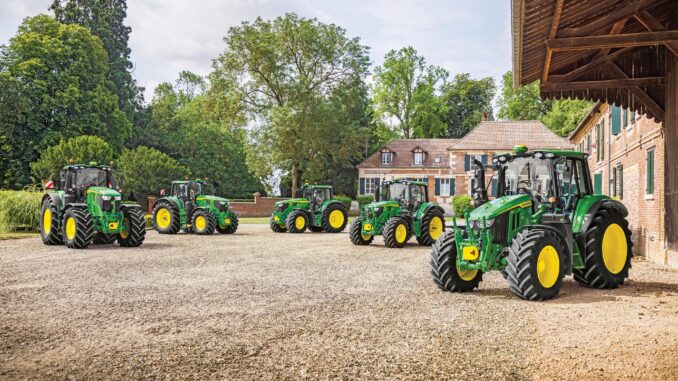
Introduction / Model overview
The John Deere air compressor range is typically used alongside tractors and utility equipment to provide reliable compressed air for tire inflation, pneumatic tools, and workshop use around the farm or property. These units may be PTO‑driven from the tractor, engine‑driven as standalone compressors, or integrated into utility equipment with Deere industrial engines.
This John Deere Air Compressor Service and Repair Guide is written for homeowner and DIY users in the USA & Canada who need clear, practical advice on maintenance, common repairs, and safe troubleshooting.
The focus is symptom‑first: what you see and hear from the compressor, and then which components are likely at fault. You can use this guide as a general pattern for most John Deere‑branded air compressors powered by Deere engines or designed to work with Deere tractors.
General overview of John Deere air compressors
John Deere air compressors typically sit in the same “support equipment” category as generators, pumps, and PTO‑driven attachments that complement the main tractor or utility machine. Many portable units are powered by Deere 3‑ or 4‑cylinder diesel engines, while PTO‑driven compressors connect to the tractor’s power take‑off and driveline.
Key systems on a John Deere air compressor include:
-
Compressor pump (single‑ or two‑stage, cast‑iron pump with pistons or rotary elements)
-
Intake and filtration (air filters, intake silencer)
-
Drive system (engine or PTO driveline, belts, pulleys, couplings)
-
Air receiver/tank, gauges, regulator and safety valves
-
Electrical system (starter, battery, pressure switch, safety interlocks on engine‑driven units)
-
Cooling and lubrication (oil‑lubed compressor pump, engine cooling and oil for Deere power units)
Common service parts owners actually buy for John Deere air compressor setups include compressor drive belts, air filters, compressor oil, engine oil and filters for Deere‑powered units, pressure switches, safety valves, drain valves and fittings, hoses and quick‑connect couplers. Spark plugs apply to gas‑powered compressors; diesel units rely on glow plugs and fuel filters instead.
Troubleshooting approach for John Deere Air Compressor service
With John Deere Air Compressor trouble, always start from the symptom instead of guessing which part is bad. Think about what you see and hear: does it fail to start, run but not build pressure, cycle too often, run hot, or leak air? Then narrow down the likely system: engine or power source, compressor pump, air controls, or plumbing.
Main symptom categories for John Deere air compressor service include:
-
Starting issues (engine won’t crank or compressor won’t start)
-
Running and pressure build issues (slow to build pressure, will not reach cut‑out)
-
Vibration and noise from John Deere Air Compressor units
-
Overheating, leaks and air loss
-
Drive system problems (PTO driveline, belts, couplings)
-
Electrical and safety switch problems on powered compressors
Emergency and immediate repair needs on John Deere Air Compressor units
Certain John Deere Air Compressor problems must be dealt with immediately because they stop safe operation or can quickly damage expensive components like the compressor pump or engine. You should treat any major leak, severe overheating, or drive failure as urgent and stop the machine until the cause is found.
Starting issues – John Deere Air Compressor won’t start
This looks like the engine failing to crank, cranking but not firing, or a powered compressor that won’t switch on even when pressure is low. It matters because repeated failed starts can damage starters, drain batteries, and leave you without air for tires or tools.
Common causes:
-
Flat or weak battery on engine‑driven compressors
-
PTO not engaged or tractor not in the correct mode
-
Faulty starter motor or solenoid
-
Safety or pressure switch not closing
-
Fuel supply problems on diesel or gas power units
Basic checks:
-
Confirm the compressor is switched on and that all safety interlocks are in the “run” position.
-
Check battery connections for corrosion and tighten them; recharge or replace the battery if needed.
-
Verify fuel level and that any fuel shutoff valves are open.
-
For PTO‑driven units, confirm PTO engagement, correct speed range, and that driveline shields are intact.
-
If there is still no start, stop and consult the operator’s manual or a Deere dealer for electrical and fuel diagnostics.
Cut‑quality equivalent – John Deere Air Compressor not building pressure
For an air compressor, “cut quality” translates to the quality and stability of air delivery. The issue looks like the compressor running continuously but never reaching the normal cut‑out pressure, or taking far longer than it used to for the tank to fill. This matters because it wastes fuel, increases wear, and leaves tools under‑powered.
Common causes:
-
Worn compressor pump (rings, valves, reed plates)
-
Drive belt slipping or damaged on John Deere Air Compressor units
-
Major air leaks at fittings, hoses or tank
-
Faulty pressure relief or safety valve stuck partially open
-
Dirty intake filter restricting airflow
Basic checks:
-
Listen for obvious hissing leaks around the tank, hoses and fittings; tighten or replace suspect parts.
-
Inspect the compressor drive belt for glazing, cracks or slack; adjust tension or replace as needed.
-
Clean or replace the intake air filter.
-
Compare actual tank pressure to the pressure gauge reading to rule out a faulty gauge.
-
If pressure still does not build, consider professional diagnosis of compressor pump condition.
Vibration and noise on John Deere Air Compressor systems
You may notice excessive vibration, knocking, or metallic noise from the compressor or PTO driveline. This matters because abnormal vibration can crack mounts, damage bearings, and create unsafe driveline conditions around the tractor.
Common causes:
-
Loose mounting bolts or brackets on compressor frame
-
Worn bearings in compressor pump or motor
-
Misaligned PTO shaft or couplings
-
Loose or damaged belt and pulley alignment
-
Internal pump issues (broken valves or connecting rod problems)
Basic checks:
-
Inspect all mounting bolts on the compressor frame and engine or PTO brackets; tighten to spec.
-
Check belt tracking and pulley alignment; adjust or replace worn parts.
-
For PTO‑driven John Deere Air Compressor units, make sure the shaft is correctly sized and locked.
-
Listen carefully to locate the source of noise (pump head vs motor vs driveline).
-
If vibration persists, stop use and consult a service technician to avoid catastrophic failure.
Overheating and leaks – John Deere Air Compressor
Overheating appears as very hot compressor heads, strong burning smells, or high engine temperature on Deere‑powered units. Leaks show up as puddles of oil or coolant, or rapid air loss when the compressor is off. These issues matter because they signal lubrication or cooling problems that can destroy pumps and engines.
Common causes:
-
Low compressor oil level or wrong oil type
-
Blocked cooling fins or shrouds
-
Engine coolant leaks or low coolant on Deere power units
-
Cracked tank, failing drain valve or rusted fittings
-
Over‑tightened or damaged safety valves and gauges
Basic checks:
-
Check compressor oil level with the sight glass or dipstick; top up or change oil if dirty.
-
Clean dust and debris from cooling fins and shrouds.
-
Inspect around the tank, manifold and drain valve for signs of leakage.
-
On engine‑driven John Deere Air Compressor units, check coolant and engine oil levels.
-
If overheating or leaks are significant, stop operation until repairs are complete.
Drive system and electrical problems
Drive issues appear as the compressor failing to turn, the PTO shaft not rotating, or belts smoking and slipping. Electrical problems show up as erratic starting, dead switches, or intermittent run. Both matter because they can lead to sudden stoppage under load and safety risks.
Common causes:
-
PTO shaft not correctly engaged or damaged
-
Belt tension far too loose or far too tight
-
Failed starter, alternator or wiring faults
-
Pressure switch contacts burned or stuck
-
Loose ground connections or corroded terminals
Basic checks:
-
For PTO‑driven units, verify correct PTO speed and that the shaft is free of obstructions.
-
Inspect belts for wear and tension; adjust according to the operator’s manual.
-
Check main electrical connections and grounds on powered compressors.
-
Observe whether the pressure switch clicks at cut‑in and cut‑out; replace if non‑functional.
-
Do not bypass safety switches; seek dealer support for deeper electrical work.
DIY or dealer? Repair decision guide for John Deere Air Compressor owners
For a typical John Deere Air Compressor, the line between DIY and dealer work sits at anything involving internal compressor pump repairs, advanced driveline service, or complex electrical diagnostics. Most owners can handle basic maintenance and bolt‑on component replacement, but internal engine or pump work is best left to trained technicians with the right tools and manuals.
Good DIY jobs on John Deere Air Compressor units:
-
Regular compressor oil changes and intake filter replacement
-
Changing drive belts and adjusting belt tension
-
Replacing hoses, quick‑connect couplers, gauges and drain valves
-
Changing engine oil and filters on Deere‑powered compressors
-
Cleaning cooling fins and performing routine inspections
Advanced DIY or dealer jobs:
-
Rebuilding compressor pumps (rings, valves, bearings)
-
Internal Deere engine repairs (injectors, fuel pumps, head work)
-
Repairing cracked or compromised air tanks
-
Complex electrical diagnosis, wiring harness repairs and control panel replacement
-
PTO driveline repair and alignment beyond simple adjustments
Skill level guide:
-
Beginner: Checking oil, cleaning filters, draining tank, basic hose replacement.
-
Intermediate: Belt replacement, pressure switch replacement, gauge and safety valve swaps.
-
Advanced: Pump rebuilds, engine fuel system repairs, driveline re‑alignment, full electrical troubleshooting.
Parts needed for John Deere Air Compressor service and what information you need
Before ordering parts for a John Deere Air Compressor, gather the full model designation, the Product Identification Number (PIN) or serial number, and, if applicable, the engine model and serial. For PTO units, knowing the tractor model, PTO speed rating, and any kit or attachment number is important because driveline and mounting parts are model‑specific.
You should also note tank size, maximum pressure rating (e.g. 125 psi or 175 psi), and whether your unit is single‑phase electric, diesel‑powered, gas‑powered, or PTO‑driven. This information helps you cross‑reference belts, filters, switches and fittings correctly when using parts catalogs or online stores.
Key John Deere Air Compressor service parts table
Use OEM John Deere parts for safety‑critical and fit‑sensitive items such as belts, safety valves, pressure switches, and PTO shafts. Aftermarket options can be acceptable for filters, hoses, gauges, drain valves and even some batteries, provided they clearly list compatibility with your compressor or engine model and meet the same pressure and flow ratings.
John Deere Air Compressor diagrams, manuals and online resources
To find accurate parts diagrams and service information for a John Deere Air Compressor, rely on a small set of trusted sources:
-
John Deere Technical Publications – this portal lets you search for operator’s manuals and technical manuals by model name and PIN, covering Deere engines and support equipment.
-
John Deere Parts Catalog (JDParts) – provides exploded diagrams, part numbers and supersessions for engines, compressors and attachments.
-
Operator’s manual for your compressor – gives daily maintenance, lubrication intervals, and safety information.
-
A reputable Deere‑focused parts website with a model‑specific page for your engine or compressor, offering cross‑referenced aftermarket parts.
When you open a parts catalog entry, look for sections covering the compressor pump, engine, driveline, controls, and chassis. Use these diagrams to identify how belts route, where filters sit, and which fittings seal the tank and manifold.
How to locate model, serial and engine numbers
Model, serial and engine numbers matter because John Deere Air Compressor parts are often tied to specific production runs and engine options. Using the wrong serial range or assuming a generic part fit can lead to incorrect belts, filters or pump parts that either won’t install or will fail early.
Follow these steps to locate identification numbers:
-
Look for the compressor model and serial plate on the main frame or tank end, typically a metal or decal tag stamped with model and PIN.
-
Check the Deere engine block or rocker cover for the engine model and serial plate on engine‑driven compressors.
-
On PTO‑driven units, record your tractor’s model and serial number from the tractor identification plate.
-
Note any optional kit numbers on PTO drives, frames or accessory mounts.
-
Keep these numbers written down in a notebook or stored digitally to reference when ordering parts or searching manuals.
Buying John Deere Air Compressor parts online and in stores
A good strategy is to use online resources for research and part number verification, then decide whether to purchase via an online store, local Deere dealer counter, or a general retail outlet. Always double‑check OEM numbers, serial ranges and pressure ratings before placing an order.
-
Online: Use official Deere sites and specialist parts retailers that let you search by model and serial. Look for clear cross‑reference lists when buying aftermarket filters or hoses.
-
Dealer counter: Best choice for complex or serial‑specific John Deere Air Compressor items like PTO kits, engine components and control assemblies. Staff can confirm compatibility from Deere systems.
-
Retail stores: Suitable for common consumables (air hoses, quick couplers, generic drain valves and compressor oil) as long as packaging specifically lists your compressor type, pressure range and thread sizes.
You can often start from John Deere’s official parts and manuals pages and then branch out to well‑known agricultural supply or industrial compressor retailers that stock compatible components.
Step‑by‑step fitting guide for common John Deere Air Compressor jobs
Below are several high‑impact DIY service jobs that many owners will tackle on a John Deere Air Compressor unit.
Changing the compressor drive belt on a John Deere Air Compressor
This job improves reliable pressure build and reduces slipping or squealing under load.
-
Disconnect power to the compressor or shut down the tractor and PTO, ensuring everything is safely off.
-
Remove belt guards or covers to expose the belt and pulleys.
-
Note the belt routing and take a photo for reference.
-
Release tension using the tensioner or by loosening mounting bolts on the motor or pump.
-
Slip the old belt off, fit the new belt over pulleys and reapply tension according to the manual.
-
Reinstall guards, test run the compressor and listen for smooth operation without slipping.
Replacing the intake air filter on a John Deere Air Compressor
This job protects the compressor pump from dust and helps maintain pressure output.
-
Switch off the compressor and allow it to cool.
-
Locate the intake filter housing near the pump head, typically under a cover or behind a silencer.
-
Remove the housing cap and pull out the old filter element.
-
Wipe out loose dust, then insert the new filter element in the correct orientation.
-
Refit the housing cap securely and run the compressor briefly to confirm normal sound.
Changing compressor oil on John Deere Air Compressor units
This helps prevent overheating and premature pump wear.
-
Turn off the compressor and allow it to cool fully; depressurize the tank.
-
Locate the oil drain plug or drain port on the compressor pump crankcase.
-
Place a pan underneath, remove the plug and drain the old oil completely.
-
Reinstall the drain plug with a new seal or washer if required.
-
Fill with approved compressor oil through the fill port up to the sight glass or dipstick mark.
-
Run the compressor for a short cycle, then recheck oil level and adjust if needed.
Replacing a pressure switch on a John Deere Air Compressor
This job restores correct cut‑in and cut‑out pressure if the switch fails.
-
Disconnect power or shut down the engine/PTO; depressurize the tank fully.
-
Locate the pressure switch, usually mounted on the manifold or tank with wires leading to the motor or starter.
-
Label and disconnect wiring from the old switch, then unscrew the switch from the fitting.
-
Install the new switch using thread sealant compatible with compressed air.
-
Reconnect wiring according to labels and the new switch diagram.
-
Pressurize the system and observe cut‑in and cut‑out, adjusting if the switch allows.
Maintenance to prevent John Deere Air Compressor problems recurring
Regular maintenance on a John Deere Air Compressor prevents most starting, pressure and overheating problems. Focus on keeping air, oil and cooling systems clean while checking belts and fittings for wear before they fail under load.
Key focus areas:
-
Starting reliability: Keep batteries, fuel systems and electrical connections in good condition on powered units.
-
Air delivery quality: Service compressor pumps, replace filters and fix leaks to maintain consistent pressure.
-
Overheating prevention: Change compressor oil on schedule, clean cooling fins and shrouds and monitor engine cooling.
-
Drive performance: Inspect PTO shafts, couplings and belts regularly and adjust tension to prevent slippage.
-
Electrical reliability: Check pressure switches, safety interlocks and wiring annually for wear or corrosion.
John Deere Air Compressor maintenance schedule and year‑round checklist
Use the operator’s manual for your specific compressor as the baseline, but many John Deere Air Compressor models follow a similar pattern of daily, periodic and seasonal tasks.
Daily / before each use
-
Check compressor oil level and top up if necessary.
-
Inspect for visible leaks around tank, hoses and fittings.
-
Listen for abnormal noise on startup from pump or driveline.
-
Drain any condensate from the tank if moisture is present.
After approximately 8 hours of use
-
Inspect drive belt condition and tension.
-
Check intake filter for heavy dust loading; clean or replace if needed.
-
Verify pressure switch behavior (normal cut‑in and cut‑out).
Every 25 hours
-
Clean cooling fins and fan shrouds on the compressor and engine.
-
Inspect hose connections and quick couplers for wear or cracking.
-
Check tank drain valve operation and look for rust or blockage.
Every 50 hours or yearly
-
Change compressor oil according to manufacturer recommendations.
-
Replace intake air filter with a new element.
-
Inspect PTO driveline components on John Deere Air Compressor PTO units for wear and alignment.
-
Check safety relief valves and gauges for correct operation.
Every 200 hours or as specified
-
Inspect compressor pump for signs of oil leaks or bearing noise.
-
Service engine fuel and oil filters on Deere‑powered compressors.
-
Check mounting bolts and frame integrity, tightening all hardware.
Seasonal checklist (pre‑season, in‑season, end‑of‑season)
-
Pre‑season: Change compressor oil if due, inspect belts, test pressure control, and check battery and fuel systems.
-
In‑season: Perform regular daily and 25‑hour checks; monitor for new leaks or noise.
-
End‑of‑season: Drain tank fully, clean exterior, change oil if approaching interval, and store the John Deere Air Compressor in a dry, protected area.
Repair, upgrade, or replace a John Deere Air Compressor?
For most owner‑level John Deere Air Compressor issues, simple repairs and part replacement are more cost‑effective than replacement, especially if the tank and pump castings are sound. You may consider upgrades when your air demand has grown or when controls and hoses are outdated, while full replacement becomes sensible if the tank is compromised or the compressor cannot economically meet your needs.
Repair if:
-
The issue is limited to belts, filters, hoses, gauges, switches or minor leaks.
-
The tank and compressor pump housing are structurally sound.
-
Starting and pressure problems trace to serviceable parts rather than core failures.
Upgrade if:
-
You regularly run out of air capacity and need a larger tank or higher pressure.
-
You want better regulators, moisture separators or hose management.
-
You plan to integrate the John Deere Air Compressor with additional tools or shop systems.
Replace if:
-
The tank shows severe rust or structural damage.
-
The compressor pump or engine has catastrophic failure and repair costs approach replacement.
-
Safety defects exist that cannot be economically corrected with upgraded parts.
Expanded troubleshooting FAQ – John Deere Air Compressor
1. Why will my John Deere Air Compressor not start?
If your John Deere Air Compressor will not start, begin with basics like power, battery and fuel. Check that the compressor is switched on, that PTO or engine controls are correctly set, and that safety interlocks are closed. Flat batteries, empty fuel tanks, corroded connections or a failed starter are common causes. If the unit still refuses to start after these checks, consult the operator’s manual and, if needed, a John Deere dealer for deeper electrical or fuel system diagnostics.
2. Why does my John Deere Air Compressor start but not build pressure?
This usually means the compressor pump is turning but air is escaping or not being compressed effectively. Inspect for leaks around the tank, manifold and hoses, then check the drive belt for tension and wear. Replace a dirty intake filter to restore airflow. If the compressor still will not reach normal cut‑out pressure, a worn pump or faulty valves may require professional service or a rebuild kit.
3. Why does my John Deere Air Compressor run continuously?
Continuous running without reaching cut‑out often indicates leaks or incorrect pressure switch settings. Look for hissing at fittings, drain valves or safety valves and fix any leaks. Confirm the pressure switch rating and settings are correct for your tank and compressor. If the switch is stuck or mis‑adjusted, replacing it with a compatible unit will restore normal cycling.
4. Why is my John Deere Air Compressor tripping breakers or blowing fuses?
On electric or engine‑driven models with electrical controls, high current draws can trip breakers or blow fuses. Common causes are seized compressor pumps, tight belts, or faulty motors. Check for free rotation of the pump and verify belt tension. Ensure the circuit and fuses are correctly sized and that wiring is intact. Persistent trips call for motor or pump inspection by a technician.
5. Why is the John Deere Air Compressor PTO shaft making noise?
PTO shaft noise on a tractor‑driven compressor usually stems from misalignment or worn yokes and bearings. Verify the shaft length and alignment between tractor and compressor input, and ensure guards are in place. Inspect universal joints for play or rust. Replacing worn PTO components reduces noise and protects both tractor and compressor.
6. Why does my John Deere Air Compressor vibrate more than it used to?
Increased vibration can result from loose mounting bolts, worn bearings or misaligned pulleys. Tighten fasteners on the frame and mounts, check pulley alignment, and inspect the belt for uneven wear. If the pump or motor bearings have developed play, they may need replacement. Running a vibrating compressor for long periods risks structural damage.
7. Why is my John Deere Air Compressor making a knocking sound?
Knocking sounds often point to internal pump or engine issues. On the compressor side, loose connecting rods or broken valves can cause knocks; on engine‑powered units, fuel or injector problems may be involved. Shut down the compressor and avoid using it until the source is identified. Internal repairs are usually best handled by a service specialist.
8. Why does my John Deere Air Compressor get very hot?
Excessive heat indicates low oil, restricted cooling, or heavy duty cycles beyond the compressor’s rating. Check compressor oil level and condition, clean cooling fins and fan areas, and make sure ambient ventilation is adequate. Avoid overloading the compressor by running high‑demand tools continuously without rest. Continuing to run an overheating unit can shorten pump and engine life dramatically.
9. Why is oil coming from my John Deere Air Compressor exhaust?
Oil in the exhaust or discharge line usually means the compressor is overfilled with oil or has worn rings and seals. Verify the oil level against the sight glass or dipstick and adjust to the correct mark. If oil consumption remains high and discharge stays oily, internal components may require rebuilding. Using the correct compressor oil grade reduces this risk.
10. Why is water draining from my John Deere Air Compressor tank?
Water in the tank is normal because compressed air cools and moisture condenses. You should regularly open the tank drain valve to remove this condensate and prevent rust. If large amounts of water build up quickly, consider installing moisture separators or using the compressor in less humid conditions where possible. Tank corrosion is accelerated by standing water.
11. Why do my air tools feel weak on my John Deere Air Compressor?
Weak air tools usually mean either low tank pressure or restricted flow. Confirm the tank is reaching cut‑out pressure and that regulators are set appropriately. Check hoses and fittings for restrictions or leaks, and ensure the tool’s air consumption matches the compressor’s output rating. Using overly long or narrow hoses can significantly reduce performance.
12. Why is my John Deere Air Compressor pressure gauge not accurate?
If the gauge reading doesn’t match actual pressure, the gauge may be faulty or clogged. Test pressure with a separate known‑good gauge at a hose outlet. If readings differ, replace the gauge on the tank or manifold. Ensure any replacement gauge is rated correctly for your maximum pressure and is compatible with compressed air use.
13. Why does my John Deere Air Compressor shut off early?
Early shut‑off can happen if the pressure switch is set too low, is misreading pressure, or if a thermal or overload switch is tripping. Check cut‑out settings and any thermal overload reset, particularly on electric or engine‑driven models. If components repeatedly trip, there may be an underlying motor or pump issue leading to overheating or high current draw.
14. Why is my John Deere Air Compressor starting and stopping rapidly?
Short cycling occurs when air leaks or small tank volumes cause quick pressure drops. Inspect for leaks at fittings and drain valves and fix any that you find. Consider whether your use pattern (small tank, high‑demand, intermittent tools) is causing rapid cycling. Adjusting regulator settings or upgrading to a larger tank can reduce wear from constant starts.
15. Why doesn’t my John Deere Air Compressor cut in at low pressure?
If the compressor doesn’t restart when pressure falls, the pressure switch may be stuck open or mis‑adjusted. Confirm that the switch linkage operates freely and that wiring is intact. Replace the switch if it fails to close at the specified cut‑in pressure. Always use a part rated for the same pressure range and electrical load.
16. Why does my John Deere Air Compressor tank leak around the drain valve?
Tank drain valves can wear out, accumulate debris, or rust at the threads. If you see moisture or hear hissing even when closed, remove the valve and inspect threads and seat. Clean or replace the valve with a compatible unit. If the tank itself is rusted badly around the drain port, consider tank replacement or professional inspection.
17. Why is my John Deere Air Compressor losing pressure overnight?
Pressure loss when idle typically means small leaks that only become obvious over time. Check all fittings, hoses, gauges and valves with soapy water to look for bubbles. Tighten or replace suspect components. A fully sealed system should hold pressure for extended periods, aside from minor changes due to temperature.
18. Why do I hear air from the safety valve on my John Deere Air Compressor?
A safety valve that vents air may indicate over‑pressure or a valve stuck partially open. Confirm that your pressure gauge reading matches the valve rating and that the pressure switch is cutting out properly. If the valve continues to vent at normal pressure, replace it with a new safety valve of the correct psi rating. Never block or tamper with safety valves.
19. How often should I change compressor oil on my John Deere Air Compressor?
Oil change intervals depend on manufacturer recommendations, but many compressors require oil changes at least annually or every 50–200 hours of operation. Check the operator’s manual for specific guidance and adapt your schedule based on usage intensity. Frequent high‑duty use calls for more regular oil changes to protect the pump.
20. How often should I replace the air filter on my John Deere Air Compressor?
Replace intake air filters when they look heavily loaded with dust or at the interval stated in the manual, often once a year for moderate use or more frequently in dusty environments. A clogged filter starves the compressor of air and increases heat and wear. Keeping a spare filter on hand makes timely replacement easier.
21. Can I use generic compressor oil in my John Deere Air Compressor?
You should always use compressor‑approved oil of the correct viscosity and type. Many John Deere Air Compressor units specify non‑detergent oil to avoid foaming and deposit issues. Using engine oil or generic lubricants can lead to higher temperatures and premature pump wear. Check your manual for the recommended oil grade and supplier.
22. Can I run my John Deere Air Compressor indoors?
Running any engine‑powered compressor indoors can pose serious carbon monoxide and ventilation risks. Electric compressors may be safe indoors, but you still need good ventilation and noise control. For Deere‑powered units, operate outdoors or in very well‑ventilated spaces, routing hoses inside if necessary rather than bringing the engine indoors.
23. Can I upgrade my John Deere Air Compressor with a larger tank?
In some setups, it is possible to add an auxiliary tank to increase total capacity, provided all components are rated for the same pressure. However, modifying tank systems carries safety risk if not done correctly. Use compatible tanks and fittings and make sure safety valves and gauges cover the total volume. If in doubt, consult a compressor specialist.
24. What size PTO shaft do I need for a John Deere Air Compressor attachment?
PTO shaft size depends on tractor model, hitch geometry and compressor input requirements. Refer to the compressor’s documentation for recommended PTO speed (e.g. 540 rpm) and shaft length. If you lack this information, a John Deere dealer or attachment supplier can help specify the correct PTO kit for your tractor and compressor combination.
25. Why is my John Deere Air Compressor engine smoking?
Smoke from a Deere‑powered compressor engine can indicate oil burning, fuel issues, or restricted air intake. Check oil level and look for leaks that may reach hot surfaces. Inspect air filters and fuel quality. Different smoke colors (blue, black, white) suggest different problems, so refer to the engine manual for specific diagnostics and seek professional help if smoke persists.
26. Why is the John Deere Air Compressor engine hard to start in cold weather?
Cold starts are harder because oil thickens and batteries lose cranking power. Use the recommended oil grade and keep the battery fully charged. On diesel units, ensure glow plugs and fuel systems are in good condition. In very cold climates, using block heaters or storing the compressor in a sheltered location can help.
27. Why is my John Deere Air Compressor louder than before?
Noise can increase as filters clog, bearings wear or mufflers and silencers deteriorate. Clean or replace intake filters and inspect the exhaust or silencing components on engine‑driven units. Check pump and motor mounts for looseness. If noise rises suddenly, treat it as a symptom to investigate rather than an annoyance to ignore.
28. Why are fittings on my John Deere Air Compressor rusting?
Rust on fittings often results from moisture that is not drained from the tank and lines regularly. Drain condensate daily in humid conditions and consider moisture separators on outlets. Replace severely rusted fittings and use quality components. Storing the compressor in a dry environment and avoiding contact with corrosive substances also helps.
29. Why does my John Deere Air Compressor smell burnt?
A burnt smell may come from overheating belts, motors, or accumulated oil and dust on hot surfaces. Inspect belts for glazing or rubber residue, check motors for overheating, and clean any oil‑soaked dust from the compressor. If smells persist, shut down the unit and investigate carefully before resuming operation.
30. How do I know if my John Deere Air Compressor tank is unsafe?
Signs of an unsafe tank include deep rust pits, bulging, or audible creaking under pressure. If you see extensive corrosion or deformities, do not pressurize the tank. Have it inspected by a professional or replace the compressor or tank outright. Never attempt to weld or patch a pressure vessel without qualified guidance.
31. How often should I inspect the John Deere Air Compressor PTO driveline?
Inspect PTO drivelines before each major use and at least seasonally. Look for worn universal joints, cracked guards, and loose fasteners. Make sure the shaft length and overlap are within safe limits. Proper PTO maintenance reduces the chance of driveline failure and protects operators from entanglement hazards.
32. Can I run my John Deere Air Compressor at higher pressure than the rating?
You should never exceed the rated maximum pressure of your tank, compressor pump and safety components. Higher pressure increases stress on the tank and may exceed safety valve capacity. If you need higher pressure for tools, consider a compressor designed for that rating rather than modifying your existing unit.
33. Why does my John Deere Air Compressor leak at quick‑connect couplers?
Quick‑connect couplers can wear internally or accumulate debris that prevents full sealing. Inspect couplers for damage and clean or replace them if they leak when connected. Ensure hoses seat fully in the coupler and that seals are intact. Using high‑quality couplers makes a noticeable difference in leak prevention.
34. How do I store my John Deere Air Compressor over winter?
For winter storage, drain the tank and lines thoroughly, change oil if due, and clean the exterior. Store the compressor in a dry, sheltered location. Disconnect batteries on engine‑driven units or keep them on a maintenance charger. Cover the unit to keep dust off, but avoid trapping moisture under the cover.
35. When should I involve a John Deere dealer in Air Compressor repairs?
Contact a Deere dealer when problems involve internal engine or compressor pump repairs, persistent electrical faults, tank integrity questions, or PTO compatibility issues. Dealers have access to official parts catalogs, service bulletins and technical manuals that ensure repairs meet safety and performance standards. Knowing when to seek professional help protects both your investment and your safety.