
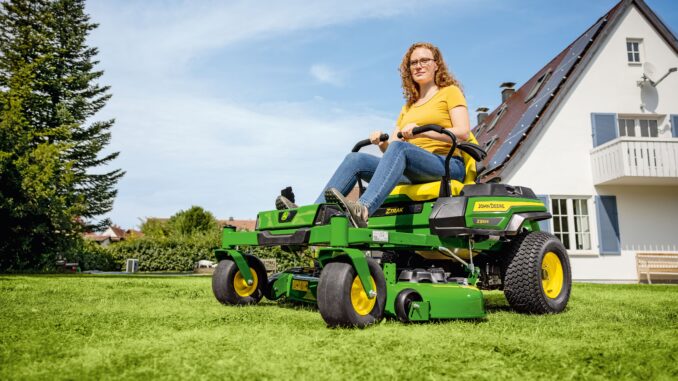
John Deere Z500 Series Lawn and Garden Tractor Models and Maintenance Guide
About the John Deere Z500 Series Lawn and Garden Tractor Series
The John Deere Z500 Series is a family of residential/estate zero‑turn mowers (ZTrak machines) aimed at homeowners, acreage owners, and light commercial users who need to mow larger areas quickly while maintaining good cut quality and operator comfort. Across the series, engines are typically V‑twin gasoline units in the roughly 22–25 hp range, with some models using Electronic Fuel Injection (EFI) and Electronic Throttle Control (ETC) to improve response and fuel efficiency. These machines are firmly in the lawn tractor/estate mower category rather than classic drawbar garden tractors, but many owners use them for light hauling and yard work with tow‑behind attachments.
Frames are welded, mid‑weight zero‑turn chassis with integrated front caster wheels and larger rear drive tires, giving good stability and a low center of gravity suitable for flat to moderately sloped lawns. Typical mower deck sizes in the Z500 Series span 48‑, 54‑, and 60‑inch Accel Deep decks, plus 54‑ and 60‑inch High‑Capacity decks on higher‑spec models, which are aimed at faster coverage and better airflow for heavy grass. All Z500 machines use hydrostatic drive with independent wheel motors, controlled by twin motion levers; 2WD only, but with traction‑oriented tire options and good weight distribution for residential use.
Key comfort and technology touches include cut‑and‑sewn mid‑back or high‑back seats with ComfortGlide suspension, large foot platforms, optional foot pegs, and improved cut‑height selectors for quick deck height changes. Higher‑spec models add advanced LCD fuel gauges, upgraded control levers, and, on some EFI variants, more sophisticated engine management. Typical attachments include mid‑mount mower decks as standard, rear baggers, tow‑behind carts, spreaders, sweepers, aerators, dethatchers, and snow blades or brooms where compatible, though they do not replace full garden tractors for heavy ground‑engaging rear implements.wikipedia+1
Within the John Deere lawn and garden lineup, the Z500 Series sits above basic lawn tractors such as the S Series (steer‑type) and below heavy‑duty X700 garden tractors in terms of pulling and implement capacity, but it typically matches or exceeds X300/X500 lawn and garden tractors for pure mowing productivity due to its zero‑turn chassis. It is best thought of as a premium residential mowing platform with some yard‑work capability, rather than a traditional garden tractor for tillers and plows.wikipedia
John Deere Z500 Series Lawn and Garden Tractor Models (Option B: Table)
Below is an across‑time index of known John Deere Z500 Series ZTrak zero‑turn mower models marketed in the USA and Canada, including current production and discontinued or legacy variants where public information exists. Horsepower and deck sizes are approximate and may vary slightly by year and configuration; frame class is described generically as residential zero‑turn (lawn tractor/estate mower) vs heavier residential/commercial crossover.wikipedia+1
Notes: legacy/approximate models are included based on public references to past Z500‑class ZTrak mowers; exact specifications vary by year and market, so treat these entries as directional and confirm details in individual buyer’s and service guides.images.
See Also :
Z500 Series Lawn and Garden Tractor Maintenance Guides
Routine Service and Checks
Across Z500 Series models, routine service centers on the V‑twin gasoline engine, hydrostatic transmission, mower deck, and general chassis. Typical intervals involve engine oil and filter changes every 50–100 hours or annually (whichever comes first), air filter inspection/cleaning, and fuel filter replacement to keep starting and running performance consistent. Spark plug inspection or replacement, checking battery charge and cable condition, and cleaning cooling fins and engine shrouds are important to avoid overheating and hard‑start issues, especially on machines stored outdoors.youtubeimages.thdstatic
Hydrostatic transmissions on residential zero‑turns are often “sealed for life” but still need periodic checks for leaks, damaged hoses, and contaminated cooling fans and guards. A cross‑model “Z500 Series lawn and garden tractor service interval checklist” can group these tasks by hours and season, and a “DIY maintenance for Z500 Series lawn tractors” guide can walk owners through step‑by‑step service with homeowner tools and common consumables. Z500 machines also benefit from general service kits (oil, filters, plugs) tailored to model numbers, covered in a “Z515E/Z530M/Z545R service kit and parts lookup”‑style resource.pdf.lowes+1
Mower Deck, Cutting Quality, and Belt Care
Deck maintenance is critical across all Z500 models, regardless of Accel Deep or High‑Capacity deck type. Owners should regularly remove built‑up grass from the underside of the deck, inspect blades for nicks or bends, and sharpen or replace blades to maintain clean, even cut quality. Deck leveling (side‑to‑side and front‑to‑rear pitch), verifying anti‑scalp wheel heights, and ensuring the deck hangers are not bent are essential to prevent scalping and streaks in the lawn.images.thdstatic+1
Drive belts need routine inspection for glazing, cracks, or fraying, and idler pulleys and spindles should be checked for play or noise that indicates worn bearings. Lubrication points on spindles (where applicable) and deck lift linkages should be serviced per the operator’s manual, and owners may follow a dedicated “Mower deck maintenance and cutting quality on Z500 Series tractors” guide. A complementary “Deck belt and spindle service for Z500 Series lawn and garden tractors” article can explain belt routing, tension checks, and spindle removal for bearing replacement using practical DIY methods.images.thdstatic+1
Steering, Axle, and Chassis Maintenance
Even though Z500 Series machines use zero‑turn lever steering rather than a steering wheel, front caster assemblies, rear drive wheels, and the main frame still require periodic inspection. Front caster spindles, bushings, and bearings should be checked for play and greased where fittings are present, as worn components can cause wobble and uneven cut quality. Rear tires need regular pressure checks to maintain traction and correct ride height; uneven pressure can tilt the deck and affect cut quality.images.thdstatic
Chassis maintenance includes inspecting welds and frame rails for cracks, ensuring seat safety switches and lap bar interlocks function correctly, and tightening loose hardware around the engine, deck mounts, and control levers. A cross‑series “Steering and front axle maintenance across Z500 Series lawn and garden tractors” guide can cover caster alignment and frame checks, while a “Chassis and safety interlock inspection on Z500 Series tractors” resource can provide a seasonal safety checklist. These hub‑style guides make it easy for owners to find model‑specific posts (e.g., “Z530M frame crack inspection tips”) when needed.images.thdstatic
Z500 Series Lawn and Garden Tractor Troubleshooting Guides
Starting, Engine, and Fuel / Ignition Problems
Common starting and running issues on Z500 Series machines include no‑start, slow cranking, starts‑then‑stalls, and surging under load. Typical causes range from stale fuel and clogged filters to dirty carburetors (on non‑EFI units), weak batteries, or faulty safety interlocks preventing the engine from cranking or firing. On EFI models like the Z545R, sensor and wiring problems can cause hard‑start or surging symptoms that require more systematic diagnostics, but basic checks still begin with fuel quality, air intake, and ignition components.pdf.lowes+1youtubeimages.thdstatic
A series‑wide “Z500 Series lawn and garden tractor starting problems – diagnostics and fixes” guide can walk through battery tests, safety switch checks, fuel system inspection, and ignition troubleshooting in a stepwise manner. Another hub article, “Engine and fuel system issues across Z500 Series tractors”, can index deeper model posts covering carburetor cleaning, EFI fault codes, and specific surging or misfire complaints on individual models such as Z515E and Z530M. This structure lets you route readers from symptom‑based content to their exact tractor model for detailed repair steps.youtubeimages.thdstatic
Mower Deck, PTO, and Cutting Performance Problems
Deck engagement and cutting performance issues are among the most common complaints for Z500 Series owners. Symptoms include the deck not engaging when the PTO switch is activated, blades stopping under heavy grass, uneven cut, scalping, vibration, and excessive noise from the deck or drive system. Causes can include worn or loose deck belts, failing PTO clutches or relays, damaged spindles, unbalanced blades, or incorrect deck leveling and tire pressures.images.thdstaticyoutube
A hub post titled “PTO and deck engagement problems on Z500 Series lawn tractors” can outline initial checks (belt condition, PTO switch, seat and safety interlocks, clutch wiring) and then route users to model‑specific diagnostic guides for Z530M, Z545R, and older Z540M/Z535R machines. Another cross‑series guide, “Cut quality and deck vibration issues on Z500 Series models”, can explain how to diagnose vibration sources (blades, spindles, pulleys, engine mounts) and how deck pitch, ground speed, and blade condition interact to produce a clean cut. Individual model posts can be linked from these hubs to give torque specs, part numbers, and repair walkthroughs.youtubeimages.thdstatic
Drive, Transmission, and Traction Problems
Drive and traction issues on Z500 Series zero‑turns typically show up as slow travel speed, no drive to one side, jerky motion, noise from the hydro units, or difficulty maintaining grip on slopes and in wet conditions. Because these machines use independent hydrostatic drives for each rear wheel, problems can stem from low tire pressure, air in the hydraulic system after improper towing, worn drive belts on belt‑driven pump variants, or internal wear in the hydro units.pdf.lowes+1
A hub‑style guide, “Drive and transmission problems on Z500 Series lawn and garden tractors”, can cover basic checks—tire pressure, wheel motor and hose leaks, belt routing, and correct use of tow valves—before directing readers to model‑specific content for deeper hydrostatic repair or replacement steps. “Traction and hill performance issues across Z500 Series models” can explain realistic slope and traction expectations for residential zero‑turns, recommend tire upgrades, ballast, and mowing strategies, and then link to posts such as “Z530M traction tips on wet slopes” and “Z545R hill performance setup”. This reinforces safe usage while giving practical, real‑world advice for acreage owners.youtubeimages.thdstatic
Attachments and Implements for the Z500 Series Lawn and Garden Tractor Series
Z500 Series zero‑turn mowers are primarily designed around mid‑mount mower decks, but they support a range of lawn and yard attachments that extend their utility. Typical attachments include rear baggers and material collection systems, tow‑behind carts, spreaders, sweepers, aerators, dethatchers, and occasionally front‑mounted brooms or blades via compatible kits. Snow blowers and heavy rear ground‑engaging implements are generally the domain of traditional garden tractors (e.g., X500/X700), but some Z500 owners use light snow blades and broom attachments for driveway and path maintenance.wikipedia+1
Compatibility depends on factors such as engine horsepower, frame layout, available hitch points, and whether the attachment requires PTO power or is purely ground‑driven. For baggers and collection systems, deck type (Accel Deep vs High‑Capacity) and discharge design determine which kits fit a given model. A dedicated “Attachments and implement options for Z500 Series lawn and garden tractors” guide can list compatible baggers, carts, and yard tools by model, while “Setting up and using snow equipment and yard attachments on Z500 Series tractors” can walk through ballast, traction aids, and cautionary notes for using a zero‑turn in winter conditions.wikipedia+1
Related Guides and Hubs
For readers exploring broader John Deere lawn and garden content, this Z500 Series index should conceptually link up to a “General John Deere Lawn and Garden Tractor Guide” that explains how zero‑turns compare to traditional lawn and garden tractors for different property types. It should also tie into a “John Deere Lawn and Garden Tractor Maintenance Hub” that aggregates service interval checklists, fluid and filter guides, and deck maintenance content across series. Similarly, a “John Deere Lawn and Garden Tractor Troubleshooting Hub” can centralize symptom‑based diagnostics and route users to series hubs like this Z500 page and model‑specific posts.wikipedia
As your tractorsby.com content grows, you can also cross‑link to index pages for other series such as an “S Series lawn tractor index”, “X300 Series lawn tractor index”, “X500 Series garden tractor index”, “X700 Series heavy‑duty garden tractor index”, and a “Classic John Deere Garden Tractor index” for older 3xx/4xx machines. These related hubs will help homeowners and acreage owners quickly navigate from their current Z500 zero‑turn to other options and legacy equipment, while keeping this page as the core directory for all Z500 Series models, maintenance, and troubleshooting content.