
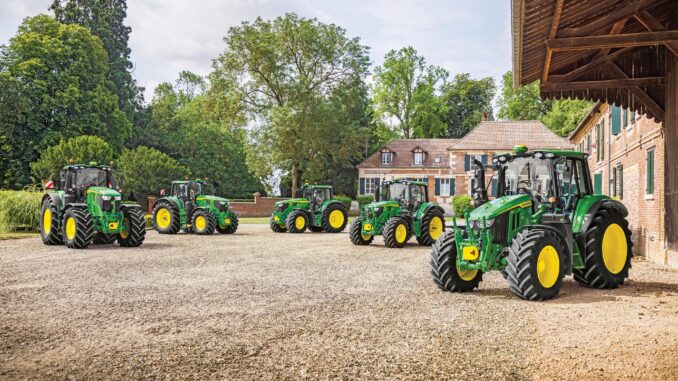
The John Deere 333G is a compact track loader built for heavier-duty property work, landscaping, grading, material handling, and attachment use rather than simple lawn mowing. Official listings place it at 96.6 net horsepower, 3,700 lb rated operating capacity, and about 12,100 lb operating weight, which makes it a serious machine for landowners, contractors, and rural property users in the USA and Canada.
This guide is written for owners who want a practical, symptom-first reference for John Deere 333G repair, troubleshooting, maintenance, parts lookup, and service planning. It covers the systems that fail most often in real use, explains what is realistic DIY work versus dealer-level repair, and points to the best places to find diagrams, manuals, and serial-number-specific parts information.
John Deere 333G overview
The John Deere 333G sits in Deere’s compact track loader lineup and is aimed at users who need more lift, traction, and hydraulic capability than a lighter skid steer or small-frame machine can provide. Deere’s official owner support page treats the 333G as a supported current model, while dealer spec pages list the machine with 96.6 net horsepower and a 3,700 lb rated operating capacity.
For most owners, the key systems are the diesel engine and fuel system, air intake and cooling package, hydraulic system, hydrostatic drive, undercarriage and tracks, boom and quick-attach linkage, and the electrical/safety interlock system. Those are the areas that most directly affect starting, power loss, travel performance, attachment function, warning lights, and expensive downtime.
Common service items owners frequently replace on this machine include engine oil and filters, fuel filters and water separator elements, primary and secondary air filters, hydraulic oil filters, hydraulic oil, hydrostatic return filters, coolant, battery-related electrical parts, and undercarriage wear items such as tracks, rollers, and sprocket-related components. Deere directs owners to use serial-number-specific parts support through its owner support and technical publications systems rather than relying only on generic listings.
General John Deere 333G systems and service parts
A John Deere 333G repair plan makes more sense when the machine is viewed by system instead of by random part failure. If the loader will not start, runs weak, overheats, loses hydraulic response, or tracks poorly, the cause usually sits within one main system and can be narrowed down quickly by symptom.
The main system groups to think about are:
-
Engine and fuel system, including engine oil, fuel filters, water separator, air filters, turbo-related plumbing, and coolant checks.
-
Hydraulic system, including reservoir level, hydraulic oil, hydraulic filter, boom and attachment function, and hydrostatic motor return filters.
-
Drive and undercarriage system, including track condition, sprocket wear, rollers, tension, and final drive or hydrostatic travel concerns.
-
Electrical and safety system, including battery condition, terminals, relays, safety interlocks, warning lights, and operator-presence-related issues.
John Deere 333G troubleshooting approach
The best way to troubleshoot a John Deere 333G is to start with the exact symptom the owner sees, not the first part someone suggests replacing. A no-start, hard-start, low-power, no-drive, weak-hydraulic, or overheating complaint each points to a different first inspection path.
The main symptom groups on this model are:
-
Starting issues
-
Running and power-loss issues
-
Hydraulic performance problems
-
Drive and tracking problems
-
Vibration, noise, and undercarriage wear
-
Overheating, leaks, and warning lights
-
Electrical and safety interlock faults
Using a symptom-first approach matters because a diesel compact track loader can have several overlapping causes for the same complaint. A weak machine may have fuel restriction, air restriction, hydraulic derate, cooling blockage, sensor issues, or undercarriage drag, so basic checks should come before parts ordering.
John Deere 333G immediate repair needs
Some problems on a John Deere 333G should be addressed right away because they create safety risks or can destroy expensive components quickly. Shut the machine down immediately for major hydraulic leaks, severe overheating, persistent warning lights tied to pressure or temperature, track derailment, major undercarriage binding, or loud knocking from the engine or drive system.
John Deere 333G starting issues
When the machine cranks poorly, will not crank, or starts and dies, the issue can move from minor inconvenience to jobsite downtime very quickly. Starting problems also tend to hide electrical connection faults, weak batteries, air in the fuel system, or water contamination in diesel fuel.
Common causes include:
-
Weak battery or dirty battery terminals
-
Safety interlock or seat/bar control issues
-
Fuel restriction or water in the fuel system
-
Plugged air filter creating hard starting or poor running after start
-
Sensor or relay faults
Basic checks:
-
Verify battery charge, cable tightness, and clean ground connections.
-
Check that control/safety conditions for starting are fully met.
-
Drain water and sediment from the fuel filter area if applicable.
-
Inspect primary air filter condition.
-
Confirm fresh diesel fuel and look for signs of fuel starvation or air entry.
John Deere 333G running and power-loss issues
A John Deere 333G that starts but feels weak, smokes, hesitates, or loses power under load often has a maintenance-related cause before it has an internal engine failure. Restricted fuel supply, plugged air filtration, overheating, or sensor-driven derate conditions are common starting points.
Common causes include:
-
Clogged fuel filters or water separator issues
-
Dirty primary or secondary air filter
-
Cooling package packed with debris
-
Hydraulic load or attachment issue making the engine feel weak
-
Sensor fault putting the machine into a reduced-performance mode
Basic checks:
-
Inspect and service the air filter system as needed.
-
Check fuel filter service history.
-
Clean radiator and oil cooler fins of debris.
-
Look for active warning codes or repeated alerts on the display.
-
Test with and without the attachment engaged to separate engine and hydraulic symptoms.
John Deere 333G hydraulic problems
If the boom is slow, the bucket lacks force, or attachments respond poorly, stop and check the hydraulic system before continuing to work. Running low on hydraulic oil or ignoring contamination can damage pumps, motors, cylinders, and valves.
Common causes include:
-
Low hydraulic oil level
-
Dirty hydraulic oil filter
-
Contaminated hydraulic oil
-
Failing couplers or attachment-side restriction
-
Internal wear in pumps, motors, or valve components
Basic checks:
-
Check hydraulic reservoir oil level with the oil cold and boom down, as Deere instructs.
-
Inspect for external hose, fitting, and cylinder leaks.
-
Confirm quick couplers are fully seated.
-
Review hydraulic filter service interval.
-
Stop use and involve a dealer if metal contamination is suspected in return filters.
John Deere 333G drive and tracking problems
Travel problems on a compact track loader can quickly become expensive because undercarriage wear multiplies stress across other parts. A machine that pulls to one side, struggles to turn, derails a track, or feels unusually slow should be inspected before more use.
Common causes include:
-
Track tension or undercarriage wear issues
-
Damaged rollers, sprockets, or track carcass
-
Hydrostatic drive or motor return filter issues
-
Debris packed into the undercarriage
-
Low hydraulic performance affecting travel output
Basic checks:
-
Inspect both tracks for cuts, missing lugs, derailment, or abnormal slack.
-
Check rollers and sprockets for visible wear or seizure.
-
Remove packed mud, stone, and debris from the undercarriage.
-
Review hydrostatic filter inspection intervals.
-
Escalate to dealer diagnosis for one-sided travel loss, severe noise, or suspected drive motor failure.
John Deere 333G vibration and noise
New vibration, rattling, squealing, or grinding on a John Deere 333G usually means something is loose, worn, or running dry. Ignoring noise often turns a manageable repair into a much larger bill, especially in the undercarriage or hydraulic system.
Common causes include:
-
Loose hardware or attachment mounting issues
-
Worn track or roller components
-
Bearing or coupler wear
-
Cooling fan or belt-related noise
-
Hydraulic cavitation from low oil level
Basic checks:
-
Inspect attachment mounting and quick-attach engagement.
-
Walk around the machine and look for shiny wear marks or loose guards.
-
Check hydraulic oil level.
-
Inspect the cooling area for contact with debris.
-
Stop operation for grinding, knocking, or repeated track-related banging.
John Deere 333G overheating and leaks
Overheating and fluid leaks on a John Deere 333G need prompt attention because they can damage the engine, hydraulic system, or surrounding components. Compact track loaders often work in dust, mulch, and debris, so blocked cooling packs are a very common cause.
Common causes include:
-
Debris packed into radiator and oil cooler
-
Low coolant or hydraulic oil
-
Engine oil leak onto hot components
-
Hydraulic hose failure
-
Cooling fan or sensor problems
Basic checks:
-
Clean the radiator and oil cooler from trash buildup.
-
Check coolant level and condition.
-
Inspect for engine, fuel, or hydraulic leaks before restarting.
-
Verify hydraulic oil level.
-
Do not continue operating if temperature warnings return quickly.
John Deere 333G electrical problems
Electrical faults often show up as no-crank complaints, intermittent shutdowns, warning lamps, or controls that work only sometimes. Many of these problems begin with voltage drop, corrosion, or damaged harness sections in dirty working environments.
Common causes include:
-
Weak battery or charging issue
-
Corroded terminals and grounds
-
Blown fuse or failed relay
-
Safety switch or operator-presence fault
-
Damaged wiring near moving or hot components
Basic checks:
-
Load-test the battery and inspect charging performance.
-
Clean and tighten battery terminals and grounds.
-
Check fuses and relays.
-
Inspect visible harness areas for chafing.
-
Use dealer diagnostics for recurring codes or controller-related faults.
Most common issues
What deserves the closest attention
For a 333G used in normal dirt, grading, loading, and general construction, the biggest practical maintenance items are cooling-system cleanliness, fluid/filter servicing, track condition, and checking final-drive oil.
For a machine used with a mulcher, prioritize these before every shift:
-
Open and clean the cooling package thoroughly, not just the visible outer screen.
-
Inspect around the engine bay, exhaust, hydraulic couplers, and belly areas for packed chips, dry grass, and oily debris.
-
Check hydraulic quick couplers, hoses, and auxiliary electrical leads for branch damage.
-
Watch engine and hydraulic temperatures continuously under sustained load.
-
Carry appropriate fire-suppression equipment and stop immediately for unexplained temperature rise or smoke. Reports specifically flag the 333G as more vulnerable to heat/debris issues in forestry applications.fortishdyoutube+1
Loss of engine Power
How to read active fault codes on John Deere 333G
On most John Deere 333G compact track loaders, you can read active diagnostic trouble codes from the in-cab monitor through the machine’s Engagement and Monitor Unit (EMU)—no scanner is required for basic code viewing. Use the codes to identify the affected controller and fault; do not clear them until you have photographed or written them down. The 331G/333G technical-manual material specifically identifies the EMU and Service ADVISOR as methods for checking active DTCs.scribd
Before you begin
-
Park on level ground, lower the boom/bucket or attachment, and engage the parking brake.
-
Turn the key to ON but leave the engine OFF unless the fault only appears with the engine running.
-
Note warning lamps, display messages, engine hours, fuel level, coolant temperature, and hydraulic temperature.
-
If a red warning, overheating message, smoke, or burning smell is present, do not keep operating merely to retrieve codes.
Read codes on the monitor
The exact labels vary slightly by model year, PIN range, and monitor software, but the normal route is:
-
Press the Menu button on the monitor.
-
Open System or the machine/settings menu.
-
Choose Diagnostic Center, Diagnostics, or Service Menu.
-
Select Trouble Codes, Diagnostic Codes, or Codes.
-
Select or view Active codes first.
-
Scroll through every displayed entry, recording each one exactly.
-
Then check Stored, Inactive, or History codes if the menu provides that option.
A commonly documented monitor route is: Menu → System → Diagnostic Center → Trouble Codes.cartipsdaily
On some monitor versions with physical keys rather than a touchscreen-style menu, the display may require holding Menu for roughly five seconds until CODES or SERVICE MENU appears, then using Select to enter and scroll through the code list. That navigation can differ by monitor generation, so follow the labels shown on your own display rather than forcing a specific sequence.cartipsdaily+1
Record each code properly
A code might be displayed in a form such as:
-
ECU 1234.05
-
DCU 523588.07
-
SPN 1234 FMI 5
-
A controller name plus a numeric code and status.
For each entry, record:
For example, DCU generally points toward the DEF/dosing-control side of the emissions system, while an ECU code normally identifies an engine-control-related issue. The code alone is not a parts-replacement instruction.
Active vs stored codes
-
Active codes: A fault is present at that moment. These are the priority, especially if power is reduced or warning lamps are on.
-
Stored/inactive codes: The fault occurred previously but is not currently detected. They are still useful for intermittent electrical, sensor, fuel, DEF, and overheating problems.
-
Repeated stored code: Treat it as a real lead, particularly if it returns after clearing or appears at the same operating hours/conditions.
-
Snapshot/freeze-frame data: Dealer-level diagnostics can capture additional operating data associated with some faults. Service ADVISOR is the official route for reading DTCs and snapshot information in deeper diagnostics.scribd
Do not clear codes first
Avoid selecting Clear All Codes just to remove the warning. An active problem will usually return immediately, while deleting history can remove evidence needed to trace an intermittent fault. Third-party diagnostic guidance notes that active faults are detected again by the controller after clearing.jaltest
Clear codes only after:
-
Recording all active and stored codes.
-
Correcting the confirmed underlying fault.
-
Verifying the code is no longer active.
-
Running the machine through the conditions that originally triggered it.
When the monitor is not enough
Use a John Deere dealer, Service ADVISOR, Deere’s official digital support tools, or a compatible heavy-equipment diagnostic tool when:
-
The machine is in a power derate or will not start.
-
You have DEF, DPF, EGR, turbo/boost, rail-pressure, or injector-related codes.
-
The code returns after a basic wiring, connector, fluid, and filter inspection.
-
You need live readings—fuel pressure, boost pressure, soot load, exhaust temperatures, sensor values, or controller communications.
-
A calibration, reset, regeneration, or software update is required.
John Deere states that Operations Center Pro Service can provide digital manuals, fault-code clearing/refreshing, diagnostic readings, and limited calibrations; the Equipment Mobile app includes trouble-code lookup on supported connected equipment.deere
Helpful next step
Once you have copied the codes, format them exactly as displayed—for example, ECU 1234.05 Active or DCU 523588.07 Active—along with whether the 333G is derating, starting normally, and what attachment is fitted. That information is enough to separate a likely fuel/air issue from a DEF/emissions, electrical, or hydraulic fault.
John Deere 333G service codes list and meanings
A complete John Deere 333G service-code list is serial-number and software-version specific, so there is no single universal public table that can be safely treated as definitive. The factory diagnostic reference is the 331G/333G operation-and-test manual—typically TM14062X19 for relevant machine PIN ranges—which contains separate diagnostic-code tables for the engine, DEF system, monitor, hydraulics, joysticks, switches, and vehicle controller.manualsshop+2
How 333G codes are structured
On a 333G, the display may show codes in one of two broad formats:
The controller prefix is crucial. ECU codes relate to engine management; DCU to the DEF dosing/emissions system; HCU to hydraulics; EMU to the monitor; and VCU to machine/vehicle control. The factory 333G diagnostic manual also lists codes for left and right joysticks, the sealed switch module, and rear-camera display where applicable.servicepartmanuals+1
Common controller labels
The full 333G diagnostic manual is organised into precisely these controller-specific code groups, which is why identifying the prefix is the first step in interpreting any service code.therepairmanual
Important common codes
These are useful examples, not a substitute for the correct factory manual for your PIN.
The first four SPN/FMI examples above are widely used J1939 fault descriptions and are common across Tier 4 John Deere diesel applications; however, always confirm the display’s full controller/code format and your 333G’s serial-number manual before ordering parts.fridayparts
Understanding FMI suffixes
In SPN 110 FMI 0, the FMI is often more actionable than the SPN because it tells you whether the controller is reporting a real mechanical condition or an electrical-circuit fault.
A code ending .03, .04, .05, or .06 often points more strongly to wiring or an electrical circuit than to a failed mechanical component. For example, .05 normally suggests an open circuit/current too low, while .06 suggests a short circuit/current too high. Confirm the exact interpretation in the correct Deere technical manual before testing or replacing a component.
DEF and emissions codes
The 333G’s DEF/emissions faults are often displayed under DCU rather than as an engine-only code. Common fault categories include:
-
DEF level, temperature, quality, heater, or tank-module faults.
-
DEF pump pressure/supply issues.
-
Crystallized DEF at the dosing injector or supply line.
-
Open, shorted, corroded, or chafed DEF harness wiring.
-
Upstream/downstream NOx-sensor errors.
-
DPF soot-load or regeneration faults.
-
Exhaust-temperature and pressure-sensor faults.
-
CAN communication faults between the ECU, DCU, and other controllers.
A DCU code paired with loss of power should be treated as a potential emissions derate. Record it exactly, check DEF quality/level and wiring condition, but use Deere-capable diagnostics for sensor plausibility, dosing tests, soot-load information, and any forced regeneration. The factory reference specifically includes a dedicated Dosing Control Unit (DCU) Diagnostic Trouble Codes section.servicepartmanuals
Finding the exact meaning
Use this process for an accurate lookup:
-
Record the full code exactly: prefix, number, decimal/FMI, and active/stored status.
-
Record the machine PIN/serial number, model year, engine hours, and every dashboard warning.
-
Check whether the fault is active. An active code exists now; a stored/inactive code is historical or intermittent.
-
Use the correct PIN-range technical manual, not a generic John Deere tractor or skid-steer code chart.
-
Read the code’s diagnostic procedure, not only its title. It usually specifies connector pin checks, expected voltage/resistance, operating conditions, and confirming tests.
-
Correct the underlying condition, then run the loader under the same load/temperature conditions that set the code.
-
Clear codes only after documenting them and completing the repair.
John Deere provides official manuals and training through its owner-support resources and has digital service resources that can support troubleshooting and service activity.deere+1
Safety codes
Shut down rather than troubleshooting while working if the display indicates:
-
Low engine oil pressure.
-
High coolant temperature or a severe coolant loss.
-
Severe engine or hydraulic overtemperature.
-
A red stop-engine warning.
-
Smoke, a burning smell, oil near hot exhaust components, or packed combustible debris.
-
A rapidly escalating DEF/aftertreatment shutdown countdown.
For a practical lookup, the useful format is: Controller prefix + complete code + Active/Stored + exact dashboard message. For example: DCU 523588.07 Active — engine derate; 3/4 DEF tank; machine warm; no attachment.
John Deere 333G hydraulic control unit codes
or the John Deere 333G, hydraulic-related diagnostic trouble codes are normally tied to the machine’s hydraulic/vehicle-control electronics, but there is not a reliable public, complete HCU code list for the 333G. The proper code tables and test procedures are contained in the serial-number-specific 331G/333G technical manual, commonly referenced as TM14062X19 for applicable PIN ranges.manualsshop+1
Also, do not assume every code prefixed HCU on the internet applies to a 333G. Deere uses HCU on some tractors for the Hitch Control Unit—which is a completely different system and not the 333G compact-track-loader hydraulic control system.manuals.deere
What hydraulic codes can mean
On a 333G, hydraulic symptoms and codes may be reported through more than one controller:
A 333G can show a hydraulic lockout with codes that are not literally labelled HCU. For example, an owner report shows VCU 158.04 as a creep-mode switch fault, which may affect the way the loader drives or responds even though it is not a failed hydraulic pump or valve.heavyequipmentforums
Code format matters
Write it exactly as displayed:
-
HCU 1234.05 -
VCU 158.04 -
2950.08 -
SPN 1638 FMI 0
The suffix after the decimal is usually the failure-mode indicator:
So, for example, a .05 code in an auxiliary-hydraulic valve circuit is more likely to send you to the solenoid connector, coil resistance, harness continuity, fuse/relay feed, and controller output—not directly to a hydraulic-pump replacement.
Frequent hydraulic-code categories
While the exact 333G identifier must be looked up in the correct manual, HCU/VCU/hydraulic-related codes generally fall into these categories:
One generic code often seen in heavy equipment is SPN 1638 FMI 0, indicating high hydraulic-oil temperature. Treat it as an immediate cooling/operating-load issue: stop high-load operation, inspect oil level, clean the hydraulic cooler/cooling pack, and verify fan/cooling performance.mechandlink
If hydraulics lock out
If the boom, bucket, travel, or auxiliary functions lock out after several minutes—or intermittently—do this in order:
-
Park safely, lower the attachment, set the park brake, and record every active code before keying off.
-
Check hydraulic oil level, visible leaks, hose damage, couplers, and whether the oil looks foamy, burnt, or contaminated.
-
Inspect and clean the cooling package and hydraulic-oil cooler. Track loaders working in dust, mulch, or vegetation can overheat hydraulics even with no obvious engine overheat.
-
Check the service history and condition of hydraulic/hydrostatic filters; a restriction can create poor performance and excessive heat.
-
Check battery terminals, engine/chassis grounds, fuses, relays, and controller connectors—low voltage can set several false or cascading hydraulic/communication codes.
-
Inspect valve-bank, auxiliary-coupler, and underside harnesses for crushed, chafed, or oil-soaked wiring.
-
Check seat-bar, seat, and parking-brake interlocks. An interlock failure can disable hydraulics without a major mechanical hydraulic fault.
-
If codes indicate a solenoid/sensor circuit, use the technical manual’s specified pin-out, coil resistance, and voltage tests.
-
If no code exists but a function remains weak, arrange hydraulic pressure/flow testing before replacing expensive pumps, drive motors, or control valves.
What I need for an exact lookup
Provide the exact complete code shown on the 333G display, including its controller prefix and decimal suffix—e.g., HCU 2950.08 Active rather than only 2950. Also include the full 17-character PIN/serial number or at least the model year/PIN prefix, and whether the affected function is travel, lift, tilt, or auxiliary hydraulics.
That is essential because HCU terminology, code numbering, wiring, and diagnostic paths differ among Deere product lines and can change across 333G serial-number ranges.
John Deere 333G VCU diagnostic codes list
There is no trustworthy public, complete John Deere 333G VCU diagnostic-code list that can be reproduced as a universal chart. The definitive list is in the 331G/333G serial-number-specific factory diagnostic manual, generally identified as TM14062X19 for applicable machines; it contains the VCU code table plus circuit diagrams and step-by-step tests.manualsshop+2
A key caution: do not decode 333G VCU codes using Deere tractor, GPS, rate-controller, or hitch-controller lists. The same numeric code can exist across Deere products but refer to a different module, function, or test procedure. The public web results for codes such as 158.04 are largely from other control units and machine families—not an authoritative 333G VCU lookup.manuals.deere+2
What VCU controls
On the 333G, the Vehicle Control Unit (VCU) oversees machine-level logic rather than acting as a direct diagnosis of a failed hydraulic pump. Its fault families are likely to include:
-
Controller power supply, grounds, ignition/wake-up circuits, and CAN communication.
-
Start-enable, park-brake, seat, seat-bar, and hydraulic-enable interlocks.
-
Travel logic, creep mode, speed selection, and travel command plausibility.
-
Inputs from switches, joysticks, and some sensors.
-
Outputs to machine relays, lamps, solenoids, and control enable circuits.
-
Communication with ECU, EMU/monitor, hydraulic controls, joystick modules, and other controllers.
A VCU failure can make the machine seem like it has an engine or hydraulic fault—for example, by preventing hydraulic enable, applying a travel restriction, or losing controller communication—even if the engine itself runs normally.
Code suffixes
Most 333G-style codes use the decimal suffix as a diagnostic failure-mode identifier. It helps determine whether you are chasing wiring, a switch/sensor, or a genuine system-response issue.
These suffixes are useful directionally; they do not prove a component is bad. A .04 code, for example, is often a voltage-supply/ground or harness issue before it is a controller replacement.
Common VCU fault groups
The VCU 158.04 example
VCU 158.04 has been reported by 333G owners, including a 2017 machine that also had a water-in-fuel engine code. The suffix .04 strongly indicates a low-voltage/short-to-ground-type electrical fault, but public sources do not establish the exact 333G VCU parameter name or the precise circuit for that code.heavyequipmentforums
Therefore, the responsible first checks are:
-
Load-test the battery and clean/tighten both battery terminals.
-
Check charging voltage with the engine running.
-
Inspect primary chassis and engine grounds; look for looseness, corrosion, heat damage, or a broken ground strap.
-
Check VCU-related fuses, ignition relay, and switched-power supply.
-
Inspect the VCU connectors for moisture, green corrosion, pushed-back pins, or harness chafing.
-
Check whether other low-voltage or lost-communication codes appeared at the same time.
-
Use Deere Service ADVISOR or the correct TM14062X19 manual to identify the exact
158circuit and test it at the specified connector pins.
The fact that the same numerical 158.04 appears in other Deere systems as a switched-supply low-voltage condition supports starting with supply voltage and wiring checks, but it does not validate an exact description for a 333G VCU.manuals.deere+2
Exact lookup procedure
For an accurate code meaning, record:
-
Full code: e.g.,
VCU 158.04. -
Whether it is Active or Stored.
-
Any other codes from ECU, EMU, HCU, DCU, JSL, or JSR.
-
Full 17-character machine PIN, or at minimum the model year and PIN range.
-
What has stopped working: start, travel, park brake, boom/lift, tilt, auxiliary hydraulics, or monitor.
-
When it occurs: key-on, cranking, cold start, hot, only under load, after rain/washing, or intermittently.
Then use the 333G VCU DTC section of TM14062X19 or a Deere-capable diagnostic system. It will provide the actual 333G-specific description, wiring diagram, pin-out, expected voltage/resistance, and decision tree—information a generic online code list cannot safely supply.
DIY or dealer for a John Deere 333G?
The usual DIY line on a John Deere 333G is straightforward: routine service, inspections, and simple bolt-on maintenance jobs are realistic for an owner with good safety habits, while hydraulic diagnosis, hydrostatic drive work, track-frame repairs, emissions-related issues, and electronic diagnostics often make more sense as dealer jobs. Because this is a heavy compact track loader rather than a lawn tractor, mistakes can be costly and unsafe much faster.
Good DIY jobs on a John Deere 333G
-
Engine oil and oil filter service
-
Fuel filter and water separator service
-
Primary and secondary air filter service
-
Cleaning the radiator and oil cooler
-
Greasing boom linkage and Quik-Tatch points
-
Basic battery and terminal service
-
Visual undercarriage inspection and cleaning
Advanced DIY or dealer jobs on a John Deere 333G
-
Hydraulic contamination diagnosis
-
Cylinder seal replacement
-
Hydrostatic motor or pump diagnosis
-
Final drive or travel performance faults
-
Electrical troubleshooting beyond simple fuses, relays, and cable issues
-
Track tension, undercarriage rebuild, or repeated derailment diagnosis
-
Emissions, sensor, or controller faults
Skill level guide
-
Beginner: daily checks, grease points, fluid level checks, filter changes, cleaning cooling packs.
-
Intermediate: fuel filter service, battery testing, careful hydraulic filter replacement, attachment-side troubleshooting.
-
Advanced: undercarriage diagnosis, hydraulic testing, electrical tracing with schematics, or any repair involving raised components and lockout procedures.
John Deere 333G parts needed, OEM vs aftermarket, and what to check before ordering
Before ordering John Deere 333G parts, gather the full model designation, the Product Identification Number, and any attachment or option details that may affect fit. For engine or fuel-system items, engine identification matters too, and Deere’s official support and technical publications channels are the safest starting point for serial-number-correct information.
Use this checklist before you buy:
-
Full machine model: John Deere 333G
-
Product Identification Number or serial number
-
Engine identification details when engine-side parts are involved
-
Any high-flow, cab, control, or attachment configuration that may change the part
-
Existing OEM part number from the machine, old part, manual, or parts diagram
OEM parts are the safer choice for filters with exact fit requirements, hydraulic components, electrical/safety parts, seals, and any serial-sensitive item. Aftermarket parts can be acceptable for some batteries, common maintenance filters, and selected wear parts, but only when the supplier provides a clear cross-reference to the exact John Deere 333G configuration.
Where to find John Deere 333G parts diagrams and manuals
The best John Deere 333G repair information usually comes from combining Deere’s owner support page with its technical publications platform and a Deere-focused parts lookup site. That combination gives owners a practical way to confirm maintenance tasks, diagrams, and serial-number-specific part numbers before ordering.
Useful sources include:
-
John Deere 333G Owner Support for operator manual access, owner support, maintenance categories, and machine-specific parts shopping.
-
John Deere Technical Information Bookstore for official technical publications, operator information, and service-document access.
-
John Deere Tech Pubs for manuals, parts catalogs, and technical manuals across Deere equipment lines.
-
Green Farm Parts Deere Parts Lookup for Deere illustrated parts lookup workflow tied to OEM part numbers.
How to locate John Deere 333G model, serial, and engine numbers
These identification numbers matter because the wrong part can be expensive, slow down a job, and create fit or safety issues. On a machine like the John Deere 333G, serial breaks and configuration differences can affect filters, electrical items, hydraulics, undercarriage parts, and service procedures.
Use this process:
-
Find the machine identification plate on the loader frame area and record the full Product Identification Number.
-
Compare the number exactly, including any prefix or suffix characters, when using Deere support or dealer parts systems.
-
Record engine identification details from the engine tag when ordering engine-related service parts.
-
Note any attachment model and serial number separately, because attachment-side hydraulics and wear parts are often different from loader parts.
-
Save clear photos of all tags before ordering online or visiting a dealer counter.
Buying John Deere 333G parts online and in stores
The smartest buying strategy is to identify the OEM number first, then compare price and availability second. That reduces the risk of ordering a part that almost fits but causes downtime, especially on serial-sensitive John Deere 333G service items.
-
Online: use Deere owner support or a Deere-focused parts lookup source to confirm the OEM number before checking aftermarket alternatives.
-
Dealer counter: best for hydraulic, electrical, undercarriage, and serial-number-specific parts where staff can verify fit against the PIN.
-
Retail stores: fine for fluids, grease, batteries, and some common filters only when the packaging clearly cross-references the correct machine or engine.
Useful links:
John Deere 333G fitting guide for common service parts
These are the most practical owner-level jobs on a John Deere 333G because they directly affect starting, reliability, cooling, and hydraulic performance. Always park safely, lower implements, relieve pressure where required, and follow the operator manual before beginning any service work.
Changing engine oil and oil filter on a John Deere 333G
Regular oil service protects the diesel engine and is one of the highest-value maintenance jobs an owner can do. Deere lists engine oil and filter changes in the official service schedule.
-
Park the machine safely and allow hot components to cool.
-
Drain the engine oil into a suitable container.
-
Remove the old oil filter and wipe the sealing surface clean.
-
Lightly oil the gasket on the new filter and install it to the correct specification.
-
Refill with the correct oil specification and quantity, then recheck the level after running the engine briefly.
Replacing fuel filters on a John Deere 333G
Fuel filter service helps cure hard starting, poor running, and power loss caused by restriction or water contamination. Deere includes fuel filter replacement in scheduled maintenance.
-
Park safely and clean the area around the filters before opening the system.
-
Remove the old fuel filter or separator element carefully.
-
Install the correct replacement element and seals.
-
Prime or bleed the fuel system as required by the machine’s procedure.
-
Start the engine, check for leaks, and verify smooth running.
Servicing the air filters on a John Deere 333G
Air filter condition directly affects power, smoke, and engine protection, especially in dusty loader work. Deere lists both primary and secondary air cleaner service intervals.
-
Open the service access and inspect the filter housing carefully.
-
Remove the primary element and check for heavy dust loading or damage.
-
Replace the element if it is restricted, damaged, or due by interval.
-
Inspect the secondary element and replace it only as required by interval or condition.
-
Clean the housing sealing surfaces and reinstall everything carefully to avoid unfiltered air leaks.
Changing the hydraulic oil filter on a John Deere 333G
Hydraulic filter service is important for boom, bucket, auxiliary, and drive system protection. Deere provides a clear procedure for changing the hydraulic oil filter.
-
Park safely and raise/secure components only as specified in the official instructions.
-
Use a filter wrench to remove the old hydraulic filter.
-
Apply a film of clean hydraulic oil to the new filter seal.
-
Install the new filter by hand until seated, then tighten to Deere’s guidance.
-
Recheck for leaks and confirm the hydraulic oil level after service.
Cleaning the cooling package on a John Deere 333G
Cooling system cleaning is one of the easiest ways to prevent overheating and derate complaints. Deere specifically tells owners to clean the radiator and oil cooler from trash buildup at regular intervals.
-
Park the machine safely and let hot parts cool.
-
Open access panels and inspect the radiator and oil cooler area.
-
Remove packed grass, chaff, mulch, and dust carefully.
-
Clean the cooling surfaces without bending fins.
-
Recheck machine temperatures after returning to work.
John Deere 333G maintenance to prevent repeat failures
Most repeat John Deere 333G problems are linked to missed routine service, dirty cooling packs, contaminated fuel, ignored warning signs, or undercarriage neglect. Compact track loaders work in tough environments, so small maintenance shortcuts can turn into expensive hydraulic, engine, or drive repairs.
Focus areas include:
-
Starting reliability: keep the battery healthy, drain water and sediment as required, and stay current on fuel filter service.
-
Engine performance: service air filters on time and keep the cooling package clean to reduce power loss and overheating.
-
Hydraulic protection: check reservoir oil level correctly and change filters at the proper interval.
-
Drive performance: inspect and clean the undercarriage often so wear does not accelerate unnoticed.
-
Electrical reliability: clean terminals, protect wiring, and act on intermittent warning lights early.
John Deere 333G maintenance schedule and year-round checklist
The official Deere maintenance guidance is the best base for service planning because it matches the machine’s systems and fluid requirements. Published Deere interval information for this machine family includes regular checks at 10 hours, 50 hours, 200 hours, 500 hours, 1000 hours, and longer-term intervals for selected systems.
Daily or before each use on a John Deere 333G
-
Check engine oil level.
-
Check coolant level.
-
Check hydraulic oil level.
-
Lubricate boom linkage.
-
Lubricate cylinder pivot points and Quik-Tatch linkage.
-
Inspect for leaks, visible damage, loose hardware, and undercarriage debris.
Every 10 hours on a John Deere 333G
-
Check hydraulic system oil level.
-
Clean radiator and oil cooler from trash buildup.
-
Drain water and sediment from the fuel filter.
Every 50 hours on a John Deere 333G
-
Check alternator belt tension.
-
Lubricate boom linkage and cylinder pivot points.
-
Lubricate Quik-Tatch mounting plate latches.
Every 200 hours on a John Deere 333G
-
Change engine oil and filter, or follow Deere’s extended interval only when using the specified Deere filter and Plus-50 oil.
-
Review general inspection items such as fasteners, visible wiring, and hose condition while servicing.
Every 500 hours or yearly on a John Deere 333G
-
Replace both in-line fuel filter and fuel-water separator filter.
-
Replace the primary air cleaner element.
-
Check and clean the oil reservoir breather.
-
Change the hydraulic oil filter.
Every 1000 hours on a John Deere 333G
-
Replace the secondary air cleaner element.
-
Inspect hydrostatic motor return filters.
Seasonal checklist for a John Deere 333G
-
Spring or heavy-use startup: full fluid-level check, battery inspection, air intake inspection, and cooling-package cleaning.
-
Mid-season: inspect fuel condition, grease all listed points, and review undercarriage wear before a small issue grows.
-
Fall or storage prep: clean debris thoroughly, repair leaks, complete overdue filter service, and store with the machine dry and fully inspected.
Repair, upgrade, or replace a John Deere 333G?
A John Deere 333G is usually worth repairing when the machine is structurally sound, the engine and hydraulic system are fundamentally healthy, and the needed work is still smaller than the cost gap to a newer machine. Upgrade when your current machine is productive but lacks the hydraulic flow, cab features, attachment compatibility, or reliability margin your work now demands, and replace when undercarriage, drive, engine, and hydraulic repairs are stacking up at the same time.
Repair if…
-
The issue is limited to maintenance items, hoses, filters, sensors, battery problems, or isolated wear parts.
-
The machine still starts, tracks, lifts, and performs close to normal once basic faults are corrected.
-
Service history is otherwise solid.
Upgrade if…
-
You need more attachment performance or productivity than this machine’s present setup provides.
-
Repeated downtime is hurting work even though the core machine is still usable.
-
A newer machine would reduce labor or expand job capability enough to justify the change.
Replace if…
-
The machine has major undercarriage wear plus hydraulic or engine repair needs at the same time.
-
Structural damage, chronic fault codes, or repeated overheating have reduced confidence in the machine.
-
Repair cost approaches the real market value of the machine in your region.
John Deere 333G troubleshooting FAQ
1. Why will my John Deere 333G not start?
A John Deere 333G that will not start often has a battery, cable, safety interlock, or fuel-supply issue before it has a major engine failure. Start by checking battery voltage, terminal condition, and whether all controls are in the proper start position. Then inspect fuel condition and drain water or sediment from the filter area if needed. If the machine still will not start and there are active warnings, dealer diagnostics are usually the next step.
2. Why does my John Deere 333G crank but not fire?
This usually points to restricted fuel flow, water contamination, air in the fuel system, or an electrical/sensor issue. A dirty fuel filter or water separator problem can keep a diesel machine from firing correctly. Confirm clean fuel, proper filter service, and that no obvious wiring or warning-code issue is present. Avoid extended cranking because it wastes time and can complicate diagnosis.
3. Why is my John Deere 333G hard to start when cold?
Cold-start trouble often comes from weak battery performance, fuel issues, or maintenance items that are already borderline in warmer weather. Dirty filters, poor cable connections, and marginal battery condition show up faster in cold temperatures. Make sure the battery and connections are strong and that fuel service is current. Use the correct fluids for the season and follow the operator manual for cold-weather operation.
4. Why does my John Deere 333G start and then die?
When a John Deere 333G starts and dies, fuel restriction or an electrical/safety issue is common. The machine may briefly run on available fuel and then shut down as supply drops off, or it may lose an input the controller needs to stay running. Check the fuel filters, water separator condition, and battery connections first. If the pattern repeats with warning lights or codes, move to dealer-level diagnosis.
5. Why is my John Deere 333G low on power?
Low power usually means the engine cannot breathe, fuel properly, stay cool, or avoid a derate condition. Air filter restriction, fuel filter restriction, and cooling-pack blockage are common causes on machines that work in dusty material. Check basic maintenance items before assuming internal engine trouble. Also separate engine weakness from hydraulic overload by testing with and without an attachment operating.
6. Why is my John Deere 333G blowing black smoke?
Black smoke usually means the engine is getting more fuel than the available air can burn efficiently. A restricted air filter, airflow problem, or load-related issue is often behind it. Inspect the intake system and cooling package first because poor airflow can also hurt performance. If smoke is heavy and persistent after service basics are addressed, deeper engine diagnosis is justified.
7. Why is my John Deere 333G overheating?
Overheating is commonly caused by debris packed into the radiator and oil cooler, low coolant, or another cooling-system fault. Deere specifically tells owners to clean the radiator and oil cooler from trash buildup as a routine service item. Shut the machine down, clean the cooling package, and verify coolant level before running again. Continuing to work while hot risks expensive engine and hydraulic damage.
8. Why is my John Deere 333G losing hydraulic power?
Hydraulic weakness can come from low oil level, clogged filters, coupler issues, contamination, or internal hydraulic wear. Start with the oil level because Deere gives a specific cold-oil, boom-down method for checking it. Then inspect the filter service history and confirm quick couplers are fully seated. If the system is noisy, erratic, or contaminated with metal, stop and escalate the repair.
9. Why is the boom on my John Deere 333G slow to lift?
A slow boom usually points to hydraulic supply or restriction problems rather than a boom-cylinder problem alone. Low hydraulic oil, dirty filters, coupler issues, or valve and pump wear can all reduce lifting response. Compare boom speed with bucket and auxiliary performance to see whether the issue is system-wide. System-wide slowness is a stronger sign that the problem is upstream in the hydraulic circuit.
10. Why does my John Deere 333G bucket feel weak?
Weak bucket curl or lift force often shows up when hydraulic pressure or flow is not reaching the attachment function properly. Low oil level, hydraulic filter restriction, worn components, or attachment-side issues can all contribute. Check the simple items first and compare performance cold versus warm. If force drops significantly under load, pressure testing is usually needed.
11. Why is my John Deere 333G auxiliary hydraulics not working?
Start with the attachment and couplers before assuming a machine-side failure. Couplers that are not fully seated or contaminated can mimic a major hydraulic problem. Also confirm that the machine settings and controls match the attachment in use. If the loader hydraulics work normally but auxiliary flow does not, the fault path narrows considerably.
12. Why will my John Deere 333G not move?
A no-move complaint can be caused by hydraulic problems, drive-control issues, safety logic, or a severe undercarriage fault. First inspect the tracks and undercarriage for derailment, packed debris, or obvious mechanical binding. Then check hydraulic oil level and any warning messages. Do not force the machine if one side is jammed or if travel creates grinding noise.
13. Why is my John Deere 333G slow in travel speed?
Slow travel can come from undercarriage drag, hydraulic weakness, or a machine that is protecting itself due to temperature or another fault. Packed debris in the undercarriage can make the loader feel underpowered even when the engine is healthy. Check track condition, roller freedom, and cooling cleanliness first. If travel remains weak on both sides, hydraulic or control diagnosis becomes more likely.
14. Why does my John Deere 333G pull to one side?
Pulling to one side often indicates unequal undercarriage wear, track problems, or a drive-side hydraulic issue. Inspect track condition, tension, roller wear, and whether debris is affecting one side more than the other. If the undercarriage looks normal, the problem may be deeper in the drive system. That is usually not a guess-and-swap repair.
15. Why did the track come off my John Deere 333G?
Track derailment usually comes from wear, damage, alignment issues, debris, or tension-related problems. Once a track comes off, inspect the entire undercarriage rather than just reinstalling it and moving on. Rollers, sprockets, track carcass condition, and packed material all need attention. Repeated derailment is a strong sign that something more than simple tension is wrong.
16. Why is my John Deere 333G undercarriage wearing so fast?
Fast undercarriage wear usually points to operating conditions, poor cleaning habits, high-speed turning on abrasive ground, or existing component wear that is spreading load poorly. Compact track loader undercarriages are expensive, so regular inspection matters. Keep the undercarriage clean, watch for uneven wear patterns, and replace worn components before they damage others. Serial-specific parts matching also matters when repairs are needed.
17. Why is my John Deere 333G making a grinding noise?
Grinding is a stop-and-inspect symptom because it can indicate serious undercarriage, hydraulic, or drive damage. Do not keep running the machine in hopes that the noise clears up. Identify whether the noise changes with travel, attachment use, or engine speed. A grinding noise under load is often beyond basic DIY diagnosis.
18. Why is my John Deere 333G vibrating more than normal?
Increased vibration usually means looseness, wear, track issues, or a component beginning to fail. Check the attachment mount, guards, hardware, and visible undercarriage condition first. Then inspect fluid levels because low hydraulic oil can change machine feel as well as performance. New vibration with noise deserves immediate attention.
19. Why is there hydraulic oil leaking from my John Deere 333G?
Hydraulic leaks can come from hoses, fittings, cylinders, or filter sealing surfaces. Even a small leak matters because low hydraulic oil level can damage expensive components and create fire or slip hazards. Clean the area, identify the source, and stop using the machine if the leak is active under pressure. Never place hands near a suspected high-pressure pinhole leak.
20. Why is my John Deere 333G using engine oil?
Some oil use can occur over time, but noticeable consumption should be tracked rather than ignored. External leaks, service mistakes, restricted intake issues, or deeper engine wear can all contribute. Confirm the machine is being checked on level ground and that the service interval is current. If oil use is rising alongside smoke or power loss, diagnosis should move beyond routine maintenance.
21. Why does my John Deere 333G have a warning light on?
A warning light means the machine is asking for attention, not that it should be worked harder until something fails. The exact cause can range from routine service needs to pressure, temperature, or electrical issues. Check the operator information first, then inspect the obvious maintenance basics such as fluid levels and cooling cleanliness. Repeated or severe warnings justify prompt dealer diagnosis.
22. Why is my John Deere 333G battery going dead?
A dead battery problem can be caused by age, poor charging, loose cables, corrosion, or key-off electrical draw. Start with terminal cleaning and a proper battery and charging-system test. Loader environments are tough on connections, so voltage drop is common. Replacing the battery without checking the charging side can waste money.
23. Why does my John Deere 333G keep blowing fuses?
Repeated fuse failure usually indicates a short, rubbed-through wire, failed component, or incorrect replacement fuse. Do not keep installing new fuses without finding the pattern. Note which circuit fails, when it fails, and whether it is tied to travel, lighting, cab functions, or attachment controls. That information makes electrical diagnosis much faster.
24. Why are my John Deere 333G controls not responding correctly?
Control issues can come from electrical faults, safety logic, hydraulic issues, or machine settings. Intermittent response is especially common with weak voltage, dirty connections, or harness problems. Confirm the machine is fully in the correct operating state and that no warning indicators are active. If the issue is repeatable, diagnosis usually needs schematics and proper test procedures.
25. How often should I change the oil in a John Deere 333G?
Deere’s published interval information for this machine family lists engine oil and filter service at 200 hours, with an extended 300-hour interval only when using a John Deere filter and Plus-50 oil. The safer approach for most owner-operators is to follow the standard interval unless the exact oil program is confirmed. Severe duty, dust, and many short runs can justify staying conservative. Always pair interval decisions with regular level checks.
26. How often should I replace fuel filters on a John Deere 333G?
Deere lists replacement of both the in-line fuel filter and fuel-water separator filter at 500 hours or annually in the published service intervals for this machine family. Machines working in dirty fuel conditions or showing hard-start symptoms may need attention sooner. Water contamination is especially important on diesel equipment. Good fuel storage habits help the filters last as intended.
27. How often should I replace air filters on a John Deere 333G?
The published Deere schedule lists the primary air cleaner element at 500 hours or annually and the secondary element at 1000 hours. In dusty loader work, actual condition can force earlier service. The key is to inspect correctly and avoid letting dirt bypass the housing during service. Air system neglect is one of the easiest ways to create power and engine-life problems.
28. How often should I change the hydraulic filter on a John Deere 333G?
The published interval information lists hydraulic oil filter replacement at 500 hours or annually for this machine family. That makes the filter a regular planned service item, not a wait-until-there-is-a-problem part. If hydraulic performance changes suddenly, do not assume a new filter alone will solve it, but do confirm service status right away. Contamination concerns should always be taken seriously.
29. What hydraulic oil does a John Deere 333G use?
Deere’s service information specifies John Deere HY-GARD hydraulic oil, with low-viscosity HY-GARD preferred for cold-weather operation only. Using the correct oil matters for hydraulic response, protection, and cold-start behavior. Mixing unknown fluids is not a good shortcut on a hydrostatic compact track loader. If fluid history is uncertain, it is smart to correct that before chasing performance complaints.
30. How do I find the right John Deere 333G parts diagram?
Start with the machine’s Product Identification Number, then use Deere owner support, Tech Pubs, or a Deere-focused parts lookup source. Searching only by model name is often not precise enough for serial-sensitive items. Once you identify the exact OEM part number, ordering becomes much safer. Save screenshots or printed diagrams for future service reference.
31. Should I buy OEM or aftermarket parts for a John Deere 333G?
OEM is the better choice for serial-sensitive items, hydraulic parts, seals, electrical/safety components, and anything where exact fit matters. Aftermarket can be reasonable for selected maintenance items and batteries if the cross-reference is exact and the supplier is reputable. The more critical the part is to safety or expensive downstream components, the stronger the case for OEM. That rule usually saves money in the long run.
32. Can I service a John Deere 333G myself?
Yes, many owners can handle routine maintenance, inspections, filter changes, cooling cleanup, and basic battery service safely. The limit comes when repairs involve hydraulic testing, controller diagnostics, undercarriage geometry, major leaks, or raised-component safety risks. A compact track loader is far less forgiving than a simple lawn tractor. Good owners save money by doing the easy work well and outsourcing the risky work early.
33. When should I take my John Deere 333G to a dealer?
Dealer involvement makes sense when the machine has repeated warning codes, drive loss, hydraulic weakness that basic service did not fix, major leaks, overheating that returns quickly, or signs of contamination in the hydraulic system. Deere’s own support ecosystem is built around owner support plus technical publications and dealer-backed service resources. That matters because correct diagnosis is usually cheaper than replacing several wrong parts. Waiting too long often increases repair cost.
34. Is a John Deere 333G worth repairing?
In many cases yes, especially when the issue is confined to maintenance, hoses, filters, electrical basics, or isolated wear parts. The 333G is a high-capability compact track loader, so repairing a basically sound machine often makes sense. The decision becomes harder when undercarriage, hydraulic, and engine costs stack up together. Compare the repair estimate against machine condition and actual resale value in your local market.
35. What is the best first step when my John Deere 333G develops a problem?
Start by writing down the exact symptom, when it happens, and whether any warning lights or noises are present. Then check the basics tied to that symptom: fluids, filters, battery condition, cooling cleanliness, leaks, and visible damage. This symptom-first method prevents a lot of unnecessary parts swapping. It is the fastest path to a useful diagnosis on most owner-level John Deere 333G problems.