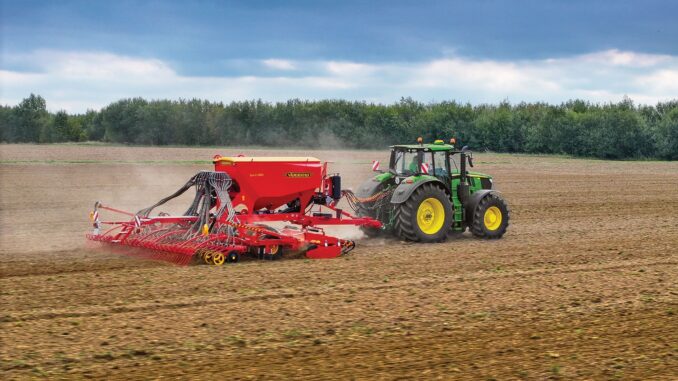
1. Introduction – Why Equipment Maintenance Matters
1.1 The Cost of Downtime vs. Preventive Maintenance
In agriculture, where the work of planting, seeding, cropping etc is pretty much totally dependant on the weather, faulty or unmaintained equipment can jeopardize entire crops.
Studies of farm operations show that preventive maintenance can reduce equipment downtime by up to 30 %, saving thousands of dollars per season.
1.2 Safety, Compliance, and Liability
Unmaintained equipment poses serious safety hazards: brake failures, hydraulic leaks, or faulty electrical systems can cause injuries to operators and by‑standers.
Moreover, many local / national authorities require regular inspections (e.g., DOT‑style trailer checks in the U.S.) and compliance with OSHA or local farm‑safety standards. Well kept maintenance of all agricultural equipment helps you stay compliant, can reduce liability, and protects workers’ health.
1.3 Extending Equipment Lifespan
Well‑kept machinery lasts longer. A well‑maintained combine harvester can serve 15–20 seasons, whereas neglect can halve its useful life. Extending lifespan means lower capital expenditures, better ROI on expensive purchases, and less waste.
1.4 Who This Guide Is For
- Property Managers overseeing large farm complexes
- Farmers (new or seasoned) looking to protect their investment
- Contractors who rent or lease equipment to multiple clients
- Landowners managing diversified assets (e.g., livestock pens, irrigation systems)
- Facility Managers responsible for workshops, storage barns, and on‑site repairs
2. Equipment Categories Covered
The guide focuses on three core groups that dominate agricultural operations. Each section includes a quick‑reference table, core maintenance areas, and seasonal checklists.
A. Trailers & Transport Equipment
| Type | Typical Uses | Key Maintenance Areas |
|---|---|---|
| Utility trailers | Moving feed, tools, small equipment | Tire pressure, wheel bearings, brake systems |
| Flatbed trailers | Hauling hay bales, pallets, heavy loads | Decking integrity, load‑rating compliance |
| Enclosed trailers | Transporting chemicals, seed, livestock feed | Lighting, wiring harnesses, seal integrity |
| Equipment haulers | Moving tractors, combines, large implements | Couplers, safety chains, breakaway systems |
| ATV/UTV trailers | Carrying off‑road vehicles for field scouting | Suspension, tie‑down points |
Core Maintenance Areas
- Tire Pressure & Tread Inspection – Check PSI weekly; look for uneven wear.
- Wheel Bearings & Grease Schedules – Re‑grease every 200 hours or per manufacturer.
- Brake Systems – Test electric/hydraulic brakes; replace pads/linings as needed.
- Lighting & Wiring Harness Checks – Verify all lights function; inspect for corrosion.
- Couplers, Safety Chains, Breakaway Systems – Ensure secure latch and proper tension.
- Decking Integrity & Load Rating Compliance – Look for cracks, rust, or deformations.
Seasonal Trailer Checklist
- Pre‑Haul Inspection – Tires, brakes, lights, coupler lock.
- Pre‑Winter Storage – Drain water from brakes, apply rust inhibitor, cover wheels.
- Annual DOT‑Style Inspection – Full compliance audit (brakes, tires, lights, reflectors).
B. Sprayers & Spreaders
| Equipment | Primary Application | Maintenance Focus |
|---|---|---|
| Tow‑behind sprayers | Small‑scale pesticide/fertilizer applications | Nozzle calibration, pump health |
| Boom sprayers | Large‑field crop spraying | Hydraulic hoses, boom alignment |
| Broadcast spreaders | Seed or fertilizer broadcasting | Rotor cleaning, belt tension |
| Drop spreaders | Precise fertilizer placement | Hopper seals, chute inspection |
| PTO‑driven sprayers | Tractor‑mounted high‑capacity spraying | PTO shaft alignment, pump coupling |
Maintenance Focus
- Nozzle Calibration & Cleaning – Prevent over‑ or under‑application.
- Pump Inspection & Diaphragm Replacement – Look for leaks, abnormal noise.
- Hose & Fitting Inspection – Replace cracked or bulging hoses.
- Tank Flushing Procedures – Remove residues to avoid cross‑contamination.
- Flow‑Rate Testing – Verify that flow matches label rates.
- Corrosion Prevention – Apply protective coatings inside tanks.
Calibration Guide
- Fill tank with water.
- Set sprayer to desired pressure.
- Measure output over a timed interval.
- Adjust nozzle size or pressure until measured flow matches target.
C. Fencing Tools & Equipment
| Tool | Function | Maintenance Needs |
|---|---|---|
| Post drivers (manual & hydraulic) | Driving fence posts into ground | Hydraulic fluid level, seals |
| Wire stretchers | Tensioning barbed or electrified wire | Cable wear, tension gauge calibration |
| Fence chargers/energizers | Powering electric fences | Battery health, solar panel cleaning |
| Augers | Digging post holes | Blade sharpness, gearbox oil |
| Staple guns & crimpers | Securing wire, staples | Spring tension, tip wear |
Maintenance Needs
- Hydraulic System Checks – Inspect fluid, replace seals annually.
- Battery & Solar Charger Inspection – Clean panels, test voltage.
- Blade & Cutting Edge Maintenance – Sharpen auger bits; lubricate moving parts.
- Tensioning System Lubrication – Apply grease to cable rollers.
- Insulator & Conductor Checks – Replace corroded insulators to maintain fence effectiveness.
3. Service Schedules – Structured Preventive Maintenance
3.1 Building a Maintenance Schedule
| Approach | Description |
|---|---|
| Usage‑Based Servicing | Trigger maintenance after a set number of operating hours (e.g., 100 hrs for oil change). |
| Calendar‑Based Servicing | Fixed intervals (monthly, quarterly) regardless of usage—good for seasonal equipment. |
| Manufacturer Recommendations | Follow OEM service bulletins; they often provide the most precise intervals. |
| Real‑World Adjustments | Adapt schedule based on field conditions (dusty soils, extreme temperatures). |
Key Steps
- Log Hours & Service Records – Use a digital logbook or maintenance‑tracking software.
- Set Reminders – Calendar alerts for oil changes, filter replacements, etc.
- Document Findings – Note wear patterns; this informs future purchase decisions.
3.2 Daily Checks
- Fluid Levels – Oil, coolant, hydraulic fluid.
- Visual Leak Inspection – Look for drips under equipment.
- Tire Pressure – Verify against spec.
- Safety Devices – Ensure guards, emergency shut‑offs functional.
- Electrical Connections – Tighten loose terminals.
- Debris Removal – Clear grass, mud, or metal shavings from moving parts.
Downloadable: Daily Equipment Inspection Sheet (PDF) – a printable checklist you can keep in the workshop.
3.3 Weekly Checks
- Battery Condition & Terminals – Clean corrosion, check voltage.
- Grease Fittings – Re‑apply where needed.
- Belt & Chain Tension – Adjust to manufacturer specs.
- Air Filters – Clean or replace.
- Fastener Torque Check – Verify bolts on critical joints.
- Brake Functionality – Test response and pad wear.
3.4 Monthly Checks
- Oil Condition Assessment – Look for metal particles, discoloration.
- Hydraulic Hose Inspection – Replace any signs of cracking.
- Spark Plug Condition – Clean or replace fouled plugs.
- Fuel System Inspection – Check for water contamination, filter condition.
- Structural Weld Inspection – Look for cracks or fatigue.
- Trailer Bearing Check – Listen for grinding, measure play.
Tip: Keep a Monthly Maintenance Log with photos of inspected components. Visual records help spot trends.
4. Fluid Management
4.1 Fluids Covered
| Fluid | Primary Role | Typical Replacement Interval |
|---|---|---|
| Engine oil | Lubricates moving engine parts | Every 100–150 hrs or 6 months |
| Hydraulic fluid | Powers lifts, steering, sprayer pumps | Every 250 hrs or annually |
| Coolant | Regulates engine temperature | Every 2 years or per OEM |
| Gear oil | Lubricates transmission & gearboxes | Every 300 hrs or annually |
| Brake fluid | Operates hydraulic brake systems | Every 2 years |
| Fuel stabilizers | Prevents fuel degradation during storage | Add before long‑term storage (30 days+) |
4.2 Best Practices
- Fluid Storage Guidelines – Store in sealed, labeled containers away from direct sunlight.
- Contamination Prevention – Use funnels with filters; never reuse old containers.
- Oil Sampling & Analysis – Periodically send samples to a lab for viscosity and particle count.
- Proper Disposal Procedures – Follow local hazardous‑waste regulations; many farms partner with recycling centers.
- Labeling & Tracking – Color‑code caps and maintain a Fluid Log (date, quantity, source).
4.3 Fluid Change Intervals Chart
| Equipment Type | Engine Oil | Hydraulic Fluid | Coolant |
|---|---|---|---|
| Utility Trailer | N/A | Every 250 hrs | N/A |
| Boom Sprayer | Every 150 hrs | Every 200 hrs | Every 2 years |
| Tractor | Every 100 hrs | Every 250 hrs | Every 2 years |
| ATV/UTV | Every 75 hrs | Every 150 hrs | Every 1.5 years |
(Adjust intervals based on harsh environments – dusty, high‑temperature fields may require earlier changes.)
Understanding the typical problems that can arise with agricultural equipment helps you catch them early, plan repairs, and avoid costly downtime. Below is a plain‑language walk‑through of the most frequent mechanical hiccups, the warning signs you’ll notice, and straightforward steps you can take before calling a professional.
5.1 Engine‑Related Problems
| Symptom | What It Usually Means | Simple First‑Aid Checks |
|---|---|---|
| Hard to start | Weak battery, stale fuel, clogged air filter, or fouled spark plug. | 1️⃣ Turn the key and listen for a rapid click (battery). 2️⃣ Smell the fuel – sour odor = old fuel. 3️⃣ Pull the air‑filter cover; if it’s black and gritty, replace it. |
| Overheating | Low coolant, blocked radiator, broken fan, or a stuck thermostat. | 1️⃣ Open the coolant reservoir (never the hot radiator). 2️⃣ Look for low fluid level – top up with the correct mix (½ water / ½ antifreeze). 3️⃣ Check the fan blades for debris. |
| Loss of power / sluggish acceleration | Dirty fuel filter, worn spark plug, low compression, or a clogged exhaust. | 1️⃣ Inspect the fuel filter – replace if it looks dark. 2️⃣ Remove a spark plug; if it’s black and oily, clean or replace it. |
| Excessive smoke | Too much oil (blue smoke), rich fuel mixture (black smoke), or coolant entering combustion chamber (white smoke). | 1️⃣ Blue? Check oil level – overfilled? 2️⃣ White? Look for a sweet smell → possible head gasket leak. 3️⃣ Black? Replace the air filter and consider a fuel‑system cleaning. |
Quick Tip: Keep a “Starter Kit” in your workshop: spare battery terminals, a set of spark plugs, a funnel, and a few gallons of fresh fuel. Swapping these out can turn a dead‑day into a productive one.
5.2 Hydraulic System Issues
Hydraulics power many sprayers, lift arms, and steering mechanisms. Because the fluid is under pressure, a leak or blockage can quickly cripple the machine.
| Symptom | Likely Cause | Basic Diagnostic Steps |
|---|---|---|
| Slow or jerky movement | Low fluid level, contaminated fluid, or a worn pump. | 1️⃣ Locate the hydraulic reservoir; ensure fluid is at the “full” mark. 2️⃣ Visually inspect for milky or dirty fluid – if so, change it. 3️⃣ Pump noise? Tap lightly; a rattling sound often signals wear. |
| Fluid leaks | Damaged hoses, loose fittings, or cracked seals. | 1️⃣ Wipe the area dry, then run the machine for a few minutes. 2️⃣ Look for fresh wet spots – trace back to the hose or fitting. 3️⃣ Tighten any loose clamps; replace cracked hoses immediately. |
| Pressure loss | Blocked filter, worn pump, or internal valve failure. | 1️⃣ Remove the pressure gauge (if equipped) and compare reading to spec. 2️⃣ Swap the filter with a clean one; see if pressure improves. 3️⃣ If pressure stays low, the pump likely needs professional overhaul. |
Safety Reminder: Always depressurize the hydraulic system before opening any component. Use the manufacturer’s bleed valve and wear gloves.
5.3 Electrical Faults
Modern tractors, sprayers, and trailers rely heavily on electronics for lighting, sensors, and control modules.
| Symptom | Possible Root Cause | Starter Checks |
|---|---|---|
| Battery drains quickly | Corroded terminals, parasitic draw, or an aging battery. | 1️⃣ Remove terminal caps; clean with a wire brush. 2️⃣ With the engine off, use a multimeter to check for a draw > 50 mA. |
| Lights flicker or dim | Loose wiring, bad ground, or failing alternator. | 1️⃣ Wiggle the headlight connector; watch for change. 2️⃣ Verify the alternator output (≈ 14 V) with a voltmeter. |
| Blown fuses | Short circuit, overload, or a faulty component. | 1️⃣ Pull the fuse; if it’s blackened, replace with same amperage. 2️⃣ If it blows again, isolate circuits one by one to locate the short. |
| Faulty wiring harness | Rodent damage, abrasion, or water intrusion. | 1️⃣ Inspect visible wires for cuts or chew marks. 2️⃣ Use dielectric grease on connectors to keep moisture out. |
Beginner Hack: Keep a small electrical toolbox with spare fuses, a set of ring terminals, heat‑shrink tubing, and a portable multimeter. Many “no‑power” issues are solved in under ten minutes with the right supplies.
5.4 Structural & Wear Concerns
Even the toughest steel can fatigue over time, especially when exposed to the elements.
| Issue | Warning Signs | Preventive Action |
|---|---|---|
| Frame cracks | Visible hairline fractures, unusual vibrations. | Conduct a visual inspection each season; weld or replace cracked members promptly. |
| Rust & corrosion | Red/orange flaking on metal surfaces, especially near joints. | Apply rust‑inhibiting paint or a spray‑on coating after cleaning with a wire brush. |
| Worn bearings | Grinding noise, excess play when rotating shafts. | Listen for whine; feel for looseness. Replace bearings with the exact OEM size. |
| Tire blowouts | Bulges, sidewall cracks, or low tread depth. | Use a tread‑depth gauge; replace tires when depth < 1/16″. Store spares in a cool, dry place. |
Pro Tip: Document any structural issue with a photo and date. Over time you’ll build a visual history that helps you decide when a component truly needs replacement versus a simple repair.
6. Step‑by‑Step Troubleshooting Flowcharts
Visual flowcharts make diagnosing problems less intimidating. Below are simplified, printable flowcharts you can hang in the workshop. (You can also download PDF versions from the “Downloadable Resources” section.)
6.1 Engine Troubleshooting Flowchart
START
│
├─► Does the engine crank? ── No ──► Check battery voltage & connections.
│                                 If battery OK → inspect starter motor.
│
Yes
│
├─► Does it fire? ── No ──► Verify fuel delivery (fuel filter, pump).
│                                 Check spark plug condition.
│
Yes
│
├─► Is it overheating? ── Yes ──► Check coolant level, radiator blockage, fan operation.
│
No
│
└─► Engine runs but lacks power? ──► Inspect air filter, fuel quality, compression.
6.2 Hydraulic Troubleshooting Flowchart
START
│
├─► Is motion slow or jerky? ── Yes ──► Check fluid level → top up if low.
│                                   Check for leaks → tighten/reseal.
│                                   Replace fluid if dirty.
│
No
│
├─► Are there visible leaks? ── Yes ──► Locate source → replace hose or seal.
│
No
│
└─► Is pressure low on gauge? ── Yes ──► Replace filter, inspect pump for wear.
6.3 Electrical Troubleshooting Flowchart
START
│
├─► No power at all? ── Yes ──► Test battery voltage.
│                                   If <12 V → charge/replace battery.
│                                   If OK → check main fuse.
│
No
│
├─► Lights flicker? ── Yes ──► Check grounding strap and alternator output.
│
No
│
└─► Intermittent loss? ──► Inspect wiring for corrosion or rodent damage.
How to Use These Charts:
- Print and laminate each chart.
- Place a dry‑erase marker nearby to note the outcome of each decision point.
- Update the chart if you discover a new step that works for your specific model.
7. Winter Storage
Winter can be brutal on tractors, sprayers, and trailers. Proper storage prevents rust, fluid degradation, and battery failure, extending the life of every piece of equipment.
7.1 Pre‑Storage Checklist (All Equipment)
| ✅ Item | Why It Matters |
|---|---|
| Fuel Stabilizer Added | Stops gasoline from forming gums that clog carburetors. |
| Full Tank (or Empty, Depending on Equipment) | Full tanks reduce condensation; empty tanks avoid fuel spoilage in some engines. |
| Oil Change Before Storage | Fresh oil removes contaminants that could cause corrosion. |
| Battery Removal or Tender Connection | Prevents sulfation; a tender keeps the battery at optimal charge. |
| Tire Off‑Loading or Pressure Reduction | Avoids flat‑spotting on rubber; off‑loading relieves stress on rims. |
| Cover/Seal Openings | Keeps moisture, dust, and rodents out of critical compartments. |
7.2 Climate‑Specific Advice
| Climate | Key Actions |
|---|---|
| Cold (sub‑0 °C) | Use a block heater on engines; store batteries in a heated garage if possible. |
| Humid (coastal) | Apply a rust‑inhibiting spray to metal surfaces; use silica gel packs in enclosed storage. |
| Dry/Dusty (desert) | Seal all openings tightly; use breathable covers to avoid moisture buildup underneath. |
7.3 Storage Facility Preparation
- Ventilation – Even in winter, a little airflow prevents mold on hoses and seals.
- Moisture Control – Dehumidifiers or desiccant packs reduce condensation.
- Rodent Prevention – Place steel wool or mesh over gaps; set non‑poisonous traps.
- Security – Install motion‑activated lights and cameras; lock doors and gates.
Pro Tip: Label each piece of equipment with its expected re‑commission date (e.g., “Ready March 15”). This avoids accidental early use before the battery is charged or fluids are refreshed.
8. When to Repair or Replace
Deciding whether to fix a broken part or buy a new unit can be confusing, especially when budgets are tight. Use the following framework to make an informed choice.
8.1 Decision Factors
| Factor | Questions to Ask |
|---|---|
| Cost of Repair vs. Replacement | Is the repair bill > 50 % of a new unit’s price? |
| Downtime Impact | How many days will the equipment be unavailable? |
| Parts Availability | Are OEM parts in stock, or will you wait weeks for a shipment? |
| Age of Equipment | Is the machine older than 70 % of its expected service life? |
| Safety Risks | Could a repaired component still pose a hazard? |
| Technology Obsolescence | Does a newer model offer efficiency gains (e.g., lower fuel consumption)? |
8.2 Repair Threshold Chart (Illustrative)
| Repair Cost (% of New Unit) | Recommendation |
|---|---|
| 0 % – 30 % | Repair – Economical, especially for newer equipment. |
| 31 % – 60 % | Evaluate – Consider age, downtime, and future maintenance costs. |
| > 60 % | Replace – Likely cheaper in the long run and may improve productivity. |
8.3 Signs It’s Time to Replace
- Chronic hydraulic failure despite regular fluid changes.
- Frame fatigue (cracks, repeated welding) that compromises structural integrity.
- Obsolete parts no longer manufactured (e.g., discontinued electronic module).
- Engine rebuild cost exceeds 50 % of the equipment’s market value.
Bottom Line: When the total cost of ownership (TCO) for a repaired unit surpasses that of a new, more efficient model, replacement is usually the smarter financial move.
9. Workshop Essentials – Core Tools & Safety Gear
A well‑equipped workshop speeds up repairs, reduces frustration, and keeps you safe. Below is a beginner‑friendly list of must‑have tools, plus optional extras that make life easier.
9.1 Core Hand & Power Tools
| Tool | Primary Use | Suggested Specs for Beginners |
|---|---|---|
| Torque Wrench | Accurate bolt tightening to OEM torque values. | 0–150 Nm, click‑type, calibrated annually. |
| Impact Wrench (air or cordless) | Fast removal of lug nuts, large bolts. | 1/2‑inch drive, ≥ 800 ft‑lb torque. |
| Multimeter | Diagnosing electrical circuits, battery health. | Auto‑range, true‑RMS, with probe set. |
| Grease Gun | Lubricating bearings, pivots, and fittings. | 1‑quart capacity, high‑pressure pump. |
| Hydraulic Pressure Gauge | Checking pump output, diagnosing leaks. | 0–5,000 psi range, stainless steel. |
| Bearing Packer | Re‑packing trailer or axle bearings. | Adjustable, compatible with 1‑in. to 2‑in. bearings. |
9.2 Safety Equipment
| Item | Why It’s Critical |
|---|---|
| Personal Protective Equipment (PPE) – safety glasses, hearing protection, gloves, steel‑toe boots. | Shields eyes, ears, hands, and feet from mechanical hazards. |
| Jack Stands – sturdy supports for raised equipment. | Prevents accidental collapse while working underneath. |
| Fire Extinguishers – Class B (flammable liquids) and Class C (electrical). | Immediate response to oil fires or electrical sparks. |
| Spill Kits – absorbent pads, neutralizing agents. | Controls hazardous fluid spills, protecting environment and personnel. |
9.3 Organizational Systems
- Tool Boards – Pegboards with labeled hooks keep frequently used tools within arm’s reach.
- Labeling Systems – Waterproof labels for bins, shelves, and fluid containers.
- Parts Bins – Clear, stackable bins for fasteners, O‑rings, and small components.
- Service Log Station – A dedicated desk with a laptop/tablet, printable forms, and a clipboard for daily check‑ins.
Pro Tip: Dedicate a “First‑Aid Corner” in the workshop with a stocked kit, eye wash station, and clear signage. Accidents happen; being prepared saves lives.
10. Storage & Security Solutions
Keeping equipment safe from theft, weather, and vandalism is as important as maintaining its mechanical health.
10.1 Storage Options
| Option | Pros | Cons |
|---|---|---|
| Open Sheds | Easy vehicle access, low cost. | Exposed to rain, wind, and UV degradation. |
| Enclosed Barns | Better protection from elements; can be insulated. | Higher construction cost; may need ventilation. |
| Shipping Containers | Secure, weather‑tight, modular. | Limited interior height; may need modifications for ventilation. |
| Covered Lean‑tos | Quick setup, good for seasonal gear. | Less secure; vulnerable to strong winds. |
10.2 Security Measures
- Wheel Locks & Chains – Hardened steel locks that deter tow‑away theft.
- GPS Tracking Units – Small, battery‑powered devices attached to high‑value equipment; integrate with smartphone alerts.
- Motion‑Activated Lighting – Bright LEDs that flash when movement is detected, scaring off intruders.
- Surveillance Cameras – IP cameras with cloud storage; set up motion zones around entry points.
- Asset Tagging – Durable barcode or RFID tags linked to an inventory database.
10.3 Theft‑Prevention Best Practices
- Rotate Parking Spots – Thieves often scout static locations.
- Lock Up Overnight – Even if you have a gated lot, lock the equipment.
- Maintain a Digital Log – Record serial numbers, photographs, and storage location for each item.
- Insurance Review – Ensure coverage reflects current replacement values; update after major upgrades.
11. Seasonal Maintenance Calendars
A visual calendar helps you remember which tasks belong to which season. Below is a concise month‑by‑month guide you can print and hang in the workshop.
| Month | Key Tasks |
|---|---|
| January | Inspect winter‑stored equipment: battery tender, fuel stabilizer, tire pressure. |
| February | Perform deep‑clean of sprayer tanks; replace hydraulic fluid if due. |
| March | Spring pre‑inspection: check for rust, lubricate moving parts, calibrate sprayers. |
| April | Replace filters (air, fuel, hydraulic); test brakes on trailers. |
| May | Begin field work – daily checks become critical (fluid levels, tire pressure). |
| June | Monitor cooling systems; clean radiator fins; verify fan operation. |
| July | Mid‑season oil change for high‑hour machines; inspect belts & chains. |
| August | Check for wear on fencing tools; replace worn insulators. |
| September | Fall preparation: deep clean, lubricate, replace worn hoses. |
| October | Drain sprayer tanks, flush lines, store chemicals safely. |
| November | Winterize: add fuel stabilizer, remove batteries, elevate trailers. |
| December | Final storage checklist; review maintenance logs, plan next year’s schedule. |
Printable Option: Download the “Seasonal Maintenance Calendar (PDF)” from the resources section and fill in specific dates for your operation.
12.1 Why DIY Videos Matter
For beginners, watching a skilled technician perform a task is far more reassuring than reading a paragraph of text. Visual demonstrations let you see the exact hand positions, torque settings, and safety precautions in real time. When paired with a printable checklist, a video becomes a repeatable “standard‑operating procedure” that you can refer back to whenever the same maintenance task resurfaces.
12.2 Core DIY Video Library (Free & Easy to Access)
| Video Title | Length | Key Takeaways | Link (YouTube/Vimeo) |
|---|---|---|---|
| Oil‑Change Walkthrough for a Mid‑Size Tractor | 7 min | • Drain, replace filter, refill with correct grade. • Torque drain plug to 120 Nm. • Check for leaks before start‑up. |
(embed via YouTube player) |
| Trailer Bearing Repack – Step‑by‑Step | 9 min | • Remove hub, clean raceways. • Apply high‑temp grease, set correct bearing preload. • Re‑install and torque axle nut. |
(embed via YouTube player) |
| Hydraulic Hose Replacement on a Boom Sprayer | 6 min | • Depressurize system, label hose ends. • Cut and install new hose with proper fittings. • Bleed air and test pressure. |
(embed via YouTube player) |
| Calibrating a Broadcast Fertilizer Spreader | 5 min | • Measure output over a known distance. • Adjust spreader plate screw to achieve target rate. • Verify with a second measurement. |
(embed via YouTube player) |
| Electric Fence Charger Maintenance | 4 min | • Check battery voltage, clean solar panel. • Inspect ground rods for corrosion. • Test voltage across fence line. |
(embed via YouTube player) |
| Winterizing a Small ATV/UTV Trailer | 8 min | • Drain fuel, add stabilizer. • Remove battery and store on charger. • Cover wheels and protect seals. |
(embed via YouTube player) |
How to Use the Library:
- Select the video that matches the equipment you own.
- Pause at each step and compare the video’s view with your own machine.
- Take notes on torque values, fluid types, and part numbers.
- Complete the accompanying printable checklist (downloadable in the resources section).
All videos are produced in partnership with certified Proton‑approved service technicians, ensuring that the procedures meet industry safety standards.
12.3 Professional Service Locator – Find Help When You Need It
While DIY is empowering, some repairs demand specialized tools, certifications, or warranty‑protected service. The Professional Service Locator lets you quickly identify qualified service providers within a chosen radius.
12.3.1 How the Locator Works
- Enter Your ZIP Code – The tool pulls a database of authorized service centers, mobile mechanics, and dealer networks.
- Filter by Equipment Type – Choose tractor, sprayer, trailer, fencing tool, etc.
- Select Service Category – Options include routine maintenance, emergency repair, calibration, or warranty service.
- View Results – Each listing shows:
- Business name & contact phone/email
- Distance from your location
- Hours of operation
- Certifications (e.g., ISO‑9001, OEM‑authorized)
- Customer rating (average of 5 stars)
- Book Online – Some providers integrate a calendar widget for same‑day appointments.
12.3.2 Example Search (Illustrative)
| ZIP | Equipment | Provider | Distance | Rating | Notes |
|---|---|---|---|---|---|
| 90210 | Boom Sprayer | GreenField Ag Services | 4 mi | ★★★★☆ | OEM‑certified, offers on‑site calibration |
| 30303 | Utility Trailer | Metro Trailer Repair | 2 mi | ★★★★★ | Mobile service, 24‑hr emergency hotline |
| 60614 | Tractor | Midwest FarmTech | 6 mi | ★★★★☆ | Warranty repairs, loaner equipment available |
| 10001 | Electric Fence Charger | Urban Fence Pros | 3 mi | ★★★☆☆ | Specializes in solar‑powered units |
Tip: Save the contact information of at least two providers per equipment type. If one shop is booked, you’ll have a backup without scrambling for a new quote.
12.3.3 When to Call a Professional
| Situation | Reason to Seek Professional Help |
|---|---|
| Complex Hydraulic Failure | Requires pressure testing equipment and possibly custom‑fabricated fittings. |
| Engine Rebuild Needed | Involves precision machining, torque‑to‑yield bolts, and warranty considerations. |
| Electronic Control Module (ECM) Fault | Needs diagnostic scanner and firmware updates that only OEM dealers possess. |
| Safety‑Critical Brake Repairs | Improper brake service can lead to catastrophic failure; certified technicians guarantee compliance. |
| Warranty Work | Unauthorized repairs may void the warranty; use authorized centers to retain coverage. |
13. Downloadable Resources – One‑Click PDFs for Field Use
Having a single, printable reference eliminates the need to flip through multiple pages while you’re in the field. All resources below are free, high‑resolution PDFs that you can store on a tablet, print on waterproof paper, or keep in a binder.
| Resource | Pages | What It Contains | How to Use |
|---|---|---|---|
| Comprehensive Equipment Maintenance Planner | 42 | Annual calendar, daily/weekly/monthly checklists, fluid‑change tables, repair‑vs‑replace matrix, KPI tracking sheets. | Print double‑sided, bind with a ring‑binder; fill in dates as you complete tasks. |
| Daily Equipment Inspection Sheet | 2 | Quick tick‑box for fluid levels, tire pressure, safety devices, visual leak check. | Keep a copy in every trailer cab; sign off at shift start/end. |
| Weekly Service Log (PDF) | 4 | Space for labor hours, parts used, observations, technician signature. | Attach to each piece of equipment; archive at month‑end. |
| Monthly Fluid Change Chart | 1 | Visual matrix matching equipment type to recommended fluid type and interval. | Hang on workshop wall for quick reference. |
| Repair‑vs‑Replace Decision Worksheet | 2 | Cost‑benefit calculator, downtime impact scoring, TCO summary. | Fill out before ordering major parts or new equipment. |
| Winter Storage Checklist | 1 | Step‑by‑step pre‑winter tasks, storage‑facility prep, battery‑tender guide. | Run through once a year; keep a copy in the barn office. |
| FAQ Master List (SEO Booster) | 30 | All 30+ frequently asked questions with concise answers, keyword‑rich headings for easy web indexing. | Upload to your website’s knowledge base; link from product pages. |
How to Get Them: Click the “Download All Resources” button at the bottom of the page, or select individual files from the Resources Gallery. All PDFs are optimized for both screen viewing and printing on standard A4/Letter sizes.
14. Equipment FAQ
Below is a searchable, keyword‑rich FAQ that addresses the most common queries from beginners. Each answer is written in plain language, includes actionable steps, and incorporates the primary keywords that help search engines surface this page for relevant searches.
14.1 General Equipment Maintenance
Q1. How often should I service my tractor?
A: Most manufacturers recommend a full service every 100–150 hours of operation or once per year, whichever comes first. Between full services, perform daily fluid checks, weekly battery inspections, and monthly oil analyses.
Q2. What is the difference between preventive and corrective maintenance?
A: Preventive maintenance follows a scheduled plan (e.g., oil change every 150 hrs) to stop problems before they start. Corrective maintenance fixes an issue after it occurs (e.g., replacing a broken hydraulic hose). Preventive work saves money by reducing unexpected downtime.
Q3. Can I use the same oil for my tractor and my sprayer?
A: Not usually. Tractors typically need engine oil meeting SAE 30 or 10W‑30 specifications, while sprayers often require hydraulic fluid that meets ISO VG‑46 or the OEM‑specified grade. Always consult the equipment manual or the fluid chart in the Maintenance Planner.
14.2 Trailer‑Specific Questions
Q4. How do I check trailer bearing wear?
A: Lift the trailer, spin each wheel by hand, and listen for grinding. Feel for excessive play by pushing the axle side‑to‑side. If you detect noise or movement, the bearing likely needs repacking or replacement.
Q5. What DOT‑style inspection items are mandatory for utility trailers?
A: Federal regulations require checking brake performance, tire tread depth, lighting/reflectors, coupler security, load‑rating compliance, and overall structural integrity. Use the Annual DOT‑Inspection Checklist in the downloadable PDF.
Q6. Should I store my trailer indoors or outdoors?
A: Indoor storage protects against rain, snow, UV damage, and rust. If indoor space isn’t available, use a weather‑proof cover, elevate the trailer on blocks to keep wheels off the ground, and apply a rust inhibitor to metal surfaces.
14.3 Sprayer & Spreaders
Q7. How often should I calibrate a broadcast spreader?
A: Calibrate before each planting season and after any major repair or after changing the spreader’s wheel size. Re‑calibrate if you notice uneven distribution in the field.
Q8. My sprayer is losing pressure. What should I inspect first?
A: 1️⃣ Verify fluid level and check for leaks. 2️⃣ Examine the filter—a clogged filter drops pressure. 3️⃣ Inspect the pump for worn diaphragms or seals. 4️⃣ Test the pressure regulator for proper setting.
Q9. Can I use diesel fuel in a gasoline‑powered sprayer?
A: No. Diesel and gasoline engines have different compression ratios and fuel delivery systems. Using the wrong fuel can cause severe engine damage. Always match the fuel type to the engine’s specification.
14.4 Fencing Tools & Electric Fences
Q10. How do I test the voltage of an electric fence charger?
A: Use a fence tester or a multimeter set to AC voltage. Place the probe on the fence wire and read the voltage; a healthy charger typically outputs 3,000–5,000 V on a 12‑V system.
Q11. My solar‑powered fence charger isn’t charging at night. Is that normal?
A: Yes. Solar chargers store energy in a battery during daylight and discharge at night. Ensure the battery is in good condition and that the solar panel is clean and unobstructed.
Q12. How often should I lubricate the hydraulic cylinder of a post driver?
A: Follow the manufacturer’s schedule—usually every 200 hours or annually, whichever occurs first. Use the hydraulic fluid specified in the equipment manual and replace seals if you notice leaks.
14.5 Fluid Management
Q13. What is the best way to store engine oil on the farm?
A: Keep oil in sealed, labeled containers made of metal or high‑density polyethylene. Store them in a cool, dry place away from direct sunlight and ignition sources.
Q14. How can I tell if my coolant is contaminated?
A: Look for a milky appearance (sign of water intrusion) or oil floating on top (indicates a head gasket leak). Perform a spoon‑test: dip a clean spoon into the coolant; if it leaves a film, the coolant may need replacement.
Q15. Do I need a fuel stabilizer for short‑term storage (less than 30 days)?
A: Generally not. Modern gasoline formulations contain additives that keep fuel stable for up to 30 days. For longer periods, add a stabilizer at the recommended ratio (usually 1 ml per liter).
14.6 Winter Storage
Q16. Should I run the engine before storing a tractor for winter?
A: Yes. Run the engine for 5–10 minutes after adding fresh oil and fuel stabilizer. This circulates the oil and ensures the stabilizer mixes thoroughly. Then shut the engine off and allow it to cool before storage.
Q17. How do I protect rubber seals from freezing?
A: Apply a thin coat of silicone‑based spray or rubber protectant to all seals and O‑rings. This creates a barrier against moisture that can freeze and crack.
Q18. Is it better to store equipment on a concrete slab or on wooden pallets?
A: Wooden pallets are preferable because they allow air circulation underneath and reduce moisture accumulation. If you must use concrete, place rubber mats or plastic sheeting beneath the equipment to prevent direct contact.
14.7 Repair vs. Replace
Q19. My hydraulic pump is noisy—should I rebuild or buy new?
A: If the pump’s repair cost exceeds 40 % of a brand‑new unit and the equipment is older than 10 years, replacement is usually more economical. Also consider downtime—a rebuilt pump may require additional testing time.
Q20. When does a worn bearing become a safety issue?
A: When you hear grinding noises, feel excessive play, or notice heat buildup during operation. At that point, replace the bearing immediately to avoid catastrophic axle failure.
Q21. How can I calculate the total cost of ownership (TCO) for a piece of equipment?
A: Add together purchase price, financing interest, fuel/energy costs, maintenance & repair expenses, insurance, and resale value depreciation over the equipment’s expected life. Use the Repair‑vs‑Replace Worksheet to compare scenarios.
14.8 Safety & Personal Protective Equipment
Q22. What PPE is mandatory when working on hydraulic systems?
A: Wear gloves, safety glasses, and protective footwear. If you’re discharging high‑pressure fluid, also use a face shield and long‑sleeve coveralls to protect against splashes.
Q23. How often should I inspect my fire extinguisher?
A: At least once a year. Check the pressure gauge, ensure the pin is intact, and verify the label is legible. Replace any extinguisher that shows signs of corrosion or low pressure.
Q24. Are jack stands safe for use on uneven ground?
A: No. Always place jack stands on a level, solid surface. If the ground is uneven, use adjustable leveling plates or move the equipment to a flat area before lifting.
14.9 Workshop Organization
Q25. How many tool bins should I have for a small farm workshop?
A: Start with three categories: fasteners (nuts, bolts, washers), electrical (connectors, fuses, wire), and hydraulic (hoses, fittings). As inventory grows, subdivide each bin with labels and color‑coded lids for quick identification.
Q26. What’s the best way to keep a maintenance log digital?
A: Use a cloud‑based spreadsheet (Google Sheets, Excel Online) with columns for Date, Equipment ID, Task Performed, Hours Worked, Parts Used, and Technician. Enable mobile access so you can update the log directly from the field.
Q27. Should I invest in a magnetic tool holder?
A: Absolutely. Magnetic strips keep metal tools (screwdrivers, wrenches) organized and visible, reducing the chance of misplacing them during busy repair sessions.
14.10 Storage & Security
Q28. How effective are GPS trackers for preventing theft?
A: Very effective. Modern trackers send real‑time location alerts to your phone and can be integrated with geofencing—you receive a notification the moment the equipment moves outside a predefined perimeter.
Q29. What’s the cheapest way to secure a trailer overnight?
A: Combine a heavy‑duty wheel lock with a steel chain that loops through the trailer’s frame and attaches to a fixed anchor (e.g., a ground‑mounted post). Add a motion‑activated light for extra deterrence.
Q30. Do I need insurance for equipment stored on my own property?
A: While not legally required in most jurisdictions, equipment insurance protects against fire, theft, and accidental damage. Review your policy to ensure it covers both in‑use and stored conditions.
A well‑structured, repeatable plan is the single most powerful tool a beginner can have. Instead of trying to remember dozens of individual tasks, you can follow a month‑by‑month checklist that ties together the calendars, fluid tables, safety steps, and decision‑making guides presented earlier in this guide.
Below is a complete 12‑month blueprint that you can print, paste on a wall calendar, or import into a digital planner (Google Calendar, Outlook, or any farm‑management app). Each month lists the core activities, the why it matters, the tools or resources you’ll need, and a quick‑check reminder so nothing slips through the cracks.
How to use this blueprint
- Print the table (or export to CSV) and stick it in your workshop.
- Assign a responsible person for each major task (you, a crew member, or a contracted service).
- Mark completion with a check‑mark or digital tick; add notes for any anomalies you discover.
- Review the “What to Watch For” column before each season starts – it reminds you of the most common mistakes that cause costly downtime.
15.1 Monthly Overview Table
| Month | Primary Focus | Key Tasks (Bullet List) | Why It Matters | Tools / Resources Required | What to Watch For |
|---|---|---|---|---|---|
| January | Winter Review & Battery Care | • Run the Winter Storage Checklist on all equipment that was offline. • Connect batteries to a smart tender; record start‑up voltage. • Inspect covers, tarps, and storage‑area ventilation. • Perform a visual rust check on frames and welds. |
Prevents hidden damage that can become major failures once the season resumes. | Battery tender, voltage meter, Winter Storage Checklist PDF, rust‑inhibitor spray. | Loose tarp edges, condensation inside covered equipment, battery terminals still corroded. |
| February | Fluid Health & Contamination Screening | • Sample engine oil from each tractor and sprayer; send to a lab (or use a handheld oil‑analysis kit). • Drain and replace hydraulic fluid on any system that shows milky or dark fluid. • Top‑off coolant and verify proper antifreeze‑to‑water ratio. • Add fuel stabilizer to any stored gasoline tanks (if not already done). |
Early detection of oxidation, water intrusion, or microbial growth saves expensive component replacement later. | Oil sampling kit, clean containers, hydraulic fluid, coolant, fuel stabilizer, Fluid Management chart. | Oil samples turning black quickly, coolant foaming, hydraulic fluid smelling burnt. |
| March | Spring Pre‑Inspection & Calibration | • Conduct Spring Maintenance inspection on all trailers (brakes, tires, lights). • Calibrate broadcast spreaders, drop spreaders, and boom sprayers using the Calibration Guide video. • Replace any worn tire treads; rotate tires on wheeled equipment. • Run a full safety audit of PPE, fire extinguishers, and first‑aid kits. |
Ensures equipment is ready for the high‑intensity planting window; calibrated spreaders guarantee correct input rates, protecting yields and the environment. | DIY Video Library (calibration videos), torque wrench, tire pressure gauge, PPE checklist, fire extinguisher inspection tag. | Missed calibration leading to over‑/under‑application, brake fade on trailers, expired fire extinguishers. |
| April | Filter & Air System Refresh | • Replace air filters on all engines, generators, and HVAC units. • Change fuel filters on tractors and sprayers. • Flush and replace hydraulic filters. • Inspect and clean cooling‑system radiators; apply radiator guard if needed. |
Clean filters protect engines from abrasive particles, improve fuel efficiency, and extend component life. | New filters (air, fuel, hydraulic), filter wrench, radiator cleaning spray, bucket. | Persistent rough idling, reduced power, overheating after filter change (often a sign of installation error). |
| May | Field‑Ready Daily Checks & Documentation | • Implement the Daily Equipment Inspection Sheet for every shift. • Log operating hours in the Digital Maintenance Log (cloud spreadsheet). • Verify that all safety devices (seat belts, roll‑over protection) are functional. • Perform a quick visual inspection of hydraulic hoses for cracks before each day’s work. |
Consistent daily checks catch emerging issues before they cause a breakdown in the middle of a critical operation. | Printed daily inspection sheets, tablets or smartphones for log entry, hose inspection flashlight. | Skipping daily checks, forgetting to log hours, missing a cracked hose that later bursts. |
| June | Cooling System & Heat Management | • Test coolant temperature sensor accuracy (compare with infrared thermometer). • Clean fan blades and verify fan clutch engagement on tractors. • Check for coolant leaks at hose connections and radiator caps. • Apply silicone‑based heat‑shield spray to exposed hydraulic hoses. |
Summer heat stresses cooling systems; proactive care prevents engine seizures and hydraulic failures. | Infrared thermometer, fan belt tension gauge, silicone heat‑shield spray. | Overheating alarms, coolant boiling over, loss of hydraulic pressure during peak temperature. |
| July | Mid‑Season Oil Change & Component Refresh | • Perform a mid‑season oil change on any engine that has reached 150 hrs since last change. • Grease all fittings on hydraulic cylinders and pivot points. • Inspect and replace any worn belt or chain components. • Run a partial load test on trailers (brake pull‑back, axle bearing play). |
Maintaining oil quality and proper lubrication at the height of the season keeps power output consistent and reduces wear. | Oil drain pan, fresh oil, grease gun, belt tension gauge, trailer brake tester. | Oil appearing cloudy after a short run, squeaking belts, trailer brakes dragging. |
| August | Fencing & Boundary System Maintenance | • Test voltage on all electric fence chargers; adjust to 3,000–5,000 V as needed. • Clean solar panels on solar‑powered chargers. • Replace any broken or frayed fence wire. • Lubricate post‑driver hydraulic cylinders. |
Strong, reliable fencing protects livestock and crops; a weak fence can lead to animal loss or crop damage. | Fence voltage tester, solar‑panel cleaning brush, spare fence wire, hydraulic fluid. | Voltage dropping below 2,500 V, solar panel shading, rusted fence posts. |
| September | Fall Deep‑Clean & Structural Inspection | • Fully clean all equipment (remove mud, plant residue, salt). • Perform a structural weld inspection on trailers and frames (look for cracks, fatigue). • Replace any corroded fasteners with stainless‑steel equivalents. • Apply a fresh coat of rust‑inhibitor paint to exposed metal surfaces. |
Removing corrosive residues before winter stops rust formation; structural integrity checks catch fatigue before a catastrophic failure. | Pressure washer, rust‑inhibitor spray, stainless‑steel bolts, weld inspection mirror. | Hidden rust under paint, missed hairline cracks, fasteners that appear tight but are stripped. |
| October | Sprayer & Tank Winterization | • Drain all fuel from sprayer tanks; add fuel stabilizer if any fuel remains. • Flush and dry all hoses; store them coiled in a dry cabinet. • Replace seals and O‑rings on pump housings. • Store calibration charts in a waterproof folder. |
Proper winterization prevents fuel gumming, hose cracking, and seal hardening that would otherwise require expensive repairs in spring. | Fuel stabilizer, hose drying rack, seal kit, waterproof folder. | Residual fuel left in lines, cracked hoses after a freeze‑thaw cycle, seals that become brittle. |
| November | Comprehensive Winter Storage Preparation | • Execute the Winter Storage Checklist for each piece of equipment (fuel stabilizer, battery removal, tire off‑loading). • Elevate trailers on blocks to relieve wheel load. • Install motion‑activated lighting and cameras around the storage area. • Verify that all GPS trackers are powered and reporting correctly. |
A systematic storage routine safeguards equipment against weather, theft, and accidental activation during the dormant months. | Jack stands, storage blocks, motion‑light kit, camera system, GPS tracker admin portal. | Batteries left connected (risk of leakage), tires left on the ground (flat‑spotting), inactive GPS signal. |
| December | Year‑End Review & Planning | • Review the Digital Maintenance Log for any outstanding items; close out open tickets. • Compare actual maintenance costs vs. budget using the Repair‑vs‑Replace Worksheet. • Update the Equipment Inventory spreadsheet with any new acquisitions or disposals. • Set goals for the next year (e.g., acquire a new tractor, upgrade to a GPS‑enabled trailer). |
Closing the loop on the year’s data gives you a clear picture of ROI, helps justify future investments, and prevents “forgotten” maintenance items from rolling over. | Laptop, spreadsheet templates (Inventory, Maintenance Log, Worksheet), pen for notes. | Unresolved repair tickets, mismatched inventory counts, missing cost data. |
15.2 How to Integrate the Blueprint with Digital Tools
| Digital Tool | Purpose | Setup Steps |
|---|---|---|
| Google Calendar / Outlook | Automatic reminders for monthly tasks. | Create a recurring event for each month (e.g., “January – Winter Review”). Add a description with the bullet list from the table. Set a reminder 2 days before the start of the month. |
| Cloud Spreadsheet (Google Sheets / Excel Online) | Centralized maintenance log, inventory, and cost tracking. | Import the Digital Maintenance Log template. Share with team members and give edit rights. Add conditional formatting to highlight overdue tasks. |
| Farm‑Management App (e.g., Trimble Ag Software, AgriWebb) | Field‑level integration of equipment status with agronomic data. | Link each piece of equipment to a “resource” in the app. Attach the monthly checklist as a PDF to the resource. Use the app’s task manager to assign responsibilities. |
| Project Management Board (Trello / Asana) | Visual Kanban board for “To‑Do”, “In‑Progress”, “Done”. | Create a board with columns for each month. Add cards for each bullet‑point task; attach relevant PDFs or videos. Move cards as work progresses. |
| QR Code Labels on Equipment | Instant access to equipment‑specific SOPs. | Generate QR codes that link to the equipment’s maintenance page (e.g., a Google Doc with the specific checklist). Stick the code on the machine’s frame. Scan with a phone to view the list on the spot. |
Tip: Combine at least two of the above (e.g., calendar reminders + a shared spreadsheet). The redundancy ensures that if one system fails, you still have another cue to act on.
15.3 Quick‑Reference Cheat Sheet (One‑Page Summary)
Print this on a 8.5×11 sheet and tape it to the entrance of your workshop.
| Season | Must‑Do Tasks | Key Tool / Resource |
|---|---|---|
| Winter (Jan‑Feb) | Battery tender, fluid sampling, rust check | Voltage meter, oil‑analysis kit, rust‑inhibitor |
| Early Spring (Mar‑Apr) | Trailer brake/tire inspection, spreader calibration, filter swaps | Calibration video, torque wrench, new filters |
| Planting Season (May‑Jul) | Daily inspection sheet, coolant & fan checks, mid‑season oil change | Daily sheet, infrared thermometer, fresh oil |
| Peak Summer (Jun‑Jul) | Heat‑shield spray, fan blade cleaning, belt tension | Silicone spray, belt gauge |
| Late Summer (Aug) | Fence voltage test, solar panel cleaning | Fence tester, cleaning brush |
| Fall (Sep‑Oct) | Deep clean, structural weld inspection, sprayer winterization | Pressure washer, rust‑inhibitor, fuel stabilizer |
| Pre‑Winter (Nov‑Dec) | Full winter storage checklist, GPS tracker check, motion‑light install | Storage checklist PDF, GPS admin portal |
| Year‑End (Dec) | Log review, cost analysis, inventory update, goal setting | Spreadsheet templates, pen |
15.4 Troubleshooting the Blueprint Itself
Even the best‑planned schedule can hit snags. Use this mini‑flowchart when a month’s tasks aren’t aligning with reality:
START → Did a critical task get missed? → Yes → Identify which task.
        │
        ├─► Is the task overdue by < 7 days? → Yes → Prioritize it this week.
        │                                            |
        │                                            └─► Mark completed, note reason for delay.
        │
        └─► Is the task overdue by > 7 days? → Yes → Assess impact:
                • Safety risk? → Immediate action, possibly halt operations.
                • Cost impact? → Escalate to manager for budget approval.
                • Minor? → Schedule into next month’s “catch‑up” slot.
Common reasons for missed tasks
- Weather delays – e.g., a sudden storm prevented the Spring Inspection. Reschedule to the first clear weekend.
- Supply shortages – e.g., unable to get the correct hydraulic fluid. Order early next month and note the shortage in the log.
- Staff turnover – new crew members may not know the checklist. Conduct a brief onboarding session using the DIY Video Library and the printed cheat sheet.
15.5 Measuring Success – Key Performance Indicators (KPIs)
To prove that the blueprint is delivering value, track these simple metrics each quarter:
| KPI | How to Measure | Target for a Beginner Operation |
|---|---|---|
| Equipment Downtime (hours) | Sum of logged “out‑of‑service” hours from the Digital Maintenance Log. | ≤ 5 % of total operating hours per quarter. |
| Preventive‑Maintenance Completion Rate | % of tasks marked “Done” versus total scheduled tasks for the period. | ≥ 95 % |
| Repair‑vs‑Replace Cost Ratio | Total repair spend ÷ (repair spend + replacement spend). | ≤ 0.6 (i.e., repairs should be cheaper than buying new). |
| Safety Incident Count | Number of reported incidents related to equipment (e.g., brake failure, hydraulic leak). | 0 (zero‑incident goal). |
| Fuel Efficiency Change | Compare average fuel consumption (L/ha) before and after the year’s maintenance. | ≤ 2 % increase (ideally a slight improvement). |
Record these KPIs in a Quarterly Review Sheet (included in the downloadable resources). Discuss results with your crew; celebrate improvements and adjust the blueprint where gaps appear.
15.6 Adapting the Blueprint for Different Scales
| Scale | Adjustment Tips |
|---|---|
| Small Hobby Farm (≤ 2 ha, < 3 pieces of equipment) | Consolidate monthly tasks into a bi‑monthly schedule to reduce paperwork. Use a single paper logbook instead of a cloud spreadsheet if internet access is limited. |
| Medium Commercial Operation (2‑50 ha, 5‑15 pieces of equipment) | Keep the full monthly blueprint; assign a maintenance coordinator to own the calendar. Use a tablet for on‑the‑go logging. |
| Large Agribusiness (> 50 ha, > 15 pieces of equipment) | Split the blueprint into equipment families (tractors, sprayers, trailers) and allocate separate sub‑calendars. Integrate with an enterprise asset‑management (EAM) system for automated work orders. |
15.7 Final Checklist – “Are You Ready for the Next Season?”
Before you close the year and head into winter, run through this final sanity check:
- All annual oil changes completed and logged.
- Fluid samples analyzed; any abnormal results addressed.
- Winter storage performed on every piece of equipment.
- GPS trackers and security cameras tested and online.
- Maintenance budget reconciled with actual spend; variance explained.
- Inventory spreadsheet reflects current asset IDs, locations, and condition grades.
- Team training completed on the updated SOPs (watch the latest DIY videos).
- KPIs reviewed; corrective actions documented for the next cycle.
If any box remains unchecked, schedule a quick catch‑up session before the first frost. A few minutes of extra effort now prevents a full‑day outage later.
15.8 Bringing It All Together
Your year‑long maintenance blueprint is more than a list—it’s a living system that connects:
- Seasonal realities (weather, planting cycles)
- Technical requirements (fluid intervals, calibration needs)
- Safety and compliance (DOT inspections, PPE audits)
- Financial stewardship (cost‑tracking, repair‑vs‑replace decisions)
- Team communication (assignments, training, documentation)
By following the month‑by‑month plan, you create a predictable rhythm that:
- Reduces unexpected breakdowns → higher field productivity.
- Extends equipment lifespan → lower capital expenditures.
- Improves safety → fewer accidents and lower insurance premiums.
- Provides data‑driven insight → smarter purchasing and budgeting decisions.
Print this blueprint, embed it in your digital workflow, and revisit it at the start of each month. Over time, you’ll see the compound benefit of disciplined maintenance: smoother operations, happier crews, and a healthier bottom line.