
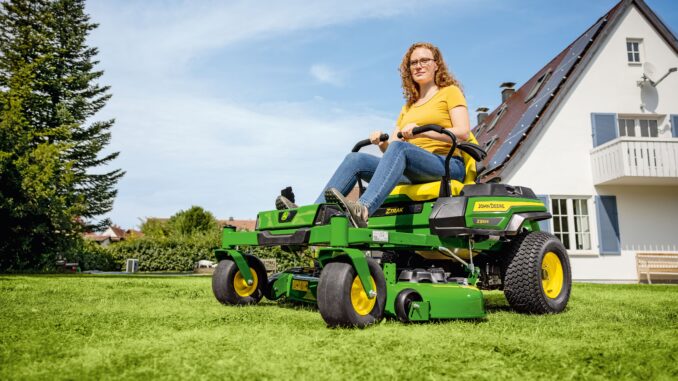
John Deere Z535M Winter Storage, Service, Repair and Maintenance Guide
Winter changes almost everything about how a zero-turn mower behaves, and the John Deere Z535M is no exception. Cold temperatures thicken engine oil, slow hydrostatic response, stress a 12-volt battery, and turn a full season’s worth of leftover fuel into a source of hard-starting headaches. Because this tractor spends the off-season parked rather than working, the choices you make in late fall largely determine how smoothly it fires up again in spring.
This tractor is built around a gasoline V-twin engine and a dual hydrostatic drive system, both of which respond very differently to cold weather than a diesel utility tractor would. Your Z535M doesn’t need antifreeze or fuel anti-gel treatment, but it does need deliberate fuel, battery, and lubrication care to avoid the classic “won’t start after winter” scenario. Whether you call it your lawn mower, your zero-turn, or your Z500 Series machine, the same core principles apply: protect the fuel, protect the battery, protect the moving parts, and keep it dry.
Below is a complete, model-specific walkthrough of winterizing, servicing, troubleshooting, and maintaining a John Deere Z535M so it comes out of storage running the way it should.
Quick answer: what matters most for winter with a Z535M
If you only have twenty minutes before parking your John Deere Z535M for the season, focus on five things. Stabilize the gasoline in the tank and carburetor so it doesn’t turn gummy, disconnect or trickle-charge the 12-volt battery so it doesn’t go flat, change the engine oil so contaminated oil isn’t sitting in the crankcase all winter, clean and inspect the mid-mount mower deck before storing it (raised, in the highest deck position, with the underside cleared of clippings), and check tire pressure so the tires don’t develop flat spots from sitting.
Because the Z535M is a residential zero-turn mower rather than a lawn tractor built for snow attachments, its “winter job” is almost always dormancy rather than active plowing. That reframes the priorities: instead of prepping a blade or snow blower, you’re prepping the machine to sit safely for three to five months and start reliably when mowing season returns. Good fuel habits, a maintained battery, and a clean, dry, greased machine are what get you there.
Winter storage: how to store a John Deere Z535M properly
Indoor storage in a garage, shed, or barn is strongly preferred for the Z535M. The open-air operator station and exposed hydrostatic components have no weatherproofing beyond what a seasonal cover provides, so a dry, temperature-stable space dramatically reduces rust, moisture intrusion, and battery drain compared with leaving the mower outside under a tarp. If indoor storage isn’t possible, use a well-fitted, breathable mower cover, park on a level, well-drained surface, and avoid letting snow or ice pile directly against the deck and tires.
Before the mower goes into storage, work through this checklist:
-
Wash the mower deck top and underside, scraping off dried grass and clippings that hold moisture against the metal.
-
Dry all surfaces thoroughly, including under the seat and around the battery tray, to prevent rust and corrosion.
-
Grease all zerk fittings (spindles, front caster pivots, and steering linkage) so old grease doesn’t trap winter moisture against bearings.
-
Raise the mower deck to its highest cutting position or fully lift it, so the deck shell and blades aren’t resting against the ground or a damp floor.
-
Remove the battery or connect a maintainer, since a full-season static battery drain is one of the most common causes of a dead Z535M in spring.
-
Add fuel stabilizer to a full or nearly full gasoline tank, then run the engine several minutes so stabilized fuel reaches the carburetor.
-
Set the parking brake and chock the wheels rather than relying on the transmission to hold the machine in place over winter.
Because the Z535M’s dual hydrostatic transmissions are sealed, maintenance-free units, there’s no hydraulic fluid to change before storage, but it’s still worth wiping down the transmission housings and checking for any weeping at seals while the mower is up on a stand or ramps.
Pre-winter service checklist for John Deere Z535M
A short service session before storage prevents most spring problems. The Z535M’s air-cooled V-twin gasoline engine, electric-clutch PTO, and mid-mount deck all have specific items worth checking before the mower sits idle.
-
Change the engine oil and spin-on oil filter while the oil is still warm, since used oil holds acidic combustion byproducts that can etch bearings and cylinder surfaces if left in the crankcase all winter.
-
Inspect and clean or replace the dual-stage cyclonic air filter, since a clogged filter drawn through a season of clippings and dust makes cold starts noticeably harder.
-
Test battery voltage and clean the terminals, since a marginal 12-volt battery that struggles in fall will almost certainly fail to crank after a cold winter.
-
Check tire pressure on all four tires and look for cracking or dry rot on the sidewalls of the 22×9.5-10 rear drive tires and 13-inch front caster tires.
-
Inspect the deck drive belt and PTO clutch belt for glazing, fraying, or cracking, since rubber stiffens in the cold and a marginal belt often fails on the first cold start of the following season.
-
Replace the spark plugs if they’re worn, pitted, or approaching their service interval, since a fouled or gapped-out plug is a common cause of hard cold starts.
-
Wipe down and lightly oil exposed linkage points (throttle/choke cable, deck lift linkage) so they don’t seize from rust over winter.
Cold-start problems: why a John Deere Z535M is hard to start in winter
Cold weather attacks starting reliability from several directions at once on a small V-twin gasoline engine, and the Z535M is no exception. A battery that cranked the engine fine in September can struggle in January because cold reduces a lead-acid battery’s effective cranking capacity right when the engine needs more torque to turn over cold, thickened oil. At the same time, gasoline that’s been sitting since the last mow can lose octane and pick up moisture, and the carburetor’s small passages are the first place stale fuel causes trouble.
Typical culprits, in rough order of likelihood, are a weak or partially discharged battery, oil that has thickened enough to add real drag to the starter motor, stale or ethanol-degraded fuel gumming up the carburetor jets, a dirty or improperly set choke, and a fouled spark plug that can’t reliably fire in cold, oxygen-dense air.
Work through cold starts in this order:
-
Check the battery visually and, if you have a meter, confirm it reads close to 12.6 volts at rest; recharge or jump-start if it’s low.
-
Engage the choke fully on a cold start (most Z535M units use a separate choke/throttle lever), and avoid pumping the throttle repeatedly, which can flood a cold carburetor.
-
Crank in short 5-second bursts rather than holding the starter continuously, giving the starter motor time to cool and the battery time to recover between attempts.
-
If it fires but stalls, let it idle with partial choke for a minute before pushing the choke off, rather than immediately demanding full throttle.
-
If it won’t fire after several attempts, check for spark at the plug and confirm fuel is reaching the carburetor bowl before assuming a bigger issue.
-
If the engine cranks strongly but won’t catch, suspect stale fuel or a gummed carburetor jet rather than the battery or starter.
Fuel care: winter fuel strategy for John Deere Z535M
Gasoline is a perishable product, and a Z535M left with fuel in the tank over a three-to-five-month off-season is exactly the scenario where that matters most. Untreated gasoline can start losing volatile components and picking up moisture within 30 to 60 days, and ethanol-blended fuel (common E10 pump gasoline) is worse, because ethanol is hygroscopic and actively draws moisture out of the air inside a partially filled tank.
The most reliable winter fuel strategy for this model is to treat a full tank with a quality fuel stabilizer before the mower’s last use of the season, then run the engine long enough for treated fuel to circulate through the carburetor, not just sit in the tank. A full tank also reduces the air space available for condensation compared with a mostly empty one. If you know the mower will sit unused for more than a few months and you’d rather not deal with stabilizer, running the carburetor dry by shutting off the fuel supply (if equipped) and letting the engine stall out is the alternative approach, though it’s more time-consuming and less commonly used on this model.
Watch for these fuel-related symptoms after storage: rough idle or stalling that suggests varnish in the carburetor jets, a strong stale-gas smell when opening the fuel cap, or visible discoloration or a layer of water at the bottom of a clear fuel filter or sediment bowl if equipped. If the mower sat with untreated fuel over winter, draining the tank and carburetor bowl before attempting to restart is safer than trying to burn through bad gas, since stale fuel and any water it’s absorbed can foul the carburetor and cause hard starting well into the new season.
Battery and charging: flat battery, weak cranking and better winter habits
The Z535M uses a 12-volt battery rated around 300 cold cranking amps, charged by a modest onboard alternator while the engine runs. Because the mower typically sits completely unused for months at a time in winter, the battery’s own internal self-discharge, combined with any small parasitic draw from the ignition or gauge circuits, is usually the reason for a dead battery in spring rather than an actual battery failure.
A battery that’s simply low on charge will crank the engine slowly but steadily, whereas a battery nearing the end of its life often cranks unevenly, clicks without turning the engine, or shows a voltage that sags dramatically under load even though it reads acceptable at rest. A charging system problem, by contrast, usually shows up as a battery that starts the mower fine in spring but goes flat again after a few days of light use, since the alternator isn’t replenishing what the starter draws down.
Best practice for the Z535M over winter is to either fully disconnect the battery (negative terminal first) and store it in a cool, dry place indoors, or leave it connected in the mower and hook up a smart battery maintainer rated for small-engine batteries. A maintainer is generally the better option if you want the mower ready to go with no extra steps, since it prevents the deep discharge that shortens battery life. If you’re storing the battery disconnected, check its voltage monthly and give it a top-up charge if it drops below about 12.4 volts. Most residential ZTrak batteries like this one last three to five seasons with reasonable care, so if a battery needed a jump-start more than once last season, replacing it before winter is cheaper than repeated dead-battery mornings.
Oil, deck engagement and drive performance in cold weather
Cold oil is thicker oil, and thicker oil takes longer to reach every bearing and cam surface in the Z535M’s V-twin engine, which is why a longer-than-usual warm-up before engaging the deck or driving hard matters more in January than in July. Letting the engine idle for a minute or two before engaging the electric PTO clutch gives the oil time to circulate and reduces the load spike on a cold engine.
The dual hydrostatic transmissions that give the Z535M its zero-turn steering also respond to cold. Hydrostatic fluid inside the sealed Tuff Torq-style units thickens somewhat in low temperatures, which owners typically notice as slightly jerky or delayed response from the twin control levers on the first few minutes of operation, smoothing out once the drivetrain reaches normal operating temperature. This is normal cold-weather behavior rather than a fault, provided it resolves after a short warm-up.
Deck engagement can also feel different in the cold. The electric PTO clutch may seem to take a beat longer to fully lock in, and the deck drive belt, stiff from cold storage or low temperatures, can squeal briefly on first engagement until it warms and seats properly. Grease points on the front caster wheels, deck spindles, and steering linkage should be serviced before cold weather sets in, since stiff, under-lubricated grease is a common source of stiff steering and noisy front casters on cold mornings.
Engine cooling and freeze protection
The Z535M’s V-twin engine is air-cooled, so there’s no coolant or antifreeze system to service and no risk of a frozen radiator or block on this model. Cooling instead depends entirely on unobstructed airflow across the finned cylinder heads and through the flywheel fan shroud.
Over a season of mowing, grass clippings, dust, and chaff can pack into the cooling fins and the fan shroud screen, and if the mower goes into winter storage with that debris still in place, it can trap moisture against the fins and contribute to surface corrosion over the off-season. Before storage, remove the shrouding as needed (or at minimum blow out what’s accessible) and clear built-up debris from the fins, the screen, and the area around the flywheel. Starting the following spring with clean fins and an unobstructed shroud helps the engine reach and hold proper operating temperature immediately, rather than running hot on the first few uses while trapped debris works itself loose.
Tires, traction and snow-use setup
The Z535M is a residential zero-turn mower, and unlike John Deere’s lawn tractor lineup, it isn’t factory-equipped or marketed with front-mount snow blade or snow blower attachments. Its front caster wheel design and zero-turn steering geometry aren’t built for pushing snow, so realistically, this model’s winter role is almost entirely storage and light off-season movement around the property rather than active snow duty. If serious snow removal is part of your winter routine, a dedicated tractor, blower, or lawn tractor with a rated blade attachment is the appropriate tool rather than the Z535M.
That doesn’t mean tires and traction don’t matter in winter. Cold temperatures reduce tire pressure (roughly 1 to 2 PSI for every 10-degree drop), so it’s worth checking and adjusting the front 13-inch caster tires and rear 22×9.5-10 drive tires before any cold-weather movement, both to protect the tires and to avoid the sluggish, imprecise steering that under-inflated tires cause on a zero-turn machine. If you need to reposition the mower on an icy driveway or sloped storage pad, move slowly, avoid sharp zero-turn pivots on ice, and never attempt to move or store the mower on a slope steep enough that a loss of traction could let it roll. Wheel weights and tire chains, while common on utility tractors, aren’t standard or necessary accessories for this residential mower given its intended use.
Attachment maintenance: deck, snow blower, blade and hitch checks
Since the Z535M doesn’t use a snow blower or blade attachment, attachment maintenance for this model centers on the mid-mount mower deck and any seasonal accessories like a bagger, mulch kit, or tow-behind cart or sweeper you may run during the mowing season.
Before winter, remove and clean the deck thoroughly, scraping caked grass from the underside and checking the three blades for nicks, bends, or excessive wear that should be addressed before spring rather than discovered on the first cut. Check the deck’s anti-scalp wheels for free rotation and wear, inspect the deck belt for cracking, and confirm the deck lift linkage (or foot-lift assist, if equipped on a 62-inch deck) moves freely through its full range. If you run a bagger, mulch kit, or tow-behind implement seasonally, clean it, lubricate any pivot points, and store it off the ground so hitch pins and mounting brackets don’t sit in standing moisture. Any hitch pins, cotter pins, or mounting hardware should be checked for rust and replaced if they’re worn enough to affect a secure fit, since a loose or corroded hitch connection is a common source of rattles and attachment wobble the following season.
Common winter repair problems for John Deere Z535M
Won’t start after winter storage. Usually a combination of a discharged battery and stale fuel in the carburetor. Check battery voltage first, then check for fresh fuel reaching the carburetor bowl; drain and refill the fuel system if it sat untreated all winter.
Battery keeps dying in cold weather. Points to either normal cold-weather self-discharge on a battery that wasn’t maintained, or a battery nearing the end of its service life. Test the battery under load, and consider a maintainer for next winter if this keeps happening.
Drive system feels sluggish when cold. Typically caused by thickened hydrostatic fluid inside the sealed dual transmissions. This should resolve within the first few minutes of driving as the units warm up; persistent sluggishness after warm-up may point to low fluid or a transmission issue needing professional attention.
Engine smokes or runs rough on cold start. Often caused by a rich condition from excessive choke use, a slightly over-full crankcase, or old fuel not burning cleanly. Light smoke that clears within a minute of running is usually normal; smoke that persists warrants a fuel and oil check.
Fuel system issues after sitting all winter. Varnished carburetor jets, a stuck float, or gummed passages from untreated ethanol-blended gasoline are common after an unstabilized winter. A carburetor cleaning or rebuild is often needed if the fuel wasn’t stabilized or drained before storage.
Deck belt slipping or squealing in cold temperatures. Cold-stiffened rubber and a belt that’s already glazed or worn will squeal or slip on first engagement. Inspect the belt for glazing and correct tension, and replace it if it’s cracked or excessively worn rather than waiting for it to fail mid-season.
Attachment or accessory underperformance after storage. Since the Z535M doesn’t run a snow blower or blade, this usually shows up as a bagger, mulch kit, or tow-behind implement not seating or functioning correctly after months in storage. Check for corroded hitch hardware, stiff linkage, or debris left in the mounting points from before it was put away.
Winter maintenance schedule: daily, weekly, monthly, and pre-storage checks
Daily use (if moving the mower or doing light off-season tasks):
-
Check tire pressure and visually inspect tires for damage
-
Confirm the battery cranks the engine promptly and without hesitation
-
Check that the deck and controls move freely if the mower will be operated
Weekly checks (during storage):
-
Glance over the storage area for signs of rodent activity near wiring or the air filter
-
Check that the mower cover, if used, is still secure and not trapping moisture
Monthly storage checks:
-
Check battery voltage if disconnected and stored, or confirm the maintainer is functioning if left connected
-
Inspect for any fuel odor or leaks around the tank and carburetor
-
Check tires for flat-spotting and reposition or roll the mower slightly if it will sit for extended periods
Before long-term storage:
-
Change engine oil and filter
-
Clean and inspect the air filter
-
Stabilize the fuel and run the engine to circulate it
-
Wash and dry the deck, then raise it fully
-
Grease all fittings
-
Disconnect the battery or attach a maintainer
-
Set the parking brake and chock the wheels
Buyer reassurance: is the John Deere Z535M good in winter?
Yes, as long as its realistic role is understood. The Z535M isn’t designed as a snow machine, but it stores reliably and comes back to life predictably each spring when the fuel is stabilized, the battery is maintained, the oil is changed before it sits, and the deck is cleaned and protected. Owners who follow a consistent fall shutdown routine rarely run into serious winter-related problems, and most cold-weather symptoms that do show up trace back to skipped fuel or battery care rather than any inherent weakness in the machine.
Model-specific notes for John Deere Z535M
-
Engine: 25-hp, 724 cc, air-cooled, carbureted V-twin gasoline engine (John Deere-branded Cyclonic design) with electric start
-
Common winter quirks: stale-fuel hard starts and cold-weather battery drain are the two most frequent complaints; both are preventable with basic fall prep
-
Battery: 12-volt, approximately 300 cold cranking amps, located under the seat/battery cover
-
Deck: mid-mount Accel Deep or Edge Cutting System deck, available in 48-, 54-, or 62-inch widths, three blades, electric PTO clutch, side discharge
-
Likely winter attachments: none from the factory for snow duty; seasonal accessories like a bagger, mulch kit, or tow-behind cart are the main attachments to store and maintain
-
Tire and traction notes: front 13-inch caster tires, rear 22×9.5-10 drive tires; no factory wheel weights or chains offered for this model given its residential mowing purpose
-
Key service intervals: oil and filter change roughly every 50 hours or annually, air filter inspected each season, spark plugs and belts checked annually and replaced as condition warrants
Extensive FAQ
Do I need to winterize my John Deere Z535M every year?
Yes, a basic winterizing routine every fall (fuel stabilizer, oil change, battery care, deck cleaning) is the single biggest factor in reliable spring starts.
Can I leave gasoline in the tank all winter?
Only if it’s treated with a fuel stabilizer; untreated gasoline degrades within one to two months and can cause hard starting or carburetor gum.
What kind of oil does the Z535M use?
A turf-grade 10W-30 engine oil is recommended, with roughly a 2-quart capacity including the filter.
Should I remove the battery for winter storage?
Either removing it and storing it indoors or leaving it connected to a smart maintainer both work well; the key is avoiding a full winter of unmonitored discharge.
How do I know if my battery is bad versus just discharged?
A discharged battery usually recovers fully after a slow charge and holds voltage afterward; a failing battery won’t hold a charge for more than a few days even after charging.
Does the Z535M need coolant or antifreeze?
No, this engine is air-cooled, so there’s no coolant system to service or protect from freezing.
Should I store the mower deck up or down over winter?
Raise the deck to its highest position (or fully lift it) before storage to keep it off damp ground and reduce rust risk.
Can I use the Z535M to push snow?
It isn’t designed or sold with snow blade or snow blower attachments, so it isn’t a recommended tool for active snow removal.
Why is my mower hard to start on cold mornings?
The most common causes are a battery struggling in the cold, thickened oil adding drag, or stale fuel from the previous season.
How often should I run the engine during winter storage?
Running it isn’t required if the fuel is properly stabilized; if you do start it occasionally, let it reach normal operating temperature before shutting it down again.
What tire pressure should I use in winter?
Follow the pressure specification on the tire sidewall or operator’s manual, and re-check it more often in winter since cold air causes pressure to drop.
Will cold weather damage the hydrostatic transmission?
No, but cold fluid inside the sealed transmissions can cause temporary sluggish response until the drivetrain warms up during use.
How do I prevent rust on the mower deck over winter?
Wash and thoroughly dry the deck before storage, and touch up any bare metal spots with a rust-inhibiting spray or paint before putting it away.
Do I need tire chains for this mower?
No, tire chains aren’t a typical or necessary accessory for this residential zero-turn model given its intended mowing use.
What should I check first if the mower won’t start in spring?
Check battery voltage first, then confirm fresh fuel is reaching the carburetor, since these two issues account for most no-start complaints after storage.
Can ethanol-blended gasoline cause problems in the Z535M?
Yes, ethanol fuel absorbs moisture more readily than non-ethanol gasoline, which can lead to fuel system corrosion and hard starting if left untreated over winter.
How do I know if my fuel went bad over winter?
A stale-gas smell, rough idling, stalling, or visible discoloration in the fuel are all signs the fuel should be drained rather than run.
Should I disconnect the battery cables in a specific order?
Yes, always disconnect the negative cable first and reconnect it last to reduce the risk of a short or spark near the battery.
Is it normal for the deck belt to squeal on a cold start?
Brief squealing from a cold, stiff belt is common and usually stops once the belt warms up; persistent squealing suggests the belt needs replacing.
How long can the Z535M sit without being started?
With stabilized fuel and a maintained battery, it can sit through an entire winter (several months) without issue.
Do I need to grease the mower before storage?
Yes, greasing the spindles, caster pivots, and steering linkage before storage prevents moisture from sitting in bearings over winter.
What’s the best place to store this mower over winter?
A dry, enclosed space like a garage or shed is best; if outdoor storage is unavoidable, use a breathable cover and keep it off wet ground.
Can cold weather affect the electric PTO clutch?
Cold can cause a brief delay in full engagement, but a properly maintained clutch should engage cleanly once the engine has warmed slightly.
Should I check anything specific after a long winter before mowing again?
Check oil level and condition, tire pressure, battery charge, belt condition, and fresh fuel before the first mow of the season.
Bringing it all together
Winter storage, pre-season service, and cold-weather troubleshooting aren’t separate tasks for a John Deere Z535M; they’re one continuous maintenance plan that starts the moment the mowing season ends. Stabilize the fuel, protect the battery, change the oil, clean and raise the deck, and store the mower somewhere dry, and the reward is a machine that starts reliably, drives smoothly, and cuts cleanly the moment spring mowing season begins.