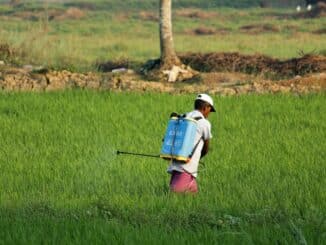
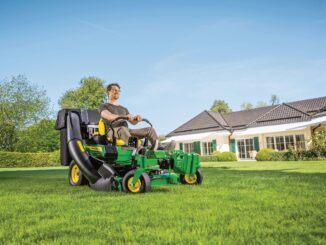
Large gardens, public parks, heritage estates, university campuses, and commercial developments all need some type of professional ground management.
It can often be a real challenge to maintain these grounds in such a way that they retain their unique character, remain safe to use and are kept to the standards expected of them
Unlike a private homeowner lawn, these spaces often cover tens to hundreds of acres, feature a really diverse landscape, and must often meet strict regulatory, safety, and sustainability requirements.
1. Introduction – Why Professional Grounds Management Matters
A well‑structured grounds‑keeping program delivers:
| Benefit | How It Impacts Your Estate |
|---|---|
| Aesthetic Appeal | Boosts visitor satisfaction, tenant retention, and property value. |
| Operational Efficiency | Reduces labor hours and fuel costs through proper equipment selection and scheduling. |
| Regulatory Compliance | Meets health‑and‑safety, environmental, and heritage‑preservation laws. |
| Sustainability Targets | Lowers carbon footprint and water consumption, aligning with corporate ESG goals. |
| Risk Management | Minimises accidents, liability, and equipment downtime. |
Whether you’re an estate manager, parks department head, facilities director, commercial landscaper, or a private landowner, this guide will cover the basics of all modern, eco‑friendly estate management practices.
Download the free “Estate Groundskeeping Best Practices” PDF at the end of this article for checklists, templates, and worksheets.
2. Understanding Large‑Scale Grounds Management
2.1 Types of Properties Covered
| Property Type | Typical Acreage | Unique Considerations |
|---|---|---|
| Private Estates | 10‑200+ acres | High aesthetic expectations, historic features. |
| Public Parks | 20‑500+ acres | Heavy foot traffic, public safety, accessibility. |
| Golf & Leisure Estates | 30‑400+ acres | Specialized turf, irrigation, and drainage. |
| Heritage Properties | 5‑150 acres | Preservation of historic plantings & structures. |
| Educational Campuses | 15‑300+ acres | Varied zones (sports fields, gardens, parking). |
| Commercial Developments | 10‑250+ acres | Mixed‑use landscaping, branding, sustainability. |
2.2 Key Operational Challenges
- Scale & Terrain Variation – Slopes, wetlands, hard‑scapes, and varied soil types demand adaptable equipment and flexible work plans.
- Seasonal Workload Fluctuations – Spring planting spikes, summer mowing peaks, autumn leaf removal, winter snow/ice control.
- Equipment Logistics – Transporting large machines across uneven ground, storing seasonal gear, and ensuring spare parts availability.
- Compliance & Safety – OSHA/COSHH regulations, heritage preservation statutes, local environmental ordinances.
- Sustainability Targets – Reducing emissions, conserving water, protecting biodiversity.
Understanding these challenges early helps you design a robust operational framework that prevents costly surprises later.
3. Core Equipment & Operations: Tractors, Mowers & Attachments
3.1 Why Compact & Utility Tractors Are Essential
- Versatility Across Seasons – From mowing to snow removal, a single tractor can host multiple attachments.
- Attachment Compatibility – Front loaders, flail mowers, rotary cutters, sprayers, spreaders, and snow equipment can be swapped quickly.
- Labor Reduction – One operator can accomplish tasks that previously required several crew members.
3.2 Tractor Size Guide for Large Estates
| Category | Acreage Support | Typical Horsepower | Ideal Use Cases |
|---|---|---|---|
| Sub‑compact | 1–5 acres | 20‑30 HP | Small garden beds, tight pathways, light maintenance. |
| Compact | 5–25 acres | 35‑55 HP | Mixed‑use (mowing, light hauling, small attachments). |
| Utility | 25+ acres | 60‑120 HP | Heavy‑duty tasks, large‑area mowing, snow clearing, towing. |
3.3 Key Attachments
| Attachment | Primary Function | When to Use |
|---|---|---|
| Front Loader | Material handling, debris removal | Post‑storm clean‑up, moving mulch, loading trucks. |
| Flail Mower | Cutting thick vegetation, brush, under‑growth | Overgrown fields, woodland edges, post‑fire cleanup. |
| Rotary Cutter | Fine, precise cutting on slopes or delicate turf | Golf course fairways, ornamental lawns. |
| Sprayer / Spreader | Fertilizer, herbicide, seed, lime distribution | Seasonal fertilisation, integrated pest management. |
| Snow Equipment (Plow, Blade, Spreaders) | Snow removal, ice control | Winter road/ pathway clearance, de‑icing. |
3.4 Features to Consider
- PTO Power Requirements – Ensure the tractor’s Power Take‑Off matches the attachment’s demand (e.g., 540 RPM vs. 1000 RPM).
- Hydraulic Capacity – Higher flow rates enable faster attachment operation.
- Cab vs. Open Station – Cab provides weather protection and reduces operator fatigue; open stations are lighter and cheaper.
- Turf‑Friendly Tyres – Low‑pressure, wide‑footprint tires protect delicate grass and reduce soil compaction.
- Emissions Compliance – Look for EPA Tier 4 or EU Stage V certified engines for lower pollutants.
4. Commercial Mowing Solutions: Choosing the Right Machine
4.1 Types of Commercial Mowers
| Mower Type | Strengths | Best Suited For |
|---|---|---|
| Zero‑Turn Mower | Tight turning radius, high speed | Formal lawns, intricate patterns, high‑traffic areas. |
| Out‑Front Mower | Wide cutting decks, easy transport | Large open fields, rough terrain. |
| Ride‑On Cylinder Mower | Superior cut quality, low ground pressure | Golf courses, high‑maintenance turf. |
| Flail Mower | Handles brush, tall weeds | Overgrown meadows, woodland edges. |
| Wide‑Area Mower | Massive decks (up to 20 ft) | Very large estates, rapid mowing of flat terrain. |
4.2 Matching Mower Type to Terrain
| Terrain | Recommended Mower | Why |
|---|---|---|
| Formal Lawns | Zero‑turn or ride‑on cylinder | Precise, clean edges. |
| Meadow Areas | Flail or out‑front | Handles taller, uneven growth. |
| Slopes & Banks | Zero‑turn with low‑center‑of‑gravity design | Stability on gradients. |
| Parkland | Wide‑area or out‑front | Fast coverage of expansive grass. |
| Rough Grass Zones | Flail mower | Cuts through dense, woody material. |
4.3 Productivity & Efficiency Factors
- Cutting Width – Wider decks reduce passes but may increase weight and fuel consumption.
- Fuel Efficiency – Diesel engines with auto‑stop/start or hybrid electric models lower operating costs.
- Operator Comfort – Adjustable seats, climate‑controlled cabs, low vibration reduce fatigue.
- Maintenance Access – Easy‑to‑service belts, filters, and blades keep downtime minimal.
- Durability – Hardened steel decks and reinforced frames extend service life in rugged conditions.
5. Tree & Hedge Management Gear & Safety
5.1 Tree Care Equipment
| Tool | Use Case | Safety Tips |
|---|---|---|
| Pole Saw | Pruning high branches | Wear fall‑protection harness, keep pole stable. |
| Chainsaw | Limb removal, trunk trimming | Use chain brake, wear PPE (gloves, eye protection). |
| Wood Chipper | Turning branches into mulch | Clear area, never feed hands near intake. |
| Stump Grinder | Removing stumps without excavation | Verify underground utilities, wear hearing protection. |
5.2 Hedge & Shrub Management
- Long‑Reach Hedge Cutters – Extend reach up to 12 ft, ideal for tall hedges.
- Tractor‑Mounted Hedge Flails – Fast clearing of dense shrubbery.
- Battery vs. Petrol Systems – Batteries provide quieter operation and zero emissions, but may have limited runtime for large jobs.
5.3 Safety & Compliance in Arboriculture
- Personal Protective Equipment (PPE) – Hard hat, safety glasses, chainsaw‑cut resistant trousers, steel‑toe boots, hearing protection.
- Working at Height – Use fall‑arrest systems, secure ladders, and ensure stable footing.
- Certification Standards – Many regions require arborist certification (e.g., ISA Certified Arborist) for high‑risk tree work.
6. Seasonal Planning: What to Do Each Time of Year
A seasonal checklist ensures you can stay ahead of weather‑driven demands.
6.1 Spring (March‑May)
| Activity | Why It Matters |
|---|---|
| Aeration | Relieves soil compaction, improves root oxygen. |
| Overseeding | Repairs thin spots, enhances turf density. |
| Fertilisation | Supplies nutrients for vigorous growth. |
| Equipment Servicing | Checks hydraulic seals, sharpens blades before peak season. |
6.2 Summer (June‑August)
| Activity | Why It Matters |
|---|---|
| Irrigation Management | Balances water use with drought restrictions. |
| Intensive Mowing | Maintains neat appearance during high visitor traffic. |
| Pest Monitoring | Early detection of insects (e.g., chinch bugs, grubs). |
6.3 Autumn (September‑November)
| Activity | Why It Matters |
|---|---|
| Leaf Management | Prevents smothering of grass, reduces slip hazards. |
| Soil Conditioning | Adds organic matter, prepares for winter dormancy. |
| Tree Inspections | Identifies dead or hazardous limbs before storms. |
6.4 Winter (December‑February)
| Activity | Why It Matters |
|---|---|
| Hardscape Maintenance | Checks paths, benches, lighting for safety. |
| Snow/Ice Control | Keeps access routes clear, protects plant roots from freeze‑thaw damage. |
| Equipment Overhaul | Stores tractors indoors, adds antifreeze, charges batteries. |
Each season’s checklist can be downloaded as a printable PDF at the end of this guide.
7. Building the Ideal Fleet Mix for Different Property Sizes
Choosing the right mix of machinery avoids over‑spending on unnecessary equipment while ensuring you have the tools for every job.
7.1 Example Fleet for 10–25 Acres
| Item | Qty | Reason |
|---|---|---|
| Compact Tractor (35–50 HP) | 1 | General purpose, pulls attachments. |
| Zero‑Turn Mower | 1 | Fast mowing of formal lawns. |
| Flail Mower Attachment | 1 | Handles brush & overgrown areas. |
| Sprayer/Spreader | 1 | Fertiliser, herbicide, seed distribution. |
| Utility Vehicle (ATV/UTV) | 1 | Quick transport of crew & tools. |
7.2 Example Fleet for 25–100+ Acres
| Item | Qty | Reason |
|---|---|---|
| Utility Tractor (60+ HP) | 1 | Heavy‑duty tasks, larger implements. |
| Compact Tractor | 1 | Flexibility for smaller zones. |
| Wide‑Area Mower | 1 | Rapid coverage of open grass. |
| Hedge Flail Attachment | 1 | Efficient shrub clearing. |
| Boom Sprayer | 1 | Large‑scale pesticide/fertiliser application. |
| Commercial Zero‑Turn Mowers | 2 | Redundancy, simultaneous mowing of separate zones. |
7.3 Electric vs. Diesel Fleet Considerations
| Factor | Electric | Diesel |
|---|---|---|
| Emissions | Zero tailpipe; aligns with carbon‑neutral goals. | Higher CO₂ & NOₓ; may require offsets. |
| Noise | Quiet operation—ideal near residential or wildlife areas. | Louder; may need noise‑abatement measures. |
| Operating Cost | Lower electricity cost; regenerative braking recovers energy. | Fuel price volatility; higher maintenance (oil changes). |
| Range & Runtime | Battery swap or fast‑charge stations needed for large estates. | Longer continuous run time; refuel quickly. |
| Initial Investment | Higher upfront for batteries and charging infrastructure. | Often lower purchase price. |
Tip: Start with a hybrid fleet—keep diesel tractors for heavy, continuous work, and introduce electric mowers for daytime, noise‑sensitive zones.
8. Sustainability & Modern Practices for Eco‑Friendly Grounds keeping
8.1 Soil Health Management
- Composting Programs – Convert yard waste into nutrient‑rich compost for on‑site soil amendment.
- Reduced Chemical Inputs – Adopt precision fertilisation based on soil testing to avoid over‑application.
- Soil Testing Protocols – Quarterly pH, nutrient, and organic matter analysis guides amendment decisions.
8.2 Water Conservation
- Smart Irrigation Systems – Sensors and weather‑linked controllers deliver water only when needed.
- Rainwater Harvesting – Store runoff in cisterns for irrigation, reducing municipal water use.
- Drought‑Tolerant Planting – Native grasses and xeriscape species lower watering frequency.
8.3 Biodiversity Initiatives
- Wildflower Zones – Create pollinator strips to support bees, butterflies, and beneficial insects.
- Pollinator Corridors – Connect habitats across the estate for wildlife movement.
- Native Planting Schemes – Reduce invasive species risk and lower maintenance.
8.4 Low‑Emission Equipment Options
- Battery‑Powered Handheld Tools – Hedge trimmers, leaf blowers, and small mowers with zero tailpipe emissions.
- Electric Ride‑Ons – Emerging market for electric compact tractors and zero‑turn mowers.
- Hybrid Fleet Transition Strategy – Phase‑in electric units as battery technology improves; retain diesel as backup for peak demand.
9. Integrated Pest Management (IPM) Basics
9.1 What Is IPM?
Integrated Pest Management is a holistic, preventative approach that combines cultural, mechanical, biological, and chemical tactics to keep pest populations below economic injury levels while minimizing environmental impact.
9.2 Core IPM Components
| Component | Description |
|---|---|
| Biological Controls | Release of predatory insects (ladybugs, nematodes) to target aphids, grubs, etc. |
| Mechanical Controls | Traps, barriers, manual removal of pests. |
| Cultural Practices | Crop rotation, proper mowing heights, sanitation to reduce habitat. |
| Selective Chemical Intervention | Spot‑treat with low‑toxicity pesticides only when thresholds are exceeded. |
9.3 Record‑Keeping & Compliance
- Treatment Logs – Date, location, product, dosage, and applicator signature.
- Environmental Reporting – Submit required data to local agencies (e.g., EPA’s Pesticide Use Reporting).
- Local Regulations – Some jurisdictions mandate buffer zones near water bodies; always verify.
10.1 Machinery Safety
| Safety Step | What to Do | Why It Matters |
|---|---|---|
| Operator Certification | All crew members must complete a recognized training program for each piece of equipment (e.g., tractor, mower, sprayer). Keep certificates on file. | Reduces the chance of misuse, which is a leading cause of workplace injuries. |
| Pre‑Use Inspection Checklist | Before each shift, inspect fluid levels, tire pressure, lights, brakes, and safety guards. Use a printed checklist and sign it off. | Catches wear or damage before it becomes a hazard. |
| ROPS & Seatbelt Use | Ensure every tractor and heavy machine has a Roll‑Over Protective Structure (ROPS) and that operators always wear the seatbelt. | In the event of a tip‑over, ROPS can prevent fatal crushing injuries. |
| Lock‑out/Tag‑out (LOTO) | When performing maintenance, disconnect power sources and attach lockout tags. Only authorized personnel may remove them. | Prevents accidental start‑up while someone is working on the machine. |
| Hydraulic Safety | Keep hoses away from sharp edges, regularly check for leaks, and never exceed rated pressure. | Hydraulic failures can cause sudden jerks or loss of control. |
Quick‑Start Pre‑Use Checklist (Print & Post Near Equipment)
- Visual inspection – Look for cracked hoses, missing guards, or oil leaks.
- Fluid levels – Engine oil, coolant, hydraulic fluid, and fuel.
- Tire pressure – Match manufacturer’s recommendation for the task.
- Safety devices – ROPS, seatbelt, emergency shut‑off, lights.
- Control test – Verify steering, brakes, PTO engagement, and throttle response.
- Documentation – Sign the checklist; note any issues and corrective actions.
10.2 Working at Height & Tree Work
| Hazard | Mitigation |
|---|---|
| Falls from ladders or elevated platforms | Use ladder stabilizers, maintain three‑point contact, and never exceed a 75 lb load limit. |
| Falling objects (branches, tools) | Wear hard hats, use tool lanyards, and clear the area below before cutting. |
| Electrical proximity | Identify overhead lines before starting work; maintain a minimum clearance of 10 ft (or per local regulation). |
| Fatigue | Rotate crews, enforce regular breaks, and monitor for signs of heat stress or dehydration. |
Key Steps for Safe Tree Pruning
- Plan the cut – Identify the branch, assess its weight, and determine the safest direction it will fall.
- Set up a safety zone – Mark a perimeter where no one may stand. Use cones or tape.
- Secure yourself – Wear a full‑body harness attached to a stable anchor point.
- Use the right tool – Pole saws for high branches, hand saws for low cuts. Keep blades sharp.
- Make the cut – Follow the “three‑cut method” (under‑cut, top‑cut, then remove the stub) to prevent bark stripping.
10.3 Chemical Handling & Storage
| Requirement | Practical Tip |
|---|---|
| COSHH (Control of Substances Hazardous to Health) compliance | Keep Safety Data Sheets (SDS) for every pesticide, fertilizer, or cleaning agent. Store them in a locked cabinet. |
| Personal Protective Equipment (PPE) | Gloves, goggles, respirators (if indicated), long‑sleeve coveralls, and waterproof boots. |
| Spill Response | Have absorbent pads, neutralizing agents, and a spill kit readily accessible. Train staff on the “Stop, Contain, Clean, Report” protocol. |
| Labeling & Segregation | Separate acids, bases, and oxidizers. Use color‑coded containers (e.g., red for corrosives). |
| Ventilation | Apply sprays only in well‑ventilated areas or use low‑drift formulations to minimise inhalation risk. |
10.4 Public Interaction Risks
Large estates often welcome visitors, school groups, or community events. Managing those interactions safely protects both the public and your organization.
- Signage – Clearly mark “Authorized Personnel Only,” “Keep Out During Mowing,” and “Slippery When Wet.” Use reflective materials for night visibility.
- Barriers – Deploy temporary fencing or traffic cones around active work zones.
- Communication – Publish a daily schedule of noisy or disruptive activities on the estate’s website or notice board.
- Incident Reporting – Encourage staff and visitors to report near‑misses; review them weekly for trends.
11. Equipment Maintenance & Lifecycle Planning
A proactive maintenance program extends the life of expensive machinery, reduces unexpected breakdowns, and keeps safety standards high.
11.1 Preventative Maintenance Schedules
| Frequency | Tasks | Example Checklist Items |
|---|---|---|
| Daily | Visual checks, fluid top‑ups, cleaning | Remove debris from mower decks, check tire pressure, refill hydraulic fluid if low. |
| Weekly | Deeper inspections, lubrication | Grease pivot points, inspect belts for wear, test PTO engagement. |
| Monthly | Service intervals (per manufacturer) | Change engine oil, replace air filters, calibrate GPS‑guided equipment. |
| Seasonal | Seasonal preparation (spring/fall) | Sharpen blades, adjust mower deck height, winterize batteries, apply rust inhibitor. |
| Annual | Major overhaul | Replace worn hydraulic hoses, overhaul transmission, conduct emission tests. |
Sample Daily Pre‑Shift Checklist (Tractor)
- ☐ Engine oil level OK
- ☐ Coolant level OK
- ☐ Tire pressure within spec
- ☐ Lights and horn functional
- ☐ ROPS and seatbelt inspected
- ☐ Attachments securely mounted
11.2 Fleet Tracking Systems
Modern estates benefit from telemetry and fleet‑management software that records:
- Hours of operation – Helps schedule service based on actual use, not just calendar dates.
- Location data – Geo‑fencing alerts when equipment leaves designated zones.
- Fuel consumption – Detects abnormal usage that could indicate a leak or inefficient driving.
- Diagnostic codes – Real‑time alerts for engine temperature, oil pressure, or hydraulic faults.
Popular off‑the‑shelf solutions (e.g., Trimble, John Deere Operations Center) integrate with smartphones, allowing supervisors to view status dashboards instantly.
11.3 Storage Best Practices
| Season | Storage Tips |
|---|---|
| Winter | Drain fuel or add stabilizer, store batteries in a heated room, cover equipment with breathable tarp to prevent moisture buildup. |
| Summer | Keep engines running periodically to circulate oil, shade sensitive electronics, and protect tires from UV cracking. |
| Rainy Periods | Ensure drainage around storage sheds, use raised pallets to keep equipment off wet ground. |
11.4 Replacement Planning
| Metric | Decision Point |
|---|---|
| Depreciation Cycle | Most tractors depreciate over 7‑10 years; schedule replacement budgeting at year 6. |
| Repair Cost Ratio | If repair costs exceed 30 % of the original purchase price in a year, consider replacement. |
| Technology Obsolescence | New emissions standards or battery tech may render older equipment non‑compliant; plan upgrades accordingly. |
| Leasing vs. Ownership | Leasing can provide automatic refresh cycles; compare total cost of ownership (TCO) over 5 years. |
Simple TCO Calculator (for a 60 HP utility tractor)
Purchase price          = $45,000
Annual fuel & oil       = $4,800
Annual maintenance      = $2,500
Insurance               = $1,200
Depreciation (5‑yr)     = $9,000
------------------------------------------------
5‑year total cost ≈ $62,500
Use this figure when deciding whether to buy, lease, or upgrade to an electric model.
12. Staff Training Resources & SOP Templates
A skilled workforce is the backbone of any successful grounds‑keeping operation. Structured training and clear Standard Operating Procedures (SOPs) reduce errors, improve safety, and boost morale.
12.1 Essential Training Areas
| Topic | Core Learning Objectives |
|---|---|
| Tractor Operation | Engine start‑up/shut‑down, PTO use, attachment changes, hill‑climbing techniques. |
| Chainsaw & Arboriculture Certification | Safe cutting methods, emergency shutdown, fire‑break creation. |
| Chemical Handling (COSHH) | Reading SDS, PPE selection, spill response, record‑keeping. |
| First Aid & CPR | Treating cuts, burns, heat exhaustion, and basic life support. |
| Environmental Stewardship | Soil testing, water conservation, biodiversity practices. |
Training Delivery Options
- In‑house workshops – Led by senior technicians; great for site‑specific SOPs.
- External certification bodies – e.g., International Society of Arboriculture (ISA) for tree work.
- E‑learning platforms – Short video modules on equipment safety, accessible via mobile devices.
12.2 Sample SOP Templates
Below are three ready‑to‑use SOP outlines you can copy into your own documents.
12.2.1 Mowing Procedure SOP
- Purpose – Define safe, efficient mowing of grass areas up to 25 acres.
- Scope – Applies to all mowing crew members and equipment.
- Responsibilities – Supervisor verifies daily checklist; Operator executes mowing.
- Materials – Zero‑turn mower, fuel, PPE (gloves, safety glasses, hearing protection).
- Procedure
- a. Perform pre‑shift inspection (see Daily Checklist).
- b. Set mower deck height according to grass type (e.g., 2‑3 in for cool‑season turf).
- c. Follow a “border‑first” pattern to avoid missed strips.
- d. After mowing, clean deck, empty grass catcher, and log hours.
- Safety Checks – Verify no by‑standers in the area, ensure brakes are functional before turning.
- Documentation – Log sheet includes date, operator name, acres covered, and any incidents.
12.2.2 Sprayer Calibration Guide SOP
- Objective – Achieve accurate application rates for fertilizer or pesticide.
- Equipment – Boom sprayer, calibrated flow meter, PPE (mask, gloves).
- Steps
- a. Fill tank with test liquid (water).
- b. Run sprayer at intended pressure for 5 min; collect output in a measured container.
- c. Calculate actual flow rate (L/min) and compare to manufacturer’s spec.
- d. Adjust nozzle size or pressure until within ±5 % of target.
- e. Record calibration settings in the equipment log.
12.2.3 Emergency Incident Response Template
- Trigger – Any injury, chemical spill, fire, or equipment failure that threatens safety.
- Immediate Actions
- a. Stop work; secure the area.
- b. Call emergency services (if needed) and internal safety officer.
- c. Administer first aid or contain spill using the spill kit.
- Notification – Email incident report to supervisor and HR within 30 minutes.
- Investigation – Complete root‑cause analysis within 48 hours.
- Corrective Measures – Update SOPs, retrain staff, replace faulty equipment.
12.3 Continuous Professional Development
- Manufacturer Training Programs – Many equipment brands (John Deere, Kubota, Husqvarna) offer on‑site training days.
- Industry Certifications – ISA Certified Arborist, Certified Landscape Technician (CLT).
- Sustainability Workshops – Partner with local universities or NGOs for sessions on pollinator planting, water‑wise irrigation, and carbon accounting.
Encourage staff to log completed courses in a shared spreadsheet; tie professional development to performance reviews and possible salary increments.
13. Downloadable Resource Section
At the bottom of this guide you’ll find a single, consolidated PDF titled “Estate Groundskeeping Best Practices”. It contains:
| Resource | What You’ll Get |
|---|---|
| Seasonal Planning Checklist | Printable, colour‑coded list for spring, summer, autumn, winter tasks. |
| Fleet Planning Worksheet | Spreadsheet to input acreage, budget, and equipment preferences; outputs recommended fleet mix. |
| IPM Framework Guide | Flowchart for scouting, threshold decision‑making, and treatment logging. |
| Maintenance Schedule Template | Daily, weekly, monthly, seasonal tables you can fill out and print. |
| Health & Safety Risk Checklist | Quick reference for daily site audits (machinery, chemicals, public zones). |
| Sustainability Audit Sheet | Track water use, fuel consumption, carbon emissions, and biodiversity metrics. |
How to access:
14. Estate Management FAQ
14.1 General Groundskeeping
Q1. What does “grounds‑keeping” actually mean?
A: It’s the ongoing care of outdoor spaces—grass, trees, pathways, water features, and built‑environment elements—to keep them safe, attractive, and functional.
Q2. How much land can one person realistically manage?
A: Roughly 5–10 acres per full‑time crew member when equipped with the right machinery. Larger estates typically need a team of 3–5 people plus supervisors.
Q3. Do I really need a tractor for a 15‑acre park?
A: Yes. Even a compact tractor dramatically reduces labor hours compared with hand tools and allows you to attach mowers, sprayers, and snow equipment as seasons change.
14.2 Equipment Selection
Q4. Should I buy a diesel or electric mower?
A: If you have a strong sustainability goal, low‑noise requirements, or operate near residential zones, an electric mower is ideal. For very large, continuous‑run tasks, diesel still offers longer runtime and lower upfront cost.
Q5. What horsepower is enough for a 50‑acre estate?
A: A utility tractor in the 70‑90 HP range handles heavy attachments (flail mowers, sprayers) comfortably. Pair it with a compact tractor for finer work.
Q6. Do I need a separate snow‑clearing machine?
A: Not necessarily. Many utility tractors accept a snow plow or rotary snow blower attachment, saving you the expense of a dedicated snow‑blower.
14.3 Seasonal Tasks
Q7. When is the best time to aerate the lawn?
A: Early spring (when grass is actively growing) or early autumn (after the heat of summer).
Q8. How often should I fertilise?
A: Typically 2–3 times per year—early spring, late summer, and optionally early autumn—depending on soil test results.
Q9. What’s the quickest way to clear leaves in autumn?
A: Use a wide‑area mower with a bagging attachment, followed by a leaf vacuum for hard‑to‑reach corners.
14.4 Tree & Hedge Management
Q10. Can I prune a mature oak with a pole saw?
A: Yes, but only if you have proper training, a stable pole, and a fall‑protection harness. Larger limbs may require a professional arborist.
Q11. How often should hedges be trimmed?
A: Generally every 6–8 weeks during the growing season (spring‑summer) to maintain shape and promote dense growth.
Q12. What’s the difference between a hedge flail and a hedge cutter?
A: A flail shreds foliage and is great for thick, overgrown hedges; a cutter slices cleanly and is better for shaping.
14.5 Integrated Pest Management (IPM)
Q13. Do I really need to keep a pest log?
A: Yes. Many jurisdictions require it, and it helps you spot trends, prove compliance, and avoid over‑application of chemicals.
Q14. What are “thresholds” in IPM?
A: The pest population level at which damage outweighs the cost of treatment. Below that level, you monitor but don’t spray.
Q15. Are biological controls effective on large estates?
A: Absolutely—releasing lady beetles for aphid control or nematodes for grub suppression can reduce pesticide use by 30 % or more when combined with cultural practices.
14.6 Sustainability
Q16. How much water can I save with smart irrigation?
A: Up to 40 % compared with timer‑based systems, depending on climate and soil type.
Q17. Is composting worth the effort?
A: Yes. Compost reduces the need for synthetic fertilizers, improves soil structure, and diverts green waste from landfill.
Q18. Can I run a diesel tractor on biodiesel?
A: Most modern diesel engines can use up to B20 (20 % biodiesel) without modification; check the manufacturer’s guidelines.
14.7 Health & Safety
Q19. What PPE is mandatory for a mower operator?
A: Safety glasses, hearing protection, high‑visibility vest, steel‑toe boots, and gloves.
Q20. How often should I replace mower blades?
A: Inspect monthly; replace when dull, chipped, or bent—typically every 1–2 years for heavy use.