
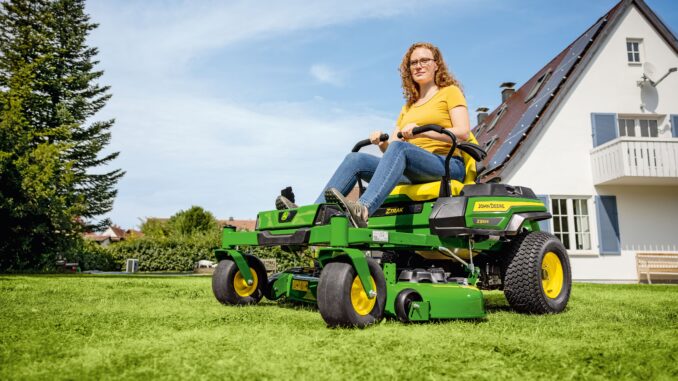
Introduction: John Deere Z950R overview
The John Deere Z950R is a commercial ZTrak zero‑turn mower built for heavy, daily use on larger properties and professional landscaping routes. It typically runs a high‑horsepower Kawasaki engine, with a commercial 7‑Iron PRO mower deck and hydrostatic drive system designed for fast, precise mowing.
This John Deere Z950R service and repair guide is written for homeowners and small contractors in the USA & Canada who want to handle routine maintenance, basic troubleshooting, and sensible DIY repairs. You’ll find symptom‑based troubleshooting, parts information, diagrams references, and a large FAQ so you can decide what to fix yourself and when to involve a John Deere dealer.
General overview of the John Deere Z950R
The John Deere Z950R sits in the commercial ZTrak lineup as a mid‑range, high‑output zero‑turn mower aimed at serious users who want more durability than residential ZTrak models but don’t need the very largest frame sizes. It’s commonly equipped with a 60‑inch 7‑Iron PRO deck, although other deck widths may be available in some regions.
Key systems on the John Deere Z950R you’ll deal with in service work include:
-
Engine and fuel system (Kawasaki FX series, carbureted)
-
Hydrostatic drive system and wheel motors
-
Mower deck, spindles, blades and deck drive belt
-
Electrical and safety interlock system
-
Steering levers, park brake and control linkages
Typical service parts owners buy for the John Deere Z950R include:
-
Engine oil filter
-
Engine air filter (primary and, if fitted, safety element)
-
Fuel filter
-
Spark plugs
-
Mower blades (60″ 7‑Iron PRO set – usually three blades)
-
Mower deck drive belt
-
Pump/drive belt (if applicable to your serial range)
-
Battery
-
Common safety switches (seat, parking brake, control levers)
Because Deere uses different part numbers across serial ranges, always verify your Product Identification Number (PIN) before ordering.
John Deere Z950R troubleshooting approach
The fastest way to diagnose a John Deere Z950R is to start from the symptom the owner sees, not from the part you think is bad. Begin by asking:
-
What changed just before the problem appeared?
-
Does it happen all the time or intermittently?
-
Is it worse under load (blades engaged, uphill, hot day)?
For the John Deere Z950R, most real‑world issues fall into these symptom categories:
-
Starting issues (no crank, cranks but won’t start)
-
Running issues (stalling, surging, loss of power)
-
Cut‑quality problems (stripes, scalping, uncut strips)
-
Vibration and noise (deck vibration, drivetrain noise)
-
Overheating and leaks (engine, hydraulic system)
-
Transmission/drive problems (won’t move, weak drive)
-
Electrical/safety switch problems (won’t crank with good battery, dies when controls moved)
Use the sections below to home in on the right system, then follow the simple checklists before you start removing parts.
Emergency and immediate repair needs on a John Deere Z950R
Certain John Deere Z950R problems must be dealt with immediately because they make the mower unsafe or can quickly destroy expensive components. This includes major fuel leaks, hydraulic leaks, severe vibration, drive loss, and any situation where the engine is overheating or losing oil.
Starting issues on John Deere Z950R
When the John Deere Z950R will not crank at all, or cranks but never starts, owners often see it as “electrical trouble” and assume the starter or battery has failed. In reality, safety switches and basic fuel/ignition problems are far more common.
Common causes:
-
Dead or weak battery
-
Corroded battery terminals or poor ground
-
Seat, parking brake, or control‑lever safety switch not made
-
Fuel shutoff solenoid or carburetor issue
-
Stale fuel or water in fuel
Basic checks:
-
Verify the PTO is off, parking brake set, and control levers in neutral.
-
Check battery voltage and cable condition; clean any white/green corrosion.
-
Listen for the fuel solenoid click when turning the key on.
-
Confirm fresh fuel is in the tank and the fuel shutoff (if equipped) is open.
-
If it cranks but will not start, remove and inspect a spark plug for fouling and spark.
Cut‑quality problems on John Deere Z950R
Owners notice cut‑quality issues as streaks, uncut strips, scalping, or a ragged cut, often blaming the deck itself rather than the consumable parts.
Common causes:
-
Dull, nicked or bent blades
-
Wrong blade type for conditions
-
Deck pitch/level out of spec
-
Build‑up under the deck (grass, debris)
-
Deck belt slipping, causing one spindle to slow
Basic checks:
-
Inspect all three blades for sharpness and straightness; replace if questionable.
-
Clean the underside of the deck thoroughly.
-
Check tire pressures and verify the deck is level side‑to‑side and correctly pitched front‑to‑back.
-
Inspect deck belt for glazing, cracks or contamination with oil.
-
Verify blade tip speed sounds consistent across all spindles.
Vibration and noise on John Deere Z950R
Severe vibration or grinding noises with blades on are always urgent on a John Deere Z950R because they can signal spindle or blade‑shaft damage.
Common causes:
-
Bent blade or mismatched blade set
-
Damaged spindle bearings
-
Deck belt misrouted or damaged
-
Foreign object impacting blades
Basic checks:
-
Disengage PTO, shut down and remove key immediately if heavy vibration appears.
-
Inspect blades for bends, missing chunks or loose mounting hardware.
-
Spin each spindle by hand with the belt off and listen for grinding or stiffness.
-
Check deck belt routing against the parts diagram.
-
Do not continue mowing until vibration is eliminated.
Overheating and leaks on John Deere Z950R
Any oil or fuel leak on a John Deere Z950R should be taken seriously, both for fire risk and expensive component damage.
Common causes:
-
Engine oil filter or drain plug not sealed
-
Split oil or fuel hose
-
Hydraulic hose or fitting leak
-
Blocked engine cooling fins or shroud
Basic checks:
-
Park the mower safely, shut down and let it cool.
-
Wipe the suspected area clean, then run briefly to see where fresh fluid appears.
-
Check around the oil filter, drain valve, and hose connections.
-
Inspect engine cooling fins and shrouds for debris build‑up.
-
Do not run with suspected hydraulic leaks; seek dealer support if hoses or fittings are damaged.
Transmission and drive problems on John Deere Z950R
Drive issues on the John Deere Z950R usually show up as weak pulling power, uneven tracking, or a complete loss of movement.
Common causes:
-
Park brake left partially engaged
-
Low tire pressure on one side
-
Control linkages out of adjustment
-
Hydraulic system issues or wheel motor failure
Basic checks:
-
Confirm the parking brake is fully released when driving.
-
Check and adjust tire pressures to spec.
-
Observe whether both drive wheels respond equally to lever movement.
-
If drive is weak or noisy, avoid heavy use and contact a dealer for hydraulic checks.
-
Never open hydraulic circuits without correct procedures and cleanliness.
Electrical problems on John Deere Z950R
Electrical faults on the John Deere Z950R often appear as intermittent no‑start, random shutdowns, or PTO refusal to engage.
Common causes:
-
Worn safety switches (seat, brake, control levers)
-
Damaged wiring near moving parts or under seat
-
Corroded connectors and grounds
-
Failing ignition switch
Basic checks:
-
Inspect visible wiring looms for rubbing, pinch points, or broken insulation.
-
Gently move the seat or control levers with the engine idling to see if the engine cuts out.
-
Verify good, clean connections at the battery and main ground points.
-
If PTO won’t engage, check that all safety conditions are met and listen for the PTO clutch click.
-
Avoid bypassing safety circuits; repair or replace switches instead.
DIY or dealer? John Deere Z950R repair decision guide
On the John Deere Z950R, the practical “line” between DIY and dealer work is usually hydraulics, deep engine work, and advanced electrical diagnostics. Most owners can handle routine service and bolt‑on parts, while the hydrostatic drive and internal engine repairs are best left to trained technicians with proper tooling.
Good DIY jobs on a John Deere Z950R:
-
Engine oil and filter changes
-
Air and fuel filter replacement
-
Spark plug replacement
-
Mower blade changes and sharpening (with correct equipment)
-
Mower deck belt replacement
-
Battery replacement
-
Basic safety switch replacement when accessible
Advanced DIY or dealer jobs:
-
Hydraulic pump or wheel motor diagnosis and replacement
-
Major wiring harness repairs
-
Internal engine work (valve adjustment, head gasket, etc.)
-
Steering lever and linkage calibration beyond basic adjustments
-
PTO clutch replacement and air‑gap adjustment
Skill level guide:
-
Beginner: Checking fluids, cleaning deck, changing blades with proper safety, basic filter changes.
-
Intermediate: Deck belt replacement, minor electrical repairs, safety switch replacement, tracking adjustments.
-
Advanced: Hydraulic diagnostics, internal engine repairs, complex electrical fault‑finding, frame or structural work.
Parts needed for John Deere Z950R and information to gather
Before ordering parts for a John Deere Z950R, always gather:
-
Full model designation (Z950R ZTrak, plus deck size)
-
Product Identification Number (PIN) from the serial plate
-
Engine model and spec number (Kawasaki FX series tag)
-
Deck size and deck model (e.g. 60″ 7‑Iron PRO)
This information ensures you get the correct belts, filters, and switches for your exact serial range, as John Deere has made running changes over the years.
John Deere Z950R common parts table
Below is a typical parts table for a John Deere Z950R. Part numbers may vary by serial number; treat this as a starting point and always cross‑check against your PIN and official parts catalog.
OEM vs aftermarket guidance for John Deere Z950R:
-
Use OEM parts for belts, safety switches, PTO clutch components, and any fit‑critical hardware such as spindle assemblies.
-
Aftermarket is acceptable for filters, blades, and batteries if they are listed as direct replacements for your model and engine; always check cross‑reference charts and reviews.
-
Avoid generic belts or “close enough” lengths; these tend to slip, wear quickly, and can cause cut‑quality and drive complaints.
Where to find John Deere Z950R parts diagrams and manuals
For the John Deere Z950R, the most useful online documents are:
-
John Deere Z950R Operator’s Manual – usually available via the official John Deere “Manuals and Training” or “Owner Information” page. This covers daily operation, safety, and maintenance intervals.
-
John Deere Z950R Parts Catalog – available through JDParts or the Deere parts portal. It provides exploded diagrams, part numbers, and notes on serial‑number breaks.
-
John Deere Z950R Technical/Repair Manual – a paid workshop manual with full diagnostic and repair procedures. Ideal for advanced DIY owners.
-
A reputable parts site with a John Deere Z950R model page – useful for browsing common wear parts like blades, belts and filters.
You can start with:
-
John Deere Z950R Owner Information page (USA/Canada region)
-
John Deere “Manuals and Training” search page using “Z950R”
-
One specialist aftermarket site that lists Z950R parts by model and deck size
Use the operator’s manual for your routine service schedule, the parts catalog for diagrams, and the technical manual if you plan deeper repairs.
How to locate John Deere Z950R model, serial and engine numbers
Model and serial numbers matter because Deere often changes parts mid‑production, and many online catalogs require your PIN to show the right components.
To find them on a John Deere Z950R:
-
Locate the PIN plate on the mower frame, usually near the right‑hand rear wheel or under the seat area on the main chassis rail.
-
Clean the plate and write down the full PIN, including any prefix letters.
-
Confirm the deck model and size from decals on the mower deck or from the operator’s manual.
-
Lift the seat and look on the engine block or blower housing for the Kawasaki engine tag, noting model and spec numbers.
-
Keep these numbers in a photo on your phone and written in your service log for quick reference when ordering parts.
Buying John Deere Z950R parts online and in stores
A good strategy with John Deere Z950R parts is to use online sources for convenience and price, but rely on a dealer counter for complex or PIN‑specific components.
Online:
-
Use OEM part numbers from your parts catalog or operator’s manual.
-
Check that the online listing explicitly mentions “John Deere Z950R” or your engine/deck combination.
-
Look for clear return policies in case the part doesn’t fit.
Dealer counter:
-
Best for hydraulic components, safety‑critical hardware, or anything that changes across serial ranges.
-
Bring your PIN, engine tag and a list of symptoms so the parts staff can help.
Retail stores:
-
Good for generic items like batteries, grease, and some filters, as long as the packaging or catalog lists your model and engine.
-
Avoid generic belts or “universal” electrical switches.
Useful URLs to keep handy:
-
John Deere Z950R owner/parts page via deere.com
-
John Deere Manuals and Training search page
-
One trusted aftermarket site’s Z950R parts page for blades and filters
Step‑by‑step fitting guide: common John Deere Z950R DIY jobs
Below are practical DIY jobs that most John Deere Z950R owners can tackle safely at home.
Changing the engine oil and filter on John Deere Z950R
This job improves engine life and reliability, especially under commercial‑style use.
-
Run the mower for a few minutes to warm the oil, then park it on level ground, set the brake and stop the engine.
-
Place a drain pan under the engine drain valve or plug and open it, allowing oil to drain completely.
-
While oil drains, remove the old oil filter; expect a small amount of spill and wipe the area clean.
-
Lightly oil the gasket on the new filter and spin it on by hand until snug, then tighten per the filter instructions.
-
Close the drain, refill with the recommended oil type and quantity, then start the engine and check for leaks.
-
Shut down, recheck the level and top up if needed.
Replacing the air filter on John Deere Z950R
Fresh air filtration protects the Kawasaki engine and keeps power consistent.
-
Park the mower, shut off and let the engine cool.
-
Open the air cleaner housing, usually located on the side or rear of the engine.
-
Remove the primary filter (and the inner safety element if fitted), noting their orientation.
-
Clean out the housing with a dry cloth; do not use compressed air directly on filter elements.
-
Install new filters, ensuring they seat squarely, and close the housing securely.
Changing mower blades on John Deere Z950R
Blade changes restore cut quality and reduce strain on the deck drive system.
-
Park on a level surface, set the brake, shut the engine off and remove the key.
-
Raise the deck to the service position or use appropriate lifting equipment; block securely.
-
Wear gloves and use the correct socket to remove each blade bolt, noting blade orientation.
-
Install new blades or freshly sharpened blades, ensuring cutting edges face the correct direction.
-
Torque blade bolts to the specification in your manual.
-
Lower the deck, check for free rotation, and test‑mow in a clear area.
Replacing the mower deck belt on John Deere Z950R
A fresh deck belt maintains blade speed and reduces slippage in heavy grass.
-
Park safely, lower the deck and remove the key.
-
Remove deck covers to expose pulleys and belt routing.
-
Release belt tension via the idler or spring as shown in your parts diagram.
-
Remove the old belt, inspecting pulleys and idlers for wear or roughness.
-
Route the new belt according to the diagram, ensuring it sits correctly in all pulley grooves.
-
Re‑tension, spin pulleys by hand, refit covers and test with blades engaged at low throttle.
Maintenance to prevent recurring John Deere Z950R problems
Regular maintenance on a John Deere Z950R prevents most of the issues that send these mowers to the shop.
Focus areas:
-
Starting reliability: Keep battery charged, replace fuel and air filters on schedule, use fresh fuel and maintain clean spark plugs.
-
Cut quality: Maintain sharp blades, keep the deck clean, and prevent belt slip through proper tension and pulley care.
-
Overheating/fire prevention: Regularly clear debris from engine shrouds, muffler areas, hydraulic lines and deck surfaces.
-
Drive performance: Maintain correct tire pressures, avoid towing beyond rated limits, and keep linkages clean and lubricated.
-
Electrical reliability: Protect wiring from abrasion, keep connectors clean and dry, and replace worn safety switches rather than bypassing them.
John Deere Z950R maintenance schedule and year‑round checklist
Always use the official maintenance chart for your specific John Deere Z950R serial number, but the following pattern will be familiar.
Daily / before each use
-
Check engine oil level.
-
Walk‑around inspection for leaks and loose hardware.
-
Check tire pressures and overall tread condition.
-
Inspect for debris build‑up around engine, muffler and hydraulic components.
After approximately 8 hours
-
Clean grass and debris from mower deck and engine area.
-
Inspect blades for damage or excessive dullness.
-
Check deck belt condition and tension visually.
Every 25 hours
-
Grease mower deck spindles and front caster pivots as specified.
-
Inspect safety switches for secure mounting and basic function.
-
Check battery terminals for corrosion and clean if needed.
Every 50 hours or yearly (whichever comes first)
-
Change engine oil and filter according to your manual.
-
Inspect and, if required, replace fuel filter.
-
Check air filter; replace if dirty or at the interval in your operator’s manual.
-
Inspect hydraulic hoses and fittings for chafing or minor leaks.
Every 200 hours or per manual
-
Replace air filter elements (primary and safety).
-
Perform spark plug replacement.
-
Inspect and potentially replace deck and pump belts depending on wear.
Seasonal checklist (pre‑season, mid‑season, end‑of‑season)
Pre‑season:
-
Perform full fluid and filter service.
-
Fit fresh blades or sharpen existing ones.
-
Check and adjust deck level and pitch.
Mid‑season:
-
Inspect belts, blades and tires for wear.
-
Clean cooling and deck areas thoroughly.
-
Re‑grease all specified points.
End‑of‑season:
-
Clean the machine deeply, including underside of deck.
-
Stabilize fuel or drain the system per your climate.
-
Store under cover, battery maintained or disconnected as appropriate.
John Deere Z950R: repair, upgrade or replace?
For the John Deere Z950R, many mid‑life issues can be solved with targeted repair and maintenance, thanks to its commercial‑grade construction. However, after many thousands of hours or severe neglect, the repair cost can approach the value of the machine, making replacement or upgrade more sensible.
Repair if:
-
Problems are limited to blades, belts, filters, switches and other wear parts.
-
The frame, deck shell and engine remain fundamentally sound.
-
Total repair cost is comfortably below the value of the machine.
Upgrade if:
-
The mower still runs well, but you want better blades (mulching or high‑lift), suspension seats, or improved tires.
-
You need accessory changes such as collection systems or lighting.
-
You want to add minor convenience features without changing the base unit.
Replace if:
-
The engine or hydraulic system needs major overhaul and hours are very high.
-
The deck shell or frame is cracked or structurally compromised.
-
You’ve outgrown the deck size or performance and need a larger or different machine.
Expanded troubleshooting FAQ: John Deere Z950R
1. Why will my John Deere Z950R not start?
If your John Deere Z950R will not start, begin by checking that the PTO is off, the parking brake is set, and the control levers are in neutral. Many non‑start situations are caused by safety switches not being satisfied rather than a failed starter. Next, check battery voltage and cable condition, then verify that the fuel solenoid clicks and fresh fuel is present. If it cranks but doesn’t fire, inspect a spark plug for fouling and confirm you have spark and fuel reaching the carburetor.
2. Why does my John Deere Z950R only click when I turn the key?
A single click usually indicates the starter solenoid is trying to engage but doesn’t have enough power or is blocked by a safety condition. Check battery charge first, as low voltage is the most common cause. Then inspect battery terminals for corrosion and tighten them. If voltage is good, verify that seat, brake, and control‑lever switches are working; a faulty switch can prevent the starter from engaging even though you hear a click.
3. Why does my John Deere Z950R crank but not fire?
When a John Deere Z950R cranks normally but will not start, focus on fuel and ignition. Ensure the fuel shutoff is open and that the fuel filter isn’t clogged. Look for signs of stale fuel, such as varnish smell or dark color. Remove a spark plug and inspect its condition, checking for a strong spark with the plug grounded to the engine. If you have spark but no start, the carburetor may be gummed up, and cleaning or rebuilding it may be necessary.
4. Why does my John Deere Z950R start then die after a few seconds?
A Z950R that starts and then stalls often has fuel delivery issues or a failing safety switch. First, make sure the choke is being used correctly and is fully off after starting. Check the fuel filter and lines for blockage. Then move the seat slightly or operate the control levers while idling – if the engine cuts out, a safety switch may be loose or intermittent. Resolving these issues usually stabilizes idle and prevents random shutdowns.
5. Why is my John Deere Z950R hard to start when hot?
Hard hot‑starting on a John Deere Z950R can be due to heat‑soaked ignition components, marginal battery, or carburetor mixture issues. Check that the battery is in good shape and that terminals are clean. Inspect spark plugs and replace if worn. Ensure the engine cooling fins and shrouds are clean, preventing excessive heat build‑up. If the problem persists, carburetor adjustment or cleaning may be needed to address hot‑start fuel vaporization issues.
6. Why does my John Deere Z950R lose power when mowing uphill?
Loss of power uphill is often a combination of engine load and drive system limitations. Start by ensuring blades are sharp and the deck is clean so the engine isn’t overloaded by cutting resistance. Check tire pressures so traction is consistent. If the engine bogs severely, look at air and fuel filters and consider whether the carburetor needs service. Weak hydro drive under load may indicate low hydraulic performance and should be assessed by a dealer.
7. Why is the cut uneven on my John Deere Z950R?
Uneven cut on a John Deere Z950R is usually due to dull or mismatched blades, incorrect deck level, or uneven tire pressures. Inspect and replace or sharpen blades as a complete set. Check that tire pressures match the figures in your manual. Then verify the deck is level side‑to‑side and correctly pitched front‑to‑back. Cleaning the deck underside also helps, as built‑up debris can alter the airflow and cutting pattern.
8. Why does my John Deere Z950R leave uncut strips of grass?
Uncut strips typically point to a blade not cutting in its path, often due to a bent blade, wrong blade type, or slipping deck belt. Confirm all blades are correctly installed, the same length, and straight. Inspect the deck belt for wear or contamination with oil that could cause slippage. If one spindle is rotating slower or inconsistently, the belt routing or pulley condition may be incorrect, and adjustments or part replacement will be needed.
9. Why is my John Deere Z950R scalping the lawn?
Scalping occurs when the deck is too low or not correctly set relative to the terrain. Make sure you’re using the correct cutting height for your grass type and conditions. Check tire pressures and deck level to ensure the deck isn’t tilted excessively. On uneven ground, slow down and consider raising the deck slightly. If the anti‑scalp wheels are adjustable, set them to help protect against high spots.
10. Why does my John Deere Z950R vibrate heavily with blades on?
Heavy vibration indicates a serious imbalance in the rotating parts, most commonly bent blades or failing spindle bearings. Stop the mower immediately and disengage the PTO. Inspect each blade for bends, missing sections, or loose bolts. Turn the spindles by hand with the belt removed and listen for noise or roughness. Replace damaged blades and spindles as needed before resuming mowing; running through vibration can cause costly deck damage.
11. Why is there a grinding noise from the deck on my John Deere Z950R?
Grinding noises usually come from worn spindle bearings or debris caught around pulleys. Remove deck covers and inspect for foreign objects. Spin pulleys and spindles by hand and feel for roughness. If a spindle makes grinding sounds, replacement of the bearing or the entire spindle assembly is required. Continuing to use a noisy spindle can damage the deck shell and neighboring components.
12. Why does my John Deere Z950R deck belt keep coming off?
Repeated belt throw on a John Deere Z950R points to misrouted belts, damaged pulleys, or incorrect belt tension. Compare your belt routing to the official diagram. Check idler pulleys for wobble or bearing play, and inspect belt guides for bending or missing hardware. Ensure tension springs are intact and correctly hooked. A worn or incorrectly sized belt is also a common cause, so verify you’re using the exact OEM specification.
13. Why is my John Deere Z950R engine smoking?
Smoke color helps with diagnosis. Blue or bluish‑white smoke suggests oil burning, while black smoke indicates a rich fuel mixture. Check engine oil level; too high can cause oil to enter the combustion area, while too low risks serious damage. Inspect the air filter and replace if clogged, as a restricted filter can cause rich running and black smoke. If blue smoke persists, the engine may have worn rings or valve seals and warrants a professional inspection.
14. Why does my John Deere Z950R smell like fuel?
A noticeable fuel smell may mean leaks around the tank, fuel lines, filter, or carburetor. Park the mower, shut down and inspect the entire fuel path for wetness or stains. Pay special attention to hose connections, clamps, and the filter housing. Replace brittle or cracked hoses and secure clamps properly. Never ignore fuel odors; they pose a fire risk, especially when mowing dry grass or near structures.
15. Why is my John Deere Z950R overheating?
Overheating on a John Deere Z950R is often caused by blocked cooling fins, debris around the engine shroud, or low oil level. Clean all cooling surfaces and shrouds thoroughly. Check engine oil level and top up or change if necessary. Ensure you aren’t operating with the engine cover removed or modified, as airflow patterns matter. If overheating continues, fan or shroud damage or internal engine problems may be present.
16. Why is hydraulic oil leaking on my John Deere Z950R?
Hydraulic leaks are serious because they can damage the drive system and create slip hazards. Look for wet hoses, fittings, or pump/wheel motor housings. Small seepage at hose crimps or fittings often worsens quickly. Tighten accessible fittings gently if appropriate, but avoid overtightening, which can worsen leaks. If a hose is cracked or bulging, stop using the mower and have the hose replaced by a dealer or hydraulic shop.
17. Why won’t my John Deere Z950R move even though the engine runs?
A John Deere Z950R that won’t move while the engine runs might have the park brake engaged, bypass valves open, or a hydraulic fault. Confirm the parking brake is fully released. Some units have free‑wheel or tow valves; ensure they are in the operating position. Check that the control levers move smoothly and that linkage rods are correctly connected. If you still have no drive, the hydraulic pumps or wheel motors may require dealer diagnosis.
18. Why does my John Deere Z950R pull to one side?
Pulling or uneven tracking is usually due to unequal tire pressure or control lever calibration. Check tire pressures and set them to the recommended values on both sides. Examine control lever linkage adjustments; small differences can cause noticeable tracking issues. Use the tracking adjustment procedure in your manual to fine‑tune straight‑line travel. If one side remains weak, hydraulic issues may be present.
19. Why does my John Deere Z950R have weak drive going uphill?
Weak uphill drive can signal low hydraulic performance, but first rule out simpler causes. Verify correct tire pressures and avoid overloading the machine with attachments or trailers. Check that engine power is strong and not bogging due to dirty filters or dull blades. If the engine stays strong but drive remains weak, hydraulic oil condition and components should be checked by a dealer, as pump or motor wear can reduce high‑load performance.
20. Why won’t the PTO engage on my John Deere Z950R?
If the PTO will not engage, first ensure all safety conditions are met: operator seated, brake set or levers in neutral as required, and correct starting sequence followed. Listen for the PTO clutch click when you pull the PTO switch. If you hear nothing, the PTO switch or related wiring may be faulty. Inspect fuses and connectors, and check the PTO clutch plug for corrosion. A failed PTO clutch itself can also prevent engagement and may need replacement.
21. Why does my John Deere Z950R PTO shut off randomly?
Random PTO shutoff is often caused by safety switches tripping or loose wiring. Seat or control‑lever switches may cut the PTO if they think you’ve left the seat or moved controls inappropriately. Inspect these switches and their mounts. Look for intermittent wiring connections, particularly near moving parts. If vibration seems related to PTO drop‑out, secure wiring looms and replace suspect connectors.
22. Why does my John Deere Z950R battery keep dying?
Battery drain can come from poor charging or parasitic loads when parked. Check that the charging system is working by measuring voltage at the battery with the engine running; it should be above rest voltage. Clean terminals and ensure grounds are solid. If the battery drains between uses, look for accessories wired directly to the battery or damaged wiring that could be causing a small draw. Replacing an old battery with the correct CCA rating may also be necessary.
23. Why do the safety switches fail on my John Deere Z950R?
Safety switches live in high‑vibration, dirty environments, making wear and contamination common. Seat switches can be damaged by constant flexing or heavy impact. Brake and control‑lever switches may suffer from misalignment or physical damage. Regularly inspect and clean around these components, and replace switches when they become intermittent rather than trying to bypass them, which compromises safety.
24. How often should I change oil on my John Deere Z950R?
Oil change intervals depend on operating hours and conditions, but many John Deere Z950R units follow a 50‑hour or annual schedule for engine oil and filter under typical use. Check your operator’s manual for the exact interval tied to your serial range and engine. If you operate in dusty or hot conditions, consider more frequent changes. Always use the recommended oil grade and quality.
25. How often should I sharpen blades on my John Deere Z950R?
Blade sharpening frequency depends on the type of grass and soil, but commercial‑style use may need blade maintenance every 25–50 hours. Inspect blades regularly for dull edges, nicks or bends. If grass starts tearing instead of cutting cleanly, it’s time to sharpen or replace. Always keep blades balanced and use proper equipment or a professional sharpening service.
26. How often should I replace the air filter on my John Deere Z950R?
Air filter intervals are specified in your operator’s manual, often around 200 hours for the primary element and longer for the safety element under clean conditions. However, dusty environments can require more frequent changes. Inspect the filter regularly and replace it at the first signs of heavy contamination or per the scheduled maintenance chart, whichever comes first.
27. What fuel should I use in my John Deere Z950R?
Most John Deere Z950R units with Kawasaki engines are designed for fresh unleaded gasoline of the recommended octane rating, often 87 or higher as specified. Avoid ethanol levels above what your manual allows, and never use old or contaminated fuel. If the mower will sit for extended periods, use quality fuel stabilizer or drain the fuel system to prevent varnish and starting problems.
28. Can I use aftermarket blades on my John Deere Z950R?
You can use aftermarket blades if they are specifically listed as fitting the John Deere Z950R and your deck size, and if they match the correct length, hole pattern, and offset. Many owners choose aftermarket high‑lift or mulching blades. However, avoid generic blades that are only “close” in dimensions, as they can affect cut quality and safety. Always install blades as a complete set to maintain balance.
29. Should I use OEM belts on my John Deere Z950R?
For belts on a John Deere Z950R, OEM is strongly recommended. Deere belts are designed for the exact pulley layout and tension system of your machine. Aftermarket belts may fit but can stretch, slip or wear faster, causing cut‑quality and drive issues. Using OEM belts reduces troubleshooting headaches and helps protect pulleys and bearings from abnormal loads.
30. How do I find the right parts diagram for my John Deere Z950R?
To find the correct parts diagram, start with the official John Deere parts portal or JDParts site. Enter your model (Z950R) and PIN to ensure you see the correct serial‑range catalog. From there, select sections like “Mower Deck,” “Frame,” “Engine” or “Hydraulic System” to view exploded diagrams. Save or print relevant pages for reference when working on the mower or ordering parts.
31. How do I adjust tracking on my John Deere Z950R?
Tracking adjustment fine‑tunes straight‑line travel so the Z950R doesn’t drift left or right. Consult your operator’s manual for the exact adjustment points, usually near the control levers or linkage rods. On a flat surface, drive forward and note which direction the mower drifts. Make small adjustments to the specified linkage on the side that is lagging or pulling, then retest until straight tracking is achieved.
32. How do I store my John Deere Z950R over winter?
For off‑season storage, clean the mower thoroughly and remove built‑up debris from the deck and engine area. Either treat the fuel with stabilizer and run the engine to distribute it or drain the fuel system if preferred. Change oil if it’s at the end of its service interval. Check and maintain battery charge or disconnect it to reduce drain. Store the mower under cover, out of the weather, and check tire pressures before storage.
33. How do I improve ride comfort on my John Deere Z950R?
Ride comfort can be improved by ensuring correct tire pressures, adjusting seat position, and possibly upgrading to a suspension seat if your model allows. Avoid mowing at top speed on very rough ground, and consider altering mowing patterns to follow smoother paths. Some owners also experiment with different tire types or pressures within safe limits to reduce harshness.
34. What safety gear should I use when working on my John Deere Z950R?
At minimum, use gloves and eye protection when performing maintenance on a John Deere Z950R. When grinding or sharpening blades, wear hearing protection and a face shield. Use proper lifting devices and blocks when working under the deck, never relying solely on the hydraulic lift. Keep loose clothing and jewelry away from moving parts and belts, and always remove the key before working on the machine.
35. When should I call a dealer for my John Deere Z950R?
Call a dealer when problems involve hydraulic drive loss, internal engine noise, structural frame cracks, complex electrical issues, or repeated failures you cannot resolve. If a repair requires special tools, precision measurements, or technical manual procedures beyond your comfort level, dealer support is the safest option. It’s better to involve professionals early on serious faults than risk further damage or safety issues.