
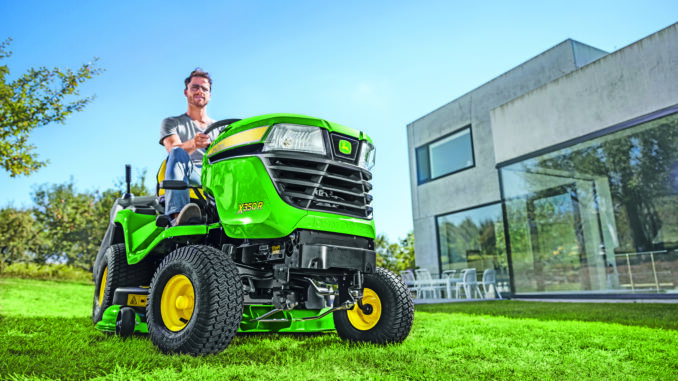
Introduction / Model overview
The John Deere L lawn tractor family is an older, entry‑level residential mower line designed primarily for small to medium home lawns rather than heavy ground‑engaging work. These machines are basic, light, and relatively simple compared with later 100‑series models, which makes them approachable for DIY owners but also a bit more sensitive to neglect and incorrect setup.
This John Deere L Parts Service and Repair Guide pulls everything into one place: how the tractor is put together, which parts you actually buy most often, how to diagnose common problems by symptom, and when to do the work yourself versus handing it to a dealer. It is written for homeowners in the USA and Canada who want practical, step‑by‑step help without wading through technical manuals.
General overview of the John Deere L lawn tractors
The John Deere L series sits below later D and E residential tractors in the Deere line up, aimed at basic mowing and yard work rather than ground‑engaging or commercial use. At its core you have a single‑cylinder gasoline engine, a belt‑driven mower deck (often 42″ on many L‑series units), and a hydrostatic or geared lawn‑tractor‑grade transaxle depending on the exact variant.
On a John Deere L tractor, the main systems to think about are:
-
Engine and fuel system: carbureted gasoline engine, gravity or pump‑fed fuel, simple ignition.
-
Mower system: under‑slung deck, spindle/bearing assemblies, blades, deck drive belt, idlers, and deck‑lift linkage.
-
Drive system: primary drive belt to the transaxle, transaxle input pulley, and drive linkage.
-
Electrical system: battery, starter, solenoid, safety switches, key switch, PTO switch, and simple wiring harness.
Typical high‑turnover service parts owners buy for John Deere L tractors include:
-
Engine oil and oil filter.
-
Air filter and pre‑cleaner.
-
Spark plug.
-
Fuel filter and fuel line.
-
Mower blades and blade bolts.
-
Mower deck belt and idler pulleys.
-
Primary drive belt to the transmission.
-
Battery and key safety switches.
Always verify individual part numbers by your model and PIN in an official parts catalog or Deere‑focused parts lookup before ordering.
Troubleshooting approach for John Deere L owners
With the John Deere L series, the fastest way to a fix is to start from the symptom you see or hear, not from the part you assume is bad. Think “What is it doing wrong?” and then narrow it down: does it crank, does it move, does it cut cleanly, does anything smell hot or look wet?
For John Deere L tractors, the main symptom buckets are:
-
Starting issues (no crank, slow crank, crank but no start).
-
Running issues (stalling, surging, lack of power, smoking).
-
Cut‑quality problems (strips, scalping, uneven cut).
-
Vibration and noise (deck shake, rattles, squeals).
-
Overheating and leaks (oil, fuel, coolant‑like smells).
-
Transmission and drive problems (won’t move, weak on hills).
-
Electrical and safety switch issues (won’t crank unless you wiggle levers).
Use the sections below to jump straight to the category that matches what your John Deere L is doing.
John Deere L emergency and immediate repair needs
Some problems on a John Deere L tractor must be dealt with immediately because they are safety‑critical or can snowball into expensive failures. If the engine sounds wrong, something is leaking onto hot parts, a belt is burning, or the machine will not reliably stop, park it and fix the cause before “just finishing the lawn.”
Starting issues on John Deere L tractors
When your John Deere L will not start at all, or only cranks weakly, you are usually dealing with a simple electrical, battery, or fuel issue. Do not keep cranking for long periods; you can overheat the starter or flood the engine.
Common causes:
-
Weak or sulfated battery.
-
Corroded battery terminals or poor ground connection.
-
Faulty seat, brake, or PTO safety switch.
-
Blown fuse, bad ignition switch, or bad starter solenoid.
-
Stale fuel, clogged fuel filter, or carburetor bowl issues (for crank‑but‑no‑start).
Owner checklist:
-
Confirm the PTO is off and brake/clutch is fully applied.
-
Check battery terminals for corrosion; clean and tighten both ends including frame ground.
-
Test battery voltage with a meter or at least try a known‑good battery.
-
Inspect the main fuse and visible wiring for damage.
-
If it cranks strongly but will not fire, replace the fuel filter and confirm fresh fuel before moving to carburetor work.
Cut‑quality problems on John Deere L tractors
When a John Deere L leaves uncut strips, scalps, or an uneven finish, the issue is almost always in the deck: blades, belt, deck level, or ground speed. Mowing faster will usually make it look worse, not better.
Common causes:
-
Dull, nicked, or bent blades.
-
Wrong blade type or incorrect orientation (upside down).
-
Deck not level side‑to‑side or front‑to‑back.
-
Deck belt slipping, stretched, or glazed.
-
Mowing too fast or in very wet, long grass.
Owner checklist:
-
Park on flat ground, lower the deck, and remove the key.
-
Inspect blades for sharpness, straightness, and correct mounting; replace or sharpen as needed.
-
Check deck belt for cracks, glazing, or looseness, and replace if suspect.
-
Level the deck using the manual’s procedure, checking side‑to‑side and pitch.
-
Slow your ground speed and take partial‑width passes in tough grass.
Vibration and noise on John Deere L mowers
Excessive vibration on a John Deere L mower, especially when the blades are engaged, should be treated seriously because it can quickly destroy bearings and belts. Loud clunks, grinding, or metallic scraping from the deck area are also stop‑now warnings.
Common causes:
-
Bent blades or mismatched blade set.
-
Packed grass under the deck throwing balance off.
-
Worn spindle bearings or damaged spindle housings.
-
Loose pulleys or idlers, failing idler bearings.
-
Foreign object (wire, rock, stick) caught around the blade or pulley.
Owner checklist:
-
Disengage PTO, shut off engine, and remove the key.
-
Inspect under the deck, remove built‑up grass and debris.
-
Spin each blade by hand (using gloves), feeling for roughness and end play.
-
Check pulleys and idlers for wobble or side‑to‑side play.
-
Replace any obviously bent blades and do not reuse parts with cracked castings or loose bearing bores.
Overheating and leaks on John Deere L lawn tractors
Oil or fuel leaks on a John Deere L can become a fire risk, especially when they wet the muffler, engine, or hot frame areas. Overheating on these air‑cooled engines is more often due to blocked cooling fins and shrouds.
Common causes:
-
Oil leaks from crank seals, valve cover, or filter seal.
-
Fuel leaks from brittle fuel line, loose clamps, or carburetor bowl gasket.
-
Grass packed into cooling fins and engine shrouds.
-
Blocked engine cooling air intake screen.
Owner checklist:
-
Shut the tractor down immediately if you see or smell fuel.
-
Wipe up any oil/fuel and trace the leak to its source before re‑starting.
-
Inspect and replace cracked fuel hoses and secure with proper clamps.
-
Remove shrouds if necessary and blow out cooling fins and debris.
-
After fixing the leak, run the engine briefly while watching the repaired area.
Transmission and drive problems on John Deere L series
If a John Deere L will not move, struggles badly on hills, or makes growling noises from the rear, stop and investigate before it fails completely. Running with a failing belt or low transaxle fluid (on serviceable units) can cause permanent damage.
Common causes:
-
Worn or broken drive belt from engine to transaxle.
-
Debris packed in the belt path or around the fan/pulley.
-
Transaxle overheating from heavy loads or towing.
-
Linkage out of adjustment or a stuck pedal.
Owner checklist:
-
Park safely, chock wheels, and inspect the drive belt path.
-
Verify the freewheel/bypass lever is in the “drive” position, not tow.
-
Check for belt glazing, cracks, or missing chunks and replace if needed.
-
Inspect the plastic fan on the transaxle input shaft for broken blades.
-
If the transmission is making loud internal noises, consider dealer evaluation.
Electrical and safety switch problems on John Deere L tractors
Electrical issues on John Deere L machines are often intermittent and linked to safety switches or corroded connectors. If jiggling the seat or brake pedal suddenly allows it to crank, you have a switch or wiring fault, not a bad starter.
Common causes:
-
Worn seat, PTO, or brake interlock switches.
-
Loose connectors under the seat or near the frame.
-
Chafed wiring harness where it passes over sharp edges.
-
Failing ignition switch or corroded solenoid terminals.
Owner checklist:
-
With the key off, locate and inspect visible safety switches and their harness plugs.
-
Reseat connectors one by one, looking for green corrosion.
-
Check that harnesses are not pinched or rubbed through where they bend.
-
Clean ignition and solenoid terminals and retighten.
-
Replace suspect switches; they are usually inexpensive and easy to fit.
John Deere L DIY or dealer? Repair decision guide
With the John Deere L series, most routine maintenance and many bolt‑on part replacements are DIY‑friendly, but internal engine and transmission work should usually be left to a dealer or reputable shop. If a job needs special pullers, engine splitting, or transaxle teardown, it is beyond the sensible DIY line for most homeowners.
Good DIY jobs for John Deere L owners:
-
Oil and filter changes.
-
Air and fuel filter replacement.
-
Spark plug replacement.
-
Battery replacement and cable cleaning.
-
Mower blades, deck belts, and deck‑leveling adjustments.
-
Seat and safety switch replacement when accessible.
-
Basic carburetor cleaning (off‑tractor bowl clean, external linkages).
Advanced DIY or dealer jobs:
-
Internal carburetor rebuilds and jet changes.
-
Engine governor or timing work.
-
Transaxle repairs beyond replacing the external drive belt or fan.
-
Steering sector, front axle bushing, and major chassis work.
-
Electrical diagnostics involving harness repair or module replacement.
Skill level guide:
-
Beginner: oil change, air filter, spark plug, simple battery swap.
-
Intermediate: deck removal/refit, belt replacement, spindle replacement, safety switch troubleshooting.
-
Advanced: internal engine repairs, hydrostatic transaxle work, wiring harness repair, and detailed carburetor rebuilding.
John Deere L parts needed, OEM vs aftermarket, and key information
Before ordering parts for a John Deere L, you should gather:
-
Full model designation (for example, “John Deere L lawn tractor” plus specific variant).
-
Product Identification Number (PIN) from the tractor frame tag.
-
Engine model and spec code from the engine label.
-
Deck size and style (commonly 42″ on many units, but verify on the decal).
Below is a sample John Deere L parts table to illustrate the type of parts owners commonly replace. Always cross‑check specific OEM numbers in a current parts catalog for your exact machine before purchase.
For John Deere L tractors, OEM belts, pulleys, and safety‑critical parts (steering, brakes, interlocks) are usually worth buying genuine because fit and tension are critical. Aftermarket filters, batteries, and even blades can work fine if they are from reputable brands and correctly cross‑referenced to the OEM numbers.
Where to find John Deere L parts diagrams and manuals
You can get detailed parts diagrams and service information for John Deere L tractors from a handful of reliable online sources:
-
Official John Deere parts catalog and quick‑reference pages: use the official John Deere “Parts & Service” portal to search by model or PIN and view exploded diagrams, part numbers, and notes for your exact serial range.
-
John Deere operator’s manual and maintenance charts: the operator’s manual includes safety information, maintenance intervals, and basic adjustment procedures for your John Deere L; these are often downloadable as PDFs after you enter your model.
-
John Deere technical publications center: paid technical manuals (TM/PC) include deeper diagnostic and teardown procedures if you need workshop‑level detail.
-
Deere‑focused aftermarket parts site with a John Deere L model page: many independent sites offer an illustrated parts catalog tied to genuine or high‑quality aftermarket parts specifically for L‑series tractors.
Use the official catalogs and manuals for part‑number verification and diagrams, then compare prices and stock between the dealer and a trusted aftermarket supplier.
How to locate John Deere L model, serial and engine numbers
Correct model and serial information prevent expensive mistakes when ordering parts for a John Deere L tractor. Different serial ranges can use different belts, spindles, or electrics, so always check the tags, not just the hood decals.
Follow these steps:
-
Locate the tractor Product Identification Number (PIN) plate, usually on the frame under or near the right‑hand rear fender or on the side of the frame under the operator seat area.
-
Wipe the plate clean so you can clearly read the model designation and PIN.
-
Find the engine ID label, typically on the engine blower housing or valve cover; note the engine model, spec/type code, and serial.
-
Find the mower deck decal, usually on the deck shell near one corner, showing the deck model and width.
-
Use these numbers when searching online parts catalogs or talking to your dealer, especially when a site offers PIN‑filtered part lists.
Buying John Deere L parts online and in physical stores
A simple strategy for John Deere L owners is to use online tools to look up the exact OEM part number, then decide where to buy. For hard‑to‑identify, serial‑specific, or expensive parts, the dealer counter is often your safest option; for routine consumables, online or local retail can be very cost‑effective.
Approach:
-
Online: use an official John Deere parts catalog or a high‑quality Deere‑focused site to look up parts by model and PIN, then buy from either the same site or another retailer using the verified OEM number.
-
Dealer counter: best for serial‑break parts, transmission components, and any parts you are unsure about; bring your PIN and engine information.
-
Retail stores: suitable for generic consumables such as engine oil, some filters, batteries, and spark plugs, as long as the packaging clearly lists your John Deere L or cross‑references the correct OEM number.
You can start with the main John Deere “Parts & Service” portal, then compare prices with one or two reputable online dealers that list John Deere L series models by name.
Step‑by‑step fitting guide for common John Deere L DIY jobs
Changing the oil and filter on a John Deere L tractor
Regular oil changes keep the John Deere L engine alive, especially in hot or dusty conditions.
-
Run the engine for a few minutes so the oil warms and flows freely, then shut it off and remove the key.
-
Place a drain pan under the oil drain plug or drain hose and open it carefully, allowing all oil to drain.
-
Remove the old oil filter with a filter wrench if fitted, making sure the old gasket comes off with it.
-
Lightly oil the new filter gasket, screw it on by hand until the gasket contacts the base, then snug another three‑quarters of a turn.
-
Close the drain, refill with the recommended oil grade and quantity, then start the engine, check for leaks, and recheck the oil level.
Replacing mower blades on a John Deere L 42″ deck
Sharp blades on a John Deere L are essential for a clean cut and healthy lawn.
-
Park on a flat surface, set the brake, lower the deck, remove the key, and block the blades from turning with a wooden block.
-
Use the correct size socket and a breaker bar to loosen the blade bolts; note the orientation of each blade (lift wings towards the deck).
-
Remove the blades, inspect the spindle flanges, and clean any rust or debris from mounting faces.
-
Install new or sharpened blades the right way up, aligning them with the spindle holes, and torque the blade bolts to the specified value.
-
Spin blades by hand to ensure they clear the deck and nothing is contacting before mowing.
Replacing the mower deck belt on a John Deere L (42″ deck)
The deck belt on a John Deere L transmits power from the engine pulley to the blade spindles; when it’s cracked or slipping, cut quality suffers.
-
Disengage PTO, set the brake, and lower the deck fully.
-
Note the existing belt routing or take a clear photo, then remove any belt covers guarding the pulleys.
-
Slip the belt off the engine pulley first, then off the idlers and spindle pulleys, checking each pulley for rough bearings.
-
Route the new belt in exactly the same pattern, ensuring it sits fully in each pulley groove and around idlers correctly.
-
Refit belt covers, re‑engage PTO briefly with the engine running at low throttle to confirm smooth operation, and listen for abnormal noise.
Replacing the primary drive belt on a John Deere L tractor
The primary drive belt between the engine and transaxle is key to forward and reverse drive on John Deere L tractors.
-
Park on level ground, set the brake, remove the key, and if needed remove the mower deck for access.
-
Identify the drive belt path from the engine crankshaft pulley to the transaxle input pulley, noting tensioner/idler positions.
-
Relieve belt tension by moving the tensioner or spring as designed, then slip the belt off the engine pulley and carefully out of all guides.
-
Install the new belt in the same route, making sure it is not twisted and is correctly located in belt guides and keepers.
-
Reapply tension, refit the deck if removed, then test drive at low speed to confirm smooth engagement and no belt squeal.
John Deere L maintenance to prevent repeat problems
Preventive maintenance on a John Deere L costs far less than emergency repairs and directly reduces most of the common failures on these tractors. A little regular attention prevents starting issues, belt failures, spindle damage, and overheating.
Focus areas:
-
Starting reliability: keep the battery charged, terminals clean, and replace the fuel filter on schedule.
-
Cut quality: maintain sharp, balanced blades and a correctly tensioned, healthy deck belt.
-
Fire and overheating prevention: keep engine cooling fins, shrouds, and deck undersides clean and free of packed grass.
-
Drive performance: inspect and replace drive belts and transaxle fans before they fail; avoid towing beyond the tractor’s rating.
-
Electrical reliability: periodically inspect wiring harnesses, safety switches, and grounds for corrosion or chafing.
John Deere L maintenance schedule and year‑round checklist
Always base your John Deere L maintenance plan on the official chart for your specific serial‑number tractor, but the pattern below is a good owner‑level starting point.
Daily / before each use
-
Check engine oil level and top up if needed.
-
Walk around the tractor checking for fuel or oil leaks.
-
Inspect tires for obvious damage and safe inflation.
-
Clear grass and debris from the engine screen and hood vents.
-
Visually confirm the deck, belts, and safety shields are intact.
After every 8 hours
-
Brush or blow off grass buildup under the deck and around spindle housings.
-
Inspect mower blades for damage or excessive dulling.
-
Check the battery area for corrosion or loose hold‑downs.
Every 25 hours
-
Clean or replace the air filter pre‑cleaner (if fitted).
-
Inspect the fuel filter for dirt or discoloration and replace if needed.
-
Lubricate steering and deck‑lift pivot points where fittings are provided.
Every 50 hours or yearly
-
Change engine oil (and filter if specified).
-
Check and adjust deck level and pitch.
-
Inspect and replace drive and deck belts as required.
-
Grease front wheel bearings and steering components if grease fittings exist.
Every 200 hours (or as specified)
-
Replace the primary air filter element.
-
Inspect transaxle for leaks and check cooling fan and pulley condition.
-
Review the overall wiring harness for aging or damage.
Seasonal checklist for John Deere L tractors
Spring (pre‑season):
-
Install fresh oil and filter if not done at the end of last season.
-
Charge and test the battery; clean terminals.
-
Sharpen or replace mower blades and confirm deck setup.
Mid‑season:
-
Re‑inspect blades and belts; replace any that are borderline.
-
Blow debris out of the engine cooling system and under the deck again.
Fall / end‑of‑season:
-
Stabilize fuel or drain the system according to your storage preference.
-
Change oil so the engine sits with clean oil over winter.
-
Clean the tractor thoroughly and store it under cover or indoors.
John Deere L: repair, upgrade, or replace?
Deciding whether to repair, upgrade, or replace a John Deere L tractor depends on its overall condition, hours, and what has already been replaced. Because the L series is entry‑level and relatively old, there is a point where chasing major transaxle or engine repairs becomes uneconomical compared to stepping up to a newer model.
Repair if:
-
Problems are limited to belts, blades, filters, or other bolt‑on parts.
-
The engine has good compression and does not consume excessive oil.
-
The frame, steering, and deck shell are still structurally sound.
Upgrade if:
-
You need better cut quality, faster mowing, or a wider deck than the current L provides.
-
You are frequently at the limit of its capabilities (steep slopes, large areas).
-
You want more comfortable seating, better headlights, or improved ergonomics.
Replace if:
-
The engine or transmission has major internal failure and the repair quote approaches or exceeds the value of the tractor.
-
The deck shell is badly rusted through or structurally cracked.
-
Electrical and mechanical issues are chronic and spread across multiple systems.
Expanded troubleshooting FAQ – John Deere L (30+ questions)
1. Why will my John Deere L not start at all?
If your John Deere L is completely dead when you turn the key, suspect the battery, main fuse, ignition switch, or a safety interlock. Start by checking that the battery terminals are clean and tight and that the brake is fully applied with the PTO off. If there is still no click or crank, inspect the main fuse and wiring around the ignition switch. A failed seat or brake switch can also interrupt the start circuit, so wiggling these while trying to start can help identify a bad switch.
2. Why does my John Deere L crank but not fire?
Crank‑but‑no‑start usually points to a fuel or ignition problem. Confirm you have fresh gasoline and that the fuel filter is not clogged. Pull the spark plug, inspect it for fouling, and check for spark; replace it if it looks worn or soaked. If fuel and spark are present, the carburetor may have internal deposits and need cleaning or rebuilding. Avoid repeated long cranking sessions to prevent starter damage.
3. Why does my John Deere L start and then stall?
When a John Deere L starts and dies after a few seconds, it is often a fuel‑delivery issue such as a partially blocked filter or vent. Check that the fuel tank cap vent is clear, as a blocked vent can create a vacuum and starve the engine. Replace the fuel filter if it is old or opaque. Debris in the carburetor bowl or a sticking float can also cause stalling, which may require carburetor service.
4. Why does my John Deere L run rough or surge?
Surging or hunting at low or mid‑throttle is commonly caused by a dirty carburetor or partially blocked jets. Start with fresh fuel and a new fuel filter, then consider using a fuel‑system cleaner as a mild first step. If the problem persists, the carburetor likely needs to be removed and properly cleaned. Make sure the air filter is clean and correctly installed, as restricted air can also upset mixture and cause rough running.
5. Why is my John Deere L smoking?
Blue smoke indicates oil burning, while black smoke suggests a rich fuel mixture. For blue smoke, check that the oil level is not overfilled and that you are running on level ground as much as possible. Persistent blue smoke with high oil consumption may signal worn rings or valve guides, which is a more serious engine issue. Black smoke is often caused by a clogged air filter or a carburetor running too rich, so inspect the filter and choke operation first.
6. Why does my John Deere L lose power when mowing?
Power loss under load can be a combination of engine and deck issues. Verify that the engine is reaching full governed speed at full throttle and that the air, fuel, and spark plug are in good shape. Inspect the deck for heavy grass buildup and check that the belt is tight and not slipping. Overly high ground speed or very tall, wet grass can also overwhelm the tractor; try mowing in lower gear or at reduced hydro speed.
7. Why is my John Deere L leaving uncut strips?
Uncut strips between passes usually mean one or both blades are dull, bent, or misaligned. Remove and inspect the blades for straightness and correct installation; the lift wings must face upward toward the deck. Confirm the deck belt is properly tensioned and not jumping or slipping when engaged. Also ensure that you are overlapping your passes slightly; tight, non‑overlapped passes can show thin missed lines even with a sound deck.
8. Why is the cut from my John Deere L uneven?
Uneven cut height side‑to‑side is usually a deck leveling issue, while front‑to‑back pitch affects how aggressively the mower cuts. Park on a flat surface, measure blade tip heights, and use the deck‑leveling adjustments to bring both sides into specification. Check tire pressures, as a low tire can mimic a deck problem. Replace blades if they are bent, and ensure that the deck hangers, wheels, and brackets are not worn or bent.
9. Why does my John Deere L scalp the lawn?
Scalping happens when the deck is set too low for the terrain or when anti‑scalp wheels and deck pitch are not set correctly. Raise the cutting height and ensure that anti‑scalp wheels are set just off the ground on level turf. Slow down on bumpy or uneven sections and mow across steep slopes rather than directly up and down where possible. Very uneven yards may need leveling or topdressing to fully eliminate scalping.
10. Why does my John Deere L vibrate badly when the blades are on?
Severe vibration when engaging the PTO almost always comes from the deck. Check blades for bends or missing chunks and replace as a balanced set. Inspect spindle bearings by spinning each spindle by hand; any roughness, noise, or looseness means a bearing has failed. Examine pulleys and idlers for wobble and make sure the belt is seated correctly. Do not ignore heavy vibration, as it can damage the deck shell and mounting hardware.
11. Why is my John Deere L making a squealing noise from the deck?
A high‑pitched squeal often points to a dry or failing idler or spindle bearing, or a slipping belt. With the engine off, spin each pulley by hand and listen for grinding or squealing noises. Replace any pulley that feels rough or has side play. If the belt is glazed or has shiny, hard spots, it may be slipping on the pulleys and should be replaced along with any worn idlers.
12. Why does the deck belt on my John Deere L keep coming off?
Belt throw on a John Deere L deck is usually caused by worn or bent belt guides, incorrect belt routing, or severely worn pulleys. Confirm you have the correct belt part number and routing from a diagram. Inspect all belt guides and brackets to ensure they are not bent or missing. Replace pulleys with sharp or damaged grooves and ensure the belt tensioner moves freely and holds proper tension.
13. Why does my John Deere L deck not engage?
If the blades will not come on when you pull the PTO switch, you may have a PTO clutch, belt, or electrical problem depending on the configuration. First, verify the deck belt is intact and correctly routed. Then check the PTO switch and its wiring for damage or corrosion. For electric PTO clutches, ensure the clutch connector is secure and test for power at the clutch with the engine off and key in run; mechanical PTO systems rely on linkage adjustment and engagement cables.
14. Why does my John Deere L not move when I press the pedal?
No movement from a John Deere L tractor with the engine running often points to a failed or disconnected drive belt, a freewheel lever in the wrong position, or internal transaxle issues. Inspect the drive belt from the engine to the transmission for breaks or major wear. Make sure the freewheel/bypass lever is in the “drive” position, not “tow.” If the belt and lever are correct, and there is still no motion, consult a dealer for transaxle diagnosis.
15. Why is my John Deere L slow or weak on hills?
Sluggish hill climbing is sometimes just the limit of an entry‑level lawn tractor, but it can also signal a slipping drive belt or a transaxle struggling with wear. Check the belt for glazing, cracks, or excessive slack and replace if necessary. Avoid overloading the tractor with heavy trailers on steep grades. If the transmission whines loudly and performance continues to drop, professional evaluation is recommended.
16. Why won’t my John Deere L go into reverse?
Difficulty shifting or moving in reverse can be caused by linkage issues, debris, or internal transaxle problems. Inspect the pedal or shift linkage for bends, rust, or obstructions. Make sure the rear of the tractor and transaxle area are clear of sticks, wire, or other debris that could jam moving parts. If links and pedals move freely and the belt is good, internal faults in the transmission may be responsible.
17. Why does my John Deere L roll away when parked?
If the tractor rolls when parked on a slope, the park brake may be out of adjustment or worn. Always set the brake firmly and chock wheels when working on the tractor. Inspect the brake linkage and adjustment points according to the manual and tighten or repair as necessary. Worn brake pads or internal transaxle brake components may need dealer attention if adjustment does not restore holding power.
18. Why does my John Deere L battery keep dying?
Repeated dead batteries usually mean either the battery itself is tired, the charging system is weak, or there is a parasitic drain. Test the battery to ensure it holds charge and replace it if it is older or fails a load test. With the engine running at full throttle, measure charging voltage at the battery; it should be above resting voltage, typically in the mid‑14‑volt range. If charge voltage is low, the stator, regulator, or wiring may be at fault.
19. Why does my John Deere L only start when I wiggle the seat or levers?
This is a classic sign of intermittent safety switch problems. Under‑seat, brake, and PTO switches can wear or develop poor internal contact. Inspect each switch, verify that its plunger or lever is moving fully, and reseat connectors. Replacing suspect switches is fairly inexpensive and can eliminate random no‑start conditions.
20. Why does my John Deere L click but not crank?
A single click from the solenoid with no crank often points to a weak battery, corroded terminals, or a failing starter. Clean both battery posts and cable ends thoroughly, including the ground connection to the frame. Try a known‑good battery or jumper pack; if it still only clicks, the solenoid contacts or starter motor may be worn. Check also for a loose or corroded engine ground strap.
21. What type of oil should I use in my John Deere L engine?
Use a high‑quality four‑stroke engine oil in the viscosity range specified in your operator’s manual, typically a multi‑grade such as 10W‑30 or 10W‑40 rated for small engines. Choose a viscosity appropriate for your climate; colder climates benefit from lighter oils for easier starting. Stick to regular change intervals and avoid overfilling, as too much oil can cause smoking and fouling.
22. How often should I change the oil on my John Deere L?
Follow the interval in your operator’s manual, which is often every 50 hours or annually for typical residential use. You may choose shorter intervals if you operate in very dusty conditions or under heavy load. Always change the filter when recommended and note the date and hours on a simple maintenance log or label on the tractor.
23. How often should I sharpen John Deere L blades?
For typical home lawns, sharpening every 25–50 mowing hours is a reasonable target, but sandy or rough ground can require more frequent attention. Inspect the cutting edge regularly; if it is rounded, nicked, or bent, sharpen or replace the blade. Always keep blades balanced and replace them when they become too thin or damaged for safe grinding.
24. Can I mulch with my John Deere L mower?
Many John Deere L tractors support mulching with either dedicated mulching blades and a deck plug or a full mulch kit. Check whether your deck is compatible with a mulch kit and install the appropriate baffles and blades if so. Remember that mulching works best when grass is dry and only a small amount of the blade length is taken off each pass; slow down if clumps appear.
25. Why is fuel leaking from my John Deere L carburetor?
Fuel dripping from the carburetor or air cleaner area means the float needle is not sealing or debris is stuck in the seat. Turn off the fuel supply or pinch the fuel line to stop the flow. Tap the carburetor bowl gently to see if the float will reseat, but treat this only as a temporary fix. Ultimately, the carburetor will need to be cleaned, and possibly a new needle and seat installed.
26. Why does my John Deere L smell like burning rubber?
A hot rubber smell usually indicates a slipping belt, either on the deck or drive system. Stop the tractor and carefully inspect the belts for shiny, glazed spots or frayed edges. Check that pulleys turn freely and that tensioners are working correctly. Replace any belt showing burn marks and correct the underlying cause such as a seized pulley or misrouted belt.
27. Why does my John Deere L overheat or shut down when hot?
Air‑cooled engines on John Deere L tractors rely on unobstructed cooling fins and blower housings. Packed grass, leaves, and dust reduce cooling and can cause overheating and shutdown. Remove the hood and any engine shrouds as described in the manual, then carefully blow out all fins and airflow passages. Also verify that the engine cooling screen and intake are clear before each use.
28. Why are my John Deere L headlights not working?
Non‑functional headlights can be caused by blown bulbs, a faulty switch, or wiring issues. Inspect the bulbs and replace any that are visibly burnt out. Check the headlight switch and its connector for looseness or corrosion. If bulbs and switch are fine, trace the wiring back to the main harness, looking for pinched or broken wires.
29. Can I tow with my John Deere L tractor?
You can tow small garden carts and similar loads within the limits set in your operator’s manual, but heavy towing on hills can overstress the transaxle. Use low speeds and avoid jerky starts or sudden stops. Do not tow loads that exceed the recommended weight or that compromise braking and steering. For regular or heavy towing, a more robust tractor may be a better choice.
30. How do I winterize my John Deere L?
For winter storage, start with a thorough cleaning and inspection. Either drain the fuel system or add a quality stabilizer to a full tank and run the engine long enough for treated fuel to enter the carburetor. Change the oil so acidic contaminants are removed, and remove or maintain the battery on a smart charger indoors. Store the tractor in a dry, covered area and block rodents from nesting around wiring and the engine.
31. How do I prepare my John Deere L for spring?
In spring, reinstall or reconnect the battery and confirm it is fully charged. Check oil level, air filter, tire pressures, and deck condition. Start the engine and let it warm up while listening for abnormal noises. Finally, test the deck engagement and drive on a safe, clear area before tackling the full lawn.
32. How do I know which deck belt fits my John Deere L?
Deck belts are specific to deck width, configuration, and sometimes serial range. Locate the deck model decal and the tractor PIN, then use an official parts catalog or trusted online lookup to identify the exact OEM belt number. Avoid using generic “close‑enough” belts, as incorrect length or profile can cause poor cut, slippage, and frequent belt throw.
33. Are aftermarket blades okay on a John Deere L?
Quality aftermarket blades can perform well and may be more affordable, but they must match the OEM dimensions, hole pattern, and deck design. Check that the blades are specified for your John Deere L deck model and width. Avoid very cheap, unbranded blades with unclear steel quality or balancing; an unbalanced blade can damage spindles and deck components.
34. When should I consider replacing the engine on my John Deere L?
Engine replacement becomes a question when compression is low, oil consumption is high, and repairs such as ring or valve work would be extensive. Compare the cost of a replacement engine and labor with the overall condition and value of the tractor. On an older L‑series machine with other wear issues, replacing the entire tractor may be more economical.