
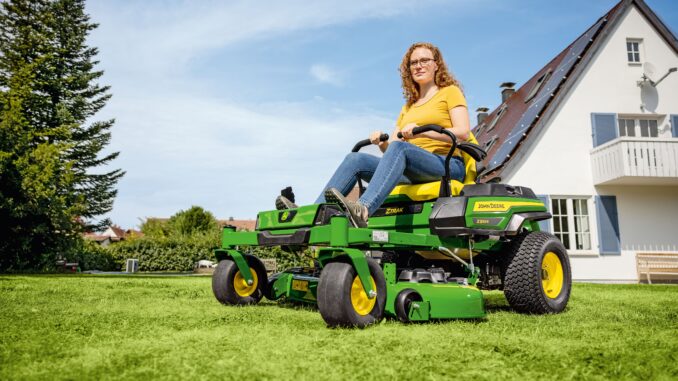
John Deere Z600 Series Lawn and Garden Tractor Models and Maintenance Guide
The John Deere Z600 Series was a premium residential zero-turn mower family designed for owners who needed to mow substantial lawns quickly while retaining a relatively compact, homeowner-oriented machine. Although it is commonly grouped with lawn and garden equipment, the Z600 family consists of zero-turn riding mowers rather than conventional steering-wheel lawn or garden tractors.
These machines were aimed at large residential properties, acreage lawns, estate-style grounds, and users who wanted faster mowing than a conventional lawn tractor could normally provide. Depending on the model, the Z600 Series combined engines in roughly the 23 to 27 horsepower range with 54- or 60-inch mower decks, hydrostatic wheel drive, and commercial-influenced deck and chassis components.
This page serves as a central directory for Z600 Series model-specific guides, maintenance content, attachment information, and troubleshooting material. For broader information covering conventional and zero-turn machines across the brand, see the General John Deere Lawn and Garden Tractor Guide.
About the John Deere Z600 Series Lawn and Garden Tractor Series
The John Deere Z600 Series EZtrak line occupied the upper end of John Deere’s residential zero-turn mower range during its production life. It was built for operators who had outgrown a basic lawn tractor and wanted a mower capable of reducing mowing time on larger, more open properties.
The known North American Z600 Series models are the Z625, Z645, Z655, and Z665. They were generally equipped with V-twin gasoline engines, zero-turn hydrostatic drive systems, independent electric PTO clutches, and mower decks in the 54- to 60-inch class. Exact engine supplier, horsepower rating, deck availability, and equipment level could vary by production year and model.
In practical terms, the Z600 was not a replacement for a true garden tractor where heavy ground-engaging work was required. A conventional garden tractor such as an X500 Series or X700 Series machine could be better suited to certain towing, snow-removal, or rear-implement tasks. The Z600 Series instead prioritized mowing productivity, maneuverability around trees and landscape beds, and high-quality finish mowing.
Most Z600 machines used dual hydrostatic wheel-drive systems controlled by lap bars. This arrangement gave each rear wheel independent speed and direction control, allowing the mower to turn within its own footprint. The design makes a Z600 especially effective around obstacles, but it also demands more care on slopes, wet grass, ditches, and loose surfaces than a conventional steering-wheel lawn tractor.
Typical Z600 Series equipment included a fabricated mower deck, electric blade engagement, a high-back operator seat, anti-scalp wheels, adjustable cutting height, wide rear turf tires, and heavy-duty hydrostatic components. Depending on the model and year, the line could include Edge or Edge High-Capacity mower decks, deck wash provisions, high-capacity collection equipment, and towing capability for light yard carts.
Relative to other John Deere lawn and garden families, the Z600 Series sat above basic residential zero-turn and lawn tractor products but below the heavier professional-focused Z900 commercial zero-turn range. It was a large-property mowing machine first, with limited suitability for the broad attachment ecosystem associated with traditional garden tractors.
John Deere Z600 Series Lawn and Garden Tractor Models
The Z625, Z645, Z655, and Z665 represent the principal known North American Z600 Series EZtrak models. Some specification differences occurred by serial-number range, production year, engine supplier, deck option, and dealer-installed equipment. When ordering maintenance parts or diagnosing a machine, confirm the full model designation and product identification number rather than relying on the model number alone.
The Z645 and Z655 are particularly important models in the series because they shared much of the Z600 platform while differing in engine configuration and equipment specification. The Z665 generally represented the wider-deck option, making it suitable for operators with large, relatively unobstructed mowing areas. The Z625 occupied the entry point of the Z600 family in some model-year lineups but still used the larger Z600 chassis and zero-turn layout.
Z600 Series Lawn and Garden Tractor Maintenance Guides
A Z600 Series mower should be maintained as a high-output mowing machine rather than treated like a small occasional-use lawn tractor. The combination of a large mower deck, high-speed blade system, V-twin engine, electric PTO, and hydrostatic wheel drives means that routine checks can prevent expensive failures and improve mowing quality.
Maintenance intervals vary by model year, engine supplier, hour meter reading, operating conditions, and whether the mower works in dusty, wet, or high-grass conditions. Always use the operator’s manual for the exact machine as the primary interval reference.
Routine Service and Checks
Start each mowing season with a systematic inspection rather than waiting for a problem to appear. Check engine oil level before use, inspect the air filter and pre-cleaner, confirm that fuel lines are sound, and examine the battery terminals for corrosion. A mower that operates in dusty conditions may need air-filter attention much more frequently than one used on a small, clean lawn.
Typical routine service areas include:
-
Engine oil and oil filter changes at the recommended hour interval.
-
Air-filter inspection, cleaning where permitted, and replacement when restricted or damaged.
-
Spark plug inspection and replacement on gasoline models.
-
Fuel-filter replacement and inspection of fuel hose condition.
-
Battery cleaning, charging-system checks, and terminal protection.
-
Hydraulic drive cooling-area inspection and debris removal.
-
Hydrostatic drive belt inspection for glazing, cracking, oil contamination, or loss of tension.
-
Mower deck belt inspection before the peak mowing season.
-
Grease-point servicing where the specific mower model provides fittings.
-
Tire-pressure checks, especially before diagnosing uneven mowing or poor steering response.
-
Fastener inspections around the seat, ROPS-equivalent protective structures where fitted, deck hangers, wheels, and control levers.
The Z600 Series lawn and garden tractor service interval checklist can help owners organize seasonal servicing around hours of operation. DIY maintenance for Z600 lawn tractors should also include a record of engine oil changes, blade replacement dates, battery age, belt replacements, and any recurring drive or PTO symptoms.
The hydrostatic drive system deserves particular attention. Do not assume that a loss of ground speed automatically means an internal hydrostatic failure. A slipping drive belt, debris-packed cooling area, low engine speed, parking-brake linkage issue, bypass-valve position, or worn pulley can produce similar symptoms. Diagnose external causes before assuming that pumps or wheel motors need replacement.
Mower Deck, Cutting Quality, and Belt Care
A large deck can mow quickly, but it must be kept level, clean, sharp, and properly driven. Poor cutting results are often caused by blades, deck setup, tire pressure, grass conditions, or operator speed rather than by the engine itself.
Inspect the mower deck regularly for packed grass, corrosion, cracked welds, bent baffles, worn anti-scalp wheels, loose spindle pulleys, and damaged belt guards. Remove accumulated grass from the deck shell and discharge area after mowing, especially when cutting damp grass. Packed material retains moisture, reduces airflow, increases corrosion risk, and can impair the deck’s discharge performance.
Blade maintenance is equally important. Sharpen blades when the cut begins to look torn or brown at the grass tips, but do not simply grind one side excessively. Keep the blades balanced, inspect them for bends and cracks, and replace damaged blades rather than attempting a repair. A severely worn or unbalanced blade can damage spindle bearings and create vibration throughout the machine.
Mower deck maintenance and cutting quality on Z600 Series tractors should cover:
-
Confirming correct tire pressure before deck leveling.
-
Checking side-to-side deck level.
-
Checking front-to-rear deck pitch according to the model-specific specification.
-
Inspecting deck-drive belts for cracks, glazing, frayed cords, and contamination.
-
Checking spindle housings and pulley fasteners.
-
Inspecting idler arms, springs, and belt-routing guides.
-
Cleaning the deck underside and discharge chute.
-
Replacing worn anti-scalp wheels and confirming their height adjustment.
-
Matching blade type to mowing conditions, including standard, mulching, bagging, or high-lift blades where approved.
Deck belt and spindle service for Z600 lawn and garden tractors is particularly useful for owners who notice belt squeal, blade slowdown in dense grass, uneven discharge, vibration, or a deck that will not engage properly.
Steering, Axle, and Chassis Maintenance
Unlike a conventional lawn tractor, a Z600 Series mower steers through the independent operation of its rear wheel drives. However, the front caster wheels, caster forks, front wheel bearings, chassis structure, and lap-bar control linkage still require regular inspection.
Check the front caster wheels for wobble, damaged bearings, loose hardware, worn bushings, or bent forks. A caster wheel that does not swivel freely can make the mower track poorly, tear turf during turns, or place extra strain on the operator’s steering inputs. Inspect the rear tires for uneven wear, sidewall damage, punctures, and evidence of wheel or hub movement.
The lap bars should move smoothly, return correctly to their neutral position, and not bind against the seat, console, or safety interlock components. If the mower creeps forward or backward with the levers in neutral, check neutral adjustment, linkage condition, parking-brake operation, and hydrostatic control calibration before assuming a transmission defect.
Steering and front axle maintenance across Z600 lawn and garden tractors should include inspection of:
-
Front caster-wheel bearings and wheel fasteners.
-
Caster forks, pivot hardware, and frame mounting points.
-
Rear wheel lug nuts and wheel-hub condition.
-
Lap-bar pivots, linkages, dampers, and neutral-return operation.
-
Chassis welds and fasteners around the engine, deck, seat, and hydrostatic-drive mounts.
-
Tire pressure and rear-tire tread condition.
-
Parking-brake linkage and safety-switch operation.
Z600 Series Lawn and Garden Tractor Troubleshooting Guides
Troubleshooting a Z600 Series mower is best approached by separating the symptom into one of four areas: engine operation, PTO and deck operation, hydrostatic ground drive, or chassis and control issues. A mower can have more than one fault at the same time, especially after long storage, a belt failure, a battery issue, or operation in heavy grass.
Before working under the deck or around belts, stop the engine, remove the key, disengage the PTO, set the parking brake, wait for all moving parts to stop, and disconnect the spark plug leads or battery where appropriate. Never rely solely on the lap bars or parking brake to make a zero-turn mower safe for under-deck work.
Starting, Engine, and Fuel / Ignition Problems
Common Z600 starting problems include a discharged battery, corroded terminals, failed safety interlock, faulty brake or PTO switch, loose wiring, blown fuse, starter-solenoid fault, poor fuel quality, plugged fuel filter, carburetor contamination, and ignition problems.
A no-crank problem should be separated from a cranks-but-will-not-start problem. If the starter does not turn the engine, first inspect battery condition, battery cables, fuse condition, PTO switch position, parking-brake operation, lap-bar or neutral-switch position, and starter circuit connections. If the engine cranks normally but does not start, shift attention to fuel, spark, compression, and air flow.
Hard starting or stalling under load can be caused by old fuel, water contamination, a restricted fuel filter, carburetor deposits, a blocked tank vent, a weak ignition coil, fouled spark plugs, an overly restricted air filter, or an engine that is overheating due to debris accumulation around cooling fins and screens.
Z600 Series lawn and garden tractor starting problems – diagnostics and fixes should help owners distinguish among electrical, interlock, fuel, and ignition faults. Engine and fuel system issues across Z600 Series tractors should also address the importance of using fresh fuel, avoiding long-term storage with untreated gasoline, and checking for rodent damage to wiring or fuel lines after winter storage.
Mower Deck, PTO, and Cutting Performance Problems
When a mower deck will not engage, begin with the simplest possibilities. Confirm that the engine is running at the proper operating speed, the PTO switch is engaged correctly, safety interlocks are satisfied, and the deck belt is present and routed correctly. Then inspect the PTO clutch wiring, fuse, electrical connectors, clutch air gap where applicable, deck idlers, tension spring, pulleys, and belt condition.
Blades that stop or slow down in heavy grass may indicate a worn deck belt, weak idler spring, failing PTO clutch, pulley damage, seized spindle, overgrown grass, excessive ground speed, or a dull blade that requires too much power to cut. A deck may also struggle if wet grass is packed beneath the shell or around the discharge opening.
Uneven cutting has several common causes:
-
Incorrect tire pressure.
-
Deck that is out of level.
-
Uneven blade wear or incorrect blade installation.
-
Bent blade or damaged spindle.
-
Worn anti-scalp wheels.
-
Mowing too quickly for grass height and density.
-
Overlap that is too narrow.
-
Grass laid over by excessive speed or poor deck airflow.
-
Mowing wet or excessively tall grass in a single pass.
PTO and deck engagement problems on Z600 lawn tractors should provide a structured path from switch and fuse checks through belt inspection and PTO-clutch diagnosis. Cut quality and deck vibration issues on Z600 Series models should cover blade balance, spindle bearings, deck alignment, bent pulleys, belt damage, and debris buildup.
Drive, Transmission, and Traction Problems
Because the Z600 Series uses independent hydrostatic rear-wheel drive, drive complaints may affect one side or both sides. A mower that will not move at all may have the parking brake applied, hydrostatic bypass valves in the release position, a failed or dislodged drive belt, severe belt slip, incorrect control linkage adjustment, or an engine that is not reaching operating speed.
If only one side loses drive, inspect that side’s wheel, hub, drive belt arrangement, linkage, cooling condition, hydrostatic component mounting, and control-arm movement. A wheel that turns weakly or intermittently may also point to a hydrostatic issue, but external checks should come first.
Slow travel speed or weak hill performance may result from:
-
A slipping or worn transmission drive belt.
-
A belt contaminated by oil, grease, or fuel.
-
Hydrostatic-drive overheating caused by blocked cooling screens or debris.
-
Low engine speed from fuel, governor, or engine-maintenance problems.
-
Incorrect lap-bar linkage or neutral setting.
-
Low tire pressure or poor turf-tire condition.
-
Wet, loose, steep, or heavily sloped terrain beyond the machine’s safe operating conditions.
-
Excessive deck load from tall, wet, or dense grass.
A zero-turn mower’s traction characteristics differ from those of a conventional lawn tractor. The rear wheels carry the drive load, while the front caster wheels do not provide pulling force. This makes the machine highly maneuverable but can make it easier to lose traction on wet slopes, loose soil, leaves, ditches, and abrupt changes in ground level.
Drive and transmission problems on Z600 lawn and garden tractors should distinguish drive-belt and linkage faults from internal hydrostatic faults. Traction and hill performance issues across Z600 Series models should emphasize safe operating technique, gradual turns, avoiding sudden lap-bar movements, and avoiding terrain where traction loss could lead to a slide or rollover.
Attachments and Implements for the Z600 Series Lawn and Garden Tractor Series
The Z600 Series was primarily designed as a finish-mowing platform. Its main functional equipment was the mid-mounted mower deck, with deck size and configuration varying by model. Depending on the specific mower and production year, owners could also use compatible bagging systems, mulch kits, towing equipment, mower covers, and selected lawn-care accessories.
Typical attachment and accessory categories include:
-
Mid-mount mower decks in the 54- or 60-inch class.
-
Mulching kits and dedicated mulching blades.
-
High-lift blades and bagging-oriented blade sets where approved.
-
Rear bagging systems and collection equipment.
-
Utility carts for light towing tasks.
-
Lawn sweepers where towing limits and terrain allow.
-
Aerators and dethatchers suitable for the mower’s approved towing capacity.
-
Mower covers for off-season storage.
-
Hitch equipment and drawbar accessories where fitted or approved.
-
Replacement anti-scalp wheels, deck gauge wheels, and deck-maintenance components.
A Z600 Series mower is not generally intended to perform the full range of front-blade, snowblower, rear-tiller, or ground-engaging implement duties associated with a conventional John Deere garden tractor. Owners who regularly need to move snow, cultivate soil, use a rear tiller, or handle heavier towing loads may be better served by a compatible X500 Series, X700 Series, or compact utility tractor platform.
Compatibility depends on more than the model name. Confirm the mower’s deck size, serial-number range, frame layout, rear hitch arrangement, electrical system, PTO and belt-drive configuration, rated towing guidance, and whether an accessory was designed for the specific Z600 production generation.
Attachments and implement options for Z600 lawn and garden tractors can help owners identify suitable mower, bagging, towing, and storage equipment. Setting up and using snow equipment and yard attachments on Z600 Series tractors should clearly distinguish accessories that the mower can safely use from equipment better suited to dedicated garden tractor or utility tractor platforms.