
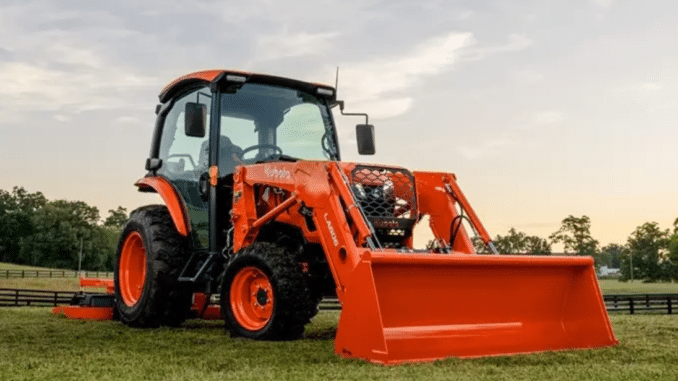
Kubota LX Series Compact Tractor Models and Maintenance Guide
The Kubota LX series is a compact tractor range for owners who need one machine for mowing, loader work, driveway maintenance, snow removal, landscaping, and small-acreage jobs. Introduced in North America in 2020, the series combines a relatively manageable chassis with features such as hydrostatic drive, power steering, available factory cabs, and support for a wide range of implements. The original lineup included the LX2610SU, LX2610, and LX3310; the later LX20 generation expanded the range with LX2620, LX3520, and LX4020 models, including utility and narrow configurations.kubotausa+1
This directory brings together current and superseded USA/Canada LX models, with descriptive routes to individual model guides, maintenance articles, attachment information, and symptom-based troubleshooting posts.
Start with the General Kubota Compact Tractor Guide for an overview of Kubota’s tractor families. Use this LX index to identify your model and configuration, then move into the relevant service or diagnostic guide. Before ordering parts or following a repair procedure, confirm the complete model designation and tractor serial number—not just the large model number on the hood.
About the Kubota LX Compact Tractor Series
Across its North American history, the LX series covers approximately 23.3–39.8 gross engine horsepower. Original LX2610 models were rated at 24.8 hp, while the LX3310 delivered 30.8 hp. Later models include the 23.3 hp LX2620, 34.9 hp LX3520, and 39.8 hp LX4020. Engine horsepower and PTO horsepower are different figures; use the PTO rating when matching powered implements.kubotausa+1
These are small-frame compact tractors rather than BX-style sub-compacts or heavier utility tractors. Published LX20 tractor weights run from approximately 1,775 lb for an open-station LX2620 to about 2,624 lb for certain larger cab configurations, before adding a loader, implement, ballast, or operator.kubotausa
Most LX configurations combine 4WD with a three-range hydrostatic transmission. Low range suits demanding slow-speed work, medium range covers many everyday tasks, and high range is primarily for travel. The important exception is the LX3520DTN Narrow, a gear-drive specialty tractor intended for restricted-width applications.kubotausa+1
Typical equipment includes hydrostatic power steering, a Category I three-point hitch, a 540-rpm rear PTO, and either an open station with ROPS or an available factory heating-and-air-conditioning cab. Mid-PTO provision, cruise control, seat equipment, lighting, and hitch conveniences vary by model. Special Utility models require particular attention: they do not necessarily include the mid PTO or premium equipment fitted to standard versions.kubotausa+1
Within Kubota’s compact lineup, the LX occupies the feature-rich, mixed-use space between smaller property-maintenance tractors and larger utility-oriented machines. For comparison, use the Kubota BX Series index for sub-compact ownership, the Kubota B Series index for smaller compacts, and the Standard L and Grand L indexes when considering a larger tractor.
The LX is especially useful when ownership combines lawn care, seasonal snow work, material handling, and rear-implement jobs. Compatible configurations support loaders, backhoes, 60- or 72-inch mid-mount mowers, and numerous rear implements—but these capabilities do not apply equally to every LX variant.kubotausa+1
Kubota LX Compact Tractor Models (Option B: Table)
The following across-time index separates meaningful factory configurations so that cab, Special Utility, and narrow tractors are not hidden beneath a single model name.
“Superseded” identifies the earlier LX10 generation rather than guaranteeing that every dealer has sold its remaining inventory. LX2610 and LX3310 tractors may still appear in dealer listings or financing offers. “Current-generation” identifies publicly documented LX20 configurations; availability and equipment packages vary between the USA and Canada.kubotausa+2
| Model | Approx. HP / configuration / tractor class | Typical tasks / use case | See Specific Post |
|---|---|---|---|
| Kubota LX2610SU / LX2610SUHSD (superseded) | 24.8 engine hp; approximately 19.5 PTO hp; Special Utility, open-station ROPS, three-range HST, 4WD; no mid PTO | Loader work, rear mowing, driveway grading, garden preparation, compatible backhoe work | Kubota LX2610SU maintenance & troubleshooting guide |
| Kubota LX2610HSD (superseded) | 24.8 engine hp; approximately 19.5 PTO hp; standard open-station ROPS compact, three-range HST, 4WD | Mixed mowing, loader work, landscaping, snow removal, estate maintenance | Kubota LX2610 maintenance & troubleshooting guide |
| Kubota LX2610HSDC (superseded) | 24.8 engine hp; approximately 19.5 PTO hp; factory-cab compact, three-range HST, 4WD | All-season property care, mowing, snow clearing, loader work | Kubota LX2610 cab tractor service and ownership guide |
| Kubota LX3310HSD (superseded) | 30.8 engine hp; approximately 27.0 PTO hp; open-station ROPS compact, three-range HST, 4WD | PTO-intensive mowing, tilling, loader work, landscaping, light farm work | Kubota LX3310 maintenance & troubleshooting guide |
| Kubota LX3310HSDC (superseded) | 30.8 engine hp; approximately 27.0 PTO hp; factory-cab compact, three-range HST, 4WD | Snow removal, estate maintenance, mowing, rear-implement work | Kubota LX3310 cab model common problems and fixes |
| Kubota LX2620SU / LX2620SUHSD (current-generation utility variant) | 23.3 engine hp; approximately 19.4 PTO hp; Special Utility ROPS compact, three-range HST, 4WD; no standard mid PTO | Loader work, rear implements, grading, general acreage maintenance | Kubota LX2620SU specs and attachment overview |
| Kubota LX2620HSD (current-generation) | 23.3 engine hp; approximately 19.4 PTO hp; standard ROPS compact, three-range HST, 4WD | Lawn mowing, loader work, snow clearing, gardening, mixed property care | Kubota LX2620 maintenance & troubleshooting guide |
| Kubota LX2620HSDC (current-generation) | 23.3 engine hp; approximately 19.4 PTO hp; factory-cab compact, three-range HST, 4WD | Year-round mowing, snow removal, landscaping, light material handling | Kubota LX2620 cab tractor maintenance guide |
| Kubota LX3520HSD (current-generation) | 34.9 engine hp; approximately 28.7 PTO hp; standard ROPS compact, three-range HST, 4WD | Rotary cutting, tilling, loader work, grading, demanding property maintenance | Kubota LX3520 maintenance & troubleshooting guide |
| Kubota LX3520HSDC (current-generation) | 34.9 engine hp; approximately 28.7 PTO hp; factory-cab compact, three-range HST, 4WD | Snow removal, mowing, landscaping, extended rear-implement operation | Kubota LX3520 cab tractor specs and service guide |
| Kubota LX3520SU / LX3520SUHSDC (current-generation utility cab variant) | 34.9 engine hp; approximately 28.7 PTO hp; Special Utility factory cab, three-range HST, 4WD; reduced premium equipment, optional mid PTO in published US specifications | Loader work, rear mowing, grading, weather-protected acreage maintenance | Kubota LX3520SU maintenance and attachment compatibility guide |
| Kubota LX3520DTN / LX3520 Narrow; also marketed as LX3520N in Canadian material (current-generation specialty variant) | 34.9 engine hp; approximately 29.6 PTO hp; narrow ROPS tractor, gear transmission, 4WD; approximately 39.4 inches wide | Orchard and vineyard rows, nursery work, spraying, narrow-access mowing and towing | Kubota LX3520 Narrow maintenance & troubleshooting guide |
| Kubota LX4020HSD (current-generation) | 39.8 engine hp; approximately 32.6 PTO hp; standard ROPS compact, three-range HST, 4WD | Higher-demand PTO work, mowing, tilling, landscaping, material handling | Kubota LX4020 maintenance & troubleshooting guide |
| Kubota LX4020HSDC (current-generation) | 39.8 engine hp; approximately 31.2 PTO hp; factory-cab compact, three-range HST, 4WD | All-season estate care, snow removal, mowing, extended implement work | Kubota LX4020 cab model common problems and fixes |
Original-generation model configurations and ratings come from Kubota’s LX10 literature. LX20 configurations and ratings come from Kubota’s expanded LX20 brochure; Canadian material also documents the narrow model under LX3520N/LX3520DTN naming.kubotausa+2
Understanding model names and legacy coverage
In the configurations above, HSD identifies the hydrostatic open-station version, while HSDC identifies the hydrostatic cab version. SU identifies Special Utility equipment, and DTN distinguishes the narrow gear-drive tractor. Use the complete designation when selecting manuals, filters, electrical diagrams, mower equipment, or attachment mounting kits.kubotausa+1
The North American LX family began in 2020, so its legacy directory is shorter than the BX, B, or L directories. Earlier tractors carrying B-series model numbers should remain in the B-series index rather than being relabeled as LX models. Kubota’s original LX launch specifically identified three model families: LX2610SU, LX2610, and LX3310.kubotausa
The table includes the publicly documented North American LX model families and their principal factory configurations identified in the source literature. It does not treat tire packages, loader packages, or dealer-installed accessories as additional tractor models.
LX Compact Tractor Maintenance Guides
LX maintenance should begin with the operator’s manual for the exact model and configuration. Similar bodywork does not guarantee identical engine systems, fluid capacities, filter schedules, or attachment arrangements.
Routine Service and Inspection Points
Build the service plan around daily inspections, operating-hour intervals, and calendar-based replacements.
Before work, check engine oil, coolant level when cold, visible fuel or hydraulic leaks, radiator-screen cleanliness, tire condition, and damaged wiring. Cab models also need attention to condenser screens, ventilation filters, and cab-related components. These inspection areas appear in the LX2620 maintenance documentation.manualslib
Important recurring service items include:
-
Engine oil and filter replacement.
-
Air-cleaner inspection, approved cleaning, and element replacement.
-
Fuel-filter service and water-separator attention where fitted.
-
Transmission/HST fluid-level checks and scheduled filter changes.
-
Hydraulic/transmission fluid replacement.
-
Front axle gear-case oil checks and changes.
-
Cooling-system inspection and coolant replacement.
-
Greasing the specified tractor, loader, and implement fittings.
-
Battery-terminal, fan-belt, hose, wiring, and charging-system inspections.
For a useful model-specific example, the LX2620 manual lists engine oil and engine oil filter replacement at 200 hours, transmission fluid and hydraulic oil filter service at 400 hours, and front axle gear-case oil replacement at 400 hours. Coolant replacement is listed at 2,000 hours or two years, whichever comes first. Initial-service requirements and other filters must be checked separately in the manual’s service chart. Do not apply these figures automatically to every LX tractor.manualslib
The Kubota LX compact tractor service interval checklist should organize these tasks by model, hours, and elapsed time. Pair it with the Kubota LX engine oil, filters, and fluid service guide for fluid specifications, capacities, filter identification, and configuration differences.
Keep a service record showing the date, hour-meter reading, products used, and any leaks or operating changes noticed. This makes subsequent diagnosis more useful than a simple note saying the tractor was “recently serviced.”
Mower, PTO, and Implement Maintenance
Standard LX models can support mid-mount mowing, but the correct deck, mounting equipment, and mid-PTO provision must be confirmed. Published LX20 equipment includes 60- and 72-inch decks; SU and narrow tractors require separate compatibility checks.kubotausa
Cross-model mower and implement care should cover:
-
Checking deck level and cutting-height settings using the deck manual.
-
Inspecting blades for damage, excessive wear, and correct installation.
-
Checking belts, pulleys, spindle bearings, gauge wheels, and discharge guards.
-
Inspecting PTO shaft guards, universal joints, telescoping sections, and locking devices.
-
Confirming PTO shaft length and clearance throughout the hitch’s movement.
-
Checking loader attachment pins, quick-attach locks, hoses, and coupling security.
-
Cleaning hydraulic couplers before connection.
-
Inspecting lift-arm balls, stabilizers, top-link threads, and hitch pins.
For example, adding a quick hitch changes the relationship between the tractor and implement. Shaft length and operating clearance need checking rather than assuming a previously installed PTO shaft remains suitable.
Route mowing owners to Mower deck maintenance on Kubota LX tractors. Use PTO and implement driveline service for LX models for rear implements, coupling inspections, and loader attachment checks.
Before working beneath a deck or attachment, lower or mechanically support it as directed by its manual, stop the engine, remove the key, and wait for all movement to stop. Never rely on hydraulic pressure alone to hold equipment overhead.manualslib+1
Steering, Front Axle, Tires, and Chassis Maintenance
Front axle service matters because LX tractors frequently alternate between mowing, loader work, and 4WD operation. The LX2620 maintenance schedule specifically includes front axle pivot adjustment, front axle oil replacement, wheel-bolt torque checks, and safety-system inspections.manualslib
Inspect these areas regularly:
-
Axle housings, hub seals, and steering components for leakage or damage.
-
Steering joints and linkage for looseness.
-
Accessible 4WD driveline components for damage or abnormal movement.
-
Tires for pressure loss, cuts, uneven wear, and bead damage.
-
Wheel fasteners using the specified torque and recheck procedure.
-
Loader mounting brackets, frame connections, and backhoe subframes.
-
Brake operation, pedal return, and operator-platform condition.
-
ROPS fasteners, seat belt, seat switch, and starting interlocks.
Tire pressure should follow the tire and tractor requirements for the actual load. A mowing setup and a ballasted loader setup may not require the same settings.
Use Front axle and steering maintenance across Kubota LX tractors for inspection procedures. Tire, ballast, and chassis setup for Kubota LX compact tractors should explain how tire choice, axle loading, rear ballast, and attachment weight interact.
Together, these six maintenance guides create a cross-model service hub without duplicating every model-specific procedure.
LX Compact Tractor Troubleshooting Guides
Troubleshooting should start with the symptom, operating conditions, exact model, and recent changes. Record whether the fault occurs cold or hot, with or without an implement, at idle or working speed, and before or after a service.
The following are diagnostic categories, not claims that every LX model has a recurring defect.
Starting, Engine, Fuel, and Electrical Problems
Separate a no-crank problem from an engine that cranks normally but will not start. They lead to different checks.
For no-crank or slow-crank complaints, the initial inspection should cover battery condition, cable connections, grounds, fuses, and the required starting-control positions. Check the relevant interlocks rather than bypassing them. LX manuals include starting-system and electrical inspection procedures.manualslib+1
For normal cranking with poor starting or rough running, investigate:
-
Fuel level and fuel condition.
-
Fuel-filter restriction or water contamination.
-
Air introduced during filter replacement or after running out of fuel.
-
Cold-start and glow-plug operation.
-
Air-cleaner restriction.
-
Warning lights or stored diagnostic information where applicable.
Engine equipment differs across the series. The original LX3310 uses a common-rail diesel, while LX2610 and LX2620 specifications describe different engine arrangements. A bleeding or fuel-system procedure should therefore come from the correct manual, not a generic LX article.kubotausa+1
Black smoke, white smoke, overheating, or power loss should be interpreted alongside engine temperature, load, weather, fuel condition, and warning indications. Begin with visible checks such as clogged cooling screens or an obstructed air intake before assuming internal engine damage.
Use Kubota LX starting problems – diagnostics and fixes as the entry page. Route readers from there to Engine and fuel system issues across LX compact tractors or Battery, charging, and electrical troubleshooting for Kubota LX models.
Common-rail injection testing, high-pressure fuel work, and unresolved electronic faults belong with appropriately equipped technicians. Do not loosen high-pressure injection lines as a DIY diagnostic shortcut.manualslib
Hydraulic, Loader, PTO, and Implement Problems
Weak loader response does not automatically identify a failed pump. First establish whether the complaint affects one loader function, the entire loader, the three-point hitch, or several systems.
Useful initial checks include:
-
Correct hydraulic/transmission fluid level.
-
The specified fluid and filter installation.
-
Fully seated hydraulic couplers.
-
A valve or remote control left in an unintended operating position.
-
Visible hose damage, leakage, or aerated fluid.
-
Whether performance changes substantially as the tractor warms.
-
Whether the load exceeds the attachment’s rated operating capability.
Use the model’s hydraulic and operating instructions to distinguish a setting or connection problem from a component fault. The LX20 literature also shows that loader equipment and capacities differ between configurations.kubotausa+1
For a three-point hitch that will not lift or lower correctly, inspect implement interference, control positions, hitch setup, and the relevant adjustment procedures. For PTO complaints, verify the selected PTO, required control sequence, and implement driveline condition.
Mower or implement vibration calls for a separate inspection of blades, bearings, universal joints, guards, shaft length, and operating speed. Continued operation can turn a relatively simple implement fault into a more extensive repair.
The hub routes are Hydraulic and loader problems on Kubota LX tractors, 3-point hitch and PTO troubleshooting for LX models, and Implement vibration and driveline issues on Kubota LX compact tractors.
Stop work for a suspected high-pressure hydraulic leak. Never search for pinhole leaks with your hands or work beneath an unsupported loader.manualslib+1
Transmission, Drive, 4WD, and Traction Problems
Most LX tractors use three-range HST, so drive complaints need to account for range selection, engine speed, pedal input, load, and temperature. Kubota describes low range as the choice for greater power at low speed and high range as a travel setting.kubotausa
A tractor that struggles with a heavy load in high range may need a different operating range rather than a transmission repair. Repeated loss of drive, abnormal noise, leakage, or performance deterioration still needs investigation.
Organize drive diagnosis around:
-
HST response when cold versus fully warm.
-
Travel range and working load.
-
Brake drag or a parking brake not fully released.
-
Pedal movement and return.
-
Fluid level, filter condition, and recent service.
-
4WD engagement symptoms.
-
Tire sizes, inflation, and front-to-rear compatibility.
-
Axle noise or driveline vibration.
Gear-shift stiffness belongs primarily in the LX3520DTN Narrow guide rather than a general LX HST article. Its gear transmission and specialty chassis distinguish it from the mainstream hydrostatic lineup.kubotausa
Traction complaints also need separation from engine or transmission faults. Wet grass, snow, mud, tire tread, attachment position, and ballast can change how effectively the tractor uses its available power.
Route these symptoms through Transmission and drive problems on Kubota LX tractors, 4WD and traction issues across Kubota LX models, and How ballast, tires, and terrain affect Kubota compact tractor performance. Each broader guide should then direct readers to the matching model-specific article.
Attachments and Implements for the Kubota LX Compact Tractor Series
The LX series supports a broad attachment range, but compatibility must be established for the exact tractor, not simply the LX badge.
Front Loaders, Pallet Forks, and Grapples
Kubota’s documented LX20 loader pairings include the LA535 for the LX2620 and the LA545 for the LX3520 and LX4020. The published brochure gives approximately 1,067 lb and 1,100 lb respectively at the pivot pin at maximum lift height. These are not pallet payload ratings at the fork tips. The LX3520DTN Narrow is specifically excluded from the brochure’s front-loader compatibility.kubotausa+1
When selecting loader attachments, check:
-
The exact loader and quick-attach arrangement.
-
Attachment weight before adding material.
-
Load position and distance forward of the loader.
-
Required rear ballast and axle loading.
-
Hydraulic hose routing and coupler compatibility.
-
Third-function or other suitable hydraulic control for a grapple.
A mechanically compatible quick-attach plate does not establish that an attachment is suitably sized. Heavy forks or a grapple consume part of the tractor’s available lifting capacity.
Backhoes and Digging Equipment
Kubota documents the BH77 as a performance-matched LX20 backhoe, with specifications varying by tractor installation. Confirm the approved subframe, hydraulic connections, seat arrangement, and installation instructions for the exact model.kubotausa
A loader-and-backhoe package is an attachment configuration, not a separate LX tractor model in this directory. Backhoe subframes can also affect mower or hitch installation, so check the complete equipment combination rather than buying components separately and assuming they will coexist.
Mowers, Rotary Cutters, and Tillers
Supported standard LX configurations can use 60- or 72-inch mid-mount mower decks. Rear finish mowers, rotary cutters, and tillers provide alternatives where a mid-mount deck is unnecessary or unsupported.kubotausa
Match a powered implement using:
-
Available PTO horsepower rather than gross engine horsepower alone.
-
Required PTO speed and shaft arrangement.
-
Implement weight and three-point lift capacity.
-
Terrain, vegetation density, or soil conditions.
-
Transport clearance and tractor stability.
-
Quick-hitch compatibility and PTO shaft length.
The LX2620’s approximately 19.4 PTO hp and the LX4020HSD’s approximately 32.6 PTO hp represent meaningfully different implement power classes. The LX4020 cab version has a separately published PTO rating, so even tractors sharing the same main model number should not be treated as specification-identical.kubotausa
Grading, Landscaping, and Small-Acreage Tools
Typical rear-tool choices include box blades, grading scrapers, rear blades, landscape rakes, aerators, spreaders, and ballast boxes. Kubota’s LX literature identifies grading scrapers, box blades, rotary cutters, and other performance-matched implements as part of the series’ intended applications.kubotausa
Category I hitch fit is only the first compatibility check. A tool can attach correctly yet still be too heavy, too wide, or too demanding for the intended conditions.
For loader work, choose ballast using the tractor and loader instructions. Do not assume that any rear implement provides the correct counterweight merely because it is attached to the three-point hitch.
Snow Blowers, Blades, and Seasonal Equipment
LX snow equipment includes front-hitch systems, front blades, and PTO-driven snow blowers. Standard models with the required mid-PTO equipment can support appropriate front-powered attachments, while rear-PTO snow blowers provide another route. SU tractors require particular attention because mid PTO is not standard, and the narrow version has different provisions.kubotausa
Check blower drive requirements, front hitch compatibility, hydraulic controls, tire clearance, ballast, and the approved installation combination. A factory cab can improve operator comfort during prolonged winter work, but it does not replace suitable traction or safe operating practices.
Use Attachments and implement options for Kubota LX compact tractors as the main attachment directory. Connect it to Setting up loaders, mowers, and rear implements on Kubota LX models and Snow removal and seasonal attachment setup for Kubota LX tractors.
Related Guides and Hubs
Use these broader guides to move between tractor selection, routine ownership, and diagnosis:
-
General Kubota Compact Tractor Guide — the top-level directory for compact tractor families, configurations, and ownership topics.
-
Kubota Compact Tractor Maintenance Hub — cross-series inspection checklists, fluid service, lubrication, storage, and seasonal maintenance.
-
Kubota Compact Tractor Troubleshooting Hub — symptom-based routes for starting, engine, electrical, hydraulic, PTO, and drive problems.
-
Kubota BX Series index — the related sub-compact tractor directory.
-
Kubota B Series index — the related small-frame compact tractor directory.
-
Kubota Standard L Series index — the related utility-oriented compact tractor directory.
-
Kubota Grand L Series index — the related premium larger-compact tractor directory.
For an LX-specific question, begin with the exact model row above. Use its model guide to establish the correct configuration, then follow the relevant maintenance, troubleshooting, or attachment topic.