
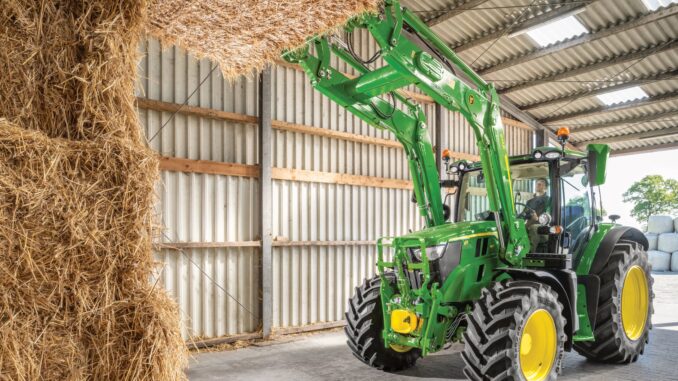
Introduction: John Deere 3025D overview
The John Deere 3025D is a 24.4 hp, 3‑cylinder Yanmar‑powered, gear‑drive compact utility tractor in the 3D series, typically paired with a 300‑series loader and a range of 3‑point implements for small acreage, hobby farms, and light commercial work. It uses a simple 8F/8R collar‑shift transmission, mechanical 4WD, power steering, and an open station layout, which makes it attractive to owners who prefer mechanical simplicity over hydrostatic drive.
This guide covers John Deere 3025D repair, troubleshooting, and maintenance from a homeowner/DIY perspective, including common symptoms, what you can realistically fix yourself, key service parts, where to find diagrams and manuals, and a large troubleshooting FAQ. It is written for owners in the USA and Canada who are comfortable with basic tools and want to keep the tractor reliable without overstepping into jobs that really belong with a dealer.
General overview of the John Deere 3025D
The John Deere 3025D sits at the entry point of the 3D mechanical‑transmission compact utility tractor line, below the 3035D and 3043D in power but sharing many chassis, hydraulic, and driveline components. It is typically used for loader work, rotary cutting, grading driveways, snow removal with rear blades or snowblowers, and general property maintenance. Key systems you will deal with as an owner are the diesel engine and fuel system, open‑center hydraulics (loader and 3‑point hitch), mechanical 4WD and final drives, dry clutch and collar‑shift transmission, steering and front axle, and the electrical/safety interlock system.
For many owners, the most relevant components are:
-
Engine and fuel: Yanmar 3‑cylinder diesel, fuel filter and water separator, glow plugs, air filter
-
Driveline: Dry clutch, 8F/8R gear transmission, mechanical front‑wheel drive, differential lock
-
Hydraulics: Implement pump (3‑point and loader), selective control valves (SCVs), power steering circuit
-
PTO: Independent rear PTO, mid‑PTO if equipped
-
Electrical: Battery, alternator, key switch, safety interlock switches, fuses, and relays
Common 3025D service parts owners frequently buy include:
-
Engine oil filter
-
Engine fuel filter and water separator element
-
Primary and secondary air filter elements
-
Engine oil (diesel‑rated 15W‑40 in many climates)
-
Hydraulic/transmission oil filter and fluid
-
Spin‑on power steering or hydraulic filter (if applicable by build)
-
Fan/alternator belt
-
Glow plugs and relays
-
Fuses, relays, and common safety switches (seat switch, PTO switch, neutral switch)
-
Loader wear parts (greaseable pins and bushings, coupler parts)
Always confirm specific part numbers against your serial number and current parts catalog, as John Deere periodically supersedes part numbers and there may be serial‑break changes.
Troubleshooting approach for a John Deere 3025D
On the John Deere 3025D, the fastest way to the right repair is to start from the symptom you see or hear, not what you think is broken. Ask yourself what the tractor is doing (or not doing), when it happens (cold start, after an hour, on slopes, with PTO engaged), and whether it started suddenly or has been getting worse over time.
Typical John Deere 3025D symptom categories:
-
Starting issues (no crank, slow crank, cranks but will not start)
-
Running issues (stalls, low power, surging, smoke)
-
Hydraulic and loader problems (weak loader, 3‑point not lifting, jerky hydraulics)
-
PTO and implement issues (PTO won’t engage or stay on, vibration under load)
-
Transmission and drive problems (won’t move, grinding gears, clutch issues, 4WD not pulling)
-
Steering and axle issues (hard steering, front axle leaks, shimmy)
-
Vibration and noise (engine vibration, driveline clunk, squeals)
-
Electrical/safety switch issues (dead dash, intermittent shut‑off, blown fuses)
-
Overheating and fluid leaks (coolant, engine oil, hydraulic oil, fuel)
Use this guide as a map: find your main symptom below, work through the quick checks, and stop when you hit something that clearly needs dealer‑level tools, computer diagnostics, or heavy lifting.
Emergency and immediate repair needs on a John Deere 3025D
Some 3025D problems can wait until the weekend, while others can damage expensive components or create safety hazards if you keep operating. This section highlights the “stop now” issues and gives you a quick triage checklist.
John Deere 3025D starting issues
What it looks like: Turn the key and nothing happens, you only get a click, or the tractor cranks but never fires. This matters because repeated cranking can overheat the starter, run down the battery, and in cold weather can cause fuel gelling or wash oil off cylinder walls.
Common causes:
-
Weak or discharged battery
-
Poor battery cable or ground connections
-
Faulty seat, PTO, or neutral safety switches preventing start
-
Blown main fuse or bad key switch
-
Air in the fuel system after filter change or running out of fuel
-
Failed glow plug relay or glow plugs in cold weather
Basic owner checks:
-
Verify PTO is off, transmission is in neutral, and parking brake is set.
-
Check battery terminals for corrosion, ensure clamps are tight, and test voltage with a basic meter if available.
-
Listen for the fuel shutoff solenoid clicking when turning the key to “ON.”
-
Inspect fuses and relays in the main panel, replacing any blown ones with the same rating.
-
If you recently changed the fuel filter or ran out of fuel, follow the bleeding procedure in the operator’s manual to purge air.
John Deere 3025D hydraulic and loader problems
What it looks like: Loader will not lift a full bucket, 3‑point hitch struggles to raise implements, or hydraulics feel jerky or noisy. This matters because running low on hydraulic oil or with a starved pump can damage hydraulic components.
Common causes:
-
Low hydraulic/transmission oil level
-
Wrong hydraulic fluid type or very dirty oil
-
Clogged hydraulic filter or suction screen
-
Air in the system after service
-
SCV levers not centered or quick couplers not fully seated
Basic owner checks:
-
Park safely, lower loader and 3‑point all the way, shut down, and check hydraulic oil level on the dipstick or sight glass.
-
Inspect around the tractor for hydraulic leaks at hoses, quick couplers, and axle seals.
-
Verify all loader quick couplers are fully seated; disconnect and reconnect if needed.
-
With the tractor running at low idle, gently cycle the hydraulic controls full‑travel several times to purge air.
-
If hours are due, replace the hydraulic filter and fluid per the maintenance schedule.
John Deere 3025D vibration and noise issues
What it looks like: New rattles, clunks, or vibrations through the seat or steering wheel, especially when engaging the PTO, moving in higher gears, or turning. This matters because these noises can indicate loose fasteners, U‑joint wear, or driveline misalignment that can escalate into major failures.
Common causes:
-
Loose wheel lug nuts or loader mounting bolts
-
Worn or dry U‑joints on the front driveshaft
-
Loose or failing fan/alternator belt
-
Loose ROPS or seat hardware
-
Worn clutch release or pilot bearing (more advanced)
Basic owner checks:
-
Walk around and visually inspect for loose or missing bolts on wheels, loader mounts, and ROPS.
-
Check tire pressure on all four tires and correct to the recommended PSI.
-
With the engine off, inspect the fan/alternator belt for cracks and proper tension.
-
Look at the front driveshaft and U‑joints for play, damage, or missing grease.
-
If noises continue or involve internal transmission or clutch, schedule dealer inspection.
John Deere 3025D overheating and leaks
What it looks like: Temperature gauge climbs into the red, warning lights come on, or you see coolant, oil, or hydraulic fluid dripping or spraying. Overheating and leaks can quickly damage the engine or hydraulics if ignored.
Common causes:
-
Radiator screen and fins packed with debris
-
Coolant level low or wrong coolant type
-
Fan belt loose or broken
-
Engine oil or hydraulic leaks at filters or hoses
-
Stuck thermostat or faulty water pump (advanced)
Basic owner checks:
-
Stop immediately if the tractor overheats; shut down and let it cool before opening the hood or radiator cap.
-
Clean the radiator screen and gently blow debris from radiator and oil cooler fins.
-
Check coolant level in the overflow tank and at the radiator cap when fully cool.
-
Inspect engine and hydraulic filters for leaks or loose installation.
-
If coolant or oil loss is significant or recurring, consult a dealer.
John Deere 3025D transmission and drive problems
What it looks like: Tractor will not move, grinds going into gear, or you lose 4WD pulling power. This matters because clutch and transmission repairs are expensive once damage is done.
Common causes:
-
Clutch pedal free play incorrectly set or clutch worn
-
Operator shifting without fully depressing the clutch on the collar‑shift transmission
-
4WD lever not fully engaged or mechanical issue in front axle
-
Rear differential or final drive low on oil
Basic owner checks:
-
Confirm the range and gear levers are fully in position and you are using the clutch correctly.
-
Check the clutch pedal free play against the operator’s manual and adjust if owner‑adjustable.
-
Inspect for visible oil leaks at rear axle housings and front axle.
-
Engage/disengage 4WD while stopped to confirm engagement is solid.
-
If gears grind or the tractor creeps with the clutch fully depressed, schedule dealer service.
John Deere 3025D electrical and safety problems
What it looks like: Dead dash, intermittent shutoff, PTO that won’t engage, or the tractor won’t crank with no obvious reason. Safety switches and wiring are frequent culprits.
Common causes:
-
Faulty seat switch or PTO switch
-
Damaged wiring under the seat or around the clutch/brake pedals
-
Corroded grounds or battery terminals
-
Blown fuses or a failing ignition switch
Basic owner checks:
-
Wiggle the seat gently while trying to start (stay safe) to see if the seat switch cuts in and out.
-
Inspect wiring harnesses under the seat, around the pedals, and at the PTO lever for chafing.
-
Check and clean grounds from battery to frame and engine block.
-
Replace suspect fuses with correct‑rating fuses only.
-
If issues persist, have a dealer test individual safety circuits.
DIY or dealer? John Deere 3025D repair decision guide
On the John Deere 3025D, most routine maintenance and basic bolt‑on repairs are well within DIY range, especially fluid and filter changes, battery and fuse work, basic wiring repairs, and simple adjustments. Once you get into clutch replacement, internal transmission work, hydraulic pump replacement, differential or front axle rebuilds, and ECU‑related diagnostics, you are into dealer or advanced independent shop territory.
Good DIY jobs on a 3025D:
-
Engine oil and filter changes
-
Fuel and air filter replacement
-
Hydraulic/transmission oil and filter changes (if properly equipped and with manual in hand)
-
Fan/alternator belt replacement and tension checks
-
Battery and cable replacement
-
Basic electrical troubleshooting (fuses, relays, obvious switch failures)
-
Greasing loader and steering points, checking and tightening external bolts
Advanced DIY or dealer jobs:
-
Clutch replacement and internal transmission work
-
Hydraulic pump replacement or internal leak diagnosis
-
Front axle gear and bearing replacement
-
Injector and high‑pressure fuel system work
-
Major engine repairs (head gasket, pistons, crankshaft)
-
In‑depth ECU diagnostics beyond basic code reading
Skill level guide:
-
Beginner: Engine oil change, air filter, battery replacement, greasing, checking fluid levels.
-
Intermediate: Fuel filter with bleeding, hydraulic filter and fluid service, belt replacement, basic electrical checks with a multimeter.
-
Advanced: Clutch work, internal transmission and differential repair, hydraulic pump or steering valve replacement, engine internal repairs.
Parts needed for a John Deere 3025D: OEM vs aftermarket
Before ordering parts for a John Deere 3025D, gather the following information:
-
Full model designation: John Deere 3025D
-
Product Identification Number (PIN), also called serial number
-
Engine model and serial (Yanmar data plate on the engine)
-
Any equipped options that affect parts (mid‑PTO, 3rd SCV, front loader model)
This information ensures you get the correct parts where there are serial breaks or component variations.
Key John Deere 3025D service parts
Below is a general‑purpose reference table. Always verify each part number against your serial number and current catalog before ordering.
OEM parts are strongly recommended for:
-
Belts, hydraulic filters, and key engine filters where fit and media quality matter
-
Safety‑critical components like brake and clutch parts, steering components, and ROPS or seat belt hardware
-
Electrical control modules, safety switches, and sensors where calibration is important
Aftermarket parts can be a good value for:
-
Engine oil and fuel filters from reputable brands that cross‑reference correctly
-
Batteries with equal or higher CCA and proper dimensions
-
Some wear items like loader bushings or generic hardware, provided dimensions match
Where to find John Deere 3025D parts diagrams and manuals
For a John Deere 3025D, you should have at least the operator’s manual and access to official parts diagrams. Use:
-
John Deere “Manuals and Training” page – Official site where you can search by model (3025D) to find the operator’s manual and other publications.
-
John Deere Quick Reference Guides – Handy sheets listing common maintenance parts, capacities, and service intervals for compact utility tractors.
-
John Deere Technical Publications – Source for the 3025D Technical Manual (often listed as TM902719), which covers detailed diagnostics and repair procedures.
-
A reputable online parts catalog or Deere‑focused dealer site – Many dealers host interactive parts catalogs where you can enter “3025D” and view exploded diagrams for every system.
Keep the operator’s manual bookmarked for routine maintenance intervals and fluid specs, and lean on the parts catalog for exploded diagrams, fastener counts, and hardware sizes when disassembling components.
How to locate model, serial and engine numbers on a 3025D
These numbers matter because John Deere often splits parts and procedures by serial number range and sometimes by engine build. Having them ensures correct filters, seals, and adjustment specs.
Typical locations:
-
Tractor PIN (serial number): On a metal plate or sticker on the right‑hand side of the tractor frame, often near the front axle or loader mount area.
-
Model number: Clearly marked on the hood and sometimes repeated on the serial plate.
-
Engine serial: On a data plate mounted to the side of the Yanmar engine block, usually on the right‑hand side; you may need a flashlight to read it.
-
Loader model/serial (if equipped): On a tag on the loader boom or mast, near the left‑hand arm.
-
Implement model/serial (mowers, blowers, etc.): On a tag or sticker on the implement frame or deck.
Write these in a notebook or your phone so you have them handy whenever you order parts or ask for support.
Buying John Deere 3025D parts online and in stores
A smart parts‑buying strategy saves time and returns. Start with your OEM part number from the operator’s manual or online parts catalog, then decide where to buy based on price, shipping time, and support.
-
Online: Use OEM numbers to search John Deere’s online parts store or reputable dealer websites. Many sites show live inventory and serial‑specific notes.
-
Dealer counter: Best for complex orders, serial‑break items, hydraulic fittings, and when you need advice or confirmation on superseded part numbers.
-
Farm and hardware retailers: Fine for general diesel oil, grease, batteries, and some filters if the packaging explicitly lists compatibility with the John Deere 3025D or cross‑referenced OEM numbers.
Useful URLs to bookmark:
-
John Deere Manuals & Training (search “3025D”)
-
John Deere Quick Reference Guides (compact utility tractor section)
-
Your preferred local Deere dealer’s online parts catalog or a trusted Deere‑specialist parts retailer
Step‑by‑step fitting guide: common John Deere 3025D DIY jobs
Below are practical DIY procedures that most John Deere 3025D owners can handle with basic tools and the operator’s manual for reference. Always park on level ground, lower implements, set the parking brake, and remove the key before working.
Change engine oil and filter on a John Deere 3025D
This improves engine life, prevents wear, and is the foundation of diesel reliability.
-
Run the engine for a few minutes to warm the oil, then park safely, lower implements, and shut down.
-
Place a drain pan under the engine drain plug, remove the plug, and let oil drain completely.
-
Remove the spin‑on oil filter; check that the old gasket comes off with it.
-
Lightly oil the new filter gasket, install the new filter hand‑tight plus a partial turn as specified on the filter.
-
Reinstall the drain plug with a new washer if required, then refill with the correct grade and amount of diesel engine oil.
-
Start the engine, check for leaks, shut down, and verify the oil level on the dipstick after a few minutes.
Replace the fuel filter on a John Deere 3025D
This addresses hard starting, stalling, and low‑power issues caused by restricted fuel flow or water contamination.
-
Close any fuel shutoff (if fitted) and place a pan or rags under the filter assembly.
-
Remove the old fuel filter element or spin‑on filter, capturing any spilled fuel.
-
Clean the filter head and water bowl if present, and inspect O‑rings or seals, replacing them as needed.
-
Install the new filter element, ensuring proper orientation and snug fit of any retaining rings or clamps.
-
Open the fuel shutoff and use the hand primer or bleed screws as described in the operator’s manual to remove air from the system.
-
Start the engine and allow it to run at low idle, checking for leaks and smooth operation.
Change the air filter elements on a John Deere 3025D
Clean air filters protect the engine from dust and support full power, especially in loader work or mowing.
-
Open the hood and unlatch the air cleaner housing cover.
-
Remove the outer primary filter element; gently inspect and replace if dirty, clogged, or damaged. Never blow it out from the inside with high‑pressure air.
-
Carefully remove the inner safety filter only when replacing it; do not attempt to clean it.
-
Install the new inner element fully seated, then the outer element, aligning any tabs.
-
Reinstall the housing cover, ensuring a good seal, and close the hood.
Service the hydraulic/transmission filter on a John Deere 3025D
Fresh hydraulic fluid and a clean filter help maintain strong loader and 3‑point performance.
-
Park the tractor on level ground, lower the loader and 3‑point to relieve hydraulic pressure, and shut down.
-
Position a large drain pan under the transmission/hydraulic drain plug(s) and filter.
-
Remove the drain plug(s) and allow oil to drain; then remove the spin‑on hydraulic/transmission filter.
-
Install a new filter with a lightly oiled gasket, and reinstall drain plug(s) with new seals if applicable.
-
Refill the transmission/hydraulic system with the specified fluid to the proper level.
-
Start the tractor, operate the hydraulics slowly to purge air, check for leaks, and recheck the fluid level.
Maintenance to prevent John Deere 3025D problems
Regular maintenance on the 3025D is your best defense against the most common failures: poor starting, weak hydraulics, overheating, and electrical gremlins. Think in terms of systems and keep small tasks done on schedule.
Focus areas:
-
Starting reliability: Keep the battery healthy, terminals clean, fuel filter fresh, and use proper cold‑weather starting with glow plugs.
-
Engine health: Frequent oil and filter changes, clean air filters, and proper warm‑up and cool‑down under load.
-
Hydraulic performance: Change fluid and filters on time, fix leaks promptly, and keep quick couplers clean.
-
Overheating prevention: Keep radiator screens and fins clean, maintain coolant level and condition, and inspect fan belt tension.
-
Electrical reliability: Periodically check battery, grounds, safety switches, and harnesses for corrosion or damage.
John Deere 3025D maintenance schedule and year‑round checklist
Always confirm exact intervals in your operator’s manual, but this owner‑friendly schedule is based on typical compact utility tractor guidance for a model like the 3025D.
Daily / before each use
-
Check engine oil level.
-
Check coolant level in overflow tank.
-
Walk‑around inspection for leaks (oil, fuel, hydraulic) and loose parts.
-
Check tire inflation and visible tire damage.
-
Verify brake and clutch pedal feel and operation.
After roughly 8 hours (or at each refueling)
-
Clean radiator screen and inspect radiator/oil cooler fins.
-
Check fuel level and drain water from fuel separator if equipped with a drain.
Every 25 hours
-
Grease all loader, steering, and driveline grease points.
-
Inspect air intake system and dust indicator; clean debris around air cleaner.
-
Check battery terminals and cables for corrosion or looseness.
Every 50 hours or yearly (whichever comes first)
-
Change engine oil and replace oil filter.
-
Inspect and, if necessary, replace outer air filter (inner at longer interval).
-
Check fan/alternator belt condition and tension.
-
Check front axle oil level and top up if required.
Every 200 hours (and at major seasonal services)
-
Replace fuel filter element and bleed system.
-
Change transmission/hydraulic fluid and filter as specified in the manual (some models may specify 200–400 hours or yearly/bi‑yearly depending on usage).
-
Inspect brake and clutch linkages and adjust free play as specified.
-
Inspect all hydraulic hoses, fittings, and quick couplers for wear or leaks.
Seasonal checklist for a John Deere 3025D
Spring start‑up:
-
Full inspection of fluids, filters, belts, and battery after winter storage.
-
Grease all points, test 3‑point and loader functions, and check tire pressures.
-
Verify lights and safety switches work correctly before field work.
Mid‑season (summer):
-
Re‑clean radiator and coolers in dusty conditions, check air filters more often.
-
Inspect loader pins and bushings for wear; re‑grease thoroughly.
Fall and pre‑winter:
-
Change engine oil and filters if hours are near due, to avoid dirty oil over winter.
-
Check coolant freeze protection and top up as needed.
-
Prepare for snow or winter work: inspect battery, glow plugs, and block heater (if fitted).
John Deere 3025D: repair, upgrade, or replace?
The John Deere 3025D is a simple, modern compact tractor with a long expected service life if maintained, so most issues are worth repairing, especially on relatively low‑hour machines. Replacement only makes sense when there is a combination of major drivetrain failures and changing needs (more power, cab, hydrostatic drive, or emissions preferences).
Repair a 3025D if…
-
The tractor has moderate hours and needs only engine, hydraulic, or electrical work that is contained to one or two systems.
-
Parts are available at reasonable cost and the frame, axles, and ROPS are in good condition.
-
You like the mechanical 8F/8R transmission and current implement setup.
Upgrade your 3025D if…
-
You frequently need more hydraulic capacity or PTO hp than the 24.4 hp engine comfortably provides.
-
You want hydrostatic drive, a cab, or other comfort upgrades that the 3025D cannot easily retrofit.
-
Your property size or workload has grown and a larger 3E or 3R series would be more efficient.
Replace your 3025D if…
-
There are multiple major failures (engine, transmission, hydraulics) that together approach or exceed the cost of a newer machine.
-
The tractor has seen severe abuse or poor maintenance and corrosion or structural issues are present.
-
You can get strong resale or trade‑in value to move into a newer model that better matches current needs.
Expanded troubleshooting FAQ – John Deere 3025D (30+ questions)
1. Why will my John Deere 3025D not start at all?
If you turn the key and nothing happens, start by checking that the transmission is in neutral, the PTO is off, and the parking brake is set. A dead battery, corroded terminals, faulty key switch, or an open safety switch circuit are the most common causes. Verify battery voltage with a meter if you have one and inspect the fuses and relays. If all visible checks pass, a dealer can test the starter circuit and safety switches individually.
2. Why does my 3025D crank but not fire?
Cranking with no start often points to fuel delivery or air in the fuel system. If you recently changed the fuel filter or ran out of fuel, you may need to bleed the system according to the manual. Check the fuel shutoff solenoid operation and ensure the fuel filter is clean and installed correctly. In cold weather, use the glow plugs properly and verify they are working.
3. Why will my John Deere 3025D only start with the clutch depressed?
On the 3025D, safety interlocks are designed so the tractor typically must see the clutch depressed or transmission in neutral to allow starting. If it suddenly requires clutch depression when it did not before, the neutral switch may be misadjusted or faulty. Inspect the switch at the transmission and its wiring for damage or misalignment. Replacement or adjustment is usually straightforward.
4. Why does my 3025D stall after a few minutes of running?
A tractor that starts and then dies may have a restricted fuel filter, water in the fuel, or a partially blocked tank vent. Check and replace the fuel filter if it is old or contaminated and inspect the fuel cap vent. Also look for collapsing fuel lines or air leaks on the suction side of the fuel system. Persistent issues may require a dealer to check the injection pump and injectors.
5. Why is my John Deere 3025D hard to start in cold weather?
Cold starting depends on strong battery output and working glow plugs. Use the preheat cycle as recommended in the operator’s manual and ensure the battery is fully charged and rated for the temperatures you operate in. If cranking is slow or white smoke persists without firing, suspect weak glow plugs or a faulty glow plug relay. In extreme cold, a block heater is a major help.
6. Why does my 3025D blow black smoke under load?
Black smoke under heavy load is often normal to a point and indicates that the engine is seeing more fuel than air. However, excessive smoke can point to a clogged air filter, overloading beyond rated capacity, or injector/fuel system issues. Start with a clean air filter and sensible gear selection. If smoke persists at light loads, have the fuel system checked.
7. Why does my John Deere 3025D lose power on hills?
Power loss on hills can come from restricted fuel flow, dirty air filters, or trying to climb in too high a gear for the 8F/8R transmission. Make sure filters are fresh and that you are downshifting early rather than lugging the engine. If the tractor feels unusually weak despite proper maintenance, a dealer can run compression or fuel pressure tests.
8. Why is my 3025D hydraulic loader slow or weak?
Weak loader performance usually ties back to low hydraulic oil level, a clogged filter, or air in the system. Check oil level and condition, and inspect for leaks or loose quick couplers. If the loader is a new install, air in the lines can cause slow or jerky operation until purged. Persistent weakness can indicate a worn pump or internal leakage that needs professional diagnosis.
9. Why does the 3‑point hitch on my John Deere 3025D not lift properly?
If the 3‑point struggles or will not raise, confirm that the hydraulic oil level is correct and that any rate‑of‑drop or position control levers are set properly. Check for external leaks around the rockshaft and cylinder. If the loader works fine but the 3‑point does not, the issue may be internal to the rockshaft control valve or lift cylinder, which is typically dealer territory.
10. Why is my 3025D hydraulics jerky or noisy?
Jerky or noisy hydraulics often result from air in the system or a partially restricted filter. After service, cycle the loader and 3‑point fully several times to purge air. Make sure the hydraulic filter is not overdue and the fluid is clean and of the correct type. Excessive whining or cavitation noises under all conditions can indicate pump wear.
11. Why will the PTO on my John Deere 3025D not engage?
If the PTO will not engage, ensure you are following the engagement procedure with the clutch and PTO controls as described in the manual. Safety switches tied to the seat and PTO lever can prevent engagement if faulty. Check for blown fuses related to PTO control. If the engagement lever moves but the shaft does not turn and no mechanical noise occurs, internal PTO clutch or linkage problems need dealer attention.
12. Why does the PTO on my 3025D shut off under load?
PTO that engages but drops out under load may be tied to safety switch issues (seat or PTO lever switch), electrical control problems, or internal PTO clutch wear. First, make sure you are seated firmly and that the seat switch is secure and undamaged. Inspect wiring around the PTO lever. If everything external checks, an internal PTO clutch or control failure is likely.
13. Why do I hear grinding when shifting my John Deere 3025D?
The 3025D uses a collar‑shift gear transmission that requires full clutch depression and deliberate shifts. Grinding usually means the clutch is not fully disengaging or the operator is shifting too quickly without allowing gears to stop. Check clutch pedal free play and adjust according to the manual. If grinding continues even with proper technique, the clutch or related linkage may need repair.
14. Why will my 3025D not move in gear?
If you can shift into gear but the tractor will not move, verify that the range selector is properly engaged and that 4WD/2WD selection feels normal. Check for obvious driveline damage or axle failures. If the engine runs but the tractor will not move and there are no external issues, an internal clutch, transmission, or differential failure is possible and dealer inspection is required.
15. Why does my John Deere 3025D roll when the clutch is fully depressed?
Rolling with the clutch depressed indicates incomplete disengagement or clutch drag. Confirm that clutch pedal free play is within specifications and adjust if the operator’s manual allows owner adjustment. If the problem persists, clutch disc, pressure plate, or pilot bearing wear may be involved. These are typically not DIY jobs.
16. Why is the steering on my 3025D heavy or stiff?
Hard steering can come from low front tire pressure, front axle damage, or hydraulic steering issues. First, correct tire pressures and inspect for mechanical binding in tie rods and axle pivots. If the steering is still heavy and you notice hydraulic whining, the steering valve or pump may be restricted or failing. Check fluid level and filter condition before assuming major repairs.
17. Why does my John Deere 3025D front axle leak oil?
Front axle leaks commonly occur at hub seals or center pivot seals, especially if the tractor has done a lot of loader work. Inspect the axle for wet areas around the hubs and pivot points and top off oil as needed. Seal replacement is an intermediate job that may require special tools; if left unchecked, leaks can lead to gear and bearing damage.
18. Why is my 3025D vibrating more than usual?
New or worsening vibration can be caused by unbalanced or under‑inflated tires, loose wheel or loader bolts, driveline U‑joint wear, or engine mount issues. Check tire pressures, inspect wheels and loader mounts for looseness, and look at the front driveshaft and U‑joints for play. If vibration seems tied to engine speed alone, suspect engine mounts or internal engine balance issues.
19. Why does my fan belt squeal on the John Deere 3025D?
A squealing belt usually means it is loose, glazed, or contaminated with fluid. Inspect belt tension and condition; if it is cracked, frayed, or shiny, replacement is wise. After installing a new belt, follow the manual for tensioning and recheck after a few hours as new belts can stretch slightly. Persistent noise might indicate a failing alternator or idler bearing.
20. Why is my John Deere 3025D overheating?
Overheating is most commonly caused by a packed radiator screen or fins, low coolant, or a slipping fan belt. Clean the radiator screen regularly and blow out the radiator and oil cooler from behind to remove chaff and dust. Check coolant level and mixture, and ensure the belt is tight and driving the fan. If overheating continues, a stuck thermostat or faulty water pump may be involved.
21. Why is coolant leaking from my 3025D?
Coolant leaks often appear at hose joints, the water pump weep hole, the radiator core, or the overflow tank and cap. Inspect all hoses and clamps with the engine cool, and check the radiator cap seal. Minor hose and clamp issues are DIY, but radiator or water pump replacement may be best left to a dealer if you are not comfortable with the work.
22. Why do I see hydraulic oil under my John Deere 3025D?
Hydraulic oil leaks can come from hoses, quick couplers, axle seals, or filter seals. Clean the area and then run the tractor while watching to see where fresh oil appears. Tighten loose fittings gently and replace damaged hoses. If oil is coming from axle seals or internal housings, consider dealer repair due to the labor involved.
23. Why does my 3025D battery keep going flat?
A battery that repeatedly discharges may be old, undersized, or suffering from parasitic draw. Test the battery with a load tester and replace it if weak. Check that the alternator is charging by measuring voltage at the battery with the engine running. If the alternator is fine, a dealer or experienced DIYer can track down parasitic drains with an ammeter.
24. Why are my John Deere 3025D lights not working?
If all lights are out, check the associated fuse and main light switch first. For individual light failures, inspect the bulbs and connectors for corrosion or broken wires. Harness chafing where wires pass through metal or near the loader mounts is common. Repair damaged sections with proper connectors and heat‑shrink.
25. Why does my 3025D randomly shut off while I am driving?
Random shutoffs frequently relate to safety switches (seat, PTO, neutral) or intermittent electrical connections. If bumps trigger the shutoff, suspect loose wiring or a failing seat switch. Inspect harnesses and connectors around the seat and control levers, and verify all grounds are tight. If the engine dies cleanly like the key was turned off, begin with the key switch and fuel shutoff solenoid circuits.
26. Why is there a fuel smell or diesel leak on my John Deere 3025D?
Diesel leaks can occur at the fuel filter, injector lines, return lines, or tank fittings. Look for wet areas, especially after filter changes, and gently snug clamps or connections as needed. Replace cracked hoses or damaged crush washers. Do not ignore fuel leaks near hot exhaust components, as they are a fire risk.
27. Why does my 3025D clutch pedal feel different than before?
A clutch pedal that suddenly feels soft, stiff, or changes engagement point may indicate linkage wear, misadjustment, or clutch component issues. Check the pedal linkage and pivots for wear or missing hardware and compare free play to the manual’s specification. If pedal feel continues to change rapidly, have a dealer inspect the clutch system.
28. How often should I change the engine oil on a John Deere 3025D?
Most compact utility tractors like the 3025D specify engine oil and filter changes around every 50 hours or once per year, whichever comes first, under normal conditions. Dusty or heavy‑duty operation may justify shorter intervals. Always follow the interval and oil specifications in your specific operator’s manual.
29. How often should I change the hydraulic oil and filter on my 3025D?
Hydraulic/transmission fluid and filter service intervals typically fall between 200 and 400 hours depending on model year and usage. New tractors often have an early initial service at a lower hour mark, then longer intervals afterwards. Check your operator’s manual and quick reference guide for the exact schedule for your serial number.
30. What type of oil should I use in my John Deere 3025D engine?
Use a high‑quality diesel‑rated engine oil that meets the specifications listed in your operator’s manual (commonly an API diesel category with viscosity such as 15W‑40 for many climates). Adjust viscosity grade for very cold or very hot environments as recommended. Using the correct specification helps protect emissions and fuel system components.
31. What hydraulic fluid does a 3025D use?
The 3025D normally uses a John Deere‑approved transmission/hydraulic fluid such as Hy‑Gard or its newer equivalent, meeting the exact spec listed in the manual. Avoid generic “tractor fluid” that does not list compatibility with John Deere compact utility tractors. Mixing incompatible fluids can cause noise, wear, and seal issues.
32. How do I know which filters fit my John Deere 3025D?
The safest method is to look up the tractor by model and serial number in the official John Deere parts catalog or quick reference guide. Record the current OEM part numbers, then cross‑reference them to quality aftermarket options if desired. Do not assume that filters for a 3025E or other 3‑series model are identical; there are often differences.
33. How often should I grease my 3025D loader and steering?
Many owners grease loader pins, steering linkages, and front axle pivots every 10–25 hours, and definitely after working in wet, muddy, or dusty conditions. More frequent greasing prolongs component life and reduces looseness. Follow the lubrication chart in the operator’s manual for specific grease points.
34. How do I store my John Deere 3025D over winter?
Before winter storage, change engine oil if due, fill the fuel tank to reduce condensation, add a diesel conditioner if recommended, and check coolant freeze protection. Disconnect or maintain the battery with a smart charger. Park the tractor under cover if possible, lower implements, and release hydraulic pressure. In very cold regions, ensure block heaters and cords are in good condition for winter restarts.
35. When should I consider trading or upgrading my 3025D?
Consider upgrading when your tasks consistently push the tractor to its limits, such as using larger implements, needing a cab for long winter or summer work, or wanting hydrostatic drive for frequent loader work. Also look at the cost of upcoming repairs versus the value of moving into a newer or more powerful model. If your 3025D remains structurally sound and reliable with manageable maintenance costs, keeping it is usually the most economical choice.