
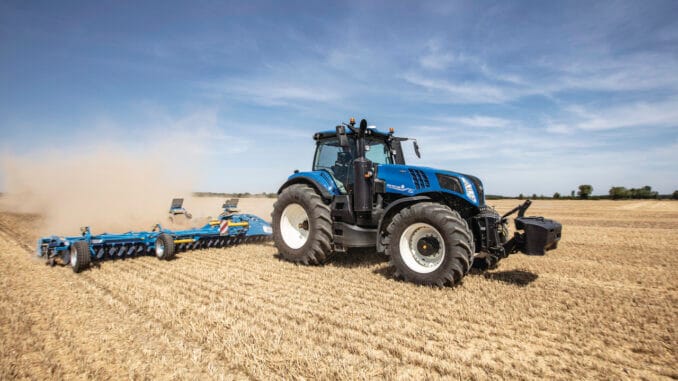
Fixed-speed PTOs offer simplicity and reliability for compact tractor users tackling routine tasks. They excel in small-scale farming and property maintenance where consistent power output matches implement needs without added complexity.
What Are Fixed-Speed PTOs?
Fixed-speed Power Take-Off (PTO) systems deliver power from a compact tractor’s engine to attached implements at a single, preset rotational speed, typically 540 RPM for rear PTOs or 2,000 RPM for mid-mount versions.
Unlike multi-speed or variable PTOs, they lock into one RPM rating, ensuring predictable performance without gears or electronic adjustments. This design traces back to early tractor engineering, prioritizing durability over adaptability in compact models under 60 HP.
In compact tractors like the Kioti CK2620 or John Deere 2-Series, fixed-speed PTOs connect via a splined shaft to implements such as mowers or tillers. Engagement often uses a mechanical lever or basic switch, transferring engine torque directly while the tractor moves or idles.
Their straightforward mechanics reduce failure points, making them ideal for users in the UK or similar regions with variable weather and smaller plots.
Key Advantages
Fixed-speed PTOs shine in cost savings and ease of use for compact tractors. They eliminate the need for expensive multi-speed transmissions, keeping tractor prices 20-30% lower than variable models while delivering full rated horsepower to implements.
Reliability stands out, as fewer moving parts mean less maintenance— no clutches or sensors to wear out in muddy fields or wet conditions common in England. Operators report longer service intervals, with basic lubrication sufficing for thousands of hours.
Fuel efficiency improves too, since the engine runs at optimal RPM without speed-matching adjustments, cutting consumption by up to 15% on steady tasks.
User-friendliness appeals to hobby farmers or smallholders; a single lever engages full power instantly, suiting solo operators without advanced training. Safety benefits from predictable speeds—no accidental overspeeding that could shear pins or fling debris.
Mechanical Design Basics
The core of a fixed-speed PTO is a direct-drive shaft coupled to the tractor’s transmission or engine flywheel. In compact tractors, it mounts at the rear (standard 540 RPM) or mid-chassis (for belly mowers), spinning at engine-matched rates via a one-piece spline. Safety shields and shear bolts protect against overloads, snapping at 200-300% torque to prevent driveline damage.
Power flow works simply: engine RPM multiplies through gearing to hit exactly 540 RPM at full throttle, ensuring implements like rotary cutters operate at design speed. Compact tractors limit output to 15-40 HP via the PTO, matching their size for stability on slopes under 15 degrees. Materials like hardened steel shafts withstand vibration, with grease zerks every 50 hours maintaining smooth operation.
Operational Simplicity
Starting a fixed-speed PTO requires minimal steps: idle the engine, shift to neutral, engage the lever, then throttle up smoothly to avoid lurching. This sequence powers attachments like post-hole diggers without finesse, ideal for quick jobs around small farms or gardens. No digital displays or mode switches mean intuitive use for aging operators or beginners.
In practice, it pairs perfectly with three-point hitches on sub-compact tractors (20-26 HP), lifting 500-1,000 kg while spinning implements. Transitioning between tasks stays fast—detach a mower, attach a baler, engage, and go—boosting daily output on 5-20 acre properties.
Fuel and Cost Efficiency
Owners save on upfront costs, with fixed-speed compact tractors retailing £15,000-£25,000 versus £30,000+ for variable models. Running costs drop further; steady 540 RPM avoids engine lugging, preserving 85-90% efficiency in power transfer. Diesel use averages 2-4 liters per hour on PTO work, lower than hydrostatic drives wasting energy on speed changes.
Long-term, simplicity cuts repair bills—no £500+ solenoids to replace after wet seasons. Resale holds strong, as rural buyers value proven, no-frills PTOs for reliability.
Ideal Applications: Mowing and Groundskeeping
Fixed-speed PTOs dominate lawn and pasture maintenance on compact tractors. Rear 540 RPM drives flail or rotary mowers at optimal blade speeds (2,000-3,000 tip RPM), mulching grass evenly without scalping turf. Mid-PTO at 2,000 RPM powers belly mowers on models like Kioti CS2210, perfect for golf courses, parks, or estates under 10 acres.
In UK climates, they handle wet grass without bogging, unlike variables struggling with load spikes. Operators cover 2-4 acres per hour, far outperforming walk-behinds.
Tilling and Soil Prep
For small-scale cultivation, fixed-speed PTOs excel with rotavators, power harrows, and disc plows. The constant 540 RPM provides steady torque (50-100 ft-lbs) to break clay or loam without stalling, suiting gardens or allotments. On 25-50 HP tractors, they prep seedbeds 4-6 inches deep across 1-2 acres daily.
Precision shines in no-till setups, where consistent speed distributes amendments evenly. Limitations like single speed suit light soils better than heavy clays needing variable torque.
Haying and Forage Tasks
Light hay operations thrive with fixed-speed PTOs driving tedders, rakes, or small square balers. 540 RPM matches implement gearboxes, producing 20-50 bales per hour on sub-10 acre fields. Torque delivery prevents belt slip in dense crops, key for hobby livestock owners.
Compact size lets tractors maneuver tight rows, reducing trampling. In drier regions or controlled pastures, output rivals larger rigs fractionally.
Loader and Material Handling
Though not primary, fixed-speed PTOs support hydraulic pumps for front loaders or manure spreaders. Constant speed ensures steady flow (5-10 GPM), lifting 800-1,500 lbs reliably. Applications include stable cleanup or feeding on small farms, where simplicity beats hydrostatic complexity.
Snow Removal and Winter Work
Mid-PTO fixed-speed units power snow blowers or blades at 2,000 RPM, throwing 20-30 feet on driveways or paths. UK users clear 1,000 sqm per hour without speed adjustments, vital for rural access. Durability handles salted ice without seizing.
Agricultural Niche Uses
Post-hole diggers and augers bore fences at steady RPM, digging 6-8 feet deep in minutes. Wood chippers process branches at low-end torque, mulching 5-10 cubic yards hourly for orchard maintenance. Pump applications irrigate small plots consistently.
Property Maintenance Roles
Hedge trimmers and toppers maintain boundaries at fixed speeds, cutting 2-4 meter heights cleanly. Sweepers clear leaves or gravel, ideal for estates.
Limitations: Lack of Versatility
The core drawback is single-speed operation, mismatched for implements needing 1,000 RPM like high-speed mowers or precision seeders. Operators swap tractors or adapters, adding hassle and risk. Heavy loads overload small HP ratings, demanding careful throttle management.
No independent control ties PTO to ground speed in some models, halting implements during turns. This limits dynamic tasks like spraying.
Torque and Power Constraints
Compact tractors cap PTO at 25-40 HP, insufficient for large balers or grinders drawing 50+ HP. Shear bolts trip often under spikes, slowing work. Engine lugging drops efficiency below 70% in tough ground.
Maintenance Challenges
Fixed speeds stress components evenly but demand exact RPM matching—deviations wear universals prematurely. Wet environments corrode exposed shafts without daily greasing. Repairs stay cheap (£100-300) but require downtime for shaft access.
Safety and Ergonomic Issues
Constant high RPM risks entanglement without shields, demanding strict PPE and guards. Engagement kickback injures novices; training mitigates this. Noise exceeds 90 dB, requiring ear protection on long runs.
Comparisons to Multi-Speed PTOs
Fixed-speed wins on budget properties; multi-speed suits 20+ acres.
Real-World Case Studies
Kioti CK2620 users mow 5 acres weekly with zero failures over 1,000 hours, praising simplicity. A UK smallholder tills and bales hay seasonally, saving £2,000 yearly versus hiring. Drawbacks emerged in wet clay, needing a larger tractor for torque.
Selection Tips for Compact Tractors
Match PTO HP to largest implement (80% headroom). Prefer independent engagement for safety. Test 540 RPM under load; check shaft condition. UK buyers favor diesels with Category 1 hitches.
Maintenance Best Practices
Grease zerks weekly, align shafts within 5 degrees, store shielded. Annual inspections catch wear; replace shear bolts post-trip.
Future Trends
Hybrid fixed PTOs with electric boosts emerge for compacts, blending simplicity and power. Standards evolve to 600 RPM for efficiency.
Fixed-speed PTOs remain a cornerstone for compact tractors in practical, low-demand roles. They empower small-scale users with dependable power, balancing cost and capability effectively.
Common issues and maintenance for fixed 540 RPM PTOs
Fixed-speed 540 RPM PTOs on compact tractors are reliable but prone to wear from vibration, dirt, and overloads. Regular checks prevent most failures, extending service life significantly.
Common Mechanical Issues
Worn universal joints (U-joints) top the list, causing vibration and eventual shaft wobble as grease dries out or dirt infiltrates. Misalignment from improper implement hookup binds the shaft, stressing yokes and leading to cracks under torque.
Shear bolts snapping repeatedly signal overloads beyond the PTO’s 25-40 HP rating, often from mismatched implements like heavy tillers on 20 HP tractors.
Clutch slippage occurs if engagement happens at high RPM, glazing friction plates or overheating solenoids in hydraulic models. Shaft imbalance from bent tubes or missing weights throws vibrations into the tractor frame, accelerating bearing wear. Corrosion pits splines in wet UK climates, preventing secure connections and risking slippage.
Electrical and Engagement Problems
Weak batteries or faulty charging systems fail to hold PTO clutches, especially electric ones drawing 50-100 amps at startup. Damaged wiring harnesses from rodent chew or chafing interrupt power, mimicking switch failures—continuity tests reveal this 80% of the time.
Safety interlocks (seat, neutral) trip erroneously if dirty or adjusted wrong, halting engagement mid-task.
RPM mismatch plagues hydrostatic compact tractors, where 540 PTO demands 2,500-2,800 engine RPM, straining engines and fuel use if operators throttle low.
Overheating and Torque Failures
Constant 540 RPM under heavy loads like bush hogs overheats PTO bearings, as cooling relies on airflow absent in guards. Torque spikes shear pins or strip splines if ground speed drops suddenly, common in uneven terrain. Gear wear inside the tractor’s PTO housing happens from running dry or contaminated oil, dropping output speed below spec.
Maintenance Schedule
Daily pre-use inspections catch 90% of issues: visually scan for dents, leaks, or shield damage; tug yokes for play; ensure free rotation.
Every 8-10 hours, grease all zerks—U-joints, slip clutches, and telescoping tubes—using lithium-based NLGI #2 until purge shows. Clean shafts of mud and crop debris to block abrasive entry.
Weekly, check shaft length and angles (under 15 degrees dynamic, 45 max static) with implements hitched; adjust top links precisely.
Lubrication Best Practices
Pump grease slowly to avoid seal blowout; overgreasing traps heat. Annual full disassembly cleans old lube from universals. Tractor PTO gearbox needs SAE 80W-90 gear oil changed yearly or every 200 hours, filtering out metal via magnet checks.
Troubleshooting Vibration
Step 1: Run at half throttle, unhooked—feel for shake at PTO lever. Step 2: Balance check—spin by hand, mark high spots with chalk, add weights or straighten tube. Step 3: Replace U-joints if play exceeds 0.5mm; press out with a shop arbor.
Fixing Clutch Slippage
Charge battery to 12.6V, test alternator output (14V+ running). Bypass switches sequentially (with key off) to isolate faults. For mechanical clutches, adjust linkage per manual; hydraulic ones need dealer pressure tests.
Overhaul Procedures
Annual shaft teardown: polish splines with fine emery, replace seals (£10-20 each), and yoke needles if pitted. Tractor-side: drop PTO cover (4-6 bolts), inspect gears for scoring, repack bearings. Total cost stays under £200 for DIY.
Safety During Maintenance
Disconnect battery, lower implements, block wheels before work. Never run PTO without shields—entanglement severs limbs. Wear gloves; hot shafts burn post-run.
Issue Comparison Table
Prevention Tips
Match PTO HP to implement max draw (add 20% margin). Engage at idle, throttle gradually. Store shafts vertical, greased, shielded. UK owners rinse salt off post-winter.
Longevity Expectations
With adherence, expect 2,000-5,000 hours from shafts and clutches on compact tractors. Neglect halves this. Track hours via tach; rebuild at 1,500 if vibratory.